
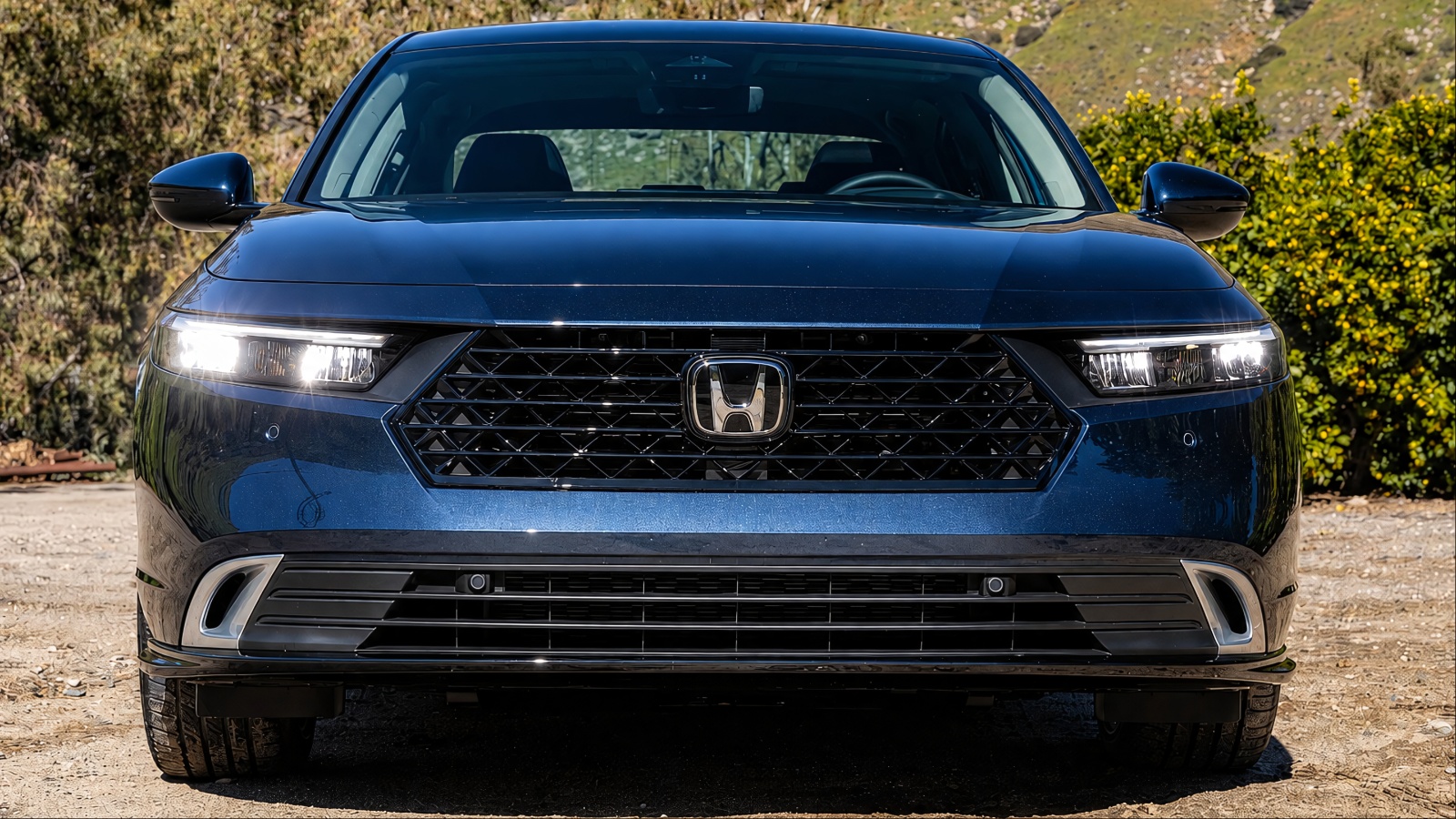
Hybrid vehicles combine a gasoline engine with an electric motor and battery pack. This makes them efficient, but also mechanically different from a normal car.
Because of this dual system, hybrids need care in areas that gas-only cars simply don’t have. The hybrid battery is larger, more complex, and can generate enough power to actually drive the car, so owners need to pay closer attention to battery health.
Experienced mechanics who work on hybrids every day tend to develop strong opinions. They know which habits genuinely extend a hybrid’s life.
They also know which shortcuts quietly cause expensive damage down the road. Some of these lessons come from years of watching batteries fail early, or brakes seize from neglect.
This guide covers four things mechanics consistently recommend for hybrid owners. It also covers four habits or practices they consistently warn against.
The goal isn’t to scare hybrid owners. It’s to help you understand your car a little better. With the right habits, a hybrid can run reliably for well over a decade. With the wrong ones, you can shorten its life significantly. Let’s start with what mechanics want every hybrid owner to do.
The 4 Hybrids Mechanics Recommend
The Toyota Prius remains the gold standard, with battery packs frequently outlasting their 100,000-150,000-mile warranty. The Toyota RAV4 Hybrid earns praise for reaching 180,000+ miles on original batteries.
The Kia Sportage Hybrid offers reliability and value backed by strong warranty coverage, while the Hyundai Sonata Hybrid (recent years) delivers genuine dependability after early engine issues were resolved.
1. Toyota Prius
The Prius is the hybrid mechanics trust more than almost any other car on the road. It’s been refined for over two decades. Auto expert Chris Pyle includes the Prius on his built-to-last list, citing great handling and acceleration. He also points to reliable fuel efficiency and a smooth ride.
Toyota’s hybrid system in the Prius has barely changed in its core design philosophy. That consistency is exactly what mechanics look for in a long-term ownership vehicle.
Consumer Reports relies on annual member surveys covering hundreds of thousands of vehicles across 17 potential trouble areas. The Prius consistently scores near the top of those surveys year after year.
Parts availability is another major factor mechanics appreciate. Because so many Priuses are on the road, shops rarely struggle to source batteries or components.
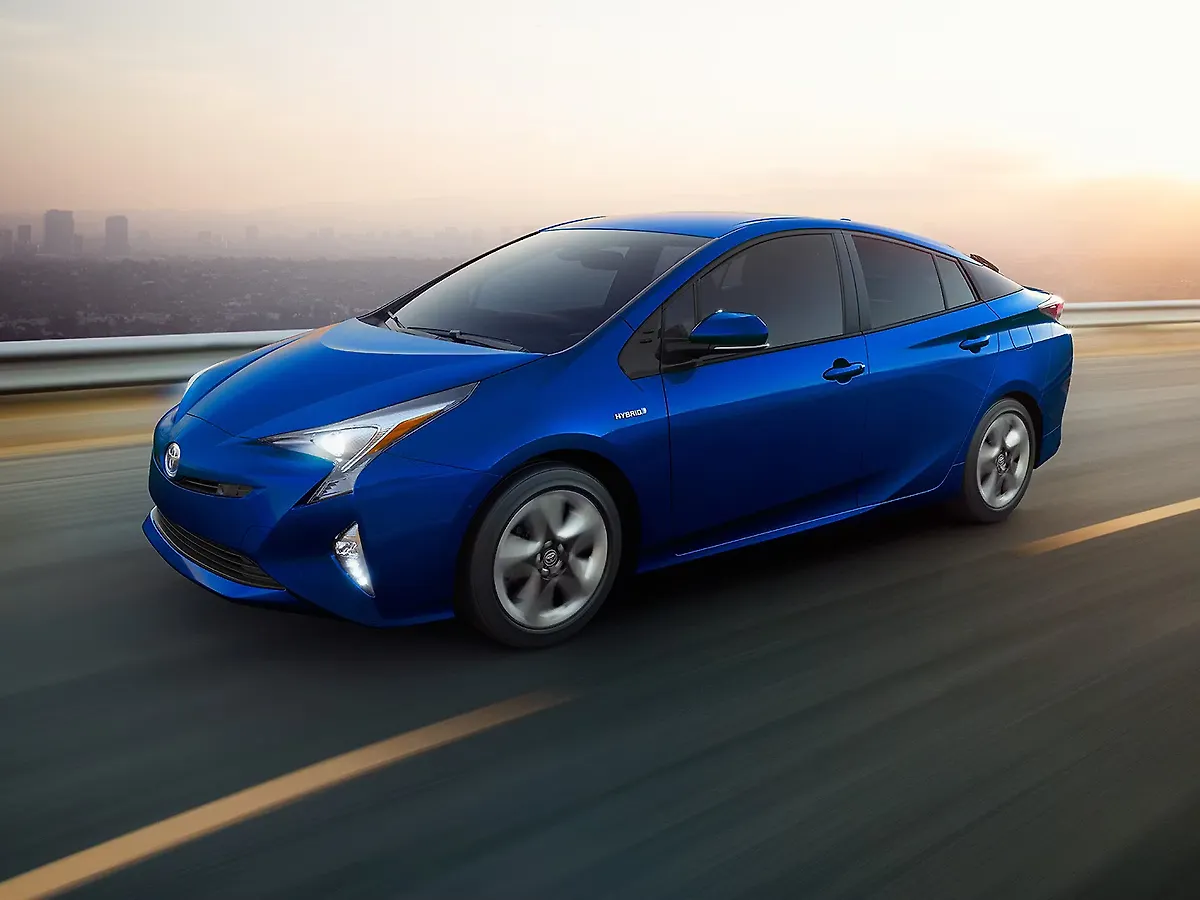
Most hybrids are required to carry a warranty on the main battery pack of between 100,000 and 150,000 miles. Prius battery packs frequently outlast that warranty by a wide margin.
Even early Prius models, once considered risky, have proven their durability over time. Now that the first hybrids are aging into their teens, these battery packs have proven their longevity.
Mechanics also like how simple the Prius is to diagnose. Toyota’s conservative engineering approach means fewer unexpected electrical gremlins compared to newer hybrid competitors.
The interior isn’t flashy, and the driving experience is famously unexciting. Mechanics see that as a feature, not a flaw. For buyers who want a hybrid that just works without drama, the Prius remains the gold standard. It’s the car mechanics recommend to their own family members first.
2. Toyota RAV4 Hybrid
The RAV4 Hybrid takes everything mechanics love about the Prius and puts it into a practical family SUV. It’s become a shop favorite for good reason.
RAV4 Hybrids come in for routine maintenance with only the very occasional inverter coolant issue, usually tied to a skipped 60,000-mile service. The mechanical foundation underneath is genuinely excellent.
Technicians report seeing RAV4 Hybrids in their bays with 180,000-plus miles still running on the original hybrid battery. That kind of longevity is rare even among hybrids.
For families, the appeal is obvious. It’s big enough for car seats and a stroller, small enough to fit in a normal garage, and fuel-efficient enough to make the math work.
There is one known issue worth mentioning. The 2019 through 2021 model years had a known hybrid system control module software issue that Toyota addressed under warranty for most owners
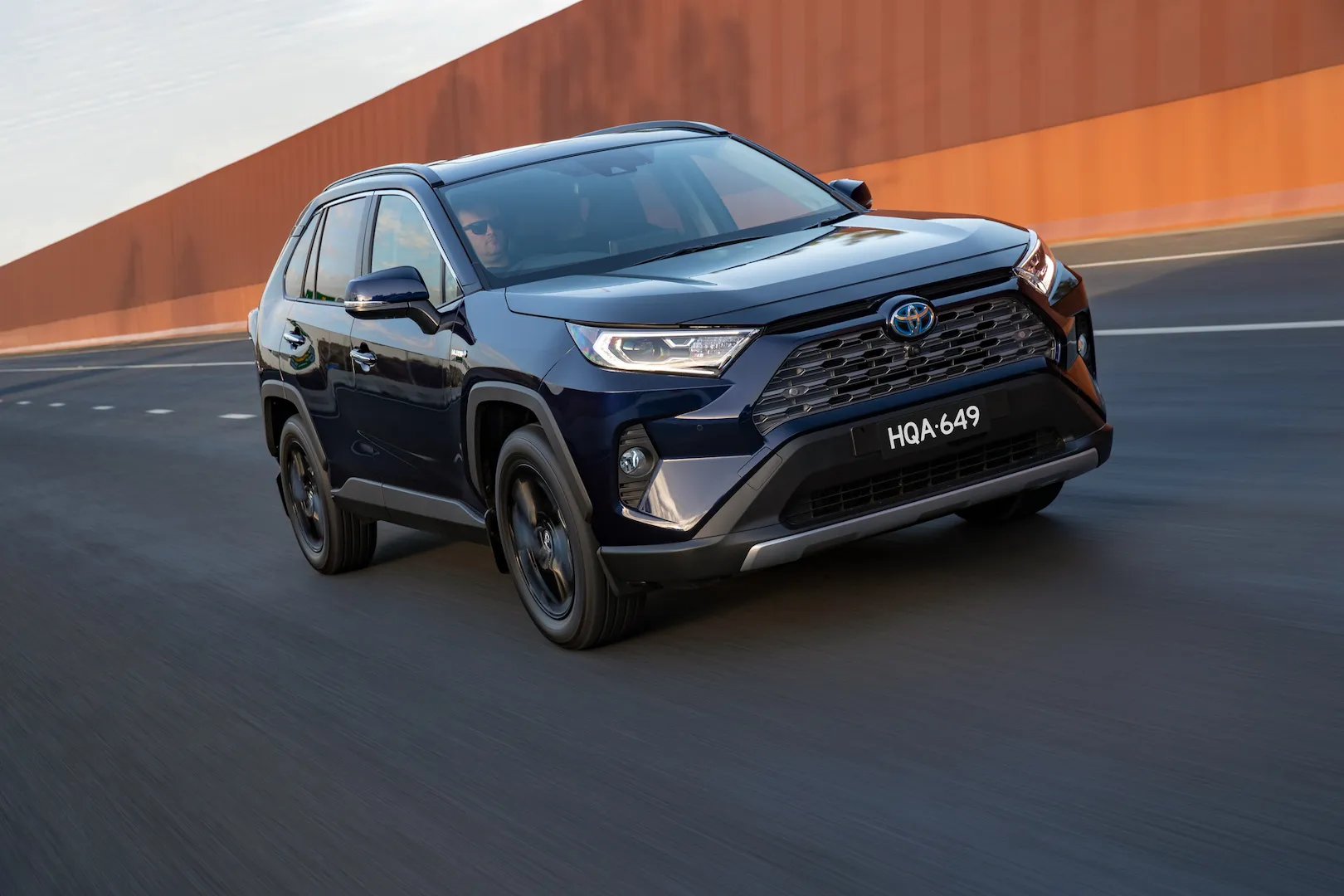
Mechanics advise used buyers from those years to confirm the software update was completed. It’s a quick check that prevents a much bigger headache later.
Beyond that hiccup, the RAV4 Hybrid has earned a reputation as one of the most dependable SUVs sold today. Its resale value reflects that trust directly.
Shops that specialize in hybrids often name it as the vehicle they’d buy for their own household. The blend of practicality and proven mechanics is hard to beat.
Maintenance costs also stay reasonable compared to European or luxury hybrid SUVs. Parts are common, and labor rates stay predictable across most independent shops. For anyone wanting a hybrid crossover that won’t surprise them, mechanics point here first. It’s become the practical default for a reason.
3. Kia Sportage Hybrid
Kia’s hybrid lineup surprised a lot of skeptical mechanics in recent years. The Sportage Hybrid in particular has earned genuine respect in the shop.
Auto expert Chris Pyle recommends the Kia Sportage, calling it comfortable, reliable and roomy, all at a relatively low price point. That combination is rare in the hybrid SUV segment.
Kia’s warranty coverage also gives mechanics confidence in recommending it. Long powertrain warranties mean early issues, if they happen, are largely the manufacturer’s financial problem, not the owner’s.
The Sportage Hybrid benefits from Kia’s broader push into electrified vehicles over the past several years. Unlike some competitors, Kia treated hybrid development as a serious, ongoing investment.
That investment shows up in build quality. Mechanics report fewer of the electrical gremlins that plague hastily converted hybrid platforms from other manufacturers.
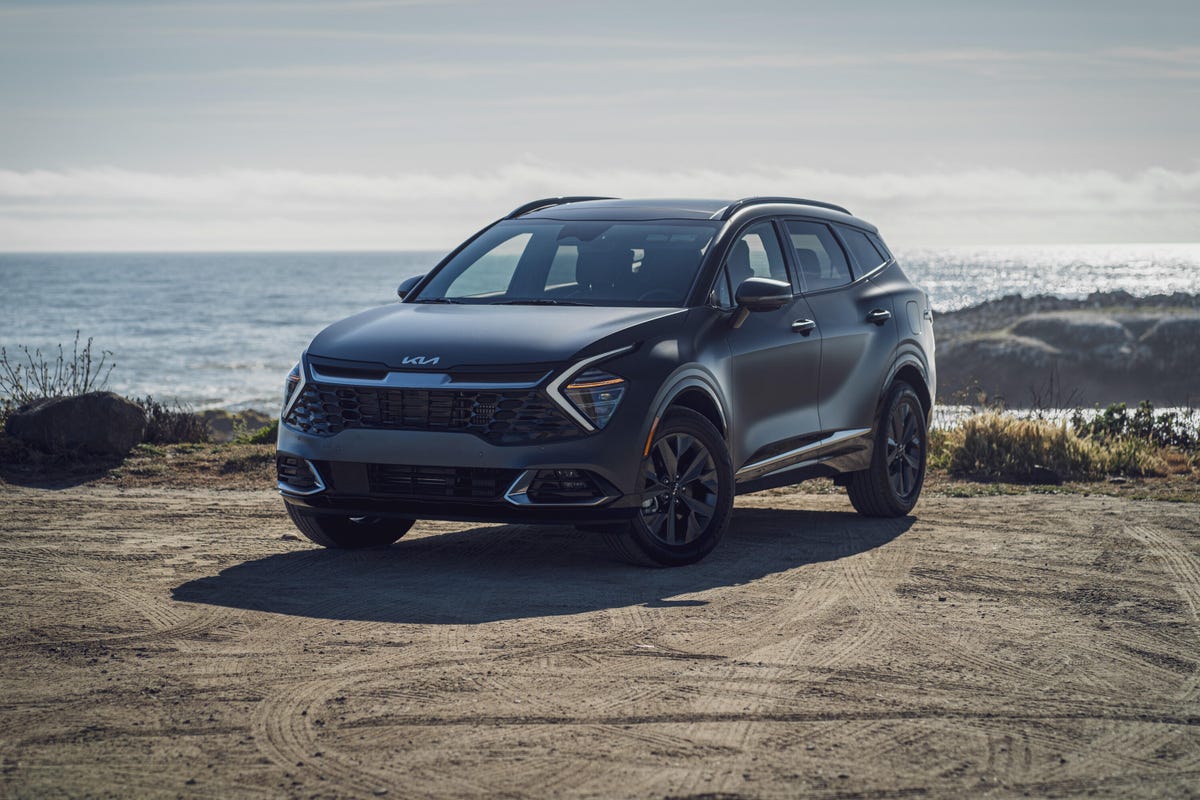
Interior quality has also improved dramatically across recent generations. It no longer feels like a budget alternative to Japanese competitors, which matters for long-term resale value.
Fuel economy numbers are competitive with the RAV4 Hybrid and CR-V Hybrid. For buyers cross-shopping the segment, that puts real pressure on the established players.
Parts availability was once a concern with Kia hybrids specifically. That’s improved significantly as the Sportage Hybrid has sold in higher volumes across most markets.
Mechanics also appreciate the straightforward layout of the hybrid components under the hood. Diagnostics and repairs tend to be more accessible than on some rival systems.
For buyers wanting a roomy, well-equipped hybrid SUV without a Toyota price tag, mechanics increasingly point to the Sportage. It’s become a legitimate value pick in the segment.
4. Hyundai Sonata Hybrid
The current-generation Sonata Hybrid has quietly become a mechanic favorite among midsize sedans. It combines style with genuine mechanical substance.
Chris Pyle suggests the Sonata for its stylish and sporty design paired with reliable powertrains and high value. That’s high praise from someone who evaluates dozens of hybrid models.
It’s worth noting this recommendation applies mainly to newer model years. Earlier versions of the Sonata Hybrid had notable engine issues, and Hyundai has made real improvements with more recent models.
Mechanics are clear about this distinction. The transmission and hybrid component problems that plagued early Sonata Hybrids have largely been engineered out of current versions.
Hyundai’s broader hybrid strategy has matured considerably. The brand no longer treats hybrid powertrains as a rushed afterthought bolted onto a gas platform.
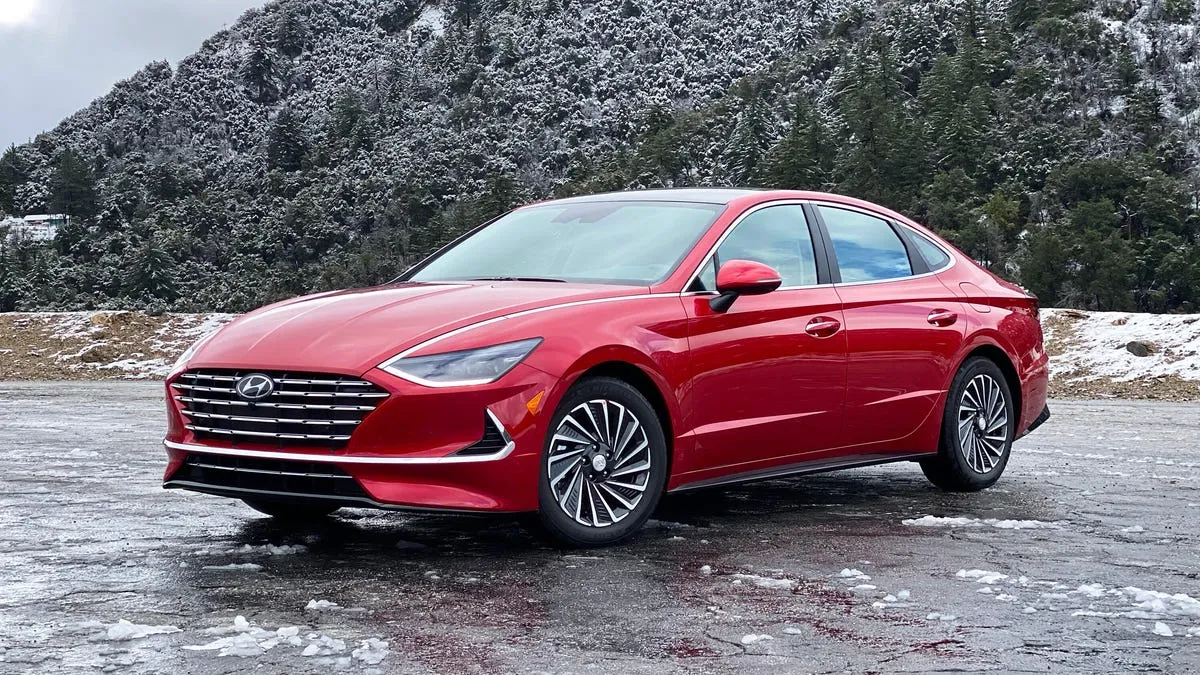
Fuel economy on the current Sonata Hybrid is genuinely impressive for a midsize sedan. It competes directly with the Camry Hybrid and Accord Hybrid on efficiency numbers.
Warranty coverage remains one of Hyundai’s strongest selling points. It gives both buyers and mechanics confidence that early-life issues carry less financial risk for the owner.
Ride comfort and cabin tech have also improved substantially. It no longer feels like the budget alternative it was once considered against Japanese competitors.
Mechanics do still recommend checking service history carefully on any used Sonata Hybrid. Confirming which generation and model year matters more with this car than most others.
For buyers focused strictly on recent model years, the Sonata Hybrid represents genuine value. It’s a sedan mechanics feel comfortable recommending without major caveats attached.
The 4 Hybrids Mechanics Avoid
The Chrysler Pacifica Hybrid suffers recurring battery recalls and poor cold-weather performance. The Ford Escape Hybrid faces costly battery replacements (2005-2012) and transmission issues (2020).
The Chevrolet Malibu Hybrid has weak resale value and limited repair support, and the Ford Fusion Hybrid (2013-2014) combines transmission problems with expensive hybrid system failures.
1. Chrysler Pacifica Hybrid
No hybrid appears on more “avoid” lists than the Pacifica Hybrid. Mechanics across multiple sources point to the same recurring problems. Mechanic Mateo describes the Pacifica as having remained something of a maintenance disaster for nearly a decade. That’s a striking statement about a vehicle still sold today.
Mateo explains the Pacifica Hybrid has had multiple recalls related to its battery and electrical system. Customers have reported stalling issues and charging problems as a direct result.
Owners have reported multiple recalls and issues specifically tied to the hybrid battery on Pacifica models. The electrical system concerns compound an already complicated design.
Independent technical reviews echo these concerns from a design standpoint. A detailed technical review noted the Pacifica combines new, unproven Chrysler tech with many complicated cooling and heat transfer systems.
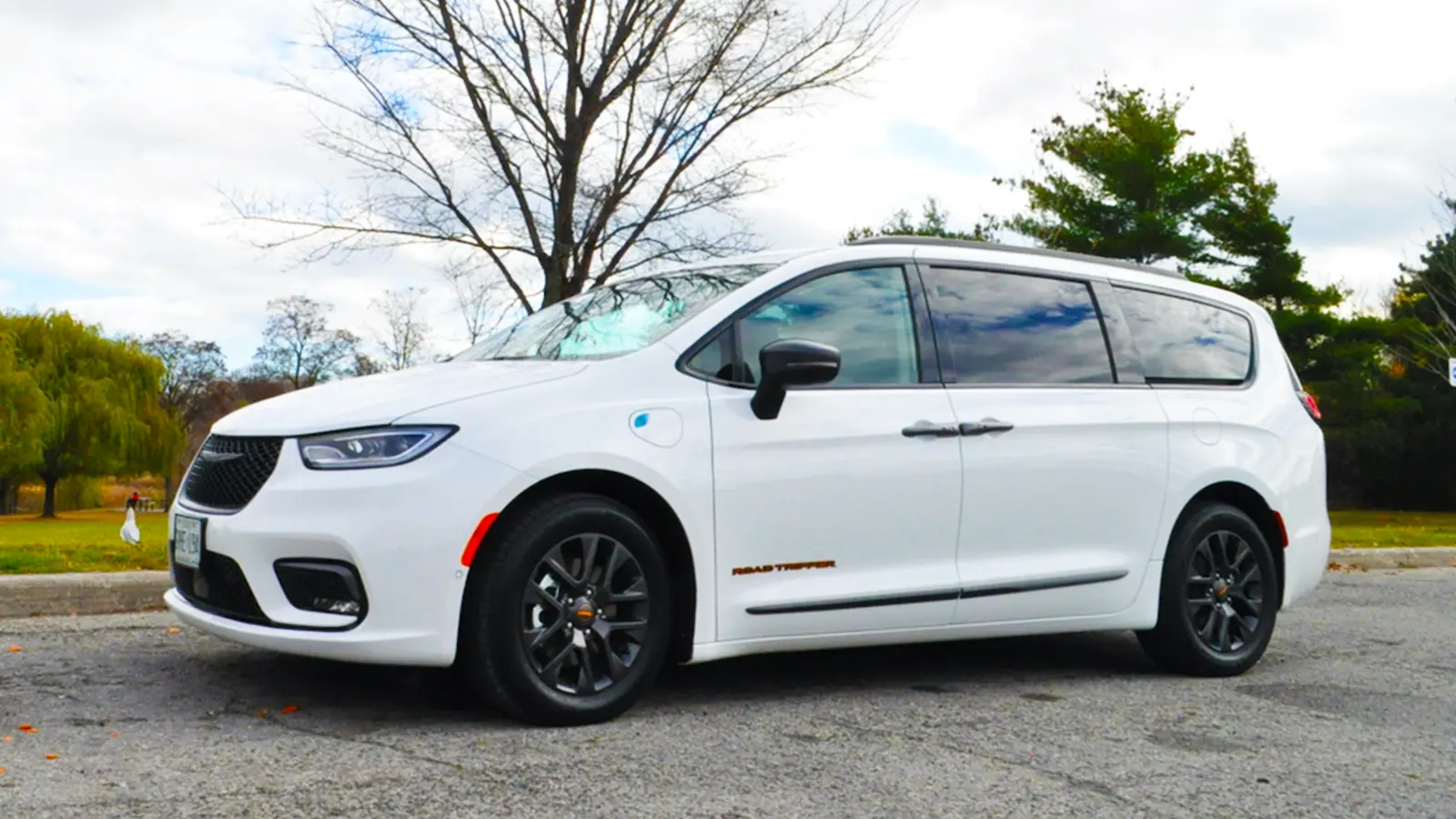
Cold weather performance is a specific weak point mechanics flag. The Pacifica lacks a heat pump for cabin heating on battery power alone, meaning the gas engine runs almost constantly in cold climates.
That design choice undermines the entire point of buying a hybrid minivan in the first place. Fuel savings shrink dramatically once the engine is running nearly full time.
Mechanics also point to Chrysler’s inexperience with hybrid platforms generally. Unlike Toyota or Hyundai, this was one of the brand’s first serious hybrid efforts.
That inexperience shows up in diagnostic complexity too. Shops without specific Pacifica hybrid training often struggle to properly troubleshoot electrical faults.
For buyers considering a hybrid minivan, mechanics consistently steer them toward alternatives instead. The Pacifica’s recall history alone is enough to give most technicians serious pause.
2. Ford Escape Hybrid (2005–2012 and 2020)
The Ford Escape Hybrid has struggled across two very different generations. Mechanics flag issues spanning nearly two decades of production. Mechanic Mateo notes the early Escape Hybrid is tempting due to roomy cargo space and solid fuel economy. But that appeal comes with a serious catch for used buyers.
Models built between 2005 and 2012 are known for hybrid battery problems that can eventually require a complete replacement. This is more than an isolated defect or occasional failure. It is a recurring issue associated with these model years.
Replacing the battery can cost up to, and sometimes over, $5,000, which is more than what some of these older models are worth today. That math rarely favors the buyer.
The more recent 2020 Escape Hybrid brought a different set of problems entirely. The 2020 model’s transmission is one of the most commonly reported issues, with rough, abrupt shifting affecting many owners.
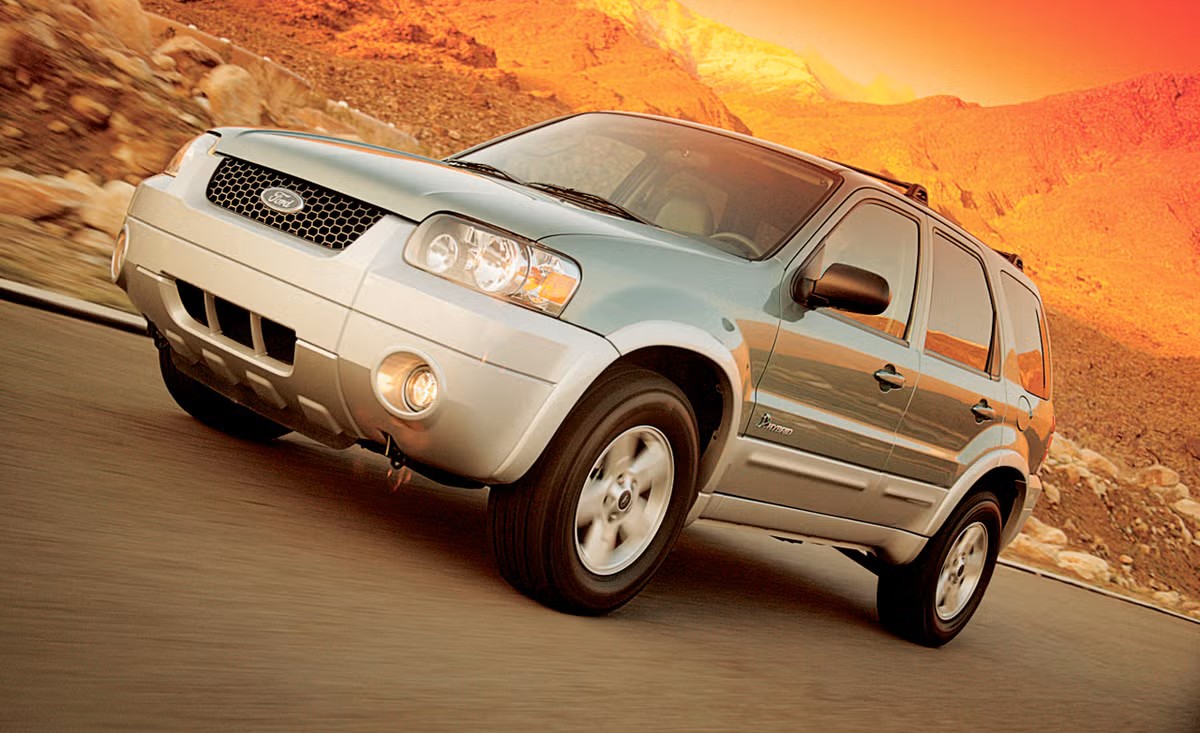
Some owners have had to rebuild or fully replace the transmission on their 2020 Escape Hybrid. That’s a costly repair for a relatively young vehicle.
Mechanics find this pattern frustrating because Ford has had ample time to refine the platform. Yet issues have persisted across generations rather than disappearing with experience.
Parts and specialized labor can also be harder to find for Escape Hybrids compared to Toyota or Honda alternatives. Fewer specialized shops mean longer wait times and higher costs.
For buyers specifically drawn to the Escape’s cargo space and price point, mechanics suggest extreme caution. A thorough pre-purchase inspection is considered essential, not optional.
Given the choice, most technicians steer customers toward a RAV4 Hybrid or CR-V Hybrid instead. The peace of mind is generally worth the modest price difference.
3. Chevrolet Malibu Hybrid
GM’s hybrid sedan effort never quite matched its Japanese and Korean competitors. Mechanics consistently point to support and reliability gaps as the core issue.
Mateo explains the Malibu Hybrid’s core problem is weak resale value combined with limited support for repairs. Finding parts and knowledgeable technicians becomes genuinely difficult over time.
He notes GM didn’t commit to hybrids the way Toyota or Honda did, making specialized mechanics harder to find. That lack of investment shows up throughout the ownership experience.
This isn’t just an opinion about corporate strategy. Owners of the 2018 Malibu Hybrid have reported engine failures alongside problems with the fuel sensor.
Engine failure on a relatively modern hybrid sedan is a serious red flag for mechanics. It suggests deeper quality control issues beyond typical wear-and-tear problems.
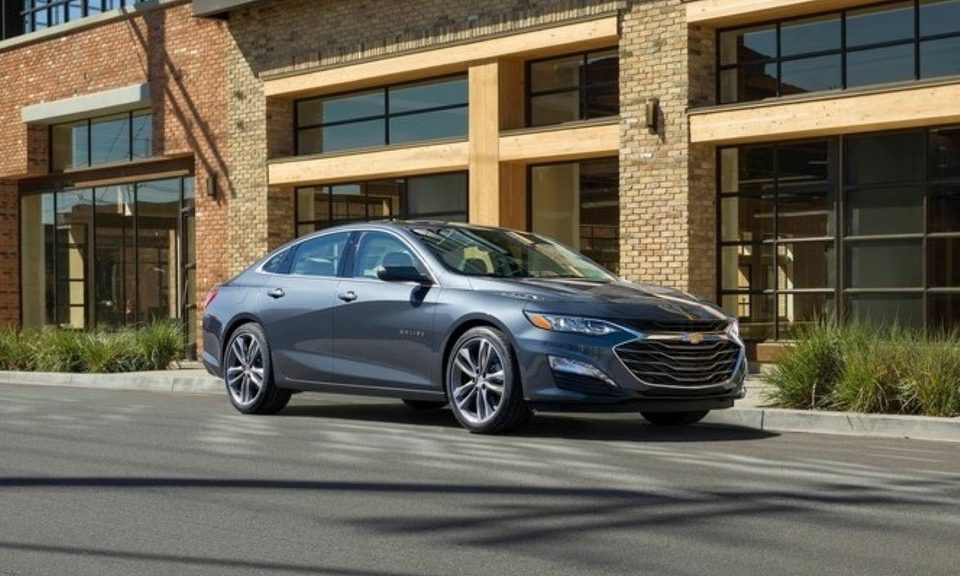
The fuel economy on paper looks competitive with the Camry Hybrid and Accord Hybrid. But mechanics warn that on-paper numbers don’t reflect the total cost of ownership.
Resale value compounds the problem further. A car that’s hard to sell and hard to repair becomes a financial trap for owners who bought it for its efficiency.
Mechanics also point out that GM discontinued the Malibu Hybrid relatively quickly. That short production run limits parts availability even further as vehicles age.
Independent shops sometimes decline hybrid-specific repairs on the Malibu altogether. They simply don’t see enough of them to justify the specialized training and tooling required.
For buyers considering a hybrid sedan, mechanics almost universally point elsewhere. The combination of weak support and real mechanical issues makes it a difficult recommendation to make in good conscience.
4. Ford Fusion Hybrid (2013–2014 Model Years)
The Ford Fusion Hybrid had genuine potential as a midsize sedan competitor. But specific model years turned that potential into a cautionary tale for used buyers.
The 2013 Fusion Hybrid’s mix of serious mechanical and electronic issues makes it one of the most problematic years in the lineup. The 2014 model carried over many of the same underlying problems.
Transmission behavior was a major complaint among owners. Owners continued to report rough shifting and slipping throughout both the 2013 and 2014 model years.
Electrical issues compounded the mechanical ones. Problems with the push-button start, battery management, and dashboard warnings were common across affected vehicles.
The hybrid system itself wasn’t immune either. Some vehicles experienced sudden loss of hybrid power, an issue that requires expensive repairs to properly resolve.
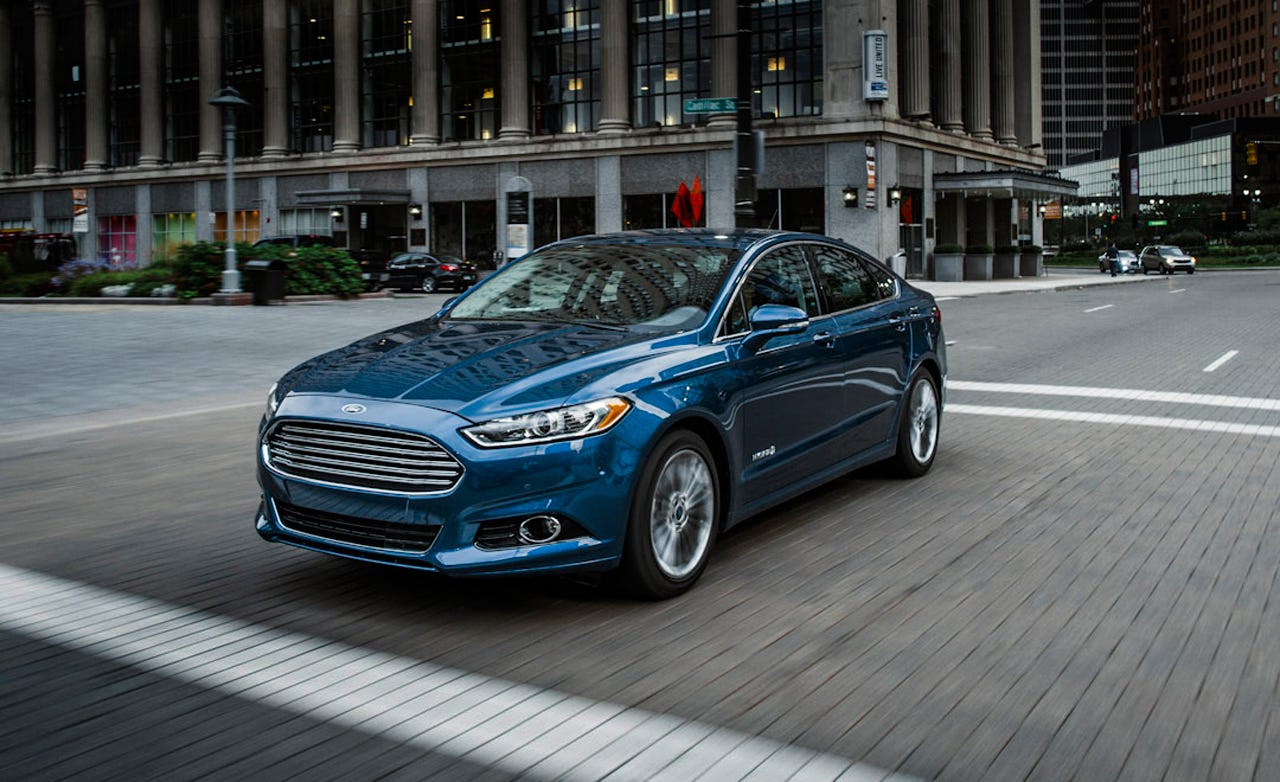
Cost estimates make the risk clear for used buyers. Hybrid system repairs on affected Fusion models can cost $2,000 or more, on top of any transmission-related work.
Mechanics stress that not every Fusion Hybrid year carries this risk. The recommended approach is to avoid the worst years specifically, including 2010, 2013 through 2014, and 2017 where possible.
For buyers still interested in the model, technicians recommend thorough due diligence. Checking the NHTSA website to confirm all outstanding recalls have been addressed is a critical step before purchase.
This car illustrates an important lesson about hybrid shopping generally. Model year matters just as much as the nameplate itself when it comes to reliability.
Mechanics who see Fusion Hybrids in their shops recommend extreme year-specific caution. A seemingly good deal on a 2013 or 2014 model can quickly become an expensive mistake.
