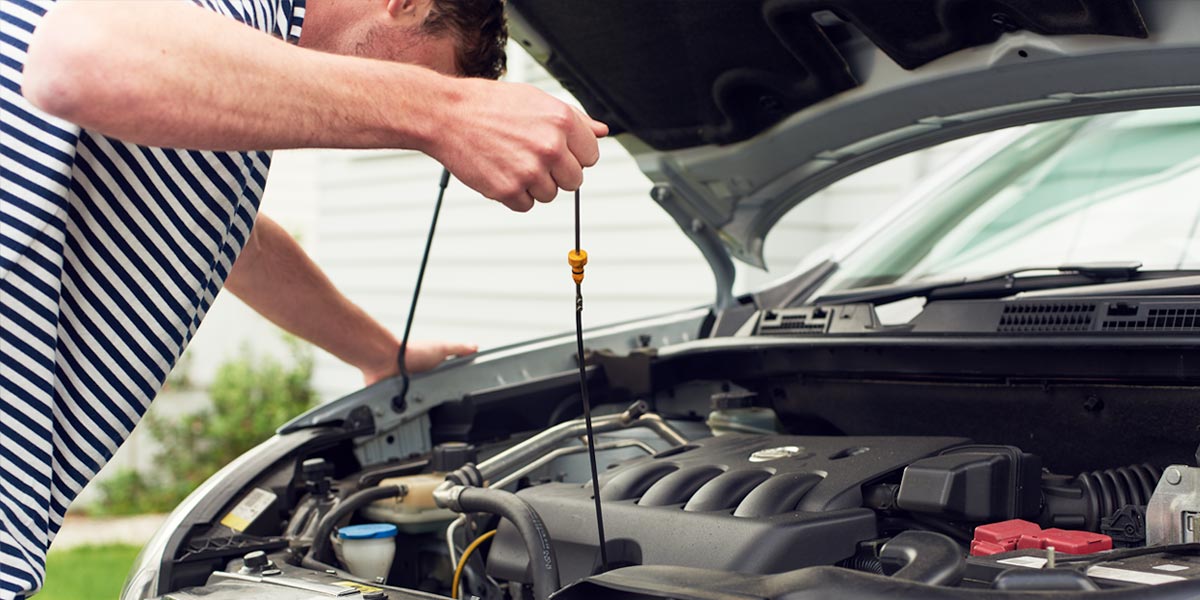
Buying a used car is not just about finding a vehicle that looks clean, starts easily, and feels comfortable on a short drive. Small problems can hide beneath a polished exterior, and some faults only become noticeable when the car is driven under specific conditions.
A proper test drive gives you an opportunity to examine how the engine, transmission, steering, brakes, suspension, electronics, and safety systems behave together.
Many buyers focus on acceleration and comfort while overlooking simple checks that can reveal expensive problems. These 10 test drive checks can help used-car shoppers make a more informed decision before handing over their money.
1. Start the Car With a Cold Engine
A cold start can tell you more about a used car than a warm engine that has already been running for twenty minutes. Before starting the vehicle, ask the seller not to warm it up. If possible, arrive early and check whether the engine is genuinely cold by carefully touching a safe metal component under the hood.
A seller who insists on warming the car before your arrival may have a perfectly reasonable explanation, but it is worth asking why. A cold engine gives you a better chance to notice starting problems that may disappear once the engine reaches operating temperature.
Pay attention to how quickly the engine starts. It should generally crank smoothly without excessive hesitation, repeated attempts, or unusual mechanical sounds. A brief change in engine noise immediately after starting can be normal on some vehicles, but loud knocking, persistent rattling, grinding, or irregular cranking deserves attention.
Diesel engines may behave differently from petrol engines, particularly in colder conditions. The important point is to understand what the particular engine should sound like and investigate anything that seems unusually harsh or inconsistent.
Watch the exhaust during the first few moments after starting. A small amount of vapor can be normal, especially when the weather is cool. Persistent smoke with a noticeable blue, white, or heavy black appearance can indicate a problem that deserves professional inspection.
Exhaust color alone cannot diagnose an engine fault because different causes can produce similar symptoms. Still, it is a useful warning sign. Ask the seller whether the vehicle has recently had any engine work, oil consumption issues, cooling problems, or emissions-related repairs.
2. Test the Brakes at Different Speeds
Many buyers press the brake pedal once during a test drive and move on. That is not enough. Braking behavior can change at different speeds, and problems may only become obvious when more pressure is applied.
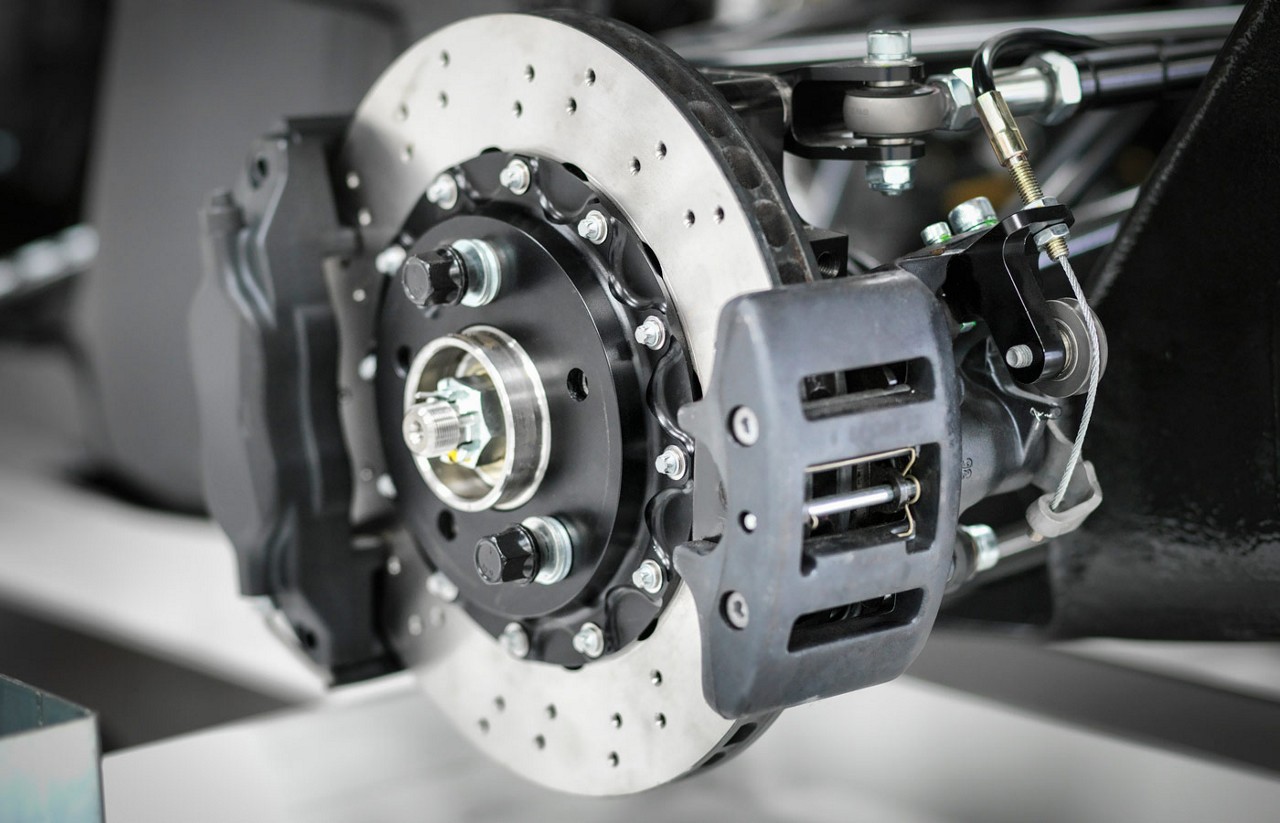
Choose a safe, legal area with light traffic and enough space. Start with gentle braking and gradually increase the pressure. The pedal should feel predictable, and the vehicle should slow without pulling strongly toward either side. Do not perform aggressive braking in a busy area or put other road users at risk.
Pay attention to pedal feel. A brake pedal that feels unusually soft, spongy, or inconsistent should be investigated. A firm pedal does not automatically guarantee perfect brakes, but a significant change in pedal behavior can indicate a hydraulic or mechanical issue.
Also notice whether the pedal pulses under ordinary braking. Some vibration can occur under certain conditions, while a strong recurring pulsation through the pedal or steering wheel may point toward uneven brake components or other issues that need inspection.
Listen for sounds during braking. A light amount of noise can occur with certain brake pad materials, particularly when conditions are wet or dusty. Persistent grinding, harsh scraping, repeated squealing, or clunking should not be ignored.
Brake noise can come from relatively simple causes, but it can also indicate worn components. Ask whether the brake pads, discs, drums, or other related parts have been replaced recently. Receipts or maintenance records are more useful than a verbal claim because they provide evidence of previous work.

3. Check the Steering for Play, Pulling, and Vibration
Steering can reveal problems that are difficult to see while the vehicle is parked. During the test drive, notice how accurately the car responds to small steering movements. A healthy steering system should generally feel controlled and predictable.
Excessive looseness around the center position can be a warning sign, especially if you need to make frequent corrections to keep the vehicle straight. The exact feel varies by model, so comparing it with another example of the same car can be helpful.
Find a safe, straight section of road and observe whether the vehicle naturally tracks straight when your hands are positioned correctly on the wheel. Do not remove your hands completely or intentionally drive carelessly.
If the car repeatedly moves toward one side, several causes are possible. Tire pressure, road surface, wheel alignment, tire condition, suspension components, or steering parts can all contribute. A slight drift on a strongly crowned road may be normal, so the road itself should also be considered.
Vibration through the steering wheel is another useful clue. A vibration that appears at a particular speed can sometimes be associated with wheel balance, tire condition, alignment, or suspension components.
Vibration during braking may have a different cause. The pattern matters. Note the speed at which the vibration starts, whether it increases with speed, and whether it changes when braking or accelerating. These details can help a mechanic narrow down the problem during an inspection.
4. Pay Attention to the Transmission During Slow Driving
Transmission problems do not always appear during rapid acceleration. In fact, slow driving can reveal symptoms that a short burst of speed might miss. When moving away from a stop, notice whether the vehicle engages smoothly.
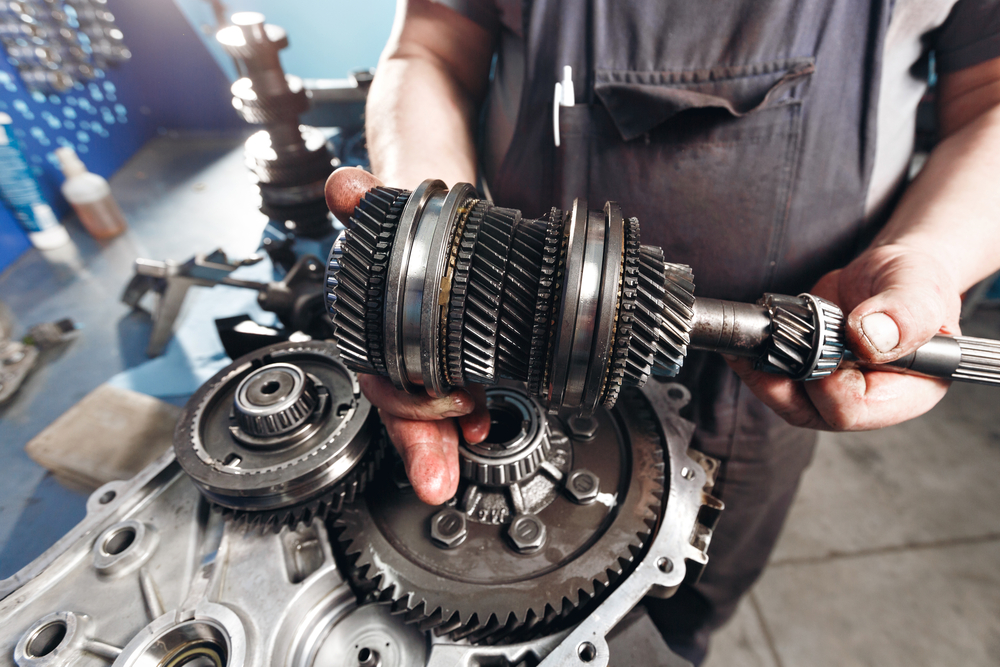
Automatic transmissions should generally shift without severe jolts or unexplained delays. Manual gearboxes should allow the driver to select gears without excessive resistance or grinding. Different vehicles naturally have different shift characteristics, so familiarity with the specific model can help.
For an automatic vehicle, pay attention when selecting reverse and drive. A small engagement delay can occur in some vehicles, but a pronounced hesitation followed by a strong clunk should be investigated.
Do not repeatedly shift between gears just to test the system. Select the appropriate gear while stationary and follow the vehicle’s normal operating procedure. If the transmission takes noticeably longer than expected to engage, ask the seller whether it has previously required servicing.
During acceleration, notice whether the engine speed rises without a corresponding increase in road speed. This can be a sign of transmission slip in some vehicles, though diagnosis requires professional testing.
Sudden harsh shifts can also have multiple causes, ranging from software behavior to worn mechanical components. A used vehicle with an uncertain transmission history deserves particular caution because major transmission repairs can be costly.
Manual transmissions require a different set of observations. Check whether each gear can be selected smoothly under normal driving conditions. Grinding during shifts is a warning sign.
Pay attention to the clutch as well. If the engagement point is extremely high, the vehicle shudders when moving away, or engine speed rises while acceleration remains weak, the clutch may require attention. Some vehicles naturally have heavier clutch pedals than others, so comparison with another example can be valuable.
5. Test the Suspension on Different Road Surfaces
A smooth road can make almost any car feel good. To evaluate a used vehicle properly, you need to experience different road surfaces at safe speeds.
Look for a route that includes normal pavement, a few gentle bumps, and perhaps a rougher section where it is legal and safe to drive. Avoid deliberately hitting potholes or speed bumps at high speed. The objective is to listen and observe, not to abuse the vehicle.
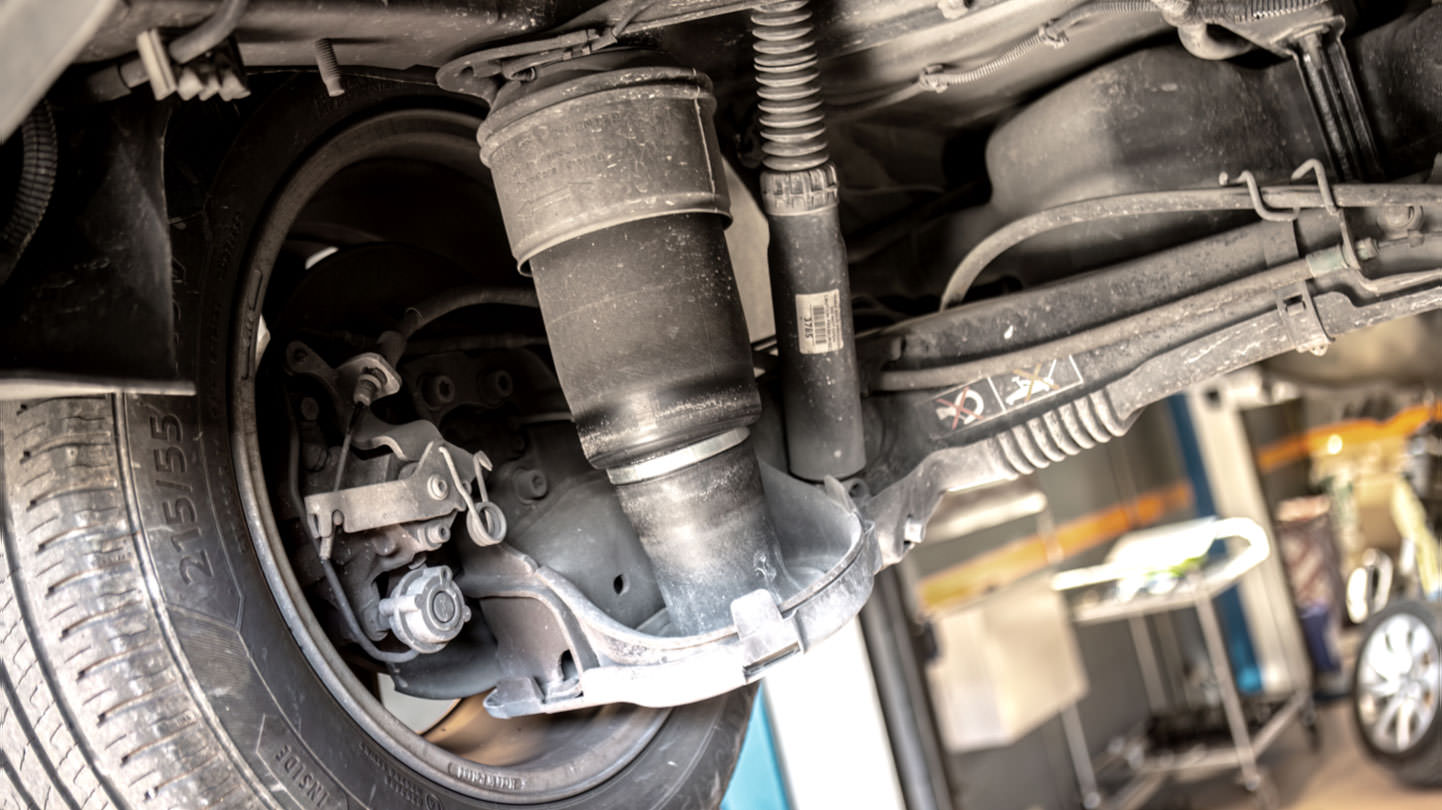
When driving over a small bump, notice how the suspension responds. The car should settle without excessive bouncing. A single bump followed by controlled movement is generally different from repeated bouncing or harsh crashing.
The precise ride quality varies by vehicle design, tire size, suspension tuning, and driving mode. A performance car may naturally feel firmer than a family sedan. What matters is whether the behavior seems appropriate for that particular model.
Listen for knocking, clunking, rattling, or squeaking. Suspension noises can come from many sources, including worn bushings, links, mounts, dampers, or loose components.
Interior trim can also rattle, so do not assume every noise comes from underneath the car. Try to identify when the sound occurs. Does it happen only over sharp bumps? Does it appear during braking? Does it occur when turning? A clear pattern gives a mechanic useful information.

6. Turn Off the Music and Listen to the Car
A surprisingly simple test is to switch off the stereo, climate fan, and other distractions for a few minutes. Many buyers spend their test drive listening to music while discussing price with the seller.
That makes it harder to hear mechanical noises. A quiet cabin gives you an opportunity to notice sounds that might otherwise disappear beneath normal conversation.
Listen for changes in engine noise as you accelerate and decelerate. A healthy vehicle does not necessarily sound silent. Mechanical systems naturally produce different noises at different speeds.
What matters is whether there are unexpected sounds, particularly those that change with engine speed or vehicle speed. A whine, hum, rattle, ticking noise, or vibration may have several possible causes. Recording the symptom in your notes can help a mechanic reproduce it later.
Try coasting safely with the accelerator released. Listen for noises that remain when the engine is no longer under strong acceleration.
This can help distinguish sounds related to the engine from those associated with wheels, tires, bearings, or other rotating components. Again, this is not a diagnosis. It is simply a way to gather useful observations. Keep your attention on traffic and road conditions throughout the exercise.
Also listen while turning. A noise that appears only during left or right turns can provide a valuable clue. The same applies to sounds that appear when braking, accelerating, or crossing uneven surfaces.
A good test drive is partly about creating normal driving situations and noticing whether the vehicle behaves consistently. You do not need to manufacture extreme conditions to find useful information.

7. Test the Air Conditioning and Heating While Driving
Climate control is easy to overlook because buyers tend to focus on the engine and transmission. Repairing a malfunctioning air conditioning system can still become expensive, particularly when a compressor, condenser, evaporator, or electrical component is involved. Turn the system on during the test drive rather than simply checking whether air comes from the vents while parked.
Set the temperature to a clearly different level from the cabin temperature and give the system enough time to respond. Check whether the air becomes appropriately warm or cool. Test different fan speeds and air distribution settings.
If the system takes an unusually long time to change temperature, produces weak airflow, or makes strange noises, make a note of it. Cabin filters and minor maintenance items can affect airflow, while other symptoms may require more extensive work.
Listen when the air conditioning compressor engages. Some vehicles produce a small change in engine sound or idle speed when the compressor activates. That can be normal.
A harsh click followed by repeated cycling, strong vibration, or unusual mechanical noise deserves attention. Modern climate systems vary considerably, so a mechanic may need to inspect the system before determining the cause.
Test the heater if conditions allow. A vehicle that has a cooling problem may still have a functioning heater, and vice versa.
Heating performance can also provide clues about the cooling system. If the temperature gauge behaves strangely while the climate system is operating, take the symptom seriously. Never continue driving a vehicle that shows signs of overheating simply to complete a test.
8. Watch the Dashboard for Warning Lights
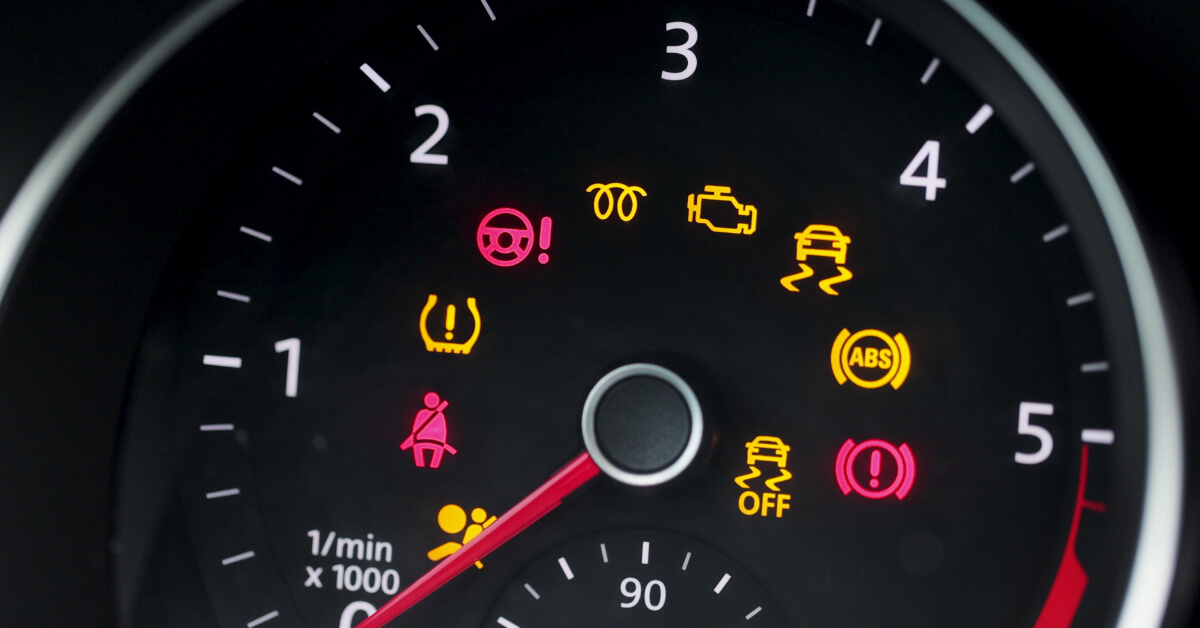
The dashboard can provide information that your senses cannot. Before starting the engine, observe which warning lights illuminate during the vehicle’s normal startup sequence.
Many lights should appear briefly and then turn off once the engine starts. If a warning remains illuminated, ask the seller what it means. Do not accept vague explanations without checking the vehicle’s manual or obtaining professional advice.
Some sellers may reset warning lights before showing a vehicle. That does not necessarily mean they are hiding a fault, but it means the absence of a warning light does not prove that every system is healthy.
If possible, have the vehicle scanned for diagnostic trouble codes during a professional inspection. A scan can provide information about electronic systems that may not be obvious from the dashboard.
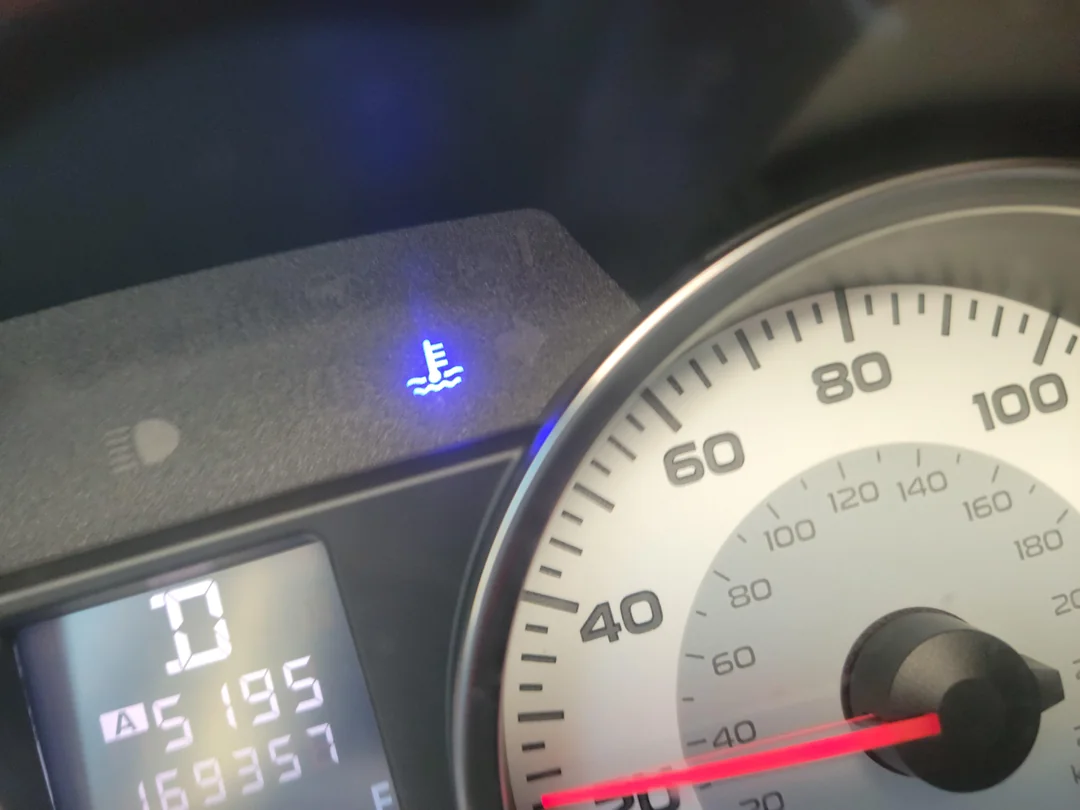
Pay attention to warning lights that appear during the test drive. A light that comes on only after the vehicle has been driven can be particularly important. Some faults require specific operating conditions before the system detects them. If a warning appears, pull over safely and understand what the vehicle is reporting before continuing.
Also watch the temperature gauge or relevant temperature display. The vehicle should normally reach and maintain its expected operating temperature. An engine that overheats is an immediate concern.
An engine that takes an unusually long time to reach normal temperature may also deserve attention. Gauge behavior varies between models, so consult the vehicle’s information when necessary.
9. Test the Electronics You Will Actually Use
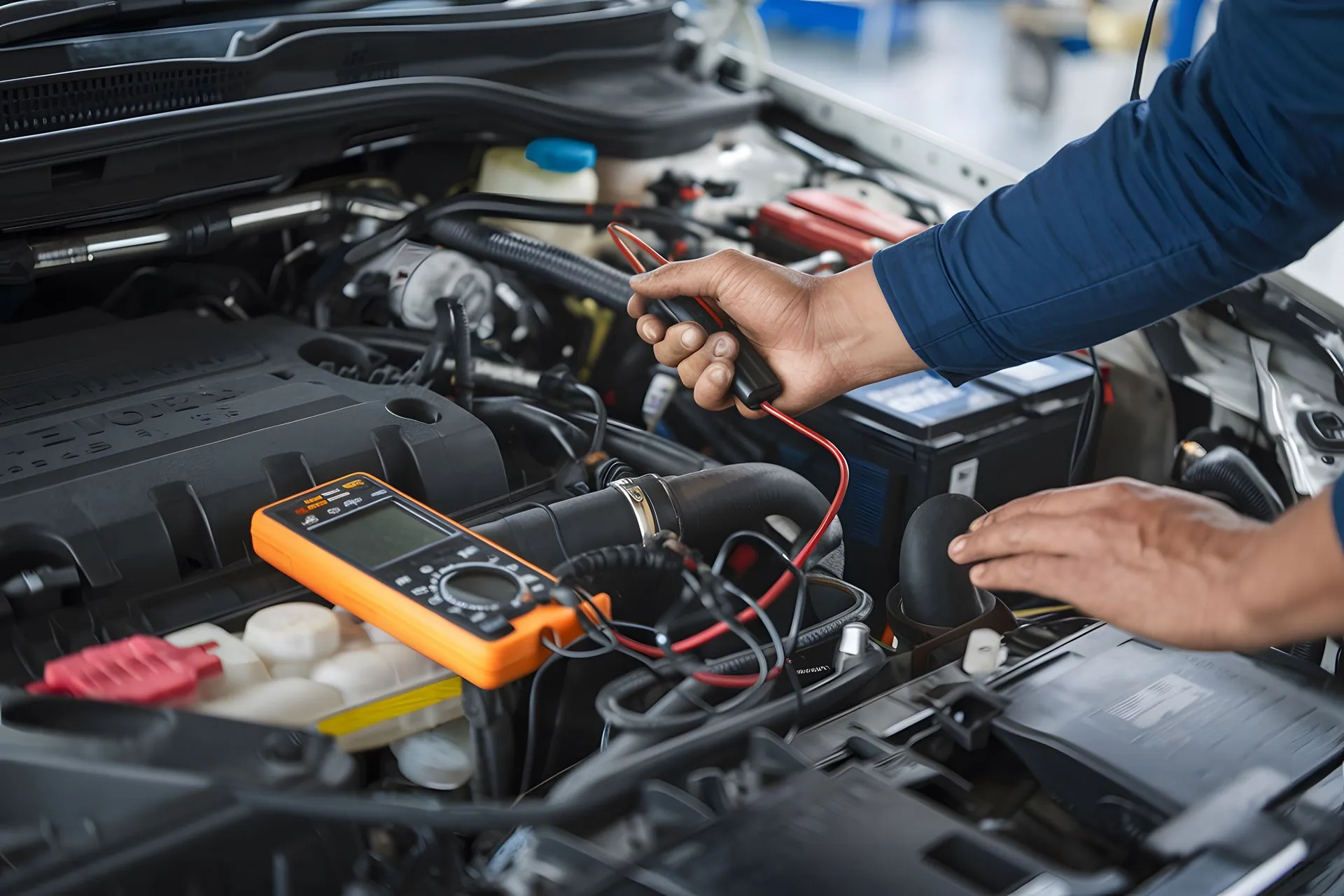
A used car can have an excellent engine and still become frustrating if its electronics are unreliable. During the test drive, check the equipment that matters to your daily routine. Test the headlights, indicators, brake lights, horn, windshield wipers, washers, mirrors, windows, locks, and dashboard controls. These checks take only a few minutes and can reveal faults that are easy to overlook during a quick viewing.
If the vehicle has a touchscreen or infotainment system, check whether it responds properly. Test the audio system, Bluetooth connection, navigation if available, backup camera, and steering-wheel controls.
A slow screen may be normal for an older system, but repeated freezing or unexpected restarts deserve attention. Replacement costs vary significantly depending on the vehicle, so do not assume a faulty display is an inexpensive repair.
Check driver assistance features if the vehicle has them, but do not deliberately create risky situations. Lane departure alerts, parking sensors, blind-spot warnings, adaptive cruise control, and collision warnings should be understood through the manufacturer’s instructions.
Ask the seller whether any system has been disabled or repaired. Warning messages related to cameras or sensors can sometimes appear after windshield replacement, bumper repairs, or alignment work.
Electrical faults can also appear intermittently. Ask whether any switches, lights, displays, or accessories have ever stopped working. Look for signs of aftermarket modifications, loose wiring, poorly fitted screens, or non-original accessories.
Modifications are not automatically bad, but poorly installed electrical equipment can cause problems. A professional inspection can determine whether wiring and components have been installed safely.
10. Test the Car in Reverse and During Parking
Reverse driving gives you a different perspective on the vehicle. Select reverse normally and pay attention to engagement, movement, and unusual sounds.
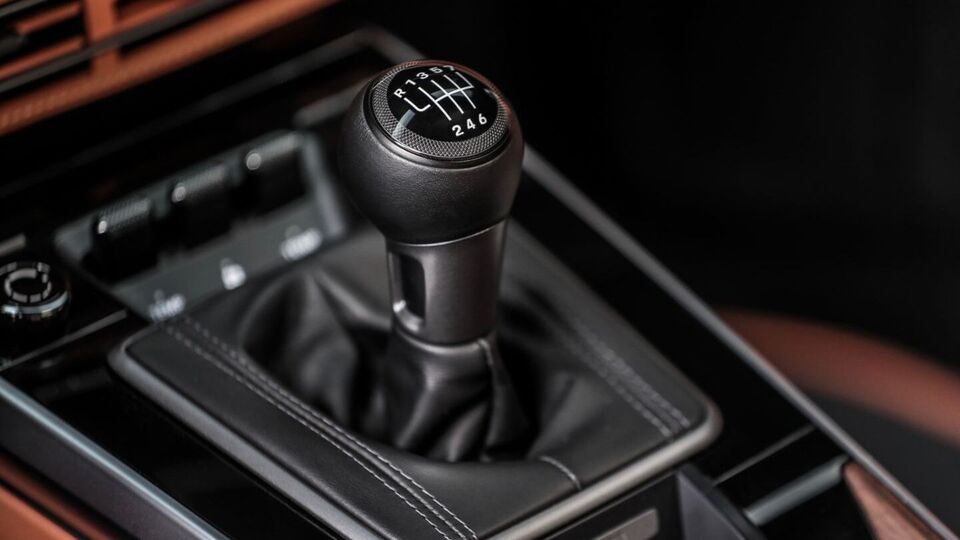
Automatic transmissions should not produce severe impacts when engaging reverse. Manual vehicles should allow reverse selection according to their normal design. If the car hesitates, jolts, or makes an unfamiliar noise, note the symptom and have it checked.
Parking maneuvers also test steering, visibility, cameras, sensors, and low-speed drivability. Slowly maneuver into a suitable parking space while listening for noises and watching how the vehicle responds.
If parking sensors or cameras are fitted, check them. A backup camera that displays an image with heavy distortion, delays, or missing sections may need attention. Sensors should not be assumed to work simply because they are installed.
Try a slow turn in both directions. Some problems only become noticeable when the steering is loaded at low speed. Pay attention to clicking, rubbing, vibration, or unusual resistance. Again, do not hold the steering at its maximum position for longer than necessary. The purpose is to observe normal operation rather than push the system to an extreme.
Check visibility as well. Make sure mirrors adjust correctly, the rear window is clear, and the seating position provides a reasonable view.
Poor visibility can become a daily problem even when the vehicle has no mechanical defect. If you are buying a family vehicle, consider how easily passengers can enter and exit and whether child seats or other equipment would fit as required.