Timing belts are one of those maintenance items that are easy to ignore because an engine can run perfectly right up until the moment the belt fails. Unlike oil changes or worn brakes, there may be little warning. On many older engines, manufacturers therefore specify replacement well before 100,000 miles.
Skipping that service can turn an otherwise dependable vehicle into an expensive repair, especially when the engine uses an interference design in which pistons and valves occupy the same space at different times.
A proper “timing job” usually means more than installing a new belt. Depending on the engine, technicians commonly replace the tensioner, idler pulleys, water pump, seals, and sometimes accessory belts while everything is apart.
The exact interval can vary by model year, transmission, market, and operating conditions, so the owner’s maintenance schedule should always take priority. Still, these nine engine families deserve particular attention before the odometer crosses six figures.
1. Toyota/Lexus 2UZ-FE 4.7-Liter V8
Toyota’s 2UZ-FE has earned an enviable reputation for durability. Found in vehicles such as the Toyota Tundra, Sequoia, Land Cruiser, 4Runner, and Lexus GX 470 and LX 470, this iron-block 4.7-liter V8 routinely accumulates impressive mileage. However, that longevity depends on owners remembering one major scheduled service: the timing belt.
Toyota maintenance information places timing-belt service for applicable trucks and SUVs around the 90,000-mile mark, and independent Toyota specialists likewise identify 90,000 miles as the standard interval for the 2UZ-FE. That means a 2UZ-powered vehicle approaching 100,000 miles with no documented belt replacement should immediately raise a maintenance-history question.
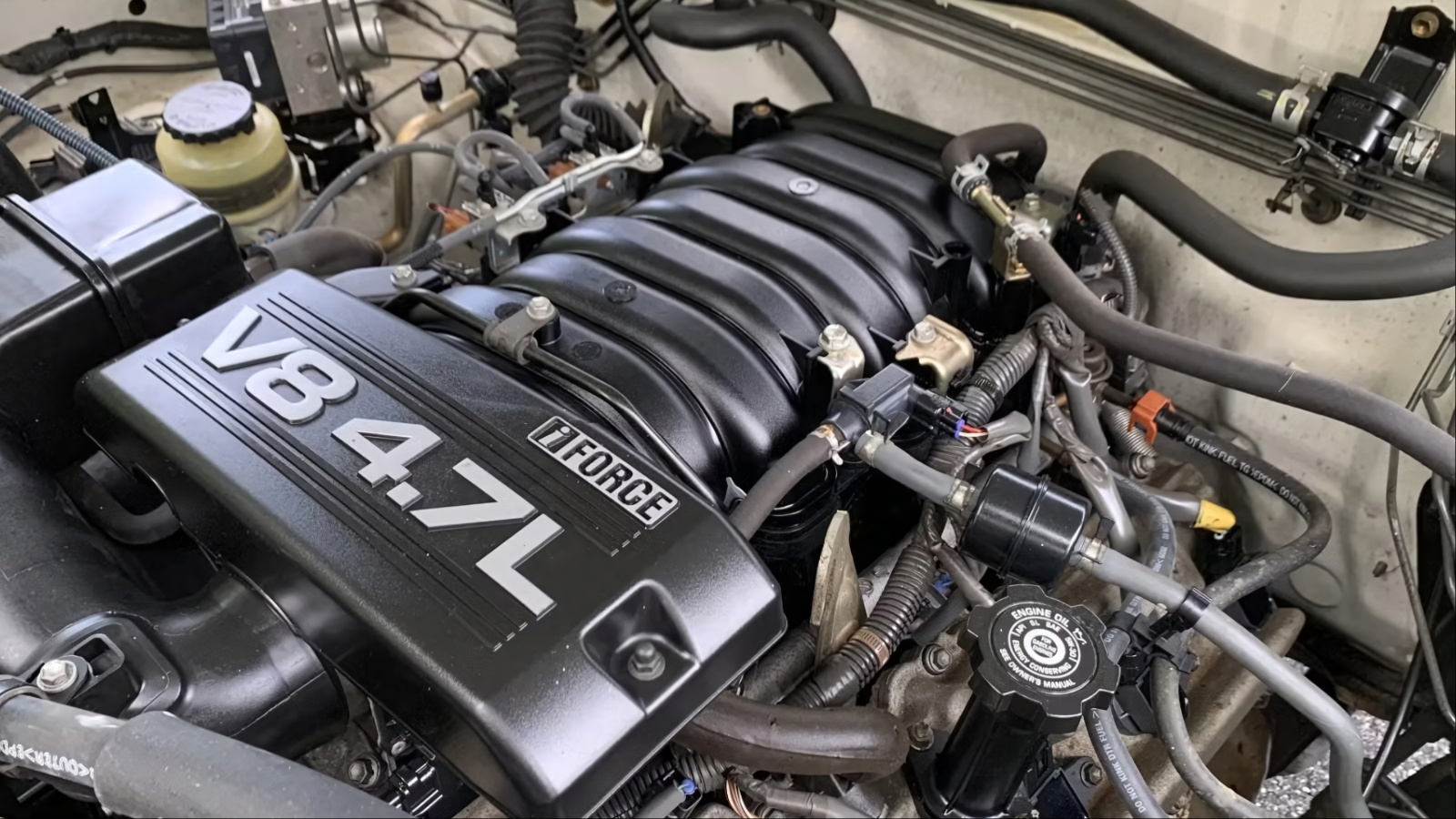
The job is substantial because considerable hardware at the front of the engine must be removed. That is also why replacing only the belt can be a false economy. Shops commonly address the water pump, tensioner, idler bearings, thermostat, and accessible seals during the same visit. If one of those components fails later, much of the labor has to be repeated.
Owners shopping for a high-mileage GX 470, Tundra, or Sequoia should look for an invoice rather than accepting “the previous owner probably did it.” A clean-looking truck with 120,000 miles and no timing-service records can represent a significant deferred expense.
The 2UZ-FE itself may be capable of several hundred thousand miles, but its timing system is not a lifetime component. Completing the 90,000-mile service is one of the key steps that allows this famously durable V8 to live up to its reputation.
2. Toyota 1MZ-FE and 3MZ-FE V6
Toyota’s 1MZ-FE 3.0-liter and 3MZ-FE 3.3-liter V6 engines appeared in a huge range of Toyota and Lexus products, including versions of the Camry, Avalon, Sienna, Highlander, Solara, ES, and RX. These engines have a strong reputation when properly maintained, but unlike many newer Toyota powerplants, they use a timing belt rather than a maintenance-free timing chain.
Toyota’s scheduled-maintenance documentation calls for timing-belt replacement at 90,000 miles on applicable 1MZ-FE and 3MZ-FE vehicles. That makes the service particularly important when evaluating an older Camry V6, Sienna, or Lexus ES with mileage approaching six figures.
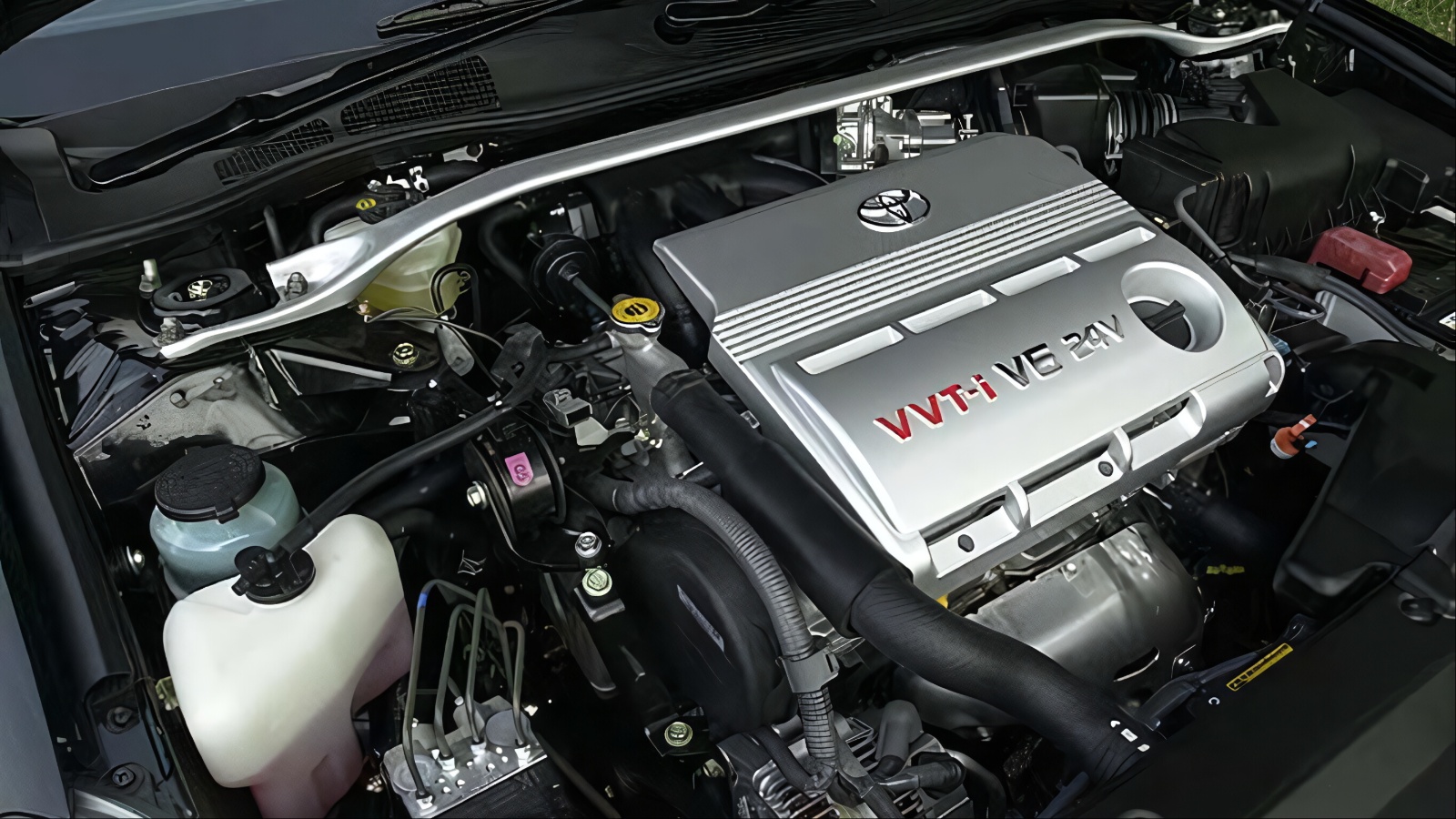
The belt is only one part of the equation. Because accessing the timing system requires meaningful labor, a comprehensive service generally makes more financial sense. Depending on the application and component condition, the water pump, tensioner, idlers, camshaft seals, crankshaft seal, and accessory belts may all be worth addressing while access is available.
Age matters too. Many surviving 1MZ and 3MZ vehicles are now old enough that they may have accumulated only modest annual mileage while still running on aging rubber components. A 65,000-mile garage-kept car can therefore deserve just as much scrutiny as a 100,000-mile commuter if its belt is decades old.
For used-car buyers, service documentation is particularly valuable. A sticker under the hood can be useful, but an invoice showing the mileage, date, and components replaced is better.
These Toyota V6s can offer years of additional service after 100,000 miles. The important point is making sure the timing-belt job has already been handled before expecting that longevity.
3. Nissan VG30DE and VG30DETT 3.0-Liter V6
Few timing-belt services are more strongly associated with an enthusiast car than the Nissan 300ZX’s famous “60K service.” The Z32-generation 300ZX used Nissan’s VG30DE naturally aspirated V6 and VG30DETT twin-turbo V6, complicated engines squeezed tightly beneath a low hood.
For many Z32 applications, the timing belt belongs on the maintenance list at approximately 60,000 miles. Service information for a 1992 VG30DE 300ZX specifically lists timing-belt replacement at the 60,000-mile service, while period replacement guides show 60,000-mile intervals for several VG30DE and VG30DETT model years. Some later naturally aspirated applications used longer intervals, so model year matters.
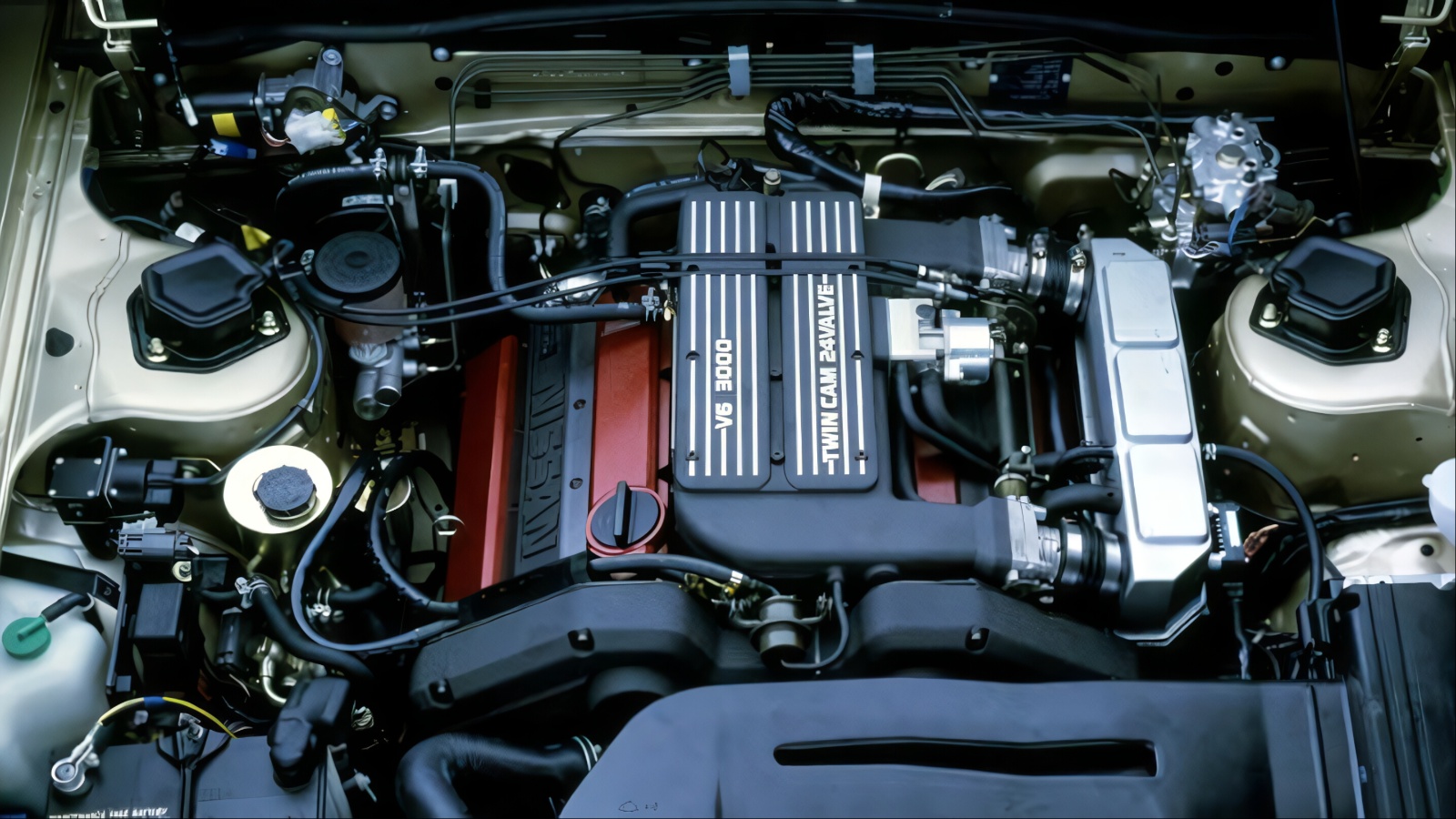
This is not a car where waiting for symptoms is sensible. A timing belt can deteriorate without producing the sort of noise drivers associate with a failing chain. The Z32’s crowded engine bay also means labor represents a meaningful portion of the expense, making preventive replacement of related parts attractive.
A thorough major service may include the tensioner, idler pulleys, water pump, thermostat, front engine seals, accessory belts, coolant hoses, and other age-related components accessible during disassembly. Owners often refer to the package collectively rather than viewing the belt as an isolated repair.
Car and Driver has also highlighted Nissan’s approximately 60,000-mile recommendation when discussing used Z32 ownership.
For anyone buying a 300ZX today, mileage is only half the story. These cars are decades old. If there is no credible evidence of a recent timing service, budgeting for one immediately is considerably safer than assuming a low-mileage belt is still trustworthy.
4. Hyundai/Kia G4GC 2.0-Liter Beta II
The Hyundai/Kia G4GC 2.0-liter four-cylinder may not have the enthusiast status of some engines on this list, but it powered a large number of affordable vehicles and remains common on the used market. Applications included versions of the Hyundai Elantra, Tiburon, and Tucson, along with related Kia models in certain markets.
Its biggest maintenance consideration is straightforward: the G4GC uses a timing belt, and technical service information specifies replacement at approximately 60,000 miles for many applications. A published G4GC service guide states that the manufacturer requires belt replacement every 60,000 miles outside certain California-specific provisions.
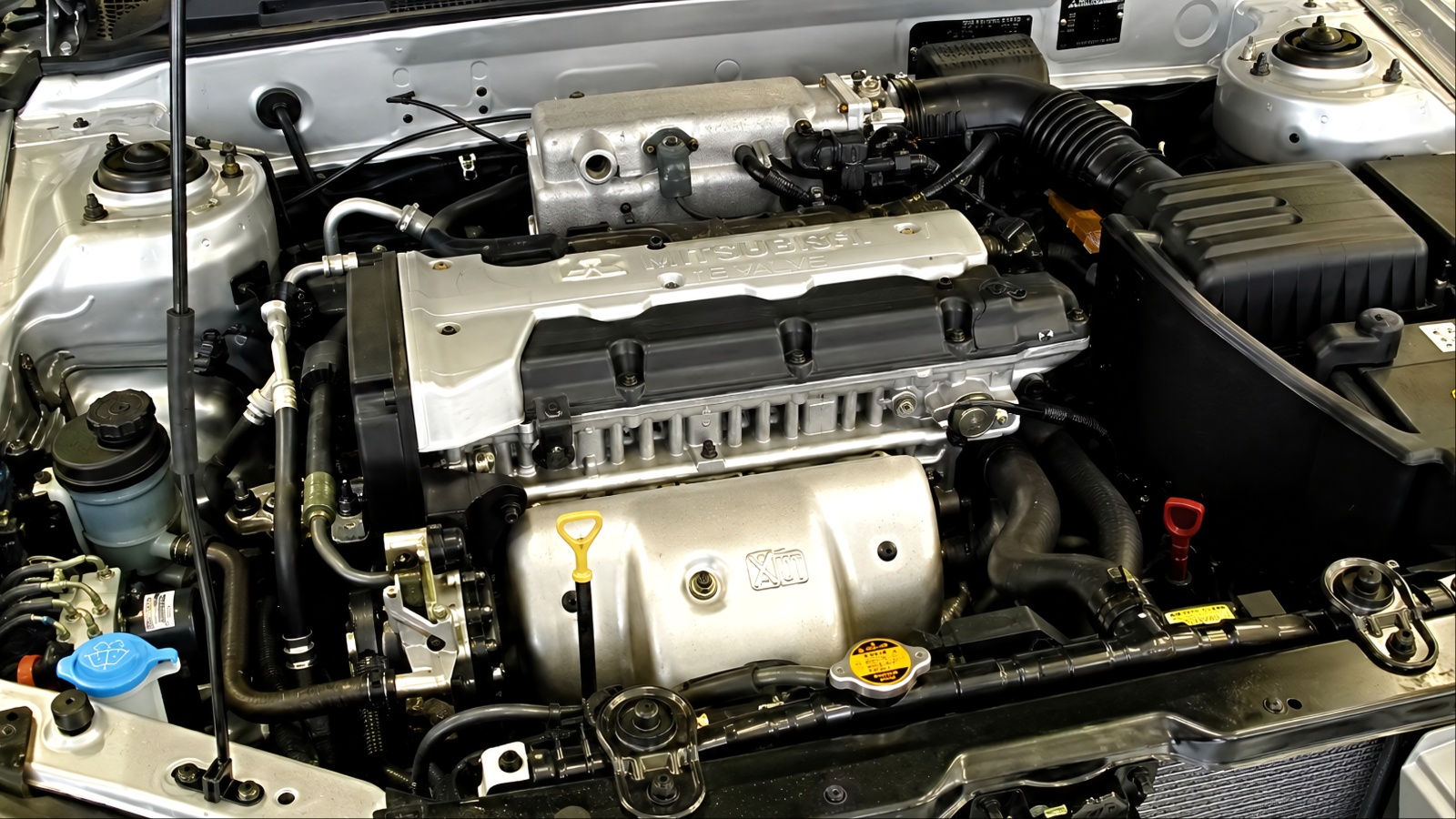
That interval is well inside the 100,000-mile threshold, meaning an engine with 100,000 miles could theoretically already be approaching its second belt service depending on age, mileage history, and the schedule applicable to that exact vehicle.
The G4GC is also an engine on which owners should think in terms of a timing-system service rather than a belt alone. Tensioners and idlers rotate continuously and can fail independently of the belt material. A leaking water pump or oil contamination inside the timing cover can shorten component life as well.
This matters because inexpensive older cars are often where major maintenance gets postponed. A buyer might see a $3,000 used Hyundai and hesitate to spend a significant fraction of that amount on preventive work. Yet the economics change dramatically if belt failure leads to internal engine damage.
When examining a G4GC-powered car, ask when the timing service was performed, what parts were installed, and whether there is documentation. If nobody knows, treat the belt as overdue rather than assuming its appearance or low annual mileage makes it safe.
5. Hyundai/Kia G6BA 2.7-Liter Delta V6
Hyundai and Kia’s G6BA 2.7-liter Delta V6 appeared in vehicles including the Hyundai Santa Fe, Sonata, Tiburon and Tucson and Kia models such as the Sportage and Optima. It is another engine that can provide respectable longevity but requires owners to take the timing-belt schedule seriously.
Replacement guidance for many G6BA applications is aggressive by modern standards. SKF’s application information, referencing Hyundai and Kia schedules, lists Hyundai inspection at 30,000 miles and replacement at 60,000 miles or 48 months.
For many non-California Kia applications, replacement is likewise listed at 60,000 miles. California-certified Kia vehicles can have different schedules, demonstrating why the exact year and market specification matter.
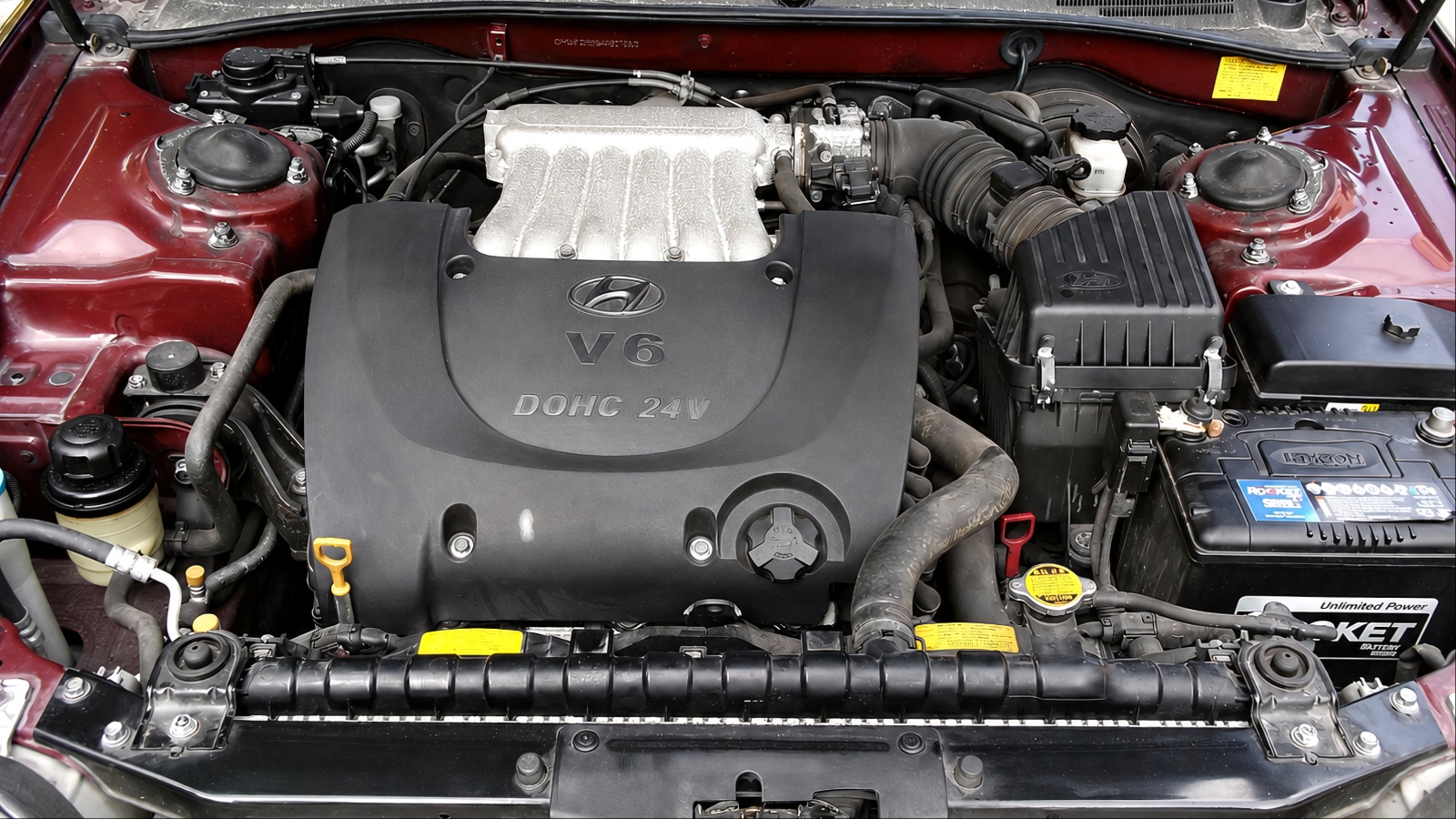
The same documentation identifies the engine as an interference application where belt failure creates a serious possibility of valve-to-piston contact. That changes the timing job from optional preventive maintenance into insurance against a potentially much larger repair.
The tensioner and pulleys deserve the same attention as the belt. A perfectly good belt cannot remain synchronized if a bearing seizes or the tensioning system fails. For that reason, experienced shops generally prefer installing a complete timing kit rather than saving a relatively small amount by replacing the rubber belt alone.
At 90,000 or 100,000 miles, service history becomes especially important. If the first belt was changed at 60,000 miles, the engine may be fine. If there is no record, the vehicle could be tens of thousands of miles overdue.
The G6BA demonstrates why mileage alone does not determine whether an older inexpensive vehicle is a bargain. Deferred timing maintenance can quickly erase the money saved on the purchase price.
6. Mitsubishi 6G74 3.5-Liter V6
Mitsubishi’s 6G74 3.5-liter V6 was used in vehicles such as the Montero and several other Mitsubishi products around the world. It comes from the long-running 6G7 engine family, which powered everything from family SUVs to performance-oriented vehicles. For owners of belt-driven versions, the timing system is one of the most important scheduled maintenance items.
Technical replacement information for 2001–2002 3.5-liter Montero models identifies the engine as the 6G74 and states that Mitsubishi recommends timing-belt replacement every 60,000 miles. Mitsubishi’s broader service guidance also treats timing belts as scheduled replacement items rather than components designed to last indefinitely.
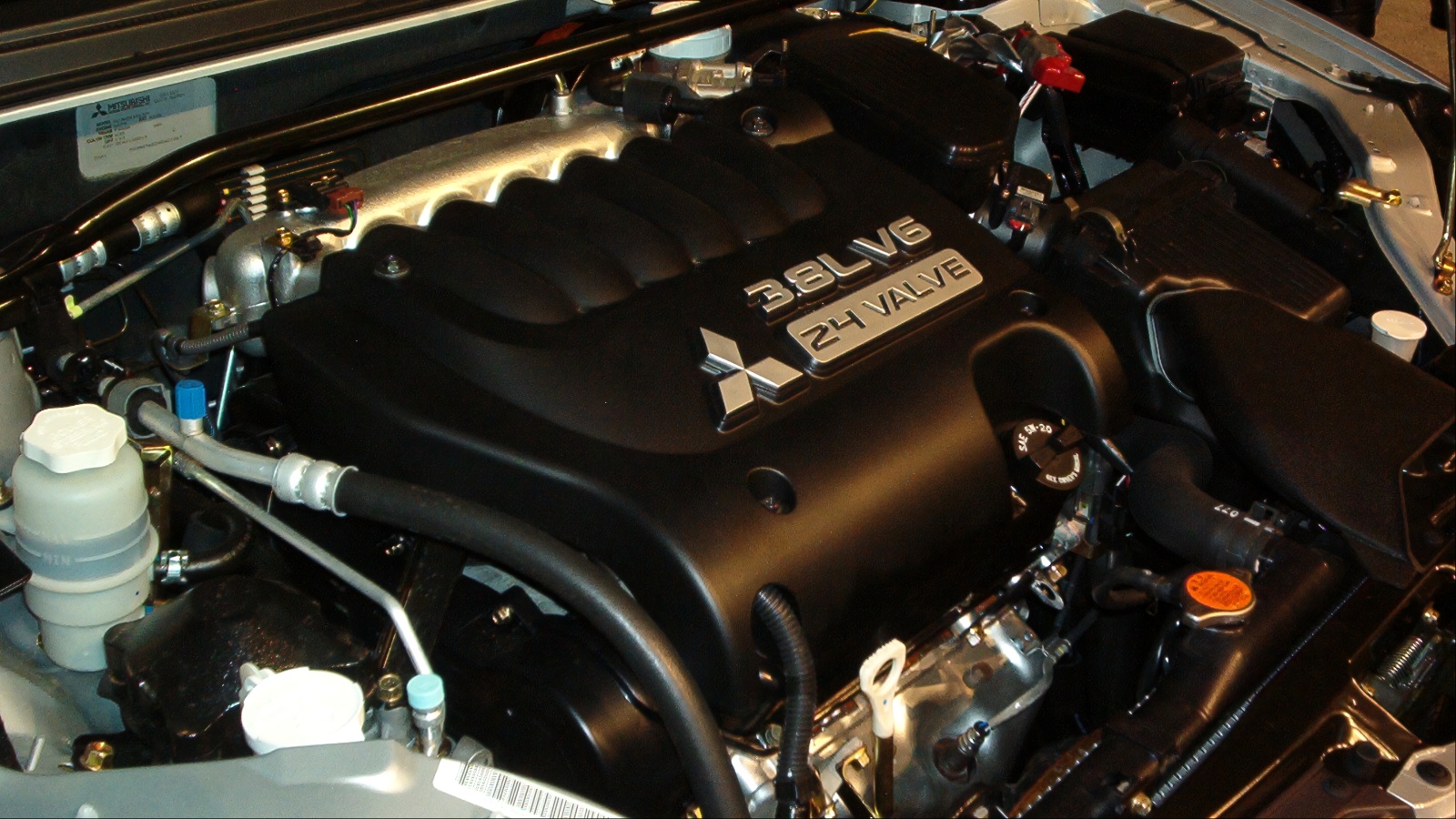
The same 6G74 service information warns that the application is an interference engine with a significant possibility of piston-to-valve damage if synchronization is lost. Consequently, pushing a visibly old belt far beyond its interval simply to save money can become an expensive gamble.
As with most engines on this list, the smartest service involves more than the belt. Idler pulleys, the automatic tensioner, water pump, accessible seals, and related drive components should all be inspected and usually renewed when their age or condition justifies it. The additional parts cost is easier to absorb while the front of the engine is already disassembled.
A Montero with 120,000 miles should ideally have documentation for two timing services, not zero. Even a 70,000-mile survivor should raise questions if the original belt is still installed.
The 6G74 can be a tough, long-lived engine, but its reputation should never be interpreted as permission to ignore the maintenance schedule that keeps its camshafts and crankshaft synchronized.
7. Volkswagen 1.9 TDI ALH and BEW
Volkswagen’s ALH 1.9-liter TDI is famous for fuel economy and extraordinary potential longevity. Examples with several hundred thousand miles are not unusual. Yet the engine’s durability depends heavily on one major service item: its timing belt.
The confusing part is that replacement intervals changed substantially across model years and transmissions. Gates’ replacement guide lists intervals ranging from 40,000 miles for certain early automatic-transmission ALH cars to 60,000, 80,000, and eventually 100,000 miles for later versions. The BEW used in 2004-era TDIs is listed at 90,000 miles in the same guide. Separate Volkswagen diesel interval documentation likewise shows substantial year-to-year variation.
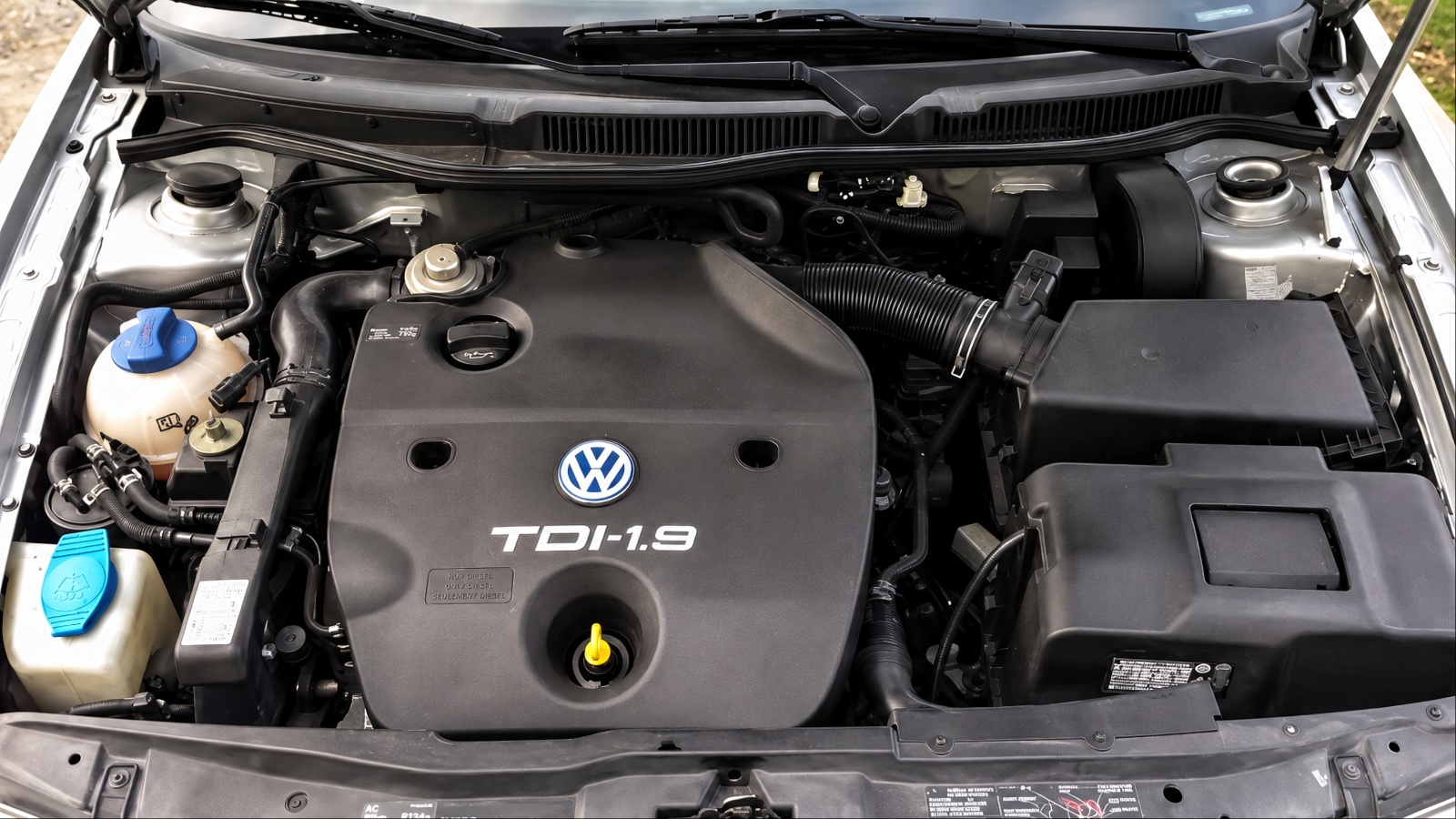
That variation makes guessing especially dangerous. An owner who hears that “TDI belts last 100K” may unknowingly be driving an earlier version originally equipped with a much shorter service interval.
A proper TDI timing job is also unusually important because timing accuracy affects more than valve movement. On older diesel configurations, the belt system is closely tied to injection timing, and installation requires correct locking procedures and setup. Tensioners, rollers, mounting hardware, and the water pump are commonly replaced as a system.
For buyers, service records should specify more than “new belt.” The quality of the complete kit and whether updated components were installed can matter substantially.
The ALH’s reputation for durability can actually work against it because owners assume nothing major ever needs attention. In reality, the timing system is precisely what allows these diesels to reach enormous mileages. Any ALH or BEW approaching 100,000 miles without documented timing work deserves immediate investigation.
8. Volvo B5254S and B5234T Five-Cylinder Engines
The five-cylinder engine became one of Volvo’s defining mechanical signatures during the 1990s. In the 850, naturally aspirated B5254-series engines and turbocharged B5234T variants delivered the distinctive sound and durability that helped make these cars cult favorites. They also came with a scheduled timing-belt replacement that modern owners should not overlook.
Volvo’s own 1995 and 1996 850 maintenance information recommended replacement of the timing belt every 70,000 miles for applicable B5254S and B5234T engines. That puts the service comfortably below 100,000 miles, and because these cars are now roughly three decades old, calendar age is every bit as relevant as odometer mileage.
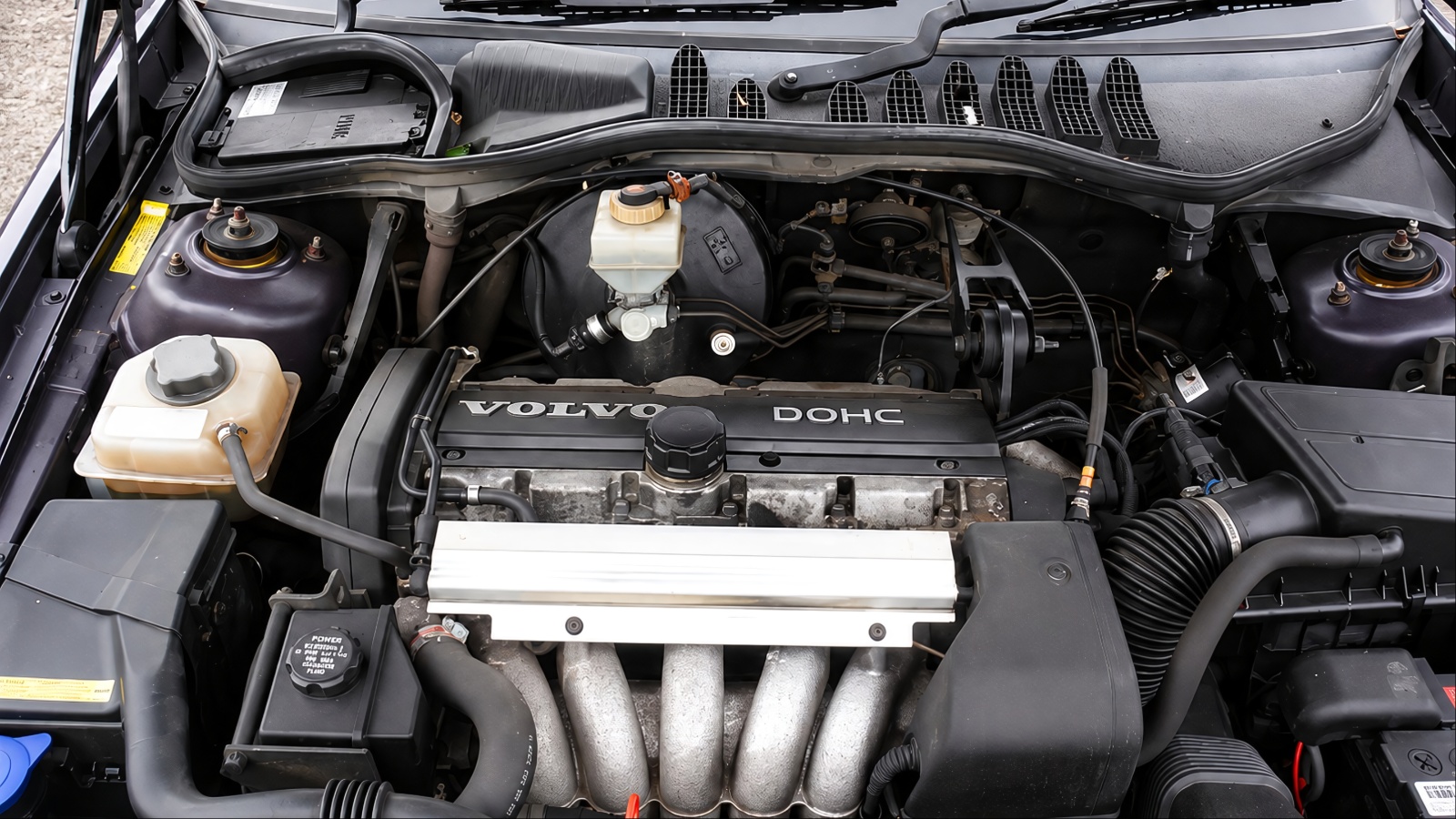
The danger with older collector or enthusiast cars is that low mileage can create false confidence. A 1996 Volvo with only 65,000 miles sounds barely used, but an ancient belt, tensioner, or idler is not protected from deterioration simply because the engine has spent years parked.
Owners should therefore look for proof of recent service rather than relying on total mileage. While the system is open, the condition of the water pump, tensioner, pulleys, seals, accessory drive, and cooling-system components deserves attention. Replacing compromised components during one service can prevent paying duplicate labor later.
These engines also illustrate why the phrase “lifetime belt” should never enter the conversation. Rubber ages, bearings wear, tensioners deteriorate, and cooling-system leaks can contaminate surrounding components.
A well-maintained Volvo five-cylinder can remain rewarding far beyond 100,000 miles. However, buying an older 850 without knowing when its timing belt was last replaced means the first maintenance appointment should probably happen before the first long road trip.
9. Mazda BP 1.8-Liter Miata Engine
Mazda’s BP-series 1.8-liter four-cylinder helped establish the Miata’s reputation for simplicity and durability. It is light, accessible compared with many modern engines, and capable of lasting for substantial mileage with ordinary maintenance. Nevertheless, early Miatas still require an old-fashioned timing-belt service.
Mazda maintenance information for the second-generation Miata specifies timing-belt replacement every 100,000 kilometers, or approximately 60,000 miles. Similar service practices apply to many earlier BP-powered Miatas, though owners should verify the schedule for their exact model year and market.
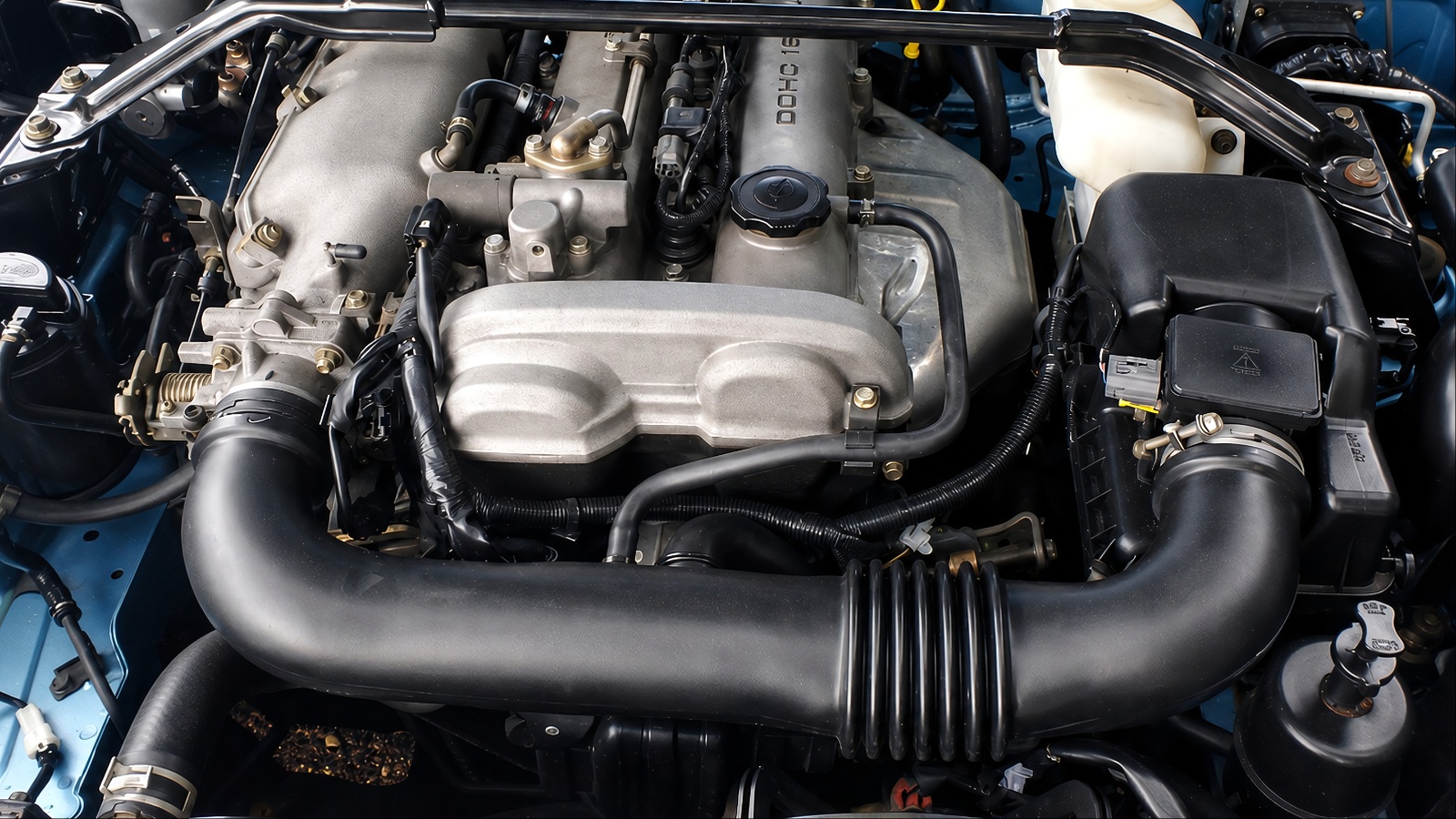
One important distinction separates the BP from several engines elsewhere on this list: many Miata BP applications are non-interference designs. In practical terms, a broken belt is less likely to result in the immediate piston-to-valve destruction associated with an interference engine. That does not make replacement unnecessary. A failed belt still shuts the engine off instantly and can leave the driver stranded in an unsafe or inconvenient location.
Because these cars are now old, age becomes the larger concern. A Miata may have only 40,000 or 50,000 miles because it was driven primarily on sunny weekends. That does not mean a decades-old belt, tensioner, water pump, or seal should be trusted indefinitely.
The usual strategy is to refresh the surrounding components while performing the belt service. Water-pump replacement is especially logical when its remaining lifespan is uncertain because much of the same disassembly has already been completed.
For buyers of older Miatas, a documented timing service adds real value. If the seller cannot remember when it was done, the safest approach is to budget for the job rather than planning to drive until the belt finally proves it was overdue.