
Negotiating a vehicle price can feel like the hardest part of buying a car. You spend an hour comparing numbers, rejecting monthly-payment pitches, and finally shake hands on a figure that fits your budget.
Then the paperwork arrives, and the total at the bottom is suddenly thousands of dollars higher. Some of that difference is legitimate, but other charges may be dealer-added products or fees that were never part of the price you thought you had negotiated.
That is why experienced buyers focus on the out-the-door price, not simply the advertised price or agreed selling price. Taxes, registration costs, documentation fees, accessories, protection packages, financing products, and other charges can dramatically change the final amount.
Some are mandatory and non-negotiable, while others can potentially be reduced or removed. Before signing a purchase agreement, look carefully for these 10 charges that commonly appear after the vehicle price has already been discussed.
1. Documentation or Doc Fee
The documentation fee is one of the most common additions to a dealership purchase agreement. Dealers generally explain it as a charge for preparing contracts, processing paperwork, maintaining records, submitting information, and handling administrative work associated with completing the transaction. The fee may sound official, but it is usually a dealer charge rather than a tax imposed by the government.
How much you pay depends heavily on where you live and which dealership you visit. Some states limit documentation fees, while others allow dealers considerably more freedom in setting them. That means the same vehicle could carry a relatively modest doc fee at one dealership and a much larger one somewhere else.

The important thing is not to wait until the finance office to discover it. Ask about the documentation fee while negotiating the vehicle’s out-the-door price.
A dealer may claim that a documentation fee cannot be waived because it is charged to every customer. Even if the fee itself is non-negotiable, you can still work to reduce the final price of the vehicle. For instance, if the dealer requires a $700 documentation fee, you could negotiate a $700 reduction in the vehicle’s selling price to offset the charge.
Focus on your total expenditure rather than arguing over what the dealership calls each individual line item. A low advertised price can stop looking attractive once a large documentation fee is added.
2. Sales Tax
Sales tax is one charge that usually cannot simply be negotiated away. Depending on your location, taxes may be calculated using the vehicle’s selling price and potentially adjusted for factors such as a trade-in allowance, manufacturer rebates, local tax rules, or vehicle type.
Because tax is legitimate, some shoppers stop examining it closely. That is a mistake. You still want to confirm that the dealership used the correct taxable amount and appropriate tax rate. Even a small calculation difference can become meaningful when purchasing a vehicle worth $40,000, $60,000, or more.

Taxes can also complicate interstate purchases. Buying from a dealership in another state does not necessarily mean you can take advantage of that state’s lower tax rate. In many cases, the amount you ultimately owe depends on where the vehicle will be registered.
Rather than asking what the vehicle costs “before tax,” request a complete out-the-door quotation showing exactly how tax was calculated.
Also be careful when comparing offers from different dealers. One salesperson may quote only the selling price while another gives you a complete total including taxes. The first number looks cheaper but may not actually represent the better deal.
Sales tax itself usually isn’t a dealership trick. The problem comes when buyers forget to include it in their budget and discover that their carefully negotiated price was never close to their actual final cost.
3. Title and Registration Fees
After buying a vehicle, ownership must be transferred, and the vehicle generally needs to be titled and registered with the appropriate government agency. Those processes create legitimate charges that typically appear on the final purchase agreement.
Registration fees can include more than one item. Depending on the jurisdiction, buyers may see charges related to the title, license plates, registration, electronic filing, temporary permits, emissions programs, or other government requirements. Some fees can also vary based on vehicle weight, value, age, fuel type, or registration period.
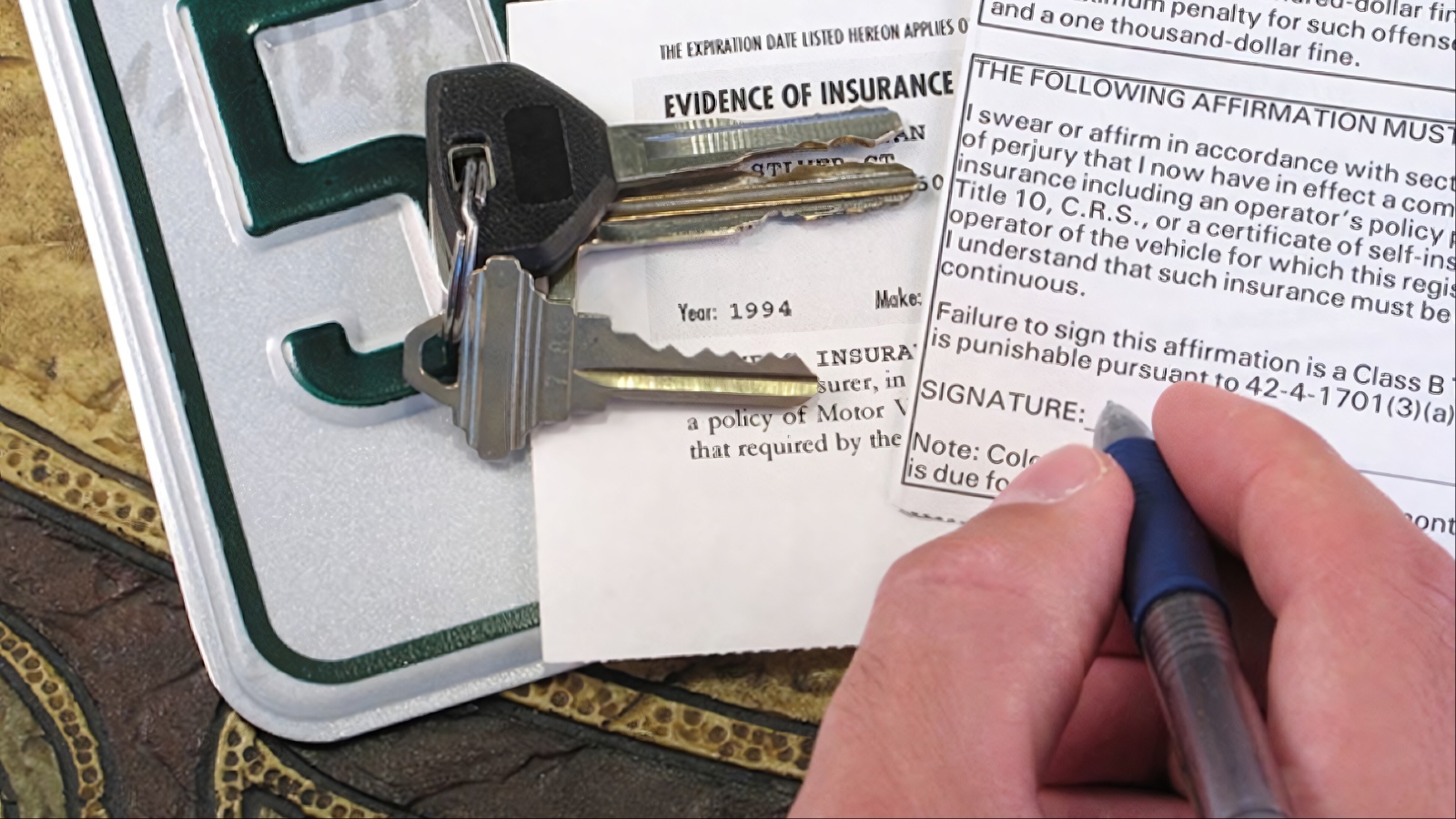
These costs are different from dealer-created add-ons because the dealership is usually collecting money that must ultimately go toward government registration requirements. Still, buyers should ask for an itemized explanation rather than accepting one large unexplained “registration” number.
Pay particular attention when a dealership estimates registration fees in advance. If the final government charge turns out to be lower than the amount collected, ask how any overpayment will be handled.
The best way to prepare is to research approximate title and registration costs before arriving at the dealership. You will then have a baseline against which to compare the paperwork.
These fees may not be negotiable, but they absolutely count toward the amount you need to finance or bring to the dealership. A deal that barely fits your budget before registration may become uncomfortable once several hundred dollars of licensing expenses are added.
4. Dealer Preparation Fee
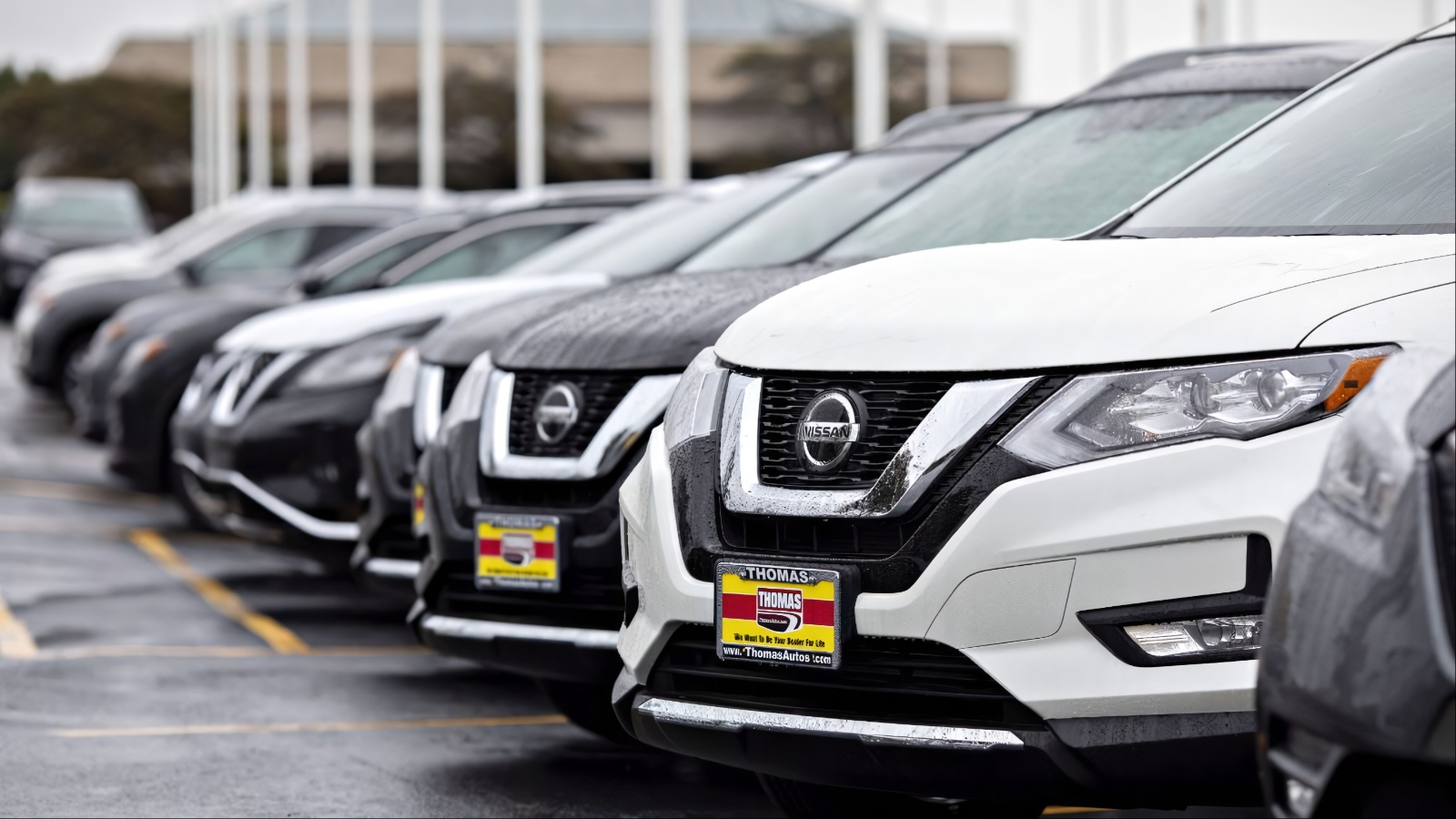
A dealer preparation or “dealer prep” fee is one of the charges buyers should examine especially carefully. It may be described as covering work required to prepare the vehicle for delivery, such as removing protective materials, checking fluids, washing the vehicle, conducting an inspection, setting tire pressures, or making sure equipment is functioning.
The problem is that preparing a new vehicle for sale is already part of doing business for a dealership. Manufacturers may also have processes or compensation arrangements connected with pre-delivery preparation. As a result, buyers should question why a separate preparation fee is being added after the negotiated selling price.
On a used vehicle, the terminology may be slightly different. A dealership could claim the fee covers inspection, detailing, reconditioning, or cleaning. But if those costs were incurred to make the vehicle saleable, many buyers would reasonably expect them to be reflected in the advertised selling price.
Ask whether the charge is optional and request that it be removed or offset through a reduction in the vehicle price.
Do not confuse dealer preparation with legitimate transportation-related manufacturer charges that may appear on a new vehicle’s window sticker. They are not necessarily the same thing.
The simplest strategy is to insist on seeing every dealership-added fee before agreeing to a deal. If a $900 preparation charge appears only after you negotiate the price, then the price you negotiated was effectively $900 higher than you thought.
5. Destination or Freight Charge
The destination charge covers the manufacturer’s expense of transporting a new vehicle from the assembly plant to the dealership. Unlike many questionable dealer add-ons, a legitimate manufacturer destination charge is normally disclosed as part of the vehicle’s official pricing information and generally applies regardless of how close the dealership happens to be to the factory.
Destination charges have become substantial on modern vehicles, particularly pickups and large SUVs, and can add well over $1,000 in some cases. Buyers occasionally assume that because the charge is called “freight,” they can negotiate it away. That usually isn’t how it works when the amount is a legitimate manufacturer charge listed on the vehicle documentation.
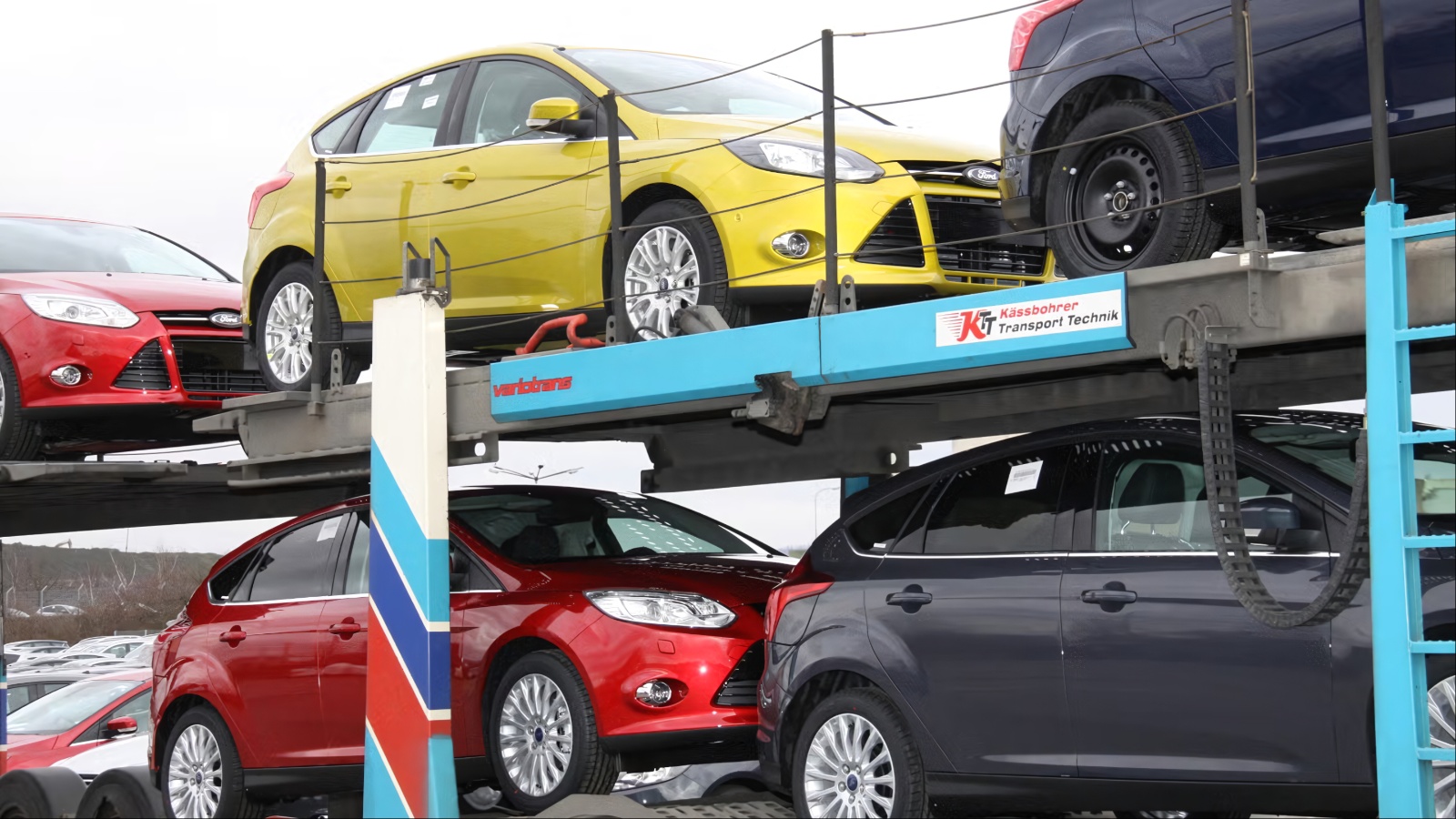
The bigger concern is double charging. If the advertised or negotiated price already includes destination, make sure another destination, transportation, or freight fee hasn’t been added separately on the buyer’s order.
This is why comparisons need to be made using identical pricing assumptions. One dealership may advertise a number including destination while another excludes it in promotional material, making the second offer appear cheaper.
Ask directly: “Does this selling price include the manufacturer destination charge?”
The answer should be clear before you agree to anything.
Destination charges are not inherently suspicious. They’re simply an example of why a headline price doesn’t always tell the whole story. If you compare only advertised figures without verifying what each one includes, you can easily choose what appears to be a cheaper vehicle and end up paying more at signing.
6. VIN Etching or Theft-Protection Fee
VIN etching involves marking a vehicle identification number onto windows or other components, theoretically making the car less attractive to thieves because parts become easier to identify. Some dealerships sell it as a theft-deterrent product, while others bundle it into a broader security or protection package.
The concern arises when VIN etching has already been performed, and the dealer presents the associated charge as though the buyer has no choice but to pay for it. Prices can be much higher than the actual cost of performing the service.
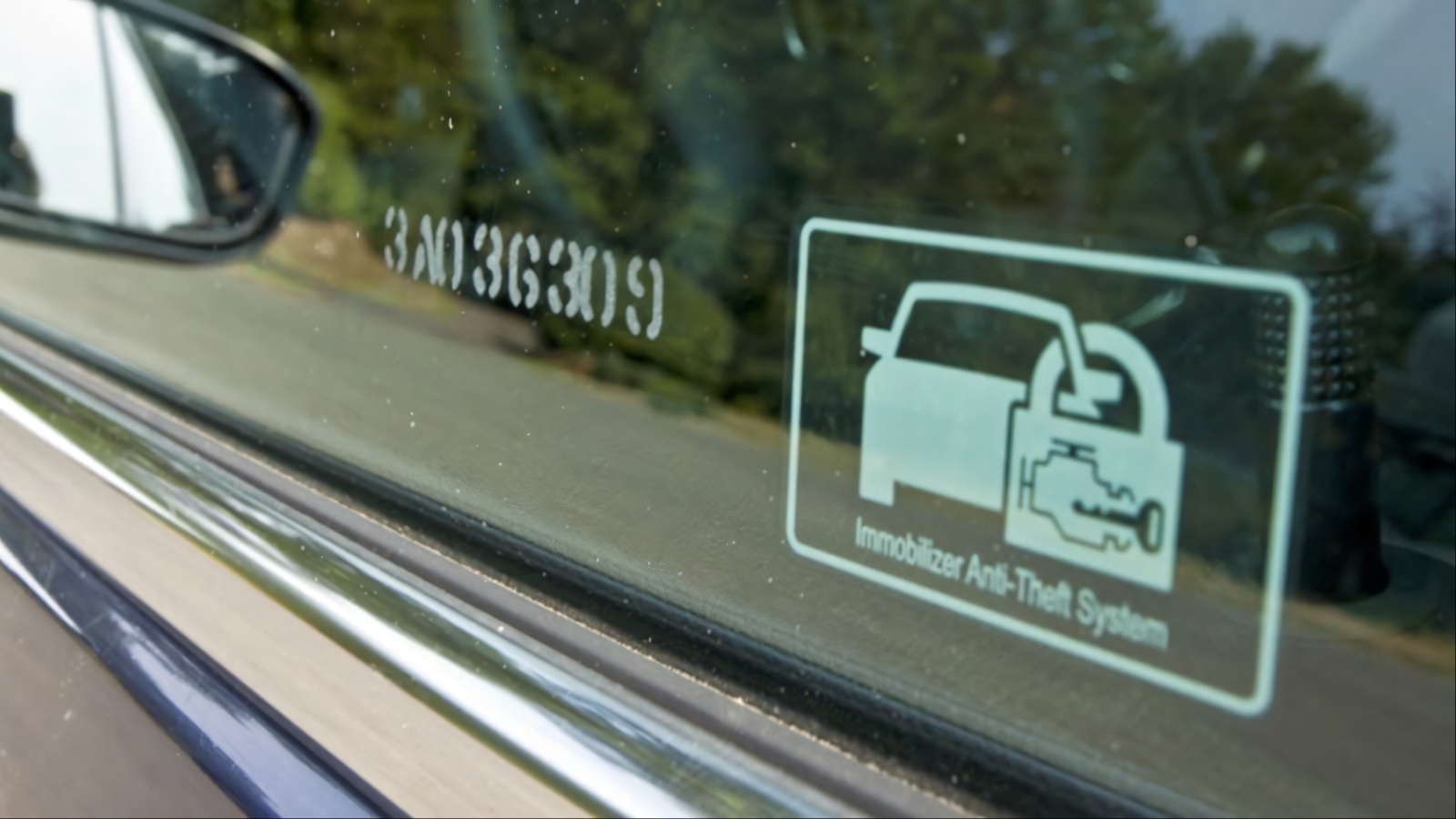
If you did not request the product, ask whether it is optional. Do not automatically accept statements such as “every vehicle on our lot has it” as proof that you are legally required to purchase it.
Some packages may include additional theft-related benefits, registration services, or financial protection if a vehicle is stolen. Read the contract carefully before deciding whether those benefits justify the price.
There is also an important distinction between a useful product and a good value. VIN etching itself may have some theft-deterrence benefits, yet that does not mean paying several hundred dollars for it makes financial sense.
When comparing vehicles, ask dealers to disclose mandatory dealer-installed products in writing before you visit. If one dealership adds $1,000 in security products to every vehicle while another sells the same model without them, the second dealer may offer the better deal even if its advertised price initially appears slightly higher.
7. Paint, Fabric, and Interior Protection Packages
Paint protection packages are among the easiest ways for a vehicle’s final price to grow after negotiations. Dealerships may sell products under names such as ceramic protection, environmental protection, appearance protection, fabric guard, leather treatment, paint sealant, or interior stain protection.
Some of these products can be useful. The real question is whether you want them and whether the dealer’s price represents reasonable value.
A protection package that costs the dealership relatively little to apply may be sold for hundreds or even thousands of dollars. Buyers sometimes encounter a sticker showing that the treatment was already installed before the vehicle was placed on the lot. The salesperson may then describe the cost as non-negotiable.
Before accepting the charge, ask exactly what was applied, how long the protection lasts, what warranty is included, what exclusions apply, and whether the package can be removed from the transaction.
Do not assume that phrases such as “lifetime protection” mean every stain, scratch, chip, fading issue, or paint defect will be covered. The written contract determines what you are actually receiving.
Also compare the dealership’s price with what a reputable independent detailing business would charge for a similar treatment.
If you genuinely want professional ceramic coating or interior protection, buying the dealer package may be convenient. But convenience does not automatically make it a good deal. Optional protection products should be evaluated as separate purchases—not quietly treated as unavoidable parts of the vehicle price.
8. Extended Warranty or Vehicle Service Contract
Once you reach the finance office, you may be offered an extended warranty or vehicle service contract. The pitch often focuses on modern cars being expensive to repair and the peace of mind that comes with limiting unexpected expenses after the manufacturer’s warranty expires.
A service contract can make sense for certain buyers, but it can also add several thousand dollars to the amount financed.
Start by determining exactly what you are buying. A manufacturer’s extended protection plan and a third-party service contract are not automatically equivalent. Coverage, deductibles, repair facilities, exclusions, claim procedures, transferability, and cancellation terms can vary enormously.

You should also check whether the vehicle is still covered by its original factory warranty. Paying today for coverage that does not become useful for several years deserves careful consideration.
Most importantly, do not evaluate the product solely through its effect on your monthly payment. A salesperson might say the warranty adds “only $35 per month.” Over a 72-month loan, that becomes $2,520 before considering additional interest.
Ask for the full purchase price of the contract.
You may also be able to negotiate its cost, shop for coverage elsewhere, or purchase certain manufacturer plans later.
Extended coverage isn’t automatically a bad idea, especially on complicated vehicles that an owner plans to keep long term. But it should be an informed decision. If a warranty suddenly appears in the contract without you explicitly agreeing to buy it, stop the transaction and ask for a revised breakdown.
9. GAP Insurance
Guaranteed Asset Protection, commonly called GAP coverage, is designed to address a specific financial risk. If a financed vehicle is totaled or stolen, a standard auto insurance settlement may be based on the vehicle’s current market value. That amount can be lower than the outstanding loan balance, particularly during the early years of ownership. GAP coverage may help cover some or all of that difference, depending on the policy.
For buyers making a small down payment, financing for a long term, or rolling negative equity from a previous vehicle into a new loan, GAP can provide valuable protection.
However, the dealership is not necessarily the only place to purchase it.
Dealers may offer GAP through the finance office, but banks, credit unions, insurers, and other providers may have competing products at different prices. Coverage terms can also differ, making price alone an incomplete comparison.
Ask whether GAP is optional, how much it costs in total, what maximum benefit applies, and under what circumstances claims can be denied.
Be particularly cautious if the charge is simply buried in the amount financed. As with an extended warranty, a modest monthly increase can conceal a substantial upfront product cost plus financing charges.
GAP can be worthwhile when the loan balance is likely to exceed the vehicle’s value. Buyers making a very large down payment or financing only a small portion of the purchase may have much less need for it. The correct answer depends on your loan—not on whether the finance manager strongly recommends it.
10. Market Adjustment and Dealer Add-On Packages
Perhaps the most frustrating post-negotiation surprise is a market adjustment or mandatory dealer add-on package. A market adjustment is essentially an amount charged above the vehicle’s normal price because a dealership believes demand justifies it. Add-on packages can bundle accessories such as wheel locks, nitrogen-filled tires, window tint, mud guards, floor mats, door-edge protection, GPS trackers, or miscellaneous appearance products.
The key problem is disclosure. If you negotiated a $45,000 vehicle and only later discover a $3,000 “market adjustment,” you never truly agreed on a $45,000 purchase.
Dealer-installed packages can create the same effect. A vehicle advertised at a competitive price may have thousands of dollars in required accessories added to the buyer’s order.

Before traveling to the dealership, request an itemized out-the-door quote showing the selling price, dealer fees, accessories, taxes, and registration expenses. Ask explicitly whether any mandatory products or market adjustments are excluded from the advertised number.
If an unexpected add-on appears during signing, you still have leverage: you can decline to complete the purchase.
Never let hours spent negotiating convince you that you must accept a bad deal. That is the sunk-cost trap dealerships benefit from when buyers become emotionally committed to taking the vehicle home.
The number that matters is not the discount, monthly payment, or agreed vehicle price. It is the complete out-the-door total. Get that number in writing before you sign anything.