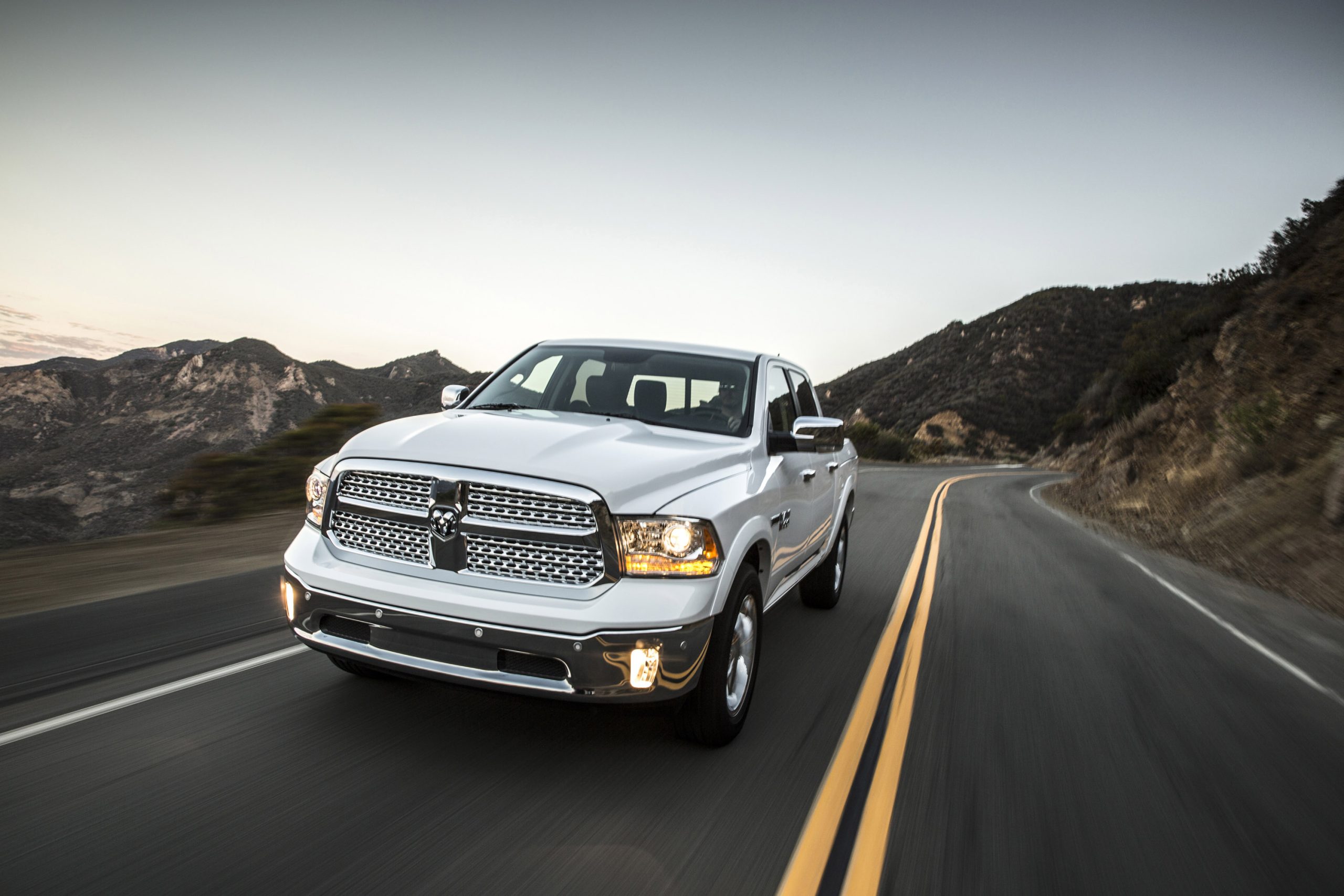
A truck can have a powerful engine, impressive towing capacity, and a reputation for durability, yet one fuel-system failure can turn it into an expensive driveway ornament. Modern diesel pickups rely on high-pressure injection pumps, precision injectors, fuel rails, and tightly controlled delivery systems.
When one major component fails, metal debris or fuel contamination can damage several connected parts, dramatically increasing the repair bill.
Some owners have faced repair estimates exceeding $10,000. The following trucks are associated with documented fuel-system problems, with particular attention to the affected engines, model years, failure mechanisms, and potential repair expenses.
1. Ford F-250 Super Duty (2011-2016)
The 6.7-liter Power Stroke diesel made the 2011 Ford F-250 Super Duty an attractive choice for buyers who needed serious towing capability. However, its Bosch CP4.2 high-pressure fuel injection pump became a major concern for owners.
When this pump suffers internal mechanical failure, it can generate tiny metal particles that travel through the fuel system. The resulting damage can extend far beyond the original component.
The expensive part is what happens after contamination begins. Metal debris can reach the fuel rails, injectors, high-pressure lines, and other components. Replacing the injection pump alone may not solve the problem because contaminated parts can introduce debris into the replacement system.
Depending on the extent of the damage, technicians may need to replace multiple fuel-system components and thoroughly clean the tank and fuel lines.
Repair estimates vary considerably, but complete CP4-related fuel-system repairs can reach approximately $10,000 to $15,000. Some estimates are higher, depending on parts availability, labor rates, and the number of damaged components.
A 2018 federal court filing also documented claimed repair costs ranging from $8,000 to $20,000 for CP4 failures, although those figures were presented in litigation rather than as a universal repair-price schedule.

Owners should pay attention to extended cranking, unexpected power loss, hard starting, and fuel-pressure warnings. None of these symptoms independently confirms pump failure, but they justify prompt diagnosis. If metal contamination is suspected, continuing to operate or repeatedly start the truck can spread the damage and increase the eventual bill.
2. Chevrolet Silverado 2500HD (2011-2016)
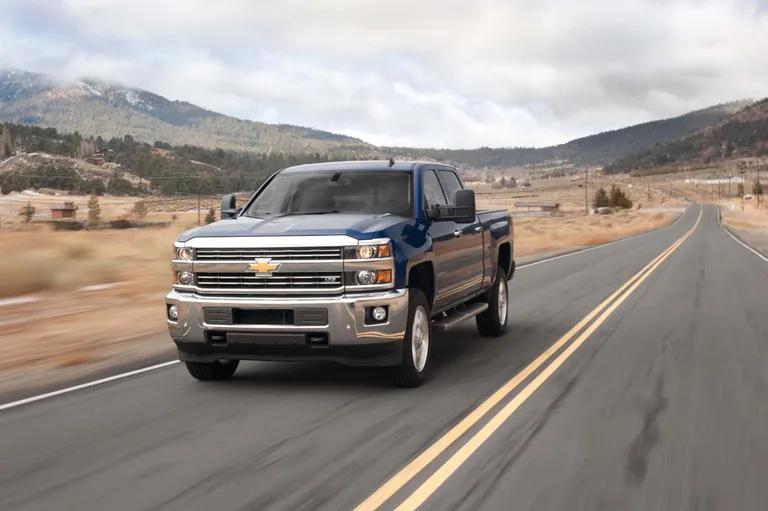
For buyers choosing a heavy-duty pickup with the 6.6-liter Duramax diesel, the 2011-2016 Chevrolet Silverado 2500HD offered substantial towing capability and strong highway performance.
However, trucks equipped with the LML-generation Duramax developed a reputation for an expensive high-pressure fuel injection pump problem. The Bosch CP4.2 pump used in these engines could suffer internal wear and generate metal particles that contaminate the surrounding fuel system.
General Motors’ technical service bulletin 16-NA-102, dated January 2021, addresses hard-starting and no-start conditions involving certain Duramax-powered vehicles. It identifies possible diagnostic trouble codes, including P0087, P0088, P0191, and P128E, and discusses injection pump replacement procedures.
These codes do not automatically establish CP4 failure, but they indicate why proper fuel-pressure diagnosis is important.
When the pump fails catastrophically, the repair becomes considerably more complicated. Metal contamination can affect the eight fuel injectors, fuel rails, high-pressure lines, and other connected components. Replacing only the pump without addressing contamination can put the replacement components at risk.
Repair estimates for a complete contaminated fuel system replacement on these trucks commonly fall around $8,000 to $12,000 at independent diesel repair shops, while dealership bills can exceed $15,000. These are industry estimates rather than fixed Chevrolet repair prices.
The issue also became the subject of federal class-action litigation. An official court-approved notice describes allegations involving 2011-2016 Silverado and GMC Sierra pickups equipped with the LML Duramax. GM denied wrongdoing, so the allegations should not be interpreted as a finding of manufacturer liability.
The information in this installment draws on several sources, including GM Technical Service Bulletin 16-NA-102, a federally approved court litigation notice, and estimates from the diesel repair industry.
3. Ram 2500 Heavy Duty (2019-2020)
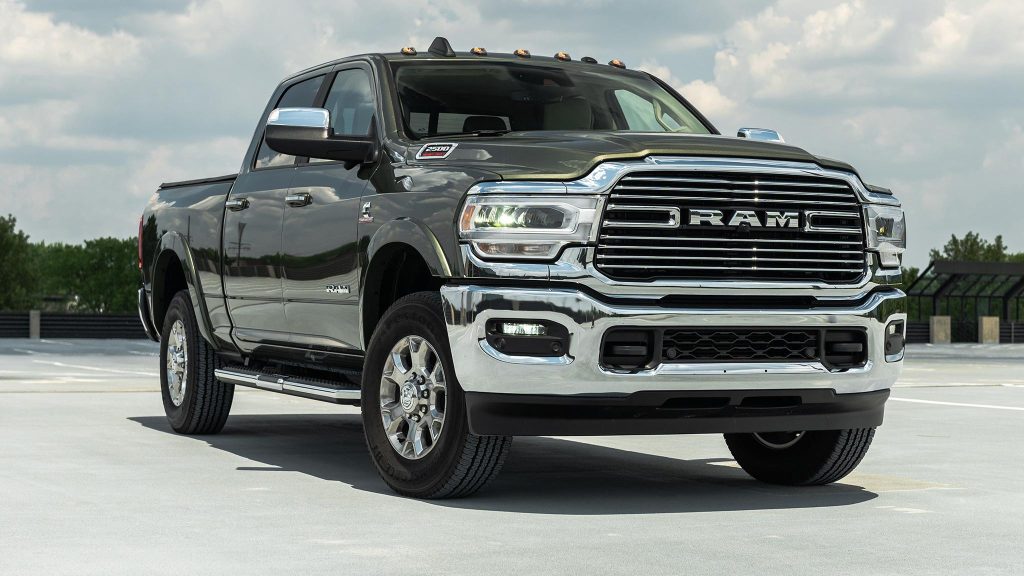
The 2019-2020 Ram 2500 Heavy Duty is another pickup that owners should examine carefully when shopping for a used diesel truck. Its 6.7-liter Cummins turbo diesel was equipped with a Bosch CP4 high-pressure fuel injection pump, which became the subject of a significant safety recall.
The problem involved premature internal pump failure, potentially sending metal debris through the fuel system and restricting the engine’s fuel supply.
The scale of the issue was substantial. According to NHTSA recall 21V-880, approximately 222,410 vehicles were potentially affected across the 2019-2020 Ram 2500, 3500, 4500, and 5500 diesel lineup. The agency warned that pump failure could cause an unexpected engine stall, increasing the risk of a crash.
What makes this problem financially concerning is the possibility of secondary damage. If metal particles circulate through the system, replacing the high-pressure pump alone may not be sufficient.
Technicians must inspect the fuel rails, injectors, lines, filters, and tank for contamination. Depending on the findings, several additional components may require replacement.
For trucks outside warranty coverage, extensive CP4-related repairs can potentially reach $8,000 to $12,000 or more. Actual costs depend on contamination and labor requirements, rather than a fixed factory repair price.
There is some good news for prospective buyers. Under recall Y78, Ram dealers were instructed to replace the affected CP4 pump with an updated CP3.3 design, reprogram the engine computer, and inspect or replace contaminated components when necessary.
The repair is free for eligible vehicles. Buyers should obtain proof of completed recall work before purchasing one of these trucks.
4. Nissan Titan XD (2016-2019)
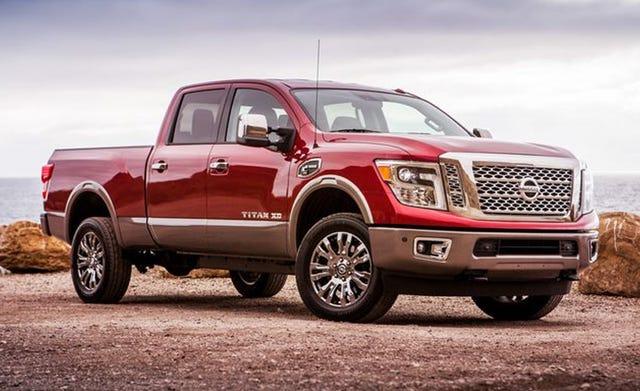
Nissan’s Titan XD was designed to occupy the space between conventional half-ton pickups and traditional heavy-duty trucks. Its available 5.0-liter Cummins V8 turbo diesel delivered a distinctive combination of towing capability and diesel torque.
Unfortunately, the high-pressure fuel injection system became a serious concern for some owners, particularly because of its Bosch CP4.2 pump.
The problem involves the pump’s internal components wearing prematurely. As metal surfaces deteriorate, tiny particles can enter the high-pressure fuel circuit.
These particles may damage injectors and contaminate fuel rails, lines, and other precision components. Once contamination spreads, replacing the original pump is no longer a complete solution.
The issue has also entered federal litigation. In Stanley v. Nissan North America, Inc., filed in the U.S. District Court for the Middle District of Tennessee, plaintiffs alleged that certain 2016-2019 Titan XD diesel trucks suffered from CP4 fuel-pump defects.
The allegations describe extensive repairs involving the pump, injectors, fuel rails, sensors, fuel lines, and cleaning of the fuel tank. These remain allegations in litigation, not a judicial finding that every affected truck has a defective pump.
The financial consequences can be substantial. A complete high-pressure fuel system repair can reach approximately $8,000 to $15,000, depending on the extent of contamination and the shop performing the work. This is an estimated repair range, not a Nissan-published price.
For used-truck buyers, checking the fuel-filter housing for metallic debris and obtaining a professional fuel-pressure inspection can be worthwhile precautions.
A clean filter does not guarantee that the pump is healthy, but visible metal particles are a serious warning sign. A documented service history is particularly important before committing to a used Titan XD diesel.
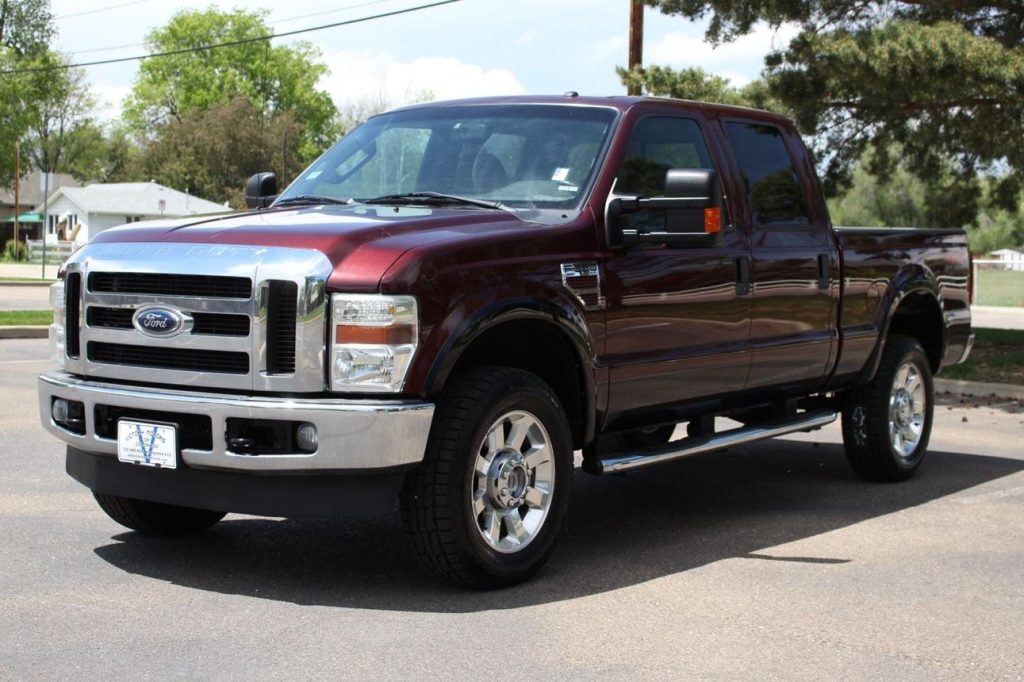
5. Ford F-350 Super Duty (2008-2010)
The 6.4-liter Power Stroke diesel gave the 2008-2010 Ford F-350 Super Duty impressive performance, but its high-pressure fuel system can create a particularly expensive problem when the injection pump fails.
These engines use a Siemens VDO K16 high-pressure fuel pump, which supplies pressurized diesel to the common-rail injection system.
The concern is not simply that the pump can stop working. A catastrophic internal failure can release metal debris into the fuel circuit. Once contamination reaches the fuel rails, high-pressure lines, and piezoelectric injectors, replacing the original pump becomes only one part of a much larger repair.
This is where owners can encounter bills running into thousands of dollars. Diesel repair estimates for extensive K16-related contamination can reach approximately $6,000 to $10,000 or more, depending on how many components require replacement.
Some repair guides also report labor estimates of approximately $1,500 to $2,500 for substantial pump-related work, although the final figure depends on the scope of the job.
A truck experiencing hard starting, sudden power loss, poor acceleration, or fuel-pressure-related trouble codes deserves immediate attention. Code P0149, for example, can indicate a fuel-timing problem, but it should not be treated as definitive proof of pump failure without further testing.
Ford’s own powertrain parts guidance highlights the importance of clean diesel fuel and explains that contamination can damage high-pressure pumps and injectors. Water entering the fuel system is particularly harmful because it can contribute to corrosion and premature pump damage.
For used-truck buyers, a documented history of fuel-filter servicing and water-separator maintenance is worth checking. A professional inspection should also establish whether the injection pump has previously been replaced and whether the repair included proper fuel-system cleaning.
6. Ram 1500 EcoDiesel (2014-2019)
Not every expensive diesel fuel-system problem involves a heavy-duty pickup. The Ram 1500 EcoDiesel demonstrates how a relatively small component can create a major financial headache in a light-duty truck.
Its 3.0-liter EcoDiesel V6 uses a high-pressure fuel injection system, and certain trucks became subject to a recall involving premature high-pressure fuel pump failure.
The problem received significant regulatory attention in 2022. According to NHTSA recall 22V-406, FCA recalled certain 2014-2019 Ram 1500 vehicles equipped with the 3.0-liter diesel engine. The affected Bosch CP4.2 pump could fail internally and introduce debris into the fuel system. Fuel starvation could then cause an unexpected loss of engine power.
The financial risk comes from the possibility that contamination travels beyond the pump itself. Fuel rails, injectors, and other connected components may require inspection or replacement. Consequently, the repair can become considerably more expensive than a straightforward pump replacement.
For owners without applicable recall coverage, a comprehensive contaminated-fuel-system repair can potentially cost several thousand dollars, with estimates reaching approximately $8,000 or more in severe cases. This is an indicative industry estimate, not a published FCA repair charge.
Fortunately, the recall remedy provides important protection. Dealers are instructed to replace the high-pressure fuel pump and inspect the remaining fuel system, replacing additional components when necessary, without charging eligible owners.
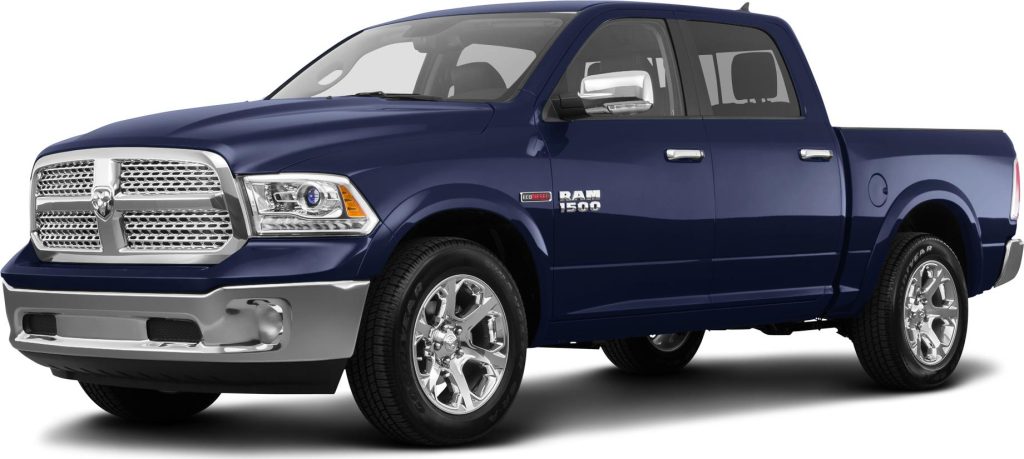
Before buying a used EcoDiesel, check its VIN through NHTSA’s recall lookup and request documentation showing that recall Z46 was completed. Do not assume that every truck advertised as serviced has received the updated pump. A missing recall repair could turn an otherwise attractive used pickup into an expensive ownership risk.
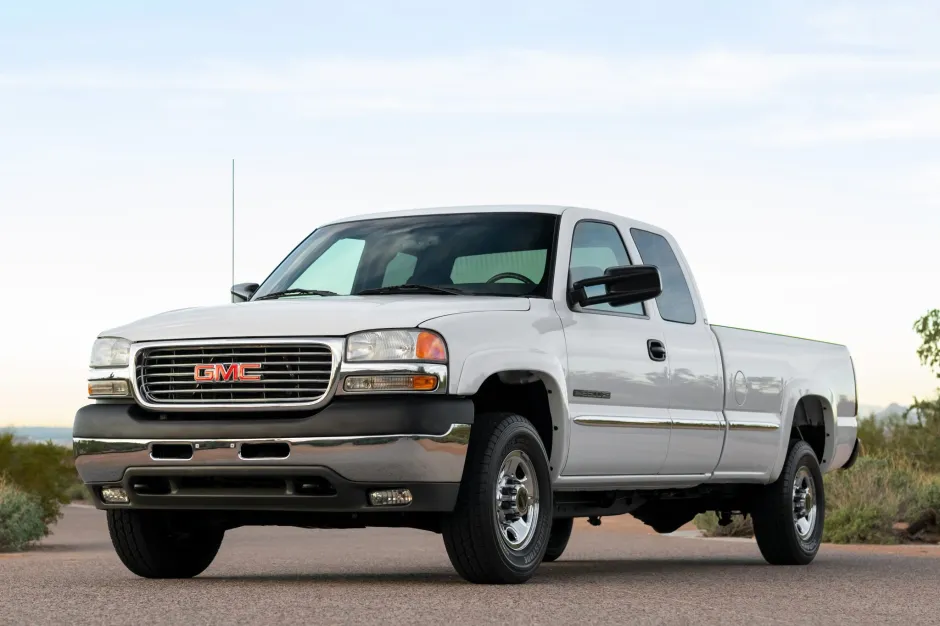
7. GMC Sierra 2500HD (2001-2004)
Some diesel problems become expensive because of the injection pump, while others originate inside the injectors themselves. The 2001-2004 GMC Sierra 2500HD equipped with the 6.6-liter LB7 Duramax is an example of the latter.
These trucks developed a well-documented injector reliability problem that General Motors eventually addressed through an extended special coverage program.
GM’s Special Policy Adjustment 04039C specifically covered certain 2001-2004 Chevrolet Silverado and GMC Sierra models equipped with the LB7 engine. The manufacturer identified several potential symptoms, including hard starting, reduced engine power, an illuminated check engine light, and diesel fuel entering the crankcase.
The underlying causes included cracked injector bodies, ball-seat erosion, and high-pressure seal extrusion.
The injector location makes the repair particularly expensive. Unlike later Duramax engines, the LB7 places its eight fuel injectors underneath the valve covers. Technicians must remove substantial engine components to access them, increasing labor requirements considerably.
Current independent diesel-shop estimates for replacing all eight injectors generally range from $3,000 to $6,000, depending on injector quality, additional parts, and labor rates. Some complete repair estimates can approach $7,000.
Fuel dilution is another issue that deserves attention from owners. A leaking injector can allow diesel fuel to enter the crankcase, reducing the oil’s ability to properly lubricate engine components. If the oil level rises unexpectedly or the dipstick has a noticeable diesel smell, the vehicle should be inspected promptly to identify the source of the problem.
GM’s historical coverage lasted seven years or 200,000 miles, whichever occurred first. That protection has expired on these trucks, meaning today’s owners generally face the repair expense themselves.
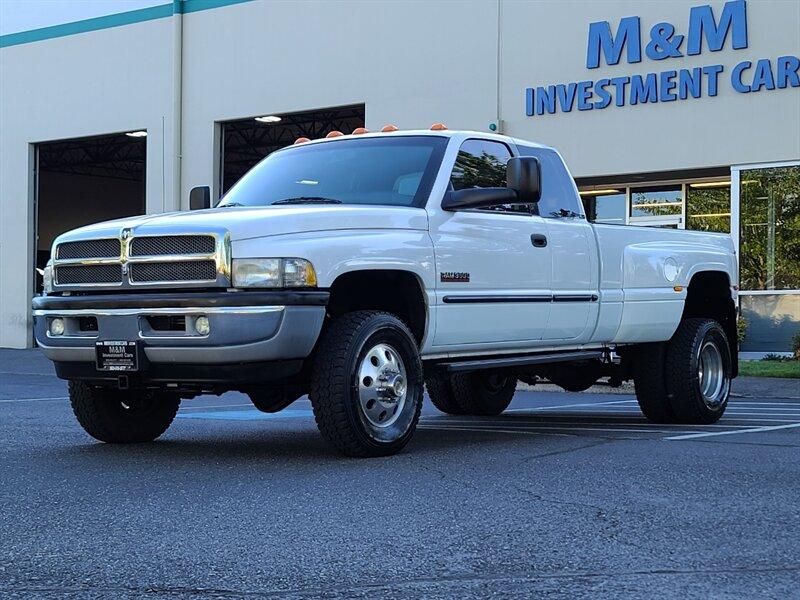
8. Dodge Ram 3500 (1998.5-2002)
The second-generation Dodge Ram 3500 earned a loyal following because of its 5.9-liter Cummins 24-valve diesel engine. However, trucks manufactured between 1998.5 and 2002 used a Bosch VP44 electronic injection pump that can become a costly replacement item.
Unlike modern common-rail systems, this design uses a distributor-style injection pump to control fuel delivery to the engine.
What makes this issue different from a typical fuel pump failure is the VP44’s dependence on a steady fuel supply from the low-pressure lift pump. If the lift pump cannot deliver sufficient fuel, it can affect the VP44’s operation and contribute to premature failure.
When the lift pump delivers insufficient pressure, the injection pump can experience inadequate cooling and lubrication. Continued operation under these conditions can contribute to premature internal failure.
According to diesel diagnostic guidance from Oregon Fuel Injection, low or absent supply-pump pressure is a frequent underlying cause of VP44 problems. The company identifies symptoms such as reduced throttle response, intermittent power loss, and the familiar dead-pedal condition.
Replacing the VP44 is not an inexpensive undertaking. Current repair estimates for the pump itself can run approximately $1,100 to $2,500 for parts, while professional labor and associated repairs can push the total bill toward $3,000 to $5,000.
The final amount depends on pump selection and whether the lift pump and supporting fuel-delivery components also require attention.
A common mistake is installing another VP44 without checking the lift pump. If the original supply problem remains, the replacement injection pump could suffer the same fate.
Potential buyers should pay attention to hard starting, surging, intermittent power loss, and a truck that suddenly stops responding to throttle input. A proper inspection should include measuring lift-pump pressure before condemning the expensive injection pump.
For an older Ram 3500, evidence of a previous VP44 replacement and an upgraded or properly functioning lift-pump arrangement can make a meaningful difference when assessing its condition.
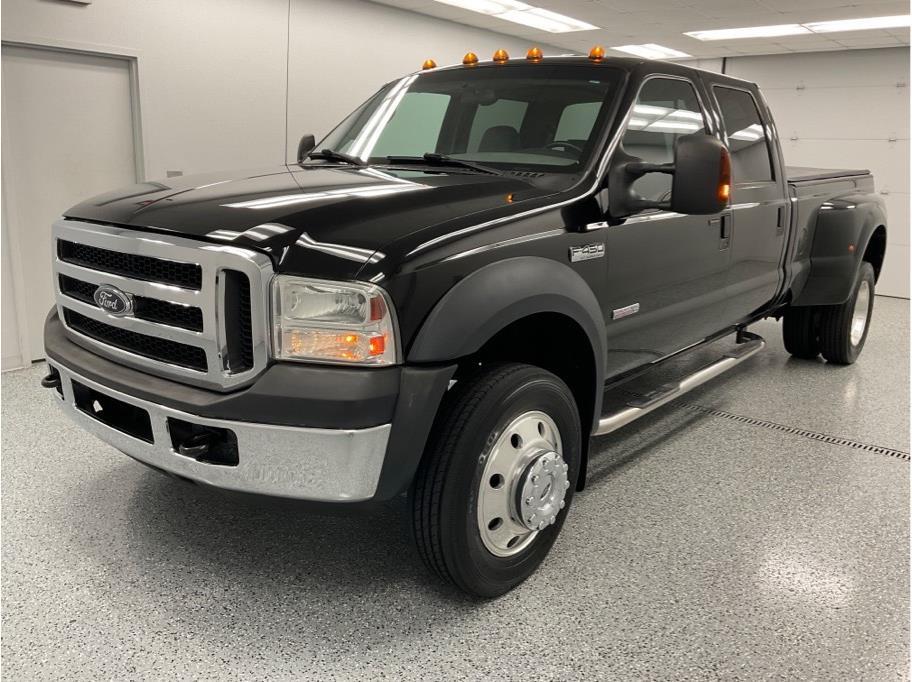
9. Ford F-450 Super Duty (2003-2007)
Commercial truck owners depend on their vehicles to keep equipment, materials, and businesses moving. That makes fuel-injector trouble particularly frustrating in the 2003-2007 Ford F-450 Super Duty equipped with the 6.0-liter Power Stroke diesel.
Its hydraulically actuated electronic unit injection system uses high-pressure engine oil to operate the fuel injectors, making injector performance closely connected to the engine’s oil-pressure system.
One recognized problem is injector stiction. This happens when deposits and varnish interfere with the movement of internal injector components, particularly the spool valve. The injector may struggle to operate correctly, especially during cold starts. Poor oil maintenance and problems elsewhere in the injection-control system can contribute to these failures.
Ford’s 6.0-liter Power Stroke uses high-pressure engine oil to generate the force needed to inject diesel into the cylinders. According to Ford’s Motorcraft injector documentation, the system depends on carefully controlled internal injector components and proper maintenance to support durability.
Owners may notice rough idling, extended cranking, excessive smoke, misfires, or reduced engine performance. However, these symptoms can also originate from the Fuel Injection Control Module, fuel-pressure problems, or high-pressure oil leaks. A proper diagnostic procedure is therefore essential before ordering replacement injectors.
Replacing all eight injectors can become a major expense. Independent repair estimates generally place complete replacement jobs around $4,000 to $8,500, depending on the injector selection, supporting hardware, and labor requirements. Some estimates are lower when fewer injectors need replacement.
The important consideration for used-truck buyers is maintenance history. Regular oil changes using the correct specification and properly serviced fuel filters can help protect this complicated injection system. A pre-purchase inspection should include injector contribution testing, fuel-pressure checks, and examination of the high-pressure oil system.
For contractors considering an older F-450, a low purchase price means little if the truck immediately requires a complete injector replacement.