
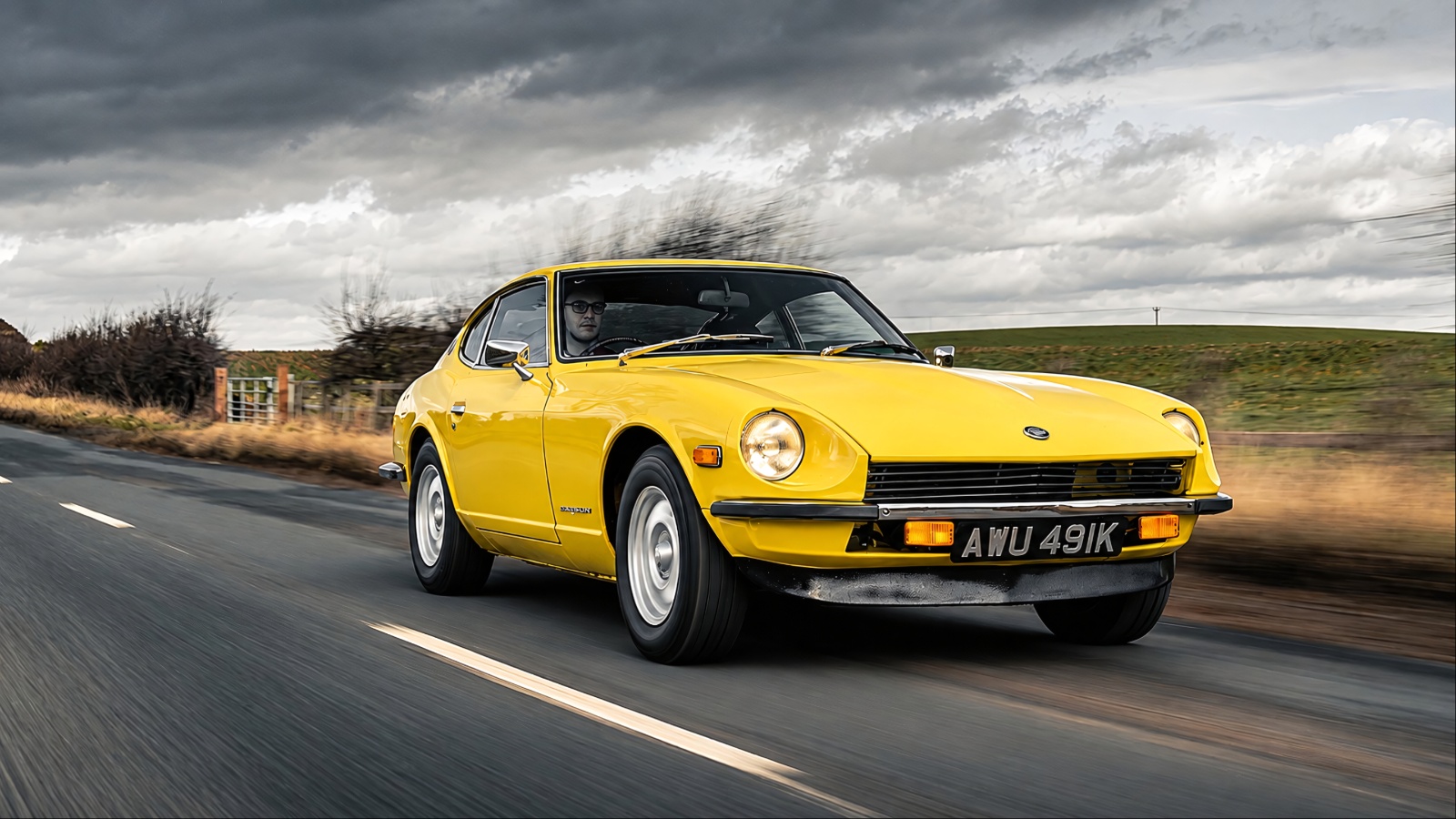
When the Datsun 240Z arrived in the United States for the 1970 model year, it gave American sports-car buyers a new problem to consider. Chevrolet’s Corvette remained the homegrown performance icon, but Datsun was offering a sleek two-seat coupe with an inline-six engine, rear-wheel drive, independent suspension, and strong performance for only $3,526.
The 240Z looked and behaved like a much more expensive automobile, yet its price placed it within reach of buyers who might never have considered a Corvette or European GT.
The headline comparison is often simplified by saying the Datsun undercut the Corvette by $2,000. A base 1970 Corvette Sport Coupe actually listed for about $5,192, making the direct base-price difference $1,666.
However, Corvette buyers had a lengthy option sheet. Once popular performance or comfort equipment was added, the gap could easily approach or exceed $2,000. Those price sheets reveal why the 240Z became one of the most important Japanese performance cars ever sold in America.
The 1970 Price Sheets Put the 240Z in a Different Financial League
The Datsun 240Z’s U.S. list price of $3,526 was one of its greatest advantages. This was not the price of a stripped economy sedan wearing sporty trim. Buyers received a purpose-built two-seat sports coupe with a six-cylinder engine, four-speed manual transmission, rear-wheel drive, full instrumentation, and a sophisticated suspension layout.
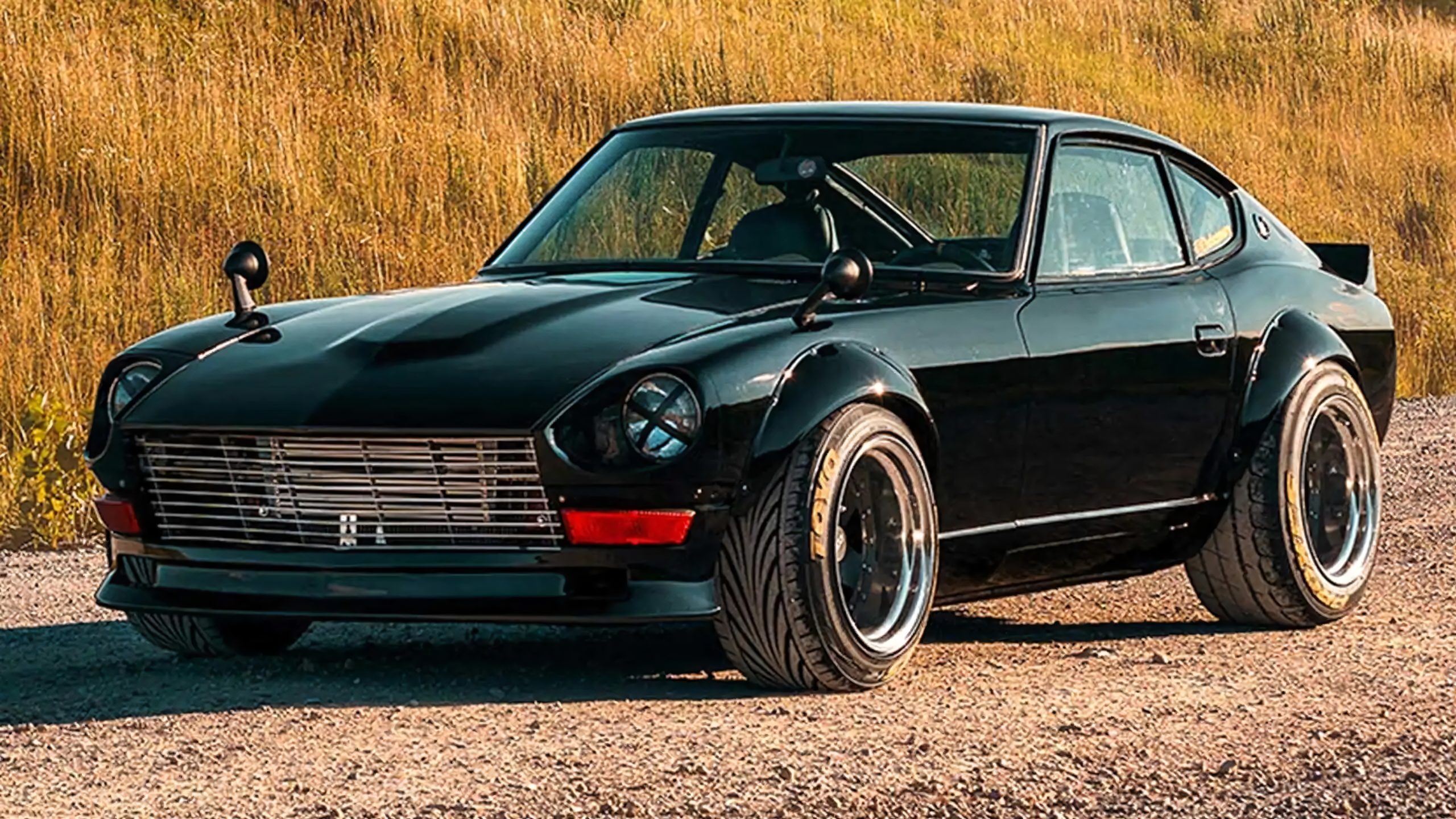
Contemporary road tests show how close real cars could remain to that advertised price. A 240Z evaluated by Car and Driver carried an as-tested price of roughly $3,601, only about $75 over the published base figure. That meant buyers could obtain a legitimately quick sports car for comfortably less than $4,000.
The Corvette was already in another financial category. Chevrolet’s 1970 price information listed the Corvette Sport Coupe at about $5,192, while the convertible began around $4,849. Compared directly with the coupe, the Datsun saved a buyer $1,666 before either car received optional equipment.
But Chevrolet’s option sheet quickly widened the difference. The high-performance LT-1 350-cubic-inch V8, rated at 370 horsepower, cost approximately $447.60. Installing it pushed a Corvette coupe to about $5,639.60 before other options, creating a $2,113.60 difference from the base 240Z.
The 454-cubic-inch LS5 big-block added approximately $289.65. That placed an LS5 coupe around $5,481.65, only about $44 short of being $2,000 more expensive than the Datsun. Adding virtually any meaningful option pushed the difference past that threshold.
Air conditioning cost about $447.65. Power steering was roughly $105.35, power windows about $63.20, and an AM/FM radio could add approximately $172.75. A buyer combining performance and convenience options could therefore move a Corvette well above $6,000.
So the claim that the 240Z was “$2,000 cheaper” needs context. It was not exactly $2,000 cheaper than the completely base Corvette coupe, but compared with realistically optioned Corvettes, a $2,000-plus gap was entirely possible. In 1970, that was an enormous amount of buying power.
Datsun Gave Buyers Real Sports-Car Engineering for $3,526
The most impressive part of the 240Z’s price was how little Datsun sacrificed mechanically. Under its long hood sat the L24 inline-six, displacing 2,393 cc, or about 2.4 liters. The single-overhead-cam engine used twin Hitachi carburetors and was rated in U.S. specifications at approximately 150 to 151 SAE gross horsepower at 5,600 rpm and around 146 lb-ft of torque at 4,400 rpm.
Those numbers were modest beside a Corvette V8, but the Datsun weighed only about 2,300 to 2,330 pounds. Its relatively low mass allowed the engine to deliver performance that looked much stronger on the road than the horsepower figure suggested.
The standard four-speed manual transmission sent power to the rear wheels. Independent suspension was used at all four corners, an important feature at the price. Front disc brakes were paired with rear drums. The steering was relatively direct, and the car’s compact dimensions helped give it an agile character.
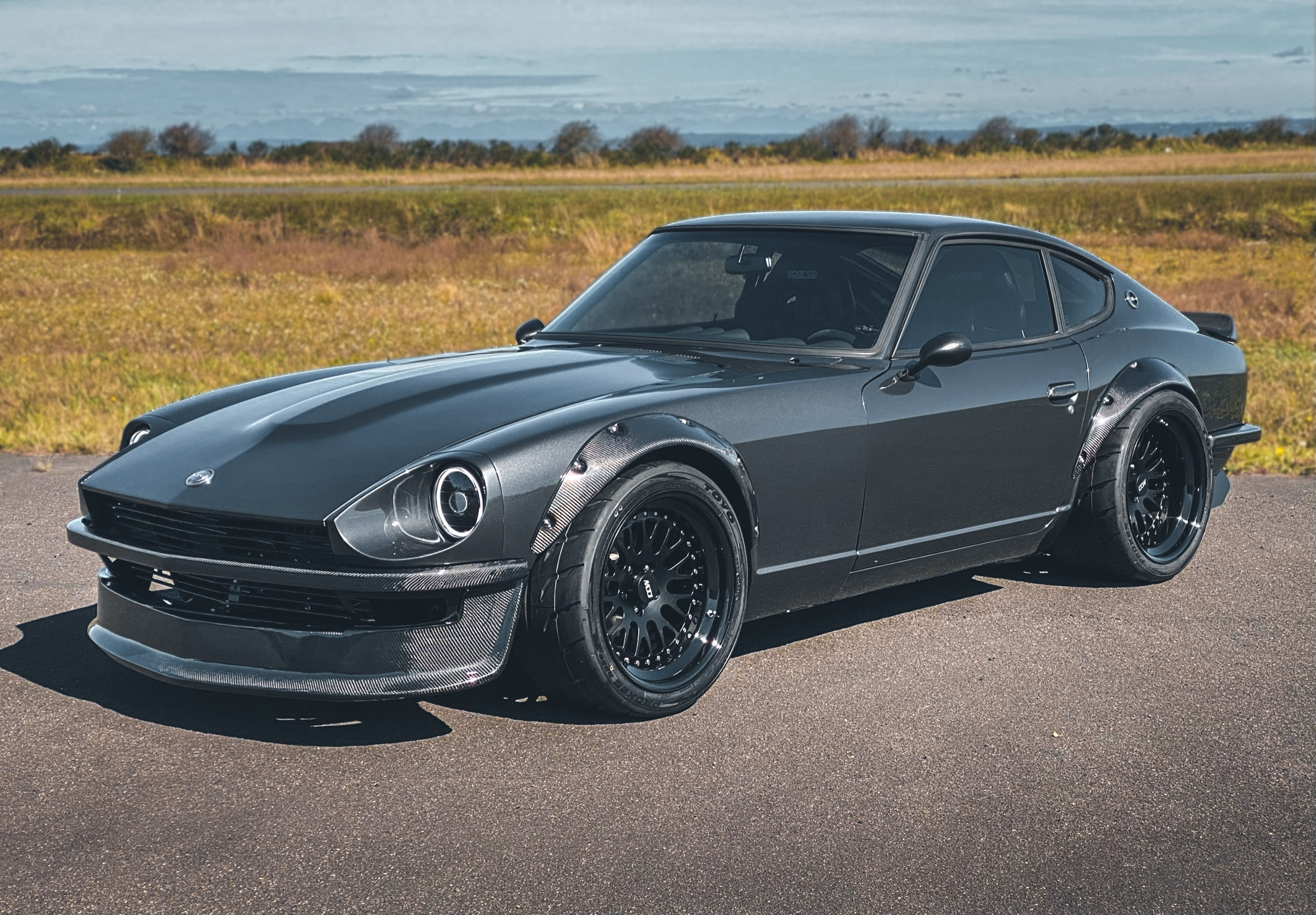
Period performance figures proved that the package worked. Car and Driver recorded approximately 7.8 seconds from 0 to 60 mph and a quarter-mile time of about 16.1 seconds at 87 mph. Those were serious figures for a $3,500 automobile in 1970.
The exterior design strengthened the impression that buyers were receiving far more than they paid for. The 240Z measured approximately 162.8 inches long, 64 inches wide, and just over 50 inches high. Its wheelbase was about 90.7 inches.
With its long hood, short rear deck, low roof, recessed headlights, and fastback hatch, the 240Z borrowed the visual proportions associated with far more expensive grand-touring cars without simply copying one specific model.
The hatchback design also made the Datsun practical. Unlike many small roadsters, the Z provided enclosed luggage space accessible through a large rear hatch. Inside were deeply set instruments and a cockpit clearly designed around the driver.
This combination mattered. Datsun was not asking buyers to excuse crude engineering because the vehicle was inexpensive. The 240Z felt like a proper sports car that happened to carry an unusually low price.
The Corvette Had Far More Power, but the Datsun Had Nearly 1,000 Pounds Less Weight
The Corvette was still the more powerful machine, and by a considerable margin. The standard 1970 Chevrolet Corvette used a 350-cubic-inch V8 producing 300 gross horsepower, almost twice the output of the Datsun’s inline-six.
Chevrolet’s engine options made the difference even greater. Another 350 V8 was available with 350 horsepower, while the LT-1 small-block produced 370 horsepower. Buyers wanting big-block torque could choose the 454-cubic-inch LS5, rated at approximately 390 horsepower.
The Corvette also featured four-wheel disc brakes and significantly greater torque. For outright acceleration, particularly when equipped with one of the stronger engines, the Chevrolet possessed performance the Datsun could not duplicate.
However, the Corvette’s power came with substantially more mass. Chevrolet specifications placed the 1970 Corvette coupe at approximately 3,285 pounds, meaning it weighed roughly 950 pounds more than a 2,330-pound 240Z.
That weight difference shaped the personality of each car. The Corvette relied on displacement and torque. Pressing the throttle delivered the unmistakable response of an American V8, and buyers could order dramatically more power simply by checking the appropriate engine box.
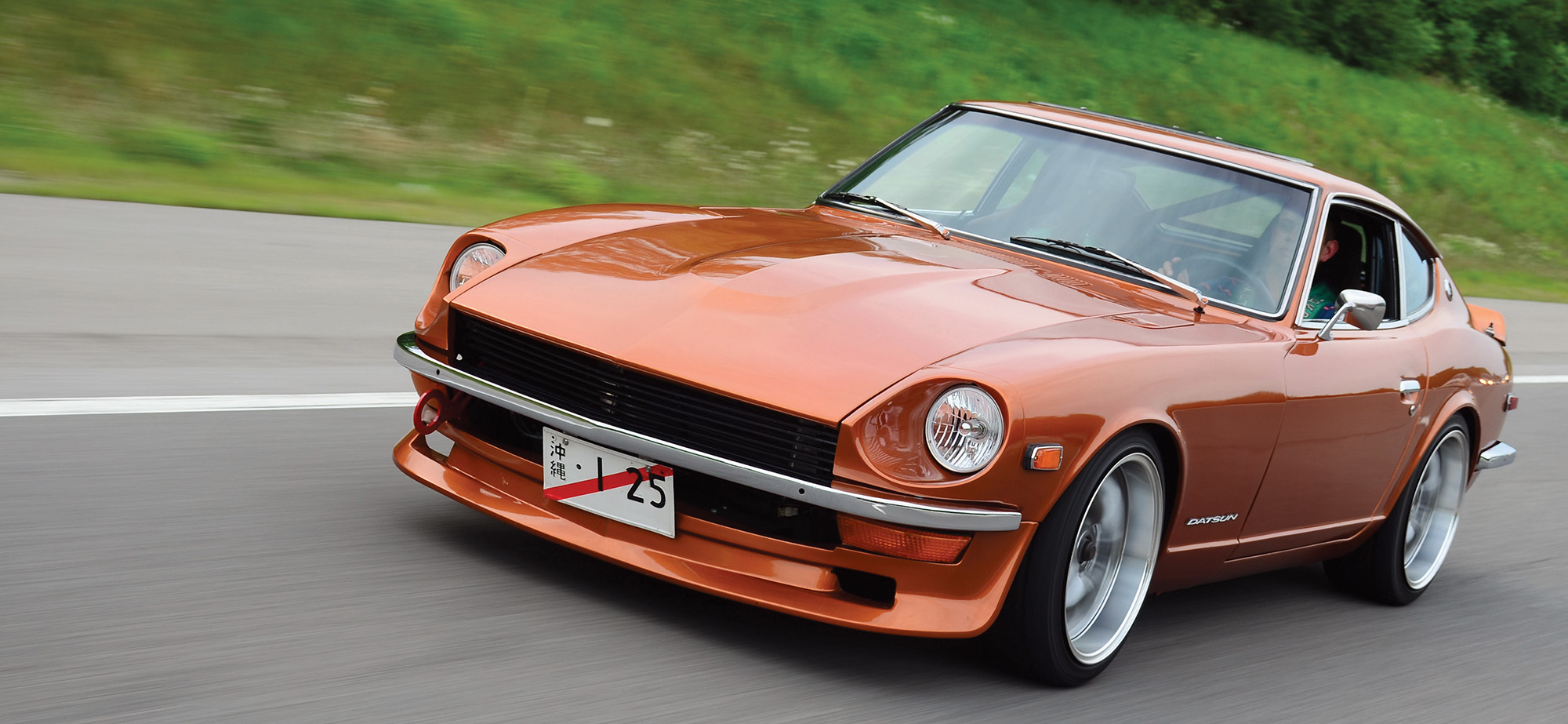
The Datsun approached performance from another direction. Its six-cylinder engine was smaller, but it had far less mass to move. The independent suspension and compact dimensions made handling and balance central to the experience.
Its roughly 7.8-second 0-to-60 time showed that outright horsepower was only part of the equation. The 240Z could deliver genuinely exciting acceleration without a huge engine because its weight was kept under control.
This is why comparing only horsepower misses the importance of the Datsun. Nobody buying a 151-horsepower Z was receiving the same straight-line performance as a 370-horsepower LT-1 Corvette. What they were getting was enough performance to make the enormous price difference difficult to ignore.
A buyer could save close to $2,000 and still own a car with six cylinders, rear-wheel drive, independent suspension, a manual transmission, and credible sports-car acceleration. That was the 240Z’s strongest argument.
The Price Difference Helped Redefine What an Affordable Sports Car Could Be
The 240Z arrived when Japanese manufacturers were still changing American perceptions of their automobiles. Many buyers associated Japanese brands with small, economical transportation. Datsun had already sold roadsters in America, but the 240Z was a much more ambitious product.
The market response demonstrated how effectively Datsun had judged American demand. More than 16,000 240Zs were sold in the United States during the car’s first model year, an impressive figure for an entirely new Japanese sports coupe.
Chevrolet, meanwhile, produced 17,316 Corvettes for 1970, including 10,668 coupes and 6,648 convertibles. The figures show that the 240Z did not suddenly replace America’s established sports car. Instead, it created another compelling choice at a dramatically lower price.
That distinction is important to the car’s legacy. The 240Z did not succeed because it was faster than every Corvette. It succeeded because it delivered enough speed, handling, style, and sophistication that buyers no longer needed Corvette money to obtain a convincing sports-car experience.
The numbers summarize the argument. A 1970 240Z started at $3,526. A base Corvette coupe cost approximately $5,192. The difference was $1,666. Add the LT-1 engine to the Chevrolet, and the gap climbed beyond $2,100. Add air conditioning, upgraded audio, power equipment, or other options, and the financial separation grew further.
Meanwhile, the Datsun provided roughly 151 horsepower, a curb weight near 2,330 pounds, independent suspension, rear-wheel drive, and a tested 0-to-60 time of around 7.8 seconds.
The Corvette unquestionably offered more power and greater performance potential. The Datsun’s accomplishment was proving that less horsepower did not necessarily mean less enjoyment.
That is why the 1970 price sheets remain such an important part of the 240Z story. Datsun did not merely introduce another inexpensive import. It offered a beautifully proportioned, technically credible sports car at a price that exposed how much buyers were paying for established performance names.
For approximately $3,500, the 240Z delivered the essential ingredients enthusiasts wanted without requiring a premium-car budget. The Corvette remained the stronger muscle machine, but the Datsun made the value comparison impossible to ignore.
More than half a century later, the 240Z is remembered not simply because it was inexpensive, but because it was exceptionally good for what it cost. That combination of low price, thoughtful engineering, attractive styling, and real-world performance helped establish the Z as an enduring sports-car name and permanently strengthened Japan’s position in the American performance market.
