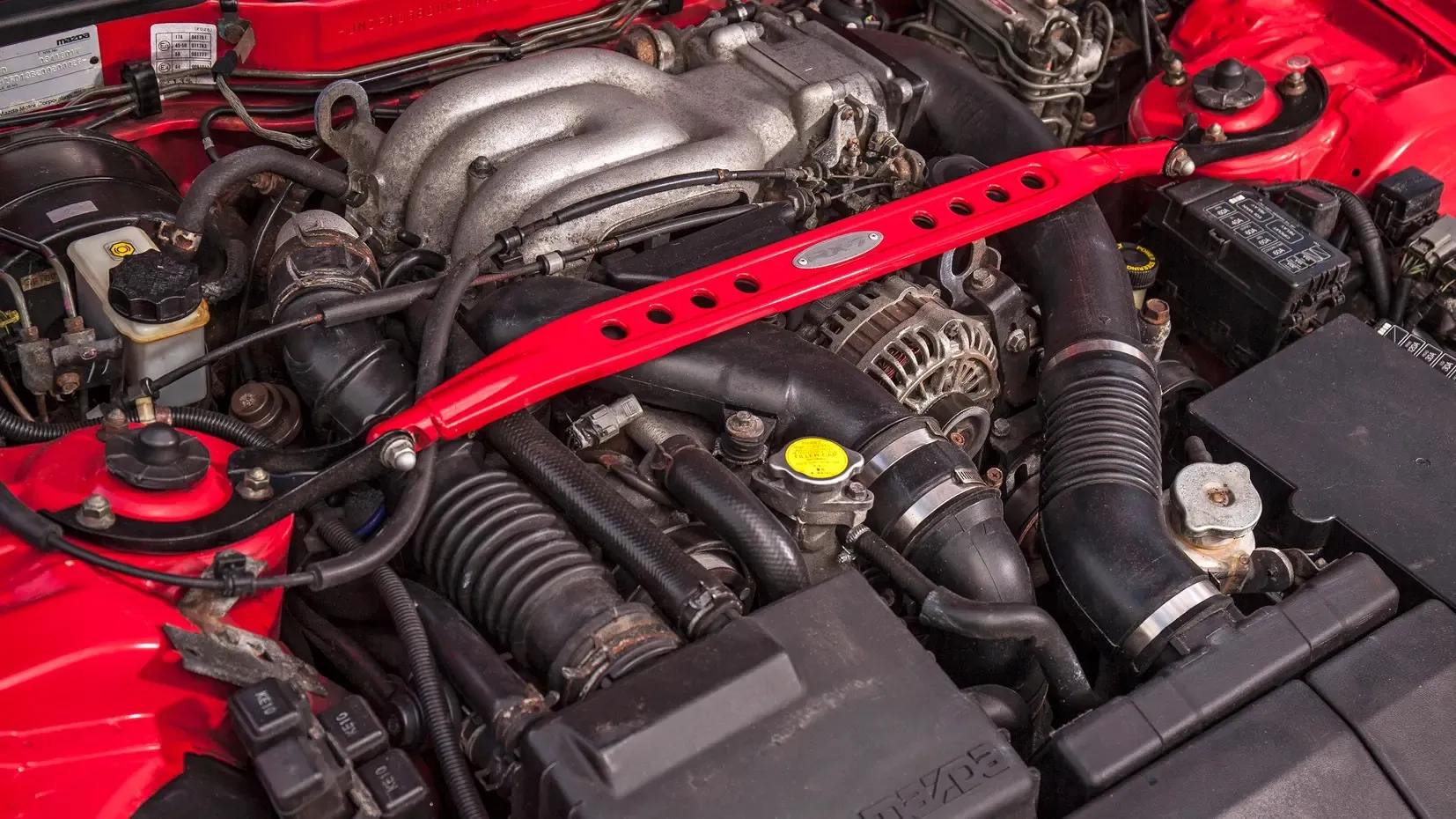
American car buyers once had far more engine choices than today. Automakers experimented with unusual cylinder arrangements, compact designs, and distinctive combustion systems that gave vehicles their own character.
Many of these layouts eventually disappeared from new-car showrooms because of cost, emissions rules, packaging limits, fuel consumption, or changing customer preferences. Some survived for decades before fading away, while others had only brief periods of availability.
From straight-eight engines and V10s to rotary power and flathead designs, these forgotten configurations helped shape automotive history. Here are ten engine layouts that are no longer sold in new cars in America.
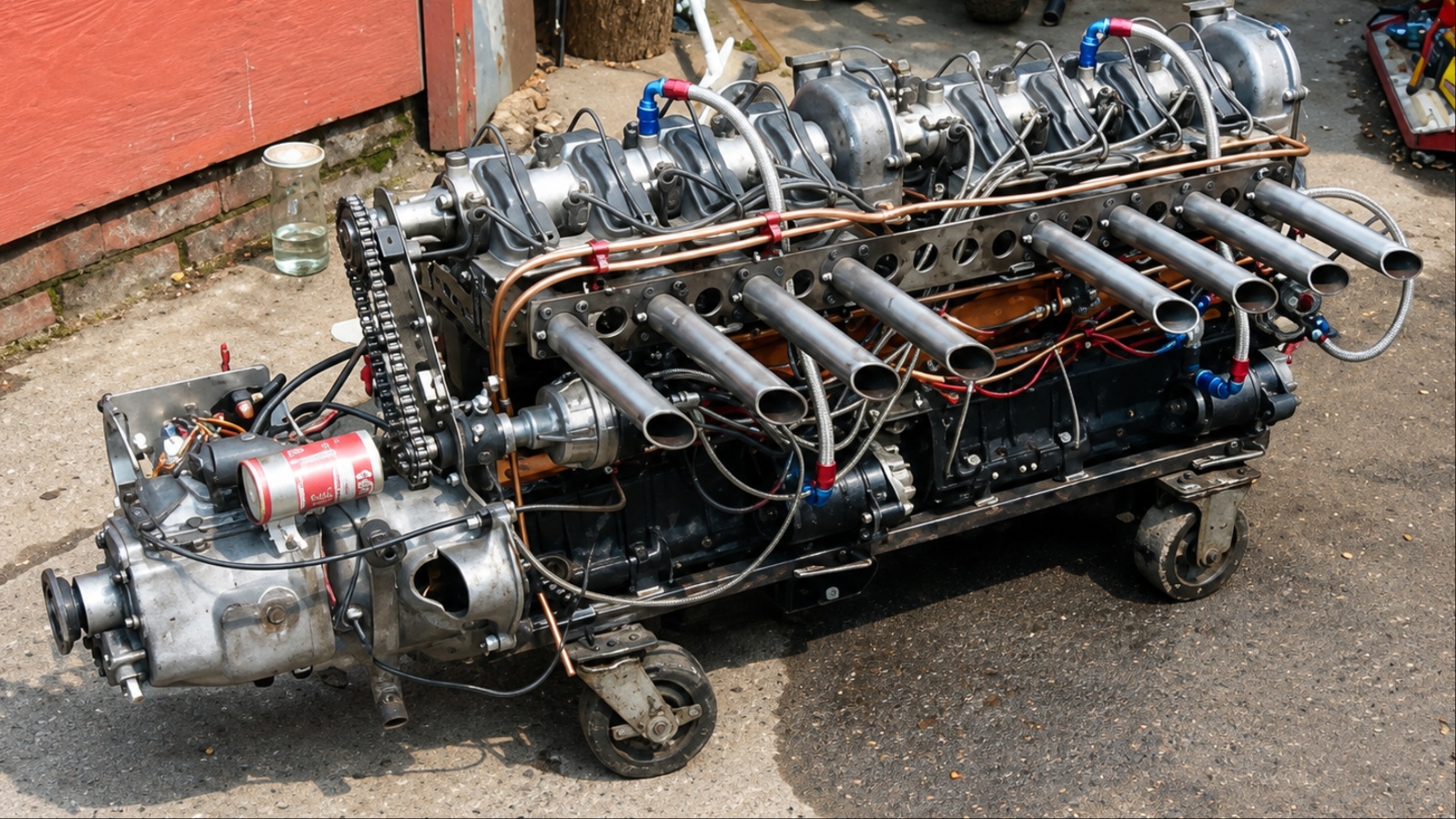
1. Straight-Eight Engines
The straight-eight, also called an inline-eight, places all eight cylinders in a single row along the crankshaft. This arrangement became associated with large American luxury cars during the first half of the twentieth century. Manufacturers such as Packard, Buick, Pontiac, and Oldsmobile used straight-eight engines in various models.
The layout delivered smooth power because the long crankshaft allowed the cylinders to fire at evenly spaced intervals. For buyers seeking quiet and refined transportation, the straight-eight had considerable appeal.
The biggest problem was physical size. An eight-cylinder engine arranged in a single line requires a long engine bay. As vehicle designs changed, manufacturers wanted shorter engine compartments, greater passenger space, and more flexibility for styling.
A V8 could provide similar cylinder count and strong performance while occupying considerably less length. That packaging advantage became increasingly important as American vehicles adopted new body designs after World War II.
Straight-eight engines also faced increasing competition from improved V8 technology. V8 engines offered excellent power in a compact package and became easier to manufacture at high volume.
As overhead-valve designs improved, the performance gap widened. The V8 could deliver substantial displacement without requiring the unusually long engine compartment associated with an inline-eight.
American production of straight-eight passenger-car engines ended after the 1954 model year, with Packard and Pontiac among the final manufacturers using the configuration. Their disappearance marked a major change in American engine design. Large engines did not disappear, but the preferred method of arranging their cylinders changed dramatically.
Today, a straight-eight engine is primarily a collector-car curiosity rather than a new-car option. Its smoothness remains impressive, and enthusiasts appreciate the distinctive engineering behind these engines.
Modern manufacturing priorities favor shorter, lighter, more efficient designs. That makes a return to the straight-eight extremely unlikely in an American production vehicle.
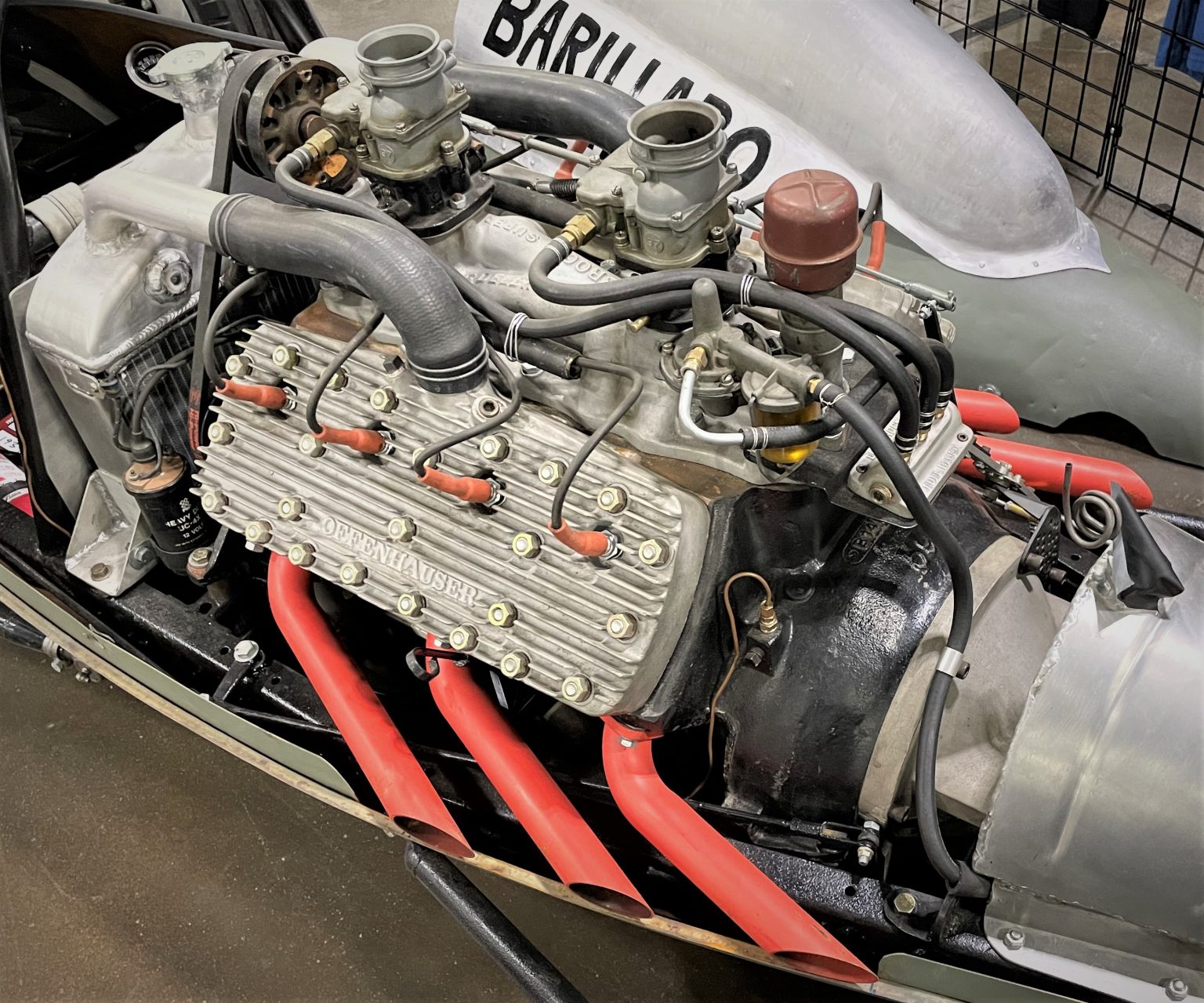
2. Flathead Engines
The flathead engine uses valves positioned beside the cylinders rather than directly above them. Also known as an L-head or side-valve engine, this design was mechanically simple and relatively inexpensive to manufacture.
Ford’s famous flathead V8 helped make V8 performance accessible to a broad American audience. The design became deeply connected with hot rods, early performance cars, and classic American automobiles.
Flatheads had several attractive qualities. Their cylinder heads were comparatively simple because the valves were located within the engine block.
That reduced manufacturing complexity and produced a compact structure. Mechanics also found the engines relatively straightforward to understand and service. For early automotive engineering, simplicity was a major advantage.
The design had serious limitations as engines became more powerful. Exhaust gases had to travel through passages in the block, creating significant heat-management challenges.
The combustion chamber arrangement also restricted airflow and limited the engine’s ability to breathe efficiently. Overhead-valve engines eventually provided better performance, cooling, and efficiency while allowing larger valves and more effective combustion chamber designs.
Ford replaced its American flathead V8 with the Y-block overhead-valve V8 in 1954. Flathead-powered vehicles continued in certain American-market applications after that period, but the layout gradually disappeared from ordinary passenger cars.
The 1964 Checker Marathon is commonly identified as the final mass-produced new American car sold with a factory-installed flathead engine.
Modern engines have little practical reason to return to the flathead arrangement. Computer-controlled fuel injection, turbocharging, variable valve timing, direct injection, and advanced combustion systems all benefit from modern overhead-valve or overhead-cam architectures.
The flathead remains important because it represents a major stage in engine development, rather than because it remains competitive as a modern powerplant.
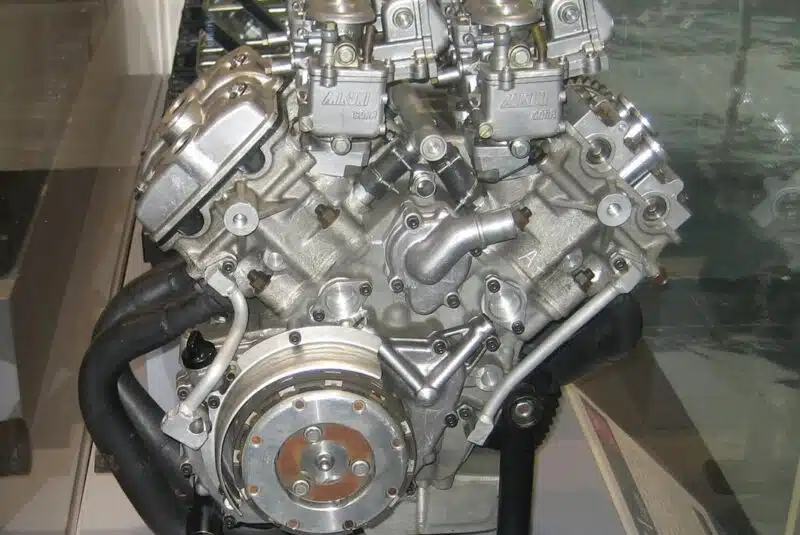
3. V4 Engines
The V4 places four cylinders into two banks arranged around a shared crankshaft. It offers a shorter engine length than an inline-four while maintaining a relatively compact footprint.
European manufacturers experimented with the layout extensively, particularly when packaging requirements made a short engine attractive. Ford’s European V4 appeared in vehicles including the Taunus, while Saab also used V4 engines in models such as the 96.
A V4 can be useful where engine length matters. An inline-four is longer because its cylinders sit in a single row. Splitting the cylinders into two banks can shorten the engine, potentially making it easier to package in certain vehicle designs. The tradeoff is additional complexity involving cylinder heads, exhaust systems, intake arrangements, and crankshaft design.
Engine balance was another challenge. A four-cylinder V arrangement does not naturally provide the same refinement associated with larger, well-balanced configurations.
Balance shafts can help control vibration, but they add mechanical complexity and cost. As inline-four engines became more refined, manufacturers had less incentive to accept those compromises.
The V4 never established a lasting presence in the American new-car market. Its unusual character made it memorable, but buyers could generally obtain comparable practicality from an inline-four.
Manufacturing scale also favored the more common layout, since companies could produce large numbers of inline-four engines for many vehicle applications.
Modern turbocharged four-cylinder engines have made the V4 even harder to justify. Advanced inline-fours can produce impressive power while remaining compact, efficient, and relatively inexpensive to manufacture. With such strong competition, the V4 has remained a historical curiosity rather than a realistic mainstream American production layout.
4. V10 Engines
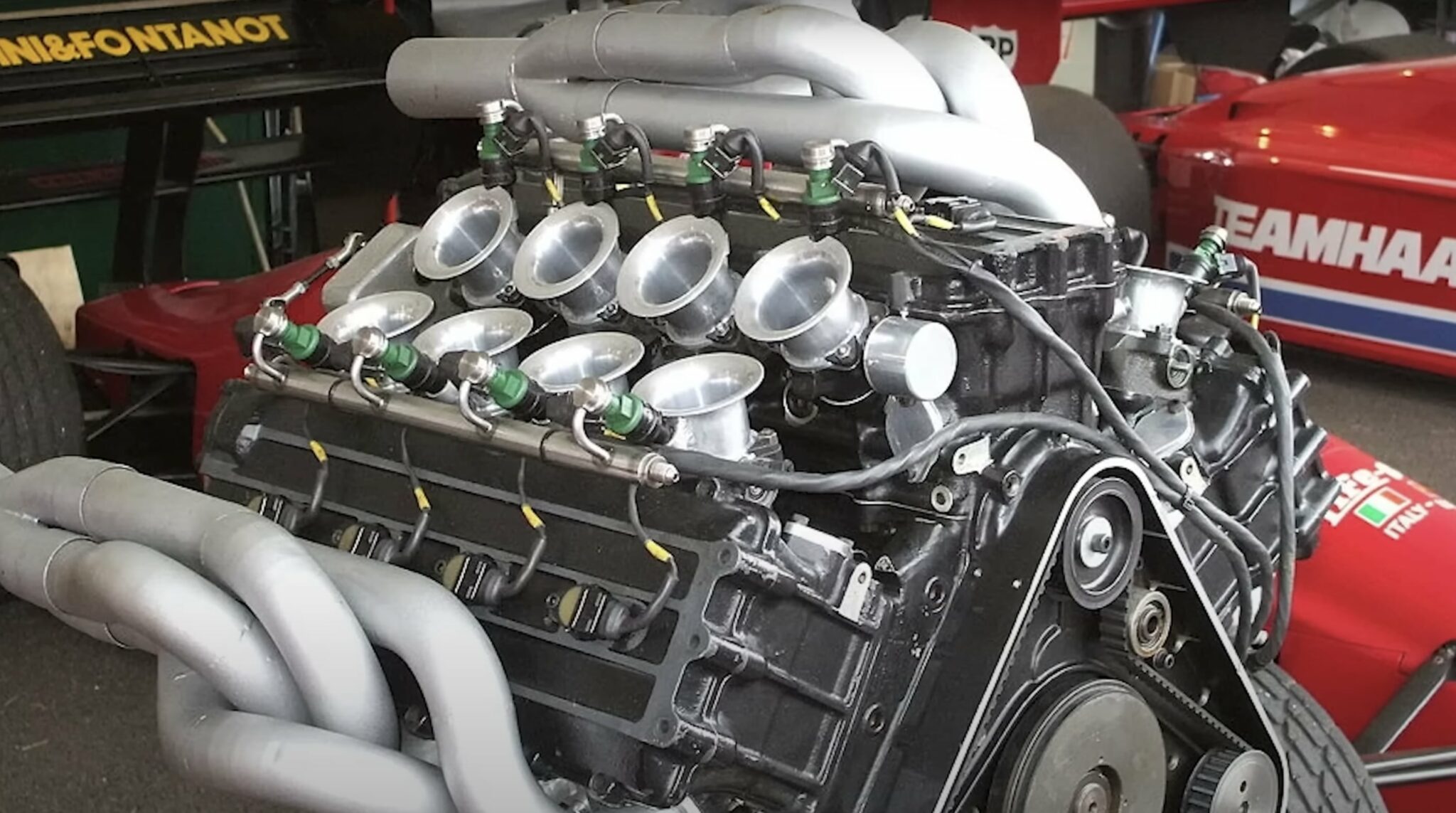
The V10 engine places five cylinders on each side of a V-shaped block. It offers more cylinders than a V8 without requiring the length of an inline-ten.
The configuration became famous through high-performance vehicles such as the Dodge Viper, Lamborghini Gallardo, and Lexus LFA. Its distinctive sound and high-revving character made the V10 particularly popular among enthusiasts.
The V10 also appeared in applications outside exotic sports cars. Ford used a V10 gasoline engine in certain heavy-duty trucks, including versions of the Super Duty lineup.
Volkswagen and Audi also developed V10 engines for performance and luxury vehicles. These applications demonstrated the flexibility of the layout, but they did not create enough demand to make the configuration commercially common.
A major issue with the V10 is balance. Each cylinder bank behaves somewhat like a five-cylinder engine, and the configuration does not have perfect inherent balance.
Engineers can address unwanted vibration through crankshaft design, firing-order decisions, counterweights, and balance shafts. Such engineering can produce a refined engine, but it increases complexity compared with more conventional layouts.
The American V10 passenger-car era effectively ended when the Dodge Viper left production after 2017.
The Viper had become an icon because its huge naturally aspirated V10 delivered a driving experience that turbocharged smaller engines could not easily imitate. Its disappearance illustrated the growing pressure on large, high-cylinder-count engines.
Today, V10 engines have become extremely rare in road cars. The configuration once represented a fascinating middle ground between V8 and V12 power, but modern turbocharged V6 and V8 engines can provide immense performance with fewer cylinders. Weight, emissions requirements, development expenses, and fuel economy have all worked against the V10.
5. W12 Engines
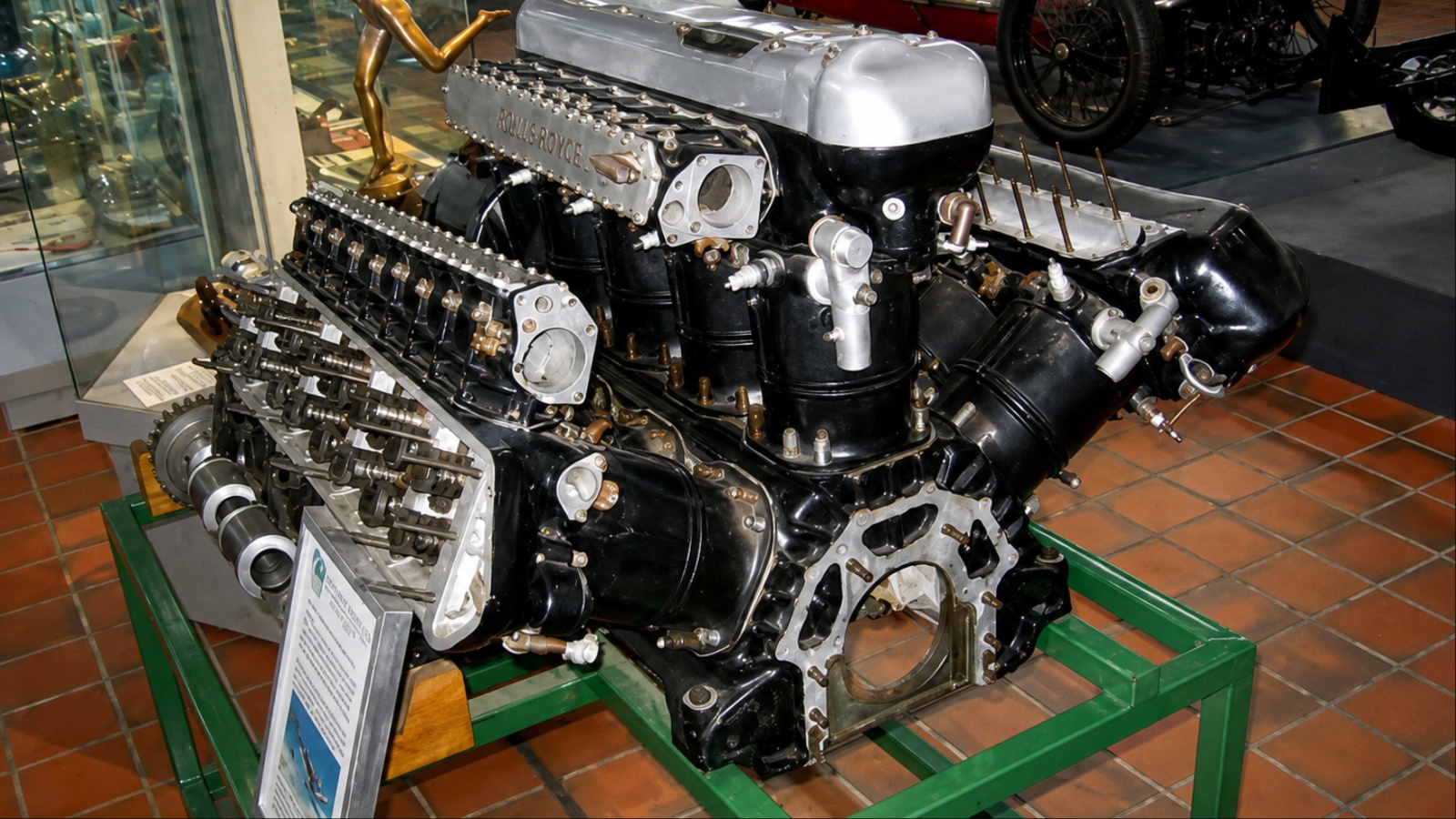
The W12 is an unusual twelve-cylinder arrangement that became closely associated with Volkswagen Group luxury vehicles. The best-known production design used a compact architecture derived from narrow-angle VR6 engineering.
Volkswagen, Audi, and Bentley used versions of this engine in prestigious vehicles, giving the configuration a reputation for effortless power and exceptional smoothness.
A W12 offered a clever packaging advantage. Twelve cylinders normally require a substantial amount of space, especially in a conventional V12 configuration.
By arranging the cylinders into a compact W-based structure, engineers could create a twelve-cylinder engine that occupied less length than many traditional large engines. This made it suitable for vehicles where substantial power had to fit within a relatively constrained engine bay.
Bentley became particularly identified with the W12. Models such as the Continental GT, Flying Spur, and Bentayga used versions of the engine for years.
The combination of turbocharging, high displacement, and twelve-cylinder smoothness produced strong acceleration while maintaining the refined character expected from an expensive grand touring vehicle.
The W12 era ended when Bentley retired the engine as part of its transition toward newer powertrain technology. The final Volkswagen Group W12 was completed in 2024, ending production of this unusual road-car configuration. That represented the end of a remarkable engineering experiment that had lasted more than two decades.
There is little chance of a W12 returning to ordinary American showrooms. The engine is expensive and complicated to manufacture, while modern hybrid systems can provide additional performance without requiring twelve combustion cylinders.
Smaller turbocharged engines combined with electric motors offer manufacturers greater flexibility. The W12 therefore belongs to a distinctive chapter in recent luxury-car history.
6. V12 Engines
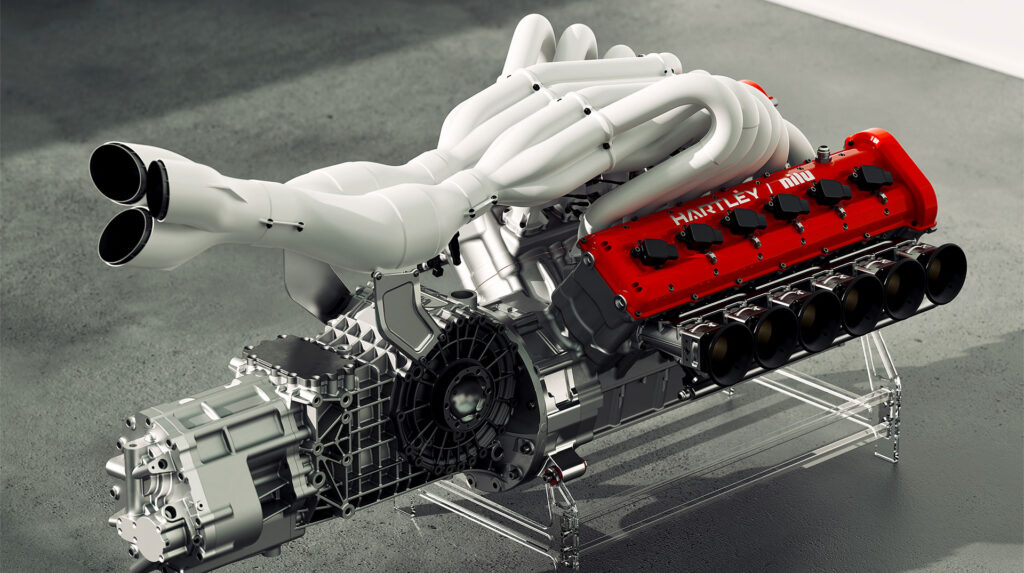
The V12 remains one of the most prestigious engine arrangements ever developed. Twelve cylinders are divided into two banks, producing a configuration known for excellent smoothness and strong power delivery.
American manufacturers once offered V12 engines in luxury cars from Cadillac, Lincoln, Packard, Auburn, Franklin, and Pierce-Arrow. These engines were symbols of status during the early decades of American motoring.
The appeal of the V12 comes partly from its inherent smoothness. With twelve cylinders firing at closely spaced intervals, power delivery can be exceptionally refined.
The configuration also allows substantial displacement without requiring an extremely long engine block. For luxury vehicles built during an era when mechanical refinement was a major selling point, those qualities were highly desirable.
The Great Depression severely damaged demand for expensive multi-cylinder automobiles. By the end of the 1930s, most American manufacturers had abandoned their V12 programs. Lincoln continued producing V12 engines longer than its domestic rivals, but American V12 production ended in 1948.
Modern American buyers can no longer purchase a new car with a V12 from a domestic manufacturer. High-performance V12 cars still exist in some international markets, but they occupy an extremely small luxury segment. Their production costs, emissions requirements, fuel consumption, and complex manufacturing make them difficult to justify for mass-market vehicles.
The V12’s legacy remains strong because it represents a time when more cylinders were closely associated with luxury and prestige. Modern engineering has changed that relationship.
Turbocharging, hybrid assistance, advanced transmissions, and sophisticated engine management allow smaller engines to deliver extraordinary performance. The V12 has therefore become a specialist configuration rather than a practical mainstream choice.
7. Rotary Engines
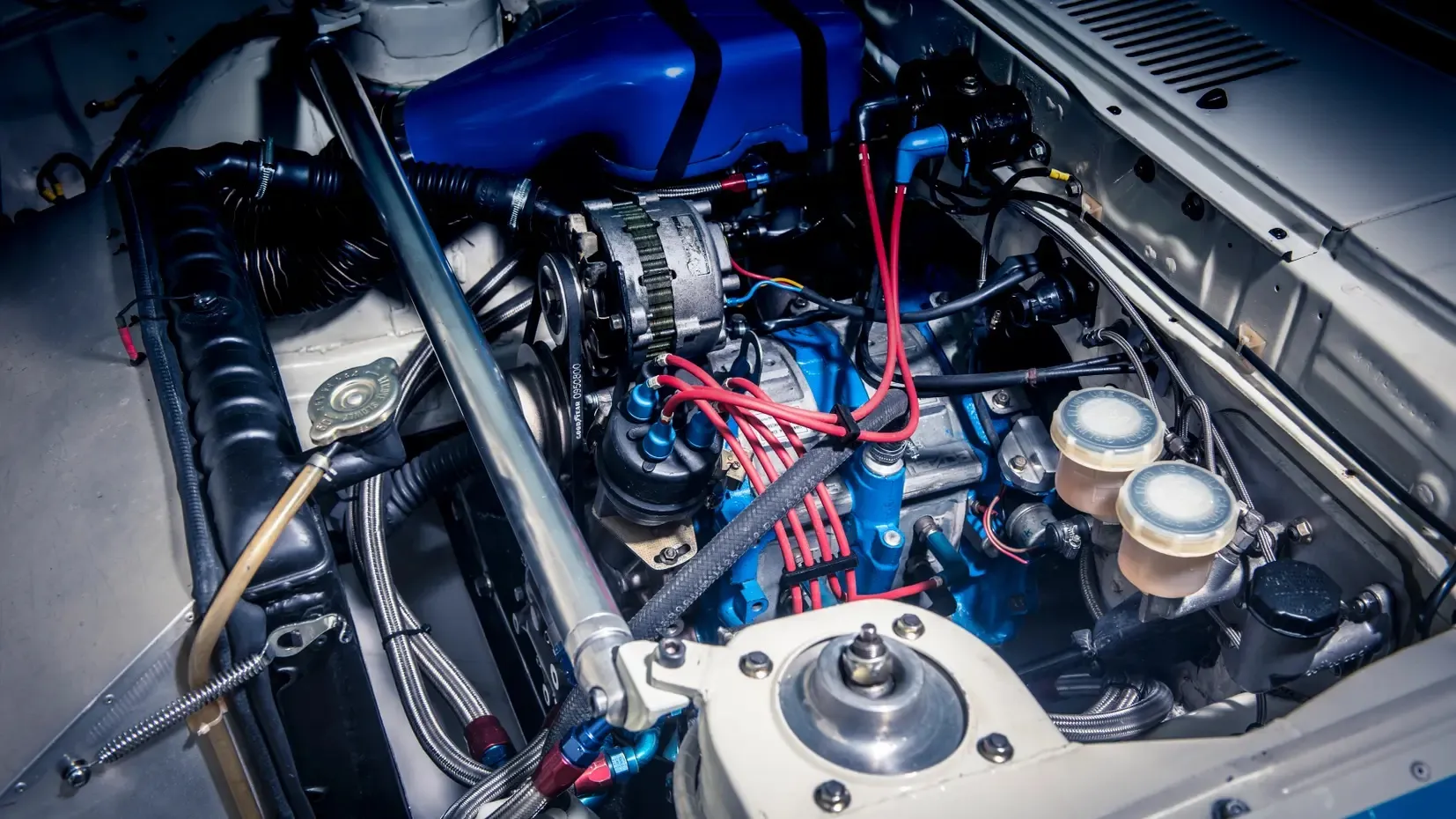
The rotary engine differs fundamentally from conventional piston engines. Rather than moving pistons up and down inside cylinders, it uses a triangular rotor moving inside a specially shaped housing.
The design was associated strongly with Mazda, which developed the rotary concept for several production vehicles. In America, cars such as the RX-7 and RX-8 gave enthusiasts access to this distinctive engine technology.
Rotary engines have several interesting characteristics. They can be compact, lightweight, and capable of producing substantial power from a relatively small physical package.
Their rotating operation also creates a distinctive sound and smoothness. With fewer reciprocating components than a conventional piston engine, the design attracted engineers seeking alternative approaches to internal combustion.
Fuel consumption and emissions proved much more difficult challenges. Rotary engines tend to have combustion characteristics that can make efficient fuel use harder to achieve.
Apex-seal durability also became an important engineering concern. These weaknesses did not make the rotary unusable, but they made it difficult to compete with increasingly efficient piston engines.
Mazda’s RX-8 was the last production car to offer a rotary engine as its primary power source. After the RX-8 ended production, the rotary disappeared from American new-car showrooms.
Mazda later returned to rotary technology in a different role as a range-extender component for certain electrified vehicles, but that is not the same as selling a rotary-powered sports car.
The rotary remains highly respected among enthusiasts because of its compact size, unusual mechanical character, and motorsport history.
Its disappearance demonstrates how difficult it is for an unconventional engine to survive when emissions regulations and efficiency expectations become increasingly demanding. The design remains fascinating, but its traditional role in American performance cars has ended.
8. Inline-Six Diesel Engines in Passenger Cars
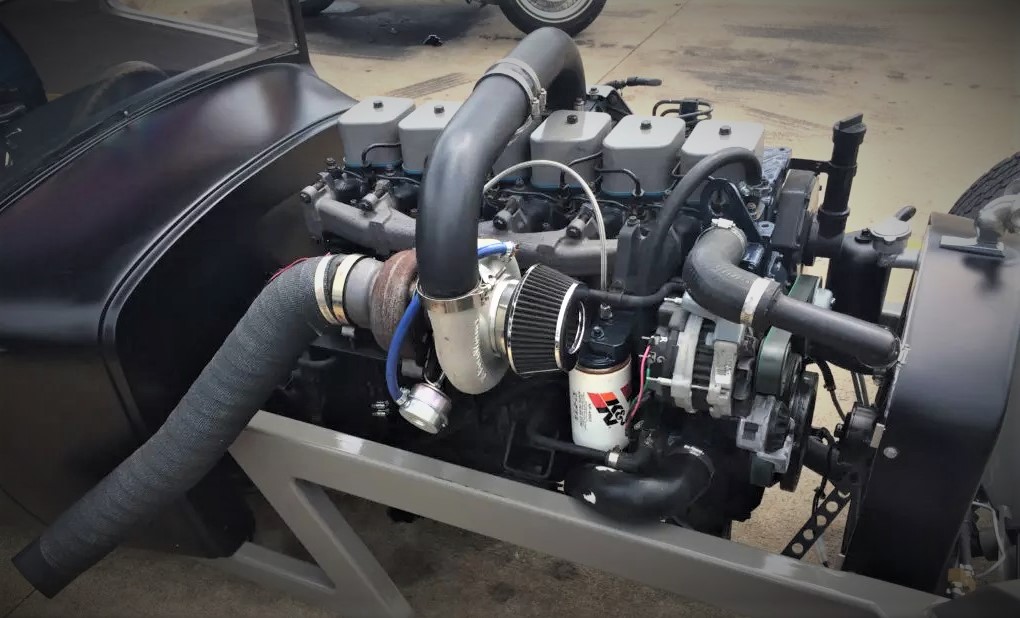
The inline-six diesel is not extinct as an engine type. It remains widely used in heavy-duty trucks and other applications. What has largely disappeared from American passenger-car showrooms is the combination of an inline-six diesel with a conventional passenger vehicle. For decades, diesel engines offered buyers strong low-speed torque and impressive highway fuel economy.
An inline-six is naturally attractive for diesel applications because its cylinder arrangement provides excellent mechanical balance.
Six cylinders in a straight line can deliver smooth operation without requiring the complexity of a V configuration. The design is also relatively straightforward to manufacture and service, which helps explain its continued popularity in commercial vehicles.
Passenger-car diesels faced different challenges. American emissions regulations became increasingly demanding, requiring sophisticated exhaust-treatment systems and precise fuel-control technology.
Diesel engines can provide strong efficiency, but meeting modern emissions requirements adds hardware, cost, weight, and maintenance considerations.
Diesel passenger cars also lost popularity as gasoline engines became more efficient. Turbocharged gasoline engines now provide strong torque and good fuel economy while offering easier emissions compliance in many applications. Hybrid powertrains have further reduced the need for diesel technology in ordinary passenger vehicles.
The inline-six diesel therefore survives in American transportation, but its traditional passenger-car role has largely vanished.
Heavy-duty trucks continue to value its torque and durability, while passenger vehicles increasingly favor gasoline, hybrid, and electric power. The layout itself remains highly relevant, but the market surrounding it has changed considerably.
9. Inline-Five Engines
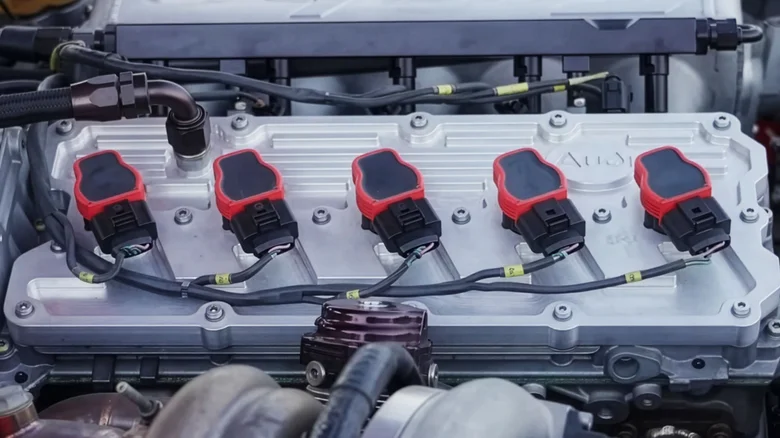
The inline-five engine places five cylinders in a single row. It has always been less common than four- and six-cylinder designs, but it developed a dedicated following because of its distinctive sound and unusual character. Audi became particularly famous for five-cylinder engines, while Volkswagen, Volvo, and Mercedes-Benz also produced various inline-five designs over the years.
Five-cylinder engines provide a useful balance between size and power. They are shorter than an inline-six and can produce more displacement and smoother operation than many four-cylinder engines.
The uneven cylinder count creates distinctive vibration characteristics, but careful crankshaft design and engine mounts can produce acceptable refinement.
Audi’s five-cylinder engines became especially famous through rallying and performance models. Turbocharging transformed the configuration into a potent performance platform.
The distinctive firing sequence produced a recognizable exhaust note that became part of the appeal. For enthusiasts, the five-cylinder sound became nearly as memorable as its performance.
The layout eventually struggled against modern four-cylinder and six-cylinder engines. Four-cylinder engines became more powerful through turbocharging and direct injection, while six-cylinder engines offered smoother operation and greater performance potential. Manufacturers also prefer engine families that can be produced in large volumes across multiple vehicles.
American buyers can no longer walk into a mainstream showroom and select a new passenger car powered by a conventional inline-five. The layout survives in automotive history and enthusiast culture, but its practical advantages are no longer compelling enough for widespread use. It remains a fascinating middle ground between four and six cylinders.
10. Flat-Six Engines in Mass-Market Cars
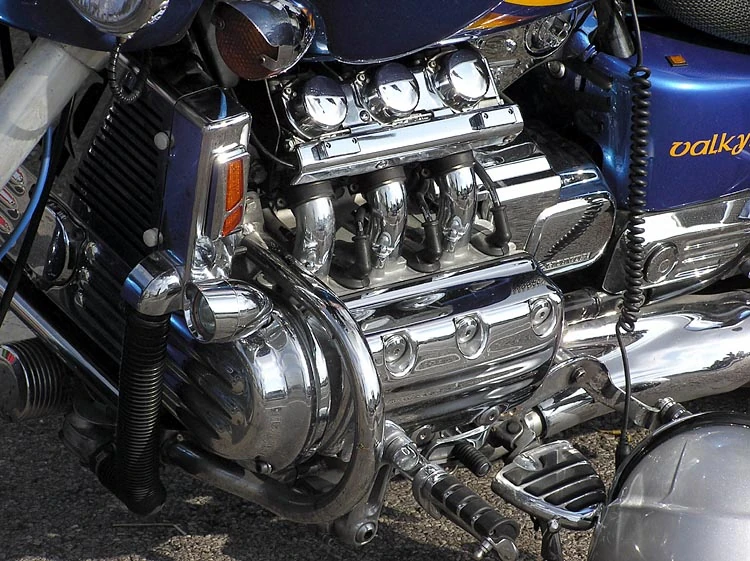
The flat-six engine places three cylinders on each side of a horizontally opposed crankshaft. Unlike a V6, the cylinder banks extend outward from the crankshaft. The configuration has a low center of gravity and excellent inherent balance, qualities that helped make it famous in sports cars and performance vehicles.
Porsche became closely associated with the flat-six through the 911. Subaru also used horizontally opposed engines extensively, including six-cylinder versions in certain models. The configuration can produce a low engine height, which helps lower the vehicle’s center of gravity. That characteristic can benefit handling and stability.
The flat-six has important disadvantages as well. Its width can make engine-bay packaging difficult. Service access can also be more complicated because components are spread across both sides of the engine.
Manufacturing costs can be higher than for simpler inline layouts, particularly when the engine is produced in relatively small numbers.
The configuration has not completely vanished from American new-car sales because Porsche continues to use flat-six engines in certain vehicles. That means the flat-six is different from several other layouts on this list. What has disappeared is its broader presence as a realistic choice for ordinary mass-market cars. It has become strongly tied to specialist performance applications.
That distinction matters when discussing engine layouts that are no longer sold in America. Some configurations are genuinely extinct from new vehicles, while others survive only in narrow segments.
The flat-six belongs to the latter group. Its future depends largely on specialist sports-car demand, while mainstream manufacturers continue moving toward smaller turbocharged engines, hybrids, and battery-electric systems.