
Ever sat in your car, engine idling, watching the clock tick away your evening plans? You’re not alone. Traffic congestion costs American drivers thousands of dollars and countless hours every single year, and some cities handle rush hour far worse than others.
Based on the 2025 INRIX Global Traffic Scorecard, we’ve ranked the ten US cities where drivers lose the most time stuck behind brake lights. Grab a coffee, buckle up, and let’s see if your city made the list of America’s most frustrating commutes.
1. Chicago, Illinois
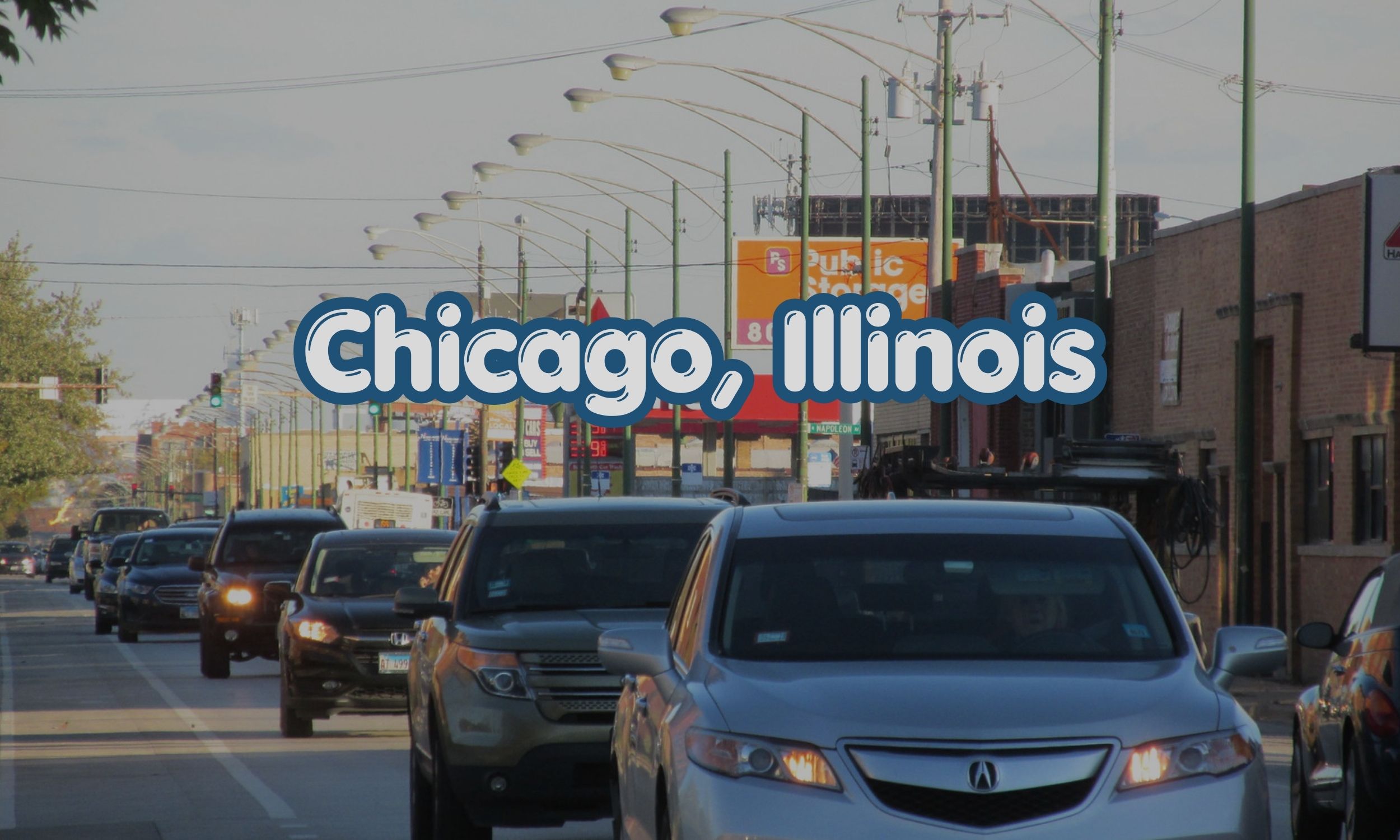
Chicago is having a particularly difficult year for motorists, with the city ranking first for traffic congestion in the latest INRIX figures. Drivers spend about 112 hours each year stuck in traffic, which is almost five full days lost to slow-moving vehicles and long delays.
Several factors are responsible for Chicago’s position on the list. The city has a busy road network that struggles to handle the large number of vehicles using it every day. Major routes such as the Kennedy Expressway, Dan Ryan Expressway and Eisenhower Expressway often experience heavy traffic during peak periods.
Traffic around the downtown Loop can make daily commuting even more frustrating for motorists. For many residents, the problem goes beyond wasted time. INRIX estimates that congestion costs an average Chicago driver about $2,063 each year.
This amount includes money spent on extra fuel, lost working hours, and additional vehicle expenses caused by frequent stopping and starting.
Chicago also moved ahead of New York City in the latest ranking, showing how traffic conditions can vary from one year to another. Several issues have contributed to the city’s high congestion levels, including population growth, freight movement and limited expansion of public transportation.
Anyone considering a move to Chicago should take commuting time seriously. Depending on where you live and work, a journey that looks short on a map can take much longer during busy periods.
Leaving home earlier, using public transportation or choosing a home closer to work may help reduce the daily burden of traffic for many commuters.
2. New York City, New York
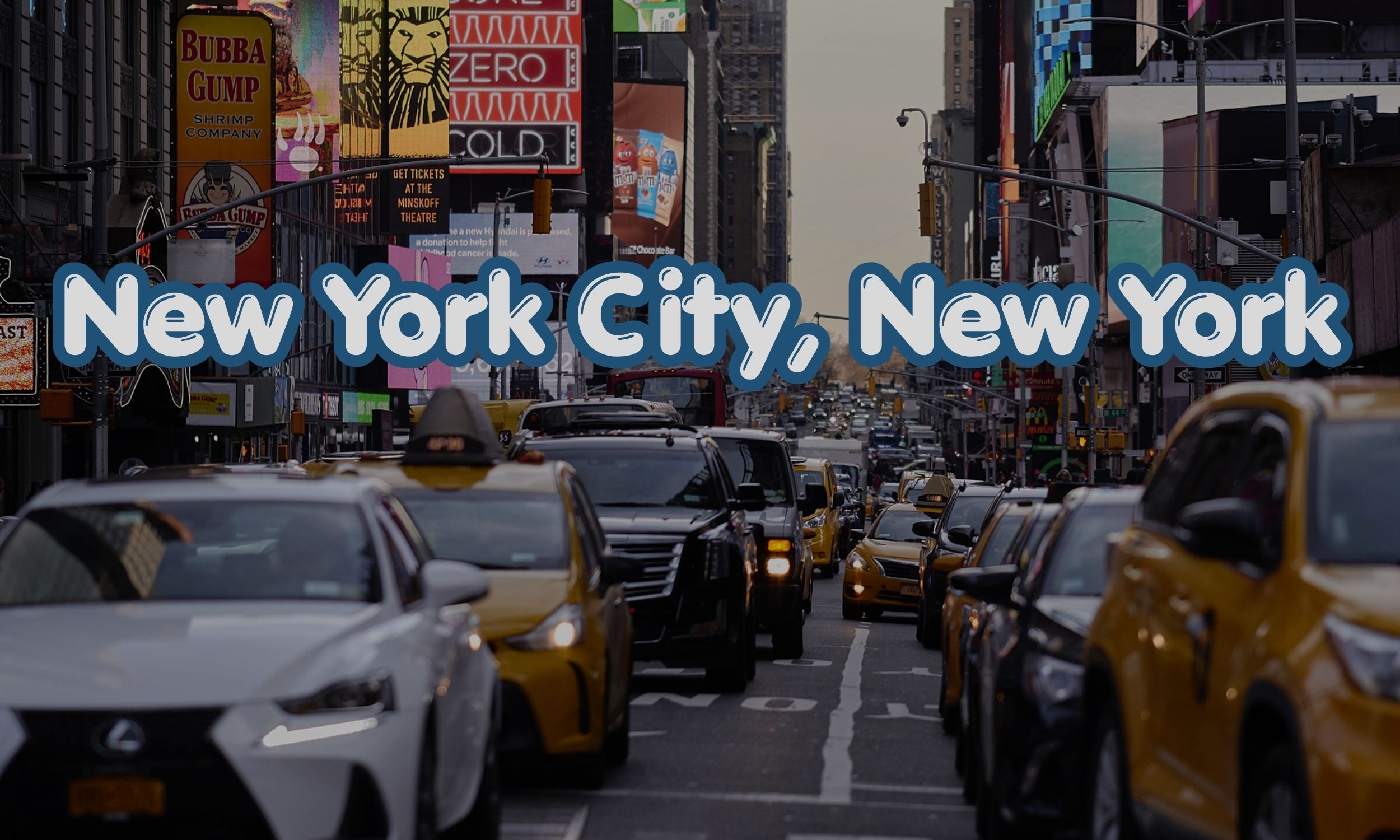
New York City now ranks second for traffic congestion, with drivers losing about 102 hours each year to delays. Although the city has moved down from the top position, spending so much time in traffic remains a serious concern for motorists and commuters.
Recent figures from INRIX suggest that congestion in the city stayed close to the previous year’s level. This is different from the steady increases recorded in earlier years. One possible reason is the congestion pricing program introduced for busy parts of Manhattan, which charges certain vehicles entering the busiest areas.
The policy may be encouraging some motorists to use public transportation instead of driving into central Manhattan. It may also be reducing unnecessary car trips. However, traffic remains a daily problem, especially during the morning and evening commuting periods.
Drivers crossing bridges and using major roads can still face long delays. Yellow taxis, delivery trucks, rideshare vehicles, and private cars all compete for limited road space, making traffic move slowly when demand is high.
Each part of New York City has its own traffic challenges. Routes connecting New Jersey with Manhattan can become heavily congested, while roads linking Brooklyn and Queens also carry large numbers of vehicles every day. Construction work, road repairs and major events can add even more pressure.
For many New Yorkers, travel times can be difficult to predict. A journey expected to take 20 minutes may take much longer once traffic builds up. Despite recent efforts to control congestion, motorists still spend a considerable amount of time on the city’s busy roads each year.
3. Philadelphia, Pennsylvania
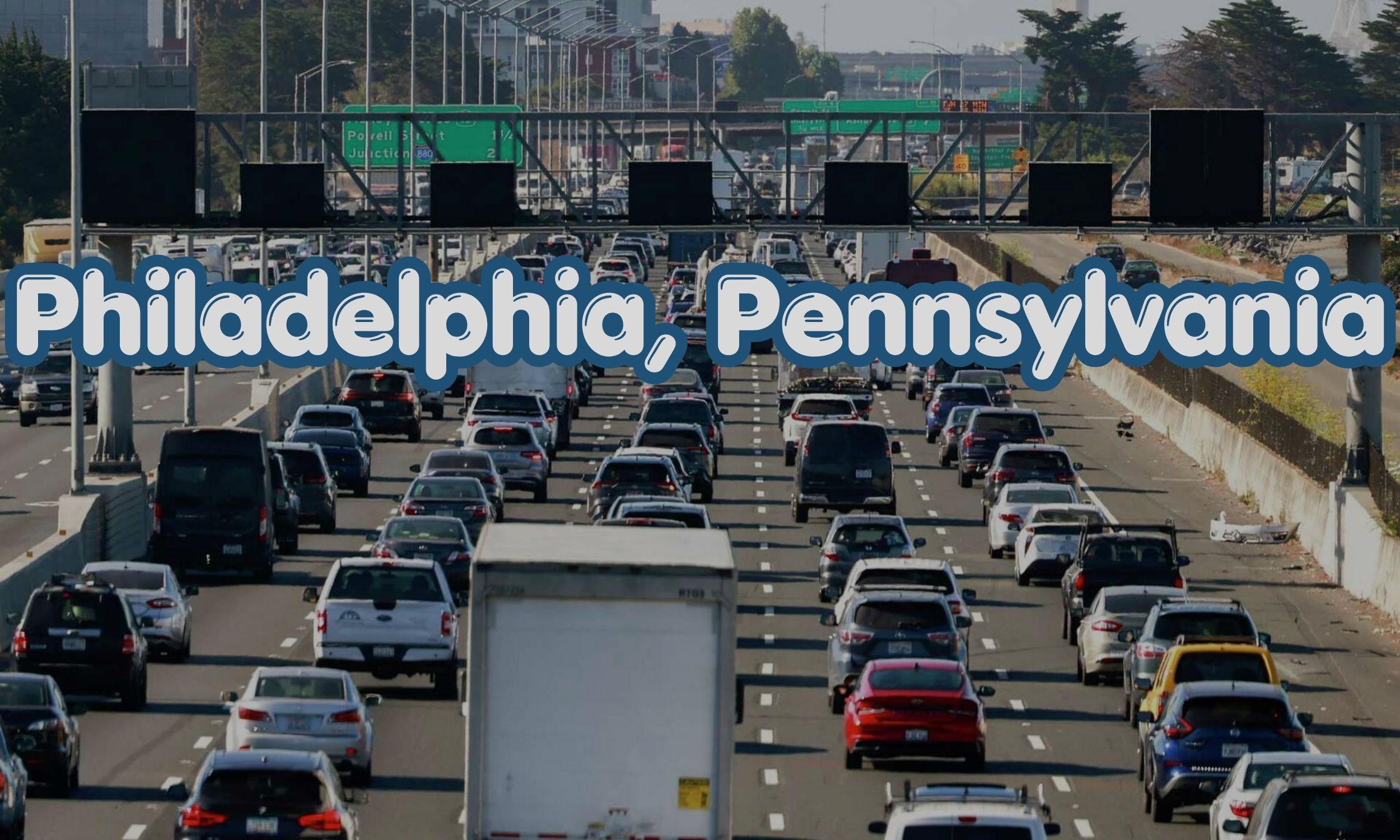
Third place goes to Philadelphia, a city many drivers might not expect to see this high on the list. Yet the numbers don’t lie: 101 hours lost per driver annually places it right behind two of the nation’s largest metros.
Philadelphia’s issue isn’t sheer size so much as design. The city’s street grid dates back centuries, and while it’s charming for pedestrians, it wasn’t built with modern traffic volumes in mind. Narrow downtown streets bottleneck quickly once rush hour hits.
Regional corridors compound the problem. Interstates like I-76 and I-95 funnel suburban commuters into the city every morning, then reverse the flow every evening. Add the Schuylkill Expressway, affectionately (and sarcastically) nicknamed the “Sure-Kill” by locals, and you’ve got a recipe for daily frustration.
Sports events, concerts, and university traffic from institutions like Penn and Temple only add fuel to the fire. Philadelphia’s economy has grown steadily in recent years, drawing more residents and more cars into an already strained system.
For commuters, timing matters enormously here. Leaving even fifteen minutes earlier or later than the peak crush can shave real time off a trip, which tells you just how tightly packed those rush hour windows truly are.
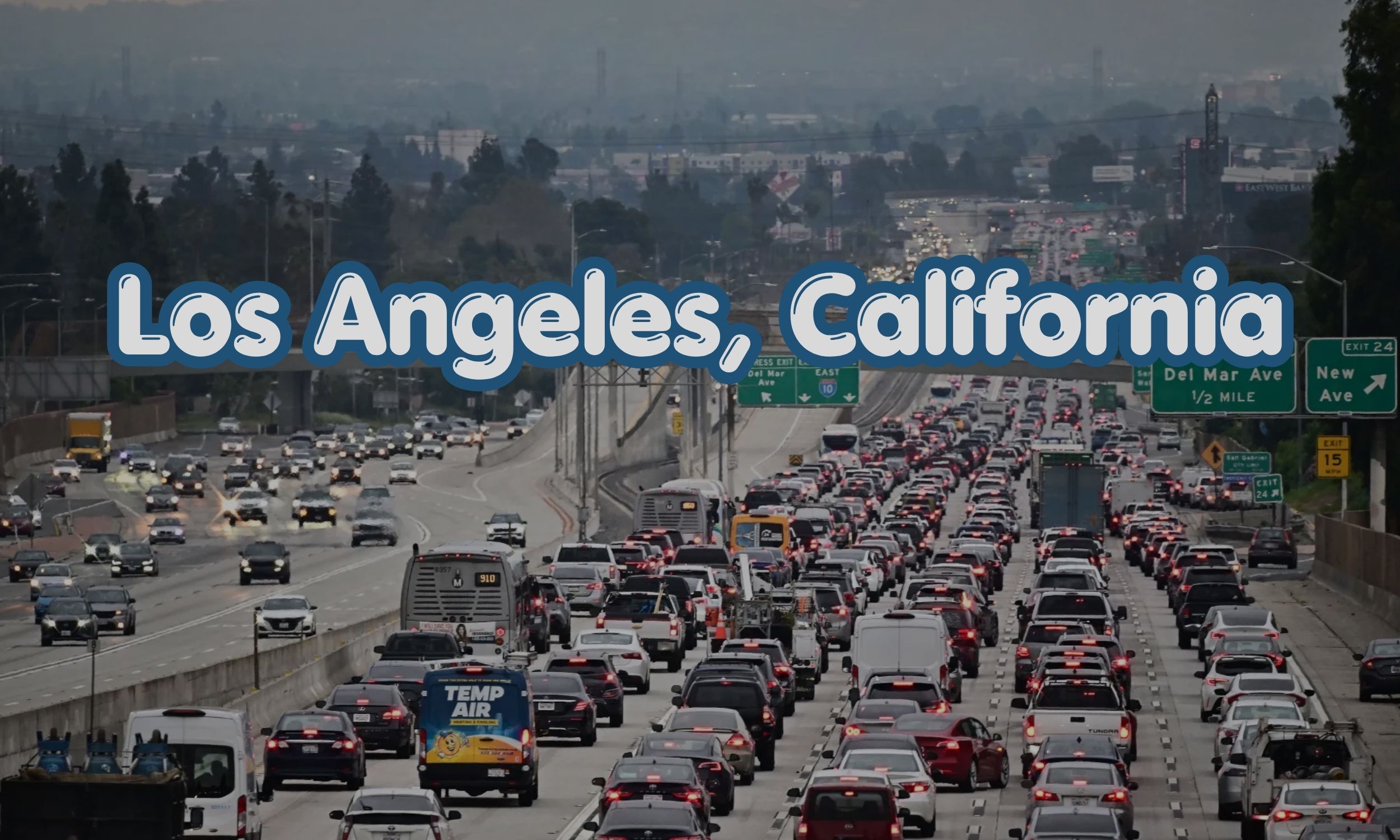
4. Los Angeles, California
Los Angeles and traffic go together like peanut butter and jelly, and 2025 hasn’t changed that reputation much. Drivers still lost about 87 hours to congestion this year.
There’s a silver lining, though. That figure actually represents roughly a one percent improvement from the previous year’s data. Small, sure, but any decrease matters in a city long associated with brutal commutes.
So what’s driving the modest improvement? Some point to expanded remote work arrangements that never fully reversed after the pandemic years. Others credit gradual investment in rail expansion, though Angelenos will tell you public transit still has a long way to go before it rivals the convenience of a personal vehicle.
Geography works against LA drivers regardless. The metro area sprawls across hundreds of square miles, connected by freeways that were engineered decades ago for a much smaller population. The 405, the 101, and the 10 remain notorious chokepoints during both morning and evening peaks.
Weather rarely causes delays here the way it does elsewhere, but sheer volume more than makes up for it. With so many people needing to cover long distances daily, Los Angeles traffic remains a defining feature of life in Southern California, improvement or not.
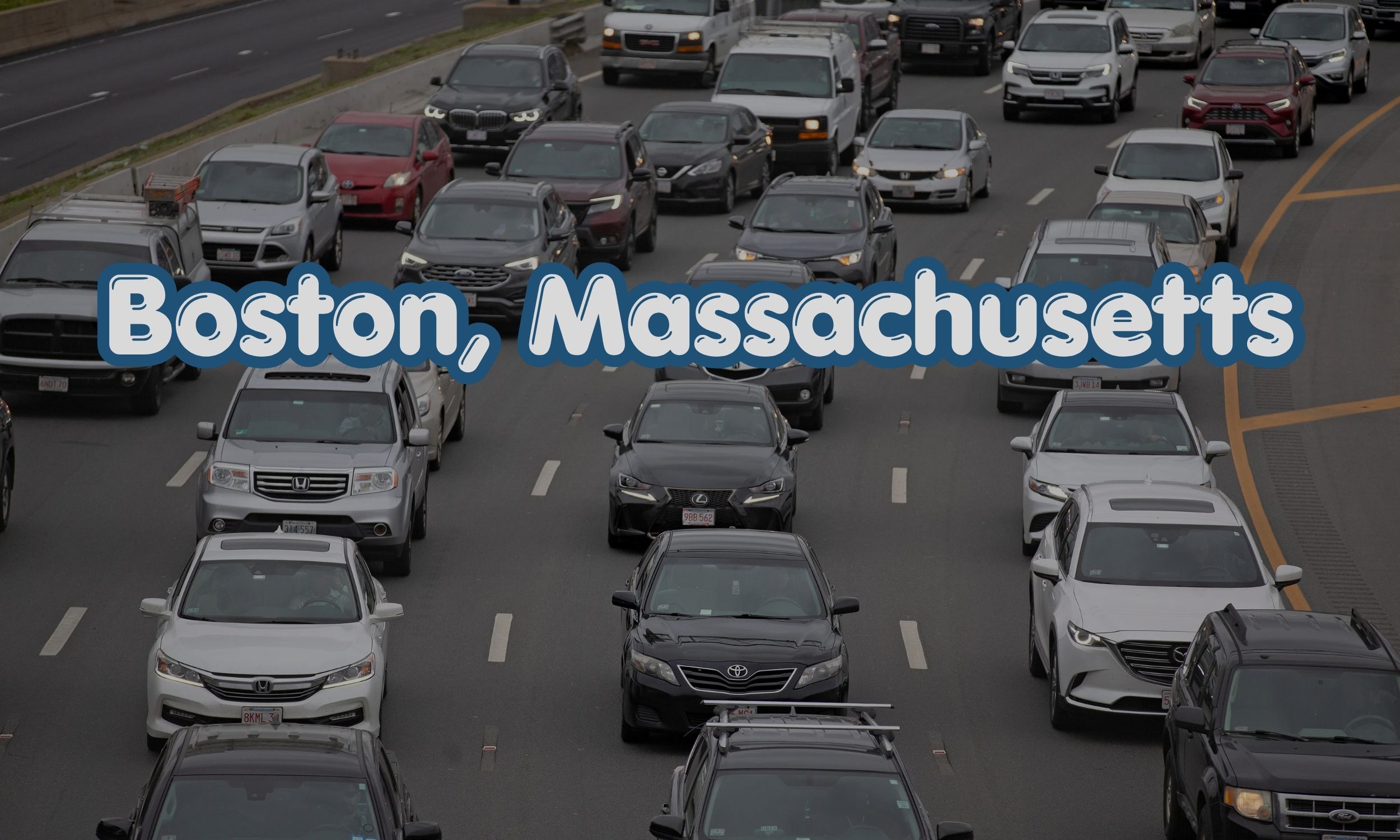
5. Boston, Massachusetts
Boston is one of the busiest cities for motorists in the United States, with drivers losing about 83 hours each year because of traffic delays. Residents have dealt with this problem for many years, and daily commuting can become frustrating, especially during busy periods.
One major reason is the city’s limited road space. Boston has many old streets that were designed long before cars became common, so they were never built to handle today’s level of traffic.
Rivers, the harbor, and the city’s unusual layout also leave drivers with fewer alternative routes when a major road becomes blocked. The Central Artery and several connecting tunnels carry thousands of vehicles every day.
A crash, road repair, or construction project on these routes can quickly cause long lines of traffic across different parts of the metropolitan area. Since there are only a few convenient alternatives, motorists often have little choice but to remain in the congestion.
The large number of colleges and universities around Boston also adds to traffic during the academic year. Students, parents, school staff, delivery drivers and visitors increase the number of vehicles on the roads, particularly when schools resume after the summer break.
Winter creates another problem for commuters. Snow and icy roads can slow traffic considerably and make driving more difficult. A journey that normally takes 30 minutes can sometimes take much longer when road conditions are poor.
With limited road space, heavy vehicle use, many schools, and difficult winter conditions, Boston continues to face serious traffic delays throughout the year.
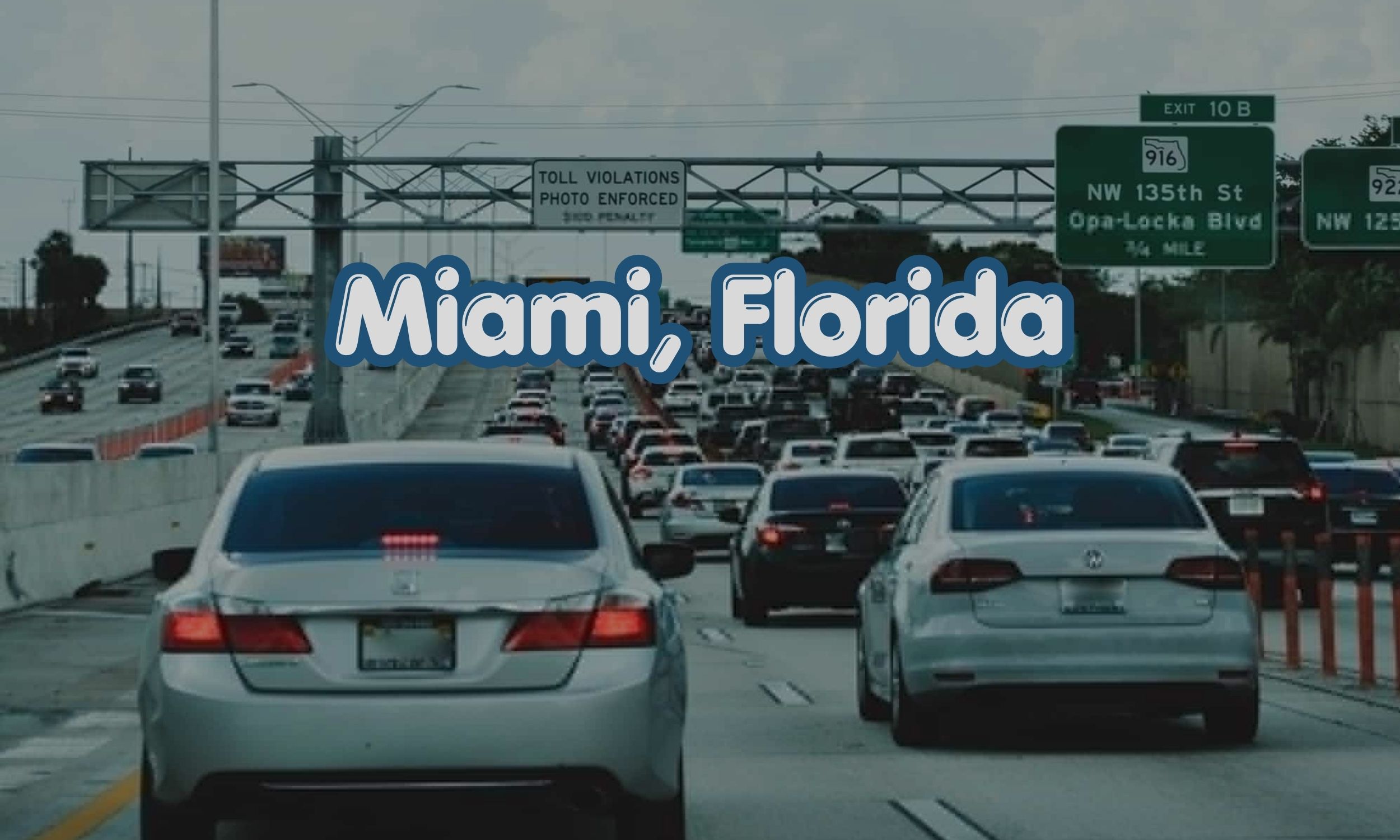
6. Miami, Florida
Miami shares the sixth position on the list, with drivers spending about 75 hours each year dealing with traffic delays. Anyone who regularly uses Interstate 95 during busy periods will likely understand why the city has earned such a high position.
Population growth has placed heavy pressure on Miami’s roads. Many people have moved to South Florida in recent years because of its warm climate, job opportunities and tax policies. However, road development has not kept pace with the growing number of residents and vehicles.
Several major highways carry a large portion of the daily traffic. Interstate 95, the Palmetto Expressway and the Dolphin Expressway are particularly busy, and when one of these routes becomes congested, nearby roads can quickly become crowded as motorists search for alternative routes.
Tourism adds another source of traffic for the city. Miami attracts visitors throughout the year, and major events, holidays, and spring break can bring a large increase in the number of vehicles on local roads. Some visitors may also be unfamiliar with the area, which can make traffic flow slower.
Weather conditions can create additional problems during the rainy season. Heavy rainfall may leave water on roads, especially in low-lying areas, forcing motorists to slow down or find another route.
With a growing population, large numbers of tourists, and weather-related disruptions, Miami continues to face serious traffic problems. For many residents, avoiding the busiest travel periods remains one of the easiest ways to reduce time spent on the road.
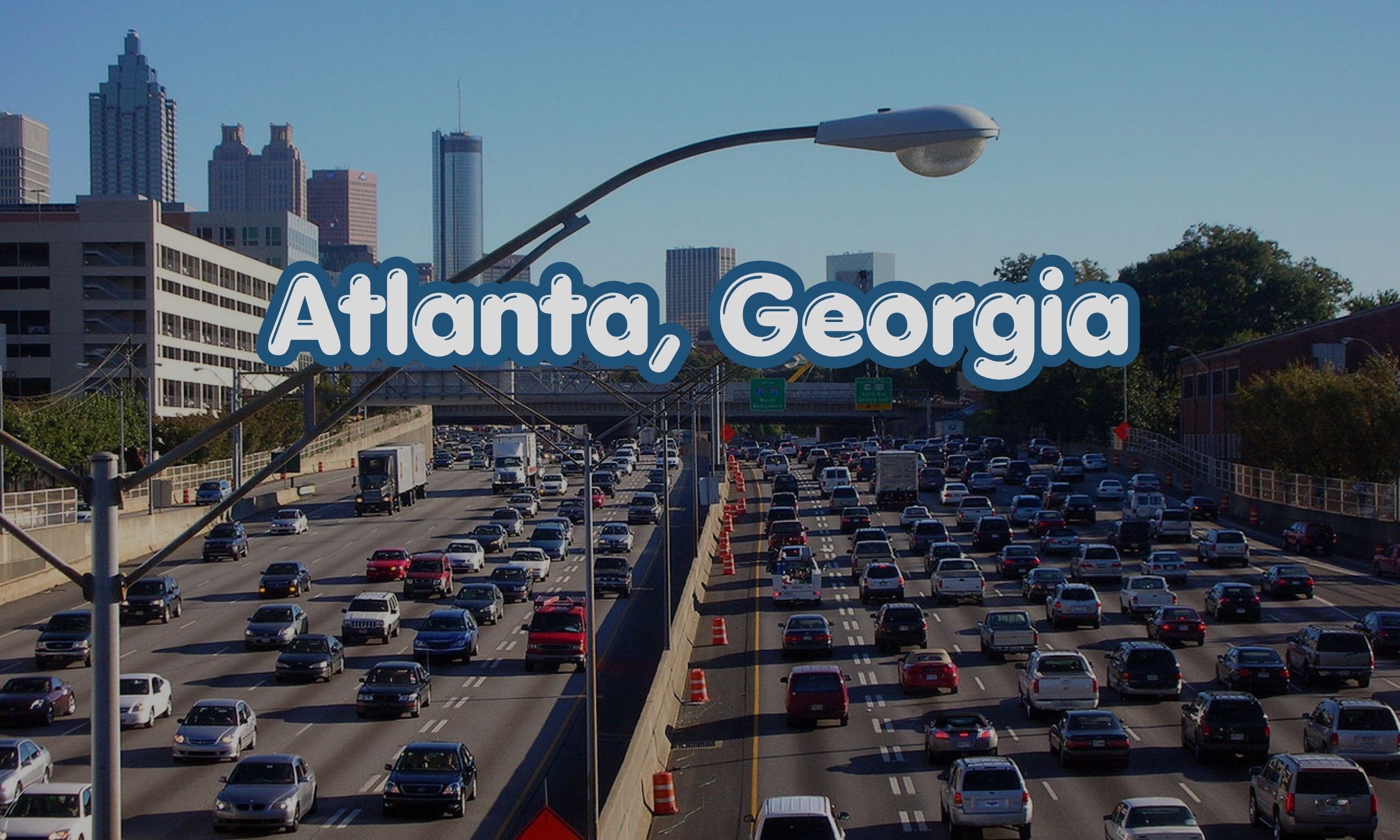
7. Atlanta, Georgia
Atlanta has earned a place among the cities with the heaviest traffic in the United States, sharing seventh position with Miami at about 75 hours of delays each year. For many residents, driving is part of everyday life because the metropolitan area depends heavily on its network of major highways.
At the center of the city, Interstate 75, Interstate 85 and Interstate 20 carry large numbers of vehicles each day. Their connection near downtown is widely known as Spaghetti Junction.
When a crash, broken-down vehicle or roadwork blocks part of these routes, traffic can quickly build up across several parts of the metropolitan area. The city’s widespread growth also adds pressure to the roads.
Atlanta has developed far beyond its central business district, with many people living in suburbs that are some distance from their workplaces. Although MARTA provides rail and bus services, it does not cover every suburban community, so many workers still depend on their cars.
Major employers also bring thousands of people onto the roads every weekday. Well-known companies such as Delta Air Lines, Coca-Cola and Home Depot have large workforces, adding to traffic during the morning and afternoon commuting periods.
Atlanta’s traffic problem is largely connected to the number of vehicles using its highways each day. Even without the population size of cities such as Chicago or New York, the city shows how suburban growth and heavy reliance on private cars can create long delays for commuters. For residents, planning trips outside busy periods can save valuable time.
8. Houston, Texas
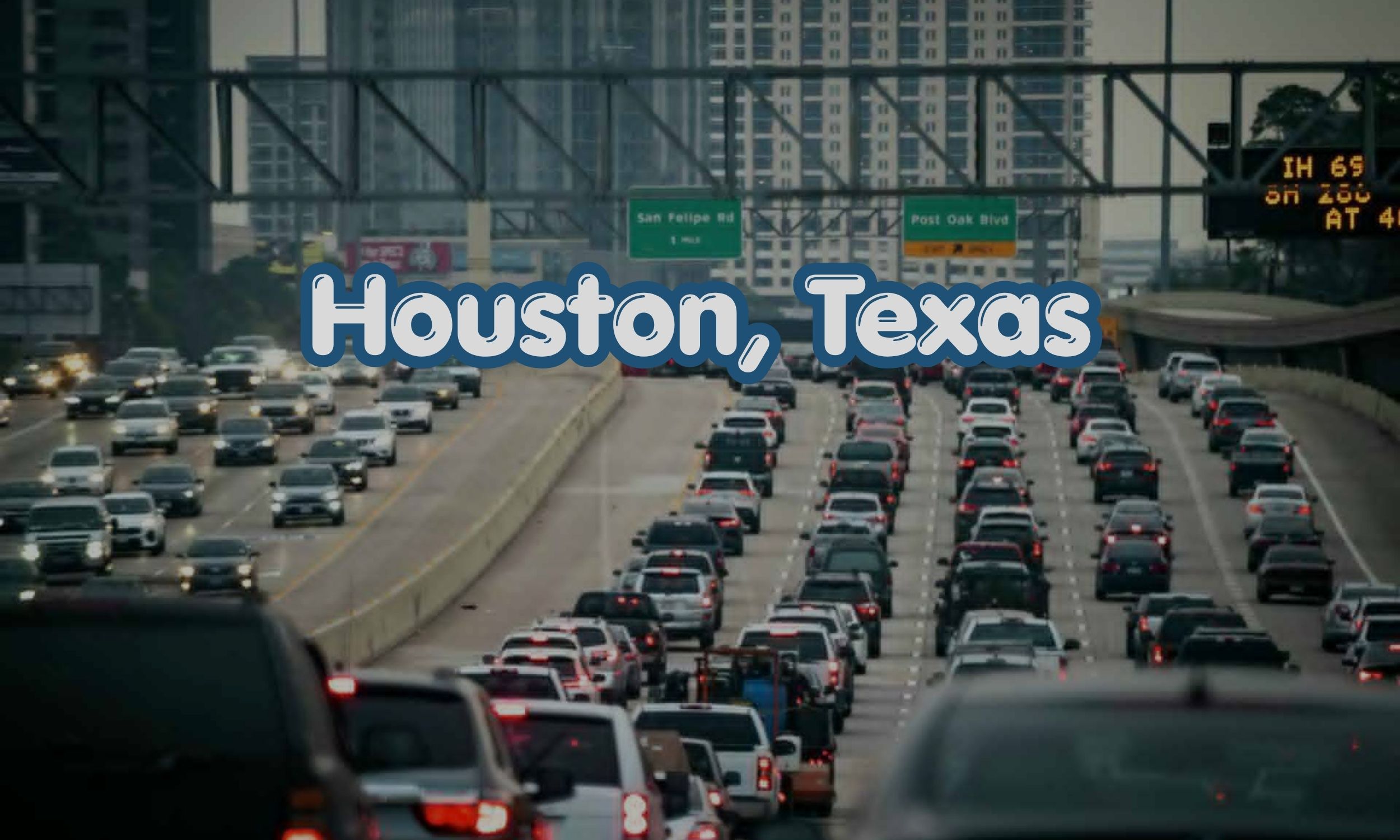
Houston ties for eighth, with drivers losing roughly 70 hours yearly to congestion. As one of the largest cities in the country by land area, that ranking makes a certain kind of sense once you consider the geography involved.
Automobile dependence defines daily life here. Houston’s metro area stretches across an enormous footprint, and without a robust rail system connecting distant suburbs to the urban core, driving remains the default choice for nearly everyone.
The Katy Freeway, once expanded to become one of the widest highways on the planet, still experiences daily backups despite its impressive lane count. That fact alone illustrates a broader truth about traffic: adding lanes doesn’t always solve congestion, since more capacity often just attracts more drivers.
Energy sector jobs bring substantial commuter traffic into specific business districts each morning, concentrating vehicles along predictable corridors. Combine that with a growing population and continued suburban development, and Houston’s roadways face steady pressure with no easy fix in sight.
Flooding events occasionally disrupt travel patterns too, given the region’s history with severe storms. Between sprawl, car dependence, and weather risk, Houston drivers deal with a demanding daily grind.
9. Washington, D.C.
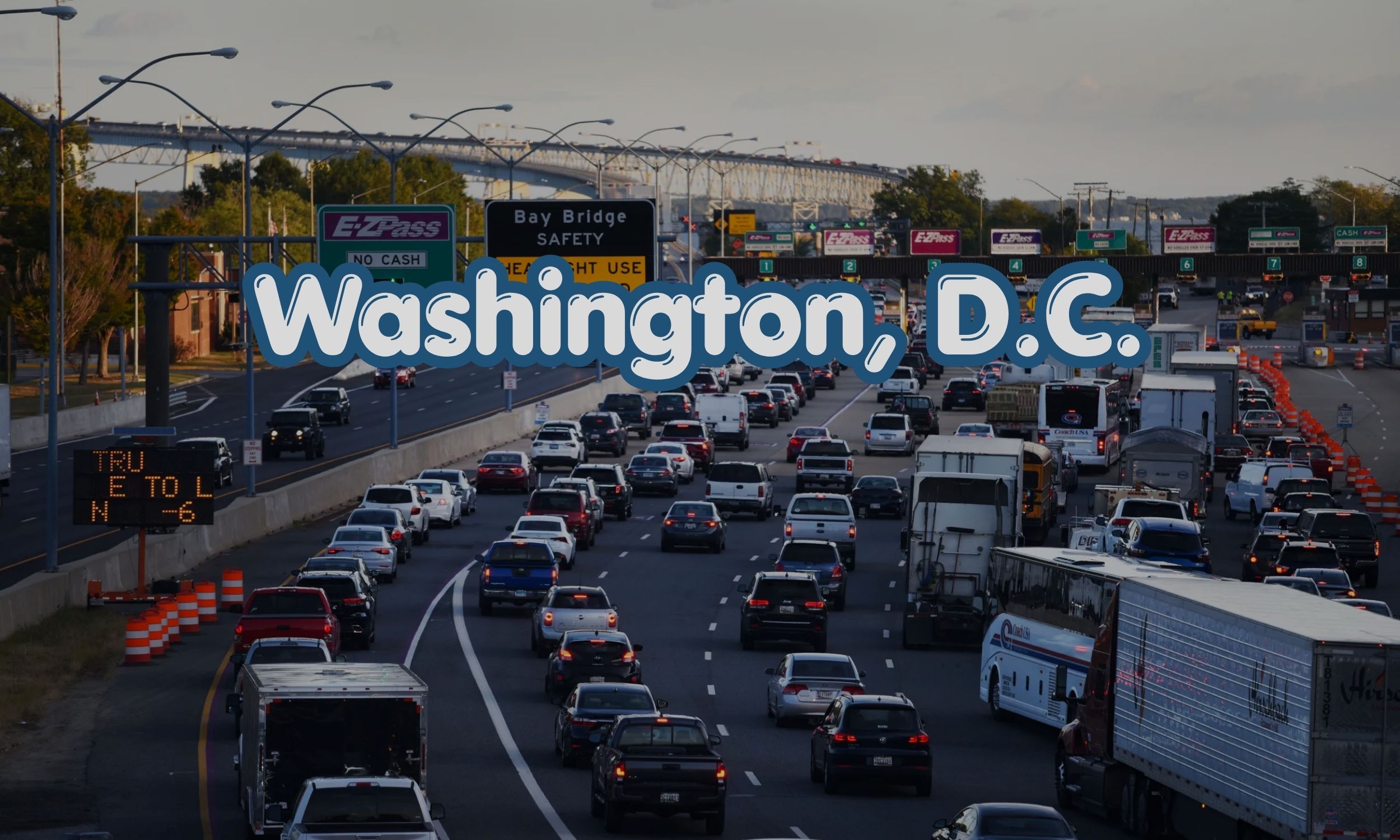
Getting around Washington, D.C. can be frustrating for motorists, with drivers losing about 70 hours each year to traffic delays. The city’s heavy commuter population, government offices and frequent public events all contribute to the daily congestion residents experience.
Much of the morning traffic comes from people working for federal agencies, private contractors and businesses that serve the government. Large numbers of workers enter the district on weekdays, creating heavy vehicle movement around regular office hours.
The same pattern appears in the afternoon when workers leave for their homes. Traffic on the Capital Beltway can make matters worse because the highway carries both local commuters and vehicles traveling through the metropolitan area.
A crash or stalled vehicle can quickly create long lines, with delays sometimes continuing well beyond the normal evening rush. Road restrictions also affect traffic in the capital. Security operations, official ceremonies, motorcades and major public events can lead to temporary road closures.
These changes may happen with little warning and can force drivers to find different routes during already busy periods. Commuters from Virginia and Maryland also add to the daily pressure on the city’s roads.
Many rely on a limited number of bridges, highways, and tunnels to reach Washington, which can create severe bottlenecks at busy times. With large numbers of workers traveling into the district each day and several major routes carrying heavy traffic, motorists should expect delays during peak commuting hours.
10. Seattle, Washington
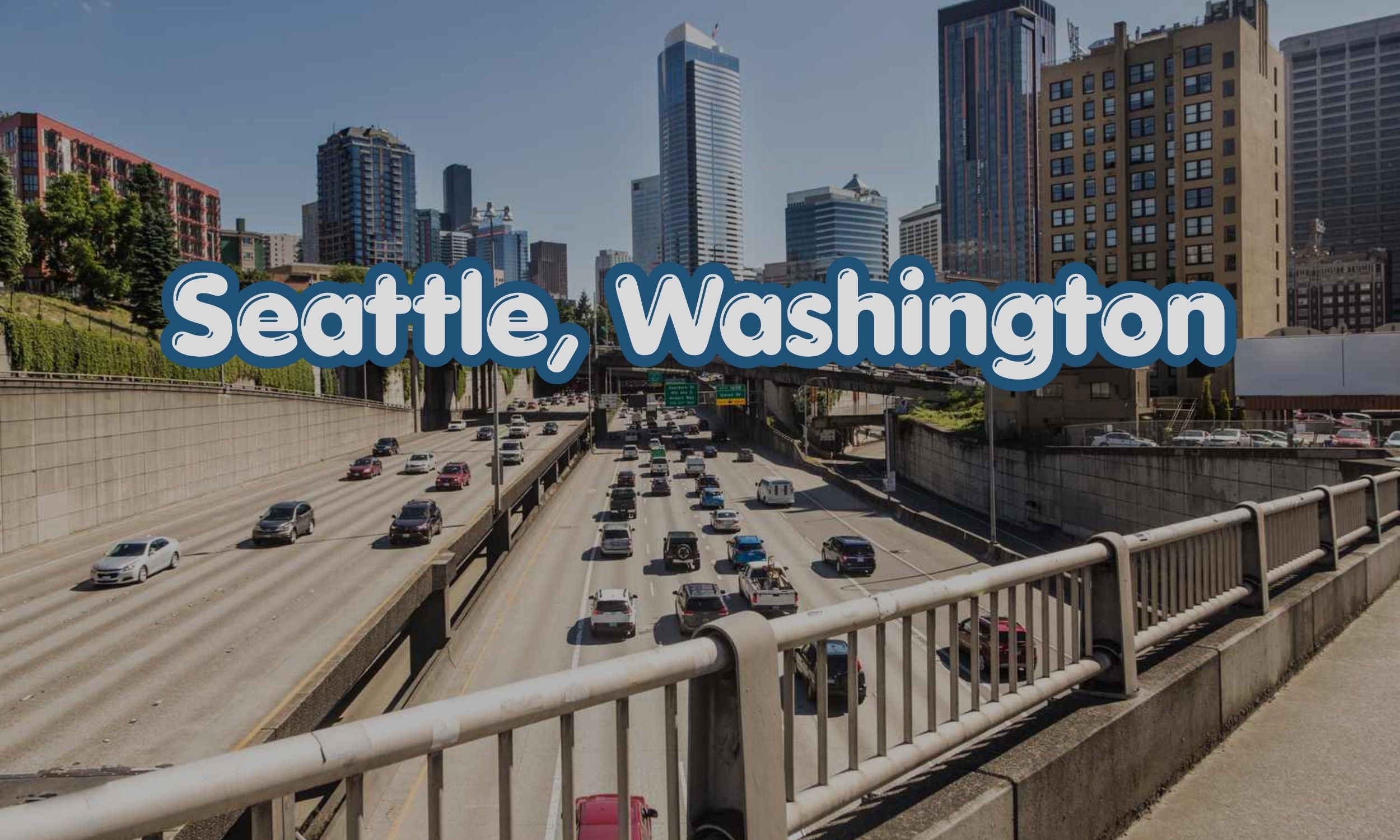
Seattle takes the tenth position on the list, with motorists losing about 68 hours each year because of traffic delays. Although this is the lowest figure among the cities ranked here, it still represents a considerable amount of time spent sitting in traffic.
Much of Seattle’s traffic problem comes from its location. Water surrounds large parts of the metropolitan area, which limits the number of roads available for people traveling between different communities.
As a result, thousands of vehicles depend on a small number of bridges and major routes each day. The growth of the technology industry has also brought more workers into the area.
Many employees live outside central Seattle and travel from communities around Lake Washington. Large companies have offices concentrated in particular parts of the region, causing heavy traffic in the morning and afternoon when workers are traveling to and from work.
Another concern is the limited number of major highways. Interstate 5 is the main north-south route through the city, so an accident, road repair, or stalled vehicle can quickly cause delays along other nearby roads. This makes even a small incident capable of affecting many commuters.
Seattle’s frequent rain also contributes to slower journeys. While heavy rain does not usually stop traffic completely, wet roads can make motorists drive more carefully and reduce average speeds.
With continued population growth and limited space for building new roads, traffic is likely to remain a daily concern for Seattle residents. Commuters may need to leave home earlier or use public transportation to reduce travel delays.
