
A used car that has been sitting on a dealer’s lot for months can create one of the best negotiating opportunities in the market. Dealers have money tied up in inventory, and every additional week can mean financing costs, depreciation, insurance, advertising expenses, and valuable lot space occupied by a vehicle that is not generating revenue.
The longer a car remains unsold, the more motivated a dealer may become to move it, especially near the end of a month, quarter, or model year.
The challenge is figuring out whether a car really has been sitting. Dealers rarely advertise that information openly, but the vehicle itself often leaves clues. Weather exposure, battery condition, tire markings, repeated price reductions, old listing photos, and paperwork can reveal a surprisingly detailed history.
None of these signs automatically means the vehicle is bad. Instead, they can help you determine whether the seller may have more room to negotiate. Here are 11 signs worth watching.
1. The Online Listing Has Been Around Forever
One of the easiest clues is a listing you remember seeing weeks or even months earlier. Used-car shoppers who monitor the same local inventory often notice certain vehicles repeatedly appearing in search results. Sometimes the dealer changes the headline, rearranges photos, or modifies the price, but the same VIN, mileage, color, and options remain.
Search engines and automotive marketplaces may also reveal when a listing first appeared or show a price-history graph. If the vehicle has been advertised for 60, 90, or even 120 days, the dealer is probably more interested in turning that inventory into cash than it was during the first week.
Take screenshots when you begin shopping. Record the VIN, asking price, mileage, and date. If the same car remains available a month later, you now have useful negotiating information.

Do not immediately announce, “I know this car has been sitting for three months.” Instead, ask how long the dealer has had it and listen to the response.
A long listing history does not necessarily indicate a mechanical problem. The vehicle might simply have an unpopular color, unusual options, high asking price, manual transmission, or limited local demand. But aging inventory costs dealers money. If you can prove the car has been sitting, you have a reasonable basis for asking for a stronger discount.
2. The Price Has Been Reduced Several Times
Repeated price cuts are among the clearest signs that a dealer is struggling to find a buyer. A vehicle might originally appear at $24,995, then fall to $23,900, $22,995, and eventually $21,750 over several weeks. Each reduction indicates that the previous price failed to generate enough interest.
Dealers frequently use automated inventory-management systems that recommend price adjustments based on competing listings, market demand, and how long a vehicle has remained in stock. As the number of days increases, managers may become progressively more aggressive.
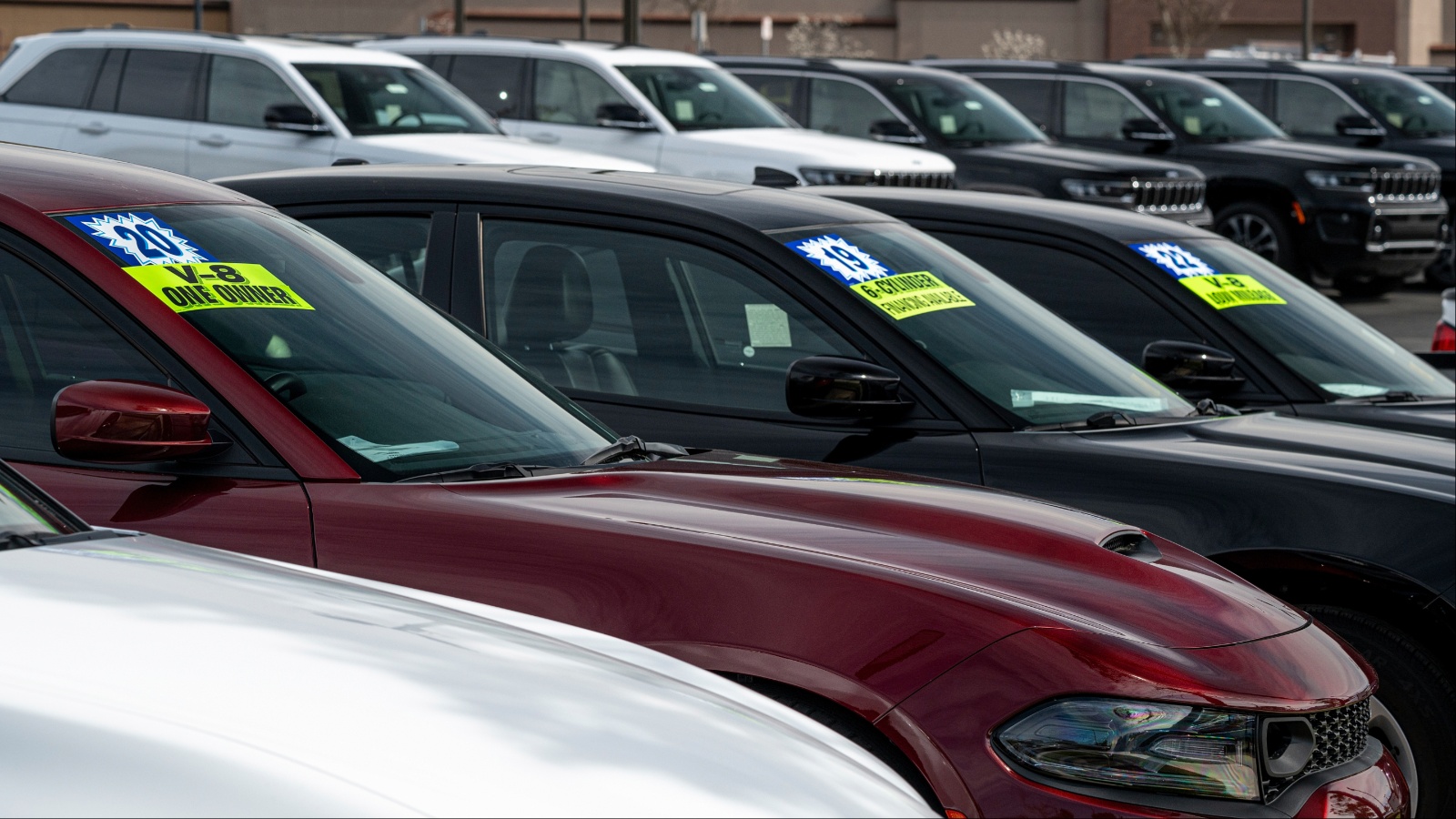
A price-history tool can therefore tell you more than the current sticker alone.
Multiple reductions also reveal something useful about negotiation strategy. If the dealer has already lowered the car by several thousand dollars, the salesperson may argue that the price is already heavily discounted. That can be true. However, it also confirms that management wants the car gone.
Instead of focusing only on another massive price reduction, negotiate the entire deal. Ask for a lower selling price, reduced dealer fees, new tires, fresh servicing, an extended warranty contribution, or a higher trade-in allowance.
The important point is leverage. A fresh arrival may attract several buyers. A car whose price has been cut four times has already demonstrated that the market rejected earlier numbers.
3. The Brake Rotors Are Covered in Heavy Surface Rust
Cars that remain parked outdoors often develop rust on their brake rotors. A thin orange film can appear after only a rainy night, so light surface rust alone proves very little. However, heavier corrosion, distinct rust patterns, or areas where the brake pads have remained pressed against the rotors can suggest that the vehicle has not moved regularly.
Look through the wheels before the test drive. If the rotors appear unusually orange or crusty while nearby inventory has cleaner braking surfaces, the car may have been stationary for some time.
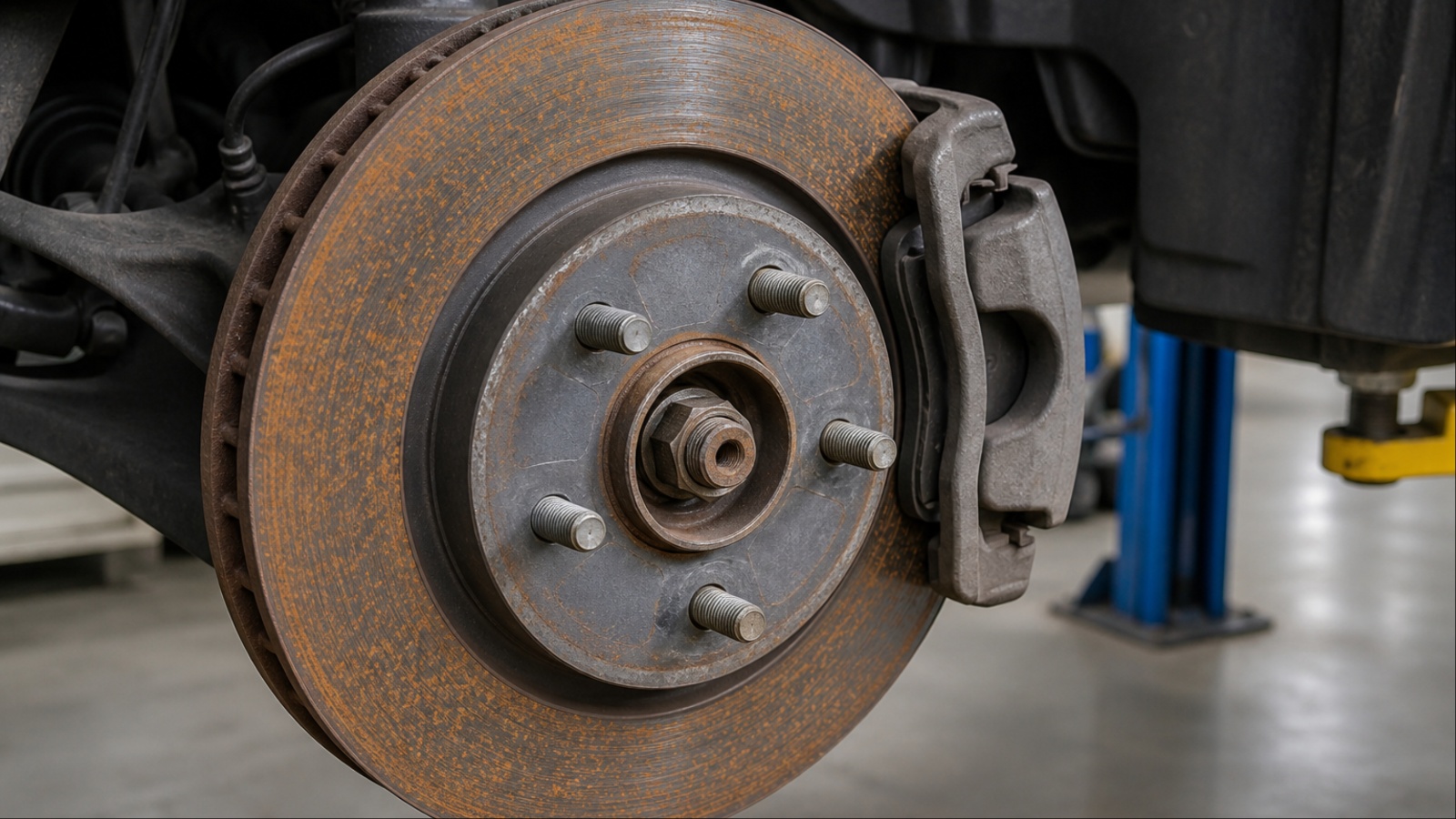
During the test drive, light rotor rust often disappears after several normal braking events. Listen carefully for scraping, grinding, vibration, or pulsation that continues after the brakes have been used repeatedly. Extended outdoor storage can sometimes leave deeper corrosion requiring resurfacing or rotor replacement.
This clue gives you two negotiating angles. First, it can support your suspicion that the car has been sitting. Second, actual brake deterioration can represent an immediate maintenance expense.
Do not exaggerate normal surface rust into a major defect. Instead, ask the dealer to inspect the brakes and provide pad and rotor measurements.
If significant corrosion remains, request that the braking system be serviced before purchase or negotiate enough money off the price to cover replacement. A parked car is not automatically damaged, but brakes can reveal how little it has been exercised.
4. The Battery Struggles to Start the Engine
A weak battery is another common clue that a vehicle has spent considerable time parked. Modern cars draw small amounts of electrical power even when switched off because alarm systems, computers, keyless-entry receivers, and other modules remain active.
When a car sits for weeks without being driven or connected to a battery maintainer, the battery can gradually discharge.
Pay attention when the salesperson starts the car. Slow cranking, clicking, flickering dashboard lights, or the need for a portable jump pack should immediately raise questions.
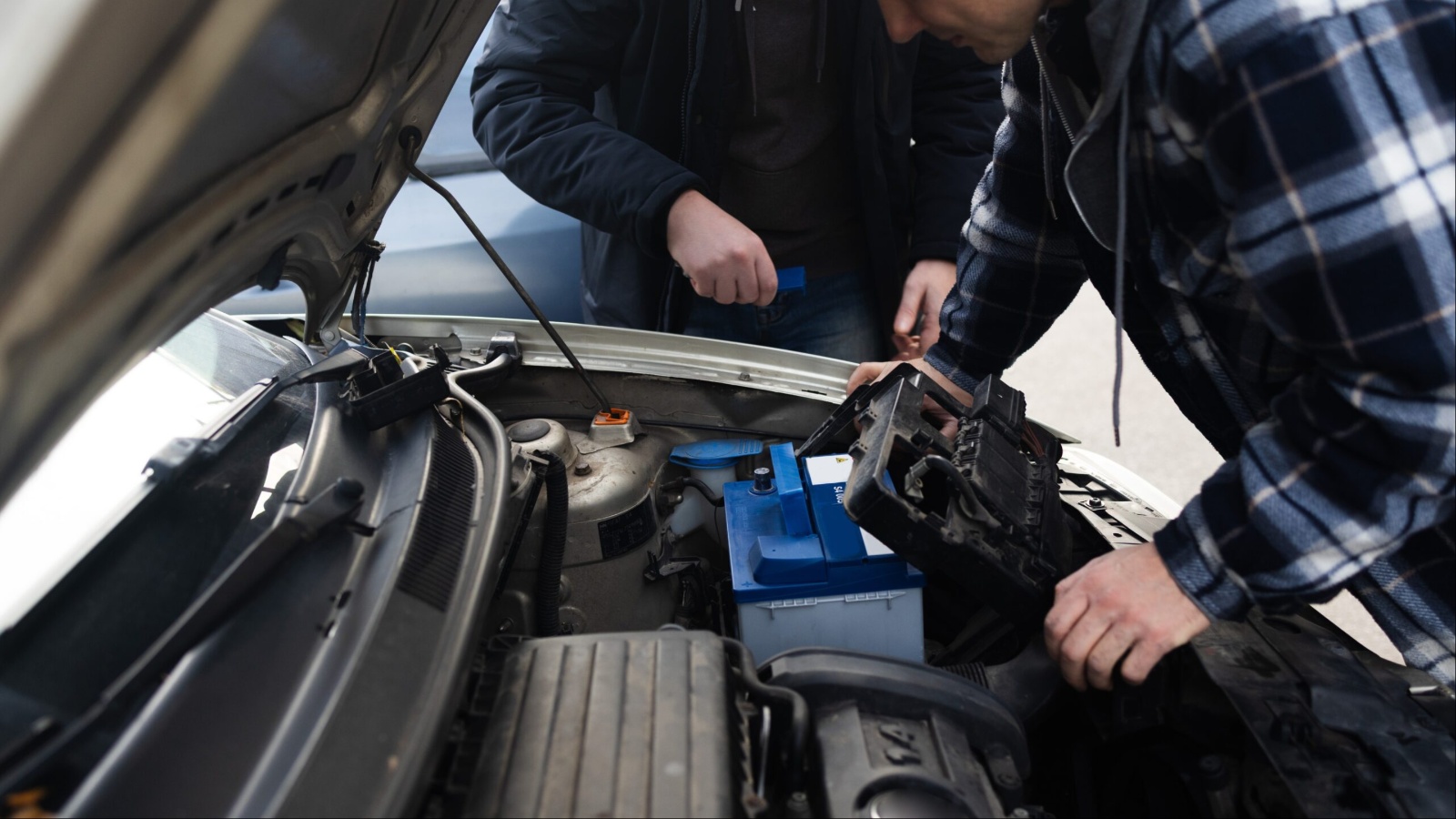
A jump-start does not automatically mean the vehicle has been neglected. Someone could have left a light on. However, when a dealer vehicle needs repeated assistance, prolonged inactivity is one likely explanation.
Battery age matters too. Find the manufacturing date if possible and ask for a battery health test. Deep discharging can shorten the life of a battery even if it later accepts a charge.
Use this information practically rather than theatrically. If testing shows the battery is weak, request a new battery as part of the purchase agreement.
Also ask whether the car has been routinely started and driven while in inventory. A dealer that has owned the vehicle for several months should be able to explain how it was maintained.
A $150-$300 battery may not justify walking away, but it can become another useful bargaining point.
5. The Tires Have Flat Spots or Look Weathered
Tires tell a surprisingly detailed story about how a vehicle has been stored. A car parked in the same position for extended periods can develop temporary or, in difficult situations, persistent flat spotting where the tire contacts the pavement.
During the first few miles of a test drive, you may feel rhythmic vibration through the steering wheel or seat. Temporary flat spots sometimes disappear after the tires warm up, while more serious deformation may remain.
Inspect the tires closely. Look for cracking between tread blocks, cracking on the sidewalls, discoloration, unusually low pressure, or one section that appears slightly flattened.
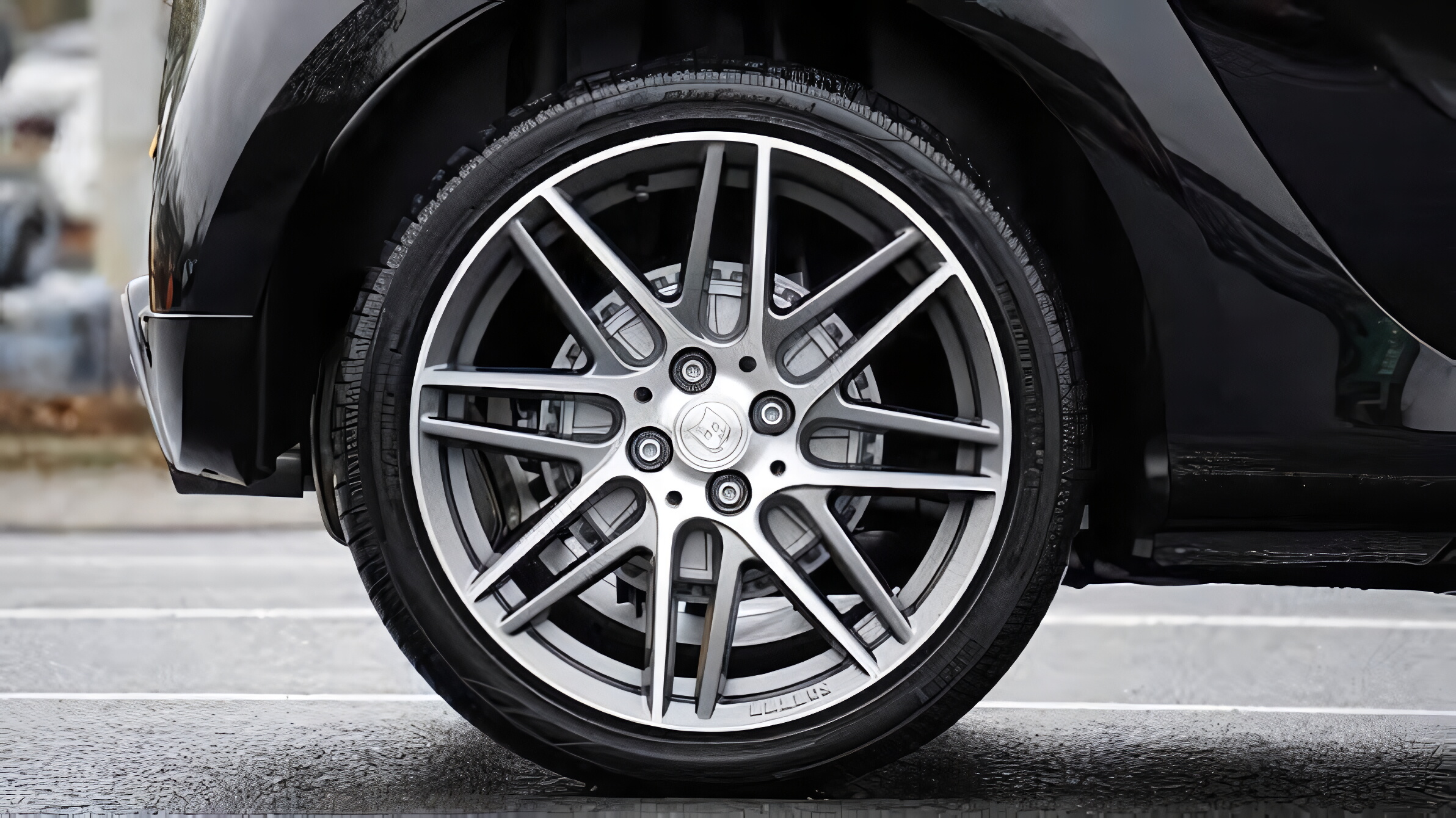
Also check the tire date codes. An older low-mileage car can still have tires that are several years old. Tire condition is based on age and environment as well as tread depth.
A vehicle that has been sitting for months may also show grass, dirt, or pavement staining around the lower portions of its tires.
If you find tire problems, obtain replacement quotes before negotiating. A set of quality tires can easily cost hundreds or more than a thousand dollars depending on the vehicle.
The dealer may prefer to install tires rather than cut the asking price by the full retail replacement cost.
In either case, the tires give you concrete evidence to support your request. Instead of simply asking for a discount, you can point to an actual expense caused by extended storage or the vehicle’s age.
6. Dirt, Leaves, and Debris Are Packed Into Hidden Areas
A freshly washed used car can look showroom-ready from ten feet away, but hidden areas may reveal that it has spent months outside. Open the hood, doors, trunk, and fuel door and inspect places that normal washing does not reach.
Look around windshield cowls, hood hinges, weather seals, trunk channels, door jambs, roof rails, and the base of the windshield.
Accumulated leaves, pollen, pine needles, spider webs, dust, insect debris, or water staining can indicate prolonged outdoor storage. One or two leaves mean nothing. Multiple layers of material trapped deep in crevices suggest the car has experienced several weather cycles without much movement.
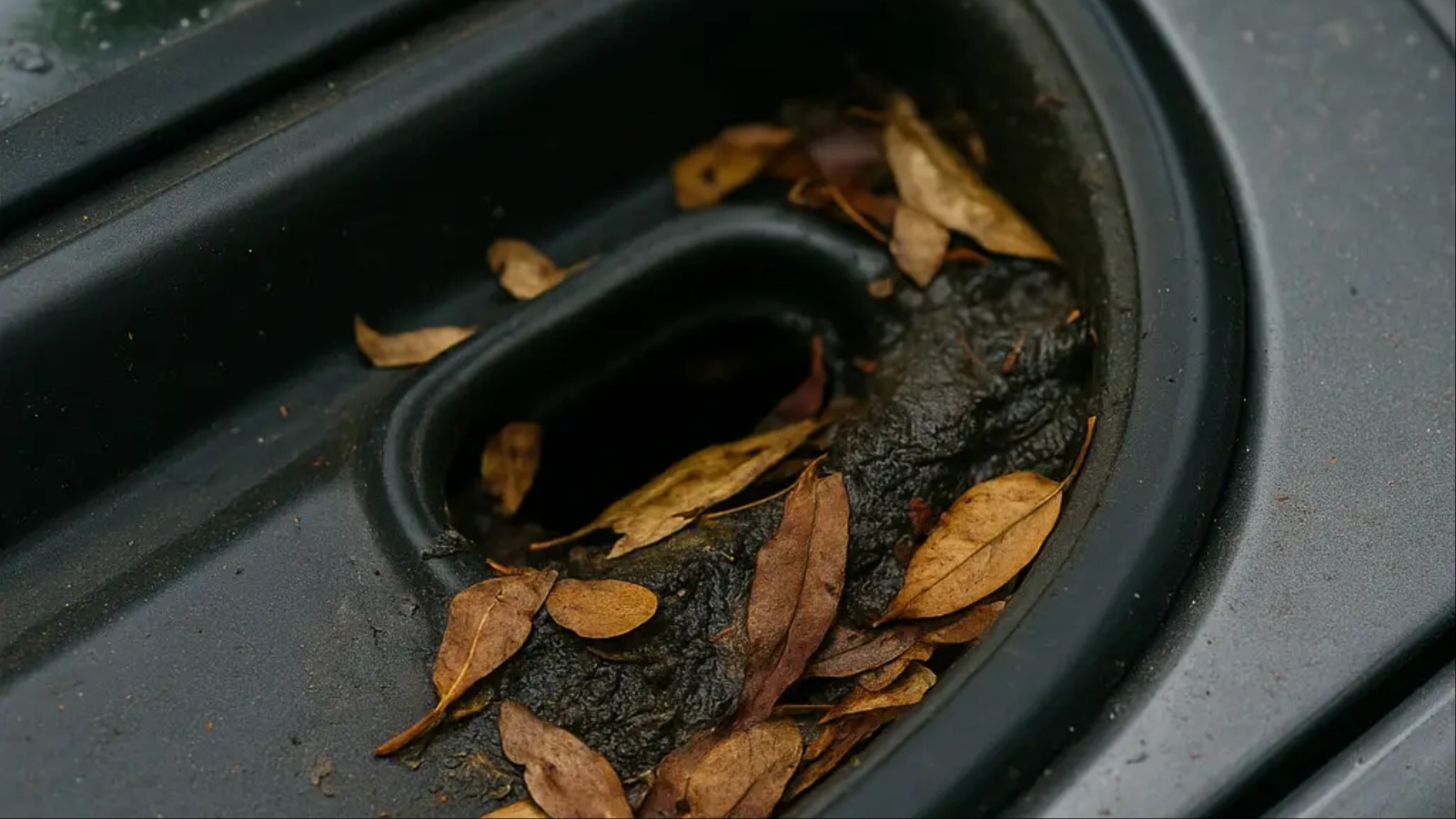
Pay particular attention to drainage areas. Organic debris can block drains and potentially contribute to water intrusion. Check the spare-tire well and carpeting for dampness or musty odors.
These clues are useful because detailing can hide the obvious signs of age while leaving difficult-to-reach areas untouched.
Mention the issue calmly during negotiations. You can ask when the car arrived and whether it has been stored outside since then.
If blocked drains, water leaks, stained trim, or damaged weather seals are present, request correction before purchase.
The goal is not to penalize a dealer simply because the vehicle has been parked outside, since that is common practice at many dealerships. Instead, you want to determine whether the vehicle’s actual condition matches the seller’s claims and whether prolonged exposure gives you room to negotiate.
7. The Windshield or Paint Shows Long-Term Lot Exposure
Sun, rain, dust, bird droppings, tree sap, hard-water deposits, and industrial fallout gradually leave evidence on vehicles stored outdoors. A car sitting on a dealer lot for months may develop stubborn water spots on glass, faint outlines where stickers were removed, dull trim, contamination embedded in the paint, or etching from bird droppings.
Inspect the car in natural daylight rather than only beneath dealership lighting.
Run your hand gently over clean paint. If it feels rough rather than smooth, bonded contamination may be present. Look across horizontal panels from an angle. The roof, hood, and trunk are particularly vulnerable because moisture and debris remain on them longer.

Also inspect rubber window trim and black plastic pieces for fading.
None of these conditions proves exactly how long a car has been parked. Previous ownership may be responsible. But when the vehicle has low recent mileage and several other signs of dealership storage, weather exposure strengthens the case.
Professional paint correction, decontamination, or trim restoration costs money. Severe etching may not disappear with ordinary detailing.
Before signing, ask whether the dealer will professionally detail or correct the affected areas.
If not, factor the work into your offer.
Appearance-related defects are especially valuable in negotiation because they are easy to document with photographs. The seller may dispute your estimate of inventory age, but it is much harder to dispute visible paint damage sitting directly in front of both of you.
8. The Mileage Has Barely Changed Between Old and New Listings
One particularly useful clue appears when you can compare mileage from older advertisements with the current odometer. Suppose the vehicle was listed three months ago at 42,180 miles and now shows 42,204. That means it has traveled only 24 miles during the entire period.
A car does not need to accumulate substantial mileage while sitting at a dealership, but extremely little movement confirms that it has mostly remained parked.
Compare screenshots, archived listing information, inspection records, service receipts, and current mileage. Dealers sometimes update listing mileage automatically after test drives, while others leave the original number unchanged, so verify the odometer personally.
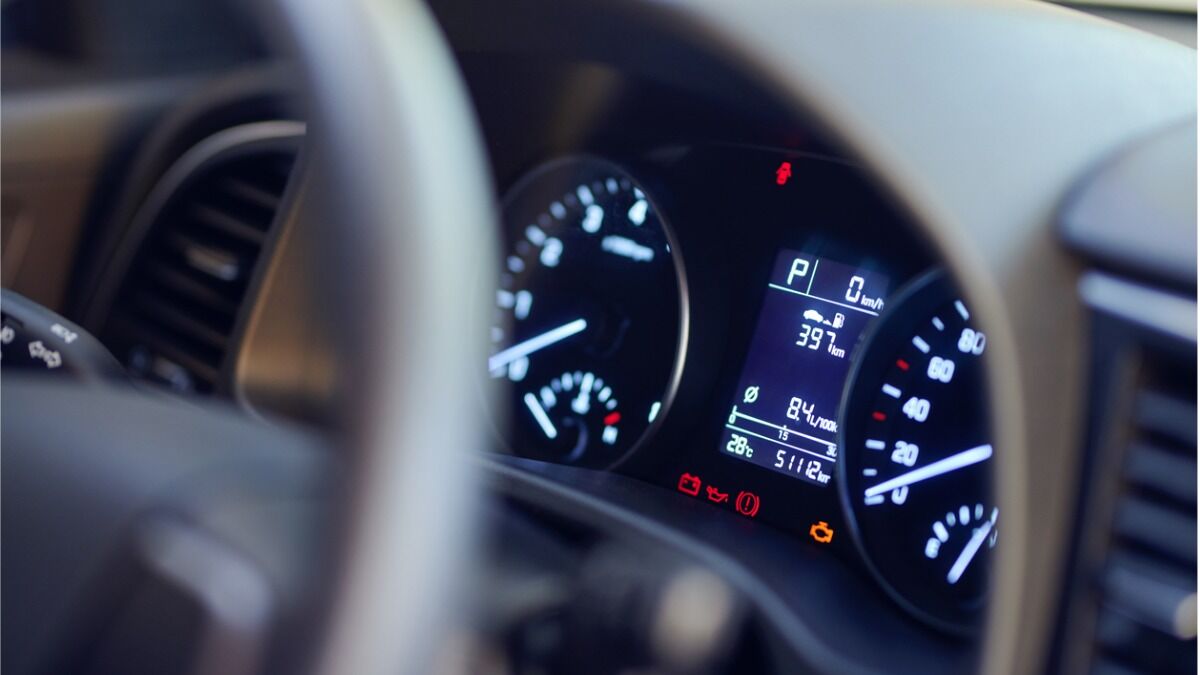
Minimal mileage matters because cars benefit from periodic operation. Driving brings the engine and transmission to operating temperature, circulates fluids, exercises brakes, rotates tires, and keeps the battery charged.
Again, several months of storage does not automatically harm a modern automobile. Properly stored vehicles can sit much longer without serious problems.
The information is primarily negotiating leverage.
Ask when the car entered inventory and whether it has been regularly driven. If the salesperson says it arrived recently but online evidence shows nearly identical mileage months earlier, you have reason to press for clarification.
A demonstrably long stay on the lot weakens the dealer’s ability to create urgency by claiming that another buyer is likely to purchase the car tomorrow.
9. The Inspection or Service Date Is Months Old
Dealership documentation can accidentally reveal inventory age. Look at inspection forms, oil-change stickers, emissions paperwork, service invoices, tire inspection reports, or pre-sale reconditioning records.
If a dealer completed its used-car inspection four or five months ago and the vehicle has remained virtually unchanged since then, there is a good chance it has been in inventory for most of that period.
An old service date can also create legitimate maintenance questions.
Suppose an oil change was completed six months ago, after which the vehicle sat outside and accumulated almost no mileage. The oil may still be perfectly usable, but you may reasonably request fresh service before taking delivery.

The same applies to inspection items such as battery condition and tire pressure. A battery that tested well four months ago might not test well today after extended inactivity.
Ask to see the dealer’s reconditioning paperwork. Reputable sellers should be able to show what they serviced after acquiring the vehicle.
You can then compare those dates with the current date and mileage.
If the inspection is old, ask whether the dealer will repeat key checks before delivery, particularly battery health, tires, brakes, fluid levels, and diagnostic codes.
Documentation does more than strengthen your negotiating position. It also helps protect you from purchasing a vehicle whose condition may have changed since it was first prepared for sale.
10. The Dealer Suddenly Seems Very Flexible
Sometimes the strongest evidence is not visible on the vehicle at all. It can be found in the salesperson’s behavior.
Dealers are often less willing to negotiate when a desirable vehicle has just arrived and several buyers are interested. If you ask about a vehicle and the salesperson quickly offers a price reduction, waives certain fees, includes additional service, increases your trade-in allowance, or suggests they can “make something happen today,” the dealership may be particularly motivated to move that specific unit.
This becomes even more telling when the dealer offers noticeably more flexibility than you see with similar vehicles at nearby dealerships.

Keep your questions simple and direct. Ask how long the dealer has had the vehicle, whether the price has been reduced, and whether management is trying to move older inventory. You may learn more than you expect.
Salespeople generally know which vehicles management wants to sell. A used car that is approaching an internal aging threshold can become a higher priority because dealerships typically track inventory based on how many days each vehicle has been in stock.
Still, do not mistake flexibility for desperation. The dealer needs to make a profit, and some popular vehicles may have limited room for negotiation even after sitting on the lot for an extended period. Your strongest approach is to combine behavioral clues with concrete evidence such as price history, older listing dates, and the vehicle’s current condition.
If the dealer is already offering concessions, do not feel pressured to accept the first proposal. Instead, make a reasonable offer supported by the evidence you have gathered and negotiate each part of the deal separately. The dealer’s willingness to negotiate can be a useful sign that you have found an opportunity to secure a better price.
11. The Car Is Approaching a Major Inventory-Age Milestone
Dealerships pay close attention to how long vehicles remain in inventory. Exact policies differ, but used cars that remain unsold for extended periods can become increasingly undesirable assets.
A dealer may have cash invested in the vehicle, floorplan financing charges, reconditioning expenses, advertising costs, insurance exposure, and limited physical space. Meanwhile, the car continues aging and may lose market value.
That makes inventory age particularly useful near common milestones such as 60, 90, or 120 days. A car nearing the end of a month or quarter can become even more negotiable if management has sales targets or wants to clean up aging inventory.

You probably will not see a giant “92 days in stock” sign on the windshield, so build the timeline yourself. Combine the earliest listing date, price-change history, inspection records, photos, mileage changes, and the salesperson’s answers.
Once you believe the car has been sitting, make a realistic offer supported by comparable vehicles. Avoid insulting lowball offers. A dealer is more likely to cooperate when you can explain why your number makes sense.
Let the dealer know that you like the vehicle, but you also understand that it has been sitting on the lot for some time. Make it clear that you are ready to buy if the price is right. The real benefit of identifying aging inventory is not showing that the dealer could not sell it. It is presenting yourself as the buyer who is ready to move the vehicle off the lot.