
Transmission failures can turn an affordable used car into an expensive repair project, especially when problems appear before 100,000 miles. CarComplaints records provide useful insight because owners can report symptoms, repairs, mileage, and costs across many vehicle generations.
Looking at those reports by transmission family also helps reveal patterns that individual vehicle rankings can hide. The list below focuses on transmission families associated with recurring complaints, including failures, slipping, harsh shifts, hesitation, overheating, and loss of power.
The figures and examples should be treated as complaint data rather than failure rates, since CarComplaints does not represent every vehicle sold or every transmission on the road.
1. Nissan CVT Family
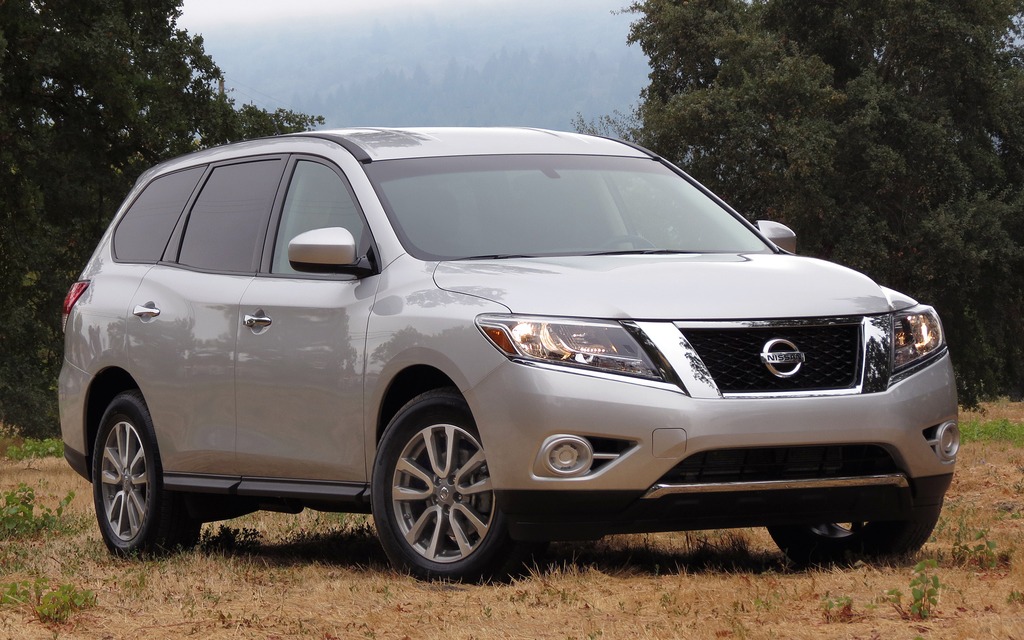
Nissan’s continuously variable transmission family has generated a substantial volume of owner complaints across several models and model years. The problems are particularly visible in vehicles such as the Altima, Versa, Sentra, and Pathfinder.
CarComplaints specifically notes transmission complaints connected to the CVT in multiple Nissan applications. The reported symptoms include hesitation, slipping, vibration, loss of acceleration, and complete transmission failure.
The Nissan Altima provides a clear example of how complaints can accumulate around a transmission family. For the 2016 Altima, CarComplaints lists 37 complaints specifically for transmission failure, along with separate reports involving hesitation, vibration, slipping, and no acceleration. The site lists an average repair cost of about $4,230 for that failure category.
The Versa also shows a significant pattern. CarComplaints identifies the 2012 Versa as its worst model year, with transmission problems as the worst category. Transmission failure is listed as the most reported problem for that model year, with an average repair cost of approximately $3,500 and an average failure mileage of 74,000 miles.
CVT complaints can be especially concerning because drivers may first notice subtle symptoms rather than an immediate breakdown.
A vehicle may hesitate during acceleration, shudder under load, or feel as though engine power is not reaching the wheels properly. Continued symptoms can eventually result in a repair involving a replacement transmission rather than a relatively inexpensive adjustment.
For used-car shoppers, the lesson is to investigate the exact CVT application rather than assuming every Nissan CVT behaves identically. Service history, model year, mileage, symptoms, and previous repairs all matter.
Complaint databases are useful warning signs, but they should be combined with maintenance records, inspection results, recall information, and a professional road test before buying.
2. Honda Automatic Transmission Family
Older Honda automatic transmissions have produced some of the most visible transmission complaints in the CarComplaints database.
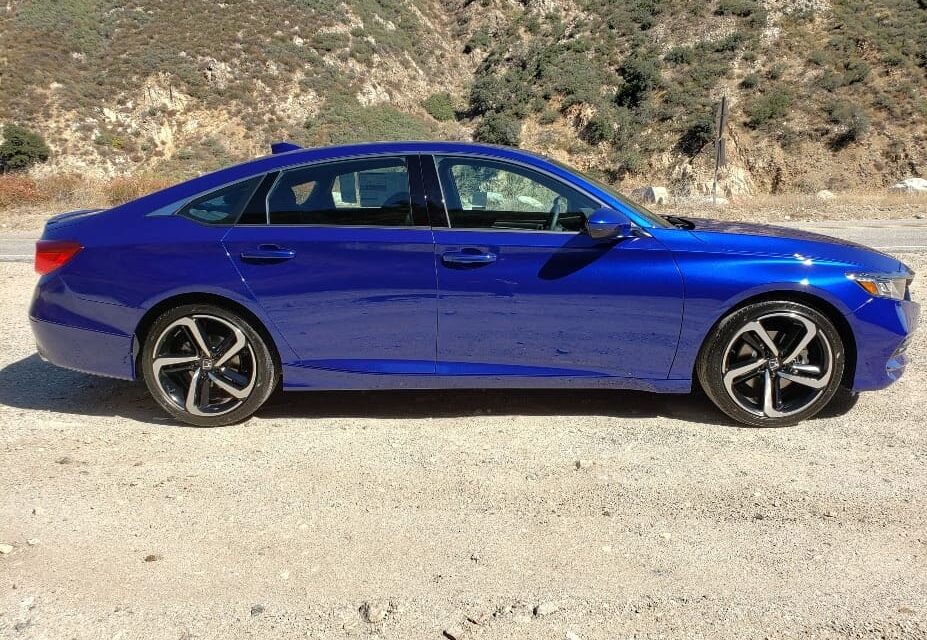
The 2001 Civic and 2003 Accord stand out prominently. CarComplaints ranks transmission failure in the 2001 Civic among its most frequently reported individual vehicle problems, while the 2003 Accord also appears near the top of its complaint rankings.
CarComplaints identifies the 2001 Civic as its worst model year for transmission problems and lists transmission failure as the leading problem. The site reports an average repair cost of approximately $2,300 and average failure mileage of around 105,000 miles for that complaint.
The Accord has a similar history. CarComplaints identifies the 2003, 2002, and 2001 Accord model years as the worst years for transmission problems. Across Accord transmission complaints, the site gives a typical repair cost of roughly $2,700 and says common transmission problems occur around 101,000 miles.
These older Honda examples illustrate why transmission families should be considered alongside vehicle generation.
A manufacturer can have a strong reputation for reliability while still producing particular transmission designs or applications with recurring problems. Treating an entire brand as reliable or unreliable can hide important differences between model years and powertrain configurations.
Buyers considering an older Civic or Accord should pay close attention to delayed engagement, slipping, harsh shifting, unexpected downshifts, and unusual transmission noises.
A clean service history is valuable, but it does not guarantee that a transmission will remain trouble-free. Pre-purchase testing should include cold starts, normal acceleration, highway driving, reversing, and repeated shifts between drive and reverse.
3. Ford DPS6 PowerShift Family
Ford’s DPS6 dual-clutch transmission has developed a strong reputation for complaints involving hesitation, jerking, shuddering, and poor engagement.
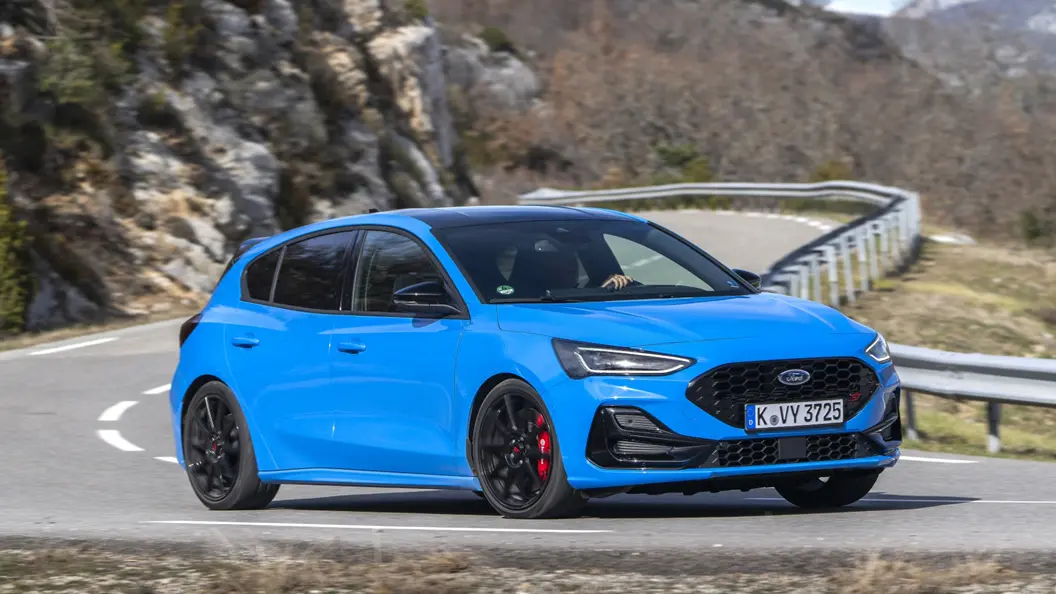
It was used in several compact Ford applications, most notably the Focus and Fiesta. The transmission operates differently from a traditional torque-converter automatic, which means its clutch behavior can produce symptoms that feel unusual to drivers accustomed to conventional automatics.
The Ford Focus is particularly important when discussing this transmission family. CarComplaints lists the 2014 Focus among its serious transmission-related problem vehicles, with bad hesitation and jerking when starting from a stop appearing prominently in its worst complaint rankings.
Drivers may describe the problem as a vibration, bucking sensation, delayed movement, or sudden engagement. Some complaints concern repeated clutch replacement, while others involve continued symptoms after repairs.
These reports show why simply replacing a component does not always tell the entire story. The underlying transmission design, control strategy, clutch condition, and software calibration can all influence behavior.
A used vehicle with this transmission deserves a careful test drive. The most revealing situations can include creeping through parking lots, moving away from a stop, reversing, climbing a hill, and accelerating gently in traffic.
A transmission that behaves acceptably during a short highway drive may still display severe symptoms during low-speed operation.
Anyone considering a used Focus or Fiesta should research the exact transmission fitted to the vehicle. Maintenance records and previous repair documentation are particularly important. A low purchase price can become less attractive when repeated clutch or transmission repairs are required, so buyers should calculate the potential repair exposure before making an offer.

4. Toyota Automatic Transmission Family
Toyota transmissions generally have a strong reputation, but CarComplaints data still contains recurring complaints involving certain older Toyota applications. The Corolla illustrates this point clearly. CarComplaints identifies the 2003 Corolla as its worst model year for transmission problems, followed by the 2009 and 2005 model years.
The 2003 Corolla is special because CarComplaints lists transmission failure as its leading transmission complaint. The site gives an average repair cost of about $2,700 and an average failure mileage of approximately 115,000 miles. A separate transmission and differential failure category for the same model year carries an average repair cost of about $3,200.
These reports are a useful reminder that reliability reputations should never replace model-specific research. Toyota has produced numerous automatic transmissions over several decades, and their designs, control systems, applications, and service requirements differ considerably.
A complaint associated with an older Corolla should not automatically be applied to a newer Toyota using a different transmission.
Transmission symptoms can include slipping, delayed engagement, rough shifts, unusual noises, or failure to move in a selected gear. Fluid condition can also provide useful clues during an inspection, though the correct inspection procedure varies by transmission. Modern sealed units may not have the traditional dipstick found on older designs.
Used-car shoppers should identify the transmission code when possible and research the exact combination of engine, transmission, model year, and drivetrain.
This approach provides much better information than simply searching for a brand’s general reliability rating. Complaint history is most useful when it is connected to the specific mechanical configuration being considered.
5. GM 4L60E Family
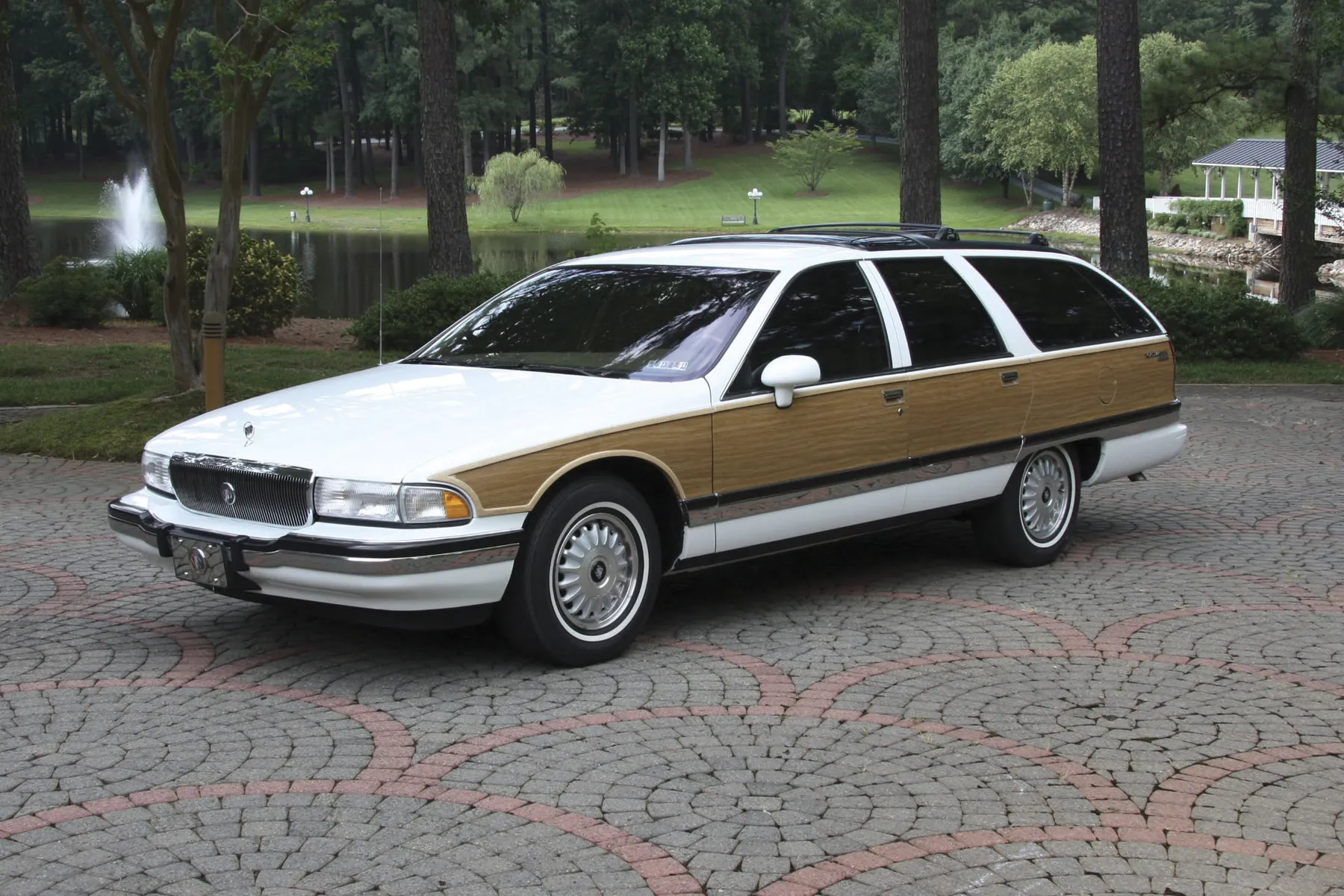
The GM 4L60E automatic transmission is widely known among mechanics and enthusiasts because of its long production history and broad use across General Motors vehicles.
Applications include cars, trucks, and SUVs. Because the transmission was installed in a large number of vehicles over many years, complaints can appear across several models and operating conditions.
Common symptoms associated with aging examples include slipping, delayed reverse engagement, harsh shifting, failure to shift into certain gears, and loss of a particular gear. Wear inside the transmission can affect clutch packs, bands, seals, valve-body components, and other internal parts. Electrical problems can also produce symptoms that resemble mechanical failure.
The sheer number of vehicles equipped with a transmission family matters when interpreting complaint totals. A high number of reports does not automatically mean the design has the highest failure rate. A transmission installed in millions of vehicles has a larger population from which complaints can arise than a low-volume unit installed in a small number of cars.
Age is also an important factor with older automatic transmissions. Heat, mileage, towing, fluid condition, driving habits, and previous maintenance can all influence service life. A transmission that has survived for decades may still develop wear-related problems simply because its internal components have accumulated substantial operating time.
When inspecting an older GM vehicle, buyers should test every gear range and pay attention to shift quality. Reverse engagement deserves particular attention because delayed or slipping reverse operation can indicate internal wear.
Repair estimates should distinguish between an external service issue, a valve-body problem, electrical diagnosis, and a complete rebuild or replacement.
6. GM 6T70 and Related Six-Speed Family
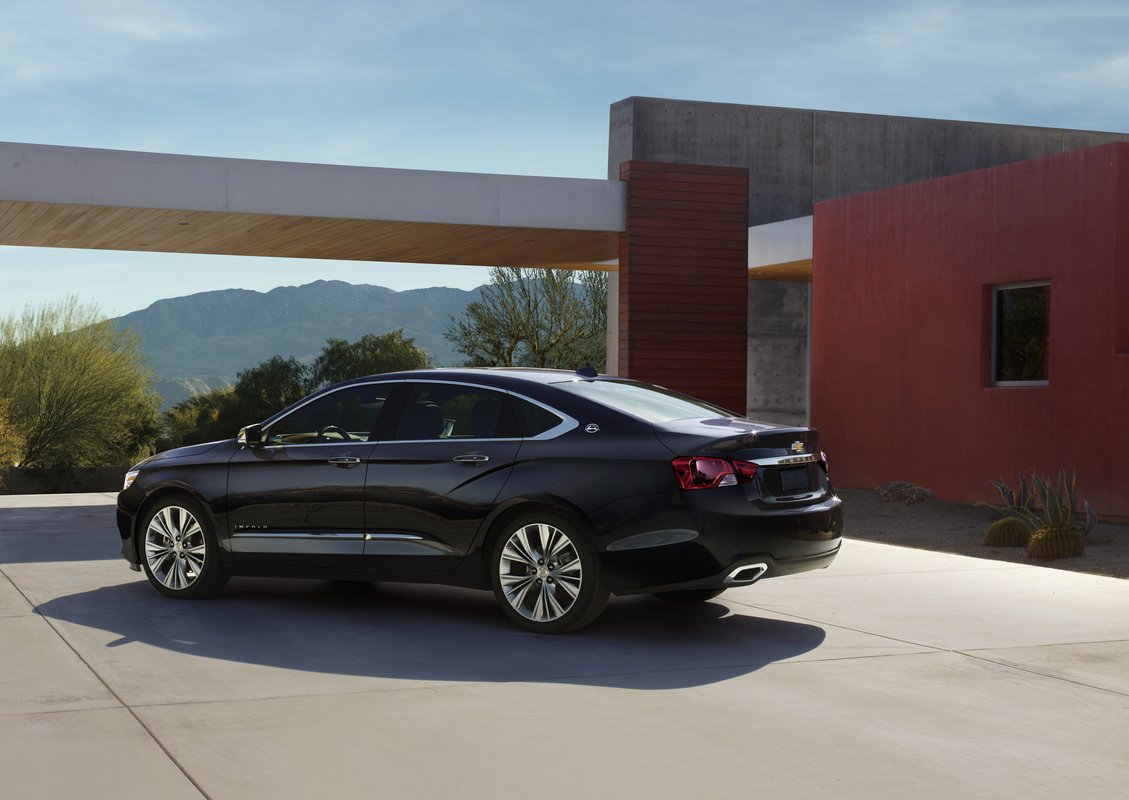
GM’s six-speed automatic family, including the 6T70 and related transmissions, has appeared in a wide range of passenger vehicles.
These transmissions introduced more gears and electronic control compared with many older four-speed units. More complex control systems can provide smooth operation and better fuel economy, but they also create more components that must work together correctly.
Reported symptoms across affected applications can include harsh shifts, slipping, hesitation, gear-selection problems, and transmission warning messages. Not every symptom means the entire transmission needs replacement. Electrical faults, solenoids, valve-body problems, software issues, fluid problems, and internal wear can produce overlapping symptoms.
This distinction is important when reading complaint reports. An owner may describe a vehicle as having a failed transmission when the eventual repair involves a particular component.
Another owner may report a similar symptom but require a complete replacement. Complaint descriptions therefore provide useful evidence about patterns, but they should not be treated as standardized mechanical diagnoses.
The six-speed era also demonstrates how transmission service procedures changed. Some transmissions require specific fluid types and temperature-based procedures. Using the wrong fluid or incorrect level can cause shifting problems, so maintenance should follow the manufacturer’s specified procedure rather than a generic automatic-transmission service routine.
For shoppers, a thorough scan and road test can reveal problems before purchase. Look for harsh engagement, inconsistent shifting, transmission temperature warnings, and evidence of previous repairs.
If a vehicle has already received a replacement transmission, ask whether the replacement was new, rebuilt, remanufactured, or used, and obtain documentation whenever possible.
7. Chrysler 62TE Family
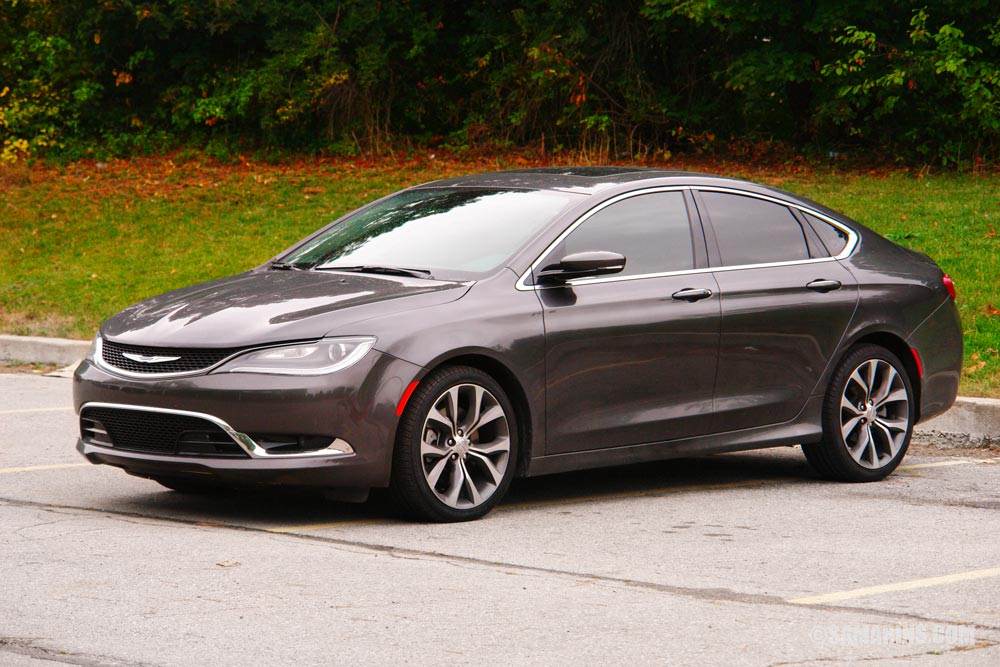
The Chrysler 62TE six-speed automatic is another transmission family that appears in discussions about long-term automatic transmission problems.
It was used across several Chrysler, Dodge, and related vehicles, including minivans and other larger applications. The transmission’s workload can vary significantly depending on vehicle weight, passenger loads, towing, and driving conditions.
Owners can experience symptoms such as harsh shifts, delayed engagement, slipping, transmission warning messages, and difficulty selecting gears. Electronic controls and hydraulic components play important roles in its operation, meaning a diagnostic scan can be valuable before assuming that an internal rebuild is required.
Minivans can place significant demands on automatic transmissions because they are frequently used for family transportation, long-distance driving, and carrying substantial loads. Frequent stop-and-go operation also creates repeated shifts and heat cycles. These conditions can accelerate wear when maintenance is neglected or when a vehicle operates under severe service conditions.
A transmission problem should never be diagnosed from a single symptom. A harsh shift could result from a control issue, fluid problem, sensor fault, solenoid problem, or internal wear. Proper diagnosis should identify the stored fault codes, operating conditions, fluid condition, and mechanical behavior before major parts are replaced.
Used buyers should look beyond the purchase price when evaluating a vehicle with a 62TE. Service records, transmission repairs, fluid history, and mileage can significantly affect the ownership outlook.
A well-maintained example with documented repairs may make more sense than a cheaper vehicle with no maintenance history and unexplained shifting problems.
8. Nissan JF011E CVT Family
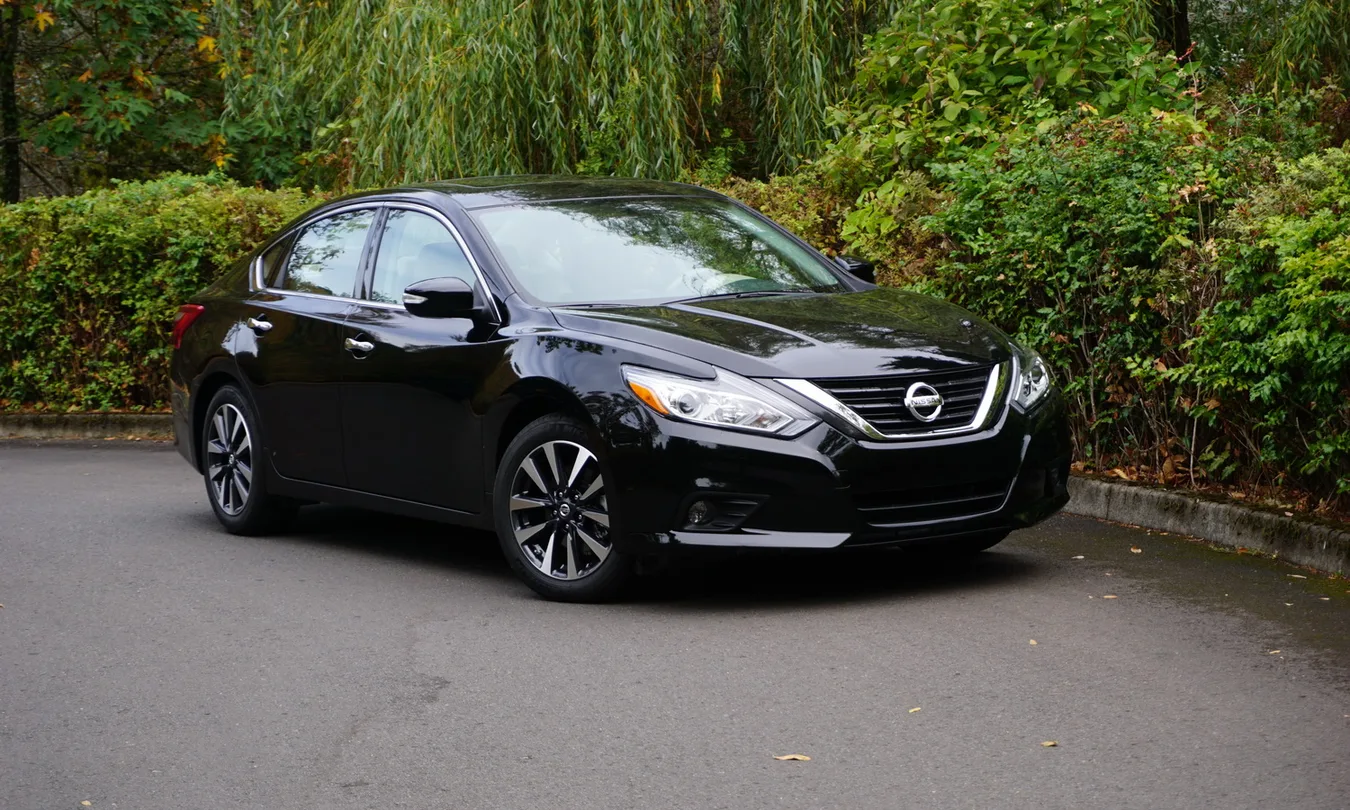
The JF011E is an important member of the broader CVT story because it appeared in numerous vehicles from Nissan and other manufacturers. It was designed to provide continuously variable ratios instead of traditional fixed gears.
That approach can improve efficiency and keep an engine within an efficient operating range, but it also creates distinct wear and failure patterns.
CVT complaints frequently involve whining, shuddering, slipping, hesitation, overheating, poor acceleration, and failure to move. Drivers may initially interpret the behavior as an engine problem because the engine can rev without producing the expected road speed. Diagnosis requires attention to both engine behavior and transmission operation.
Heat management is particularly important for CVT durability. Fluid condition, cooling performance, driving conditions, and maintenance history can all affect service life.
Repeated high-load operation can place additional stress on the transmission, particularly when the vehicle is used for towing or sustained heavy driving outside its intended operating conditions.
CarComplaints data shows why CVT problems deserve attention when shopping for used Nissan vehicles. The site’s reports on various Nissan models repeatedly identify transmission failures and related acceleration or vibration complaints. For example, the 2016 Altima has separate categories for failure, hesitation, vibration, slipping, and loss of acceleration.
The best buying strategy is to identify the exact CVT model and vehicle application before purchasing. A smooth test drive is helpful, but it should not be the only check.
Service records, diagnostic scans, fluid history, transmission temperature behavior, and documented repairs can provide additional evidence about the condition of a used CVT.

9. Nissan JF015E CVT Family
The JF015E CVT family is associated with smaller Nissan vehicles and has generated complaints involving transmission operation, acceleration, and durability.
The Nissan Versa is a key example when examining reported CVT issues. CarComplaints identifies transmission problems as the worst category for the 2012 Versa and lists transmission failure as its leading problem.
The reported failures can be expensive relative to the market value of older compact cars. CarComplaints lists an average repair cost of approximately $3,500 for transmission failure on the 2012 Versa. The site also identifies the 2014 Versa as another serious transmission problem year, with an average repair cost around $3,400.
Complaints involving newer Versa examples can be different in volume and severity. For instance, CarComplaints lists only two CVT-related complaints for the 2018 Versa problem category reviewed, showing why it is important not to generalize complaint totals across an entire transmission family without considering model year and vehicle population.
CVT behavior should be judged carefully during a test drive. Hesitation when pulling away, unusual engine revving, vibration under acceleration, or a sudden reduction in power deserves investigation. A vehicle that drives normally for a few minutes may still have a problem that appears after the transmission reaches operating temperature.
Before purchasing a used Nissan equipped with this type of CVT, buyers should check the vehicle identification number, service records, repair history, and applicable warranty or settlement information. The exact model year matters because transmission specifications, software, cooling systems, and coverage programs can change during a vehicle generation.
10. Ford Six-Speed Automatic Family
Ford’s six-speed automatic transmissions have been installed in many cars, trucks, and SUVs, making them another broad family worth watching when analyzing complaint patterns.
Different Ford six-speed units have different designs and applications, so a problem associated with one transmission should not automatically be assigned to every Ford six-speed.
Symptoms reported across various applications can include harsh shifting, delayed engagement, slipping, shuddering, unexpected downshifts, and loss of propulsion. Electronic controls are closely integrated with modern automatic transmissions, which means diagnosis often requires both mechanical testing and electronic scanning.
The Ford Explorer provides an example of how transmission complaints can become prominent within a particular model generation. CarComplaints lists transmission-related complaints among the most frequently reported problems for several Explorer years.
Its complaint rankings include transmission slipping and hard shifting for the 2004 Explorer, as well as transmission-related complaints for other early-2000s examples.
The key point is that a transmission family cannot be judged solely by the number of complaints attached to it. Vehicle sales volume, age, mileage distribution, operating conditions, and the number of years the transmission remained in production all influence the database. Complaint counts are signals that deserve investigation, not direct measurements of failure probability.
For buyers, the most useful approach is to combine transmission-family research with model-year research.
Check known symptoms, inspect service records, perform a complete road test, scan for stored codes, and obtain a professional inspection when the purchase involves substantial financial risk. Those steps can turn complaint data into practical buying information rather than relying on a simple ranking.
