
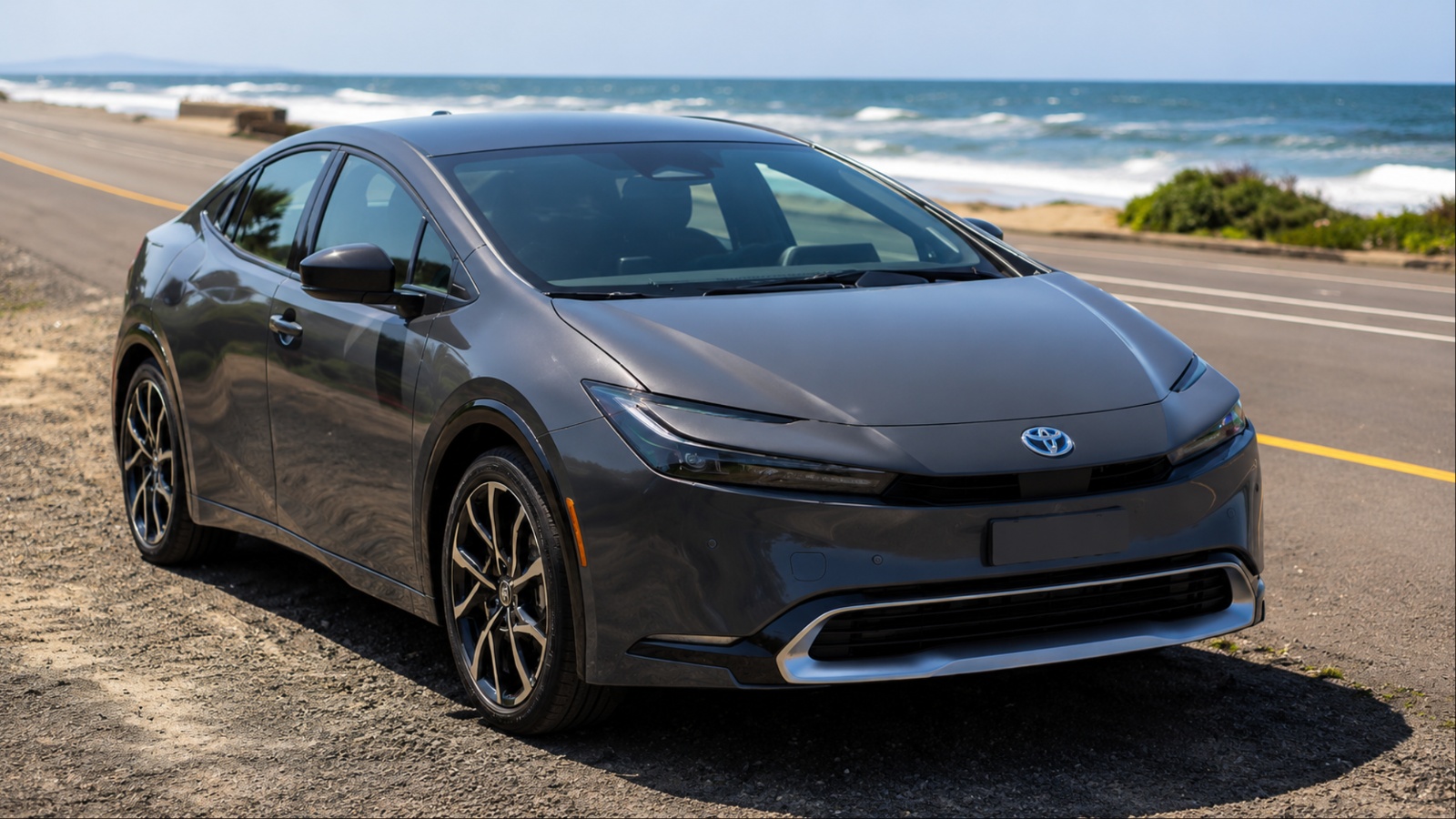
Some vehicles are designed to survive a long ownership cycle, while others seem to age the moment their odometers climb past 100,000 miles. Toyota has repeatedly occupied the first category. iSeeCars’ long-term analysis of nearly 400 million vehicles found that Toyota dominated the vehicles most likely to reach 250,000 miles.
The 2025 study placed four Toyota models in the top five, with the Sequoia leading at a predicted 39.1% chance of reaching the quarter-million-mile mark.
The industry average was only 4.8%. These figures do not guarantee that every example will reach 250,000 miles, but they reveal which Toyota nameplates have demonstrated exceptional long-term durability.
1. Toyota Sequoia
The Toyota Sequoia sits at the very top of iSeeCars’ 2025 longest-lasting vehicle study, and the number attached to it is extraordinary. The analysis gives the Sequoia a 39.1% predicted chance of reaching at least 250,000 miles, making it more than eight times as likely to reach that milestone as the average vehicle, which has a 4.8% probability.
There is another statistic that makes the Sequoia even more interesting. In iSeeCars’ separate potential-lifespan analysis, the Sequoia has a projected potential lifespan of 296,509 miles, the highest figure in that study. iSeeCars calculated that figure from actual odometer data collected from vehicles operating in the United States.
This is not simply a case of an SUV being capable of accumulating huge mileage because it is frequently used for long highway journeys. The Sequoia’s position reflects a long history of durability across generations.
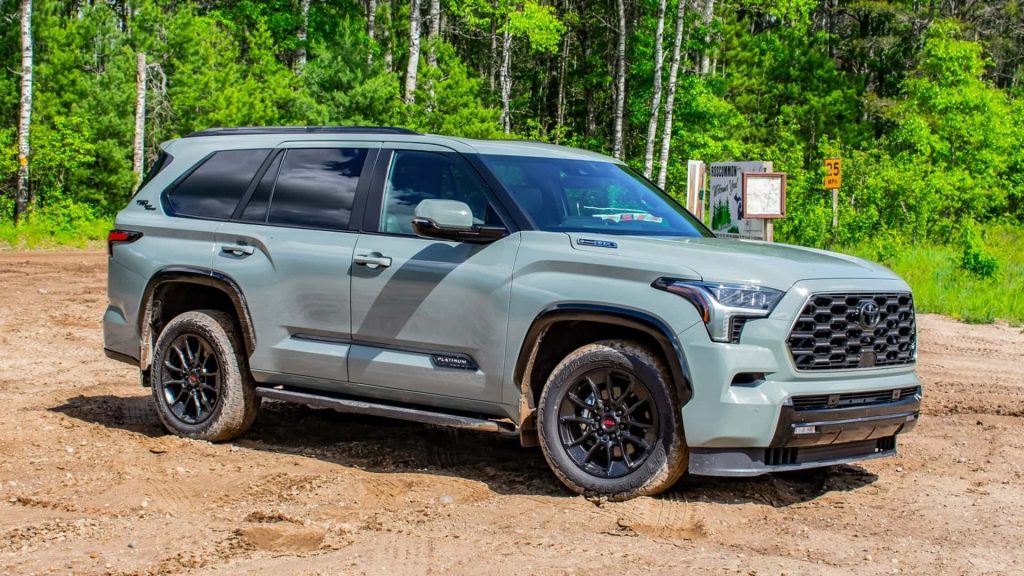
iSeeCars’ newer reliability data also gives the model an 8.1 out of 10 reliability rating, with an estimated average lifespan of 190,962 miles and a 45.1% chance of reaching 200,000 miles.
The modern Sequoia has changed dramatically from earlier generations. Today’s model uses Toyota’s twin-turbocharged 3.4-liter V6 and available i-FORCE MAX hybrid system rather than the older naturally aspirated V8. Yet the nameplate continues to rank exceptionally well in long-term data.
That makes the Sequoia particularly appealing to buyers who want a large three-row SUV and intend to keep it for a very long time.
2. Toyota 4Runner
The Toyota 4Runner has spent decades building a reputation around durability, and iSeeCars’ data shows that reputation is supported by an unusually strong probability of reaching extreme mileage.
In the 2025 longest-lasting vehicle study, the 4Runner recorded a 32.9% predicted chance of reaching 250,000 miles, placing it second among all vehicles analyzed. That is approximately 6.8 times the average vehicle’s probability.
The 4Runner’s position is particularly impressive because its appeal is not based solely on highway commuting. It has traditionally attracted owners who use their SUVs for towing, off-road driving, camping, and other demanding activities. Those environments can put considerable stress on suspension components, drivetrains, and body structures.
Yet the model has repeatedly developed a strong reputation among buyers who intend to keep their vehicles for many years. Its body-on-frame construction has also distinguished it from the growing number of unibody crossovers in the American market.
The latest generation represents a major technological change. Toyota introduced a new platform and turbocharged powertrain, including an available hybrid system, replacing the long-running naturally aspirated V6.
That means buyers should not automatically assume that historical reliability statistics translate perfectly to every component of the newest generation.
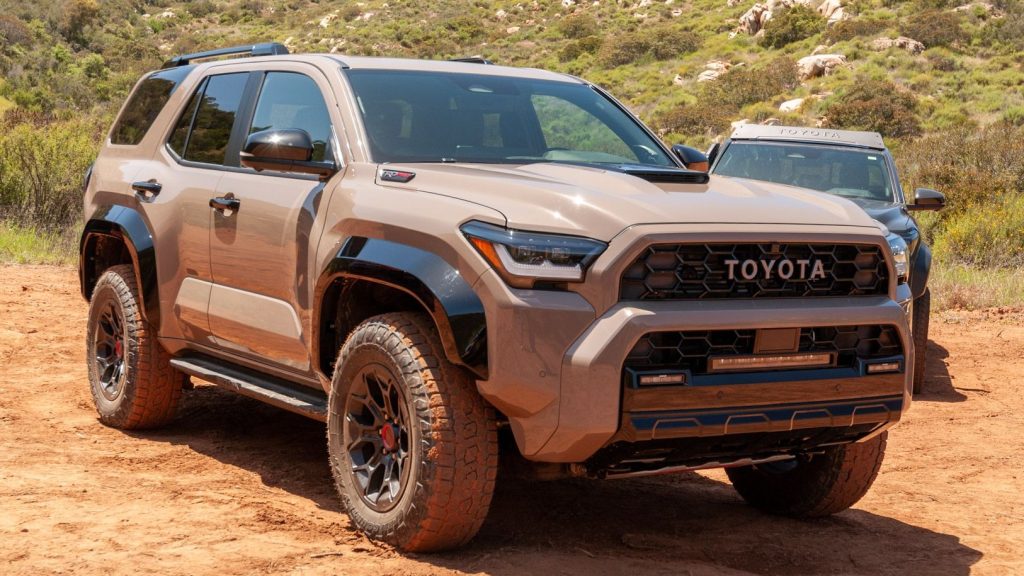
Still, the nameplate’s long-running data remains compelling. iSeeCars’ study is based on hundreds of millions of vehicle records rather than a handful of enthusiast reports, making its 250,000-mile probability a useful statistical indicator.
For someone who wants an SUV that can accumulate serious mileage without becoming disposable after 100,000 miles, the 4Runner remains one of Toyota’s strongest candidates.
3. Toyota Highlander Hybrid
The Toyota Highlander Hybrid is perhaps the most interesting entry because it challenges the old assumption that adding hybrid technology automatically makes a vehicle less suitable for extreme mileage.
iSeeCars’ 2025 longest-lasting study gives the Highlander Hybrid a 31.0% predicted chance of reaching 250,000 miles, placing it third among all vehicles in the study and first among hybrids. That is 6.5 times the 4.8% industry average.
The number becomes even more striking when the Highlander Hybrid is compared with other hybrid vehicles. iSeeCars estimates its potential lifespan at 244,994 miles, putting it just below the quarter-million-mile threshold in its separate lifespan analysis. The Toyota Prius follows at 250,601 miles, while the Camry Hybrid reaches 230,547 miles in the same dataset.
This is important because the Highlander Hybrid is not a tiny commuter hatchback. It is a three-row family SUV that can accumulate substantial mileage while carrying passengers and cargo.
Its hybrid system uses Toyota’s established approach of combining an internal-combustion engine with electric motors, allowing the gasoline engine to spend more time operating efficiently.
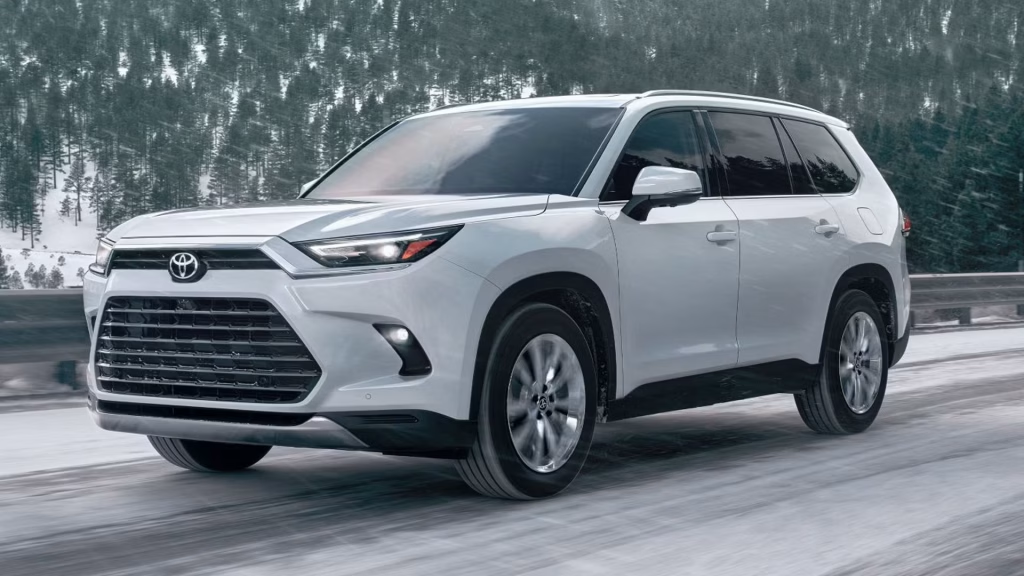
The model’s long-term ranking does not mean every Highlander Hybrid will reach 250,000 miles without expensive maintenance. Mileage, servicing, driving conditions, and individual vehicle history still matter. iSeeCars’ number represents a statistical probability derived from a huge vehicle dataset, not a durability guarantee.
Still, the data makes the Highlander Hybrid unusually compelling for buyers who want family-SUV practicality without abandoning the possibility of very long ownership.
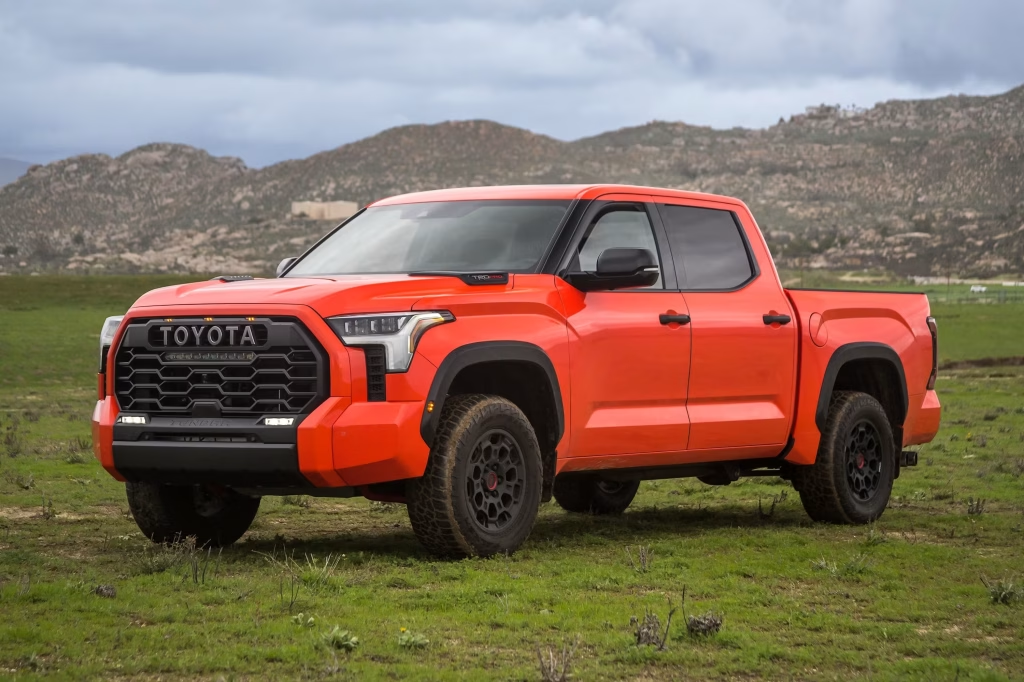
4. Toyota Tundra
The Toyota Tundra has one of the strongest long-term durability records in iSeeCars’ research, and its position is particularly impressive because pickups endure very different workloads depending on how their owners use them.
In the 2025 study, the Tundra has a 30.0% predicted chance of reaching 250,000 miles, placing it fourth among all vehicles analyzed. That is 6.3 times the industry-average probability.
The Tundra also appears prominently in iSeeCars’ potential-lifespan research. Its estimated lifespan is 256,022 miles, placing it fourth among all vehicles in that particular analysis. Only the Sequoia, Land Cruiser, and Chevrolet Suburban rank higher.
That distinction matters because the Tundra’s durability story is not based solely on the probability of surviving to one particular mileage point. The underlying data suggests that examples of the model can continue accumulating miles substantially beyond 250,000.
The current Tundra is mechanically different from the older V8-powered generations that established much of the truck’s reputation. Toyota now uses a 3.4-liter twin-turbocharged V6, with the i-FORCE MAX hybrid available on selected configurations. That makes it important not to treat every generation as mechanically identical.
Even so, the nameplate’s historical data remains exceptionally strong. iSeeCars analyzed more than 300 million vehicles for its lifespan research, while its 2025 longest-lasting study evaluated hundreds of millions of vehicles to calculate the probability of reaching 250,000 miles.
For a buyer planning to keep a pickup for a decade or more, that statistical track record makes the Tundra one of the most interesting choices in the American truck market.
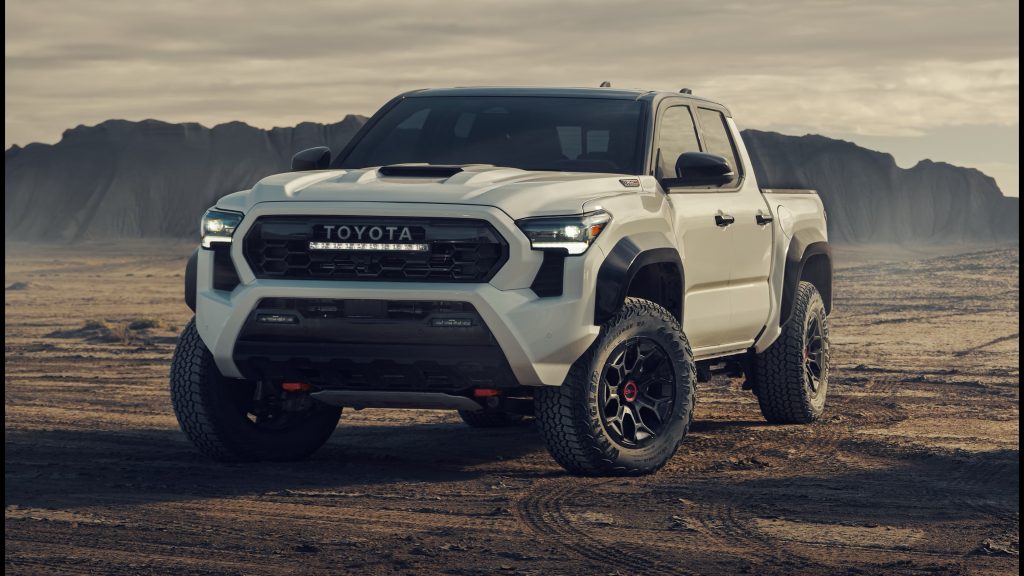
5. Toyota Tacoma
The Toyota Tacoma is not the longest-lived Toyota in iSeeCars’ research, but its numbers are still exceptional for a midsize pickup. In the 2025 iSeeCars study, the Tacoma has a 25.3% predicted chance of reaching at least 250,000 miles. That makes it more than five times as likely to reach the milestone as the average vehicle, which has a 4.8% probability.
Its position is even stronger when the comparison is limited to pickups. iSeeCars ranks the Tacoma fourth among all trucks, behind the Ram 3500, Toyota Tundra, and Ford F-450 Super Duty. It also ranks second among midsize pickups, behind none other than its larger Toyota sibling.
The Tacoma’s long-term appeal comes from a combination of relatively compact dimensions and genuine truck capability. Owners can use it for commuting, towing, recreation, and off-road driving without moving into a full-size pickup’s larger footprint.
Historical lifespan data provides another useful perspective. iSeeCars estimates the Tacoma’s potential lifespan at approximately 235,070 miles, based on its analysis of high-mileage vehicles produced over the previous two decades.
That figure does not mean a Tacoma stops being useful at 235,070 miles. It represents a statistical estimate based on observed high-mileage examples. Individual trucks can perform very differently depending on maintenance, corrosion exposure, towing demands, and driving conditions.
Still, a quarter-million-mile target is clearly within the statistical range of possibility for this pickup. For buyers who want a midsize truck and intend to keep it for years rather than constantly trade into newer models, the Tacoma remains one of the strongest evidence-based choices.
6. Toyota Avalon
The Toyota Avalon takes a completely different approach to durability. It is a large sedan rather than an SUV or pickup, yet iSeeCars’ data places it among the most durable Toyota vehicles ever measured.
In the 2025 longest-lasting study, the Avalon has an 18.9% predicted chance of reaching 250,000 miles. That is nearly four times the 4.8% probability for the average vehicle.
The Avalon also ranks second among passenger cars, behind the Lexus IS, demonstrating that Toyota’s long-term strength is not limited to trucks and rugged SUVs.
Its potential lifespan is equally impressive. iSeeCars estimates the Avalon at 245,710 miles, making it one of the longest-lasting conventional-fuel sedans in the company’s lifespan study. The analysis is based on more than two million vehicles produced and sold for at least 10 of the previous 20 model years.
That longevity is particularly notable because the Avalon was designed primarily as a comfortable large sedan. It was never marketed as a specialized off-road vehicle or heavy-duty work truck. Its appearance may suggest relaxed highway cruising rather than extreme durability, but the mileage data tells a different story.
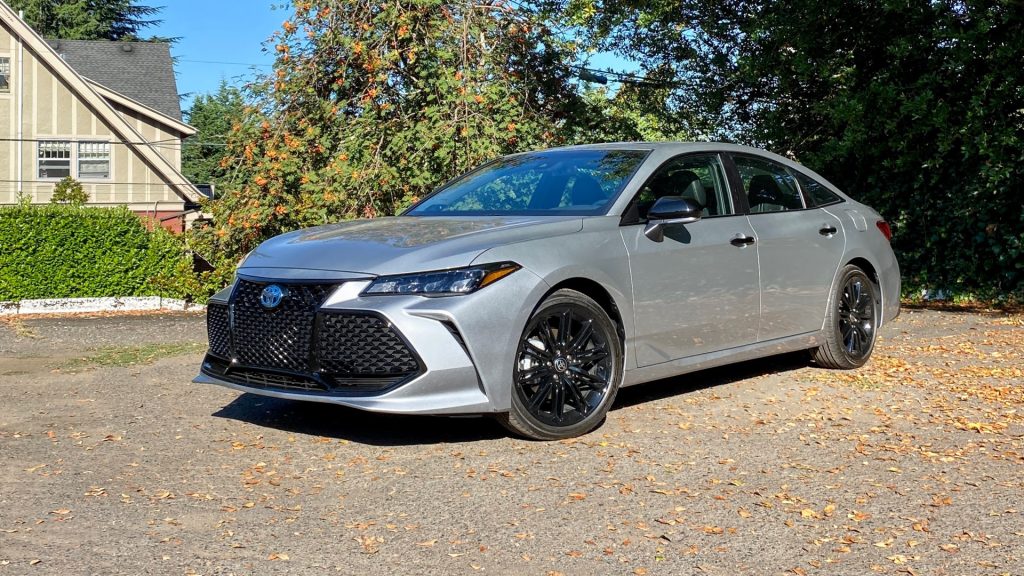
The Avalon was discontinued in the United States after the 2022 model year, so buyers today are shopping the used market. That can actually make its long-term statistics more relevant because there is already a substantial population of older examples from which to evaluate durability.
For someone willing to buy a used sedan rather than a new SUV, the Avalon offers an unusual combination of comfort, space, and proven high-mileage potential.
7. Toyota Prius
The Toyota Prius proves that a vehicle does not need a large engine, body-on-frame construction, or truck-grade hardware to accumulate serious mileage.
In iSeeCars’ 2025 longest-lasting study, the Prius has a 12.2% predicted chance of reaching 250,000 miles, putting it third among passenger cars and well above the 4.8% average for all vehicles in the study.
That result is especially notable because the Prius is one of the vehicles most closely associated with hybrid technology. The assumption that a hybrid’s battery and additional electrical components automatically make it less suitable for long-term ownership is not supported by iSeeCars’ data.
The Prius has accumulated a large population of high-mileage examples in the United States, giving researchers substantial data from which to estimate its longevity.
iSeeCars’ current reliability analysis, based on more than 300 million vehicles, gives the Prius an 8.0 out of 10 reliability score. The company estimates an average lifespan of approximately 173,456 miles and a 32.1% chance of reaching 200,000 miles.
Those numbers should not be interpreted as a promise that every Prius will reach a quarter-million miles. Battery condition, maintenance, climate, driving habits, and individual vehicle history still matter. The 250,000-mile figure is a statistical probability, not a manufacturer’s durability guarantee.
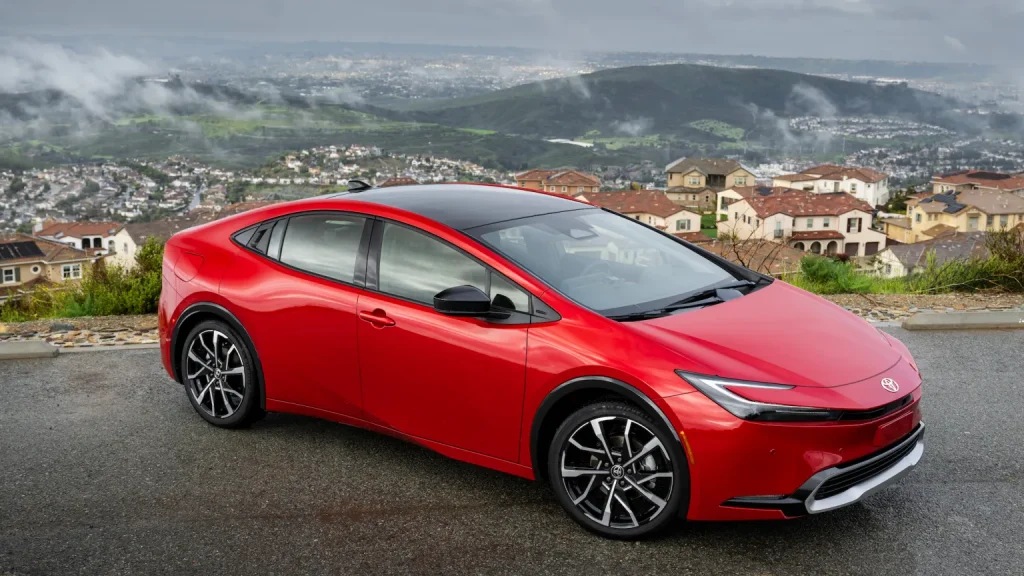
Still, the evidence makes the Prius one of the strongest choices for someone seeking a fuel-efficient vehicle that can remain useful deep into its second decade.
The Prius benefits from a proven hybrid design, a strong track record for reliability, and a massive community of owners across the United States. That gives it an advantage that many newer vehicles cannot match because the Prius has decades of real-world driving data behind it.
8. Toyota Camry Hybrid
The Toyota Camry Hybrid closes this list with another example of Toyota’s ability to combine electrification with long-term durability. iSeeCars’ 2025 study gives the Camry Hybrid a 10.2% predicted chance of reaching 250,000 miles, more than twice the 4.8% probability for the average vehicle. It ranks sixth among passenger cars in the study.
The figure is particularly meaningful because the Camry Hybrid has been sold in the United States for multiple generations, giving iSeeCars a substantial population of vehicles to analyze. Its high-mileage record therefore isn’t based on a handful of exceptionally maintained examples.
iSeeCars’ separate reliability research also gives the Camry Hybrid a 7.7 out of 10 reliability score. The company’s analysis estimates an average lifespan of approximately 172,769 miles, with the hybrid ranking among the most reliable hybrid midsize cars in its database.
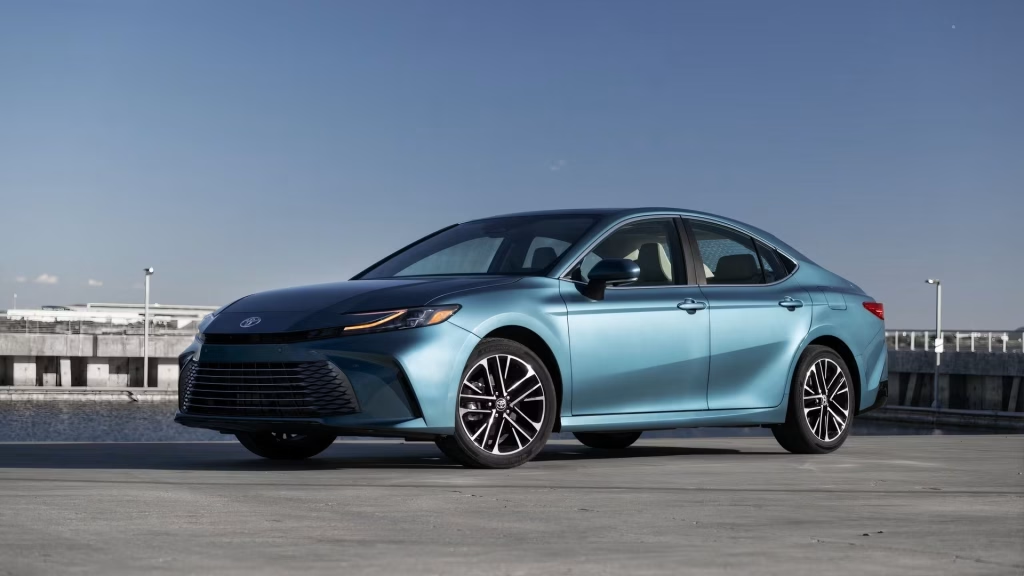
The 2025 longest-lasting study also places the Camry Hybrid comfortably above the hybrid category’s average. Hybrids as a group had a 9.6% probability of reaching 250,000 miles, meaning the Camry Hybrid performs slightly better than the already strong hybrid average.
That is an important point for buyers considering a long ownership period. Hybrid technology is not automatically a liability when the underlying system has been engineered and supported for many years. Toyota’s extensive hybrid history gives the Camry Hybrid a particularly deep pool of real-world data.
Naturally, a 250,000-mile target requires more than buying the right badge. Regular maintenance, proper fluid changes, cooling-system care, and attention to wear items remain essential. The iSeeCars probability simply indicates that the model has demonstrated an unusually strong ability to reach that mileage compared with most vehicles.
