
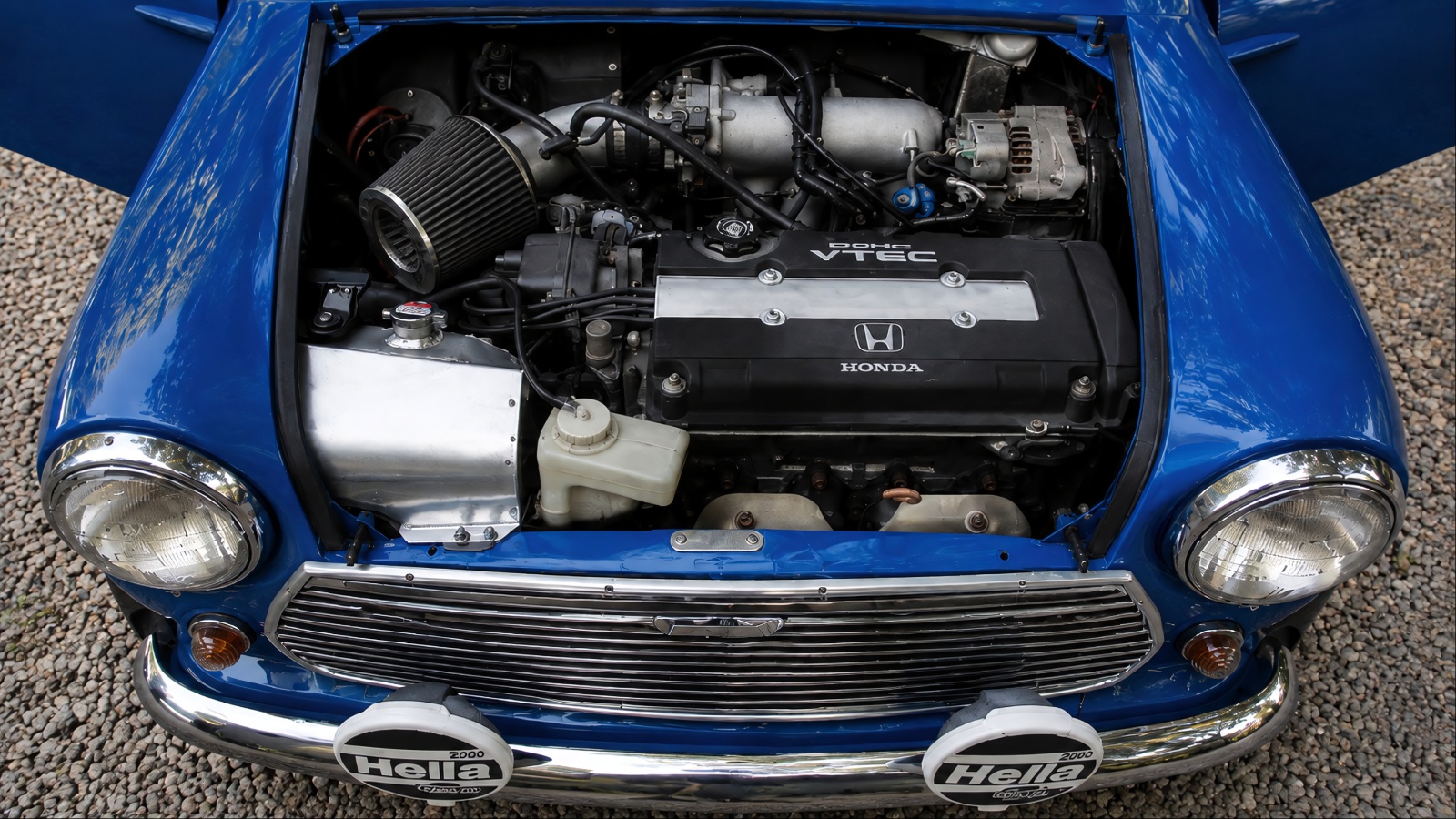
An engine swap can turn an ordinary car into something genuinely special, but the biggest challenge may come after the fabrication work is finished. In the United States, emissions laws can make certain swaps illegal even when the engine physically fits, the car runs perfectly, and the modification passes a basic safety inspection.
The EPA treats emissions-related tampering seriously, while California uses an especially strict system involving engine-change rules and CARB Executive Orders. State inspection and registration requirements can add another layer.
The key issue is not simply horsepower. It is whether the finished vehicle retains an emissions configuration that is legally recognized for that chassis.
1. Installing an Older Engine Into a Newer Car
Putting an older engine into a newer chassis is one of the easiest ways to create an emissions-compliance problem. The swap may appear mechanically straightforward, especially when the donor engine is inexpensive, and aftermarket support is extensive.
Federal EPA guidance, however, focuses on the emissions certification of the completed engine-and-chassis combination rather than simply whether the engine physically operates.
EPA’s engine-switching guidance states that, for light-duty vehicles, installing an engine into a different vehicle can constitute tampering unless the resulting configuration is identical, with respect to relevant emissions parts, engine design parameters and calibrations, to a certified configuration of the same model year or newer than the vehicle chassis.
That rule creates an important distinction between a mechanical swap and a legally compliant swap. Consider a relatively modern car receiving an engine from an older vehicle. Even if the older engine produces fewer horsepower and the installation retains a catalytic converter, the donor engine’s original emissions certification may not cover the newer chassis.
The problem becomes even more obvious when the swap removes equipment introduced with the newer vehicle. A newer engine package may use different oxygen sensors, evaporative-emissions controls, electronic throttle management, diagnostic systems, or catalyst arrangements.
Replacing that system with an older configuration can mean the finished vehicle no longer corresponds to a certified emissions configuration.

California applies particularly detailed engine-change requirements. Its Bureau of Automotive Repair explains that an engine change must not degrade the effectiveness of the vehicle’s original emissions-control system. California also requires vehicles receiving engine changes to undergo an initial referee inspection.
The exact consequences vary by state, so calling every older-engine swap automatically illegal nationwide would be inaccurate. But as a general rule, using an older engine in a newer emissions-certified chassis is one of the highest-risk swaps for street-driven vehicles.
2. Swapping a Diesel Engine Without Retaining Its Required Emissions System
Diesel swaps can deliver tremendous torque, impressive towing capability, and a completely different character, but emissions equipment is where many ambitious conversions run into federal law.
Modern diesel engines rely on several emissions-control technologies that work together. Depending on the engine and model year, those systems can include exhaust gas recirculation, diesel oxidation catalysts, diesel particulate filters, and selective catalytic reduction.
EPA specifically identifies these systems as emissions-related components that cannot simply be removed or rendered inoperative.
The problem is particularly serious when someone installs a diesel engine and removes the emissions hardware because the vehicle is intended primarily for performance or off-road use. If the resulting vehicle is operated on public roads, the fact that the engine came from another legitimate vehicle does not automatically make the conversion legal.
EPA’s engine-switching fact sheet gives an important example involving diesel and gasoline conversions. A diesel-to-gasoline or gasoline-to-diesel conversion can potentially be lawful when the resulting engine-and-chassis combination matches an applicable certified configuration of the same model year or newer as the chassis.
But simply installing a donor engine without creating an equivalent certified configuration does not provide that protection.
Diesel swaps can also become problematic when the original engine’s electronic controls are replaced with a simpler setup. Removing or bypassing sensors and control strategies may affect more than emissions output.
EPA’s enforcement materials specifically identify engine calibrations, fuel injection strategy, EGR operation, and sensors as examples of emissions-related elements protected by anti-tampering rules.
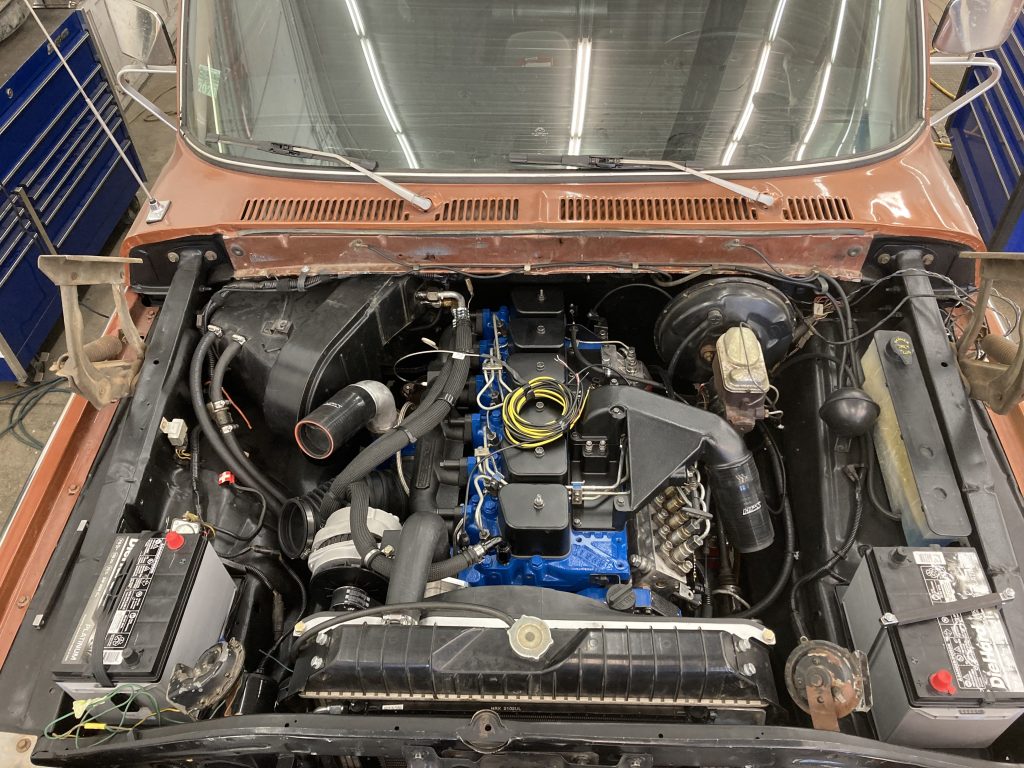
This is why a diesel conversion that looks mechanically excellent can still fail the legal test. The engine may start instantly, produce more power, and run cleanly to the driver’s eye, yet lack the certified emissions configuration required for highway use.
For a road-going conversion, retaining the complete emissions system and establishing that the finished configuration is legally recognized is far more important than simply making the engine fit.
3. Swapping in a Non-Certified Imported Engine
An imported engine can be mechanically perfect and still create a serious federal emissions problem. This is particularly relevant to enthusiasts who import engines from Japan, Europe, or other markets because the engine may have never been certified by the EPA for use in the U.S. vehicle application.
EPA’s engine-switching guidance specifically warns about used foreign-built engines that are not covered by a U.S.-certified configuration. The agency states that when an engine is not covered by a certified configuration for any vehicle sold in the United States, there is no way to install that engine legally under the engine-switching policy.
That makes an imported performance engine a very different proposition from an American-market replacement engine. A JDM engine may have the right physical dimensions, transmission compatibility, and aftermarket support, yet none of those characteristics establish federal emissions compliance.
The problem is the certification trail. EPA certification covers emissions-related parts, engine design parameters, and calibrations. For a light-duty engine swap, the resulting vehicle generally needs to be identical in emissions-related respects to a certified configuration from the same or newer model year than the chassis.
This is why simply retaining a catalytic converter does not necessarily solve the issue. The complete emissions configuration matters, including applicable sensors, controls, and calibrations.
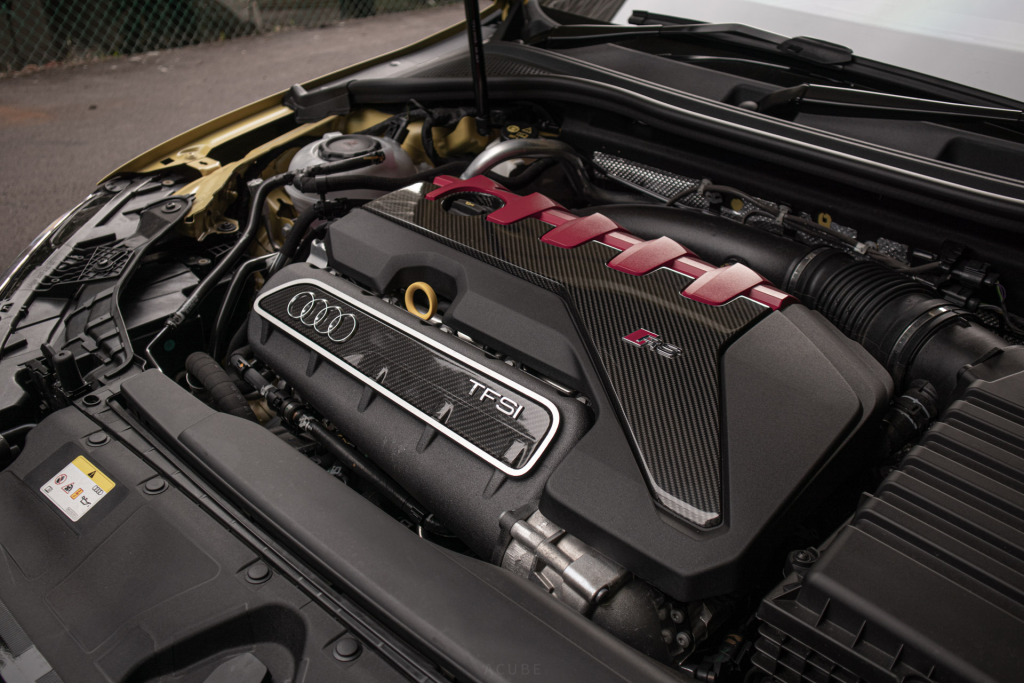
California can add another hurdle. Its Bureau of Automotive Repair requires engine changes to comply with state and federal anti-tampering requirements, and California vehicles with engine changes generally require an initial BAR referee inspection.
There are legitimate pathways for some conversions, but enthusiasts should establish eligibility before buying the engine. A foreign-market engine that has no corresponding U.S.-certified configuration can turn an exciting project into a vehicle that cannot legally be operated on public roads.
4. Installing a Heavy-Duty Engine in a Light-Duty Car
Some engine swaps can create serious federal compliance issues, especially when a heavy-duty engine is installed in a light-duty passenger vehicle. On paper, the idea may seem appealing because you could gain substantial torque, stronger construction, and potentially greater towing or performance capability.
Federal emissions rules, however, do not treat heavy-duty and light-duty engines as interchangeable categories.
EPA’s engine-switching guidance states that a light-duty engine installed into another light-duty vehicle must result in a configuration that satisfies the applicable certified-configuration requirements. For heavy-duty engines, the agency applies a separate rule.
Most importantly, EPA explicitly states that a heavy-duty engine may not be installed in a light-duty vehicle under its engine-switching policy.
That makes a hypothetical diesel pickup conversion particularly important. Imagine taking a heavy-duty diesel engine from a larger commercial truck and installing it in a light-duty passenger car. Even if the engine physically fits after extensive fabrication, the mechanical success of the project does not establish emissions legality.
The same problem can arise when builders focus only on horsepower or torque. Emissions certification is not determined by whether an engine produces more or less power than the original unit. The engine’s certified category and emissions configuration matter.
EPA’s broader tampering policy also emphasizes that an engine switch must involve the same product category and match a certified configuration of the same or newer model year as the chassis, unless another recognized basis for compliance applies.
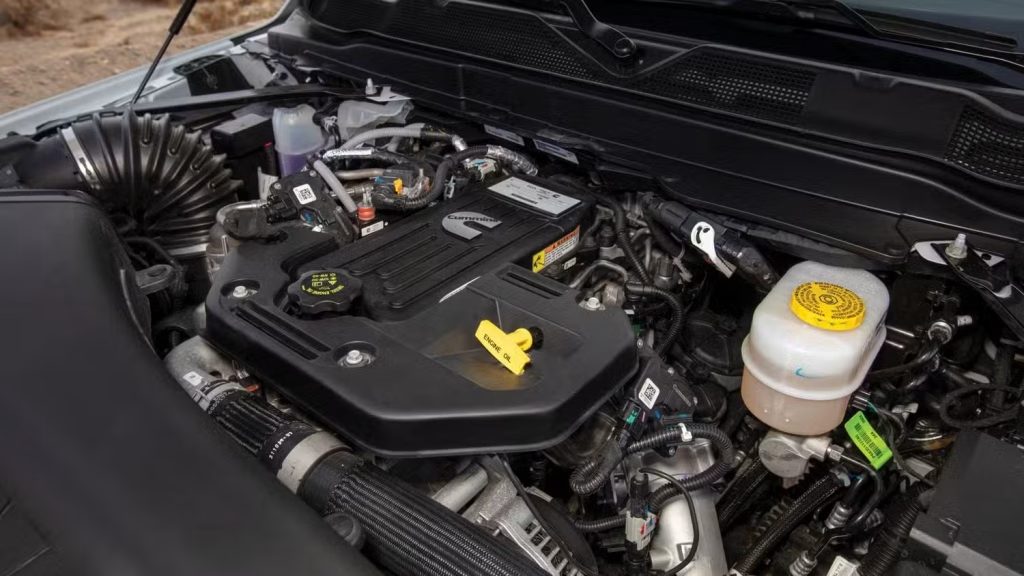
That leaves little room for improvisation when moving between fundamentally different vehicle categories.
For enthusiasts considering an engine swap, the key point is simple. Finding an engine that fits, performs well, and is readily available does not mean it is legally approved for every vehicle. A heavy-duty engine can be fully compliant in the vehicle it was originally certified for while still being unsuitable for installation in a light-duty passenger car.
5. Removing the Factory Catalytic Converters During an Engine Swap
A catalytic converter may look like a restriction when the goal is maximum engine performance, but removing it from a street-driven vehicle can turn an otherwise legitimate engine swap into an emissions violation.
The EPA’s anti-tampering rules apply to emissions-control devices, and the catalytic converter is one of the most important components in a gasoline vehicle’s emissions system.
Under Section 203(a)(3) of the Clean Air Act, it is prohibited to knowingly remove or render inoperative an emissions-control device installed on a motor vehicle or engine.
The prohibition applies not only to manufacturers but also to businesses and individuals in circumstances covered by the law. EPA has repeatedly identified catalytic converters among the emissions-control components protected by its tampering rules.
That creates a problem for engine swaps where the builder installs a more powerful engine and then deletes the original catalytic converters to accommodate different exhaust plumbing. Even if the replacement engine is otherwise suitable, removing required emission-control equipment can make the finished vehicle unlawful for road use.
The same issue can arise when the original catalytic converters are replaced with unrestricted pipes. A vehicle may sound better and flow more exhaust, but improved exhaust flow does not establish emissions compliance.
California adds another layer. The California Bureau of Automotive Repair requires an engine change to retain emissions-control equipment appropriate to the installed engine and prohibits modifications that reduce emissions-control effectiveness. A referee inspection can therefore identify missing or incorrect equipment during the certification process.
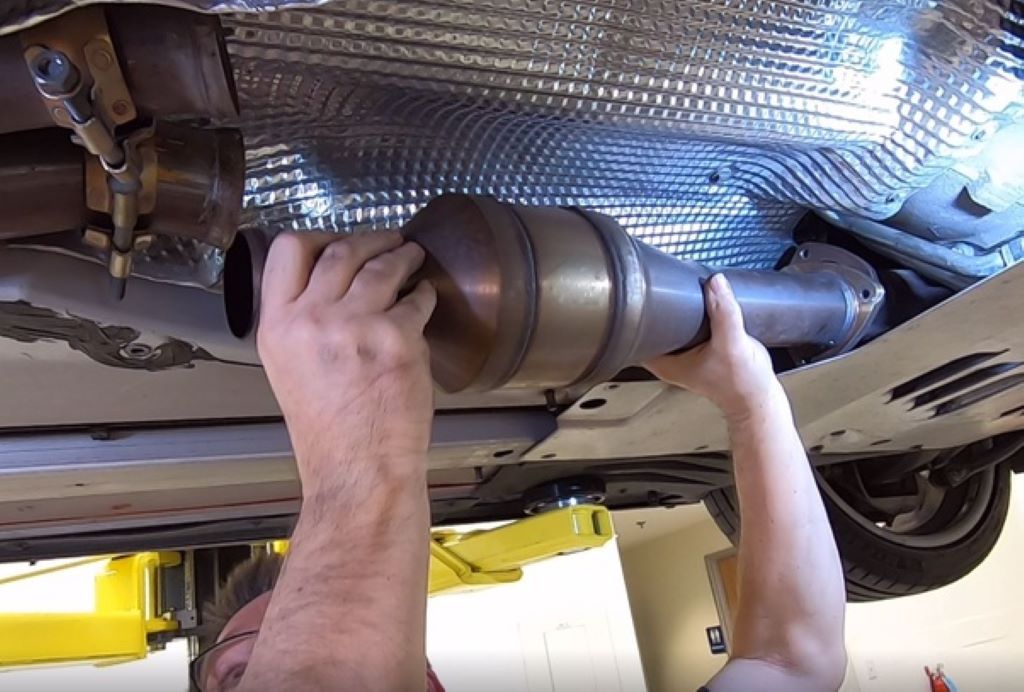
For builders, the smarter approach is to design the exhaust around the required emissions system rather than treating the catalytic converters as optional hardware.
6. Installing an Engine With a Different Emissions Calibration
Two engines can share the same basic architecture and still have completely different legal emissions configurations. That makes calibration one of the easiest details to overlook during an engine swap.
Modern engine control software manages far more than fuel delivery. It can control ignition timing, fuel mixture, oxygen-sensor feedback, exhaust-gas recirculation, evaporative emissions systems, catalyst monitoring and other functions associated with emissions performance.
EPA’s tampering guidance specifically identifies engine calibrations and other emissions-related parameters as protected elements of a certified configuration.
The danger appears when a builder installs an engine and then uses a performance calibration that disables or changes emissions functions. A tune advertised as improving horsepower may alter catalyst monitoring, oxygen-sensor operation, or other emissions strategies.
If those changes render an emissions-control system ineffective, the modification can fall under federal anti-tampering restrictions.
This does not mean every aftermarket tune is automatically illegal. The important question is whether the calibration maintains the emissions performance of the certified vehicle configuration and complies with applicable federal and state requirements.
California’s system makes the distinction especially visible through CARB Executive Orders. An aftermarket emissions-related component can receive an Executive Order when CARB has determined that it meets the applicable requirements. Without the appropriate approval, an emissions-related modification may create problems during California’s inspection process.
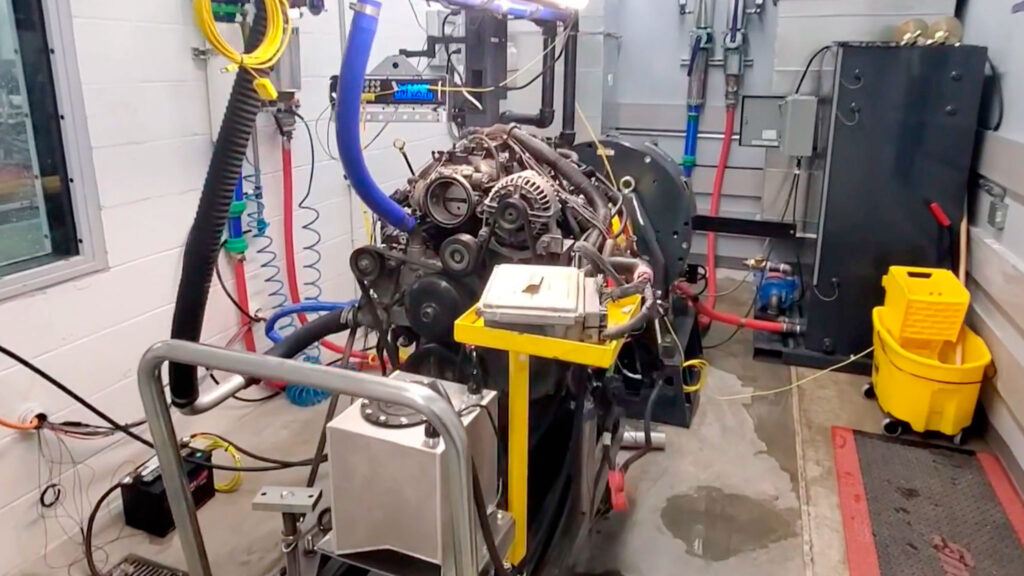
Engine swaps therefore require more than matching mounts and wiring. The electronic control strategy must be considered part of the emissions package.
A builder who retains the original engine’s hardware but replaces its emissions-compliant calibration with a tune designed solely for maximum output can unintentionally undermine the legality of an otherwise carefully constructed swap.
7. Converting a Gasoline Car to a Diesel Engine Without a Certified Equivalent
A gasoline-to-diesel conversion can produce a fascinating result, especially when the diesel engine offers substantially more low-end torque than the original gasoline powerplant.
The legal question, however, is not whether the diesel engine is clean enough by modern standards. It is whether the completed engine-and-chassis combination corresponds to an emissions-certified configuration.
EPA’s engine-switching guidance specifically addresses gasoline-to-diesel conversions. For a light-duty vehicle, the resulting configuration must match a certified configuration of the same model year or newer than the vehicle chassis, including the applicable emissions-related parts, design parameters, and calibrations.
If the vehicle was offered by its manufacturer with both gasoline and diesel engines, a conversion may potentially be possible when the completed vehicle corresponds to the certified diesel configuration.
The trouble begins when a builder installs a diesel engine that was never certified for that chassis. Keeping the diesel’s original turbocharger, injection system, and emissions hardware does not automatically solve the problem because the entire engine-chassis combination must satisfy the applicable certification requirements.
This is why a diesel engine from a completely different manufacturer or vehicle can create a much bigger regulatory problem than a factory diesel option from the same model line.
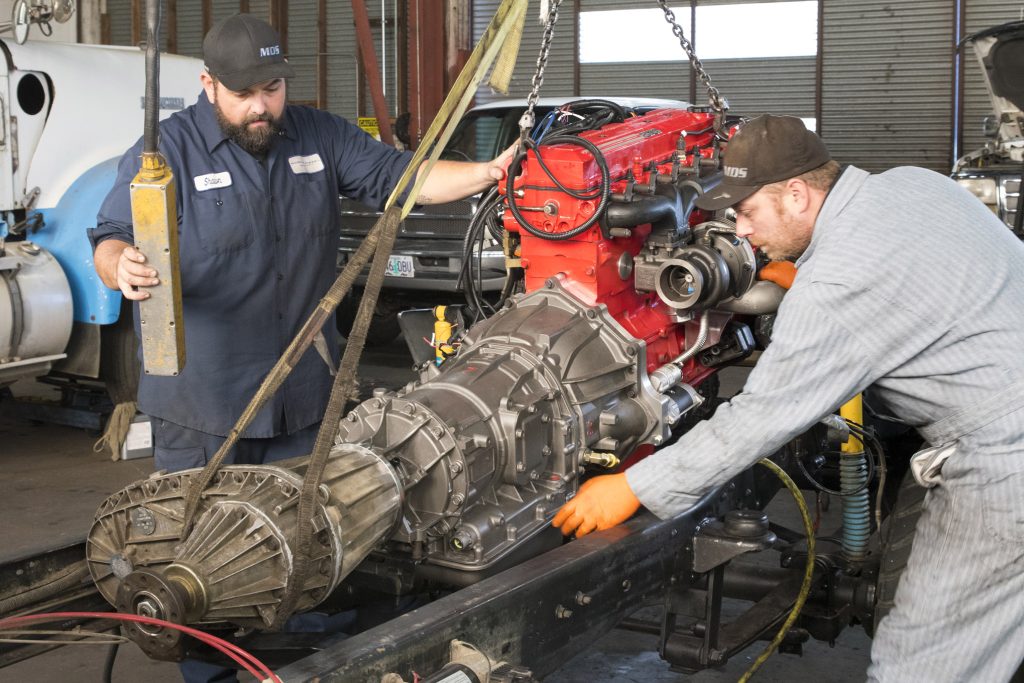
California makes the situation even stricter. Its Bureau of Automotive Repair says engine changes must meet applicable emissions requirements and must not degrade the vehicle’s emissions-control effectiveness. California vehicles with engine changes must also undergo an initial referee inspection.
If you plan to drive the converted vehicle on public roads, there is one important question to answer before buying the engine. You need to determine whether that specific diesel conversion has an emissions configuration that is legally approved for the vehicle’s chassis.
8. Installing an Engine Package Without the Required CARB Executive Order
California is where the phrase “CARB Executive Order” becomes particularly important for engine-swap enthusiasts. An aftermarket engine package may be engineered beautifully and function flawlessly, but California requires emissions-related modifications to meet specific legal standards.
A CARB Executive Order can provide the legal basis for an approved aftermarket configuration, but the order applies only to the applications and conditions specified in it.
California’s Bureau of Automotive Repair recommends using a California-certified engine or a CARB-exempted engine package when performing an engine change.
Its official guidance also makes clear that an exempted emissions-compliant engine package is restricted to the specific applications covered by the Executive Order. Installing the package in an application outside those listed limits does not make the modification legal.
That distinction is easy to miss when shopping for performance parts. A builder may find an engine package advertised as “CARB legal” and assume the approval applies to every vehicle. It does not. The Executive Order identifies the approved device or package and its permitted applications.
California also requires vehicles with engine changes to undergo an initial inspection at a BAR Referee Center. Once approved, the vehicle receives a BAR Referee label inside the engine compartment, and subsequent Smog Check inspections use the applicable requirements established through that process.
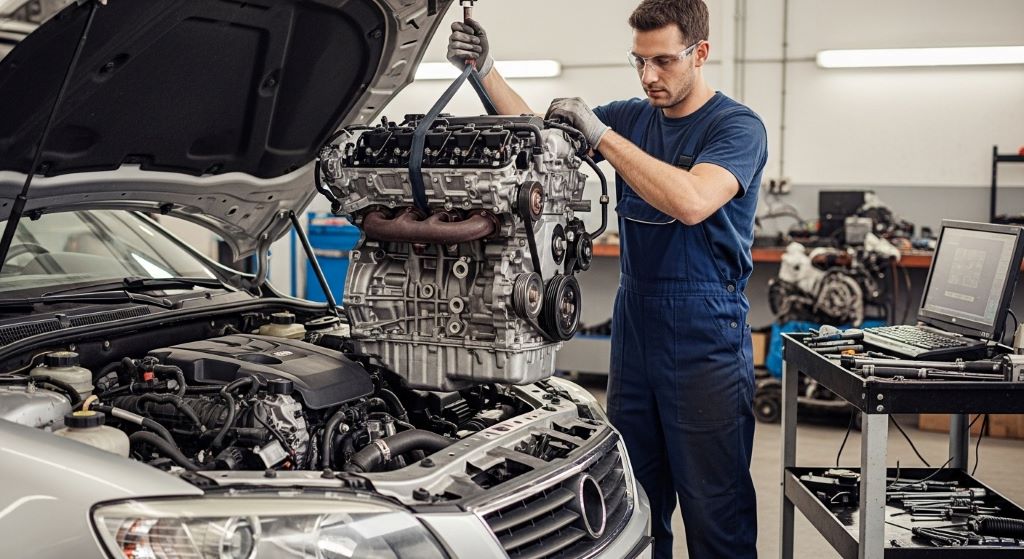
The federal rules matter too. EPA’s engine-switching policy generally requires the finished vehicle to remain within an appropriate certified configuration or otherwise establish a reasonable basis that emissions are not adversely affected.
This makes a random engine-and-turbo combination particularly risky in California. The fact that every individual component can be purchased legally does not mean their combination is approved for that vehicle.
For enthusiasts, the Executive Order number should be treated like a compatibility specification. Before installing an aftermarket engine package, verify the exact vehicle, model year, engine application, and conditions covered by the order.
