
Florida is known for having relatively flexible vehicle laws, but that does not mean every motorized machine can become a street-legal vehicle. The state draws a firm distinction between vehicles designed for highways and machines intended primarily for off-road recreation.
That distinction can surprise buyers who assume a title, headlights, turn signals, mirrors, or a powerful engine automatically make a vehicle eligible for a license plate.
Florida’s Department of Highway Safety and Motor Vehicles specifically separates several off-highway vehicle categories from ordinary motor vehicles. For buyers, understanding those classifications before purchasing can prevent an expensive mistake.
1. All-Terrain Vehicles (ATVs)
An all-terrain vehicle can be surprisingly sophisticated. Modern ATVs may have fuel injection, electronic controls, four-wheel drive, independent suspension, powerful engines, LED lighting, and enough performance to feel capable of keeping up with traffic.
None of those features changes the fundamental problem in Florida: an ATV is classified as an off-highway vehicle rather than an ordinary highway motor vehicle.
Florida’s official title paperwork specifically identifies an all-terrain vehicle as an off-highway vehicle type. More importantly, the Florida Highway Safety and Motor Vehicles Department states that off-highway vehicles such as ATVs are not issued a license plate or registration decal. Instead, the owner can receive a title validation decal.
That distinction is crucial because having a Florida title does not mean an ATV can be registered for normal road use. A buyer could legally establish ownership of the machine while still being unable to obtain the conventional registration needed for everyday highway driving.
Florida law also restricts ATV operation on public roads, streets, and highways, subject to limited statutory exceptions. Those exceptions should not be confused with a general street-registration pathway.
An ATV that has been fitted with mirrors, turn signals, brake lights, or other equipment does not automatically become a passenger vehicle under Florida law.
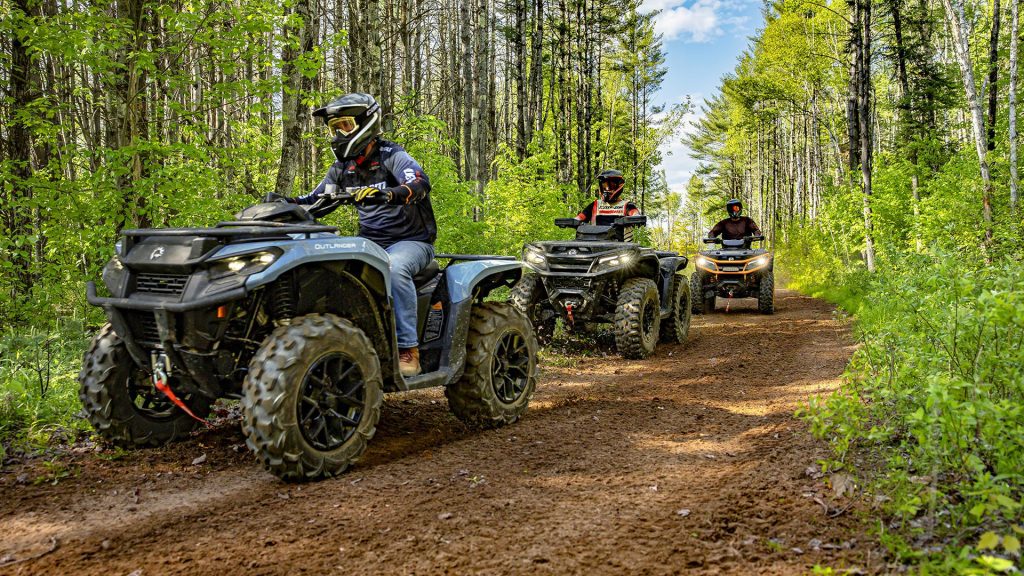
This is where the mistake becomes particularly expensive. Someone purchasing an expensive performance ATV may spend additional money modifying it for street use, only to discover that the machine’s underlying classification prevents normal registration.
For Florida buyers, the safest approach is to check the vehicle’s classification before purchasing it. If the manufacturer’s documentation identifies the machine as an ATV, adding highway equipment should not be treated as a guarantee that Florida will issue it a normal license plate.
2. Recreational Off-Highway Vehicles (ROVs)
Recreational off-highway vehicles can create an even bigger registration misunderstanding because many of them look more like miniature cars than traditional recreational machines.
A modern ROV may have two or more seats, a steering wheel, seat belts, a protective cage, doors or nets, windshield options, sophisticated suspension, and a turbocharged engine. From the driver’s seat, it can feel much closer to a road vehicle than an ATV.
Florida nevertheless gives ROVs their own off-highway classification. The state’s official title application specifically lists Recreational Off-Highway Vehicle (ROV) as an off-highway vehicle type. FLHSMV’s official procedures also state that OHVs and ROVs will not receive a license plate or registration decal, although a title validation decal can be issued.
That makes the registration issue especially important for high-performance side-by-sides. Some recreational vehicles have enough power to reach highway-like speeds, but engine output is not what determines whether Florida treats them as ordinary registered automobiles. The vehicle’s legal classification matters.
The difference between a title and registration is easy to miss. An owner can have documentation proving ownership without having the registration credentials required for normal public-road operation. Florida’s separate off-highway title process exists precisely because these machines occupy a different category within the state’s vehicle system.
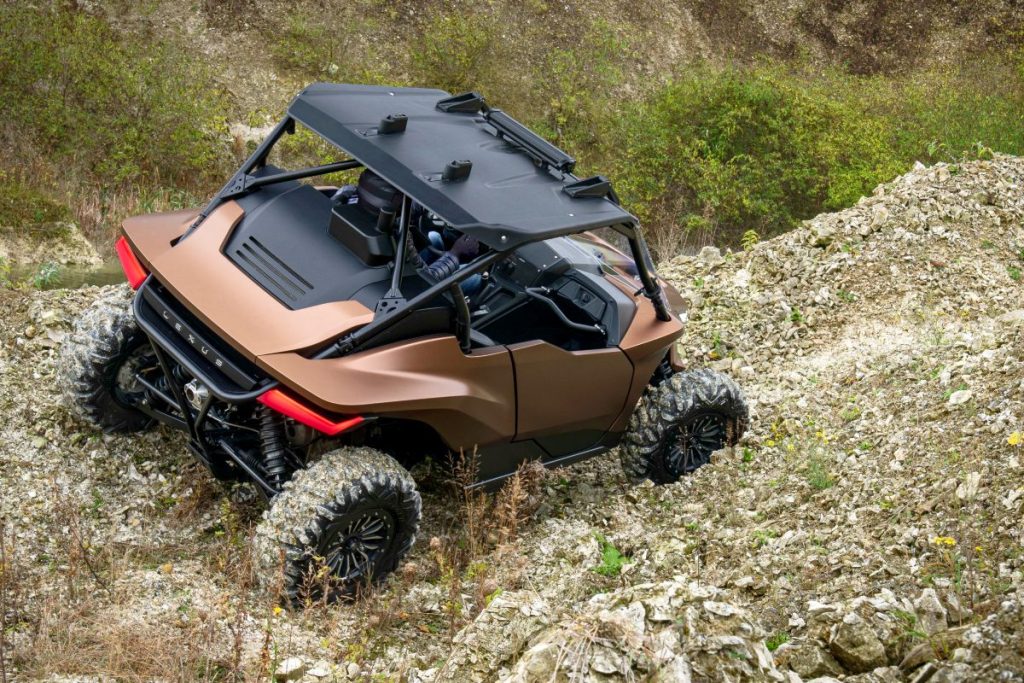
This also means installing equipment normally associated with street vehicles should not be assumed to solve the problem. Adding headlights, mirrors, a horn, turn signals, or a windshield may make an ROV better equipped, but it does not automatically convert the vehicle’s legal classification.
For someone buying a side-by-side with the intention of commuting on Florida streets, that distinction should be checked before signing the purchase paperwork. The machine may be legitimate for designated off-highway use while still being unsuitable for conventional road registration.
3. Off-Highway Motorcycles
Florida makes an important distinction between a motorcycle built for public roads and a motorcycle designed specifically for off-highway use. That distinction becomes significant with dirt bikes and other off-road motorcycles that may look almost identical to street-legal motorcycles at first glance.
Florida’s Department of Highway Safety and Motor Vehicles has a dedicated off-highway vehicle classification that includes off-highway motorcycles.
The state’s title procedures distinguish these machines from ordinary motorcycles, and an off-highway vehicle is not simply converted into a normally registered road motorcycle by adding basic road equipment.
This matters because a dirt bike can have a headlight, brake light, speedometer, mirrors, and even turn signals installed by an owner without necessarily becoming eligible for standard Florida road registration. The underlying manufacturer classification and vehicle documentation remain important.
Another common misunderstanding is that having a Vehicle Identification Number automatically means a vehicle can receive a standard license plate. In Florida, vehicles driven on public roads generally must be properly registered unless they fall under a specific exemption provided by state law.
A purpose-built motocross motorcycle is an especially obvious example. It may be engineered for closed-course competition, with a lightweight chassis, long-travel suspension, and an engine optimized for performance rather than ordinary transportation. Trying to treat such a motorcycle like a conventional street motorcycle can create registration problems.

The distinction is less obvious with dual-sport-style machines that have both road and off-road characteristics. Buyers should examine the manufacturer’s original documentation and title classification rather than assuming that the bike’s appearance determines its legal status.
For someone purchasing a used dirt bike in Florida, this is one area where checking the paperwork before the transaction is far safer than attempting to solve the issue after purchase.
4. Golf Carts Without the Required Road Classification
Golf carts occupy a strange position in Florida’s transportation system because the state permits certain golf carts to operate on public roads, but that does not mean they become ordinary registered motor vehicles.
Florida Statute 320.105 specifically exempts qualifying golf carts and utility vehicles from the chapter’s requirements for vehicle registration and license plates when they are operated according to the applicable golf-cart laws.
That means a standard golf cart is not simply a small car that happens to have a low top speed. Its legal operation depends on where it is being driven and whether the particular road has been designated for golf-cart use.
Under Florida Statute 316.212, golf-cart operation on public roads is generally prohibited except on roads that have been properly designated for golf carts by the relevant local governmental authority. There are additional rules governing crossings and certain state-road situations.
The equipment requirements also matter. Florida law requires a golf cart operating under the statute to have efficient brakes, reliable steering, safe tires, a rearview mirror, and red reflectorized warning devices at the front and rear.
Normal operation is generally limited to sunrise-to-sunset hours unless the relevant governmental entity permits nighttime use and the cart has the required additional equipment, including headlights, brake lights, turn signals, and a windshield.
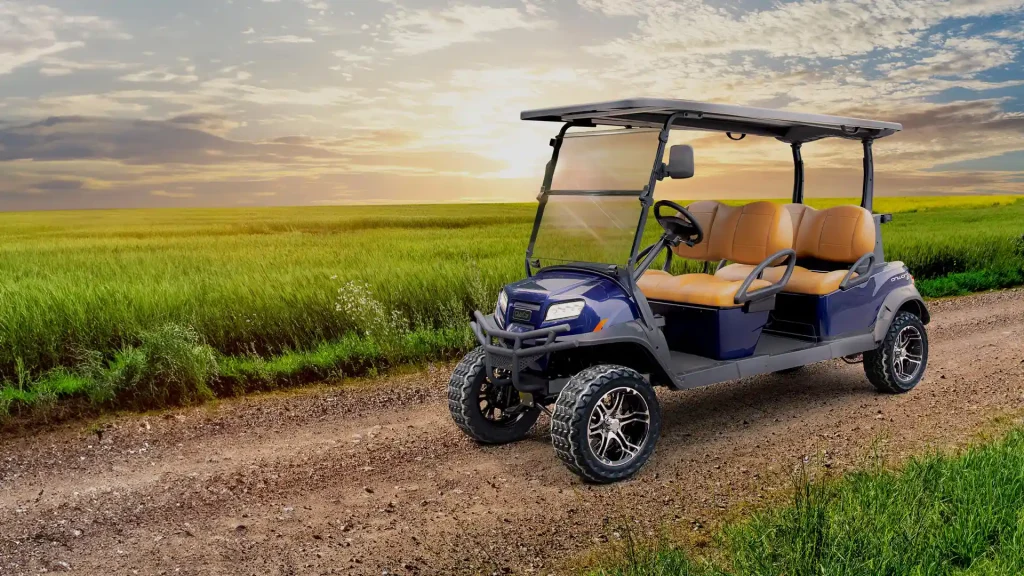
So the issue is not simply whether a golf cart can receive a Florida license plate. In fact, qualifying golf carts are specifically exempt from ordinary registration and plate requirements. The bigger issue is whether the road where the owner wants to drive it legally permits golf-cart operation.
That makes a modified golf cart particularly tricky. A larger motor, lifted suspension, upgraded seats, or additional lighting does not automatically transform it into a registered passenger vehicle.
5. High-Speed Golf Carts That Have Not Been Properly Converted
Florida’s treatment of golf carts is more complicated than simply saying they cannot be registered. In fact, this category is a good example of why the difference between a golf cart and a converted low-speed vehicle matters.
Under Florida law, a golf cart is a motor vehicle designed and manufactured for golf-course sporting or recreational use that is not capable of exceeding 20 miles per hour.
Qualifying golf carts can operate on certain designated roads without conventional vehicle registration because Florida specifically exempts them from the registration and license-plate requirements when they are operated under the applicable golf-cart statutes.
The problem begins when an owner modifies a golf cart and expects it to function like a regular automobile. Simply installing a faster motor, windshield, lights, mirrors, and other equipment does not mean the vehicle has automatically become a registered street vehicle.
Florida does provide a legal route for a converted golf cart to become a low-speed vehicle. FLHSMV states that before a converted golf cart can be titled and registered, it must be inspected, assigned a VIN, and made street legal.
The owner must provide documentation such as bills of sale for the conversion components, a builder statement, an affidavit concerning the modification, a certified weight slip, proof of insurance, and the required title and registration paperwork.
That process is important because it demonstrates that a modified golf cart does not simply receive a normal license plate. After all, the owner added equipment. It must satisfy the state’s requirements for its new classification.
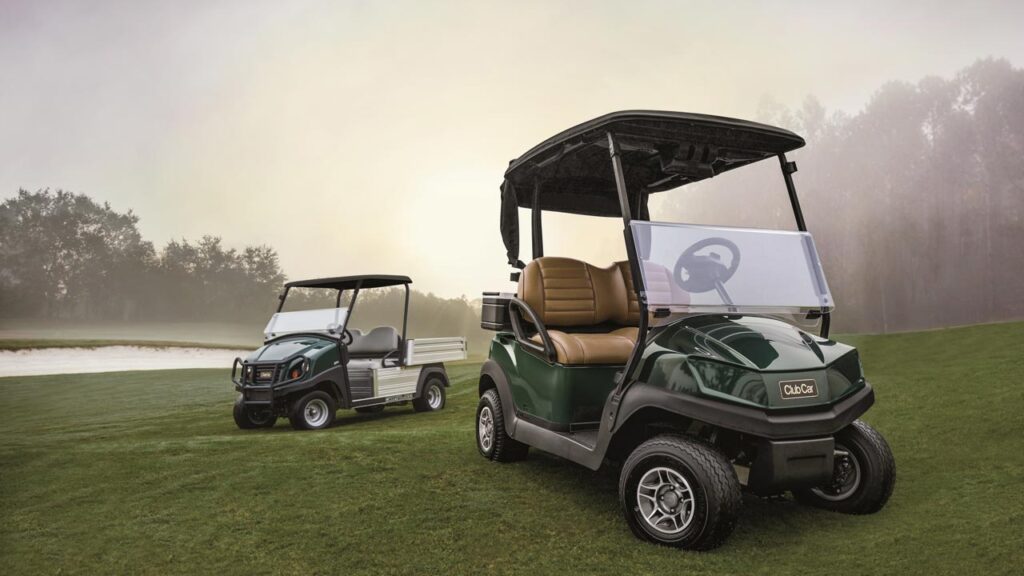
There is also a road-use limitation even for ordinary golf carts. Florida generally permits them only on public roads that have been specifically designated for golf-cart use, with additional requirements applying to certain state-road crossings and nighttime operation.
So, if a golf cart has been heavily modified but has not completed the required conversion and registration process, it should not be treated as an ordinary road-registered vehicle.
6. Off-Highway Vehicles With Only an Off-Highway Title
One of Florida’s biggest registration traps is assuming that a vehicle title and a road registration are the same thing. They are not.
Florida created a separate Off-Highway Vehicle Titling Act specifically for machines that fall into the state’s ATV, two-rider ATV, ROV, or off-highway motorcycle categories.
The law requires qualifying off-highway vehicles purchased by Florida residents after the applicable effective date to be titled, and it also requires titling for certain off-highway vehicles operated on Florida public lands.
That paperwork establishes ownership. It does not automatically authorize highway registration.
Florida’s statutory definition is particularly revealing. An “off-highway vehicle” is defined as an ATV, two-rider ATV, ROV, or OHM that is used off the state’s roads or highways and is not registered and licensed for highway use under Chapter 320.
The state’s current title application reinforces the distinction. FLHSMV’s official Form 82040 contains a dedicated section for selecting an off-highway vehicle type, including ATV, ROV, and OHM.
This matters when buying a used machine from another owner. A seller might legitimately hand over a Florida title and describe the vehicle as “titled in Florida.”
A buyer could interpret that statement as meaning the machine is ready to receive a normal license plate. That conclusion would be incorrect if the paperwork identifies the vehicle as an off-highway machine.
The distinction can become particularly important with ROVs because some are large, enclosed, and powerful enough to resemble small automobiles. Their physical sophistication does not erase the legal classification.

For buyers, the title should therefore be examined before purchase rather than after. If the document identifies the machine as an off-highway vehicle, the buyer should determine whether a separate legal pathway exists before assuming it can be registered for unrestricted road use.
Florida’s rules make an important distinction. Having legal ownership of a vehicle does not automatically mean that the vehicle is permitted to operate on public roads.
7. Two-Rider ATVs
Two-rider ATVs deserve their own place on this list because Florida does not simply treat every four-wheel recreational machine as a conventional motorcycle or automobile. The state specifically recognizes a two-rider ATV as an ATV designed by its manufacturer for one operator and one passenger.
That manufacturer designation is important because carrying a passenger on an ordinary single-rider ATV does not automatically turn it into a two-rider model.
Florida’s Off-Highway Vehicle Titling Act places two-rider ATVs inside the state’s off-highway vehicle framework.
The statutory definition of an off-highway vehicle includes ATVs, two-rider ATVs, recreational off-highway vehicles, and off-highway motorcycles when they are used off Florida roads or highways and are not registered and licensed for highway use under Chapter 320.
That distinction matters when someone sees a large recreational ATV with a passenger seat and assumes it can be registered like a motorcycle.
Florida’s official title application specifically provides separate selections for ATV, ROV, and OHM, showing that these machines are handled through the state’s off-highway titling system rather than simply being treated as conventional highway vehicles.
There is a limited roadway exception for ATVs, but it is much narrower than ordinary vehicle registration. Florida law generally prohibits ATV operation on public roads and streets while permitting daytime operation on certain unpaved roadways with posted speed limits below 35 miles per hour. Counties can also make specific decisions concerning those provisions.

Consequently, a two-rider ATV should not be purchased with the expectation that a title or added safety equipment will automatically produce a normal Florida license plate. Its intended use remains primarily off-highway, and its legal roadway privileges are governed by specific exceptions rather than unrestricted registration.
8. Off-Road Vehicles Built Exclusively for Public-Land Recreation
Some vehicles create confusion because they are sold as complete recreational machines rather than as unfinished projects. They can have a VIN, a manufacturer’s certificate of origin, and substantial safety equipment, yet still belong to an off-highway category that does not provide ordinary highway registration.
Florida’s legal framework specifically separates off-highway vehicles from vehicles registered and licensed for highway use. The state’s definition covers ATVs, two-rider ATVs, ROVs, and OHMs when they are used off roads or highways and are not registered under Chapter 320.
The distinction becomes particularly relevant when a vehicle is intended for Florida’s public recreational lands. Chapter 317 requires qualifying off-highway vehicles purchased by Florida residents to be titled, and vehicles owned by residents and operated on Florida public lands must also be titled under the Off-Highway Vehicle Titling Act.
The purpose of that title is to establish ownership, not to create unrestricted highway privileges.
Florida’s official paperwork makes this separation unusually clear. The state has a dedicated application for off-highway vehicle titles and identifies ATV, ROV, and OHM as separate vehicle types. The corresponding title-validation decal is also designed specifically for placement on these off-highway machines.
That means an owner should be careful when a seller describes an off-road machine as “titled in Florida.” The statement may be completely accurate while still telling you nothing about whether the machine can receive ordinary highway registration.
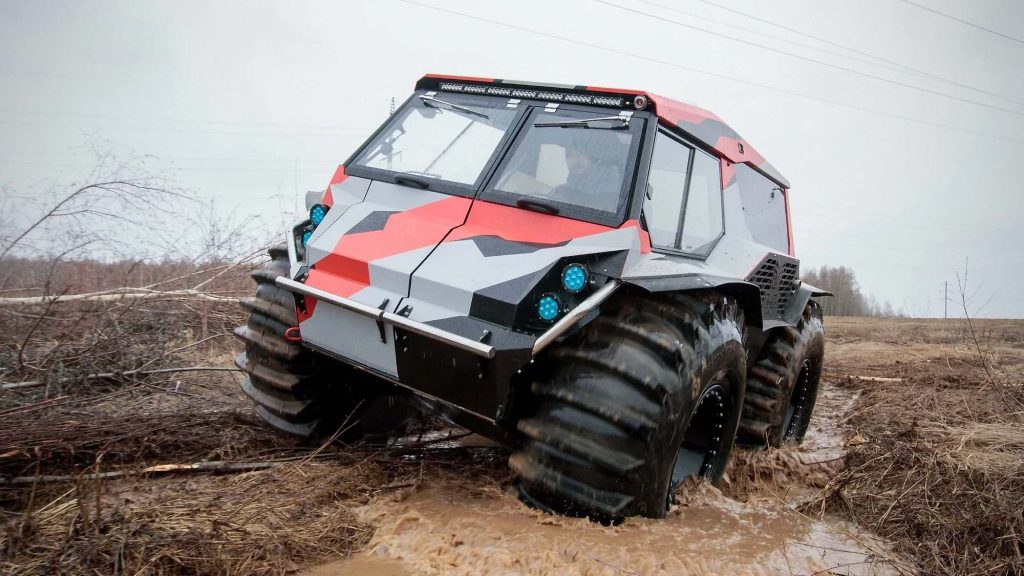
There is also a practical reason for keeping these categories separate. Florida’s public-land off-highway system is designed around recreational machines that are not ordinary highway vehicles. Treating a title as though it were a road-registration document can lead to an owner attempting to use the machine outside the legal conditions attached to its classification.
For buyers, the paperwork should therefore be checked before purchase. A vehicle intended exclusively for recreational off-highway use should not be assumed to become road legal merely because it has a VIN, title, or modern safety equipment.
9. Mini Trucks That Do Not Meet Florida’s Registration Requirements
Mini trucks are an interesting exception because Florida does allow certain models to be registered and driven on public roads. The problem is that not every imported minivan truck automatically qualifies.
Florida law recognizes a minivan as a specific vehicle category, and qualifying minivans can receive a license plate. However, the vehicle must satisfy the state’s legal definition and registration requirements.
Florida law also restricts mini trucks to roads with posted speed limits of 35 miles per hour or less, although they may cross roads with higher limits at intersections.
This becomes especially important with Japanese-market kei trucks imported into the United States. A vehicle may be legally imported and physically capable of operating on American roads while still requiring the correct Florida classification before it can be registered.
Florida requires a mini truck operated under this provision to be registered, insured, and titled. The vehicle also needs the required equipment applicable to its classification.
Therefore, simply possessing a foreign title, customs paperwork, or a VIN does not guarantee a Florida license plate. Registration depends on whether the particular vehicle satisfies Florida’s requirements.
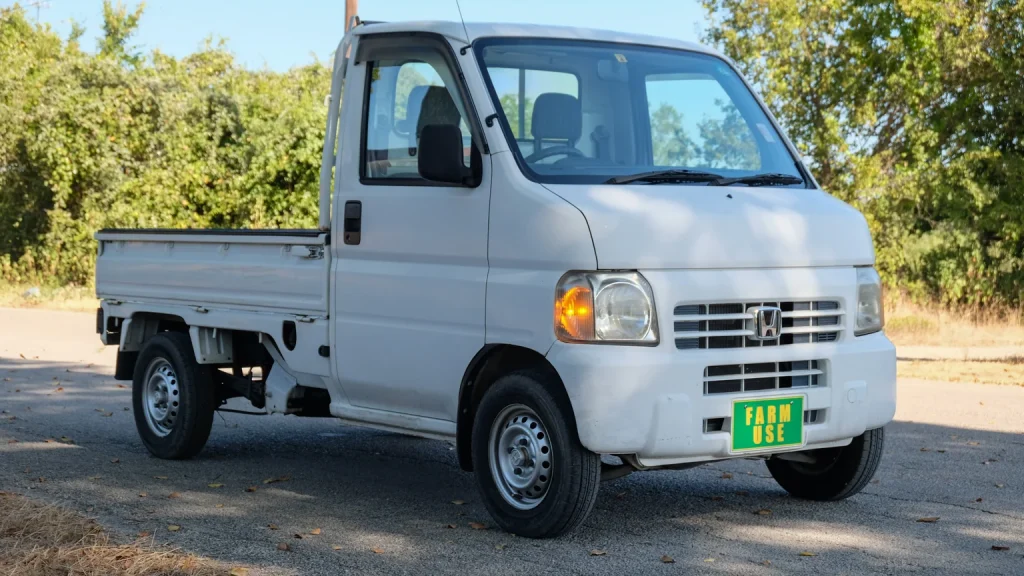
The situation is particularly relevant to older imported trucks because buyers sometimes assume that age alone makes a vehicle automatically acceptable for registration. It does not.
Before purchasing an imported mini truck, a Florida buyer should verify the vehicle’s documentation, classification, and eligibility with FLHSMV. Otherwise, an inexpensive-looking kei truck could become a vehicle that can be legally owned but cannot be registered for the intended road use.
10. Vehicles That Cannot Meet Florida’s Required Road Equipment
A vehicle can have a legitimate title and still fail to qualify for road registration if its design does not meet Florida’s applicable equipment requirements. This is particularly relevant when owners import unusual vehicles or attempt to convert recreational machines for highway use.
Florida’s rules for low-speed vehicles provide a useful example. A qualifying low-speed vehicle must have headlamps, stop lamps, turn signals, taillamps, reflectors, a parking brake, rearview mirrors, a windshield, seat belts, and a vehicle identification number. It must also be titled, registered, and insured.
That means a vehicle cannot simply be declared street legal by its owner. The necessary equipment and documentation must satisfy the applicable requirements.
Florida also gives local governments authority to prohibit low-speed vehicles and mini trucks from roads under their jurisdiction when officials determine that restrictions are necessary for safety. The Florida Department of Transportation has similar authority concerning roads under its jurisdiction.
Golf-cart conversions demonstrate the same principle from another angle. FLHSMV states that a golf cart itself is not allowed to be titled or registered, but a completed conversion may qualify as a low-speed vehicle if the required inspection, documentation, and conversion process are completed.
So a vehicle missing mandatory road equipment is not necessarily hopeless, but it cannot simply receive a normal plate because an owner wants to use it on public streets. The vehicle must first fit an eligible legal category and satisfy the relevant requirements.
For unusual imports, heavily modified recreational vehicles, and home-built conversions, checking those requirements before purchase can prevent a major registration problem.