
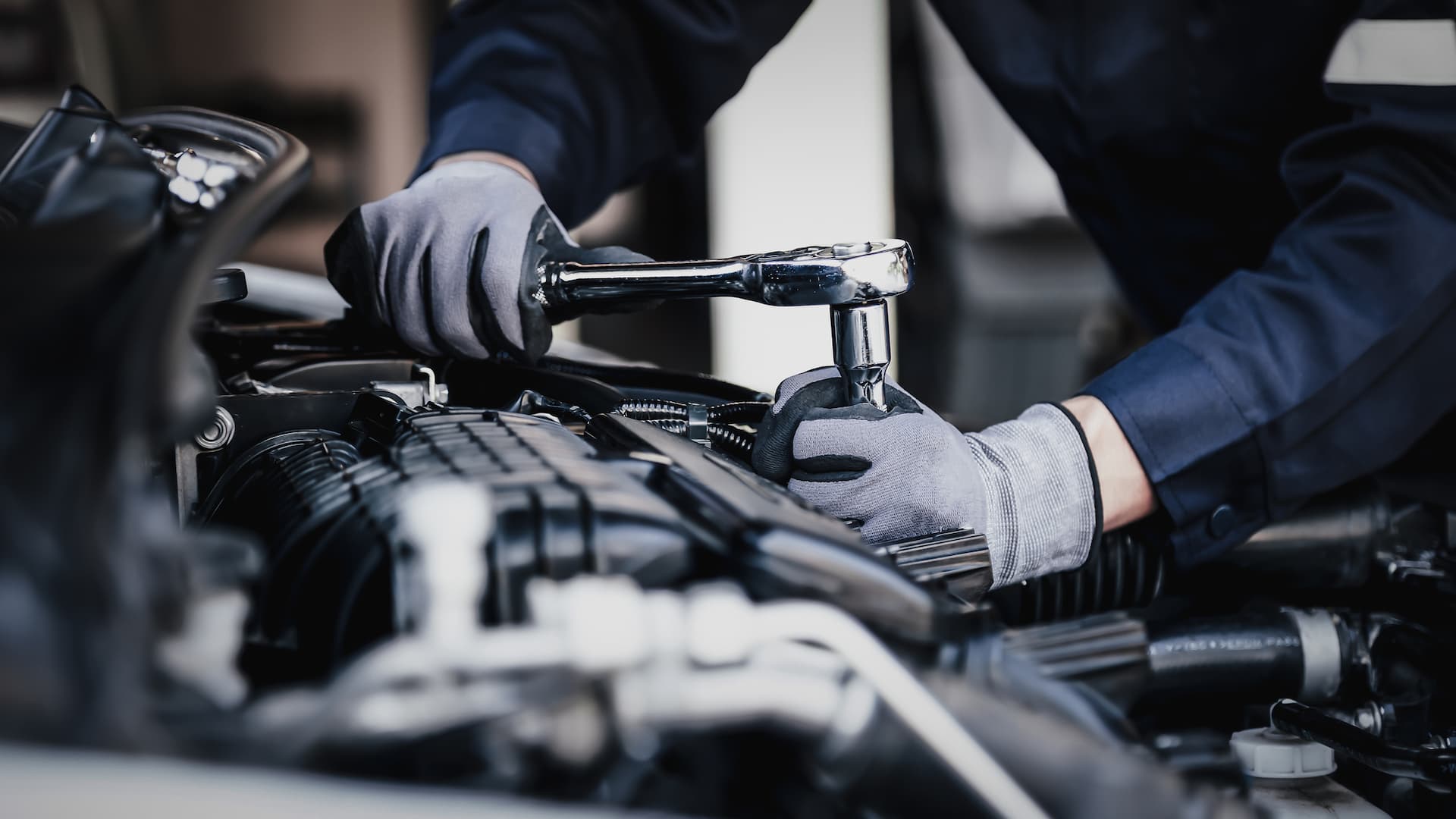
I’ve been under more hoods than I can count. Twenty-two years, three shops, one guy who still calls me “kid.” Here’s the truth nobody in this trade likes saying out loud. Some quotes are honest mistakes. Others are pure padding.
AAA’s own data says the average unexpected repair runs $500 to $600. That number climbs fast when a shop adds “recommended” work you never asked about.
I’m not here to trash every mechanic. Most of us are straight shooters trying to pay rent too. But I’ve seen enough invoices to know the patterns. The same ten phrases show up again and again, usually right before the total triples.
So this list is for you. Not to make you paranoid, just informed enough to ask the right follow-up question. Every number here comes from industry cost data from RepairPal, AAA, CarMD, and manufacturer service intervals. No guesswork, no scare tactics, just what the numbers actually show. Print this out if you want. Keep it in the glove box next to the registration.
1. “You need a full brake job, pads, rotors, and calipers.”
This is one of the most common claims I come across. RepairPal estimates that replacing brake pads alone typically costs around $150 to $300 per axle. If the rotors also need to be replaced, the total can rise to roughly $250 to $650.
Caliper replacement is a much more expensive job. Replacing a single caliper can cost anywhere from $300 to $800 per side. The good news is that calipers usually do not need to be replaced as often as brake pads. In many cases, they can last through two or even three sets of brake pads before they require attention.
If your rotors aren’t warped or scored below spec, they don’t need replacing. A machine shop can resurface them for a fraction of new-part cost. Ask for the actual rotor thickness measurement. Every rotor has a minimum spec stamped or cast into it.
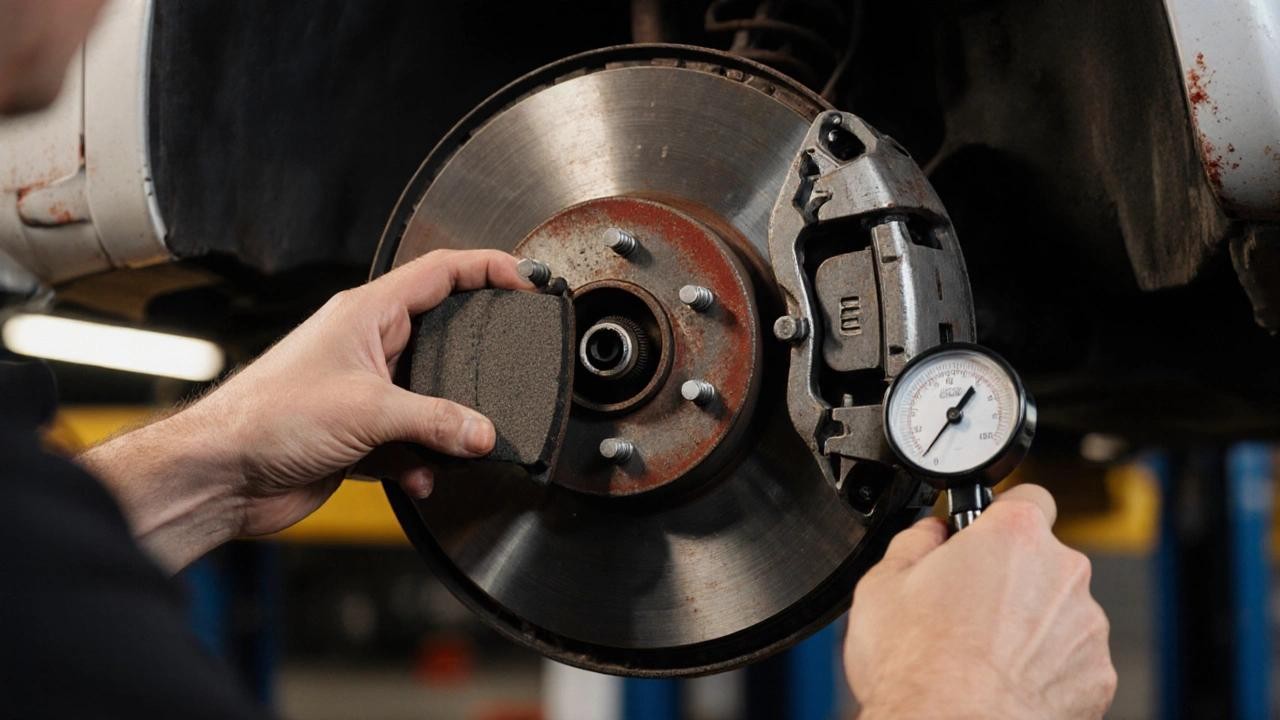
If the number’s above minimum, you don’t need new rotors. Full stop, that’s not opinion, that’s the manufacturer’s own tolerance. Calipers get added because they’re profitable and hard to argue with visually. A little surface rust looks scary to someone who doesn’t know brakes.
But surface rust isn’t failure. Seized pistons are failure, and that’s a specific, testable condition. Ask the shop to show you the piston not moving freely.
Any legit tech can demonstrate that in thirty seconds. If they can’t show you, you probably don’t need that caliper. Get a second quote before you approve three-figure guesswork.
2. “Your transmission needs to be replaced.”
This phrase alone can add $3,000 to $5,000 to a bill. That’s according to RepairPal’s national averages for transmission replacement. But most transmission complaints aren’t total failures. They’re fluid, sensor, or solenoid issues first.
A transmission fluid flush runs $150 to $250 on average. A solenoid pack replacement is usually $300 to $900. Compare that to a full rebuild or replacement. The gap is enormous, and shops know it.
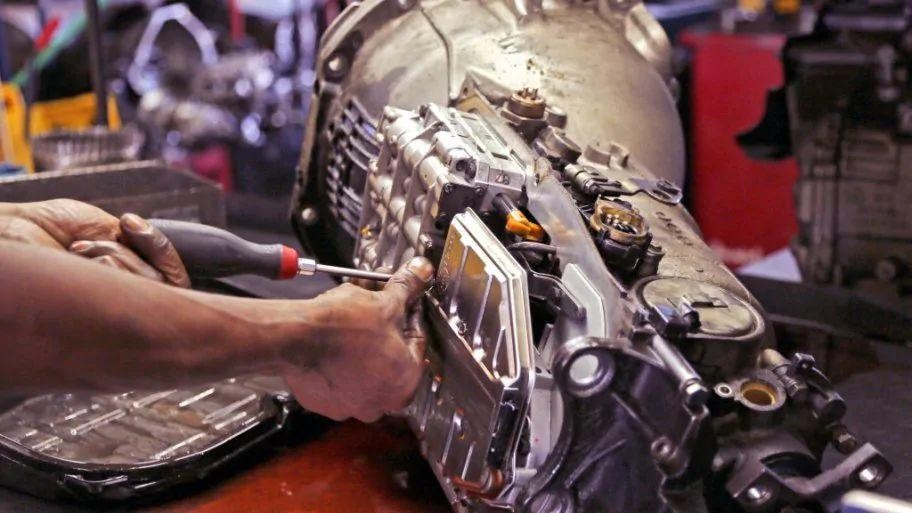
Modern automatics are computer-controlled. Codes stored in the TCM (transmission control module) point to specific failures. Ask for the actual diagnostic trouble code, not just “transmission trouble.” A code like P0740 means torque converter clutch, not a dead gearbox.
If the shop can’t give you a code, that’s a red flag. Real diagnosis leaves a paper trail. Also ask when the fluid was last changed. Neglected fluid causes symptoms that mimic internal damage.
Burnt, dark fluid with a rotten smell often means damage is already done. Clean fluid with slipping symptoms often means it’s fixable. A $5,000 quote deserves a second scan tool reading elsewhere. Ten minutes and often free at a competing shop.
3. “Check engine light means you need a new catalytic converter.”
Catalytic converters aren’t cheap. Average replacement runs $945 to $2,475 according to RepairPal. That’s a huge range, and a huge incentive to upsell. But converter codes (P0420, P0430) don’t always mean the converter itself.
These codes measure efficiency between two oxygen sensors. A failing upstream O2 sensor can trigger the exact same code. An oxygen sensor replacement runs $200 to $300 typically. That’s a tenth of the converter cost.
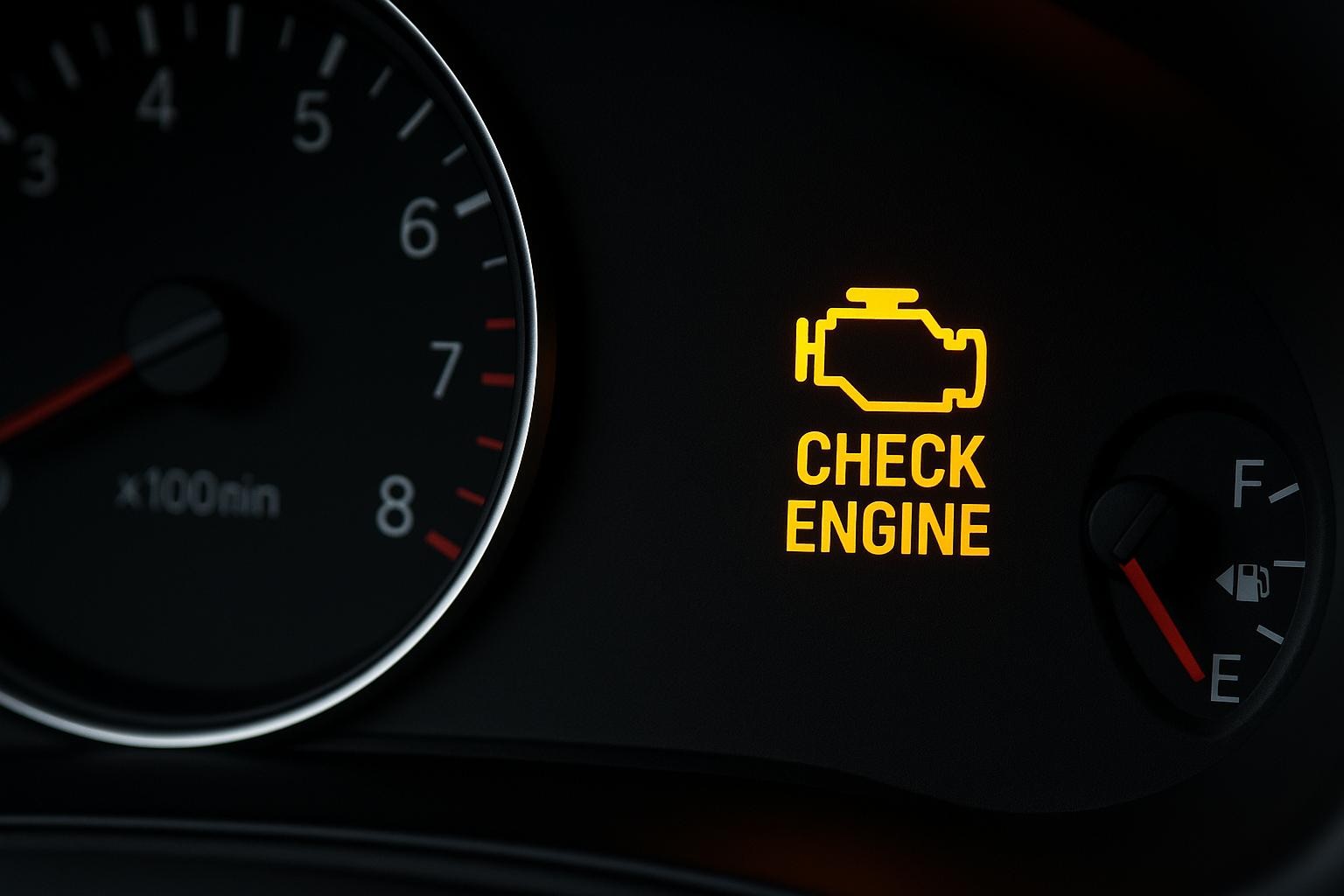
Ask which sensor readings triggered the code. A tech reading live data can tell converter efficiency from sensor drift. Also ask about recent driving patterns. Short trips and cold starts can trigger false catalyst codes without real damage.
Converters can get falsely blamed after an unrelated misfire too. Unburned fuel cooks the catalyst and throws secondary codes. If there’s a misfire code alongside the catalyst code, fix the misfire first. Clear the codes, drive it, see if the catalyst code returns.
Converters are also federally warrantied for 8 years or 80,000 miles on most vehicles. Check your paperwork before paying out of pocket. That single fact alone can save thousands. Manufacturers don’t advertise it, but the EPA mandate is real.
4. “You need a full engine flush every oil change.”
Quick lube chains love this one. It’s pure margin, almost no cost to them. Modern full-synthetic oils are engineered for 7,500 to 10,000 mile intervals. That’s per most manufacturer specs, not the old 3,000-mile myth.
An engine flush service typically adds $100 to $150 to your bill. Most vehicles never need it under normal use. Flushes exist for specific situations. Sludge buildup from years of neglect, or after a major internal repair.
If you’ve followed your maintenance schedule, sludge isn’t building up. Fresh oil already carries away normal combustion byproducts. Oil analysis data backs this up consistently. Regularly serviced engines show clean bearings and minimal deposits at teardown.
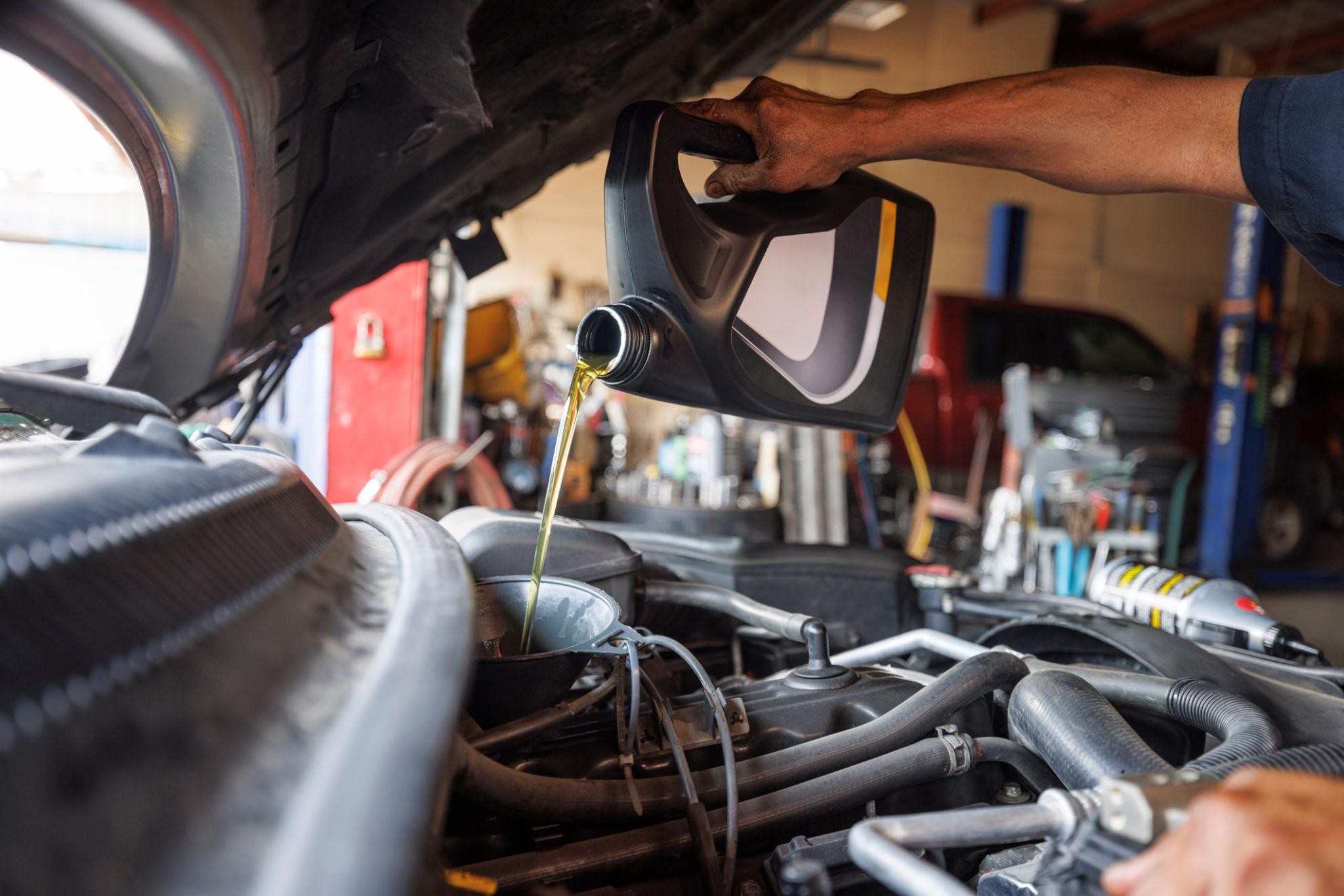
Ask when your last three oil changes happened. If they’re on schedule, decline the flush politely. If you genuinely missed changes for a year or two, it’s a different conversation. Then flush service has real justification behind it.
Check your owner’s manual maintenance schedule. It lists exactly what’s needed and when, no upsell required. That booklet is the single best tool against unnecessary quotes. Most people never open it after the day they bought the car.
5. “AC not cooling means you need a full compressor replacement.”
AC repairs scare people because summer heat makes it urgent. That urgency gets exploited more than almost any other system. A full AC compressor replacement runs $500 to $1,900 per RepairPal data. But the compressor is often not the problem.
Roughly 80% of AC complaints trace back to refrigerant leaks, per industry service data. A simple recharge with dye runs $150 to $300. Leaks usually come from O-rings, hoses, or the condenser. Small parts, small labor, nowhere near compressor money.
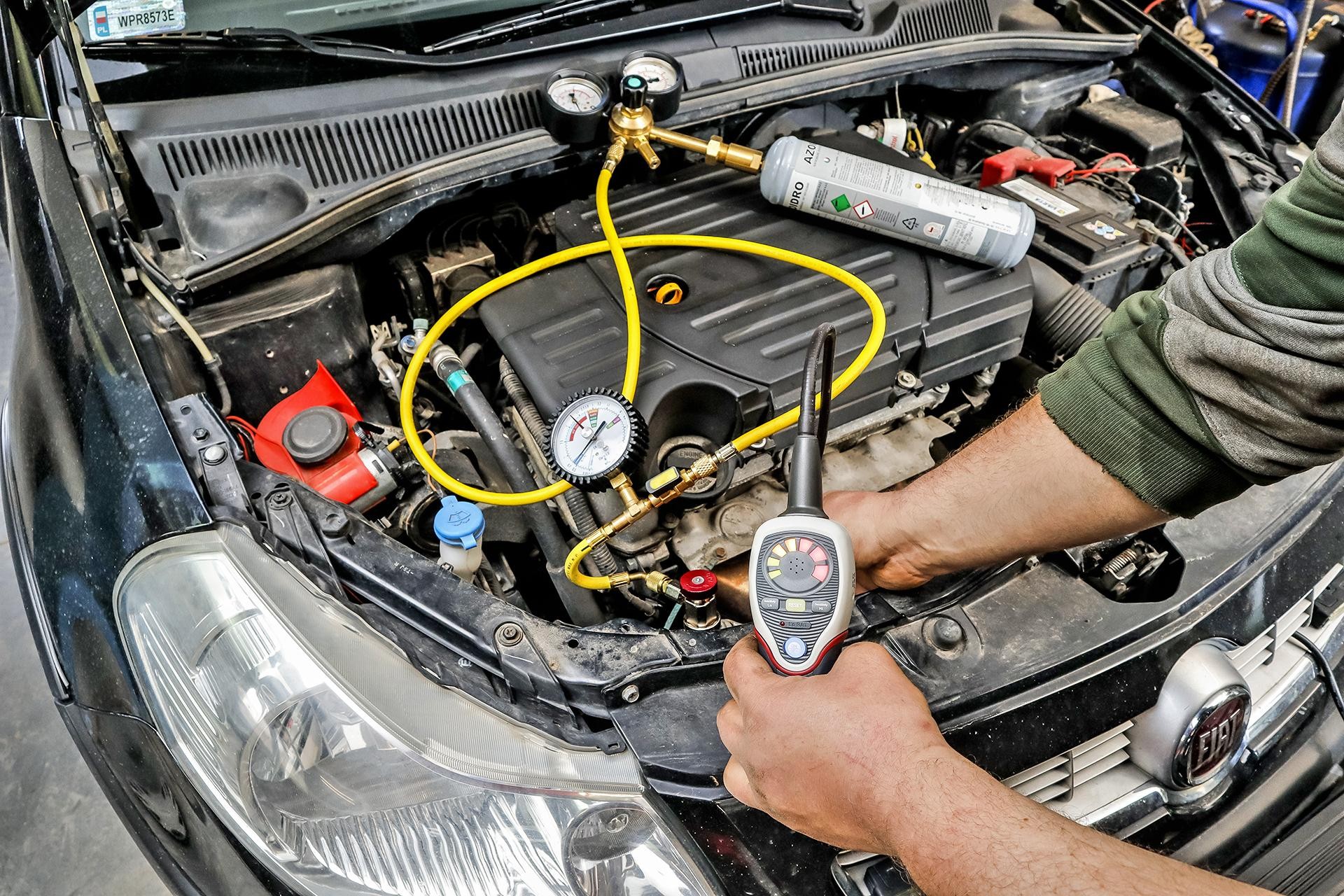
Ask for a leak test result before agreeing to compressor work. UV dye and a leak detector wand should show exactly where it’s escaping. If the compressor clutch isn’t engaging at all, that’s different. That’s an electrical or genuine compressor failure.
Ask them to test clutch engagement with a multimeter. It’s a two-minute check, not a guess. Also ask if the system held vacuum during evacuation. A system that won’t hold vacuum has a real leak, period. If it holds vacuum fine, you likely just needed refrigerant. Don’t let heat-of-the-moment panic buy you a $1,500 part you didn’t need.
6. “Timing belt replacement means you also need the water pump, all seals, and tensioners.”
This one has real logic behind part of it. Labor to access the timing belt is intensive, often 4 to 8 hours. Manufacturers do recommend replacing the water pump during timing belt service. It’s driven by the same belt in many engines, so that part’s legitimate.
Average combined timing belt and water pump service runs $500 to $1,200. That’s per RepairPal’s aggregated shop data. Where it gets padded is the seal list. Some shops add every seal in the front cover “while we’re in there.”
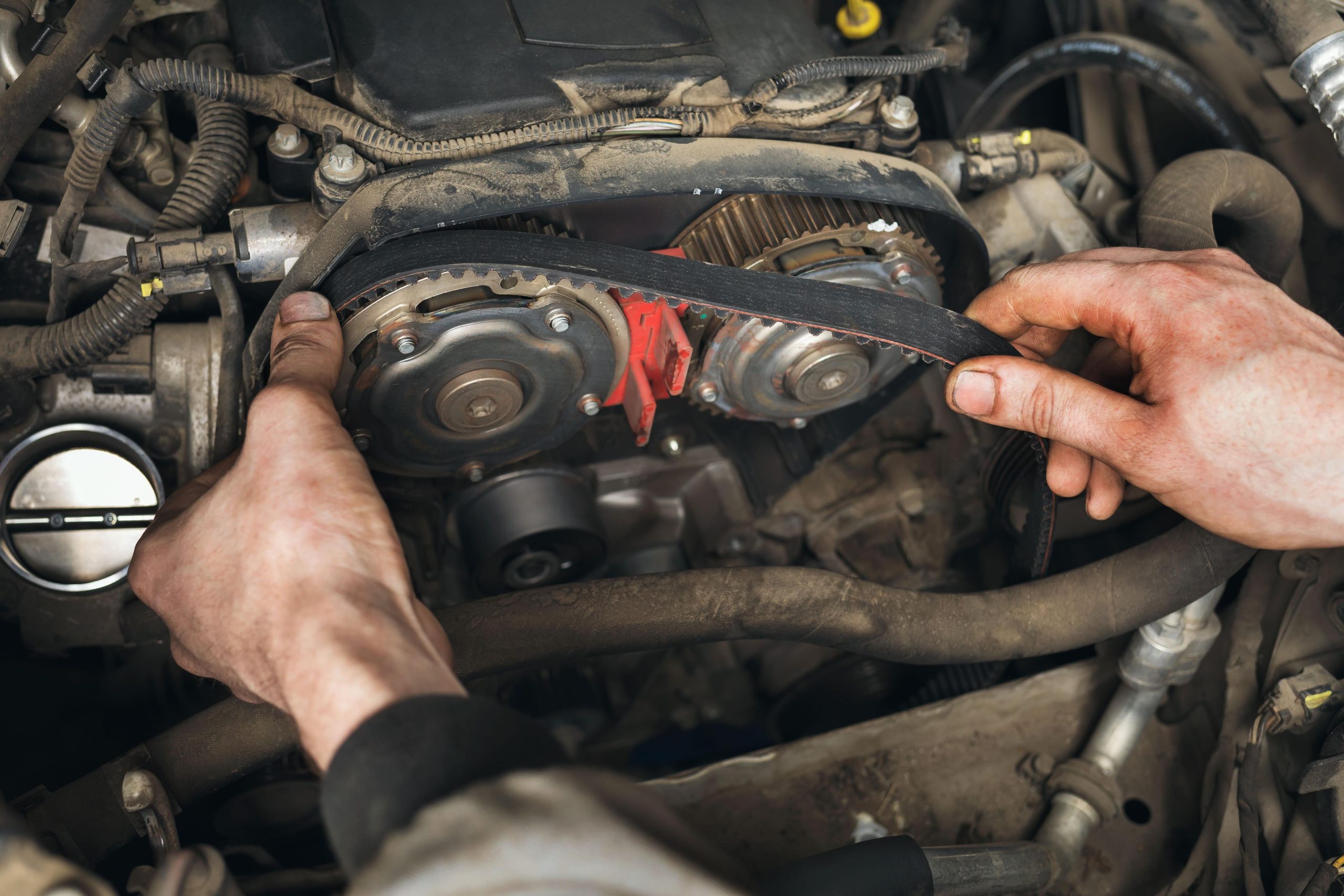
Ask specifically which seals are actually leaking right now. Camshaft and crankshaft seals should show visible oil residue if failing. If there’s no leak evidence, you’re paying preventive money for guesswork. That’s a legitimate add-on only if you choose it, not if it’s assumed.
Tensioners are usually worth replacing alongside the belt. They’re inexpensive compared to labor and do wear on the same schedule. Ask for itemized pricing, not a bundled number.
A shop confident in their work will break it down without hesitation. If everything’s lumped into one flat “timing belt kit” price with no itemization, ask why. Legitimate shops can separate parts and labor on request, always.
7. “Your battery’s weak, so you probably need a new alternator too.”
Batteries and alternators get bundled constantly. It sounds logical, but it’s often unnecessary. A battery replacement averages $150 to $300 installed. An alternator replacement averages $500 to $1,000.
That’s a massive gap for a bundle assumption. Testing separates the two in under ten minutes. A load test on the battery shows its actual capacity. An alternator output test with a multimeter shows charging voltage under load.
Healthy alternators put out roughly 13.5 to 14.5 volts running. If that number’s in range, the alternator’s fine. Ask to see both test results on paper. Numbers, not a shrug and “better replace both to be safe.”
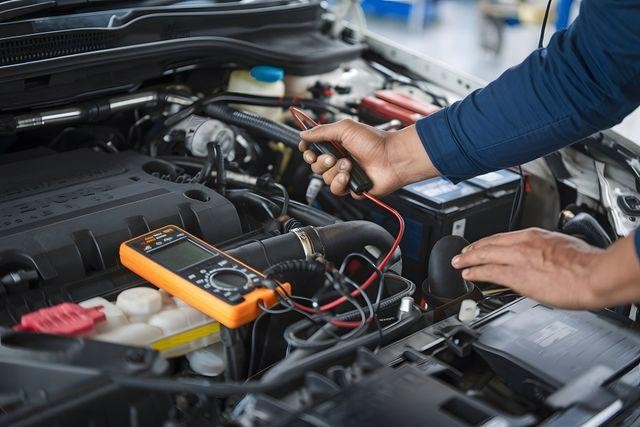
Cold weather kills batteries disproportionately. Battery capacity drops significantly below freezing, per battery manufacturer data (roughly 35% capacity loss around 32°F). That means a battery can die from cold alone.
The alternator was never the problem in the first place. If your alternator was working fine last month, ask what changed. Sudden bundled failures without symptoms should raise your eyebrow. Insist on separate test printouts before approving both replacements. It’s a five-minute request that can save five hundred dollars.
8. “You need fuel injector cleaning at every service visit.”
This is a subscription-style upsell. It shows up on nearly every routine service menu now. A fuel injector cleaning service runs $50 to $150 typically. Modern fuel with detergent additives already reduces injector fouling significantly.
Most automakers do not include fuel injector cleaning as part of their regular maintenance schedule. Take a look at your vehicle’s recommended service intervals, and you will likely find that injector cleaning is not listed.
Dirty injectors can cause noticeable problems, but the symptoms are usually fairly clear. You may experience a rough idle, hesitation when accelerating, and poorer fuel economy. When these issues appear together, they may point to a genuine injector problem rather than a service your vehicle simply needs because of its mileage.
If you aren’t experiencing those symptoms, there’s no diagnostic reason for the service. It’s being sold as prevention, not correction. Ask what specific symptom prompted the recommendation. “It’s just good maintenance” isn’t a diagnosis. It’s a sales line.
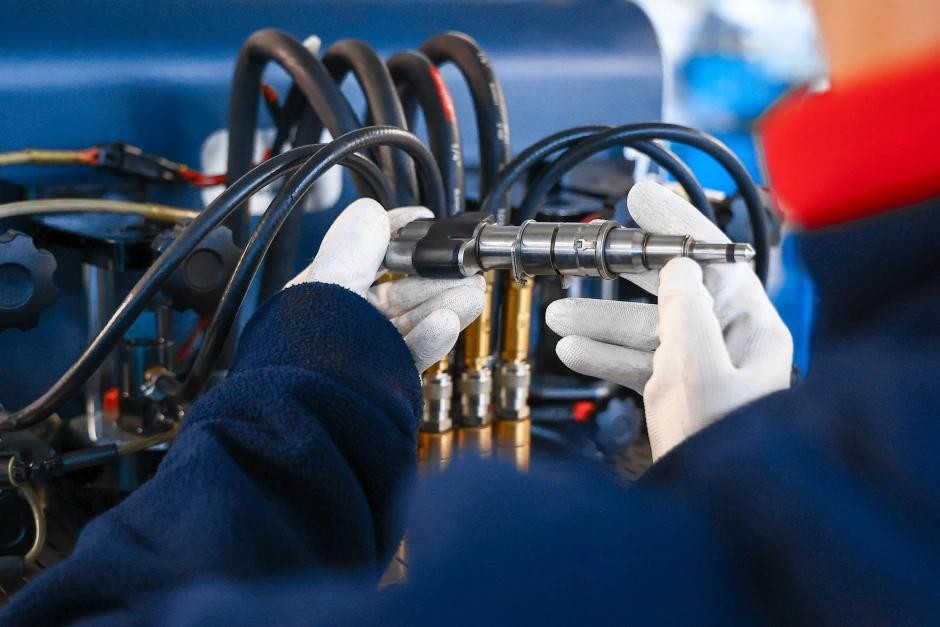
Fuel system data from injector manufacturers shows modern injectors rarely clog under normal gasoline use. Ethanol blends and quality fuel keep deposits minimal in most regions.
If you consistently use bottom-tier gas stations, it’s slightly more relevant. Top-tier detergent gasoline already includes cleaning additives per EPA-adjacent industry standards.
A bottle of fuel system cleaner from the parts store costs under $15. That often does the same job as the $100 shop service. Ask if they can show injector spray pattern test results. If not, this is a routine upsell, not a repair.
9. “Wheel bearing noise means you need the full axle assembly replaced.”
Wheel bearing noise is genuinely unnerving. A humming or grinding sound that changes with speed and turns. A wheel bearing replacement alone runs $200 to $400 per corner, typically. A full axle assembly replacement runs $400 to $800 or more.
On many modern vehicles, the bearing is a separate, replaceable hub unit. It doesn’t require pulling the entire axle shaft. Axle replacement is only necessary if the CV joint itself is damaged. That’s a torn boot, visible grease slinging, or clicking on turns.
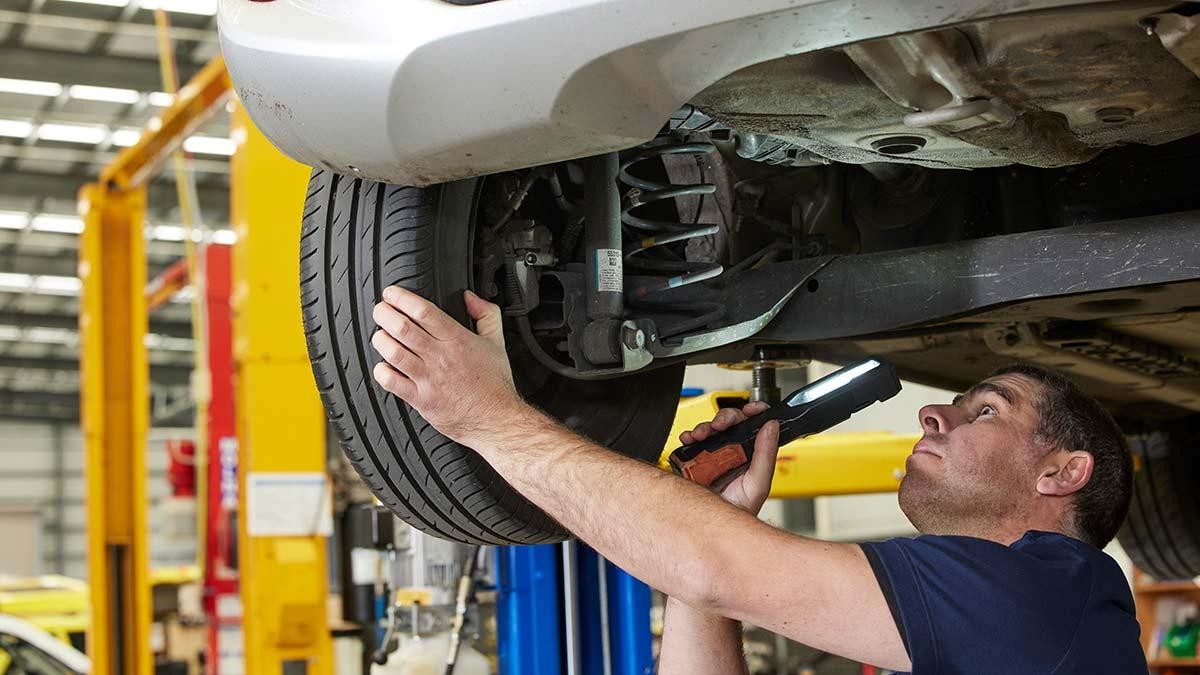
Ask if they found a torn CV boot during inspection. That’s a visible, photographable defect, not a guess. If the noise is purely a bearing hum with no clicking, it’s usually just the bearing. A tech can isolate this with a simple road test and jack test.
The jack test is straightforward. Wheel off the ground, grab it at 12 and 6 o’clock, check for play. Ask them to show you that play in person. If there’s genuine movement, the bearing diagnosis holds up.
If they just point at “noise” without demonstrating play, get another opinion. A five-minute demonstration should always back up a few-hundred-dollar repair.
10. “All four struts need replacing, even though only one side feels off.”
Suspension quotes love symmetry. “Might as well do all four while we’re in there” is the pitch. A single strut replacement runs $150 to $400 per corner including labor. All four at once easily crosses $1,000 to $1,600.
Manufacturers don’t require symmetrical replacement unless mileage genuinely warrants it. Struts typically last 50,000 to 100,000 miles under normal driving.
If you’re only feeling a clunk on one side, test each corner individually. A bounce test isolates which strut is actually failing. Push down hard on each corner, release, and count the bounces. More than one or two bounces before settling signals a worn strut.
Ask the shop to walk you through this test corner by corner. It takes two minutes and gives you real data, not a blanket recommendation. If only one side fails the bounce test, you likely only need that one. Some techs recommend replacing pairs (both fronts, or both rears) for even handling.
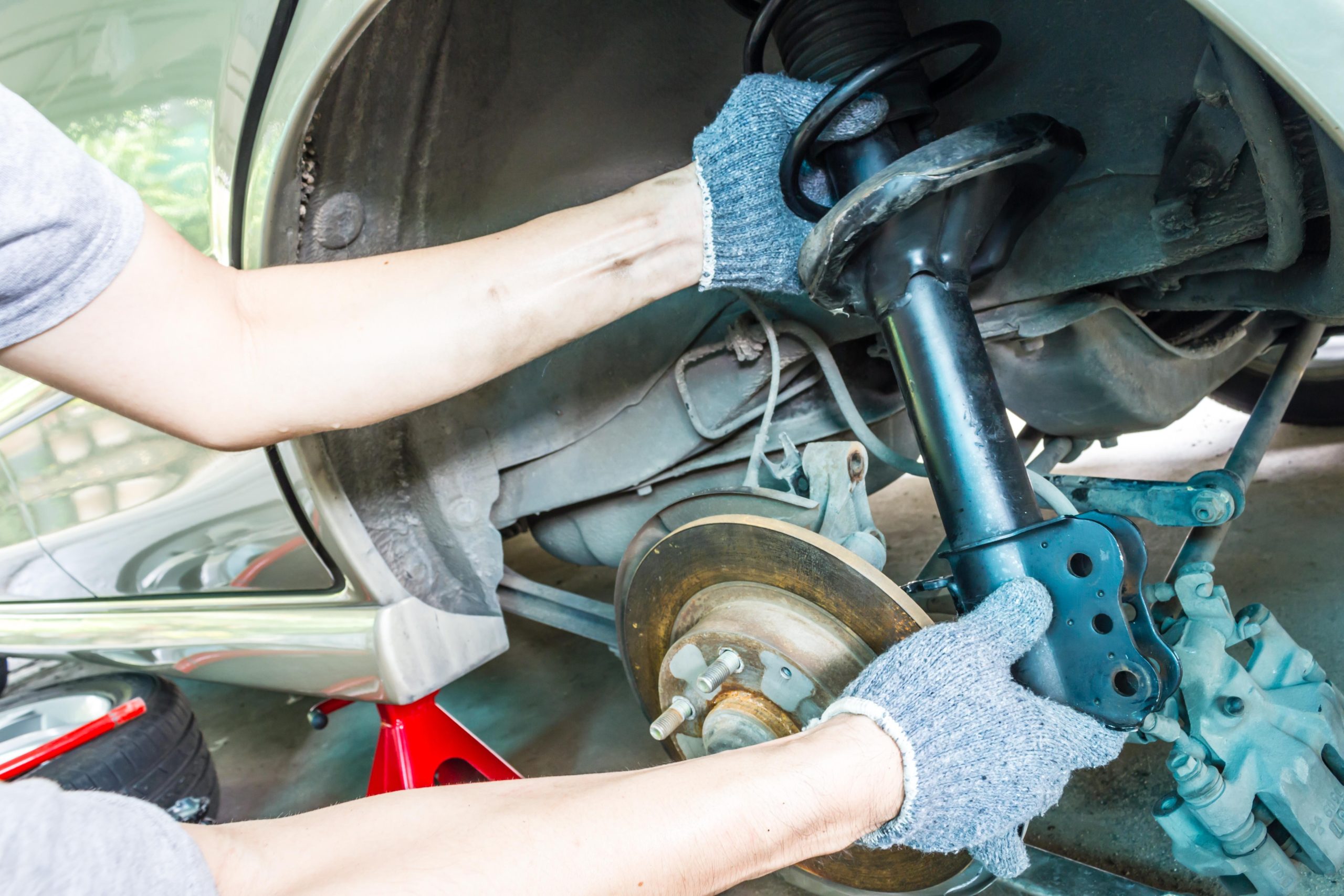
That’s reasonable, backed by handling balance principles, not sales pressure. Replacing all four when only one side shows wear usually isn’t. Ask for individual inspection notes per corner. A real inspection report lists each wheel separately, not one lumped verdict.
If the paperwork says “all four worn” with identical language for each, that’s suspicious. Real wear patterns vary corner to corner, almost never identically.
That’s the list. Ten phrases, ten reasons to pause before signing. None of this means don’t trust mechanics. Most of us got into this because we actually like fixing things.
It means ask for the number behind the recommendation. A code, a measurement, a test result, a photo. Real diagnosis always leaves evidence. Guesswork dressed as caution usually doesn’t. Get a second opinion when the quote feels bigger than the symptom. Your gut is usually right more often than you think.
