
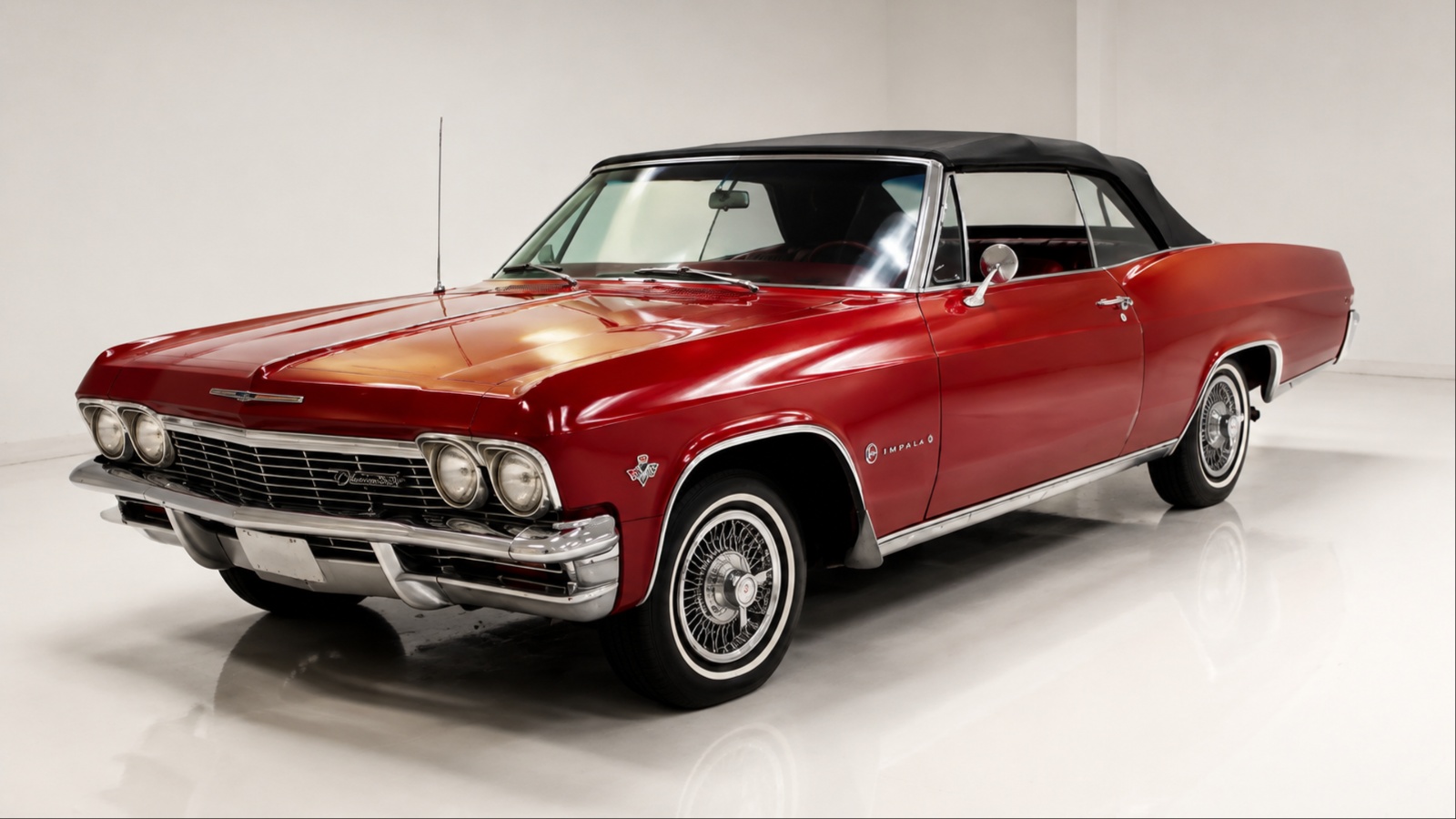
In 1965, Chevrolet achieved something no single car nameplate had ever done in American history. The Impala crossed the one-million-unit sales mark in a single model year.
This was not a minor milestone. It was an industry-defining event that reshaped how automakers measured success. The Impala had existed since 1958, originally as a Bel Air trim variant. By 1965, it had grown into Chevrolet’s flagship full-size model.
That year, the nameplate entered its fourth generation with a complete redesign. New styling, new engineering, and new trim strategy all converged at once.
Total Impala production for 1965 reached approximately 1,046,500 units, making up 11.6 percent of the 8,962,724 vehicles produced by all U.S. automakers that year.
Other sources place the figure slightly higher. Some accounts put full-year 1965 Impala sales at 1,074,925 units, a number still recognized as the top of all-time best-selling nameplates in American history.
The variance between figures comes down to methodology. Calendar-year sales counts differ from model-year production counts, which explains the small gaps between 1.04 and 1.07 million. Regardless of the exact tally, every source agrees on one thing. No other single car model has matched this feat before or since.
This article walks through how that record came to be, backed by verified production and sales data. It covers design changes, engine lineups, competitive context, and the lasting legacy of that single extraordinary year.
The Numbers Behind the Record
Chevrolet sold approximately 1,046,514 Impalas in 1965, setting a single-year sales record for one nameplate in the U.S. market. That number dwarfed every rival on the market at the time. It was not even close to a competitive race.
Ford’s Mustang, often assumed to be the top seller of 1965, actually had a production run of only 680,989 units that year. The Mustang was a cultural phenomenon. But it still fell nearly 400,000 units short of the Impala’s total.
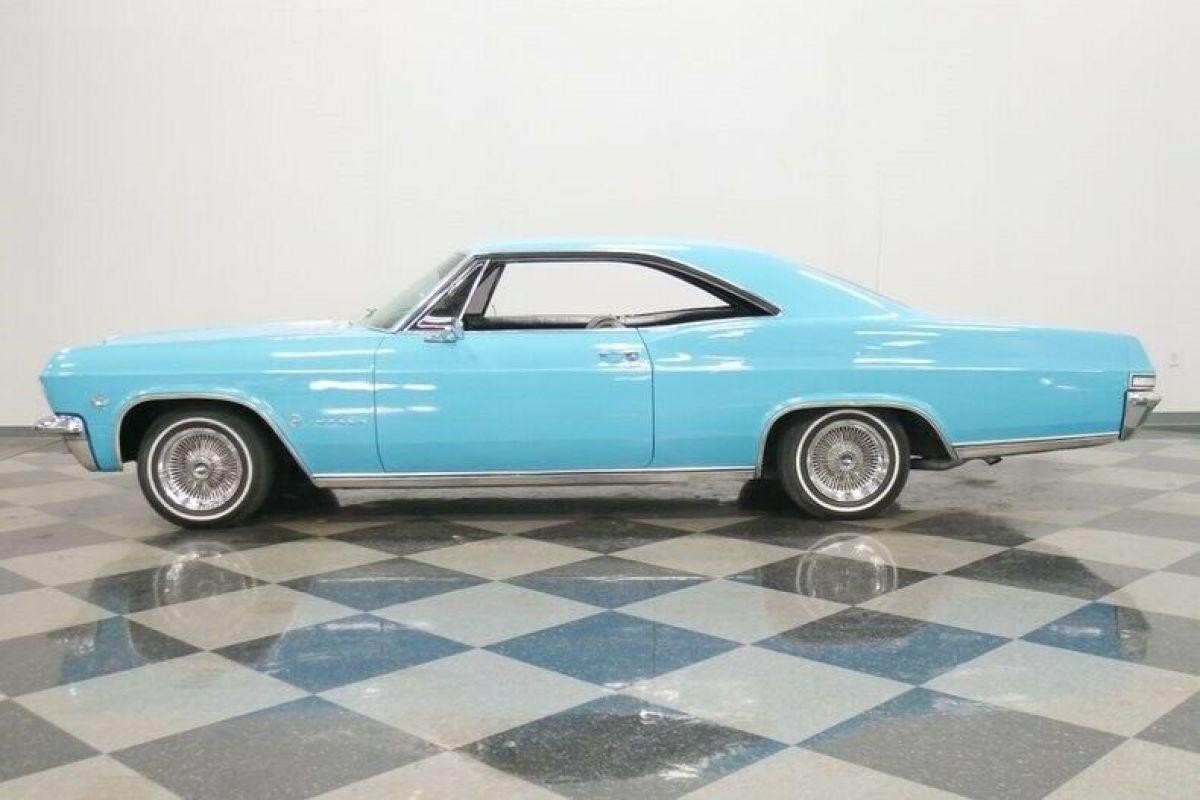
Chevrolet’s total company-wide production for 1965 was 2.38 million vehicles. That means the Impala alone accounted for close to half of everything Chevrolet built.
Different tallies produce slightly different splits between calendar-year retail sales and model-year factory production. Even the more conservative figures still place the Impala well above any rival nameplate.
A Record That Still Stands
More than six decades later, no single car model has repeated this achievement. The 1965 Impala became the first car to sell more than a million units in a single year in the U.S., and that record has not been beaten.
This is remarkable given how much larger the American car market has become since then. Total vehicle sales in the U.S. today dwarf 1965 figures.
Yet no individual nameplate, from any manufacturer, has repeated the Impala’s single-model dominance. Modern vehicle lineups are far more fragmented, spread across trims, crossovers, and electric variants.
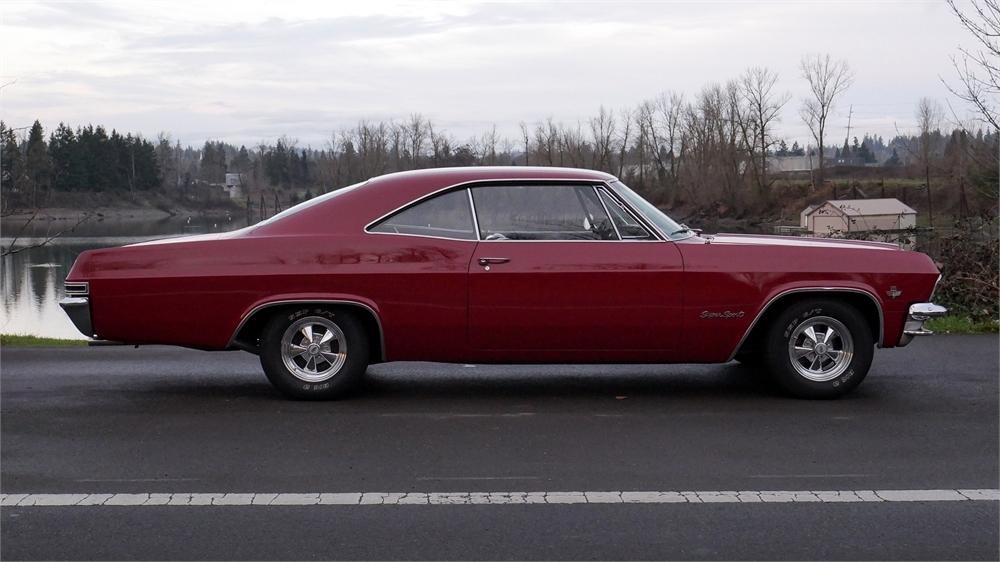
Chevrolet Impala’s fourth-generation redesign set an all-time industry annual sales record of more than 1 million units in the United States, a mark that has never been bettered.
Comparisons to other historic production milestones put the achievement in perspective. The 1.04 million Impala total actually eclipses total Ford F-150 production for the year 2017 by more than 150,000 units.
But among that elite group, the Impala holds one distinction no other car shares. It is the only model to repeat the million-unit mark two years running, doing it again in 1966.
Why 1965 Was a Turning Point
The 1965 model year marked the start of the Impala’s fourth generation. This was not a minor facelift but a ground-up reengineering of the platform.
All-new full-size Chevrolets abandoned the older “X” frame in favor of a full-width perimeter frame. This structural shift improved rigidity and ride quality.
The new body introduced curved, frameless side glass on pillarless models, along with a more sharply angled windshield and reshaped vent windows. The look was sleeker than anything Chevrolet had offered before.
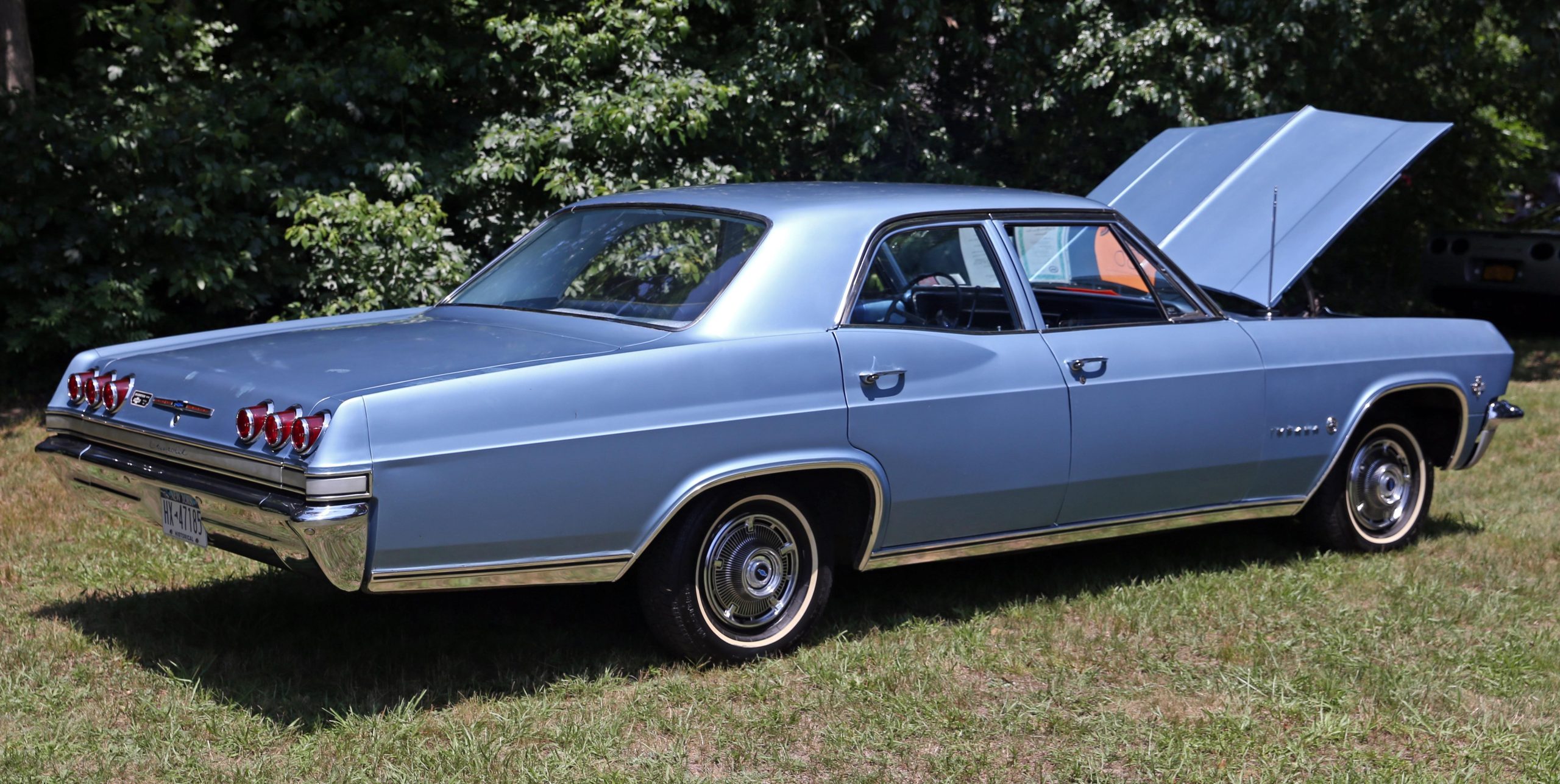
A redesigned full-coil suspension replaced older setups across the lineup. This gave the big Chevrolet a noticeably smoother ride than its 1964 predecessor.
Chevrolet delivered exactly that at exactly the right moment. The redesign landed with the broader public in a way few automotive updates ever do.
Engine Options Across the Lineup
The standard Impala range in 1965 offered buyers considerable flexibility in engine choice. Chevrolet offered ten distinct engine options that year, with the 409 standing as the most powerful available choice.
The heart of many 1965 Impala models was the 327 cubic-inch Turbo-Fire V8 engine. This engine struck a balance between performance and everyday drivability.
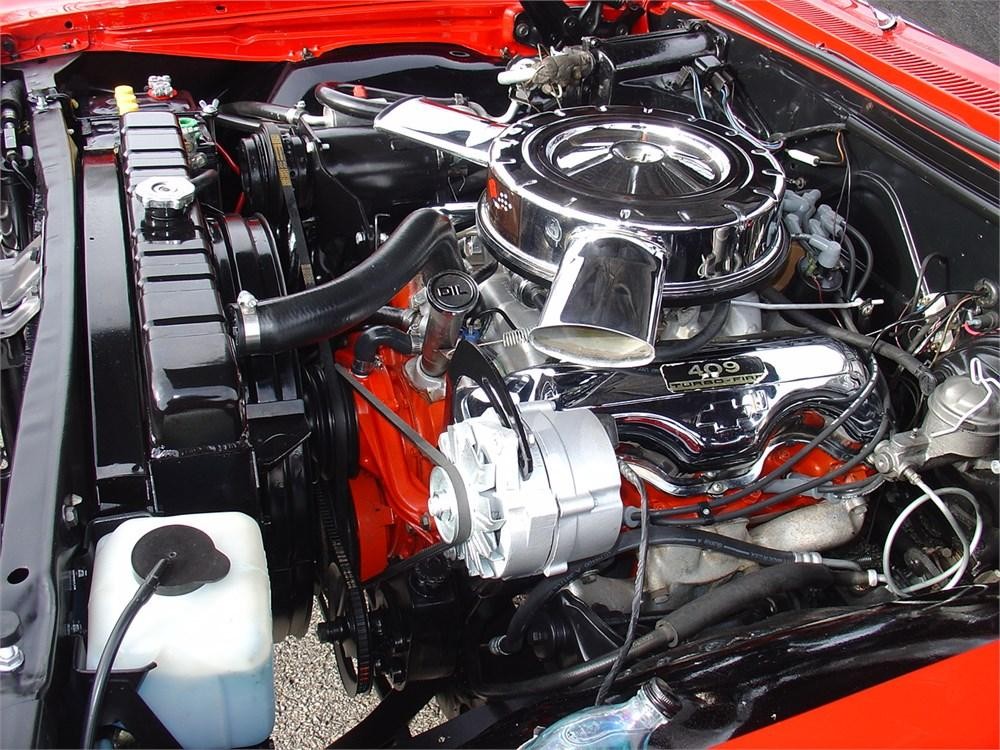
Base models often came equipped with smaller displacement engines for buyers prioritizing economy. The 283 cubic-inch V8 remained a popular choice, often paired with the Powerglide automatic transmission.
A performance-minded buyer, meanwhile, could step up through the 327, into the 396, or all the way to the fearsome 409. Few competitors offered this level of range under one nameplate.
Trim Levels and Market Positioning
The full-size Chevrolet lineup in 1965 was structured in tiers below and around the Impala. Biscayne and Bel Air sat as more affordable options for budget-conscious buyers.
The Impala itself occupied the upscale middle ground. It offered more chrome trim, better upholstery, and additional standard features than the lower trims.
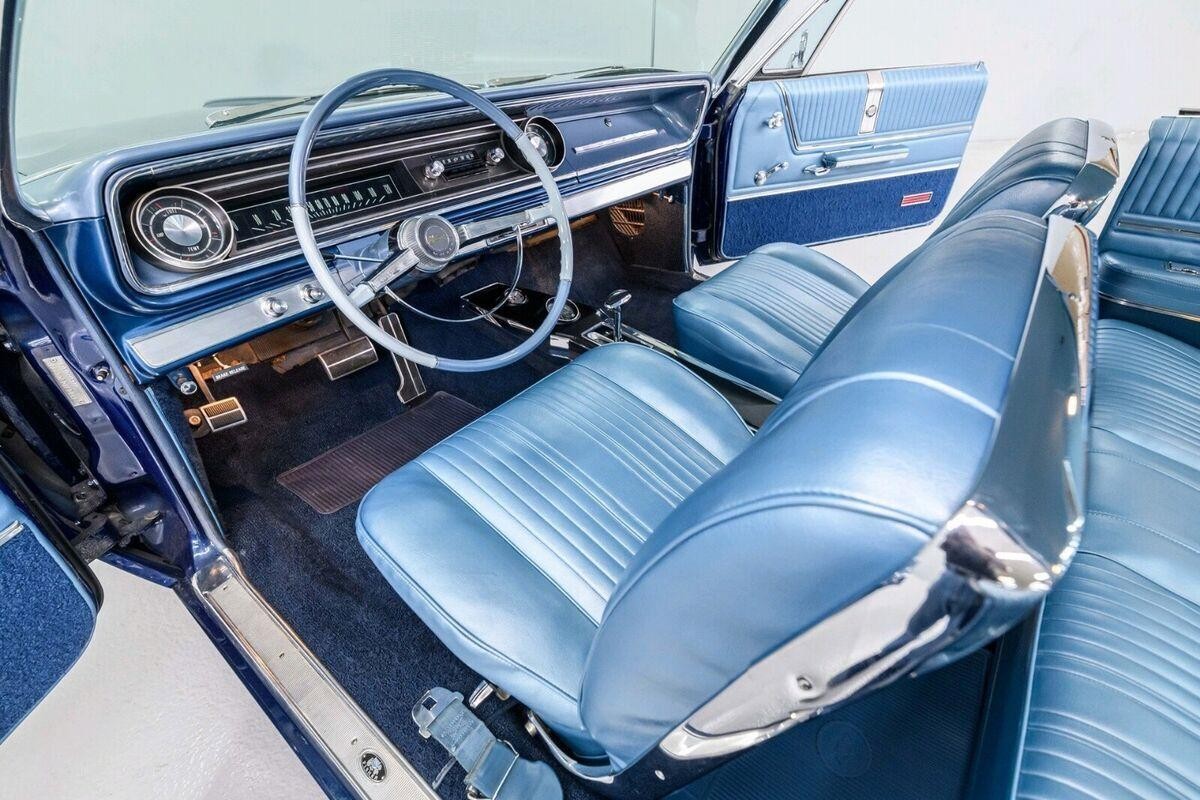
This ’65 Impala Hardtop Coupe configuration, powered by a 283 V8 paired with Powerglide, represented one of the more accessible engine and transmission combinations available.
Meanwhile, someone wanting more comfort and prestige moved up to Impala, and eventually the new Caprice package. This ladder strategy was central to Chevrolet’s sales dominance that year.
Why the Impala Sold So Well
Several factors converged to drive the Impala past the million-unit mark. Fresh styling was the most visible, but far from the only reason. The Impala’s versatility was a major part of its appeal, fitting both conservative buyers wanting reliable family transportation and younger enthusiasts craving performance and style.
A single nameplate rarely satisfies such different customer types. The Impala managed to do exactly that through its broad trim and engine spread.
Chevrolet’s vast dealer network, affordable pricing, and strong nationwide brand loyalty all contributed to the car selling over one million units in a single year.
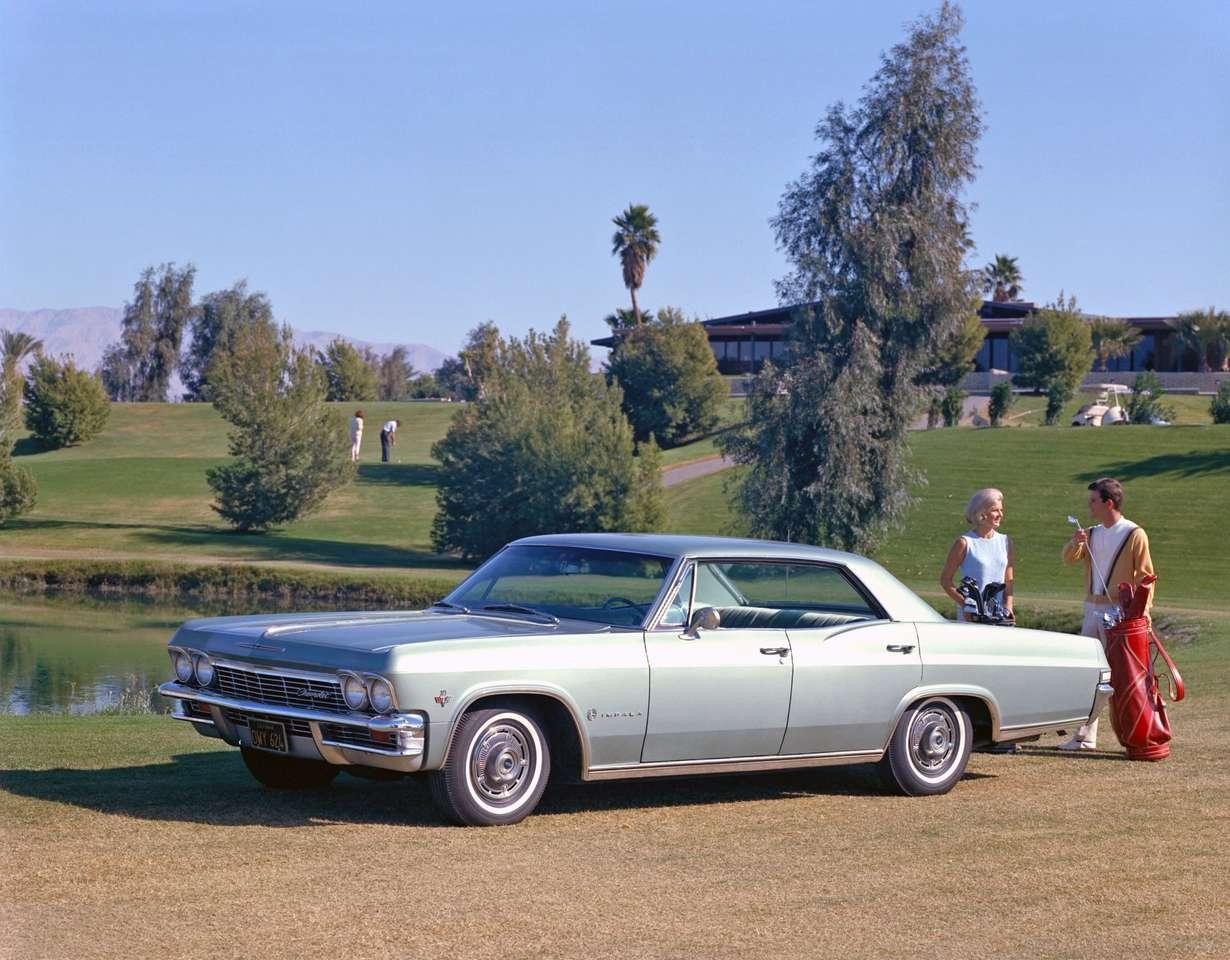
Dealer reach mattered enormously in an era before online shopping. A buyer in nearly any American town could walk into a Chevrolet dealership and drive home an Impala.
The Impala’s varied engine options, trims, and body styles helped it stand out, and that same variety keeps it a popular choice among collectors today.
The Following Year: Proving It Wasn’t a Fluke
Some skeptics might assume 1965’s number was a one-time statistical anomaly. The following year’s performance disproves that theory entirely. General Motors took one more shot at the “million cars” milestone in 1966 and hit it again, once more with the Impala nameplate.
The model went on to exceed a million units sold again in 1966, proving the demand wasn’t just a fluke. This repeat performance is what separates the Impala from every other nameplate in American automotive history. Selling a million units once is impressive.
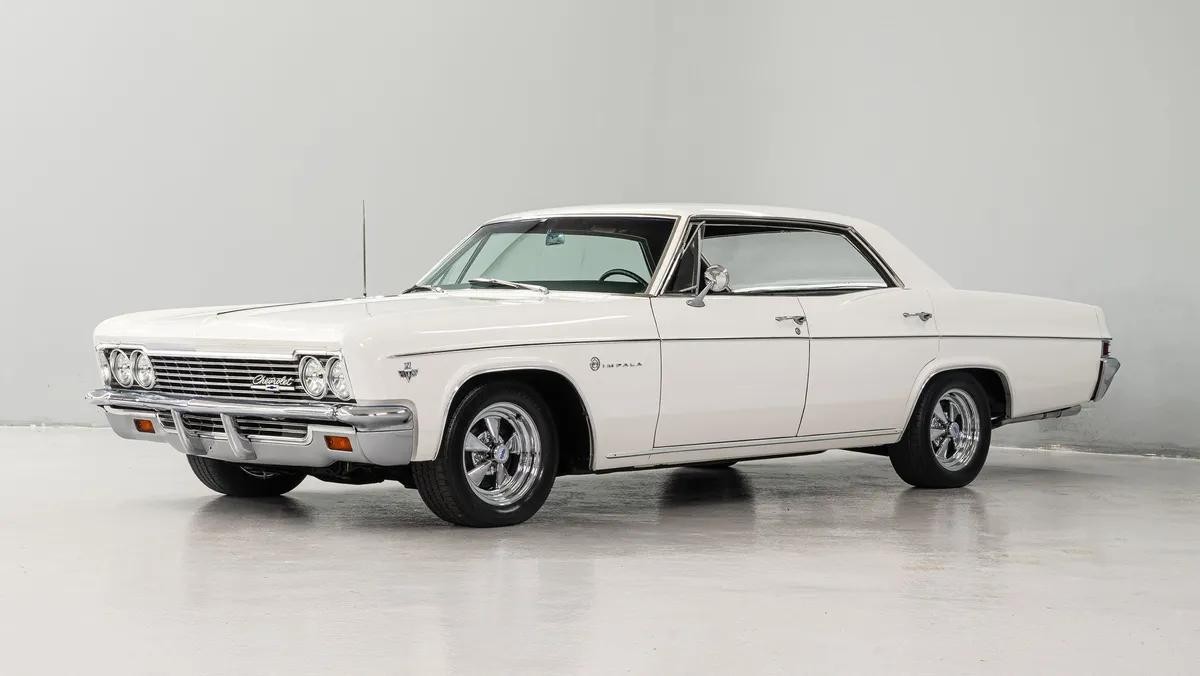
Doing it in back-to-back years, amid changing consumer tastes and rising competition, is something else entirely. No other single model, before or since, has managed that feat.
The Impala remains the only nameplate to join the one-million club for two consecutive model years. That distinction alone secures its place in automotive record books.
A Legacy That Outlasted Its Own Era
Despite its historic sales dominance, the Impala eventually faded somewhat from mainstream public memory. A car that was once America’s best-selling nameplate became, for many younger enthusiasts, a relic known primarily to historians and collectors.
This fading is partly explained by shifting American tastes. Full-size sedans gradually lost ground to smaller cars, then trucks, then SUVs and crossovers over subsequent decades.
The Impala’s journey began humbly in 1958 as a Bel Air variant, a far cry from the sales phenomenon it became by 1965. That trajectory, from a modest trim option to a genuine cultural and commercial juggernaut, mirrors the broader arc of American car culture during the era. Bigger, bolder, and more accessible cars captured the national imagination.
The soaring sales figures recorded through the early 1960s had already foreshadowed the Impala’s meteoric rise toward its 1965 peak. Chevrolet did not stumble into this record by accident. It was the culmination of years of steady growth building toward one extraordinary model year.
Putting the Record in Historical Perspective
The scale of the 1965 Impala’s success becomes clearer when set against other historically significant vehicles. Few nameplates in world automotive history have crossed the million-unit threshold in a single year.
Among that small group sits the Ford Model T and the Volkswagen Beetle, both legendary vehicles in their own right. Both of those cars, however, achieved their million-unit years under very different market conditions and over longer production spans in some counts.
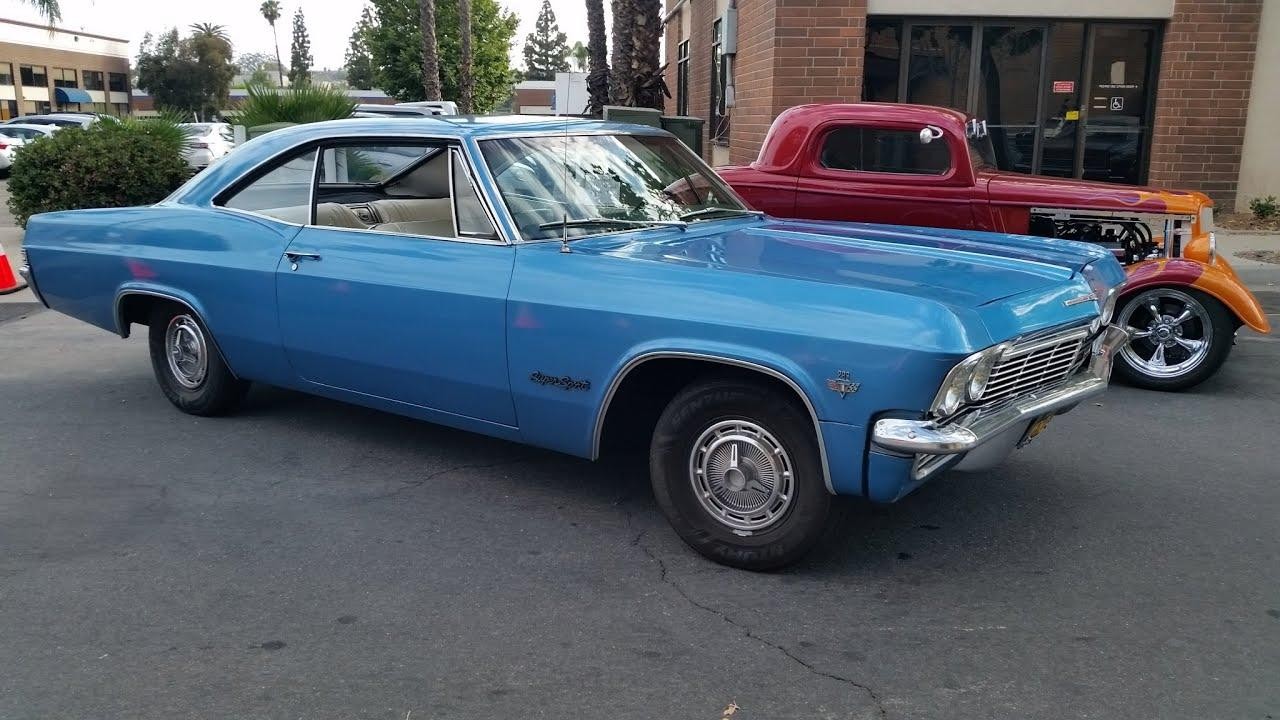
The Impala’s achievement came within a single, sharply competitive American model year. That context makes the achievement even more significant. 1965 was not a market lacking competition; it was arguably one of the most competitive years in American automotive history.
The Impala simply outsold them all, decisively and repeatedly. That combination of fierce competition and overwhelming victory is what cements its place in the record books.
