
California has a distinctive new car market shaped by large cities, long commutes, high fuel costs, strong environmental policies, and growing demand for electric vehicles. In 2025, buyers showed that popularity is not limited to a single type of vehicle.
Electric SUVs, hybrid sedans, compact cars, family crossovers, and pickup trucks all earned strong registration numbers across the state. The Tesla Model Y led the rankings by a substantial margin, followed by the Toyota RAV4 and Toyota Camry.
This list ranks the 10 most sold new vehicle models in California during 2025, using registration figures reported by the California New Car Dealers Association and Experian Automotive.
1. Tesla Model Y
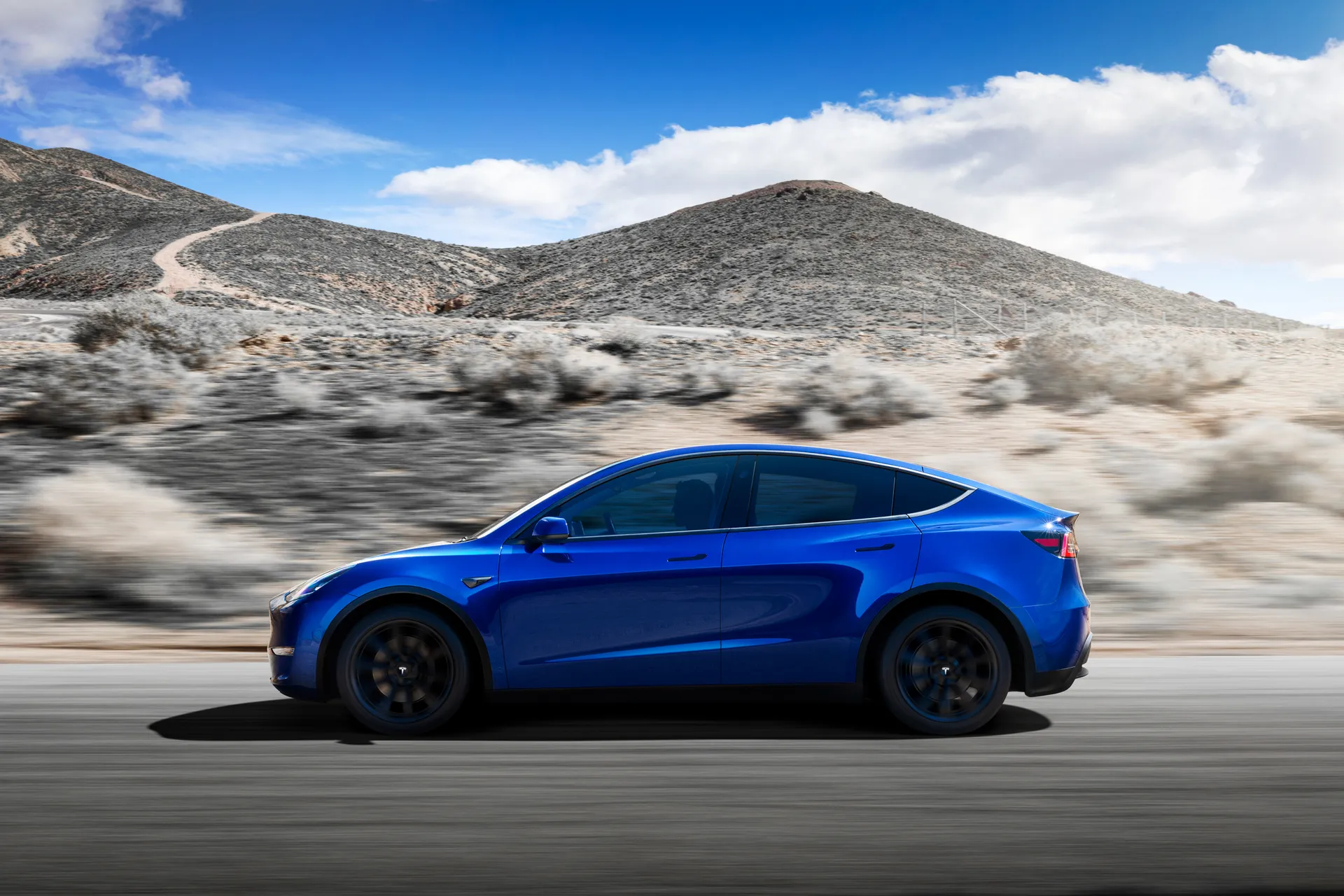
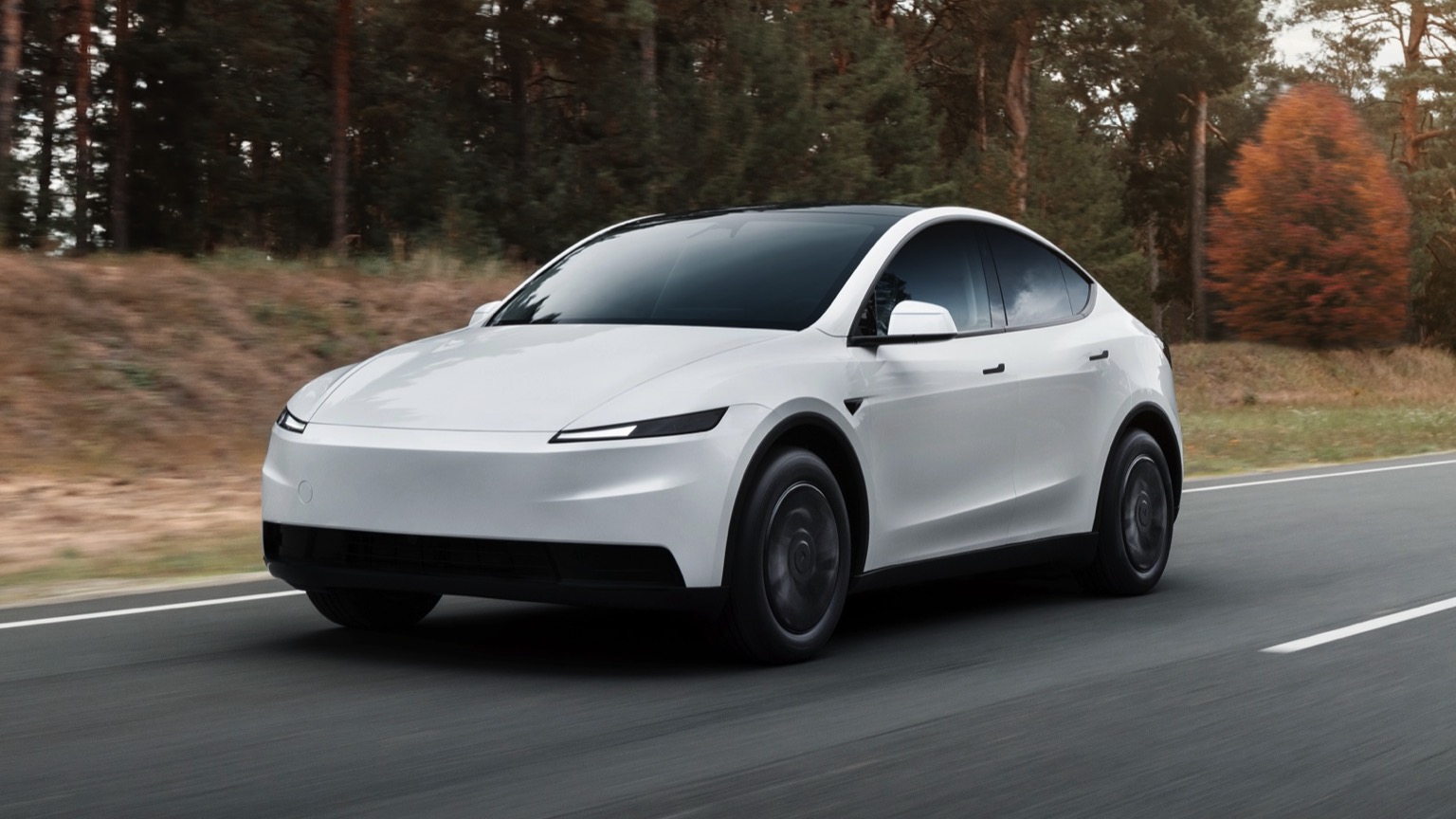
The Tesla Model Y was California’s best-selling new vehicle in 2025, with 110,120 registrations. That figure put it far ahead of the Toyota RAV4, which recorded 65,604 registrations.
The Model Y also remained the top-selling light truck in California, demonstrating how the crossover format has become central to the state’s new vehicle market. Its leading position is particularly notable because it competes in a category filled with established gasoline and hybrid alternatives.
The Model Y’s appeal starts with its electric powertrain and crossover body style. Buyers get a relatively elevated driving position, useful cargo space, and the benefits associated with battery-electric driving.
California’s charging infrastructure and long-standing consumer interest in lower-emission vehicles also create favorable conditions for electric cars. For drivers who can charge at home or have dependable access to public charging, the Model Y can serve as a practical daily vehicle rather than a specialized second car.
Technology is another important part of the Model Y’s appeal. Tesla has built its vehicles around a software-focused ownership experience, with many vehicle functions controlled through a central touchscreen and regular software updates.
The minimalist cabin design separates the Model Y from traditional compact SUVs. Its strong acceleration and quiet electric operation also give it characteristics that appeal to drivers who want efficiency without sacrificing performance.
The Model Y’s position at the top of the 2025 California ranking also highlights how quickly consumer expectations have changed. A battery-electric vehicle was not simply competing successfully against other electric vehicles.
It was competing against some of the strongest-selling gasoline and hybrid vehicles in the country. With 110,120 California registrations, the Model Y demonstrated that an electric crossover can become a mainstream family vehicle when its range, charging access, practicality, and technology fit the needs of local drivers.
2. Toyota RAV4
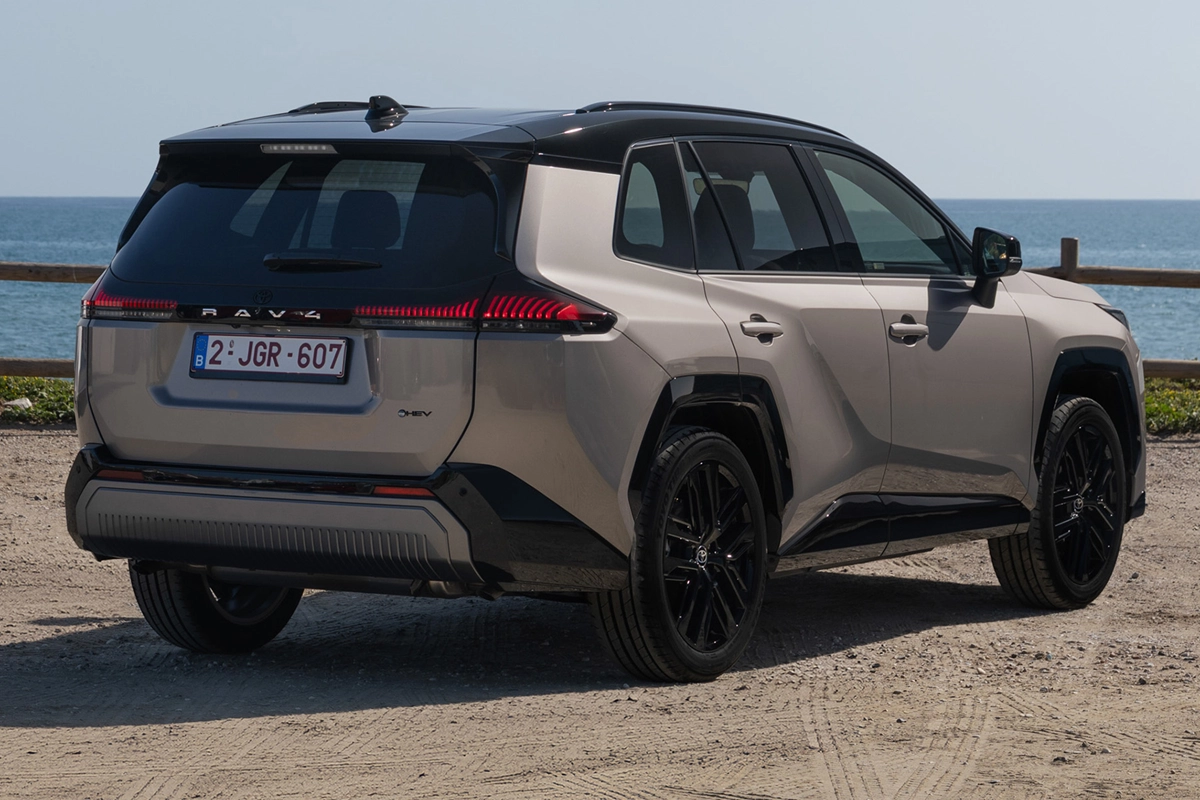
The Toyota RAV4 finished second in California’s 2025 new vehicle rankings, recording 65,604 registrations. Its position is significant because the RAV4 represents a different approach from the Model Y.
Toyota offers the RAV4 with gasoline and hybrid powertrains, allowing customers to choose the setup that fits their driving habits. The model’s combination of practical dimensions, cargo capacity, efficiency, and established reputation has helped make it a consistent favorite among American buyers.
The RAV4 is especially well suited to California’s varied driving conditions. A compact SUV can work for city streets while providing more cargo space than a conventional sedan.
It can also accommodate family trips, grocery runs, commuting, and weekend travel without the size and fuel requirements associated with a larger SUV. That versatility gives the RAV4 a broad customer base, including families, commuters, and drivers who simply prefer the driving position of a crossover.
Hybrid availability strengthens the RAV4’s position in a market where fuel economy matters. The hybrid version combines a gasoline engine with electric assistance, reducing the amount of fuel required during many types of everyday driving.
California drivers who want improved efficiency but do not want to depend on charging can find this approach attractive. Toyota’s hybrid technology has also become familiar to consumers after years of use across several models.
Reliability perception is another major part of the RAV4’s appeal. Toyota has built a strong reputation for producing practical vehicles that can serve as long-term transportation.
Reputation alone does not guarantee trouble-free ownership, but it can influence purchasing decisions, particularly when consumers are comparing vehicles with similar specifications. The RAV4’s widespread availability and established dealer network also make it easier for many buyers to access maintenance and service.
3. Toyota Camry
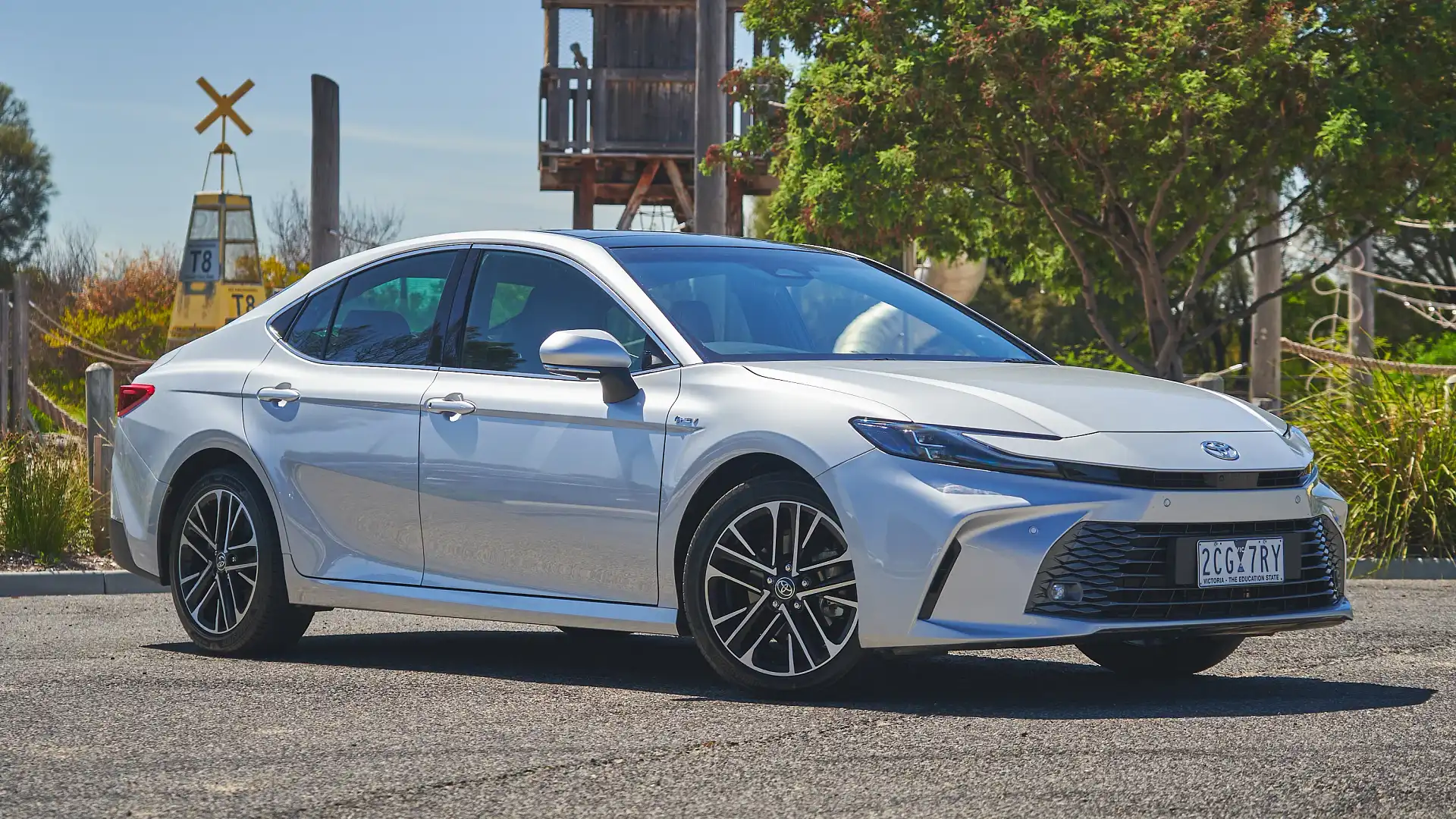
The Toyota Camry ranked third among California’s most registered new vehicles in 2025, with 62,324 registrations. It was also the state’s leading passenger car, accounting for 50.0 percent of the midsize and large car segment.
That result shows that traditional sedans still have a meaningful place in a market increasingly dominated by SUVs and crossovers. The Camry’s combination of comfort, efficiency, practicality, and strong brand recognition continues to attract buyers.
The current Camry has placed greater emphasis on hybrid technology, making efficiency a central part of its identity. For California commuters who spend substantial time in traffic, a hybrid powertrain can offer an appealing balance between fuel savings and conventional vehicle convenience.
Drivers do not need to plan charging stops or install a home charger. Refueling remains similar to that of a conventional gasoline car, while the hybrid system can reduce fuel consumption during many everyday journeys.
The Camry also benefits from its sedan proportions. A lower body and traditional trunk can make it feel more familiar to drivers who do not want an SUV. The cabin provides enough room for everyday family use, while the vehicle remains relatively easy to maneuver and park compared with larger crossovers.
This makes the Camry particularly useful for commuters who want a comfortable daily driver without moving into a taller vehicle.
Its strong 2025 performance is also important because the sedan segment has faced years of declining consumer attention. Many manufacturers have reduced sedan offerings as shoppers move toward SUVs.
Toyota’s decision to keep investing in the Camry has allowed the model to remain relevant. California’s registration figures suggest that there is still substantial demand for a well-equipped, efficient midsize sedan, particularly when it offers hybrid technology.
With 62,324 registrations, the Camry finished only a few thousand units behind the RAV4 and remained comfortably ahead of the fourth-ranked Tesla Model 3. Its third-place position demonstrates that gasoline-electric hybrid sedans can compete successfully with both traditional SUVs and battery-electric vehicles.
For California buyers who prioritize fuel efficiency, comfortable highway driving, predictable ownership, and a familiar sedan layout, the Camry remains a strong choice.
4. Tesla Model 3
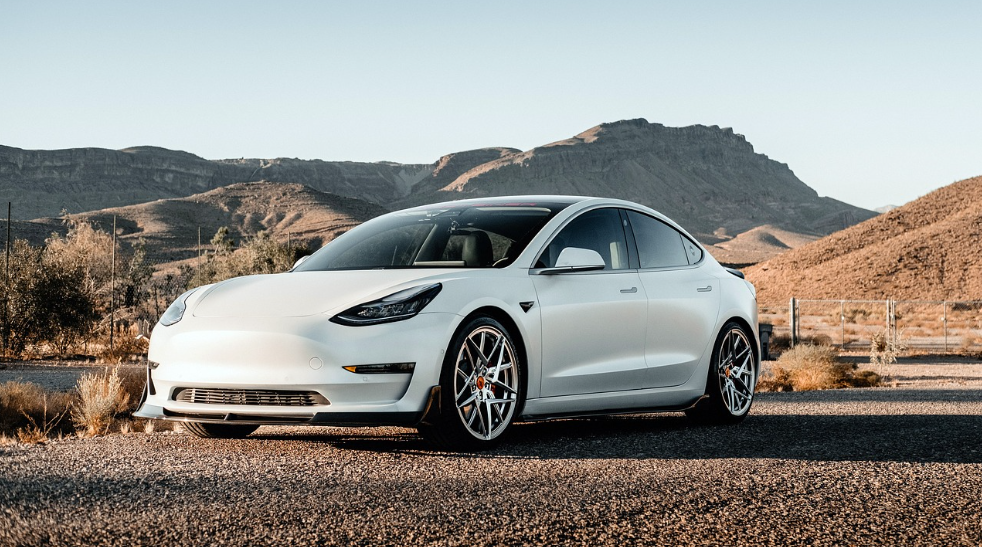
The Tesla Model 3 ranked fourth in California during 2025, with 53,989 registrations. It remained a major force in the state’s electric vehicle market and was the leading model in the near-luxury car category, where it held a 48.5 percent share according to California registration data.
Its result places it directly alongside mainstream models such as the Honda Civic while also competing with premium compact sedans.
The Model 3’s compact sedan shape makes it different from the Model Y, but many of its core characteristics are similar. It offers battery-electric driving, quick acceleration, a technology-centered cabin, and access to Tesla’s charging ecosystem.
Its lower profile can appeal to buyers who want an EV but prefer the handling feel and appearance of a sedan. The model has also benefited from years of consumer awareness, making it a familiar name in California.
For commuters, electric operation can be particularly attractive. Daily charging at home can allow owners to start many mornings with a substantial amount of usable range without visiting a fuel station.
Electricity costs vary by location and charging schedule, so actual savings depend on individual circumstances. Still, the convenience of home charging can make an electric sedan appealing to drivers with predictable daily routines.
The Model 3’s fourth-place ranking also shows that California’s electric vehicle market is not built solely around SUVs. The Model Y was substantially more popular, yet nearly 54,000 Model 3 registrations represent a significant level of demand. Buyers who do not require the extra cargo height or space of an SUV can choose the sedan while retaining many of the benefits associated with electric transportation.
The Model 3 is therefore an important part of California’s vehicle industry. Its 2025 registration total placed it ahead of every vehicle outside the top three and reinforced Tesla’s ability to compete across multiple segments.
For shoppers who want a compact electric sedan with strong acceleration, extensive technology, and access to Tesla’s charging network, the Model 3 remains a prominent option.
5. Honda Civic
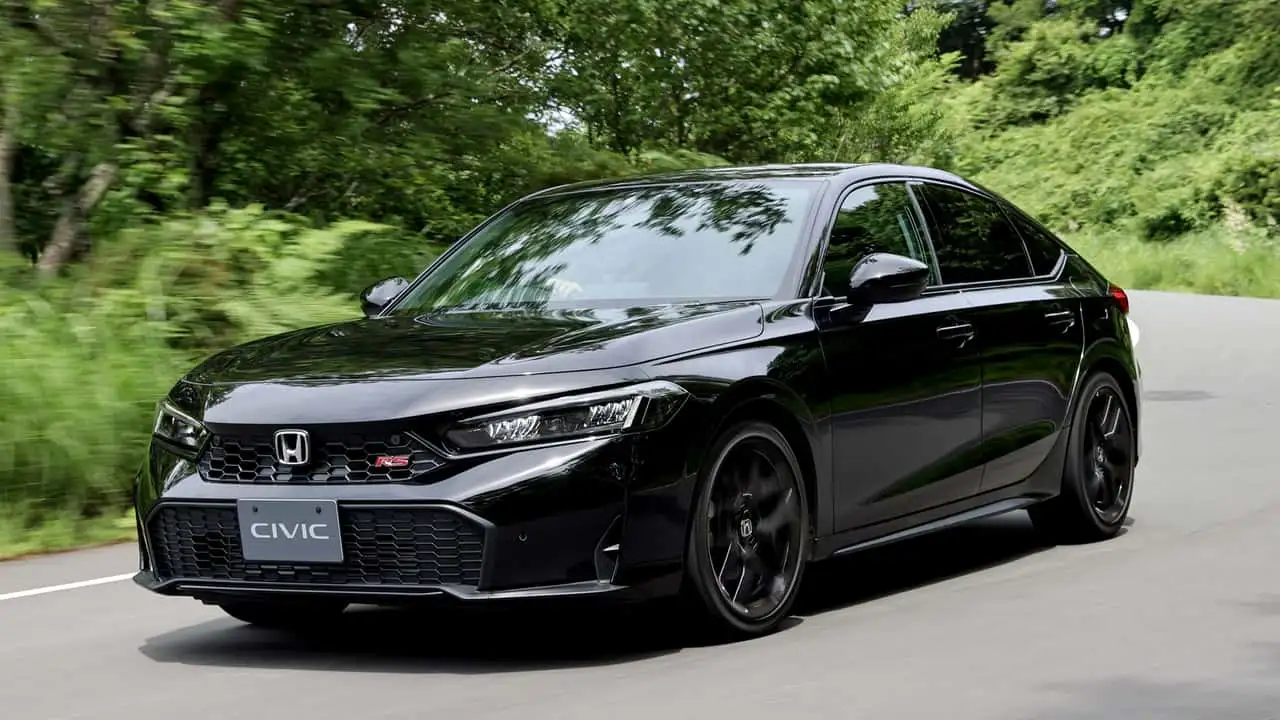
The Honda Civic secured fifth place in California with 53,085 registrations in 2025. It also led the state’s small-car segment, accounting for 30.4 percent of that category.
The Civic’s strong performance shows that compact cars remain relevant even when SUVs dominate much of the market. Its combination of efficient engines, manageable dimensions, comfortable interiors, and a broad range of configurations gives it appeal among students, commuters, families, and first-time buyers.
The Civic is particularly well suited to urban and suburban driving. Its compact dimensions make parking easier than with a larger SUV, while its interior provides enough space for everyday passengers.
California’s crowded metropolitan areas can make vehicle size an important consideration. A compact sedan or hatchback can be easier to maneuver through narrow streets and busy parking areas, while still providing enough cargo capacity for regular errands.
Honda has also strengthened the Civic’s efficiency credentials with hybrid technology. Hybrid versions allow buyers to reduce fuel consumption without adopting a fully electric vehicle.
This is an appealing middle ground for drivers who want better efficiency but do not want to depend on charging infrastructure. The Civic’s availability in different configurations also gives customers flexibility based on budget and driving requirements.
The Civic’s reputation for practicality has helped it remain competitive through changes in the automotive market. Many buyers want a vehicle that is straightforward to operate, inexpensive to run, and easy to live with every day.
The Civic fits that description while adding modern safety and infotainment technology. Its popularity also creates a large used-vehicle market, which can support resale demand.
6. Honda CR-V
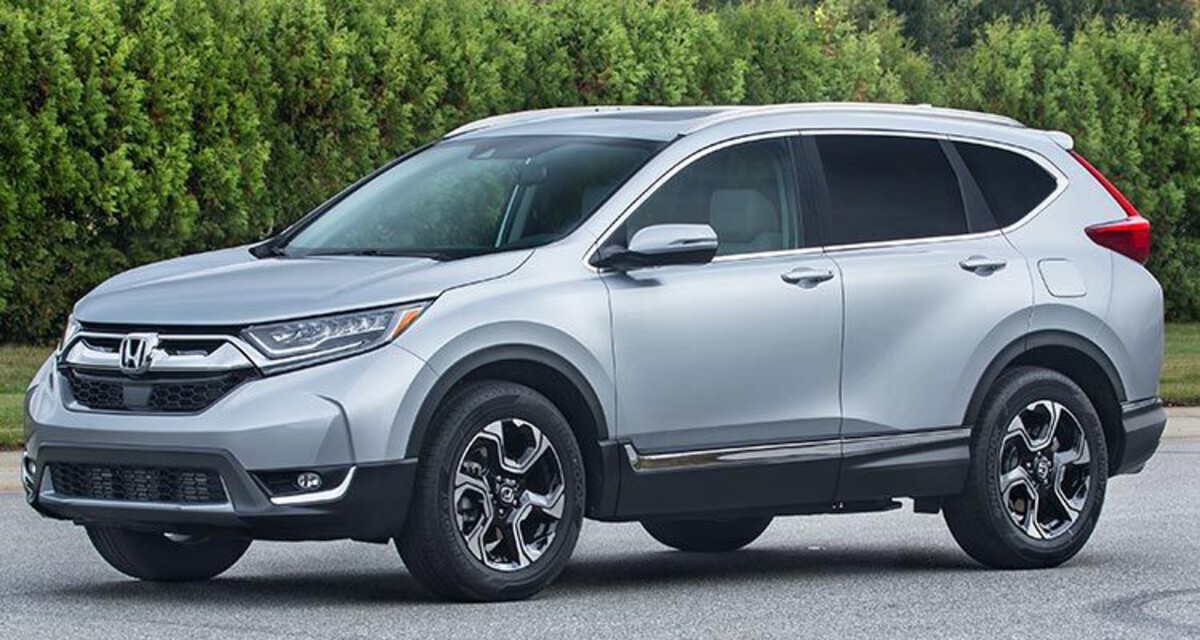
The Honda CR-V ranked sixth in California’s 2025 new vehicle market, with 52,311 registrations. It was also the leading model in Honda’s compact SUV category and one of the state’s strongest-selling family vehicles.
The CR-V competes directly with vehicles such as the Toyota RAV4, offering a compact footprint with a spacious cabin, useful cargo room, and available hybrid technology.
The CR-V’s size is a major part of its appeal. It is large enough to handle family responsibilities without feeling as cumbersome as a three-row SUV. Rear-seat space and cargo flexibility make it useful for everyday errands, road trips, and transporting recreational equipment.
California drivers who want a practical vehicle for a wide range of activities can find this format easier to live with than a traditional sedan.
Hybrid availability further improves the CR-V’s appeal in California. The hybrid system can reduce fuel use during commuting and city driving, while the vehicle retains the familiar experience of a gasoline-powered car.
This arrangement gives consumers a practical alternative to both conventional gasoline SUVs and fully electric vehicles. Buyers can improve efficiency without changing their refueling habits dramatically.
The CR-V also benefits from Honda’s established reputation in the compact vehicle market. The company has produced popular sedans and SUVs for decades, creating a large customer base familiar with its vehicles.
Dealer availability and widespread parts support can also make ownership more convenient. For buyers who intend to keep a vehicle for many years, these practical considerations can matter as much as styling or acceleration.
7. Toyota Tacoma
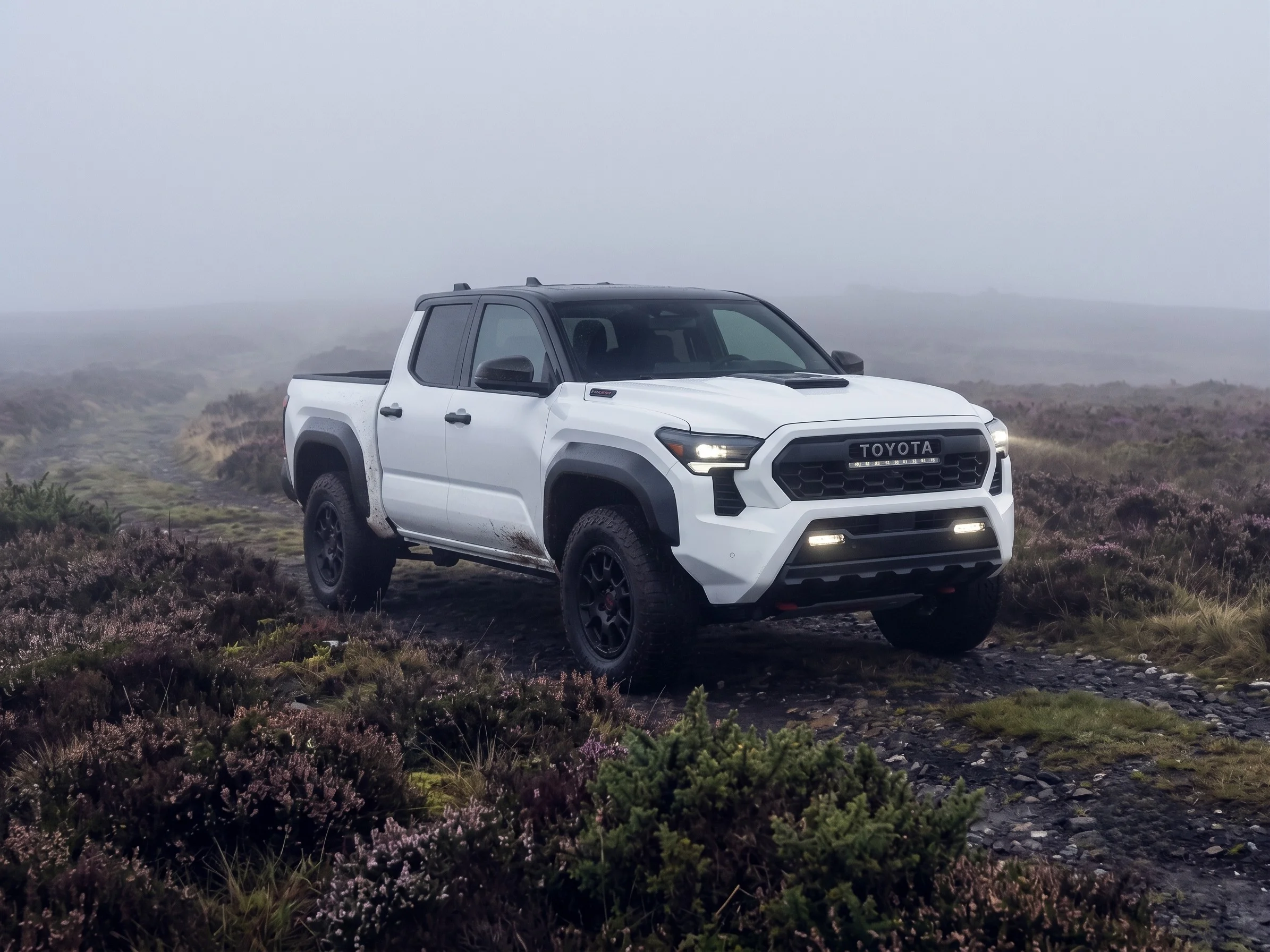
The Toyota Tacoma ranked seventh in California in 2025, recording 45,258 registrations. It was the leading compact and midsize pickup in the state, capturing 51.3 percent of that segment.
The Tacoma’s result demonstrates that California’s market is not exclusively focused on small cars, crossovers, and electric vehicles. Pickup trucks continue to serve a significant group of buyers who need utility, towing capability, cargo flexibility, or simply prefer the driving experience of a truck.
The Tacoma has long held a particularly strong position in the midsize pickup category. Its dimensions are smaller than those of full-size trucks, making it easier to maneuver in urban areas and parking structures.
At the same time, it provides an open cargo bed and the capability many owners want for outdoor activities, construction work,, camping, and recreational equipment.
California’s geography also supports the Tacoma’s popularity. Drivers have access to mountains, deserts, forests, beaches, and extensive outdoor recreation areas.
A midsize pickup can be useful for transporting bikes, camping gear, tools, and other equipment. Buyers who enjoy outdoor activities may value the flexibility of a truck even if they do not use it for commercial work.
The Tacoma also gives Toyota a strong presence in a category where Ford, Chevrolet, Ram, and other manufacturers compete aggressively.
Its 51.3 percent share of the compact and midsize pickup segment illustrates just how dominant the model was within its direct category. That performance helped Toyota maintain a broad footprint across passenger cars, SUVs, hybrids, and trucks.
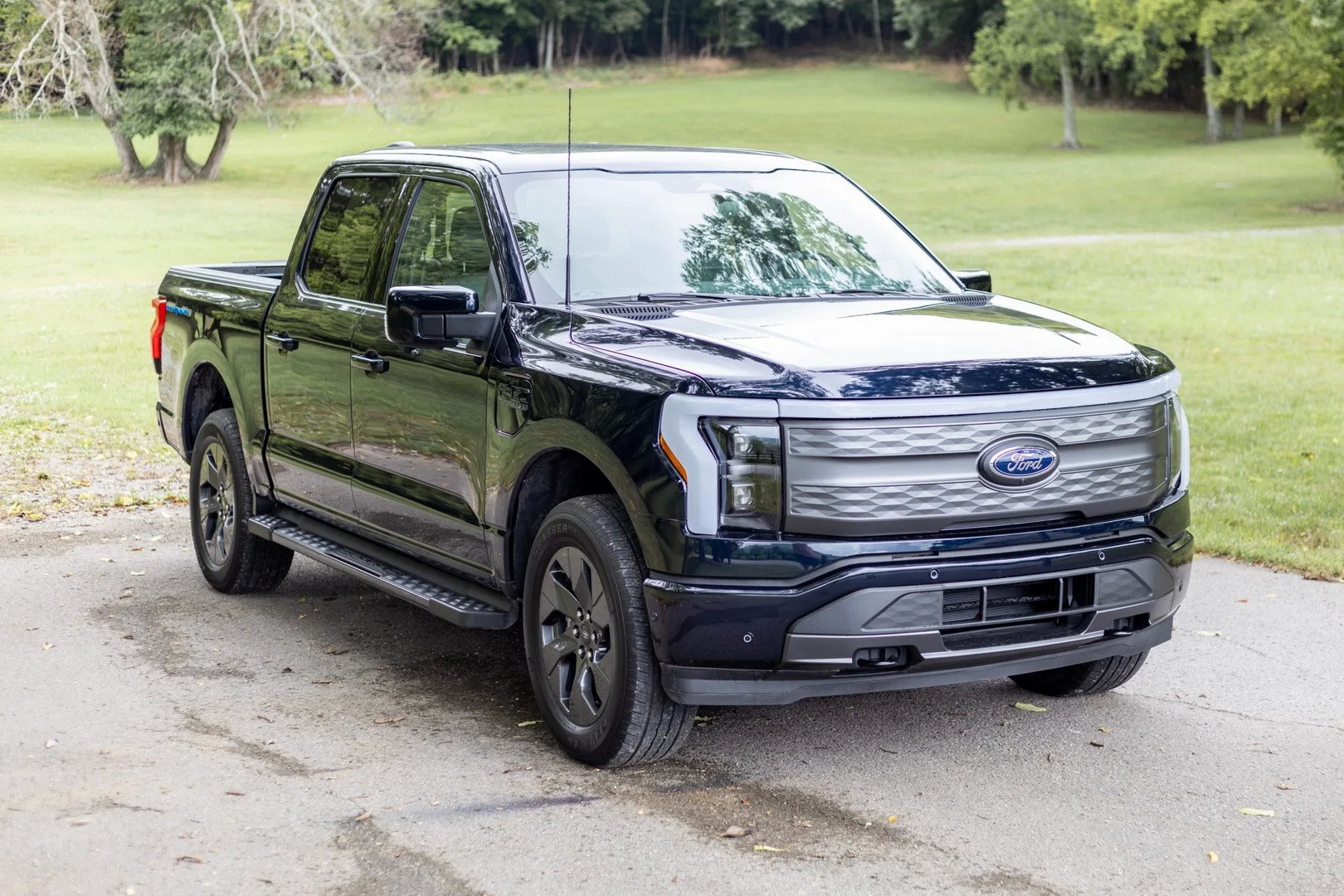
8. Ford F-Series
The Ford F-Series placed eighth among California’s most registered new vehicles in 2025, with 39,502 registrations. It remained the state’s leading full-size pickup, ahead of the Chevrolet Silverado.
The F-Series has a long-standing presence in the American truck market and attracts both commercial users and private owners. Its position in California shows that full-size pickups remain relevant even in a state where compact vehicles and electric cars are highly visible.
The F-Series offers a wide range of configurations, allowing buyers to choose a truck based on towing, hauling, passenger capacity, and work requirements. That variety is a major advantage.
A contractor may need a different configuration from a recreational buyer, while a family might prioritize cabin space and comfort. The F-Series can cover several of these use cases under a single model family.
Ford has also expanded electrification within its truck lineup, including the F-150 Lightning. California’s strong interest in electric vehicles makes the availability of an electric F-Series derivative particularly relevant. Still, the broader F-Series sales figure includes the wider lineup, showing that consumers continue to choose different powertrain approaches depending on their needs.
Full-size pickups can be especially useful for buyers who regularly tow trailers or carry heavy loads. They also provide substantial interior space and a high driving position.
The tradeoffs include greater size, higher fuel consumption for many configurations, and potentially more difficult parking in dense urban areas. Buyers who do not require truck capability may find a crossover more convenient for everyday transportation.
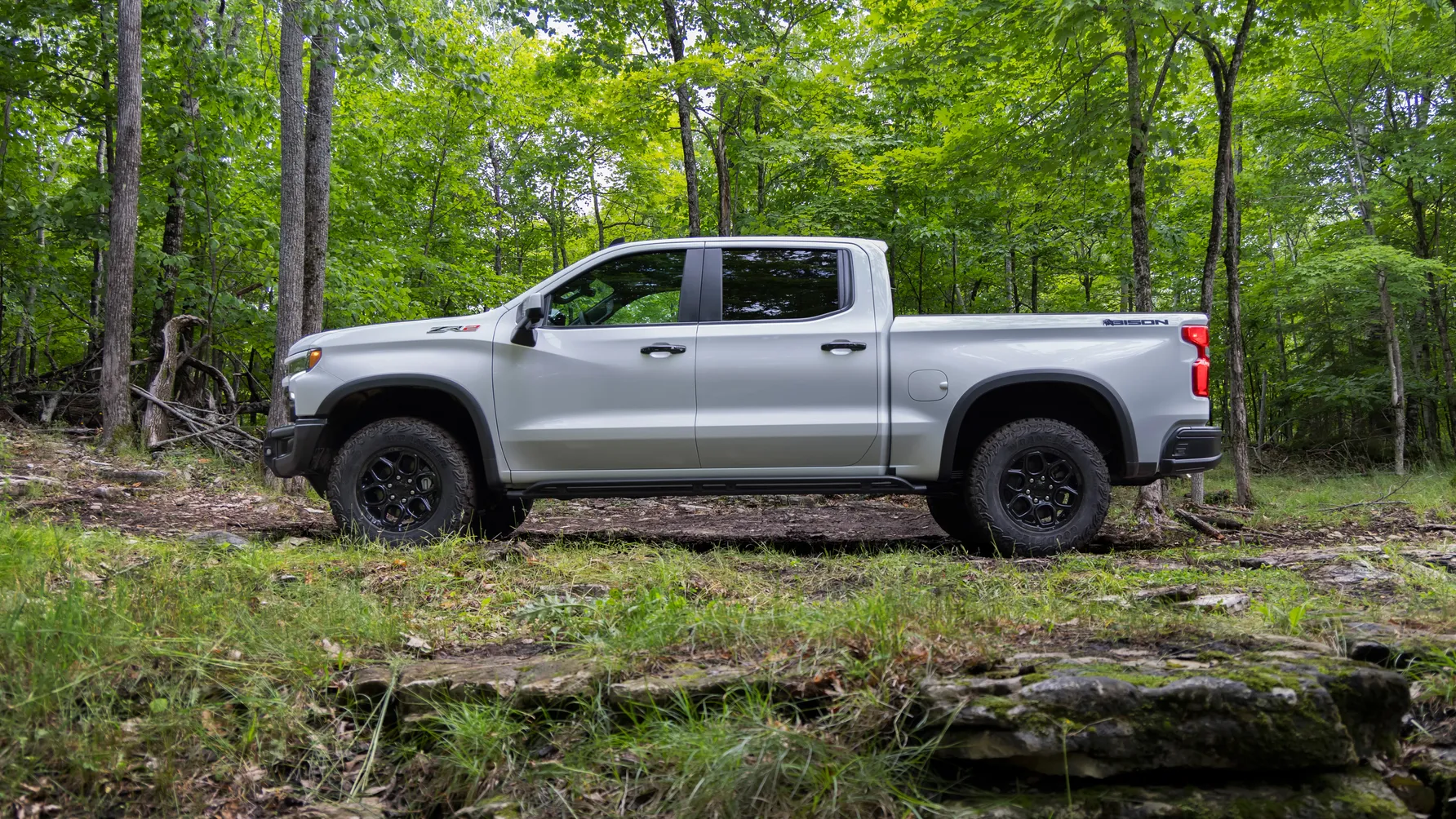
9. Chevrolet Silverado
The Chevrolet Silverado ranked ninth in California’s 2025 vehicle market, continuing its position as a major full-size pickup contender.
The Silverado recorded 33,634 registrations and finished behind the Ford F-Series in the full-size pickup segment. Its place in the top 10 indicates that California’s demand for trucks extends beyond Toyota and Ford, with Chevrolet maintaining a significant share of the market.
The Silverado is designed around the needs of drivers who want substantial towing and hauling capability. Like other full-size pickups, it offers multiple configurations that allow customers to prioritize work capability, passenger room, comfort, or a combination of these traits. This flexibility helps explain why large pickups remain popular with both professional users and private buyers.
Truck buyers also tend to consider factors such as bed length, cab configuration, payload, towing equipment, and available engine choices.
These practical characteristics can matter more than fuel economy or compact dimensions for people who use their vehicle for work. The Silverado’s continued presence near the top of California’s rankings shows that these requirements remain important even in a market known for fuel-efficient vehicles.
Chevrolet has also introduced electrification within the Silverado family through the Silverado EV. That gives the brand a way to address changing consumer expectations while preserving the Silverado name and its connection with pickup buyers.
The broader market is gradually offering more powertrain choices, allowing truck shoppers to compare gasoline, hybrid-related technology, and battery-electric alternatives based on their needs.
With 33,634 California registrations, the Silverado secured ninth place in the 2025 ranking. It finished below the Ford F-Series but remained well ahead of many other models. Its result reinforces a simple point about California’s vehicle market: efficiency and electrification are major trends, but there remains substantial demand for powerful, versatile trucks.
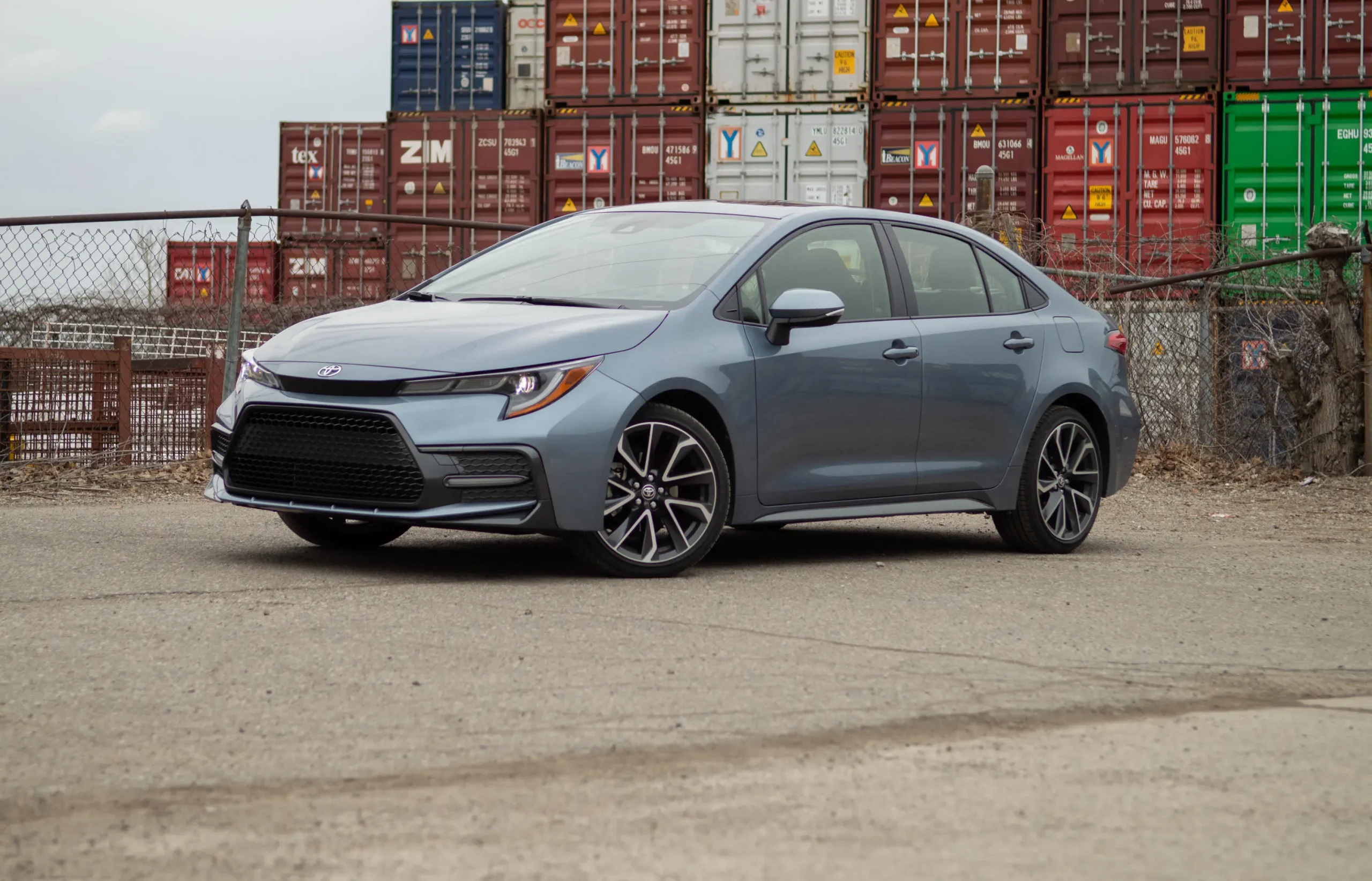
10. Toyota Corolla
The Toyota Corolla completed the top 10 with 39,208 registrations in 2025. The Corolla was also the second-highest-selling model in California’s small-car category behind the Honda Civic, giving Toyota another strong presence among compact passenger vehicles.
Its combination of affordability, fuel economy, familiar design, and long-standing market recognition continues to make it a common choice for California drivers.
The Corolla’s appeal comes from its straightforward approach to transportation. It is compact enough for city driving, efficient enough for regular commuting, and practical enough for everyday ownership. Buyers who do not need the additional cargo height of an SUV can find a traditional compact sedan easier to park and less demanding to operate in crowded areas.
Hybrid technology also gives the Corolla additional relevance in California. A hybrid compact car can deliver strong fuel economy while retaining the familiar refueling process associated with gasoline vehicles.
This makes it attractive to commuters who drive frequently but are not ready to transition to a fully electric car. The availability of hybrid technology also reflects the wider shift toward electrified transportation within established automakers.
The Corolla’s strong sales position is significant because the model competes in a market filled with increasingly capable crossovers. Many consumers now choose SUVs even when they do not require additional space.
The fact that the Corolla still reached the top 10 demonstrates that a traditional compact sedan can remain competitive when it offers low running costs, practical dimensions, and a trusted brand name.
