
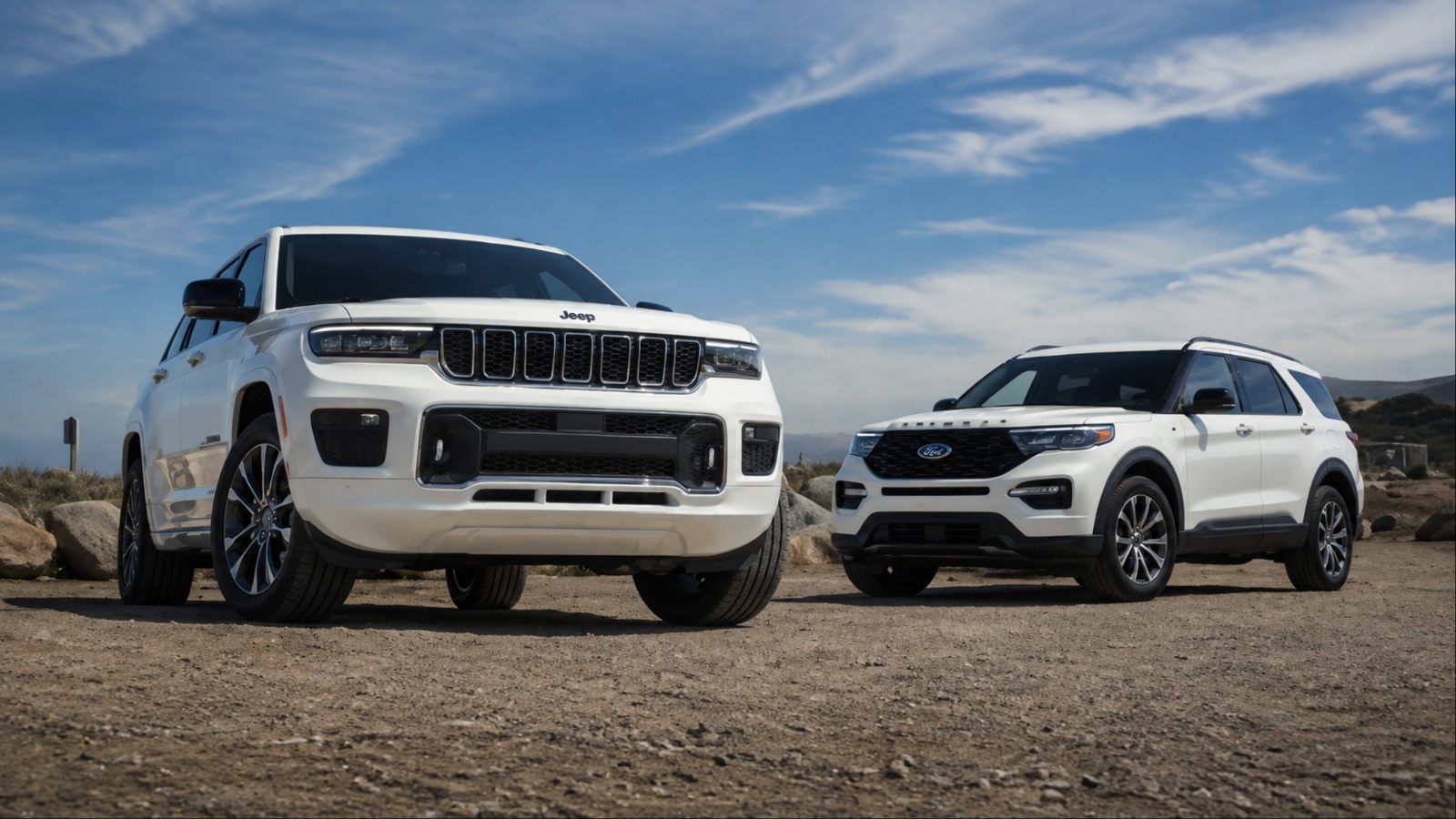
The midsize SUV segment is filled with vehicles that combine family practicality, strong engines, comfortable cabins, and enough capability for weekend adventures. The Dodge Durango, Jeep Grand Cherokee, and Ford Explorer approach that formula from very different directions.
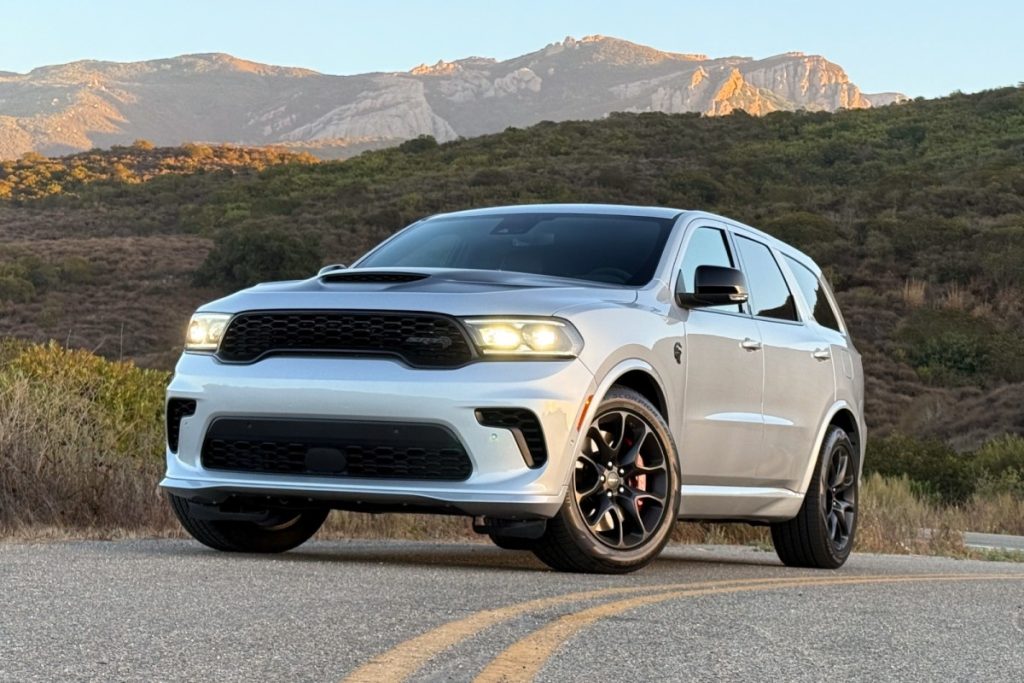
The Dodge Durango is the performance SUV of this group. It offers powerful engines, including V8 options, while retaining three rows of seating. Its biggest advantage is towing, with properly equipped models capable of pulling up to 8,700 pounds.
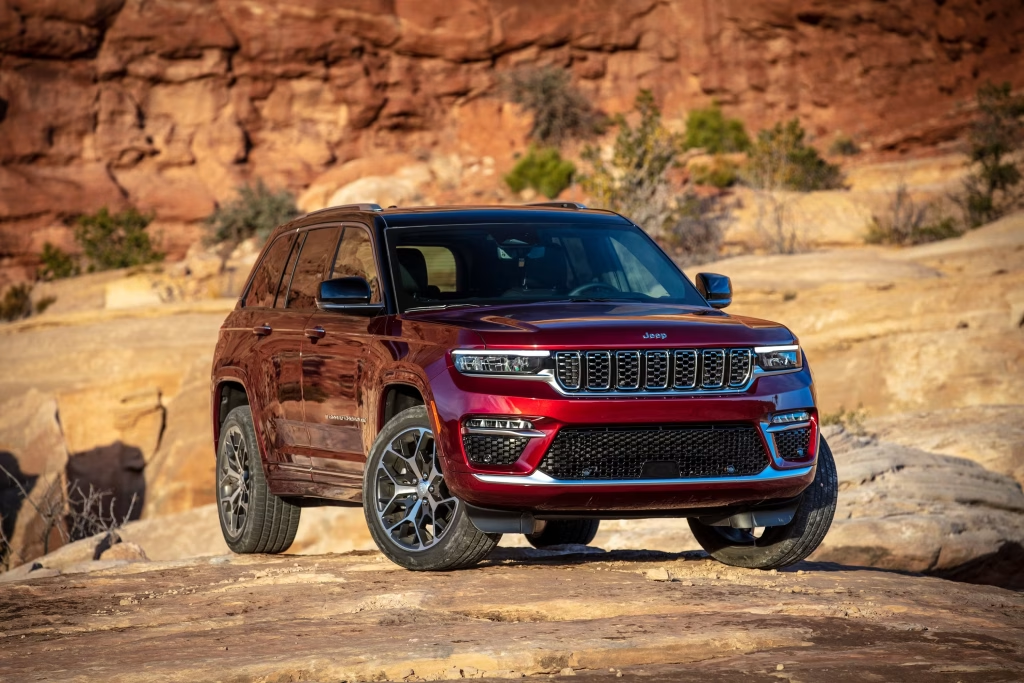
The Jeep Grand Cherokee takes a more premium and adventure-oriented approach. The standard Grand Cherokee is a two-row, five-passenger SUV, while its available four-wheel-drive systems preserve the Jeep’s off-road credentials. The 2026 model uses a 324-horsepower turbocharged four-cylinder.
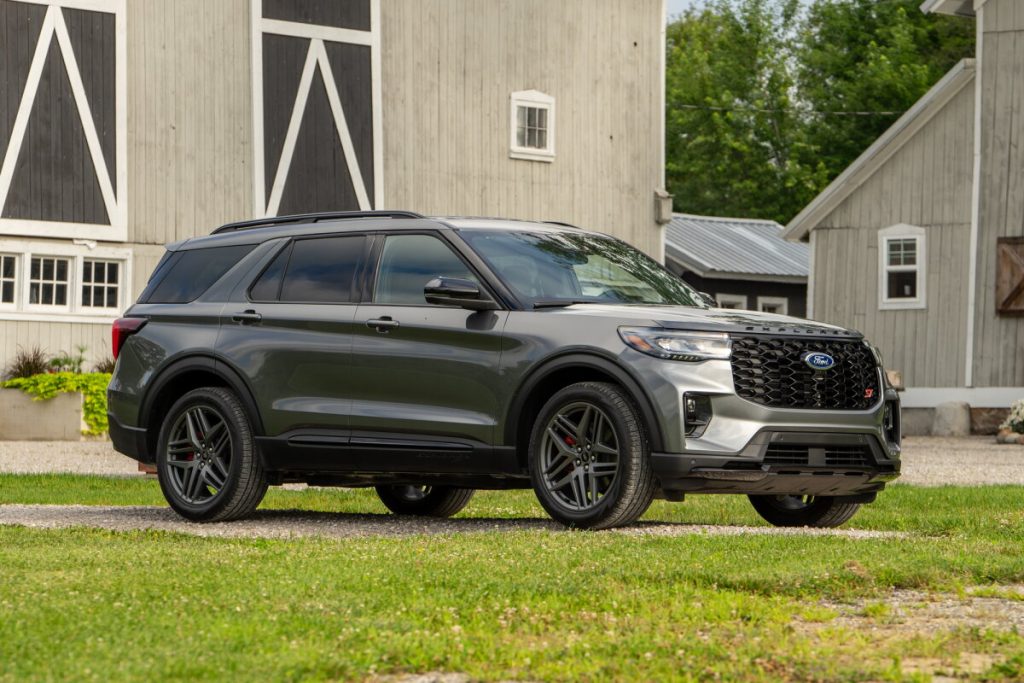
The Ford Explorer sits between the two philosophies. It offers three rows, a standard 300-horsepower 2.3-liter EcoBoost four-cylinder and an available 400-horsepower 3.0-liter EcoBoost V6. Maximum towing capacity reaches 5,000 pounds.
The differences become even more interesting when practicality, performance, technology, and capability are compared directly.
So which one deserves your money? Here is how the Dodge Durango, Jeep Grand Cherokee, and Ford Explorer compare across six important categories.
Price and Value
Price is usually one of the first considerations when shopping for a midsize SUV, and all three models occupy a relatively similar starting point.
For 2026, the Grand Cherokee starts at about $38,920, while the Durango starts at about $38,995. The Explorer starts at roughly $40,260. That puts the Grand Cherokee in a strong position because it slightly undercuts the Explorer while remaining close to the Durango.
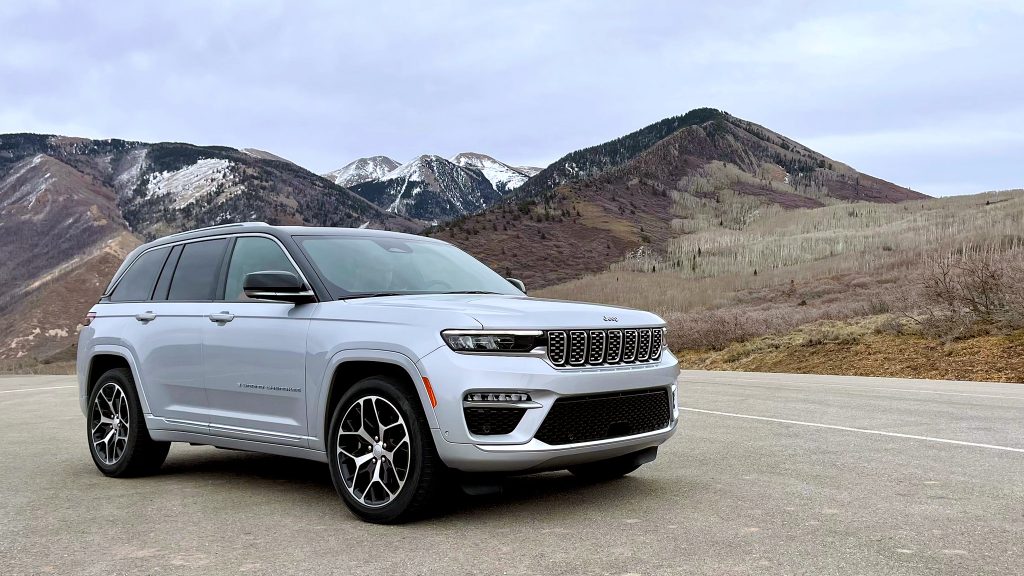
But the starting price is only part of the equation. The Grand Cherokee’s biggest advantage is that it gives buyers access to a more upscale-feeling SUV without requiring the three-row footprint of the Durango or Explorer. The current generation also feels considerably newer than the Durango’s long-running architecture.
The 2026 Grand Cherokee receives a new 324-horsepower turbocharged four-cylinder engine and a standard 12.3-inch touchscreen. Higher trims can add features such as a 10.3-inch front passenger display, while available four-wheel-drive systems preserve the Jeep’s traditional off-road credentials.
The Durango has a different value proposition. Its starting price is competitive, and the standard 3.6-liter V6 produces 295 horsepower. Buyers can move into substantially more powerful V8 configurations, although those versions quickly increase the purchase price.
The Durango’s advantage is that buyers can obtain a traditional three-row SUV with rear-wheel drive, available all-wheel drive, and serious towing capability without immediately entering luxury SUV pricing.
The Explorer also provides considerable equipment for its price. Ford gives it a 13.2-inch touchscreen, multiple drive modes, and a choice between 300-horsepower and 400-horsepower engines.
For buyers who specifically need three rows, the Durango and Explorer become stronger values because they provide additional seating capacity.
But not every SUV buyer needs a third row. For couples, small families, or buyers who usually carry four or fewer people, the Grand Cherokee’s two-row layout can actually be an advantage. It provides a spacious cabin without forcing owners to carry around an unused third row.
The Grand Cherokee therefore offers the strongest combination of entry price, modern equipment, premium character, and off-road capability.
Winner: Jeep Grand Cherokee
Powertrain and Performance
This is where the Durango immediately changes the conversation. The Explorer has strong engines, and the Grand Cherokee has received a significant powertrain update, but neither can match the Durango’s available V8 performance.
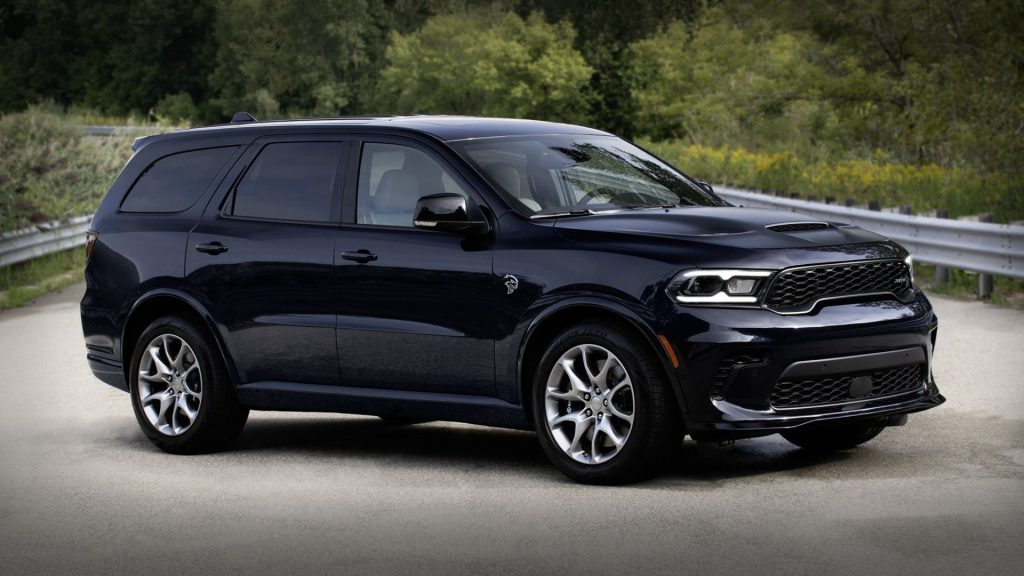
The 2026 Durango lineup spans from a 295-horsepower 3.6-liter V6 to a 475-horsepower 6.4-liter V8 in the R/T 392. The lineup can go even further with the available supercharged 6.2-liter Hellcat V8 producing 710 horsepower.
That makes the Durango dramatically different from the other two SUVs. The Explorer’s standard 2.3-liter EcoBoost produces 300 horsepower and 310 lb-ft of torque. Its available 3.0-liter EcoBoost V6 produces 400 horsepower and 415 lb-ft of torque.
Those numbers are excellent for a family SUV. The Explorer ST is particularly quick, with Car and Driver recording a 5.1-second 0-to-60-mph time in testing.
The Grand Cherokee uses a different philosophy. Its 2026 turbocharged four-cylinder produces 324 horsepower, giving it more output than the Durango’s base V6 and Explorer’s base four-cylinder. Car and Driver recorded a 6.3-second 0-to-60-mph time for the turbocharged Grand Cherokee.
That makes the Jeep more competitive than its previous V6-powered versions. Yet the Durango’s upper powertrains remain in another league.
A 475-horsepower naturally aspirated V8 gives the Durango a muscular character that neither the Grand Cherokee nor Explorer can replicate. Then there is the 710-horsepower Hellcat, which turns the three-row SUV into a genuine high-performance machine.
The Explorer’s 400-horsepower V6 is the most balanced performance option. It provides strong acceleration without moving into the Durango’s extreme fuel consumption and pricing territory.
The Grand Cherokee’s turbocharged four-cylinder also has a useful advantage. Its 324 horsepower provides enough power for everyday driving while maintaining a relatively modern powertrain strategy.
But performance is not simply about acceleration. The Durango’s traditional rear-drive-based architecture and available V8 engines give it a unique character. It feels closer to a muscle car with three rows than a conventional crossover.
The Explorer is quick for a family SUV. The Grand Cherokee offers strong output and a modern turbocharged engine.
But the Durango gives buyers access to performance that neither competitor can approach. Its 710-horsepower Hellcat is particularly difficult to ignore. For pure engine variety and maximum performance, the Durango is the clear winner.
Winner: Dodge Durango
Interior Space and Family Practicality
The Explorer takes this category because it combines three-row seating with a modern cabin and generous passenger space. The biggest difference here is that the Grand Cherokee is a two-row SUV.
The standard Grand Cherokee seats five people, while the Durango and Explorer can accommodate up to seven depending on configuration. That gives Ford and Dodge a major advantage for larger families.
The Explorer provides 43 inches of front legroom and 39 inches of second-row legroom. Its third row offers 32.2 inches of legroom.
Those numbers make the Explorer particularly useful for families that regularly carry multiple passengers. The third row is not limousine-like, but it is adequate for children and shorter adults.
The Durango has a slightly different advantage. It provides 38.6 inches of second-row legroom and 33.5 inches of third-row legroom, making its third row surprisingly usable.
It also has a significant cargo advantage. The Durango offers 43.3 cubic feet behind the second row and up to 85.1 cubic feet with the rear seats folded.
That is substantial cargo capacity for a midsize SUV. The Explorer also provides generous cargo space, and testing has shown that it can accommodate an impressive amount of luggage with the rear rows folded.
The Grand Cherokee’s two-row layout does offer one benefit. Because there is no third row, the cabin can be focused entirely around five passengers. The Grand Cherokee therefore works particularly well for buyers who rarely need additional seating.
Its interior also feels more modern than the Durango’s. The 2026 Grand Cherokee receives a 12.3-inch touchscreen and available premium equipment, giving higher trims a distinctly upscale character.
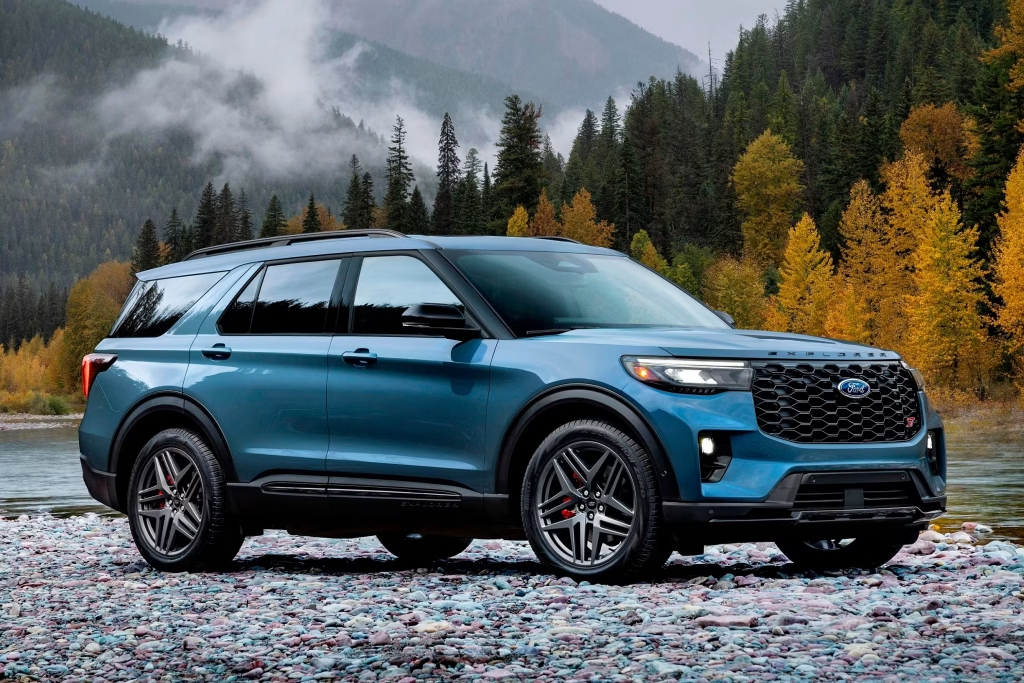
The Explorer’s cabin focuses heavily on technology and usability. Ford gives it a 13.2-inch touchscreen, while higher trims offer premium audio and other comfort features.
For families, that combination of seating and technology is important. The Explorer can serve as a commuter during the week, a school-run vehicle in the afternoon, and a road-trip machine on weekends.
The Durango is nearly as useful and has excellent cargo capacity. The Grand Cherokee is arguably the most comfortable choice for five people, but its lack of a third row limits family flexibility.
For a buyer who needs three rows, the choice is between Ford and Dodge. The Durango provides excellent third-row room and cargo capacity.
The Explorer provides a newer cabin, generous passenger dimensions, and strong technology. For the typical family, the Explorer has the most balanced interior.
Winner: Ford Explorer
Towing and Capability
This category is not particularly close. The Durango is the towing champion of this comparison.
Properly equipped, the 2026 Durango can tow up to 8,700 pounds with its V8 powertrain. That puts it far ahead of the other two.
The Explorer has a maximum towing capacity of 5,000 pounds. That is enough for many family needs. A small camper, utility trailer, recreational equipment, or boat can fall comfortably within that limit.
But it cannot compete with the Durango’s maximum rating. The Grand Cherokee can tow up to 6,200 pounds when properly equipped.
That gives the Jeep a substantial advantage over the Explorer. It also fits the Grand Cherokee’s identity.
Jeep has always emphasized four-wheel-drive capability and off-road performance. The 2026 Grand Cherokee continues to offer three available four-wheel-drive systems, giving buyers different levels of traction and terrain capability.
For buyers who regularly leave paved roads, the Jeep is the most natural choice. Its available systems can be configured around different terrain requirements, and the Grand Cherokee’s design is better suited to serious off-road driving than most mainstream crossovers.
The Durango is capable on pavement, especially with AWD, but its greatest advantage is towing rather than technical off-road driving.
Its strong available engines make it particularly attractive for people who tow heavy trailers. The Durango’s 8,700-pound maximum can make the difference between comfortably towing a large travel trailer and needing a full-size SUV or pickup.
The Explorer’s 5,000-pound maximum is adequate for most families, but it is not designed to compete with the Durango in heavy towing.
The Grand Cherokee’s 6,200-pound rating puts it in second place. That makes the Jeep the better choice if off-road capability is more important than maximum trailer capacity.
The Explorer is the better choice for normal family use. But if the question is which SUV can handle the largest trailer, the answer is unmistakable.
Winner: Dodge Durango
Technology, Comfort, and Safety
The Explorer wins this category because it combines a modern cabin with a strong technology package.
Ford provides a 13.2-inch touchscreen, multiple USB ports, available Bang & Olufsen audio, and a wide range of driver-assistance features.
The large center screen is one of the most noticeable differences between the Explorer and Durango.
The Durango’s 10.1-inch Uconnect touchscreen remains functional and offers wireless Apple CarPlay and Android Auto, but the underlying cabin design dates back much further.
That does not make the Durango uncomfortable. Its physical controls and straightforward layout can actually appeal to drivers who dislike complicated digital interfaces.
But the Explorer simply feels newer. The Grand Cherokee is much more competitive. The 2026 Grand Cherokee receives a standard 12.3-inch touchscreen and an available 10.3-inch passenger display. Higher trims can also provide premium equipment and a more luxurious cabin environment.
The Jeep’s higher trims can feel considerably more upscale than their price suggests. That is one of the Grand Cherokee’s biggest strengths.
The cabin combines premium materials, available high-end audio, and a comfortable seating environment. Buyers moving into higher trims can get an SUV that feels closer to a luxury vehicle than a mainstream family crossover.
The Explorer counters with a more technology-focused approach. Its large touchscreen is easy to see, and the cabin offers plenty of charging opportunities. Ford also provides selectable drive modes, including Normal, Eco, Sport, Tow/Haul, Slippery, and Trail or Off-Road, depending on configuration.
That means the same vehicle can adapt to commuting, highway driving, towing, and rougher terrain. Safety technology is also important.
All three SUVs offer modern driver-assistance features, including blind-spot monitoring and collision-related systems. The Grand Cherokee also provides a strong collection of modern safety systems.
But the Explorer’s combination of standard technology, large infotainment hardware, and family-focused equipment gives it the strongest balance.
The Grand Cherokee wins on luxury feel. The Durango wins on simplicity. The Explorer wins because it feels like the most modern technology package for a family SUV.
Winner: Ford Explorer
Long-Term Versatility and Ownership Appeal
The final category is difficult because each SUV has a different ownership philosophy. The Durango appeals to a specific buyer.
It is for someone who wants a three-row SUV but does not want to give up traditional American performance. Its V8 engines and massive towing capability make it unique.
The Explorer is easier to recommend as a family vehicle. It combines three-row seating, strong technology, reasonable fuel economy, and available 400-horsepower performance. Its 2.3-liter four-cylinder can reach 20 mpg city and 29 mpg highway according to EPA estimates, giving it a useful efficiency advantage over the V8-powered Durango.
The Grand Cherokee has the broadest lifestyle appeal. It can be configured as a comfortable daily driver, a premium family SUV, or a genuine off-road vehicle. The availability of three four-wheel-drive systems gives owners different levels of capability, while the new 324-horsepower turbocharged engine brings stronger performance to the lineup.
That makes the Jeep particularly adaptable. A buyer may choose a lower trim for commuting and winter traction, while another can select a higher trim with four-wheel drive, premium equipment, and off-road capability.
The Grand Cherokee also benefits from being a two-row SUV. That can actually improve long-term ownership for buyers who do not need additional seats. The cabin can be optimized around five passengers without carrying an unused third row.
The Durango’s long-running design has both advantages and disadvantages. Its architecture is mature, and its drivetrain choices are familiar, but the interior and technology are not as fresh as those of the Grand Cherokee or Explorer.
The Explorer is much more modern, but the Grand Cherokee provides something Ford cannot fully replicate: genuine off-road heritage.
The Jeep name carries considerable weight among buyers who want to travel beyond paved roads. Its available four-wheel-drive systems and terrain-oriented technology make it more than a stylish crossover.
The Grand Cherokee also provides a more premium cabin than the Durango while remaining relatively close in starting price. That combination gives it broad appeal.
If you need three rows, the Grand Cherokee is immediately eliminated. If you tow extremely heavy trailers, the Durango is the better choice. If you want a modern family SUV with strong technology, the Explorer is difficult to fault.
But if you want an SUV that can serve as a daily commuter, family vehicle, premium cruiser, and weekend adventure machine, the Grand Cherokee offers the most balanced long-term proposition.
Winner: Jeep Grand Cherokee
The Dodge Durango, Jeep Grand Cherokee, and Ford Explorer are not simply three versions of the same SUV formula.
The Dodge Durango is the performance and towing specialist. Its available 475-horsepower 6.4-liter V8 and 710-horsepower Hellcat V8 give it performance that the other two cannot match. Its 8,700-pound maximum towing rating is also the strongest in this comparison.
The Ford Explorer is the family specialist. It offers three rows, a modern cabin, a 13.2-inch touchscreen, and a choice between 300-horsepower and 400-horsepower EcoBoost engines.
The Jeep Grand Cherokee is the versatility specialist. It combines a more premium cabin with a new 324-horsepower turbocharged engine, two-row practicality, and three available four-wheel-drive systems.
Here is how the six categories shake out:
| Category | Winner | The Edge |
|---|---|---|
| Price and Value | Jeep Grand Cherokee | Competitive pricing combines modern technology with premium character. |
| Powertrain and Performance | Dodge Durango | Available V8s deliver dramatically stronger performance than both rivals. |
| Interior Space and Family Practicality | Ford Explorer | Three rows and modern cabin design create excellent family flexibility. |
| Towing and Capability | Dodge Durango | 8,700-pound maximum towing capacity dominates the comparison. |
| Technology, Comfort, and Safety | Ford Explorer | Large touchscreens and modern technology give it the strongest cabin package. |
| Long-Term Versatility and Ownership Appeal | Jeep Grand Cherokee | Premium comfort and genuine four-wheel-drive capability broaden its usefulness. |
