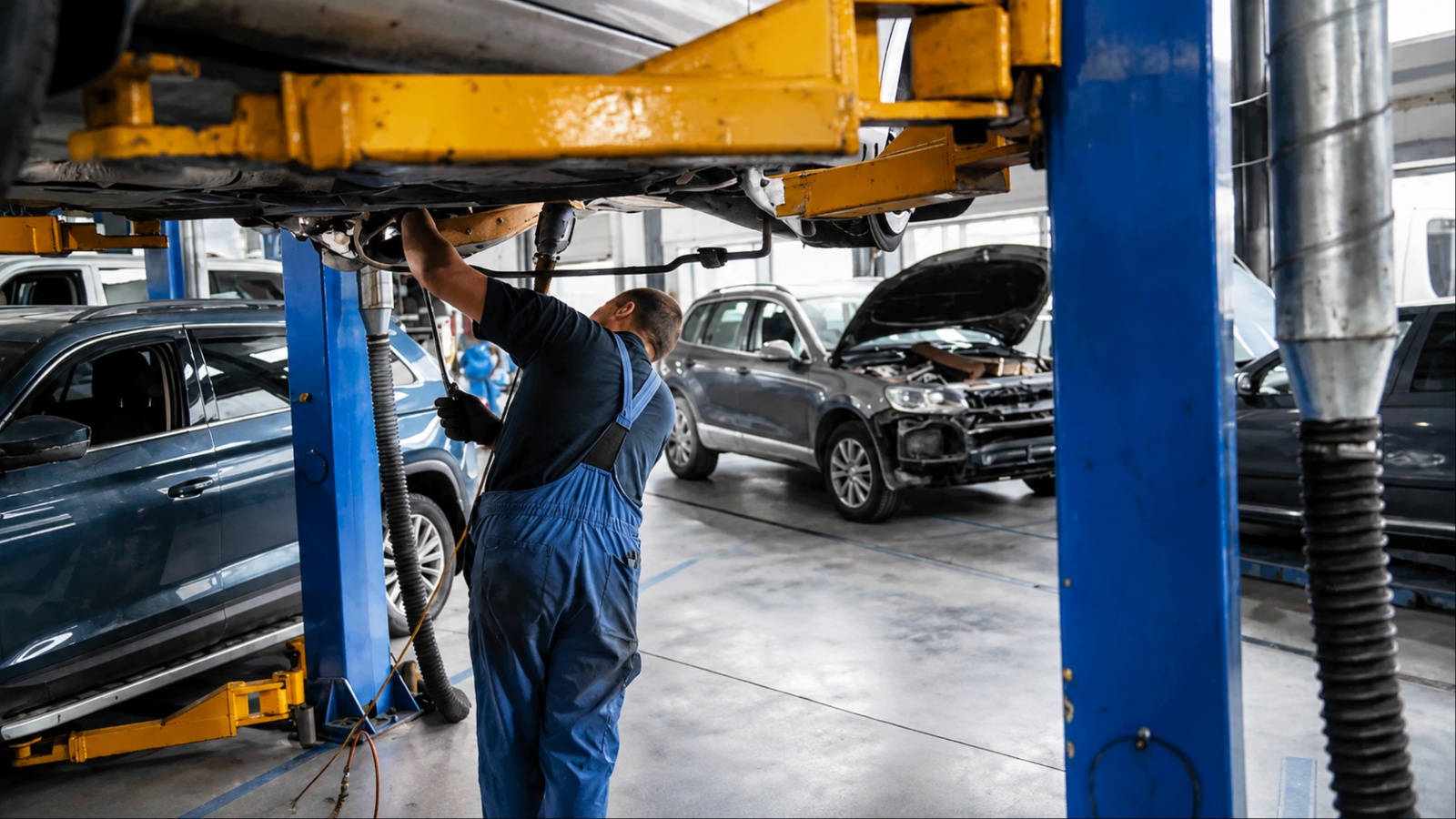
Collision repair in the United States has changed dramatically as vehicles have become more technologically advanced. The increase is not simply about higher labor rates or more expensive body panels.
Modern vehicles can require cameras, radar sensors, electronic modules, battery systems, specialized materials, and post-repair calibration. CCC’s latest data shows the average total cost of repair reached $4,818 in 2025, while vehicles six years old or newer averaged $5,721.
Mitchell’s data also shows major differences by powertrain, with repairable battery-electric vehicles carrying higher claim severity than conventional gasoline vehicles. The following eight trends show where repair costs have risen most noticeably and why.
8. Older Vehicles With Increasing Parts Costs
One of the less obvious trends in collision repair is the growing financial pressure created by older vehicles. A car does not necessarily become cheaper to repair simply because it gets older. In many cases, replacement parts become more difficult to source, while labor and parts prices continue rising across the industry.
CCC’s 2026 Crash Course report places the average total cost of repair at $4,818 in 2025. That figure represented a 1.7% increase from 2024. More importantly for owners of older vehicles, CCC found a substantial difference between newer and older cars.
Vehicles six years old or newer averaged $5,721 in total repair costs, compared with $3,682 for vehicles seven years old or older. That is a $2,039 difference, or about 55.4%.
The lower average for older vehicles does not mean every older vehicle is inexpensive to repair. A 10-year-old luxury sedan, for example, can still require costly lighting assemblies, sensors, or electronic modules.
The difference is partly related to vehicle design and repair economics. Newer vehicles contain more technology and generally require more procedures after a collision.
Parts inflation also affects owners regardless of vehicle age. CCC reported that the average price per replacement part increased 6.0% during 2025. That matters because replacement parts remain one of the largest components of a collision estimate.
Even when the damaged area looks relatively minor, several replacement components can quickly push the estimate upward.
For consumers, this trend creates an important distinction between purchase price and repair exposure. Buying an inexpensive older vehicle may reduce the initial financial burden, but owners should not assume every collision will result in a small repair bill.

Parts availability, vehicle complexity, and the type of damage can have a much larger influence on the final invoice.
The data therefore points toward a broader change in collision economics. Vehicle age still matters, but it is only one part of the equation.
7. Newer ICE Vehicles With More Complex Repairs
Gasoline-powered vehicles remain the dominant powertrain in the American repair market, but modern ICE vehicles are becoming significantly more complicated than the conventional cars that dominated previous generations.
Mitchell’s 2024 collision data provides an important comparison. Repairable ICE-powered automobiles had an average claim severity of $5,066 in the United States during 2024.
However, when Mitchell isolated newer ICE vehicles to make the comparison more representative of modern electrified vehicles, the average severity increased to $6,127. That figure was much closer to the $6,236 average recorded for repairable battery-electric vehicles.
That difference shows why simply calling a vehicle a gasoline car does not tell you how expensive it will be to repair.
A modern ICE vehicle can contain adaptive cruise control, forward-facing cameras, radar sensors, parking sensors, blind-spot monitoring, electronically controlled suspension, and numerous control modules. Damage to an exterior panel can therefore become an electronic repair problem as well as a body repair.
CCC’s data reinforces this trend. Its 2026 report found that vehicles six years old or newer averaged $5,721 in total repair costs, considerably above the $3,682 average for vehicles seven years old or older.
Labor is another contributor. Collision technicians increasingly need specialized diagnostic equipment and training to return modern vehicles to their original operating condition. A repair that once involved replacing a bumper and painting it may now require sensor inspection, electronic diagnostics, and calibration.
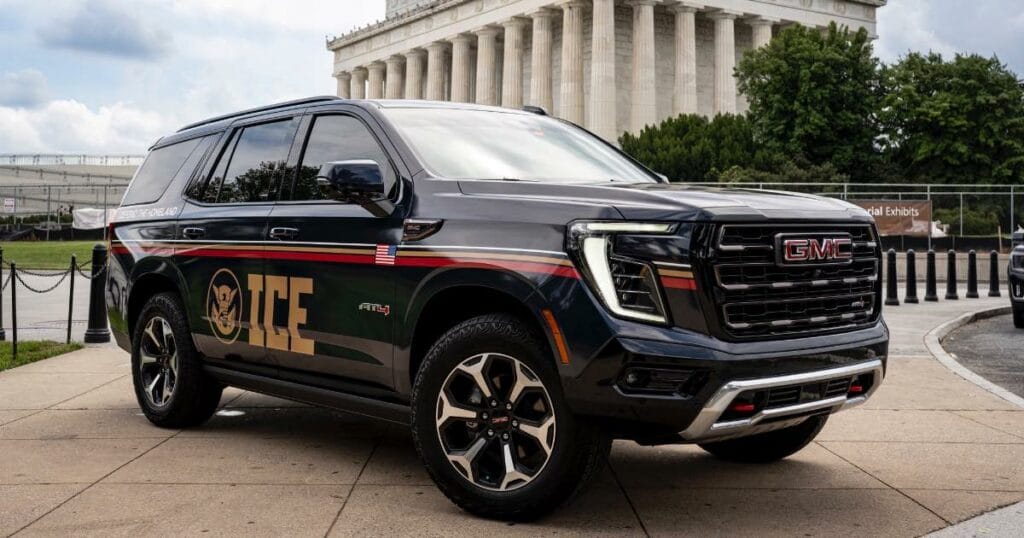
This does not mean gasoline vehicles have suddenly become inherently expensive to maintain. Routine mechanical maintenance remains separate from collision repair. The issue is what happens after an accident.
For buyers, the key takeaway is simple. Having an internal combustion engine does not automatically mean a vehicle will be cheap to repair after a crash. Factors such as the vehicle’s age, trim level, safety equipment, and electronic complexity can have just as much impact on repair costs as the type of engine it uses.
6. Battery-Electric Vehicles and Higher Repair Severity
Battery-electric vehicles have become one of the clearest examples of how modern vehicle technology can change collision economics.
Mitchell’s latest U.S. data shows that BEVs continued to record the highest average repairable claim severity among the major powertrain categories in 2025, even though their severity declined from the previous year.
According to Mitchell’s 2025 year-end data, the average repairable BEV claim cost $6,395 in the United States, down 5% from $6,707 in 2024. By comparison, ICE vehicles averaged $5,105 in 2025, while plug-in hybrids averaged $5,628 and mild hybrids reached $5,054.
BEV repairs therefore remained substantially more expensive than conventional gasoline-powered vehicles.
The reason is not simply the presence of a large battery. Mitchell points to dense electrical architectures, software-driven systems, and sensor-heavy designs as important contributors to repair complexity. A collision can affect systems beyond the visibly damaged bodywork, creating additional diagnostic and calibration requirements.
The calibration figures demonstrate the difference. In 2025, BEVs averaged 1.70 calibrations per repair estimate, compared with 1.63 for hybrids and 1.54 for ICE vehicles. That may sound like a small difference, but calibration work can add labor, equipment requirements, and additional procedures to a collision repair.
Mitchell also reports that repairable BEV claims represented 3.07% of all repairable automobile claims in the United States during 2025, a 14.1% increase from 2024. More electric vehicles on American roads naturally means more of them eventually appearing in collision repair facilities.
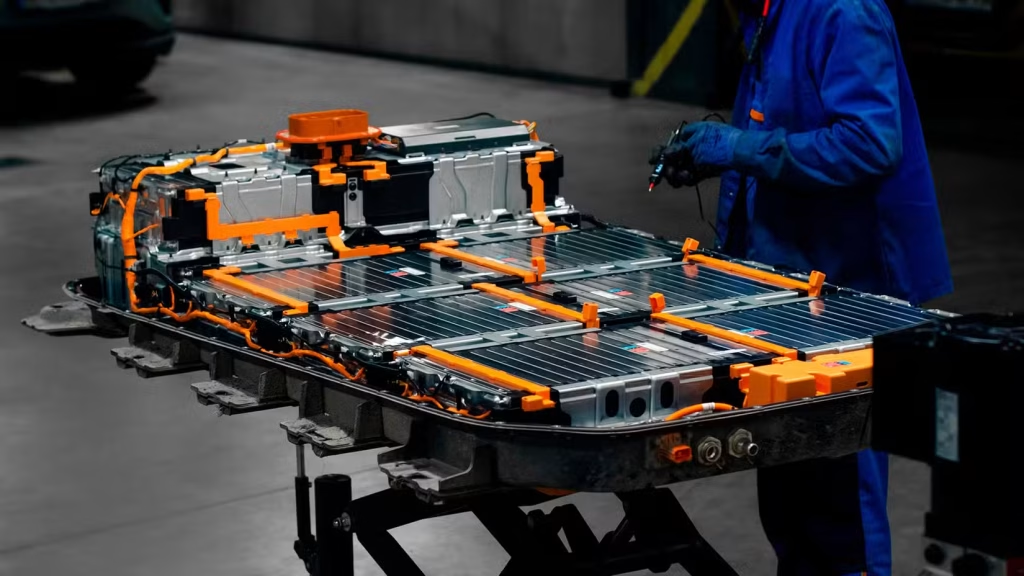
This makes BEVs an important part of the collision-cost story. Their repair bills are not rising every single year, but their combination of expensive technology, specialized components, and calibration requirements keeps their average severity above conventional vehicles.
5. Hybrid Vehicles Are Developing Their Own Repair-Cost Pressure
Hybrid vehicles once appeared to offer a straightforward compromise between gasoline and electric power, but collision-repair data shows that their growing presence is creating a more complicated picture.
Modern hybrids combine conventional engines with electric motors, high-voltage systems, power electronics, and additional control hardware.
Mitchell’s 2025 data provides a useful snapshot. Plug-in hybrids averaged $5,628 in repairable claim severity in the United States, while mild hybrid vehicles averaged $5,054. PHEV severity actually declined from $5,759 in 2024, whereas MHEV severity increased from $4,865 to $5,054.
The number of hybrid-related claims is also increasing. Mitchell reported that repairable PHEV claims increased 6% year over year in 2025, while MHEV claims increased 20% in the United States. That matters because a larger number of hybrid vehicles entering collision facilities means repairers are encountering their specialized systems more frequently.
Calibration is another factor worth considering. Mitchell reported that hybrids averaged 1.63 calibrations per estimate in 2025, compared with 1.54 for vehicles powered by internal combustion engines. The difference is relatively small compared with the figure for battery electric vehicles, but it still shows how electrified powertrains can add extra steps to the collision repair process even when a vehicle is not fully electric.
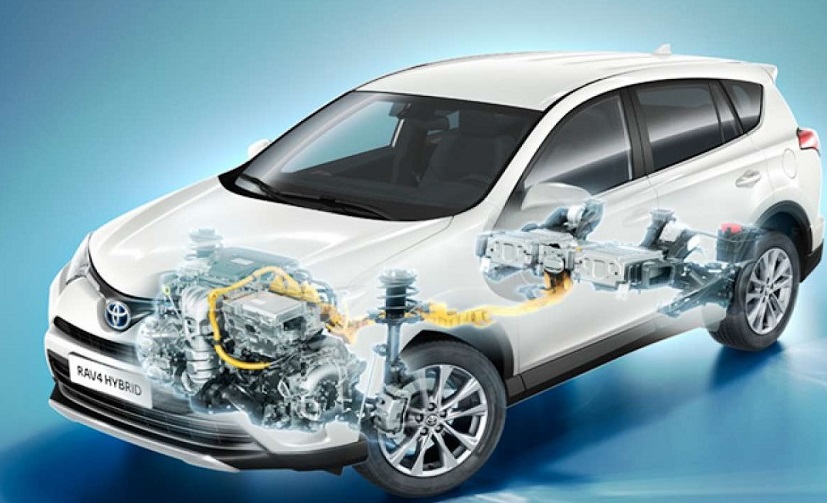
Hybrid repair costs can also be influenced by the location of damage. Components surrounding high-voltage systems require specific procedures and safety precautions. Meanwhile, the vehicle can still contain the same cameras, radar sensors and electronic driver-assistance equipment found on many gasoline-powered vehicles.
The result is a category that sits between traditional ICE vehicles and BEVs. Hybrids generally do not carry the highest repair severity, but their repair requirements are becoming more sophisticated as manufacturers add more electrified components.
For American drivers, this is an important distinction. Choosing a hybrid can reduce fuel consumption, but it does not automatically mean collision repairs will be cheaper than those of a conventional gasoline vehicle.
4. ADAS-Equipped Vehicles and Calibration Costs
Advanced driver-assistance systems have quietly become one of the biggest forces changing collision repair. A damaged bumper or windshield can no longer be treated as purely cosmetic when the vehicle contains cameras, radar sensors, or other systems that help control braking, steering, and driver warnings.
CCC’s 2025 data shows just how quickly this has changed. By the third quarter of 2025, 87.7% of repairable Direct Repair Program appraisals included a diagnostic scan, compared with 84.7% during the same period in 2024.
Even more significant was calibration activity. 35.6% of repairable DRP appraisals included a calibration in Q3 2025, compared with 26.9% a year earlier.
The financial impact can be substantial. CCC’s 2026 report shows the average calibration fee rising to approximately $486 in 2025, compared with roughly $188 in 2017.
The share of repairable estimates containing calibration work also climbed from 21.8% to 28.3% during 2025, representing about a 30% increase in the number of estimates involving calibration.
The repair process can become longer as well. CCC found that DRP repairs requiring more than one calibration averaged more than 17 days from vehicle arrival to completion in Q1 2025. Repairs involving one calibration averaged 15.5 days, compared with 13 days when no calibration was required.
Mitchell explains why these procedures can become necessary even when the sensor itself is not visibly damaged. Removing or replacing components such as windshields, mirrors, or other parts containing ADAS hardware can trigger calibration requirements. The exact procedure varies by manufacturer and vehicle.

This trend affects a huge portion of the modern American vehicle fleet. A collision that once ended with bodywork and paint can now require scanning, calibration, road testing, and manufacturer-specific procedures.
As ADAS continues spreading across mainstream vehicles, these electronic operations are becoming a routine component of collision repair rather than an unusual extra.
3. Hybrid Vehicles With Heavy Calibration Requirements
Hybrid vehicles occupy a particularly interesting position in today’s collision-repair market. They combine the mechanical complexity of an internal-combustion vehicle with electric motors, high-voltage components, and additional electronic control systems.
The result is a vehicle category that can require more diagnostic work than many traditional gasoline models.
CCC’s analysis of newer vehicles found that hybrids stood out for their calibration requirements. In its Q4 2024 analysis of ICE, hybrid, and EV vehicles three years old or newer, hybrid estimates included calibrations at a rate almost 10 percentage points higher than the industry average and more than 7 percentage points higher than EVs.
CCC also found that hybrid vehicles had higher average calibration fees than the industry average.
Mitchell’s 2025 data provides another perspective. Plug-in hybrid vehicles averaged $5,628 in repairable claim severity, while mild hybrids averaged $5,054. For comparison, conventional ICE vehicles averaged $5,105, and BEVs averaged $6,395.
The important point is that hybrid repair expense does not come exclusively from the battery system. These vehicles can contain the same cameras, radar sensors, and parking systems found in other modern cars.
Add high-voltage components and sophisticated power-management electronics, and technicians may need to perform more checks before a vehicle can be returned to the road.
CCC also found that hybrid vehicles had a higher scan and calibration burden than some other powertrain categories. In Q4 2024, the average calibration associated with a diagnostic operation was close to $550, with hybrids averaging nearly $80 more than the industry figure.
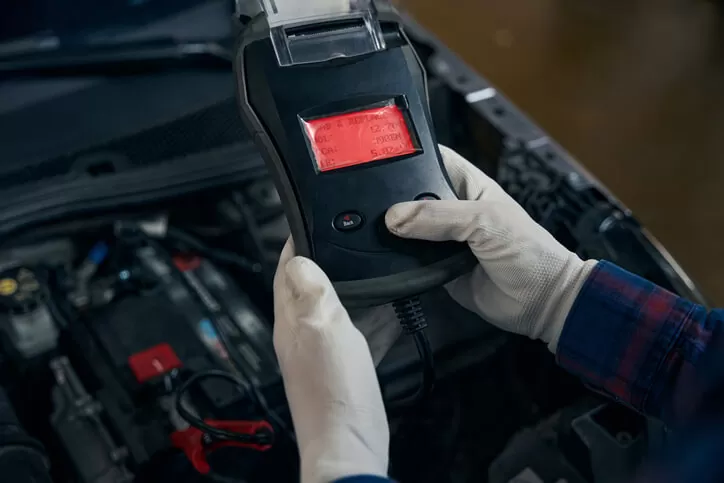
That creates a significant shift in how owners should think about collision damage. A hybrid may look like a relatively conventional sedan or crossover from the outside, but its repair process can involve systems invisible to the person looking at the damaged bodywork.
The growing hybrid fleet means this trend is unlikely to disappear. As more electrified vehicles age into the collision-repair population, repair shops will increasingly need specialized knowledge, diagnostic equipment and procedures for safely handling both high-voltage systems and advanced driver-assistance technology.
2. Vehicles With Rising Parts Prices
Replacement parts have become one of the most persistent sources of pressure in collision repair, and CCC’s 2025 data shows why. Even though the average number of parts replaced on a repairable claim declined, the price of the individual parts continued moving upward.
CCC reported that the average price per replacement part increased 6.0% in 2025. At the same time, the average number of parts used on a non-comprehensive repairable appraisal fell from 13.6 in 2024 to 13.0 in 2025. That means the industry was not simply repairing more components. Individual replacement components were becoming more expensive.
The trend becomes more interesting when individual part groups are considered. CCC identified notable increases in categories including grilles, liftgates, quarter panels and rear lamps during 2025, with many part groups recording increases above general inflation.
For vehicle owners, these changes can be surprisingly important. A modern bumper, grille, or lighting assembly can contain more than molded plastic and bulbs.
Radar sensors, cameras, wiring, LED modules, and other electronics can be integrated into or positioned behind exterior components. Consequently, damage to an apparently simple section of the vehicle can involve several replacement operations.
CCC also reported that the average total cost of repair reached $4,818 in 2025, up 1.7% from 2024. Parts and miscellaneous expenses, including certain diagnostic operations, were among the factors contributing to that increase.
This creates a different repair environment from the one drivers encountered years ago. A body shop may replace fewer parts than before, yet the dollar value of those parts can be considerably higher.
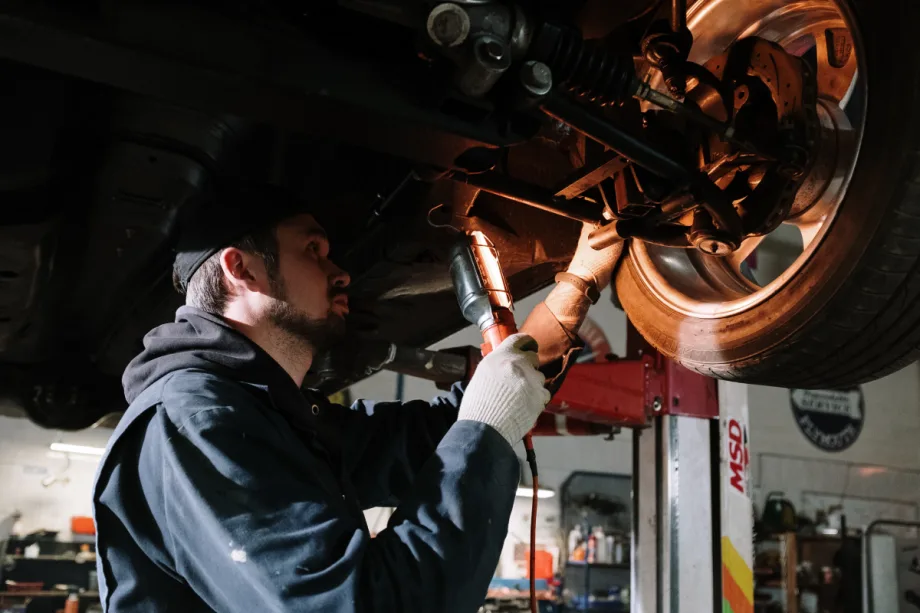
The effect is particularly noticeable on newer, technology-heavy vehicles. A damaged rear lamp, for example, may be an expensive LED assembly rather than a relatively inexpensive conventional light. A grille can also contain sensors and mounting hardware that add to the repair estimate.
For consumers, the key point is straightforward. The size of a damaged part does not necessarily tell you how much it will cost to replace. Modern components can contain sophisticated technology, sensors, and electronics that significantly increase their price even when the part itself appears relatively simple.
1. Vehicles With Increasing Diagnostic and Repair Complexity
The biggest long-term shift in collision repair may not be a single powertrain or vehicle class. It is the growing complexity of the repair process itself.
Modern vehicles increasingly require technicians to diagnose electronic systems, follow manufacturer-specific procedures, and verify that safety technology works correctly after structural or cosmetic repairs.
CCC’s latest data provides a clear measurement of this change. Across repairable claims, the share containing a calibration increased from 21.8% in 2024 to 28.3% in 2025, representing an approximately 30% increase in repairable estimates involving calibration. At the same time, the average calibration fee climbed to about $485.56.
Diagnostics have also become routine. CCC’s data shows the average scan fee reached approximately $149.10 in 2025, while diagnostic scanning and calibration procedures became increasingly common components of repair estimates.
Mitchell describes the same transformation from another angle. The company notes that modern collision repair increasingly involves restoring electronic and safety systems in addition to repairing body and mechanical components.
Advanced driver-assistance systems can require precise calibration after a collision, and manufacturer-specific procedures are often necessary.
Mitchell’s 2026 review also highlights how quickly calibration is becoming a significant part of repair economics. The company reported that U.S. calibrations were approaching 40% of repairs and said calibrations were adding roughly $600 to estimates when present.
The financial effect is accompanied by additional time. More diagnostics, calibration and documentation can extend the repair process because technicians cannot simply replace a damaged component and send the vehicle home.

This is why modern collision costs can rise even when physical damage does not appear catastrophic. A vehicle may need scanning before and after repairs, sensor calibration, software-related procedures and verification testing.
The American collision-repair market is therefore moving toward a model where repairing a vehicle means restoring both its physical structure and its electronic brain. That transformation is likely to remain one of the strongest forces influencing repair costs in the years ahead.