
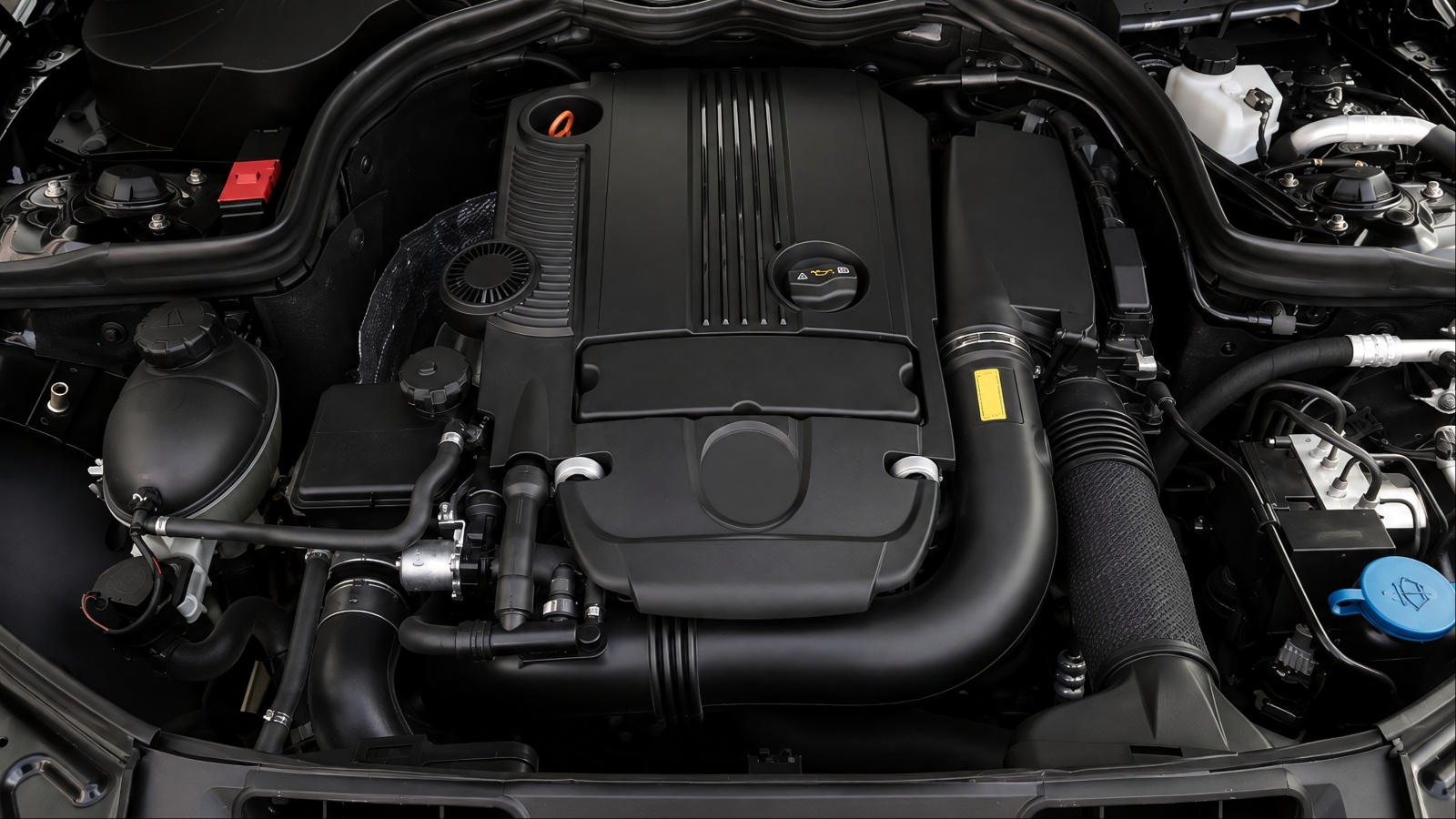
A parked car may look protected from wear because the odometer is not moving, but long periods of inactivity create a different kind of deterioration. Vehicles are designed to operate regularly so fluids circulate, seals remain lubricated, tires flex, brakes clean themselves, and batteries recharge.
When a car sits for weeks or months, moisture, gravity, oxidation, temperature changes, and chemical aging can quietly damage components without adding a single mile.
That matters when buying a low-mileage used car, seasonal vehicle, collector car, or something that has been stored for an extended period. Low mileage is valuable only when storage and maintenance were handled properly.
A 25,000-mile car that barely moved for years may need more immediate work than a regularly driven 70,000-mile example. These ten areas deserve particular attention because deterioration can occur primarily from time and inactivity rather than normal driving.
1. Tires Develop Flat Spots, Cracks, and Age Damage
Tires need movement. When a vehicle remains parked in the same position for weeks or months, the entire weight of the car continuously presses on the same small sections of rubber. This can produce flat spotting, especially if tire pressures are low or temperatures fluctuate substantially.
Temporary flat spots may disappear after several miles once the tires warm up. More serious deformation can create persistent vibration through the steering wheel, floor, or seats and may require tire replacement.
Storage also accelerates age-related concerns that mileage cannot reveal. Rubber compounds gradually lose flexibility as they are exposed to oxygen, ozone, sunlight, and temperature changes. Sidewalls can develop small cracks even when the tread still looks nearly new.
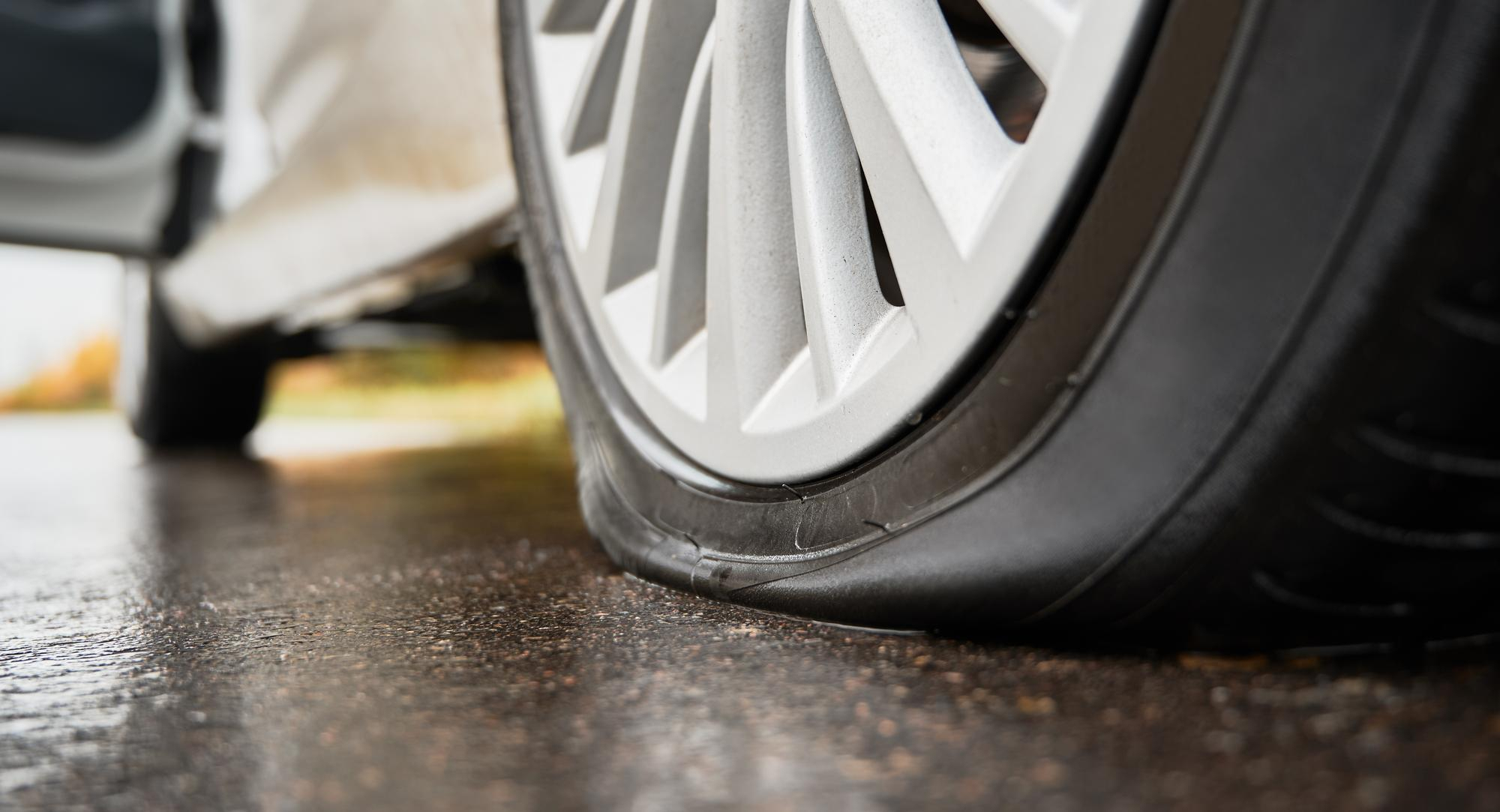
That is why an eight-year-old tire with 15,000 miles can be a worse ownership risk than a three-year-old tire with 40,000 miles. Check the DOT date code on every tire, not just tread depth. Inspect the sidewalls and areas between tread blocks for cracking. Also verify pressure before the test drive.
If a stored car shakes noticeably for the first few miles, do not automatically assume suspension trouble. Tires may be the cause. For long-term storage, proper inflation, tire cradles, periodic movement, or safely supporting the vehicle can reduce the chances of permanent flat spotting.
2. Batteries Discharge and Sulfate While Parked
A car battery does not stop working simply because the ignition is off. Modern vehicles continue drawing small amounts of electricity for alarm systems, keyless-entry receivers, control modules, clocks, memory settings, and other electronics. Given enough time, these parasitic loads can significantly discharge the battery.
Repeated or extended discharge is particularly damaging to conventional lead-acid batteries. When voltage remains low, lead sulfate crystals can harden on the battery plates in a process known as sulfation. That reduces the battery’s ability to accept a charge and deliver strong starting current later.
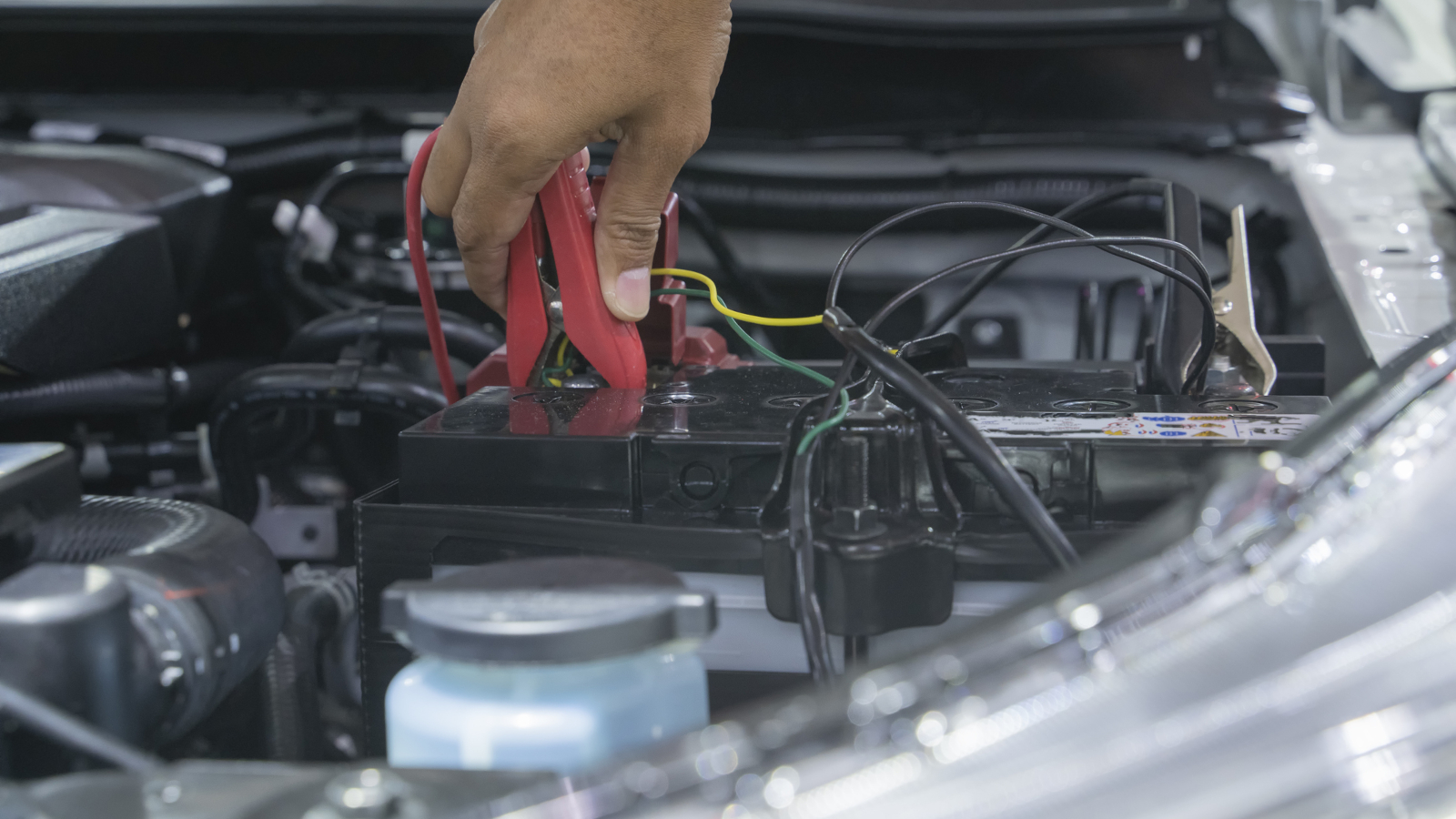
The result is familiar: slow cranking, clicking, flickering lights, warning messages, or a car that needs a jump-start after sitting. A jump does not necessarily solve the underlying problem. A deeply discharged battery may restart the vehicle but have permanently lost capacity.
Temperature also matters. High heat accelerates battery deterioration, while very cold conditions reduce available starting power.
When inspecting a stored used car, ask how long it has been parked and whether a battery maintainer was used. Request a battery load or conductance test rather than accepting, “It starts fine now.”
If the battery has repeatedly gone flat, replacement may be the sensible approach. Cars placed into long-term storage benefit from a quality maintenance charger designed to keep voltage stable without continuously overcharging the battery.
3. Brake Rotors Corrode Even Without Being Used
Brakes actually benefit from regular driving because every application of the pads wipes light surface oxidation from the rotor faces. Park a vehicle for long enough, particularly outdoors or in a humid environment, and the rotors can develop visible rust.
A thin orange coating after rain is normal and usually disappears after several braking events. Months of inactivity can create much deeper corrosion.
Rust may become concentrated where the brake pads remained pressed against the rotors. In severe cases, this produces pitting or uneven friction surfaces that do not clean up during a normal drive.
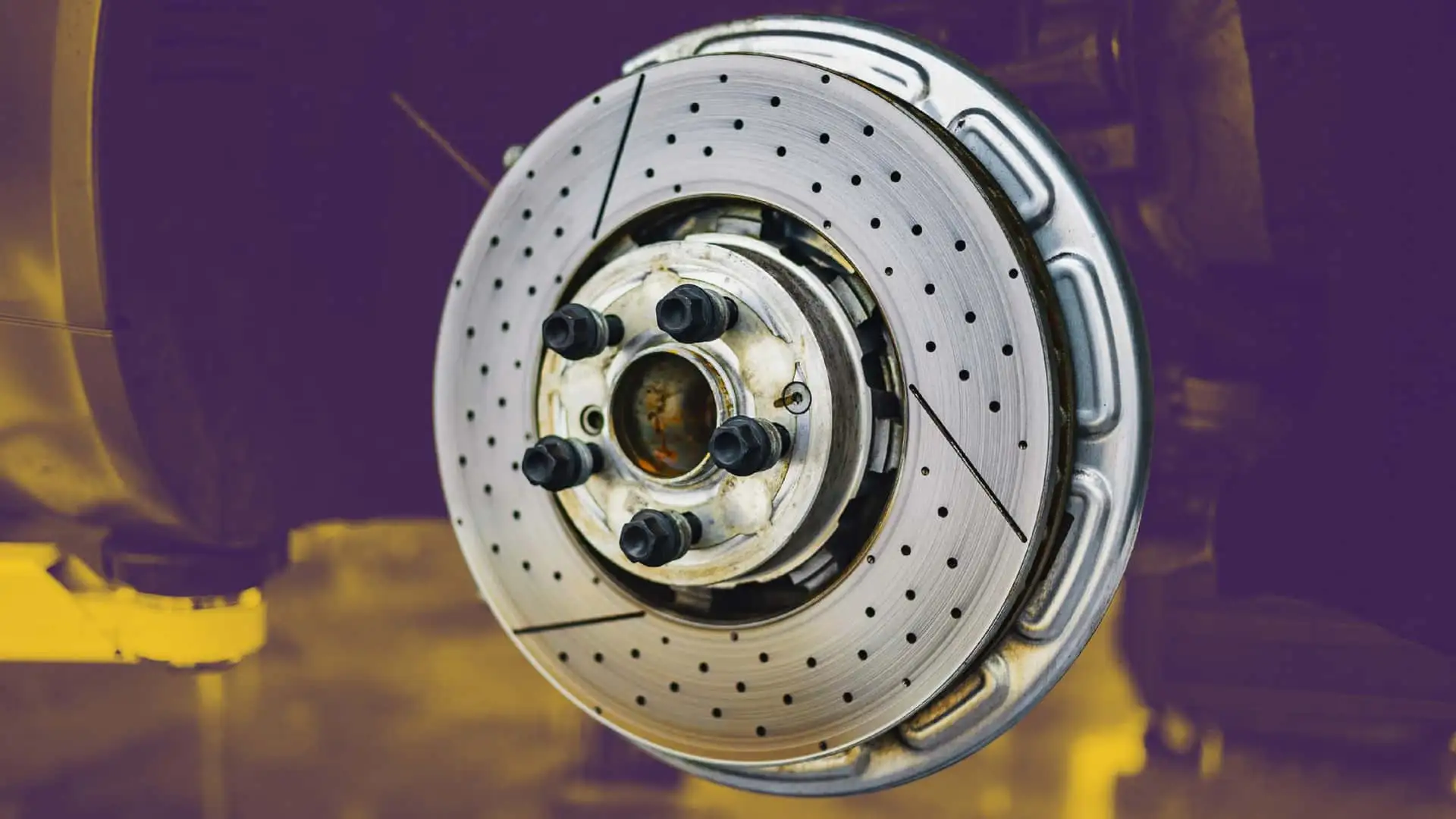
The driver may then experience grinding, brake pulsation, vibration, noise, or inconsistent stopping performance.
Parking brakes can create additional problems. Cables and mechanisms may seize, while rear brake shoes or pads can stick to drums or rotors after prolonged storage. Moisture can also affect caliper sliding hardware.
Before buying a car that has been parked for months, look through the wheels at the rotors. Heavy flaking or deeply pitted surfaces deserve professional inspection.
During the road test, listen and feel carefully once the brakes have been used enough to remove ordinary surface rust. If vibration or grinding remains, pads and rotors may need replacement.
Storing a vehicle in a dry environment and occasionally moving it can help, but brake corrosion is one reason unused cars should not automatically be considered mechanically preserved.
4. Brake Fluid Absorbs Moisture Over Time
Brake fluid is another component that ages whether the car travels 50 miles or 50,000. Most conventional automotive brake fluids are hygroscopic, meaning they absorb moisture from the atmosphere over time. That moisture gradually lowers the fluid’s boiling point.
During ordinary commuting, this may not create an immediately noticeable problem. Under repeated heavy braking, however, contaminated fluid can become hot enough for moisture to vaporize, potentially creating a softer pedal and reduced braking effectiveness.
Water contamination can also encourage internal corrosion within master cylinders, calipers, ABS hydraulic units, and brake lines.
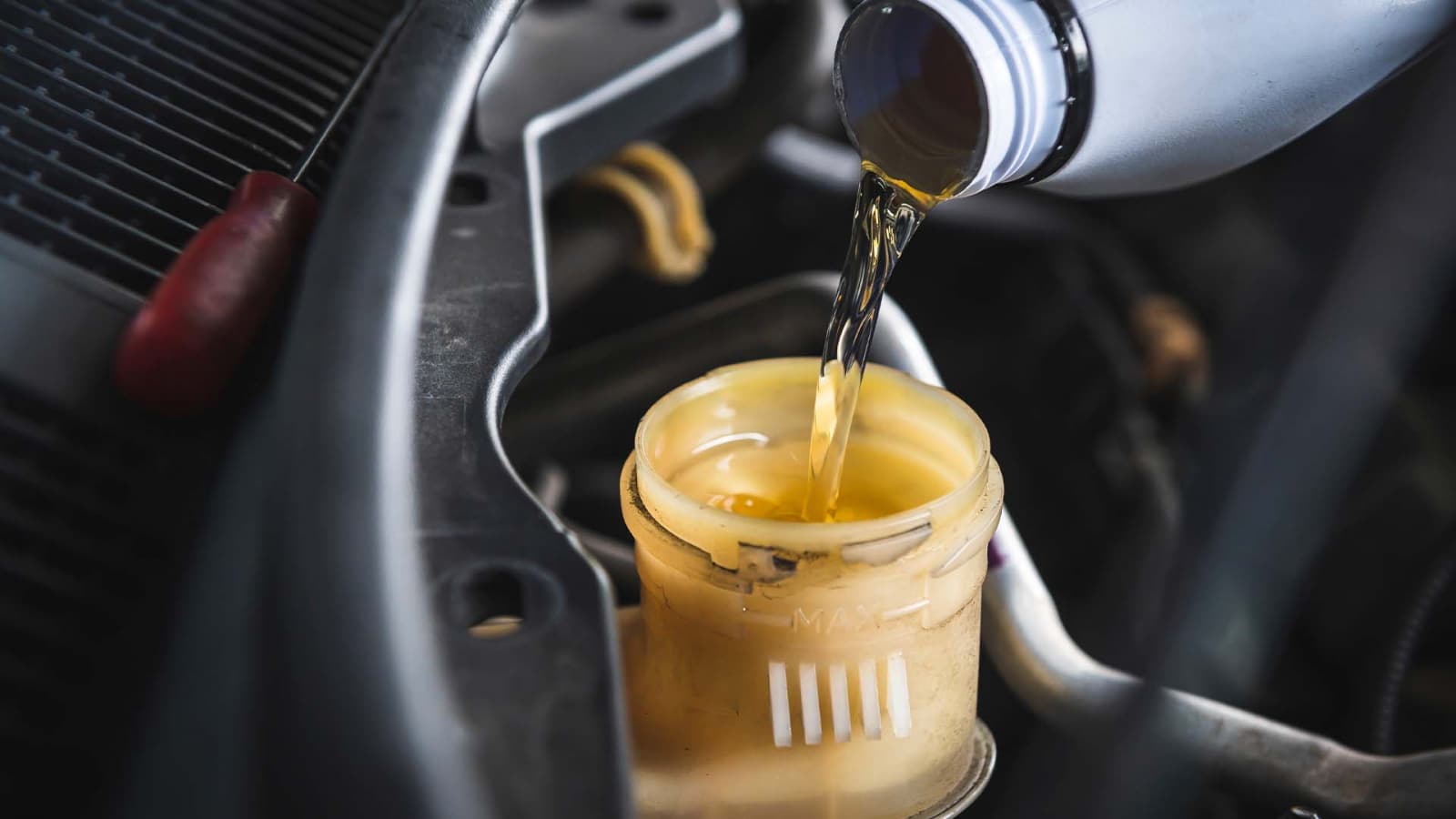
A low-mileage car that spent years parked may therefore have old brake fluid even though its pads and rotors show little wear. Maintenance schedules differ among manufacturers, but many specify brake-fluid replacement based partly or entirely on time rather than mileage.
Used-car buyers should check service invoices rather than assuming the fluid is fresh because the odometer is low. A shop can test moisture content and inspect fluid condition.
Dark fluid alone does not prove failure, but neglected brake fluid should be replaced according to the manufacturer’s recommendation. This is a classic example of why mileage cannot measure every type of automotive deterioration.
A frequently driven car may receive routine brake servicing because it reaches mileage intervals quickly. A stored car can quietly pass multiple time-based service intervals without anyone touching the braking system.
5. Engine and Transmission Seals Can Dry, Shrink, and Leak
Rubber and elastomer seals are designed to remain flexible while exposed to lubricants and normal operating temperatures. When a vehicle sits for a very long time, some seals can harden, shrink, or lose elasticity.
The first sign may appear only after the car is returned to regular use.
Engine crankshaft seals, camshaft seals, valve-cover gaskets, transmission seals, differential seals, and other sealing surfaces can begin weeping once fluids circulate again and operating pressure returns.
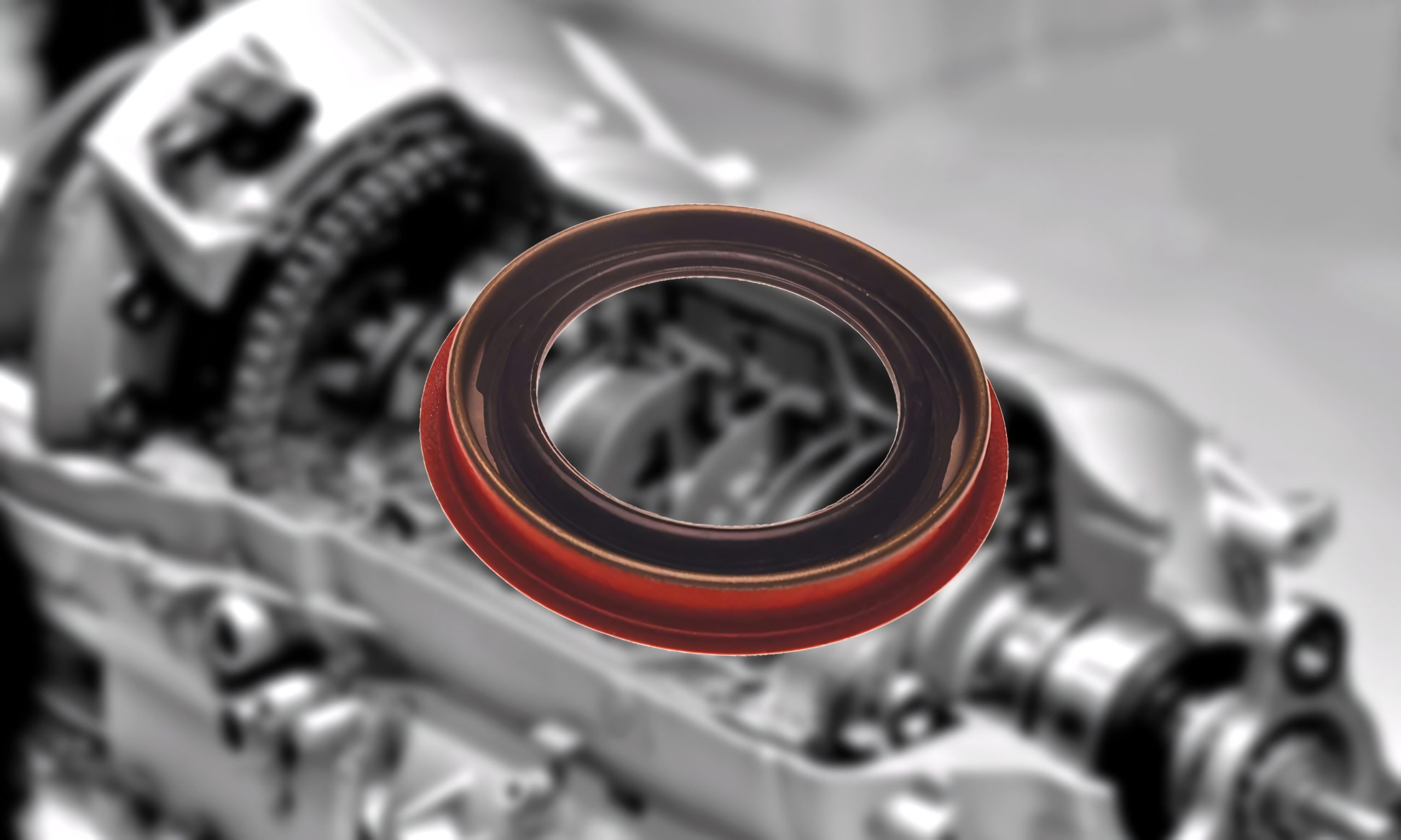
A stored car can therefore look perfectly dry while parked yet develop leaks shortly after being driven. Older vehicles are particularly susceptible because seal materials have already aged through years of heat cycles.
Transmission seals can also suffer where rotating shafts remain motionless for long periods. Once the car starts operating again, hardened sealing lips may no longer maintain proper contact.
Inspect the ground beneath a stored vehicle, but do not stop there. Look around the engine, transmission bellhousing, differential, and axle seals immediately after a long test drive.
Fresh wetness matters more than old dusty staining. Some minor leaks are inexpensive gasket jobs, while others require substantial labor. A rear main seal, for example, can be cheap as a part but costly to access.
Regular operation keeps lubricants circulating over many sealing surfaces. That does not prevent all age-related leaks, but cars stored for years without proper preparation can develop sealing problems despite exceptionally low mileage.
6. Fuel Degrades and Leaves Deposits in the System
Gasoline has a limited storage life. A vehicle parked with fuel in its tank for months or years can develop problems even though the engine was never running long enough to “wear out.”
Fuel contains volatile components that gradually evaporate, altering how easily it ignites. Oxidation can also produce gums and varnish-like deposits.
Ethanol-blended gasoline introduces another concern because ethanol attracts moisture. Under unfavorable storage conditions, water can accumulate and contribute to fuel separation, corrosion, or poor combustion.
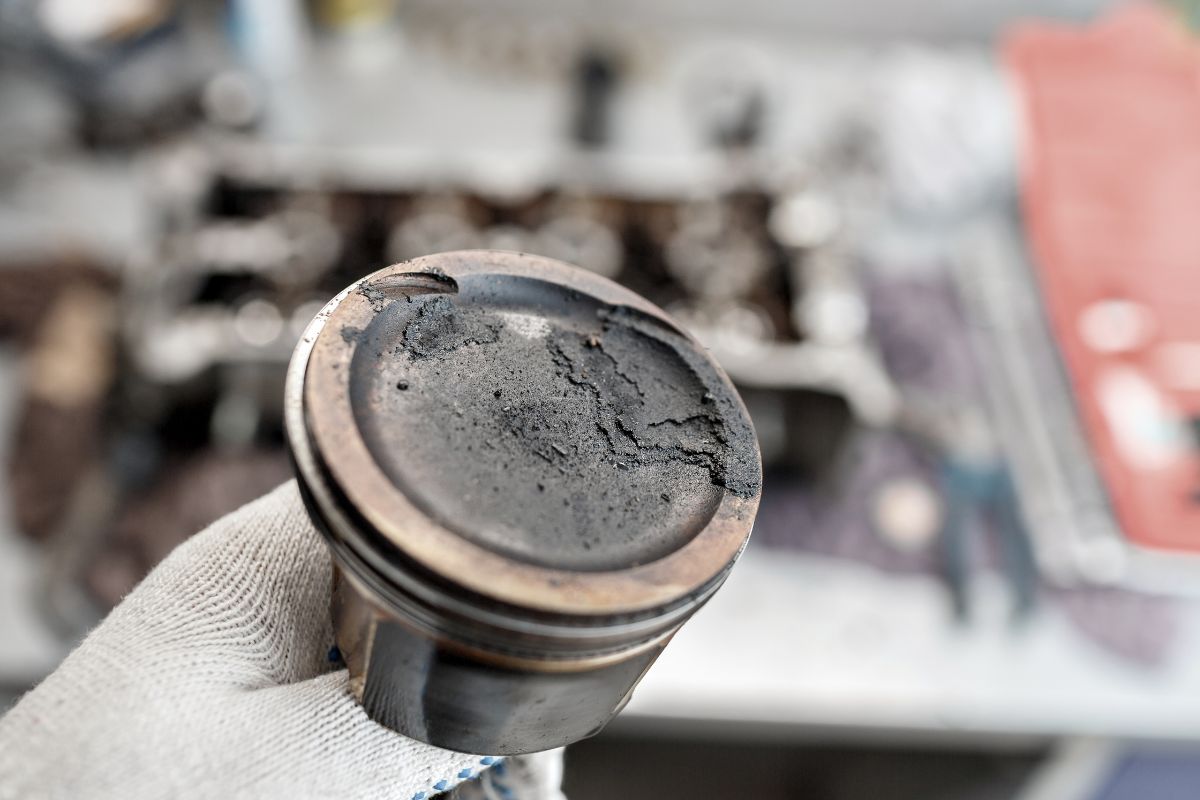
Old fuel may cause hard starting, rough running, hesitation, misfires, or a stale chemical odor. In severe cases, deposits can affect injectors, pumps, carburetors on older vehicles, and fuel-system passages.
The fuel pump itself depends on fuel for cooling and lubrication in many modern cars. A tank repeatedly stored nearly empty can also expose internal metal surfaces to more moisture.
If a vehicle has been parked for a year or longer, ask whether fuel stabilizer was used and whether the engine was periodically operated correctly.
Simply starting a car for five minutes every few weeks may not be enough and can introduce other problems. For severely aged fuel, draining the tank may be safer than attempting to burn it through.
Proper long-term storage involves fresh fuel, the correct stabilizer when appropriate, and following manufacturer guidance. Low mileage does nothing to protect a fuel system from chemical aging.
7. Engine Oil Collects Moisture and Contaminants
Engine oil does not necessarily become “bad” simply because a vehicle sat for several months, but storage conditions can influence its condition. Engines naturally experience condensation as temperatures rise and fall.
When a car is regularly driven long enough to reach full operating temperature, much of that moisture can evaporate. Short starts and prolonged storage can allow condensation to remain inside the crankcase instead.
Repeatedly starting a stored car for only a few minutes can actually be worse than leaving it alone because combustion introduces additional moisture and contaminants without keeping the engine hot long enough to remove them.
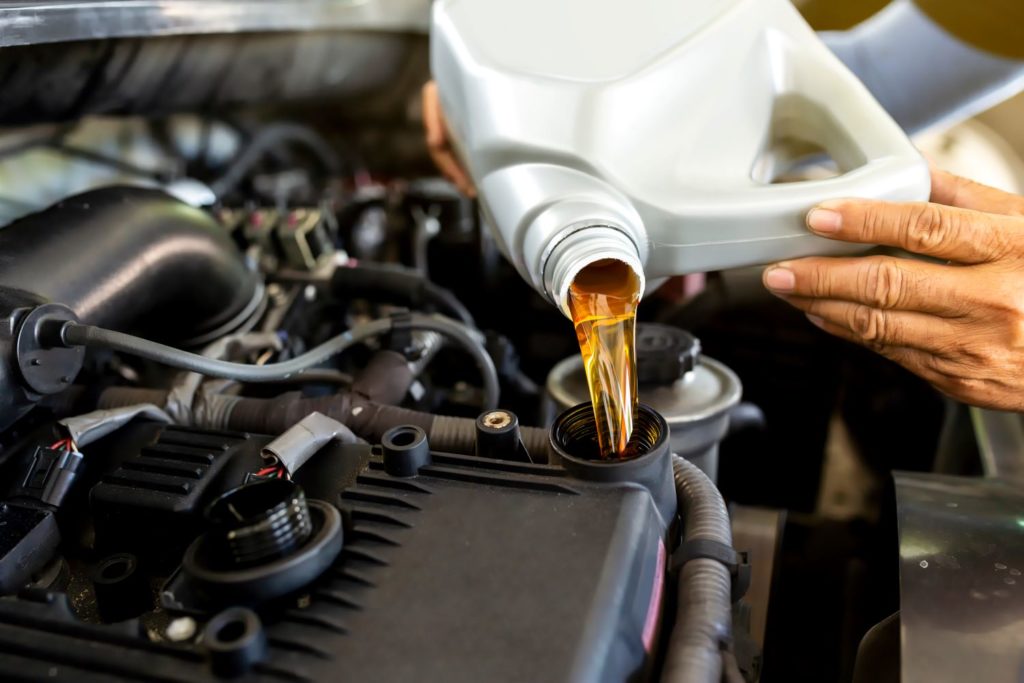
Fuel dilution may also occur during frequent cold starts. Oil additives age over time, and contaminants already present from the vehicle’s last period of use remain in the crankcase while it is stored.
This is why manufacturers often set oil-change intervals based on both mileage and time. The recommendation might call for an oil change after a specific number of miles or once a year, with whichever comes first determining when the service is due.
When buying a low-mileage vehicle that sat for a long period, ask when the oil was last changed, not merely how many miles ago. Fresh oil before storage and another service when returning to operation can be sensible depending on how long the vehicle sat and what the manufacturer recommends.
The odometer measures usage, but oil condition also reflects temperature cycles, contamination, and elapsed time.
8. Cooling-System Hoses, Belts, and Rubber Components Age
Rubber components do not require movement to deteriorate. Radiator hoses, heater hoses, accessory belts, vacuum hoses, engine mounts, and numerous small seals slowly age as heat, oxygen, ozone, and time alter their material properties.
A car that has covered only 20,000 miles in ten years may therefore still have ten-year-old rubber. Belts can develop cracking, glazing, or permanent deformation where they remained wrapped around pulleys. Hoses can become hard, brittle, swollen, or soft internally.
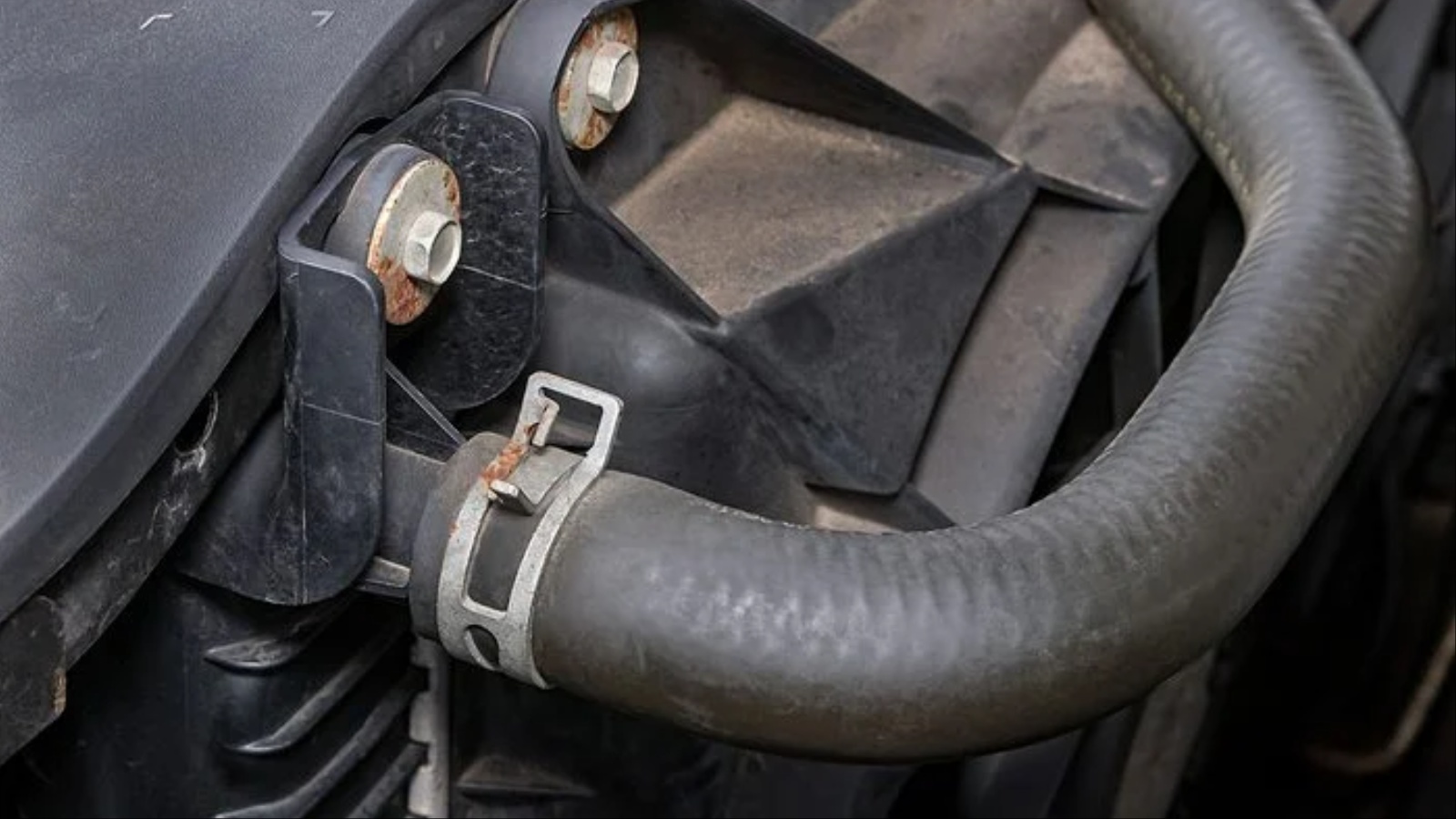
Problems may appear only once the engine reaches full temperature and cooling-system pressure increases. An old hose that looked acceptable while parked can split during a highway trip.
Cooling systems deserve special attention because a failed hose can quickly produce coolant loss and overheating. Severe overheating can damage cylinder heads, head gaskets, and engines.
Inspect hoses when the engine is cold. Look for cracks, oil contamination, bulges, swelling near clamps, and hardened rubber. Check the serpentine belt for fraying, missing ribs, cracks, and excessive glazing.
Timing belts are even more important because many manufacturers specify replacement by both mileage and age. A 15-year-old timing belt with very low mileage can still be overdue. When evaluating a stored vehicle, service age matters as much as mileage.
Replacing inexpensive aged rubber components before they fail can be far cheaper than repairing the damage caused by one breaking unexpectedly.
9. Air-Conditioning Seals and Compressors Can Suffer From Inactivity
Automotive air-conditioning systems are meant to circulate refrigerant and compressor oil periodically. When the system operates, lubricant moves through components and helps keep seals conditioned.
If the air conditioning system is unused for extended periods, certain seals may dry or become less effective, particularly in older systems. Refrigerant can gradually escape through weakened seals or connections.
A vehicle that sat for years may therefore emerge from storage with an air conditioner that blows warm even though it worked perfectly when parked.
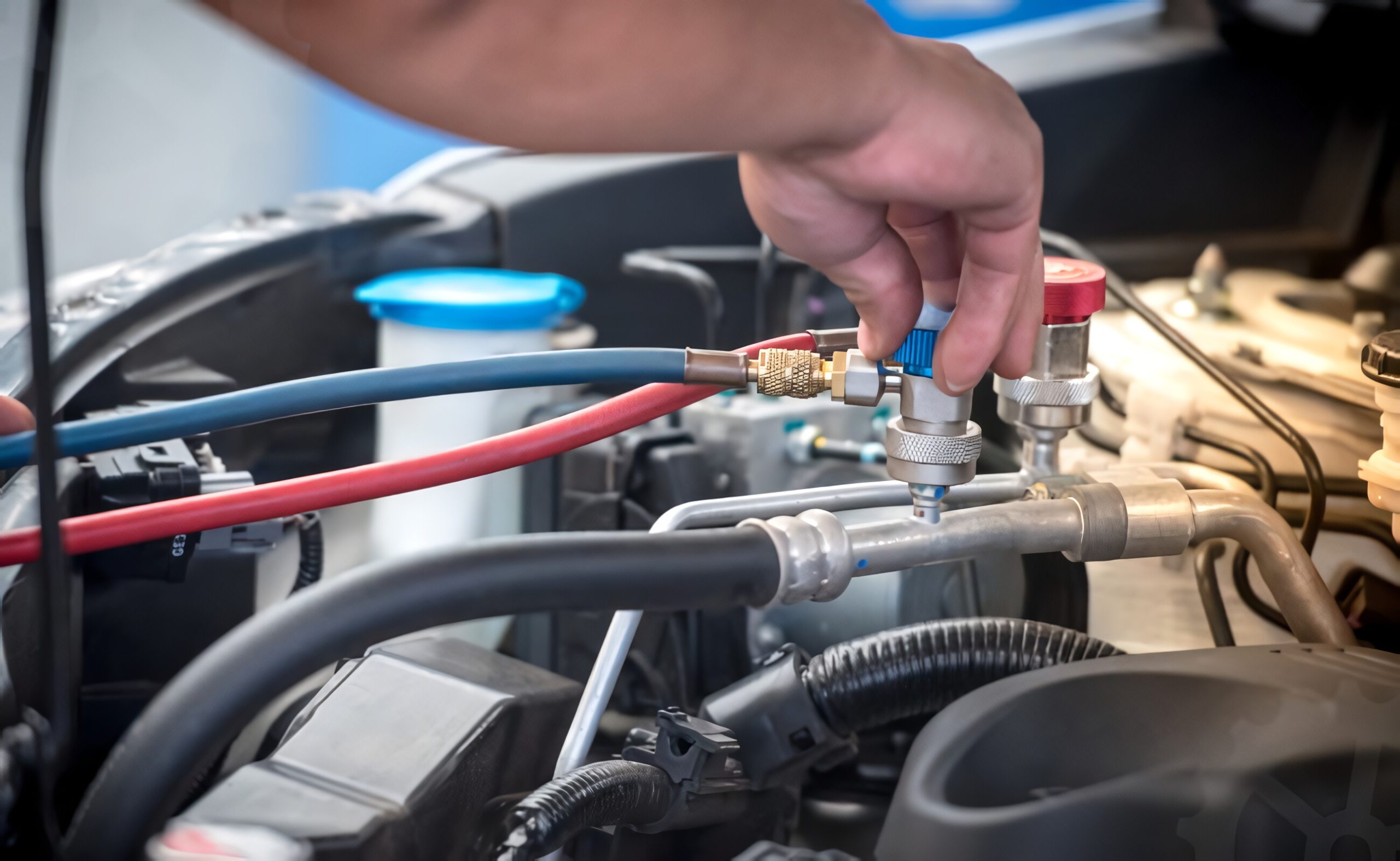
The compressor can also suffer from prolonged inactivity. Compressor shaft seals and internal components rely on proper lubrication. A system that has lost refrigerant may also lose some oil, increasing risk if the compressor is later forced to operate under poor conditions.
When evaluating a stored vehicle, test the climate system thoroughly rather than accepting that it “probably just needs a recharge.” Low refrigerant is usually a symptom of leakage, not something refrigerant naturally disappears from in large quantities.
A qualified technician can inspect pressures, check for leaks, and verify compressor operation. Many manufacturers and technicians recommend occasionally operating the air conditioner during cooler months as well, assuming conditions allow it.
This circulates refrigerant oil and exercises the system. Air-conditioning repairs range from inexpensive seals to costly compressors and evaporators, so a low-mileage stored car with dead A/C deserves closer investigation before purchase.
10. Wheel Bearings, Suspension Joints, and Greased Components Can Corrode
Suspension and steering components are normally associated with wear from potholes and mileage, but inactivity can create problems too. Wheel bearings, ball joints, universal joints, CV joints, and other lubricated parts depend on grease or oil to protect metal surfaces from moisture.
When a vehicle remains stationary, lubricant does not redistribute. In humid conditions, condensation can contribute to localized corrosion. Bearings that remain loaded in the exact same position may also develop surface damage where rollers or balls contact their races.
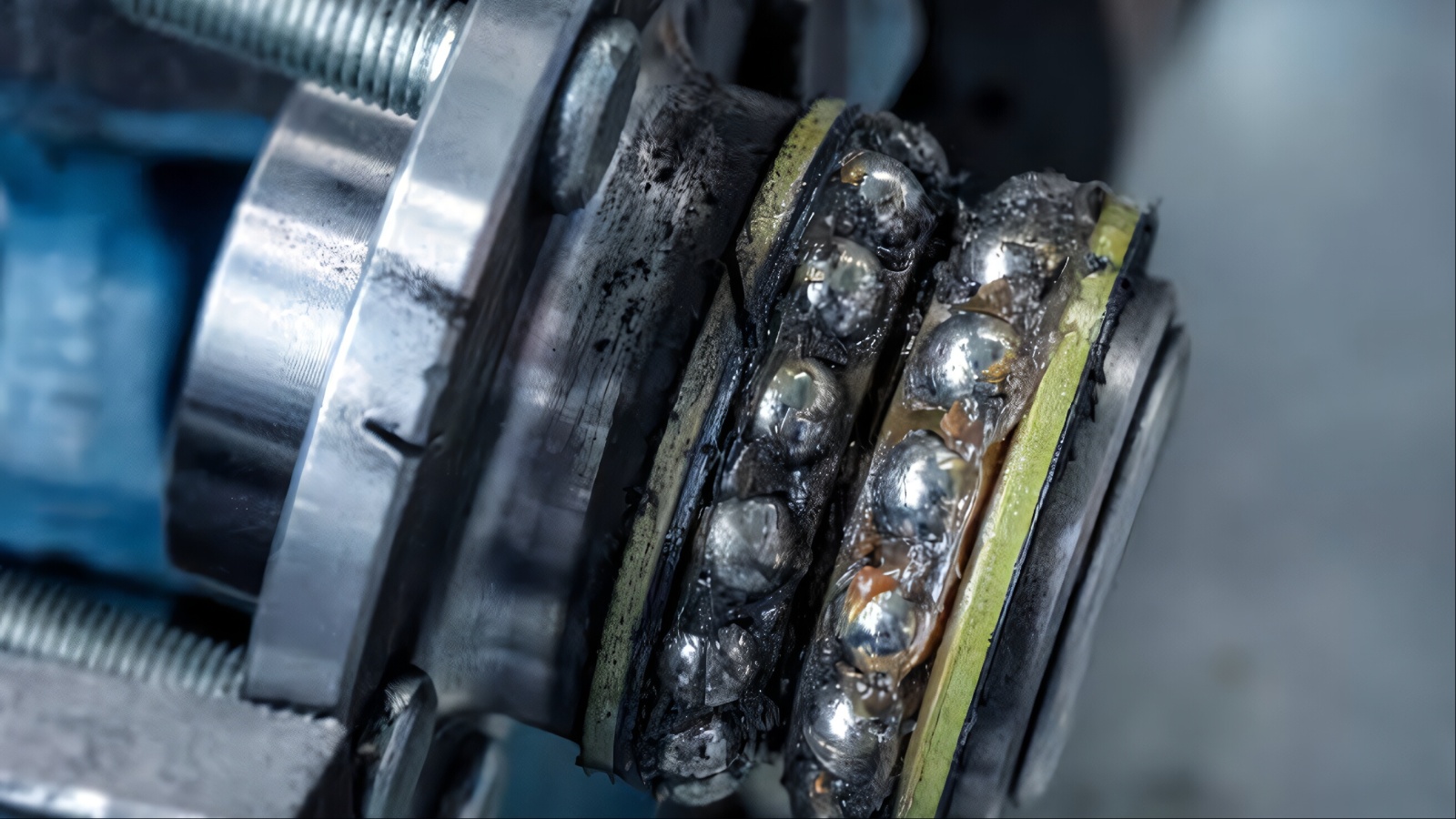
This phenomenon is more common in industrial equipment but can occur in vehicles stored for extreme periods under poor conditions. Exposed suspension joints and hardware may also rust heavily.
CV boots and ball-joint boots can crack from age, allowing grease to escape and moisture to enter even though the joints themselves have accumulated few miles. When the car finally returns to the road, symptoms may include humming wheel bearings, clicking CV joints, clunks over bumps, stiffness, or looseness in steering components.
Inspect rubber boots closely and listen during the road test for noise that changes with vehicle speed or steering input. Long-term storage should ideally occur in a dry environment, and the vehicle should be prepared according to manufacturer or specialist guidance.
A car’s suspension can survive years of careful storage perfectly well, but “it barely moved” is not proof that every bearing and joint underneath it remains new.
