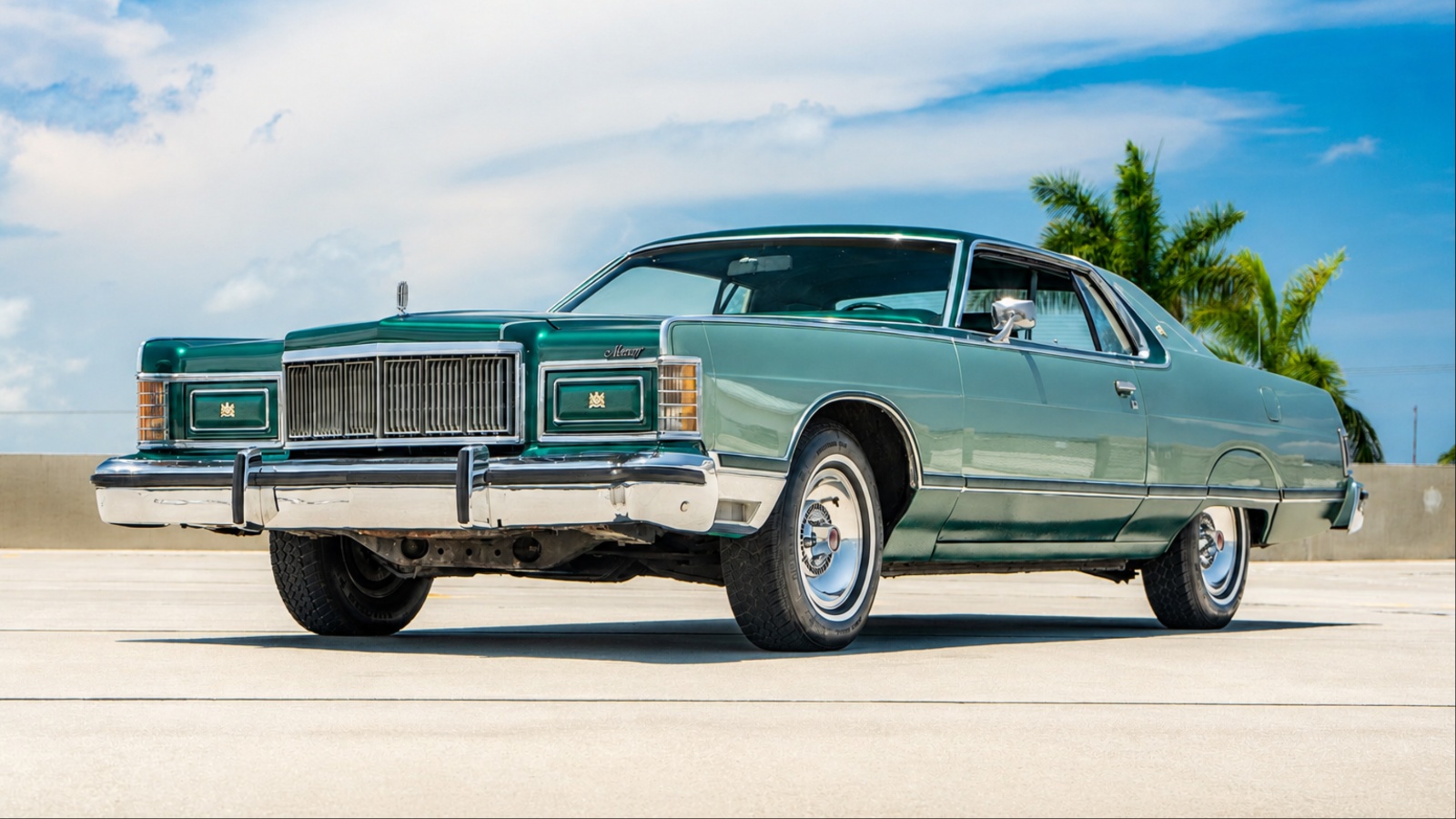
Cassette decks once sat at the heart of the car stereo, giving drivers a simple way to enjoy albums, mixtapes, and radio recordings on the road. Today, however, finding a new car with a factory cassette player is nearly impossible.
Most manufacturers removed cassette hardware from their dashboards many years ago as CDs, USB connections, Bluetooth, and smartphone integration became standard.
This article looks at 10 cars and vehicle models associated with the final era of factory cassette decks, while clarifying an important point: these vehicles are not generally still sold as new cars with cassette players in 2026. They remain interesting choices for buyers seeking classic in-car audio technology.
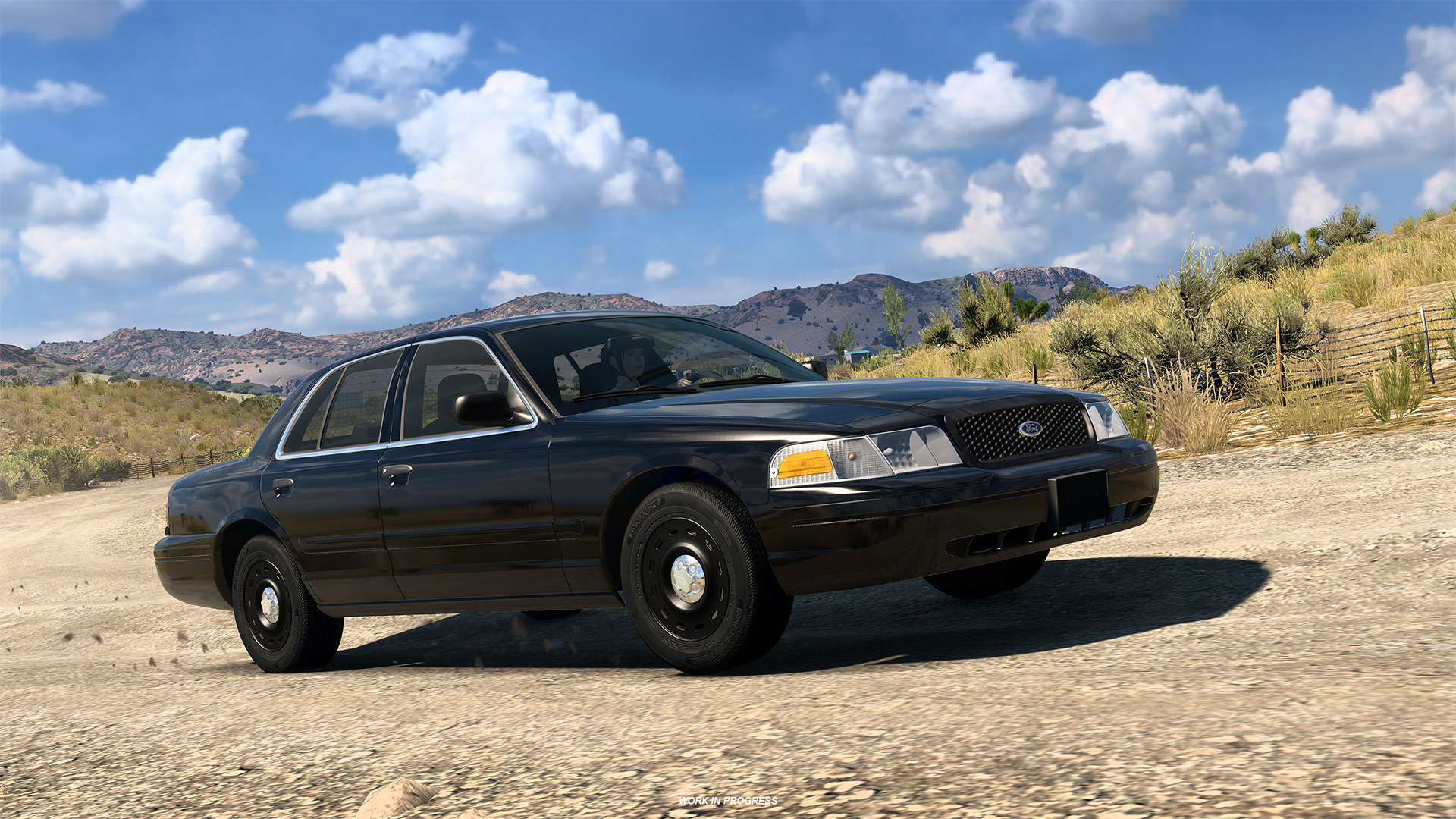
1. Ford Crown Victoria
The Ford Crown Victoria is strongly associated with the era when cassette players were common in American cars. For many years, Ford offered traditional audio systems in its large sedans, and cassette-equipped stereos appeared in vehicles from the period before modern digital entertainment became dominant.
The Crown Victoria became particularly familiar to American drivers through police fleets, taxi services, government use, and large family-car applications. Its spacious cabin, rear-wheel-drive layout, durable construction, and straightforward dashboard made it a recognizable symbol of an earlier automotive age.
The Crown Victoria is particularly interesting for cassette enthusiasts because its dashboard design reflects a period when physical media was still treated as a normal part of everyday driving.
A cassette could be inserted quickly, removed without much effort, and stored in a glove box or center console. Drivers could create personalized mixtapes or carry a collection of commercially released albums. This created a different relationship between the driver and the car stereo compared with today’s streaming-focused systems.
Another appealing feature is the vehicle’s simple mechanical character. A Crown Victoria does not depend on a modern touchscreen to provide its basic driving experience. Many controls are physical and easy to understand, which can make an older example feel refreshingly direct.
The cassette player becomes part of that experience rather than an isolated novelty. Someone restoring a Crown Victoria to period-correct condition may specifically search for an original stereo because replacing it with a modern touchscreen can change the appearance of the dashboard.
Anyone shopping for a Crown Victoria today should remember that condition matters more than the cassette player. These cars are now used vehicles, and age can affect the transmission, suspension, cooling system, electrical components, interior materials, and bodywork.
A working original cassette deck is a pleasant bonus, but it should not outweigh mechanical inspection. For collectors and enthusiasts, though, a well-preserved Crown Victoria with its original cassette stereo can provide a genuine snapshot of late 20th-century American motoring.
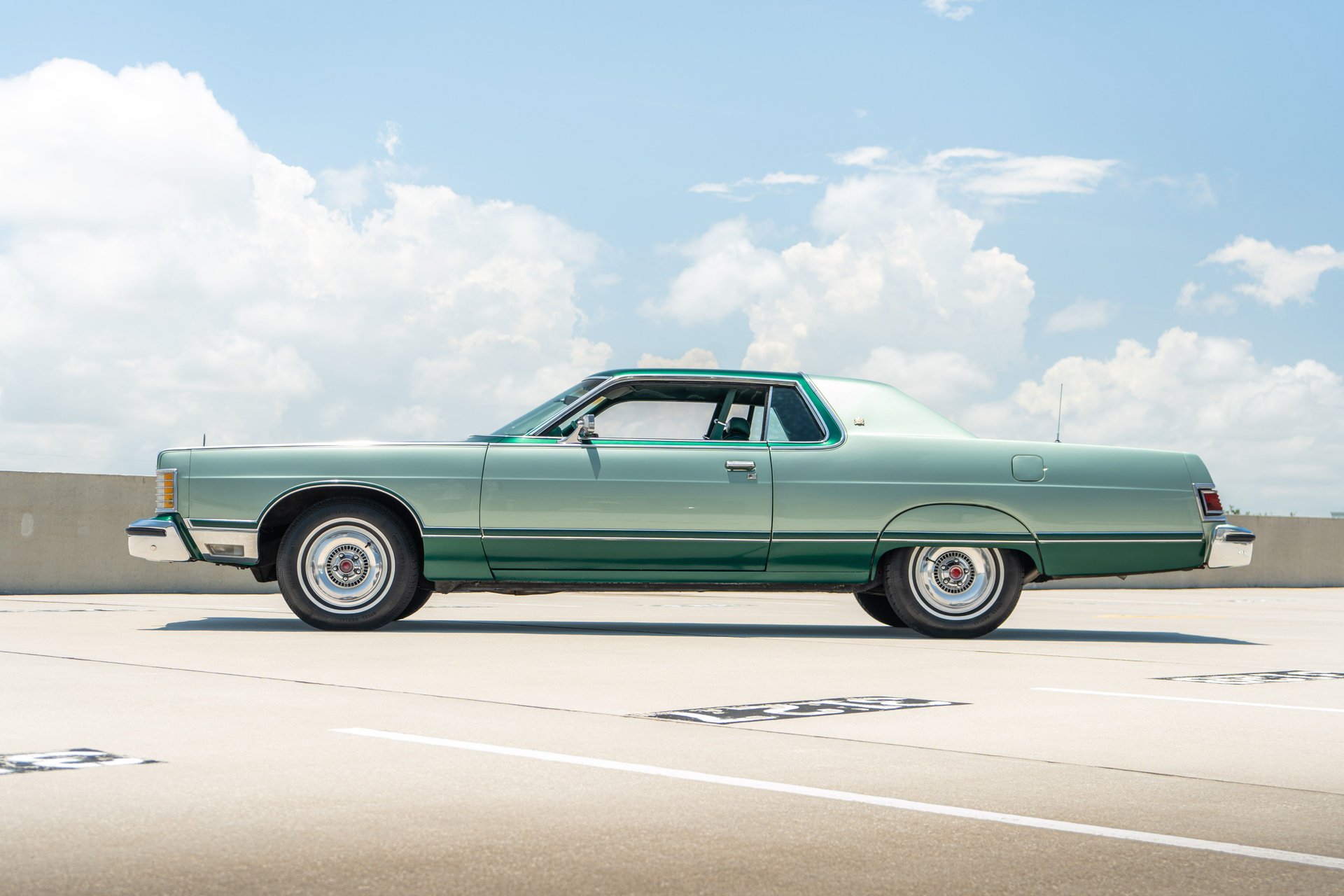
2. Mercury Grand Marquis
The Mercury Grand Marquis shared much of its engineering with the Ford Crown Victoria, making it another vehicle closely connected with traditional American automotive design. Its comfortable interior and large body made it popular with drivers who preferred relaxed highway cruising.
During the cassette era, the Grand Marquis could be equipped with factory audio systems designed around physical media. Depending on the model year and trim, buyers could encounter cassette-based systems as well as later CD equipment.
The Grand Marquis is particularly appealing to people who want a cassette-equipped car without necessarily wanting a performance-oriented classic. It was designed primarily for comfort, quiet driving, and easy long-distance travel.
The broad seats and spacious cabin provide an environment that suits the slower, more deliberate experience of listening to a cassette album. Putting a tape into the player and letting an entire album run can feel very different from constantly selecting individual songs through a streaming service.
As with the Crown Victoria, equipment changed over time. Early examples are more likely to feature cassette technology, while later vehicles moved toward CD players and more advanced factory audio systems.
Used-car listings sometimes describe an older Grand Marquis as having a cassette deck when the stereo has actually been replaced. Buyers should therefore inspect photographs of the dashboard and confirm that the unit is genuinely present and functional.
The Grand Marquis also demonstrates why cassette players survived longer in certain vehicles than many people remember. Manufacturers did not immediately remove older technologies simply because newer formats appeared.
Customers expected familiar controls, and automakers often continued offering established audio systems while introducing newer options. For a period, it was possible to find cars with combinations such as AM/FM radio, cassette, and CD playback in the same dashboard.
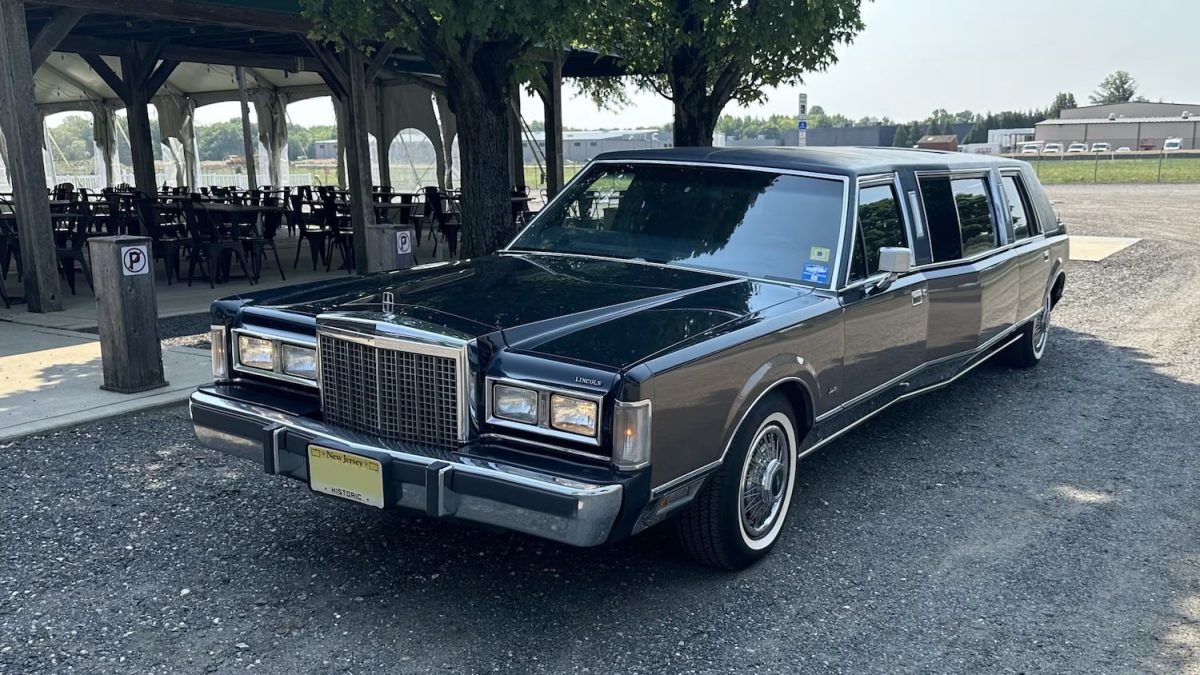
3. Lincoln Town Car
The Lincoln Town Car occupied the luxury end of the large American sedan market and continued using traditional automotive features long after many smaller cars had moved toward newer designs.
Its connection with cassette audio comes from the period when luxury vehicles commonly offered sophisticated versions of AM/FM cassette systems. Higher-end audio packages could provide better speakers and additional controls while retaining physical media.
The Town Car’s cabin was designed around comfort rather than aggressive driving. This made it an ideal setting for long listening sessions. Passengers could settle into large seats while music played through the factory stereo.
Before smartphones and music streaming, a long road trip often meant bringing several cassettes or CDs along for the journey. The car’s generous storage areas were useful for keeping physical music collections within easy reach.
Different Town Car generations used different dashboard designs and audio systems, so buyers should pay close attention to the production year. A 1980s Town Car will not necessarily have the same equipment as a 1990s or early-2000s example.
Some later vehicles moved away from cassette decks entirely. The specific stereo should therefore be verified before purchase, particularly if an original factory cassette player is the main reason for choosing the vehicle.
One interesting aspect of the Town Car is how naturally the cassette deck fits into its period identity. The technology does not look out of place in an older luxury interior.
Buttons, knobs, display panels, and physical media all belong to the same design language. Installing a modern touchscreen can provide useful features, but it may also make the dashboard feel less authentic. Collectors interested in originality often prefer to retain the equipment that came with the car.
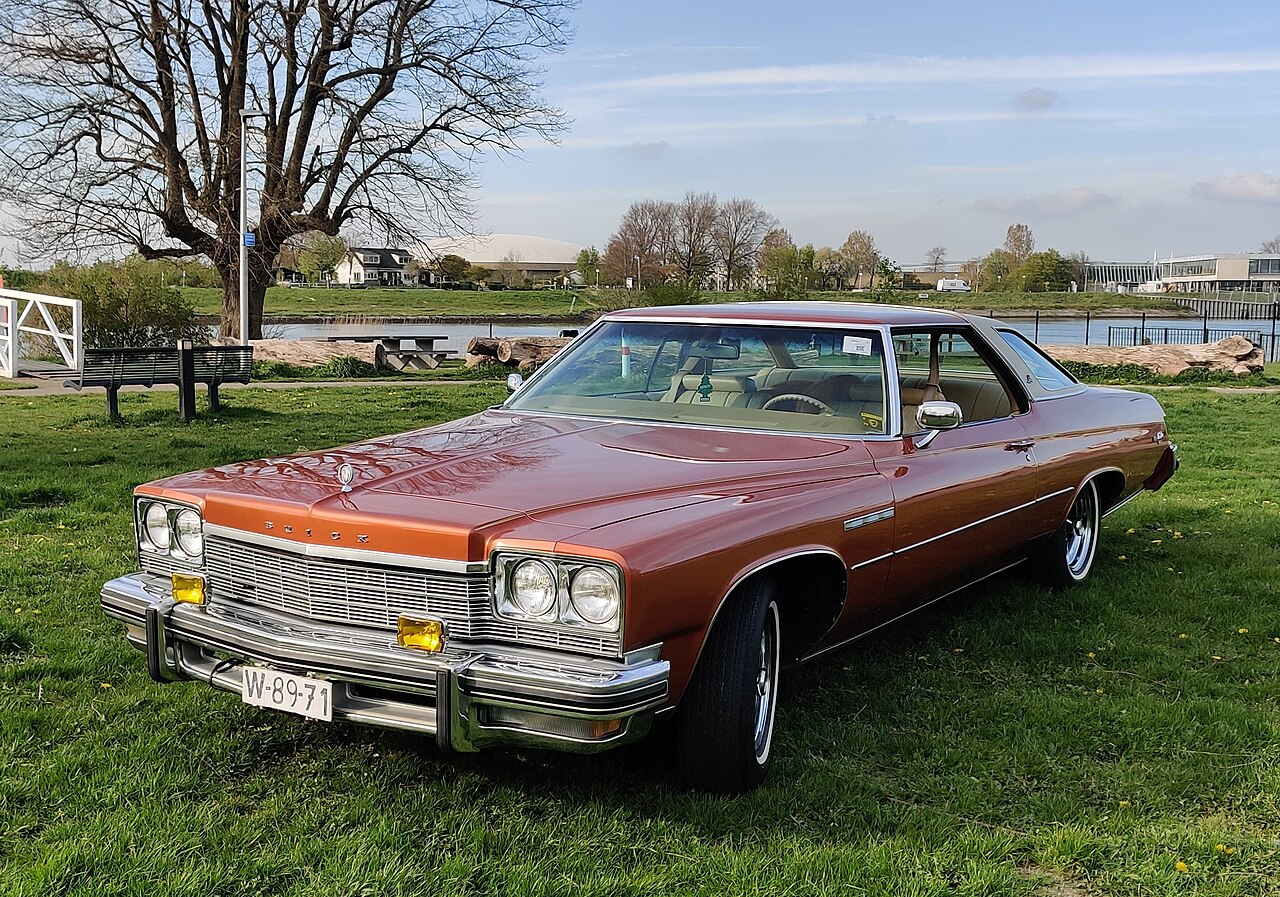
4. Buick LeSabre
The Buick LeSabre represents another large American sedan from the period when cassette players were widely available. Buick positioned the LeSabre as a comfortable family-oriented car, and its interior emphasized practical controls and a relaxed driving environment.
Depending on model year and trim, factory audio systems could include cassette playback before later equipment changes introduced CD-focused systems.
The LeSabre is an interesting example because it was not marketed as a specialist enthusiast vehicle. It was designed for ordinary transportation, which means its cassette deck was once an everyday feature rather than a collector attraction.
Families could listen to purchased albums, recorded radio programs, or homemade mixtapes while traveling. The technology was convenient enough that many drivers probably never imagined it would eventually become a vintage feature.
The cassette player also offered a level of physical simplicity that modern drivers may find appealing. There was no account to create, no subscription to manage, and no wireless connection to establish.
A cassette simply needed to be inserted into the deck. The driver could use buttons to play, pause, fast-forward, or rewind the tape. This simplicity came with limitations, but it also gave the experience a tactile quality that digital systems rarely reproduce.
Used LeSabres have frequently been modified over the years, so factory originality is not guaranteed. An aftermarket stereo may have replaced the original unit because the owner wanted newer technology.
In some cases, the original cassette deck may still be stored with the vehicle even if it is no longer installed. Enthusiasts interested in restoring a LeSabre should check the dashboard, wiring, and vehicle documentation before buying replacement equipment.
For anyone searching for an old car with cassette capability, the LeSabre can be an affordable route into the hobby. Its large cabin, straightforward mechanical layout, and period-correct interior make it representative of a disappearing era.
The most important consideration remains condition. A cheap older sedan can become expensive if neglected maintenance has accumulated. A clean, well-maintained example with a functioning factory cassette player is far more desirable.
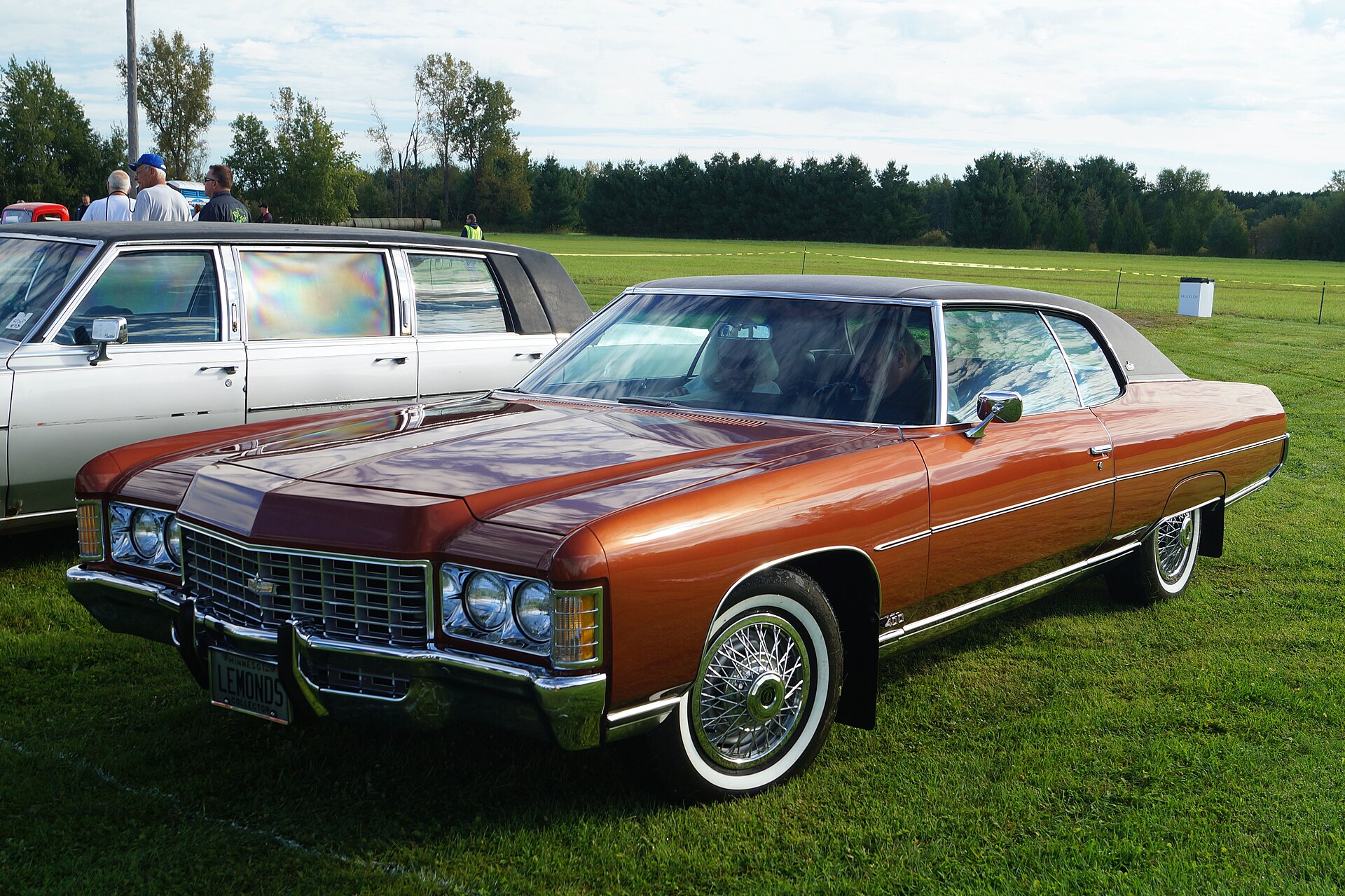
5. Chevrolet Caprice
The Chevrolet Caprice has a long history in the American sedan market and became particularly recognizable as a large rear-wheel-drive vehicle.
Various generations offered conventional factory audio equipment during the years when cassette decks were common. The exact system depended heavily on model year and trim, but cassette technology appeared during the transition from older radio-only systems toward CD-based entertainment.
Caprice models from the cassette era illustrate how quickly car audio changed. A dashboard could contain an AM/FM radio and cassette deck at a time when drivers were building personal music collections on tape.
Later versions increasingly adopted CD players. Eventually, even CD technology began giving way to auxiliary inputs, USB ports, Bluetooth, and smartphone integration. The progression shows how automotive interiors have repeatedly adapted to changes in consumer electronics.
A genuine factory cassette Caprice can be particularly attractive to people interested in period restoration. Keeping the original stereo helps preserve the visual character of the dashboard.
This matters for collectors because an aftermarket head unit can immediately make an older car look less authentic. Original controls, factory displays, and matching trim can have significant aesthetic value even when newer technology would be more practical.
The Caprice also has an important place in American automotive culture. Its various versions served families, businesses, police departments, and government fleets. That wide range of applications means surviving cars can differ greatly in condition.
Some have been carefully maintained, while others have experienced years of hard use. Buyers should examine the vehicle’s history and mechanical condition rather than focusing exclusively on its interior equipment.
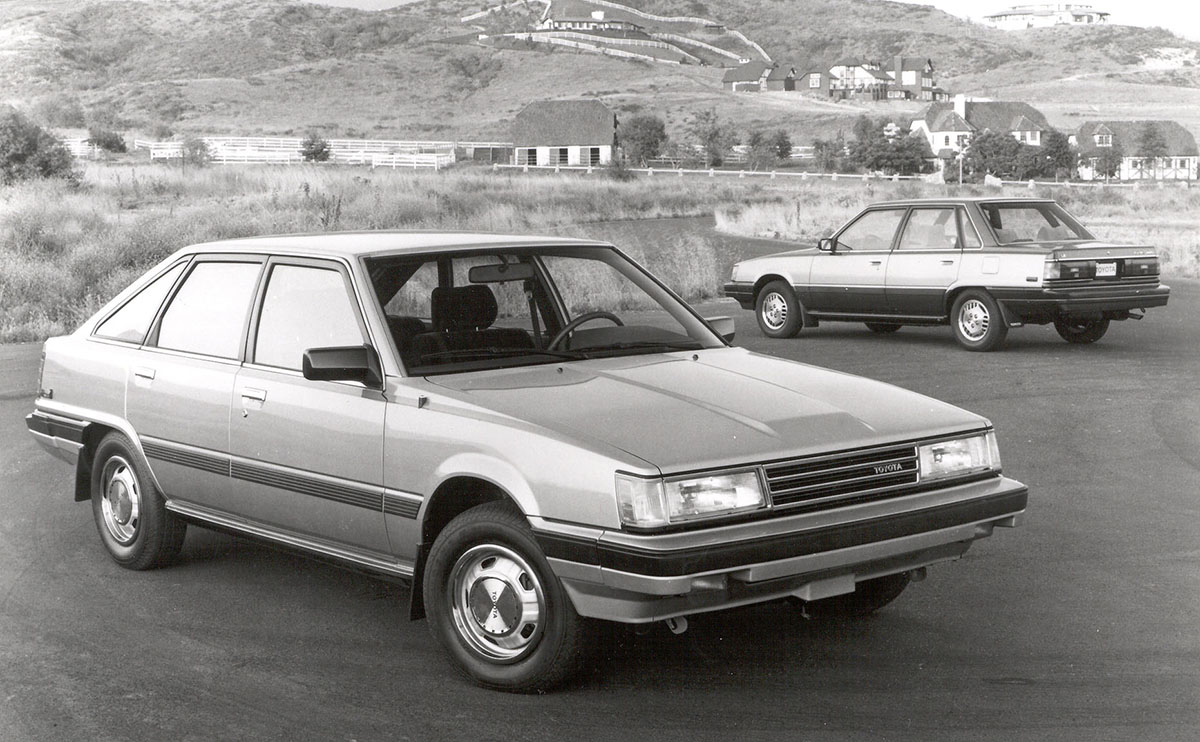
6. Toyota Camry
The Toyota Camry became a familiar choice for families, commuters, and long-distance drivers, and older generations were sold during the period when cassette decks were standard or available in many vehicles.
Depending on the year and equipment level, a Camry could have an AM/FM cassette stereo, sometimes alongside other audio options. Later generations moved toward CD players and eventually modern digital connectivity.
The Camry is an interesting choice because it demonstrates that cassette technology was not limited to large luxury cars. Compact and midsize family vehicles also carried tape players because the format had become mainstream.
Drivers could purchase a new family sedan and expect the dashboard to accommodate physical music media. That made cassette playback part of ordinary transportation rather than a premium feature reserved for expensive models.
Older Camrys are also widely known for their durability, although age eventually affects every vehicle. A cassette-equipped example today may have considerable mileage, and the stereo could have developed problems such as worn belts, dirty tape heads, electrical faults, or mechanical issues inside the loading mechanism.
A cassette deck that accepts a tape but struggles to play it may need professional repair. Replacement parts can also become harder to source as the system ages.
For a restoration project, retaining the original Toyota stereo can be worthwhile. The factory unit keeps the interior consistent with the vehicle’s production period and preserves the tactile controls that defined older dashboards.
Some owners choose to combine the original appearance with modern audio capability by using discreet adapters or external solutions, allowing them to enjoy contemporary devices without replacing the entire dashboard.
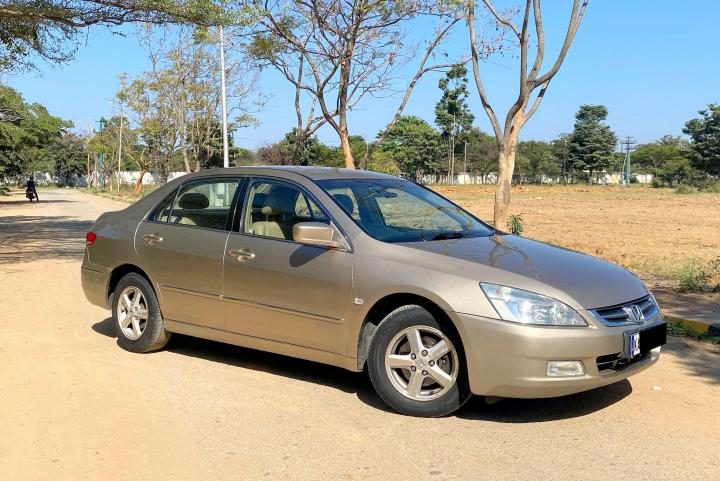
7. Honda Accord
The Honda Accord was another major family car sold during the cassette era. Older Accord generations featured factory audio systems that could include cassette playback, with equipment changing significantly as the model evolved.
Honda eventually transitioned its vehicles toward CD players and later digital connectivity, following the broader industry movement away from magnetic tape.
Cassette-equipped Accords are important because the model attracted a broad audience. Students, families, professionals, and commuters all drove Accords, so the cassette deck became part of many ordinary daily routines.
Drivers could carry a handful of favorite tapes and switch between them during commutes. Some people recorded their own compilations, while others purchased commercial releases from music stores.
An original Accord stereo can also help preserve the atmosphere of a particular generation. Honda dashboards from the cassette era typically featured physical buttons, rotary controls, and straightforward displays.
These elements were designed around direct interaction. A driver could change tracks or adjust volume without navigating a touchscreen menu. For enthusiasts, that physical interface is part of the appeal.
Buyers should inspect the cassette mechanism carefully. Older tape decks can suffer from deteriorated belts, weak motors, worn rollers, and accumulated dust.
A unit may look perfect while failing to play tapes correctly. Testing the stereo with a cassette before purchase is sensible if the feature is important. It is also worth checking whether the head unit is factory original or an aftermarket replacement.
A cassette-equipped Accord makes sense for someone seeking a blend of practical transportation and vintage technology. Older Accords can provide an accessible way to experience the period because the model was produced in large numbers.
Finding a preserved example is therefore possible, though increasingly difficult. As with any aging car, maintenance records, rust condition, drivetrain health, and interior preservation should receive more attention than the entertainment system alone.
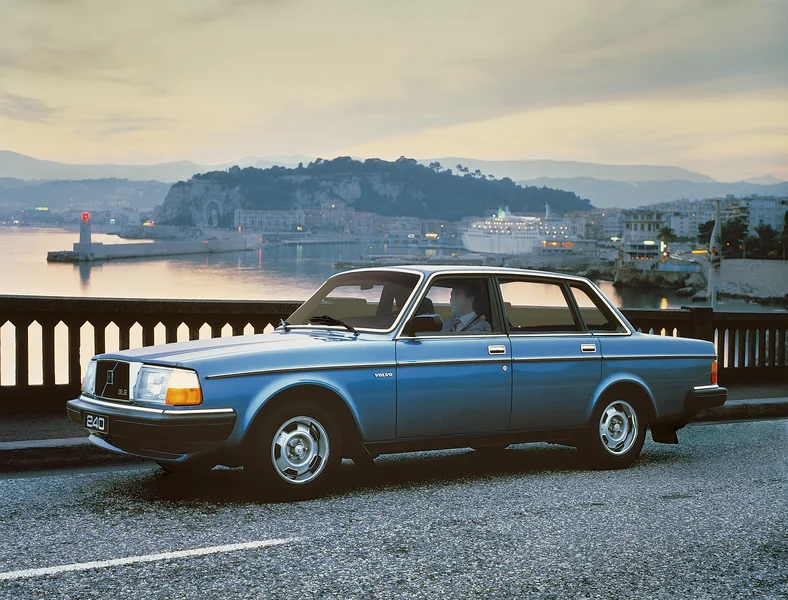
8. Volvo 240
The Volvo 240 is widely recognized for its boxy styling, sturdy construction, and long production run. During the years when cassette audio was becoming common, Volvo offered factory stereos that reflected the technology available at the time.
Depending on production year and market, buyers could encounter cassette-equipped cars as well as other audio configurations.
The 240 has a particularly strong appeal among enthusiasts because its design has remained visually distinctive. A factory-style cassette stereo fits naturally within that environment.
The dashboard is functional rather than screen-focused, and physical controls reinforce the vehicle’s old-school character. For someone building a period-correct Volvo, the correct stereo can be as important to the interior as the steering wheel, gauges, and upholstery.
Cassette playback also fits the car’s reputation for practical, understated engineering. The 240 was never primarily about fashionable technology. Its appeal came from durability, functionality, and a distinctive Scandinavian design philosophy. Listening to an album on a cassette while driving an older 240 can therefore create a particularly authentic period experience.
Finding an untouched factory stereo may require patience because many older Volvos have undergone repairs and modifications.
Some owners replaced the original audio system with modern equipment, while others installed period aftermarket stereos. A collector interested in originality should inspect the dashboard closely and research the appropriate audio unit for the specific model year.
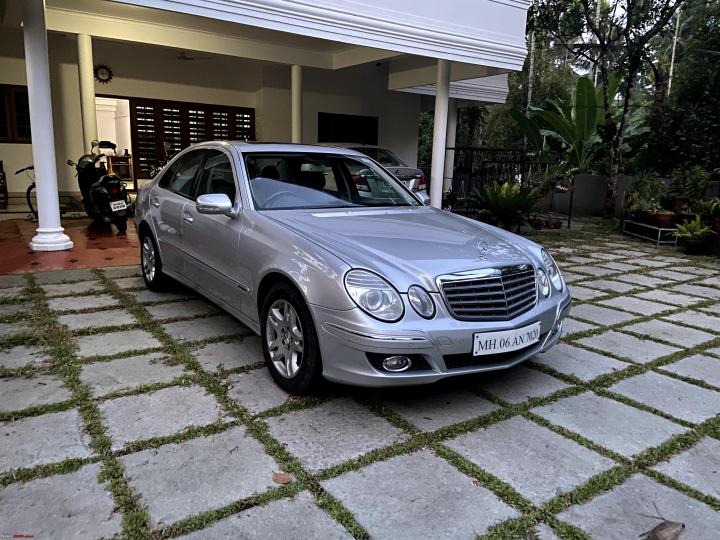
9. Mercedes-Benz E-Class
Mercedes-Benz offered cassette-based audio systems in various vehicles during the period when tape remained an important format.
Older E-Class generations could be equipped with factory or period-correct cassette systems depending on market, model year, and trim. Luxury vehicles often received more sophisticated audio equipment, but cassette playback remained part of the system during this transitional era.
The E-Class demonstrates how cassette technology extended into premium automobiles. Buyers could enjoy higher-quality cabin materials, better insulation, and upgraded sound systems while still using physical tapes.
For people accustomed to cassette collections, having the format available in a luxury car was completely normal. The idea of a premium vehicle without a modern touchscreen would not have seemed unusual at the time.
The exact audio setup varies considerably between generations, so buyers should avoid assuming that every older E-Class contains a cassette deck.
Factory equipment can differ between European and North American specifications, and owners frequently replace original stereos. Some vehicles also received dealer-installed equipment or later modifications. Documentation and physical inspection are essential for collectors.
A period-correct Mercedes interior can benefit significantly from keeping its original head unit. Older Mercedes dashboards were designed as complete visual systems, and replacing the factory stereo can disrupt that balance.
An original cassette unit preserves the appearance and reinforces the vehicle’s production-era identity. Modern connectivity can sometimes be added through less visible solutions if the owner wants greater convenience.
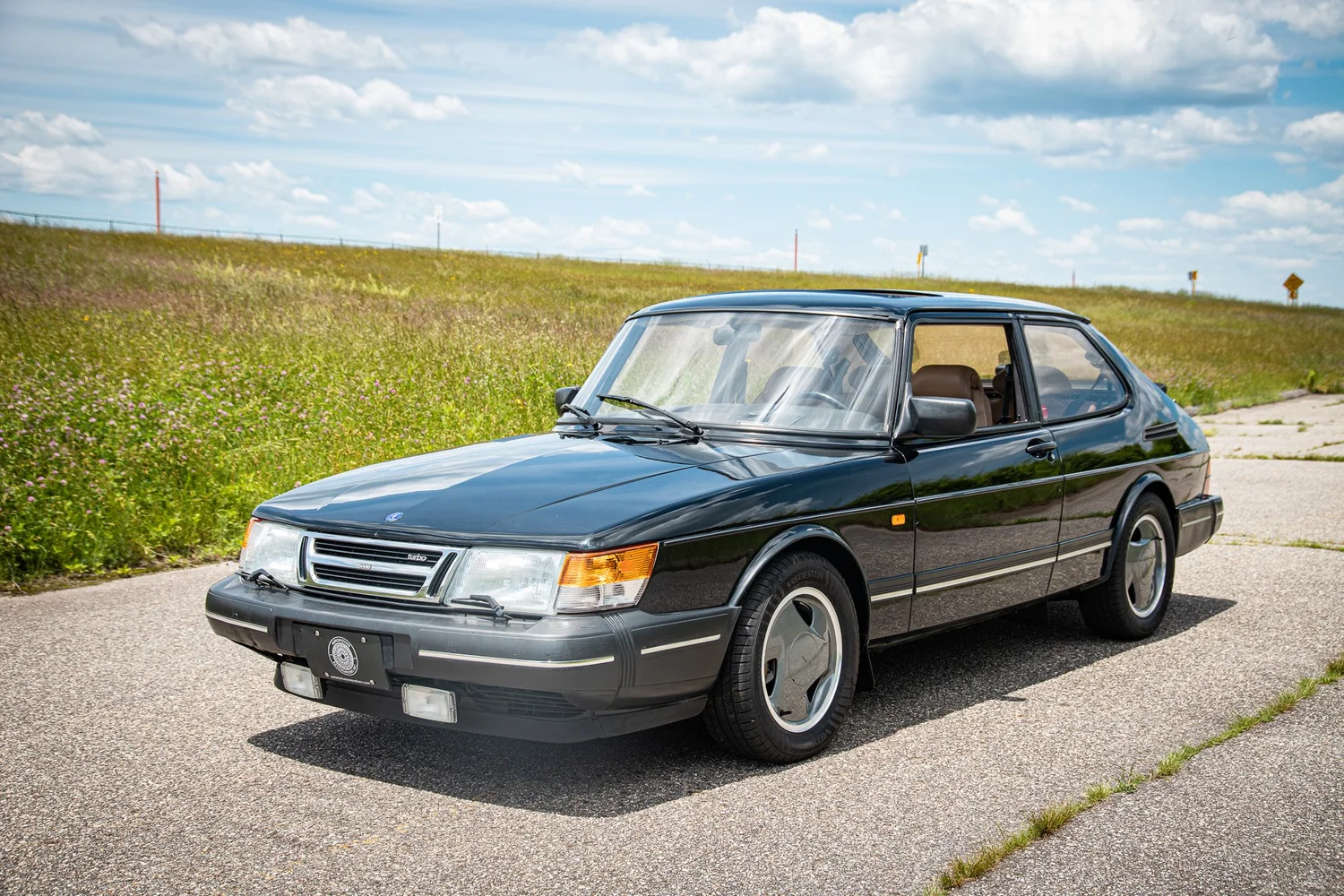
10. Saab 900
The Saab 900 represents another memorable vehicle from the final decades of cassette-dominated car audio. Depending on production year and market, cassette stereos appeared in Saab vehicles as the company modernized its interior technology.
The 900’s unusual design, distinctive dashboard, and aviation-inspired details make it an especially interesting setting for period audio equipment.
Saab was known for taking unconventional approaches to vehicle design, and the 900 had an interior unlike many mainstream cars. Its controls were arranged with a strong emphasis on driver usability, while the dashboard wrapped around the driver. A cassette deck within this environment feels like a natural part of the vehicle’s period technology rather than a retro addition.
The Saab 900 also illustrates the gradual change from analog to digital audio. Older versions could feature cassette playback, while later vehicles increasingly adopted CD technology.
That transition occurred throughout the industry as consumer preferences changed. The cassette deck was not suddenly replaced everywhere at the same moment. Instead, manufacturers phased it out across different models, markets, and trim levels.
Collectors should verify the stereo before purchasing because Saab vehicles have experienced extensive modification over the years. A modern stereo may have replaced the factory unit, particularly in cars that have been used as daily drivers. An original cassette deck can add value to a preserved example because it contributes to the authenticity of the interior.