
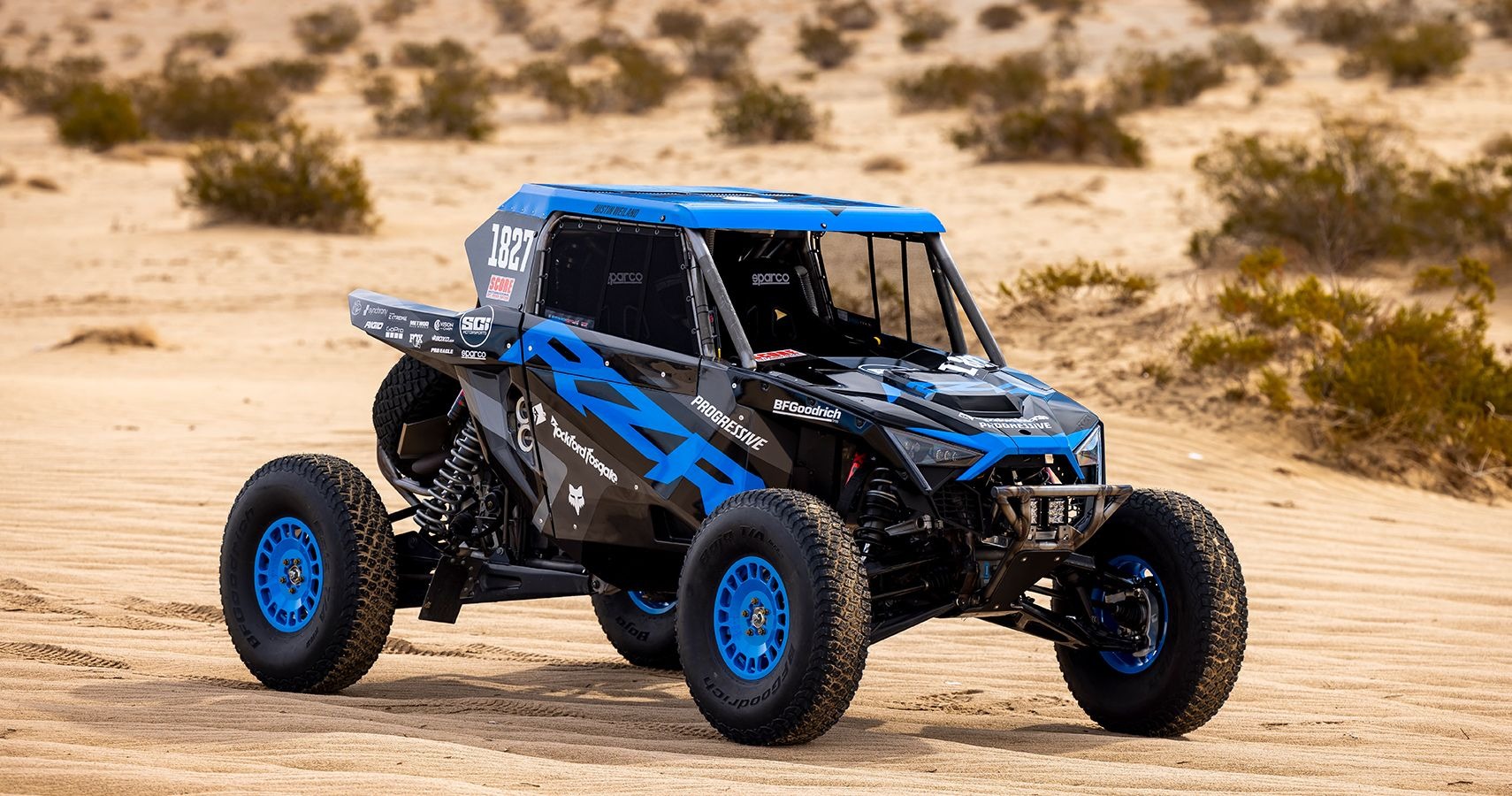
Not every set of wheels is meant for the open road, and Illinois has clear rules about which vehicles qualify for standard registration. Whether you just bought an ATV, inherited a race car, or imported a vehicle from overseas, you might be surprised to learn it can’t simply be plated and driven like your everyday sedan.
These restrictions exist to protect safety, meet federal standards, and keep unfit vehicles off busy streets. Before you fill out any paperwork or hand over cash for a vehicle that catches your eye, take a look at these ten categories that will not receive ordinary Illinois street registration until specific requirements are met.
1. Non-Compliant All-Terrain Vehicles (ATVs)
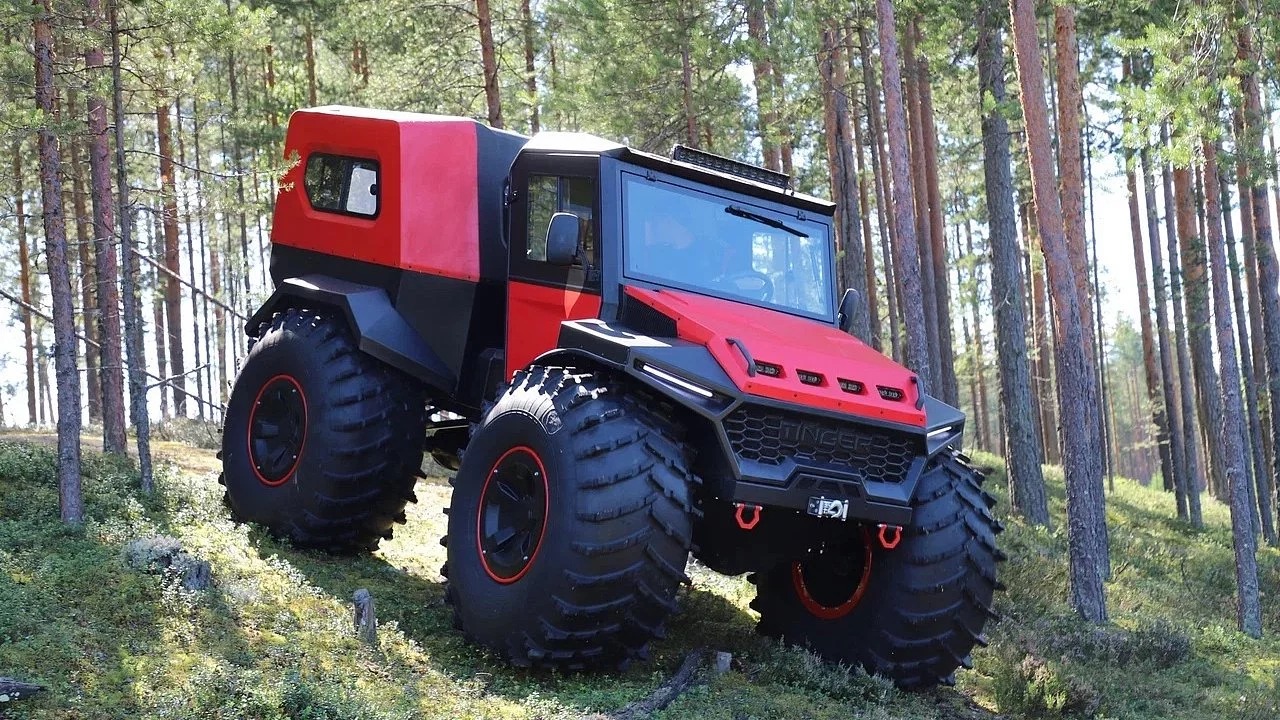
So you picked up an ATV thinking it might double as a fun way to run errands around town. Unfortunately, that plan runs into a wall almost immediately. Illinois law places standard ATVs squarely in the non-highway vehicle category, which means they generally cannot legally cruise down streets, highways, or roadways designed for passenger cars.
This isn’t a matter of interpretation or a gray area open to debate. The Illinois Vehicle Code specifically lists ATVs among vehicles that don’t belong on public roads in their typical configuration.
That said, the door isn’t completely locked. Local governments and the Illinois Department of Transportation hold the authority to approve certain non-highway vehicles for use on qualifying roads, provided statutory restrictions and required equipment upgrades are satisfied first.
What does that mean for the average owner? Simply bolting on a headlight or a horn won’t cut it. Any authorized use depends on where you live, which local ordinances apply, and whether the specific road you want to travel on has been cleared for that kind of traffic. Without that authorization, an ATV remains firmly off-limits for regular passenger-vehicle registration and unrestricted highway use.
If your goal is recreational riding, trails and designated off-road areas remain your safest and most legal bet. Check with your local municipality before assuming your ATV can join regular traffic, since assumptions here can lead straight to fines.
2. Recreational Off-Highway Vehicles (ROVs) / Certain Side-by-Sides
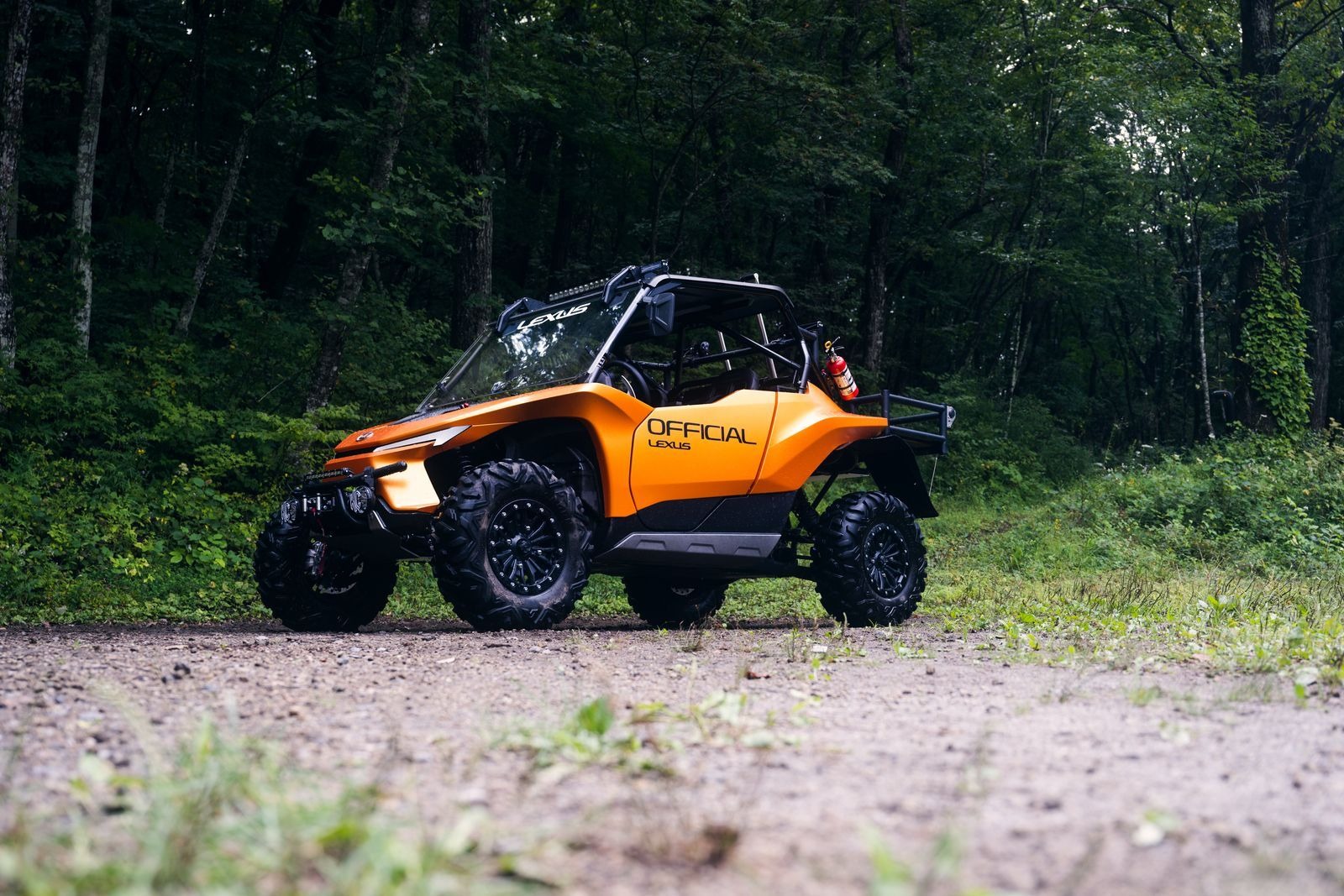
Side-by-sides have grown wildly popular, and it’s easy to see why. They’re rugged, fun, and built for adventure. But owning a Polaris RZR or a Can-Am Maverick doesn’t automatically grant you a ticket to drive it down Main Street.
These recreational off-highway vehicles, often shortened to ROVs, fall under the same non-highway classification that limits standard ATVs. Here’s where things get tricky for some buyers. Companies sell aftermarket street-legal kits promising to transform your side-by-side into something road-ready.
Turn signals, mirrors, seatbelts. It sounds convincing on the surface. Yet Illinois law doesn’t treat these kits as a magic fix. Public-road operation remains generally prohibited unless a state or local authorization specifically applies, and even then, equipment standards and road-speed restrictions come attached.
Adding a mirror to a UTV does not necessarily change its legal classification. It may make the vehicle seem more road ready, but a simple modification does not automatically transform it into a street legal vehicle. Rules also differ from one local jurisdiction to another, so a UTV that is allowed on public roads in one county may be prohibited in another.
Before spending money on conversion kits or assuming your side-by-side qualifies for street use, contact your local Secretary of State office or municipal government directly. Skipping that step could leave you facing citations despite good intentions and a fully accessorized vehicle.

3. Off-Highway Motorcycles / Non-Compliant Dirt Bikes
Dirt bikes are built for jumps, trails, and dirt tracks, not for merging onto a four-lane road with cars doing sixty miles an hour. That distinction matters a great deal when it comes to Illinois registration rules. A motorcycle or motor-driven cycle that isn’t properly manufactured or equipped for general highway use simply doesn’t qualify for ordinary registration, no matter how much you love riding it.
The Illinois Secretary of State has been direct about this guidance. If a bike lacks the equipment expected of a road-legal motorcycle, things like proper lighting, mirrors, and DOT-approved tires, it won’t receive standard registration. Owners aren’t left completely empty-handed, though. A distinctive certificate of title may still be issued, which at least establishes legal ownership even without road privileges.
It helps to remember that Illinois law separately classifies off-highway motorcycles as non-highway vehicles, reinforcing that this isn’t a loophole or a gray area waiting to be exploited. The classification exists because dirt bikes are engineered for different terrain and different speeds entirely.
If you’re dead set on riding legally on public streets, your better option is purchasing a motorcycle specifically built and certified for highway use from the start. Retrofitting a dirt bike after the fact tends to create more headaches, inspection failures, and wasted money than it solves, so plan your purchase around your actual riding goals from day one.

4. Track-Only Race Cars
Race cars naturally attract enthusiasts with their stripped-down interiors, protective roll cages, and engines built for extreme performance. Yet the very features that make them effective competition machines can also keep them off Illinois public roads. Street vehicles must meet a separate set of legal and safety requirements, and dedicated race cars generally are not designed to satisfy those standards.
A purpose-built dragster or Formula car simply wasn’t constructed with highway equipment in mind, and that gap creates a real legal problem for anyone hoping to drive one home from the track. Let’s clear up a common misunderstanding here. Illinois doesn’t maintain some special rule banning race cars specifically.
Rather, every vehicle, race car or otherwise, must meet the state’s applicable equipment and registration requirements before it earns the right to touch public pavement. Turn signals, headlights, functioning brake lights, a windshield in some cases.
These aren’t small details to a race car built for closed-course competition; they’re often completely absent by design. Picture trying to send a text message on a phone that was built only to make calls. The race car, similarly, was engineered for one purpose, and that purpose doesn’t include driving through stop signs or waiting at red lights.
Some owners try to make their track-focused cars road legal by applying through Illinois’s specially constructed vehicle process. Doing so involves detailed documentation and an inspection to demonstrate that the vehicle meets the necessary requirements. If the process is not completed successfully, a track-only car remains restricted to the racetrack and cannot legally be driven on Illinois highways.
5. Incomplete or Non-Compliant Specially Constructed Vehicles
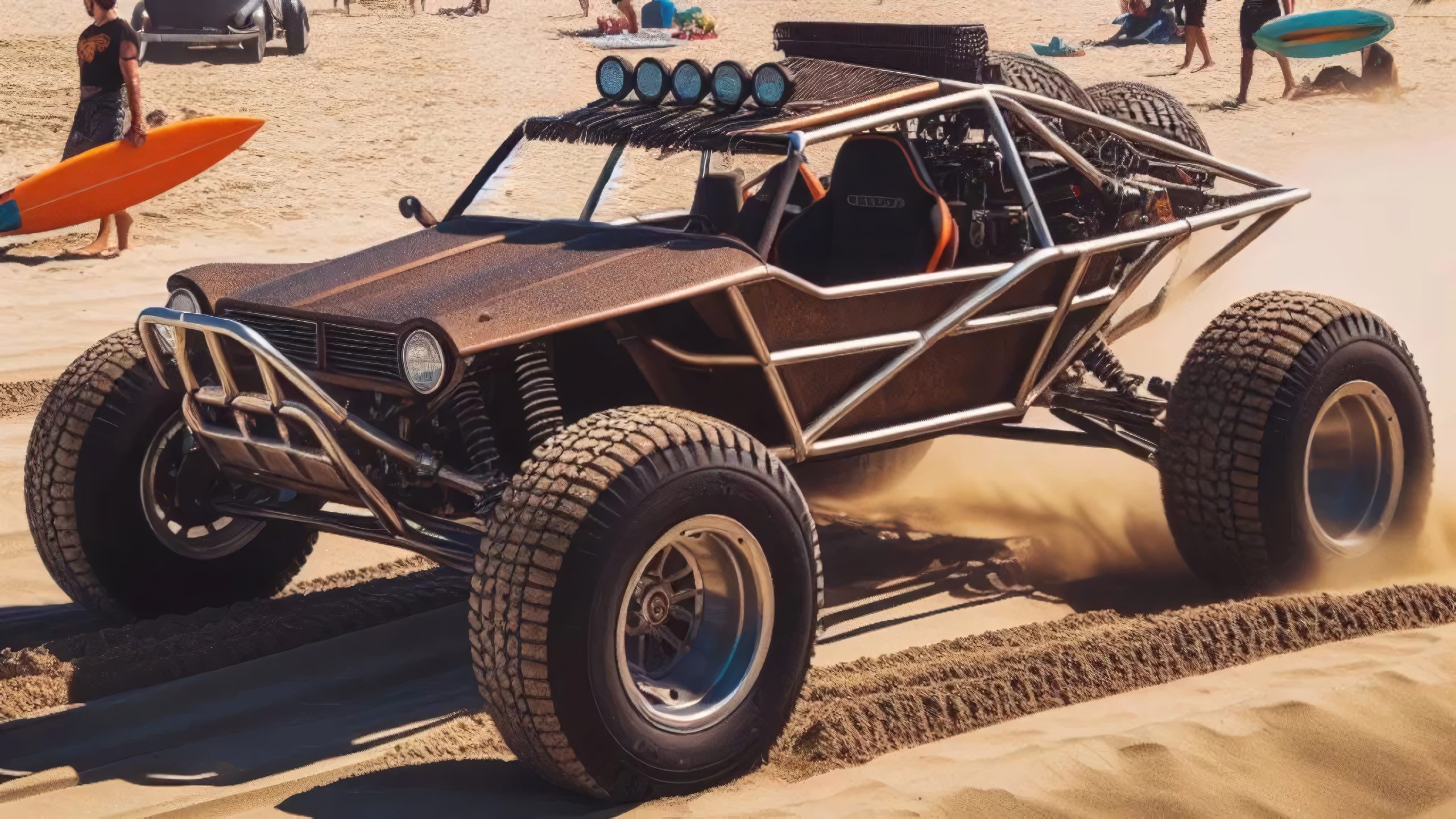
Building a car from scratch sounds like a dream project for hobbyists and mechanical enthusiasts alike. Salvaged frames, custom bodywork, an engine pulled from somewhere else entirely. It’s creative, it’s personal, and Illinois actually has a formal pathway for these builds.
That said, the state won’t hand over a title and plates just because you finished welding the last panel. Illinois requires what’s known as the Specially Constructed Vehicle process for exactly this situation.
Applicants need to gather ownership documentation for major components used in the build, take photographs showing the construction, and provide detailed information about how the vehicle came together piece by piece.
It’s a paper trail meant to establish legitimacy and prevent fraudulent builds from slipping through undetected. Documentation alone won’t seal the deal, either. The vehicle also has to pass a physical inspection and demonstrate compliance with the Illinois Vehicle Code before officials issue title and registration.
Skip a step, and the whole application can stall or get denied outright. Consider it similar to building a house without pulling permits. The structure itself might be sound, but without inspections and paperwork matching what actually got built, no one will sign off on it being safe for use.
Builders serious about eventually driving their creation legally should start gathering documentation from the very first bolt, not after the project is already finished.
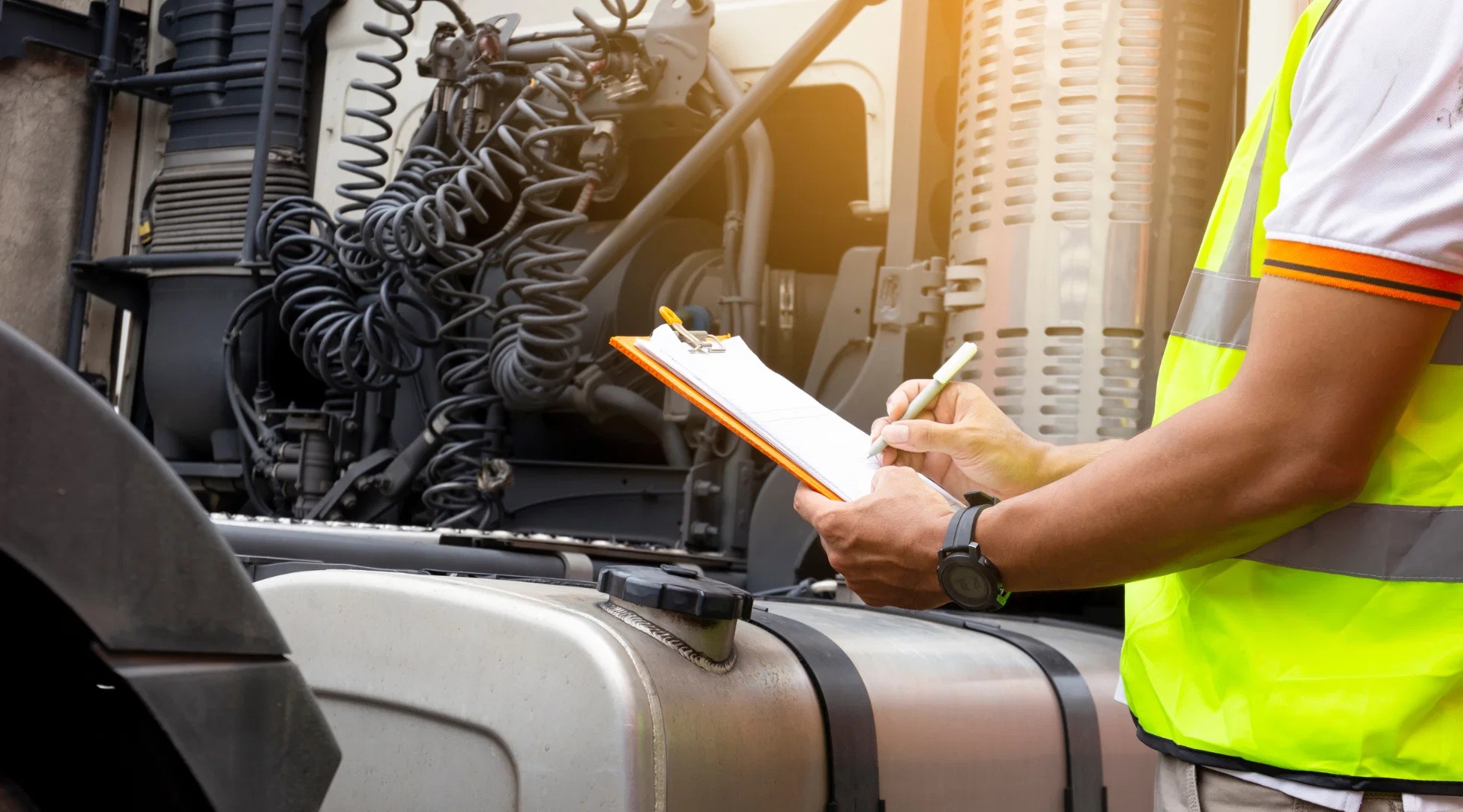
6. Custom Vehicles That Fail Illinois Safety Inspection
Custom cars and street rods often stand out because their owners can create something very different from what comes from a factory. Chopped roofs, altered frames, and engines borrowed from other vehicles are common features.
Illinois allows this type of work through its Custom Vehicles and Street Rods registration process, but the vehicle still has to meet required safety standards before it can be registered. For builders, the process starts with submitting the necessary documents for review.
Once the paperwork is accepted, the vehicle is taken for a physical inspection. Officials examine the modifications and check whether the vehicle meets applicable safety requirements. Registration can be completed after the inspection is passed.
The modifications themselves are not what causes problems. Many heavily modified vehicles can receive approval when the work has been completed properly. Trouble usually comes when owners focus on appearance while overlooking basic safety requirements.
Brakes must work correctly, lights need to provide proper visibility, and structural modifications must be strong enough to keep the vehicle safe during regular road use.
If a vehicle does not pass inspection, the project is not necessarily finished. The builder can be told which areas need attention, such as faulty wiring, suspension problems, or other issues found during the inspection.
After making the required repairs, the owner can generally submit the vehicle for another inspection. Taking care of each problem carefully gives a custom build a better chance of receiving registration and being driven legally on Illinois roads. A proper inspection also helps confirm that the finished vehicle is safe for regular use.
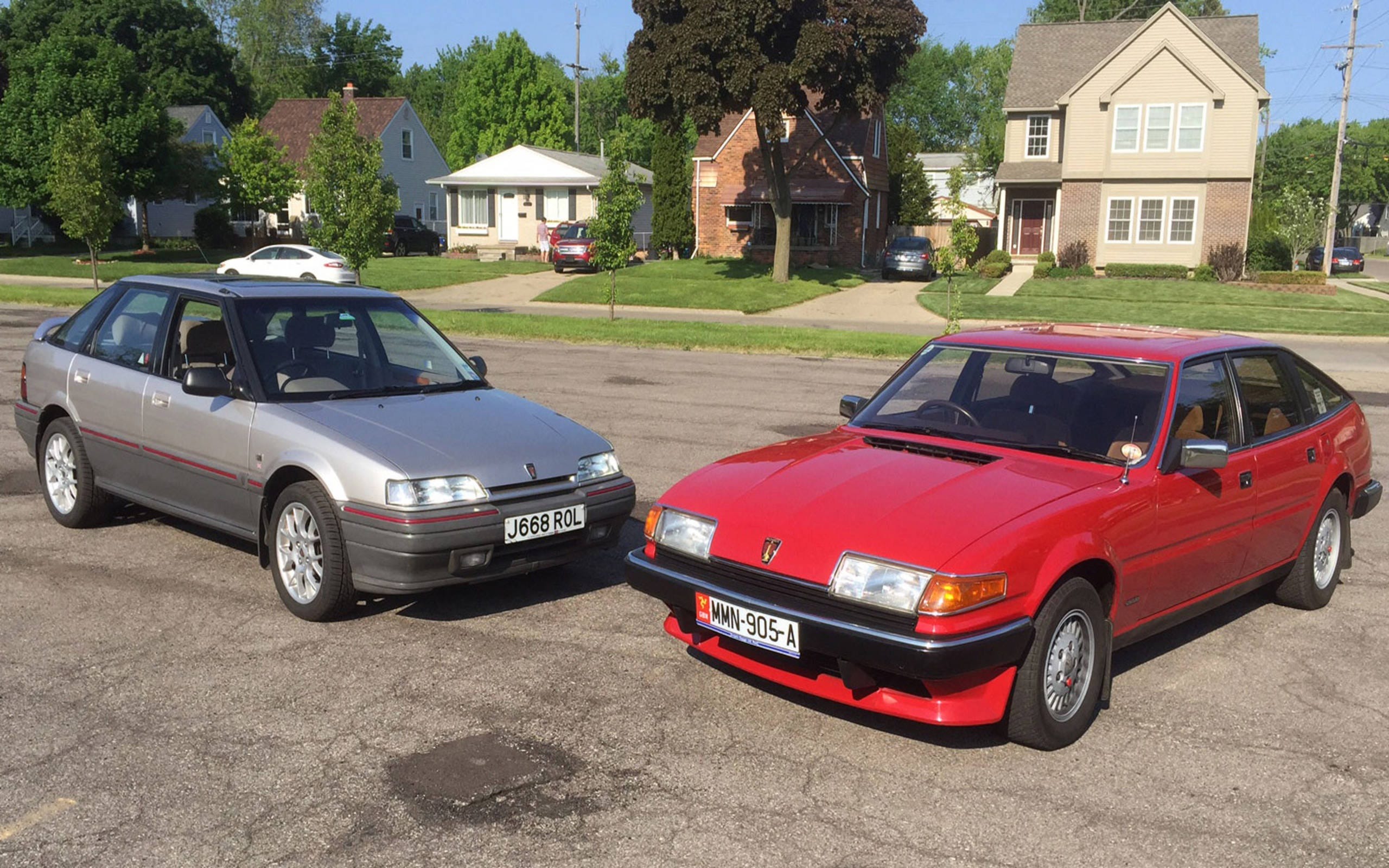
7. Grey-Market Vehicles Without Required Federal Compliance or Exemption
Importing a car from overseas sounds glamorous. Maybe it’s a model never officially sold in the United States, or a version with features American buyers rarely get to experience.
Before getting too attached to the idea, there is an important issue to consider. A vehicle built for a foreign market that does not meet U.S. safety and emissions standards can face significant obstacles when its owner tries to register it in Illinois.
Illinois maintains a specific procedure addressing exactly this situation, often referred to as grey-market vehicle registration. The state requires federal documentation proving the vehicle either complies with or holds an exemption from federal safety and emissions requirements.
Without that paperwork in hand, registration simply won’t happen, regardless of how well-maintained or desirable the vehicle might be. There is, however, a genuinely helpful exception worth knowing about.
Vehicles that have reached twenty-five years of age or older typically qualify for exemption from many of these federal requirements. That’s why you’ll often see enthusiasts importing classic Japanese sports cars or European models once they cross that age threshold, since the compliance burden becomes far more manageable at that point.
So a grey-market vehicle isn’t permanently banned from Illinois roads by any means. It simply needs to satisfy whichever federal and state requirements apply to its specific age and origin. Anyone considering an import should research these requirements thoroughly before wiring money overseas for a car that might sit in a garage indefinitely.
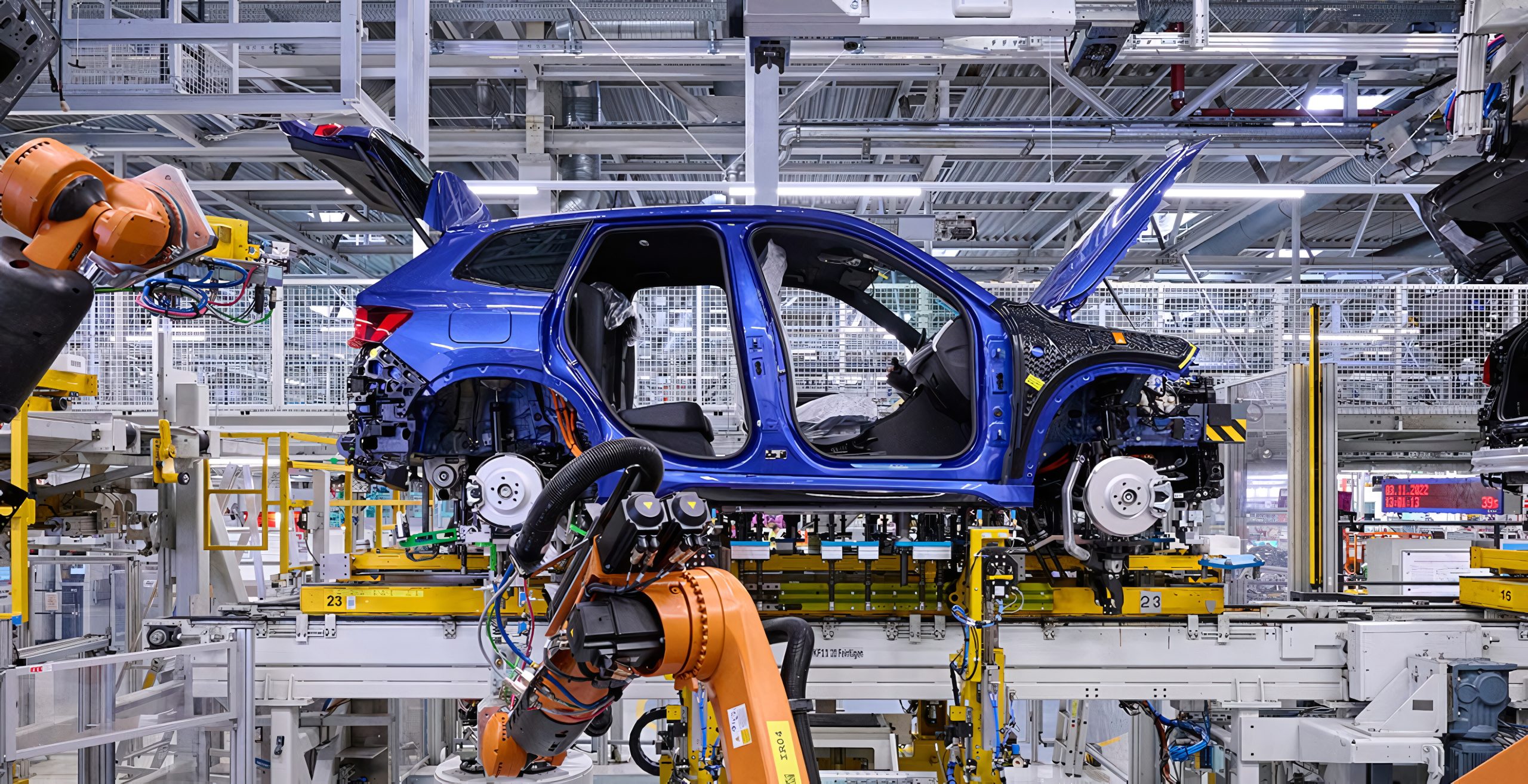
8. Vehicles That Are Not Properly Manufactured or Equipped for General Highway Use
This category includes a wide range of vehicles, which is exactly what makes it important. Some motorcycles, ATVs, and motor-driven cycles are designed primarily for off-road or specialized use rather than regular travel on public streets. When a vehicle was not built for normal road use from the factory, Illinois may not allow it to receive standard street registration, regardless of whether the owner wants to use it legally on public roads.
The Illinois Secretary of State has laid out this standard plainly. If a vehicle isn’t properly manufactured or equipped for general highway use as the law requires, registration eligibility simply isn’t there.
This isn’t a punishment aimed at any particular brand or model. It’s a baseline safety standard applied evenly across vehicle types. What happens to owners caught in this situation? They aren’t left without any paperwork whatsoever.
A distinctive Certificate of Title may still be issued, establishing legal ownership even though the vehicle can’t be driven on public streets. Think of it as proof you own a boat that happens to have no motor. Ownership is documented, but usability on the water remains a separate question entirely.
Before buying an unusual vehicle, shoppers should get clear answers about its intended use. Was it designed for public roads from the beginning, or was it built specifically for trails, racetracks, or private property? Knowing this before making a purchase can prevent costly problems and frustration later, rather than discovering the vehicle cannot be legally registered after the transaction is complete.
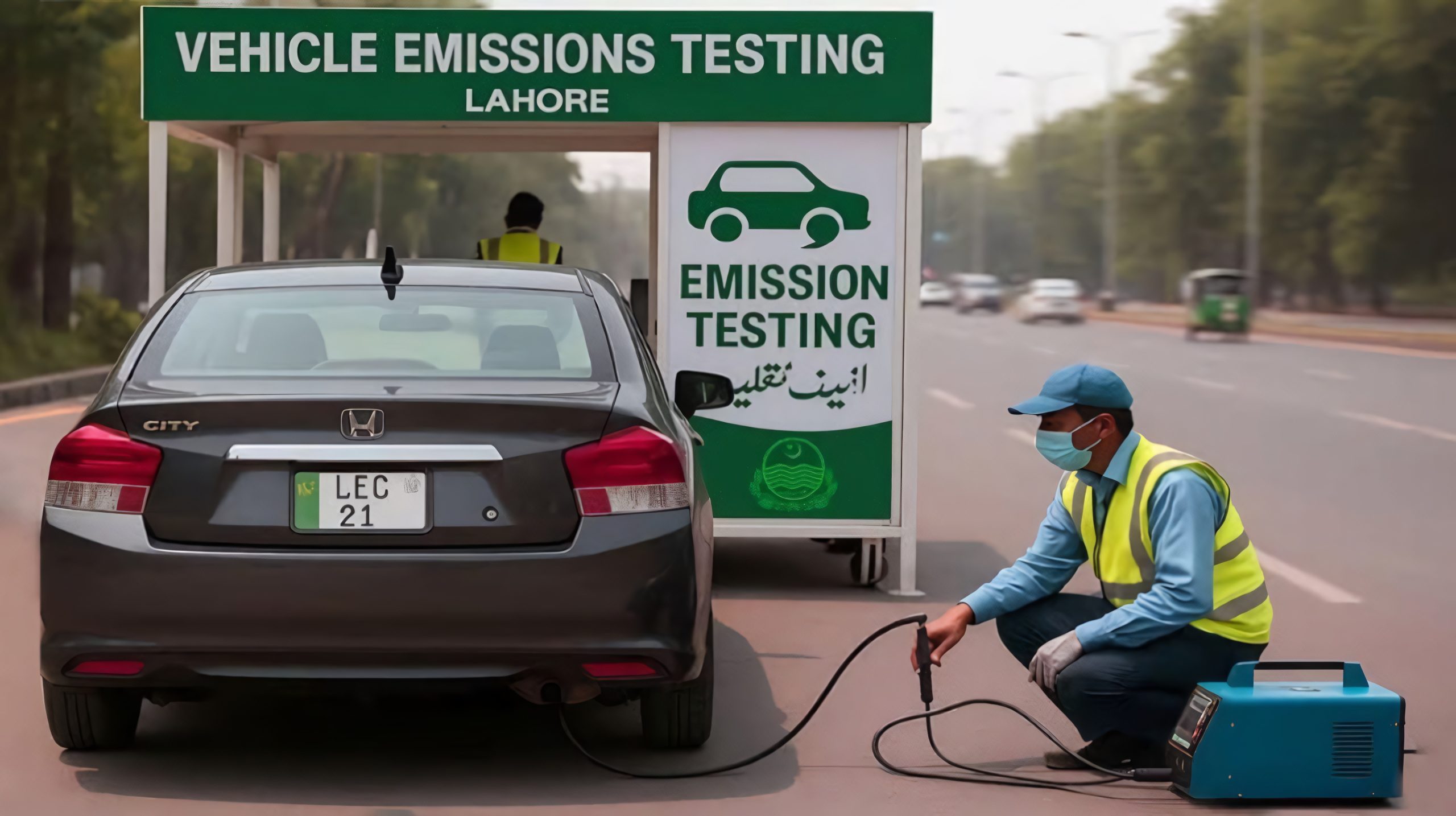
9. Vehicles Subject to Emissions Testing That Fail to Comply
Emissions testing catches plenty of Illinois drivers off guard, particularly those who assume registration renewal is simply a formality involving a check and a stamp. For vehicles subject to testing requirements, that assumption can lead to an unwelcome surprise at the counter.
According to the Illinois EPA, most gasoline-powered passenger vehicles from 1996 and newer become subject to emissions testing once they reach four years of age, specifically within affected areas of the state.
This isn’t a suggestion or optional guideline. The Illinois EPA works directly alongside the Secretary of State’s office to deny registration renewal for vehicles that haven’t passed their required test.
The good news for owners dealing with this issue is that an emissions failure does not necessarily leave a permanent mark on the vehicle. Unlike problems involving major structural damage or complicated documentation, emissions issues can often be corrected through repairs and a successful retest.
Repair whatever is causing the vehicle to fail, retest, and registration can move forward as normal. Some vehicles may also qualify for a waiver, exemption, or extension depending on individual circumstances.
Rather than ignoring a renewal notice or hoping the problem resolves itself, address emissions issues promptly. A mechanic familiar with emissions repairs can often diagnose the root cause quickly, whether it involves a faulty sensor, a failing catalytic converter, or something else affecting your test results.
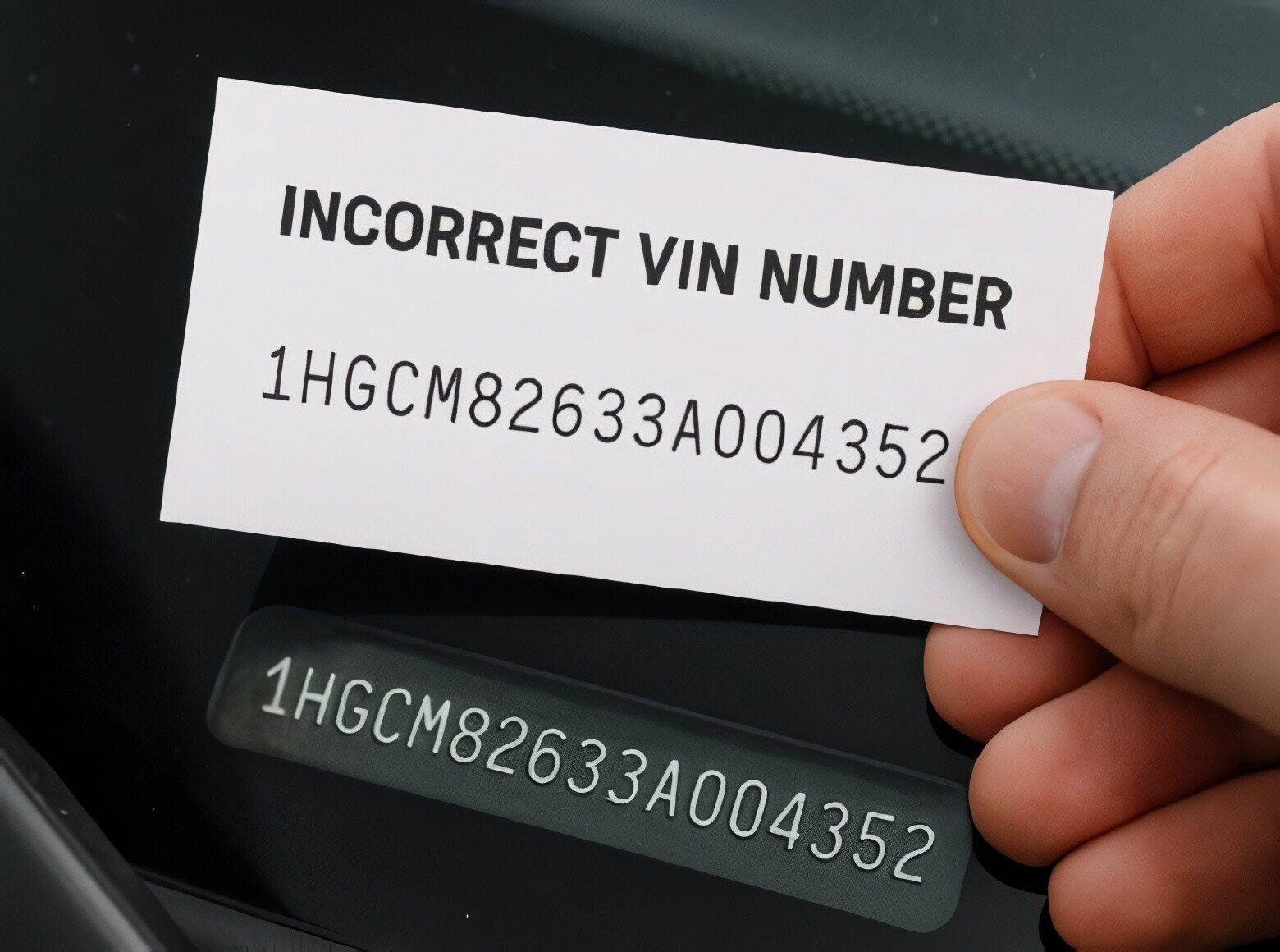
10. Vehicles With Unresolved Title, VIN, or Ownership Problems
Paperwork problems don’t sound as dramatic as a race car or an imported vehicle, yet they trip up plenty of Illinois vehicle owners every year. A vehicle with an unverifiable VIN, incomplete ownership documentation, or an unresolved title dispute can find itself denied registration until someone sorts out the mess.
Why does Illinois take this so seriously? Proper ownership and vehicle-identification documentation exists to prevent fraud, theft, and disputes between parties who might both claim rights to the same vehicle.
Without that paper trail intact, the state has no reliable way to confirm who legitimately owns what, and registration simply won’t proceed under uncertainty. Fortunately, Illinois hasn’t left owners without options when documentation gaps exist.
For specially constructed vehicles lacking a factory VIN, the state can assign one through its established process. For vehicles missing normal ownership paperwork entirely, bonding procedures offer another path forward, essentially providing a financial guarantee that protects against future ownership disputes while allowing registration to move ahead.
So a missing or unusual VIN doesn’t spell permanent trouble, and neither does a title with gaps in its history. What it does require is patience and proper follow-through.
Anyone facing this situation should reach out to the Secretary of State’s office directly, gather whatever documentation does exist, and work through the applicable procedure step by step rather than assuming the situation is hopeless.
