
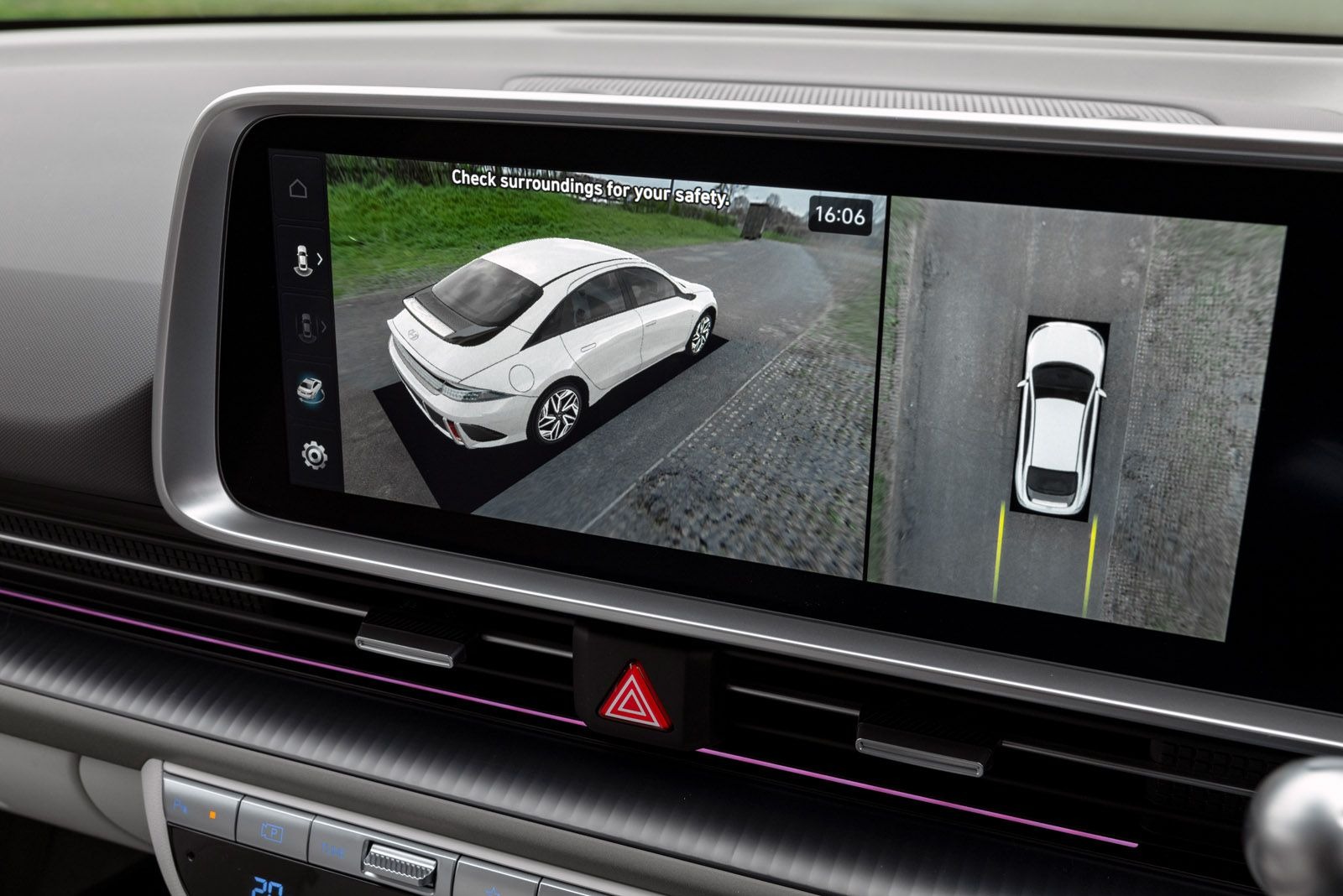
Cars once depended on a single mirror to give drivers a clear view. Today, some vehicles use cameras to monitor the road, cabin, trailer connection, surroundings, and even the area beneath the tires. Driver-assistance features, 360-degree displays, digital mirrors, and driver-monitoring systems have transformed modern vehicles into sophisticated networks of cameras.
However, there is an important difference between the number of cameras installed and the number of “views” manufacturers advertise. One camera can sometimes create multiple views, making the figures confusing. This list examines ten production vehicles with some of the highest documented factory camera counts, separating genuine camera hardware from marketing-based view numbers to show exactly what each vehicle uses.
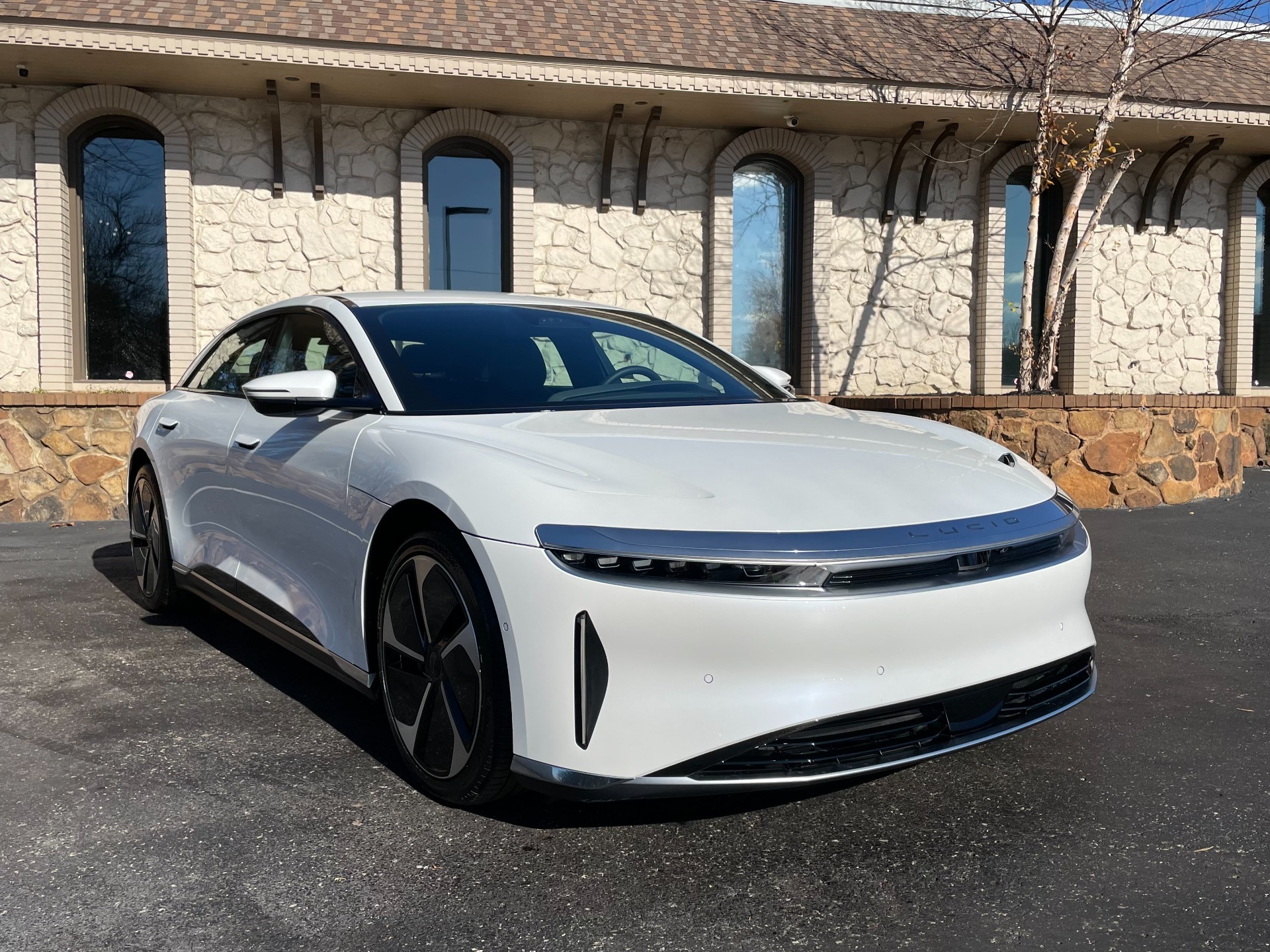
1. Lucid Air (DreamDrive Pro)
Luxury sedans don’t typically double as rolling sensor labs, yet the Lucid Air manages exactly that feat. Beneath its sleek exterior sits one of the most camera-dense systems available on any production vehicle sold today, built around a perception package that reads more like spacecraft specifications than typical car equipment.
The DreamDrive Pro system relies on a full 32-sensor package, and cameras make up a substantial portion of that count. Fourteen cameras work alongside one LiDAR sensor, five radar units, and twelve ultrasonic sensors, creating layers of overlapping data that feed the vehicle’s driver-assistance functions.
Forward-facing cameras handle the road ahead, side cameras track adjacent lanes, rear cameras cover what’s behind, and additional units manage surround-view stitching and driver-monitoring duties inside the cabin. What separates Lucid’s approach from marketing exaggeration is the source of that number.
This isn’t a case of one manufacturer claiming a dozen “views” generated from fewer physical units. Lucid’s own documentation specifically confirms fourteen actual camera units installed on the Air, giving buyers a transparent, verifiable figure rather than an inflated marketing total.
For anyone shopping in the luxury EV space and curious about how much technology sits behind that price tag, the Air’s fourteen-camera configuration stands as genuine proof that Lucid built its perception system around thorough coverage rather than cutting corners on sensor hardware.
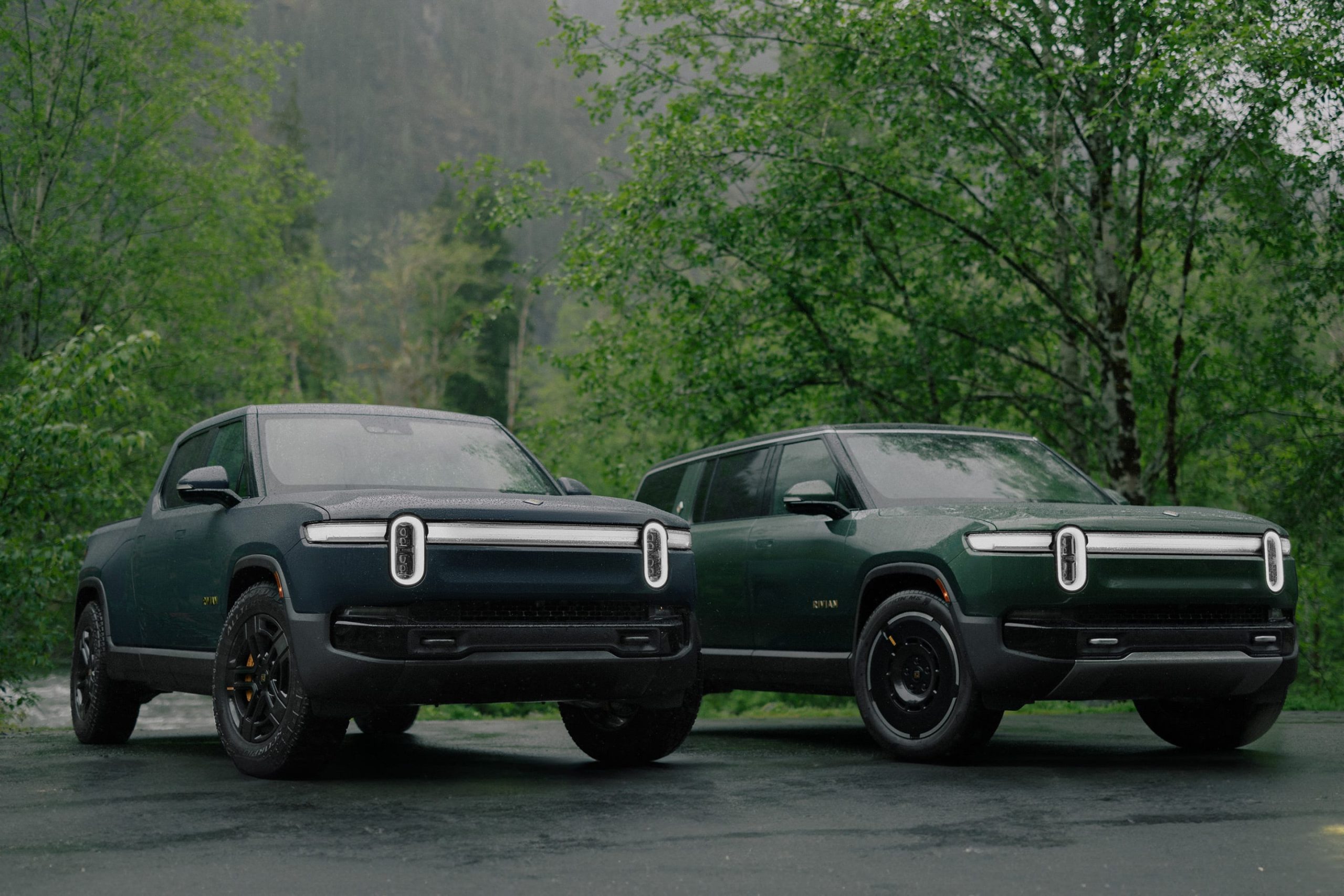
2. Rivian R1T / R1S (Second Generation)
Rivian designed the second-generation R1T and R1S with a camera system that gives drivers a clearer view of what is happening around these adventure-focused vehicles. Whether the SUV is reversing with a trailer or the pickup is moving along a rocky trail, the extra visibility can make driving easier and more controlled.
Both models use 11 high-resolution cameras as part of Rivian’s Autonomy Platform. Five radar units work with the cameras to gather information about nearby vehicles, objects, and road conditions. The cameras are positioned to provide overlapping 360-degree coverage, helping reduce blind spots during highway driving, parking, and other situations where surrounding visibility matters.
The system also includes a dedicated infrared camera inside the cabin. It watches the driver’s face and helps determine whether the person behind the wheel is paying attention. This feature is especially useful as modern vehicles take on more driving tasks while still requiring drivers to remain ready to respond.
Rivian has confirmed that the 11-camera arrangement applies to its second-generation R1 vehicles. That makes the specification easier to verify than systems where manufacturers provide only a list of available camera views.
For the R1T and R1S, the camera setup fits the vehicles’ outdoor focus. Drivers can benefit from a broader view around the vehicle when parking, towing, or handling rough roads. Combined with radar and other sensors, the system gives Rivian’s electric trucks and SUVs the hardware needed for their advanced driver assistance features for daily driving situations too.
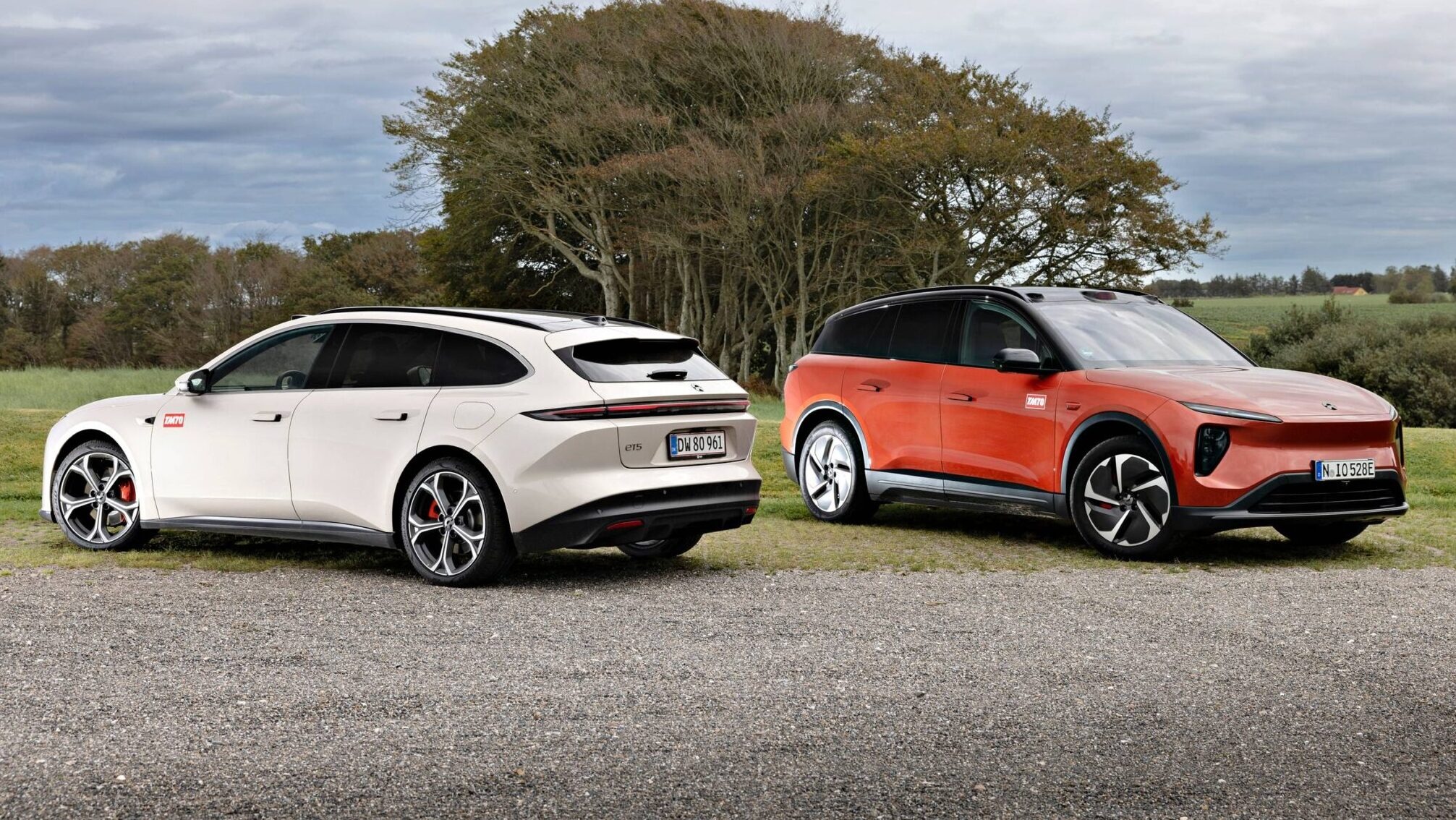
3. NIO ET5 / ET5 Touring
Electric sedans built for the global market increasingly treat perception technology as a core selling point rather than an afterthought, and NIO’s ET5 lineup demonstrates that philosophy clearly. Underneath its clean, understated design sits a sensor package built to rival far pricier competitors.
Eleven cameras form the perception backbone of both the ET5 sedan and its ET5 Touring wagon variant. These cameras don’t operate alone, either. LiDAR, radar, and ultrasonic sensors all work alongside that camera array, creating layered redundancy that helps the vehicle build an accurate picture of everything happening around it, from adjacent lane traffic to pedestrians stepping off a curb.
Here’s a detail worth paying attention to for anyone comparing specification sheets across different brands. NIO’s eleven-camera figure refers specifically to physical perception cameras mounted on the vehicle itself, not the number of individual views a driver might see displayed across the infotainment screen.
That distinction matters because some manufacturers blur those two numbers together, making direct comparisons confusing for shoppers trying to evaluate actual hardware. Buyers interested in the ET5 family should feel confident that eleven physical units are doing real perception work, supporting everything from driver-assistance features to more advanced automated-driving functions as NIO continues rolling out software updates across its lineup.
4. Zeekr 001
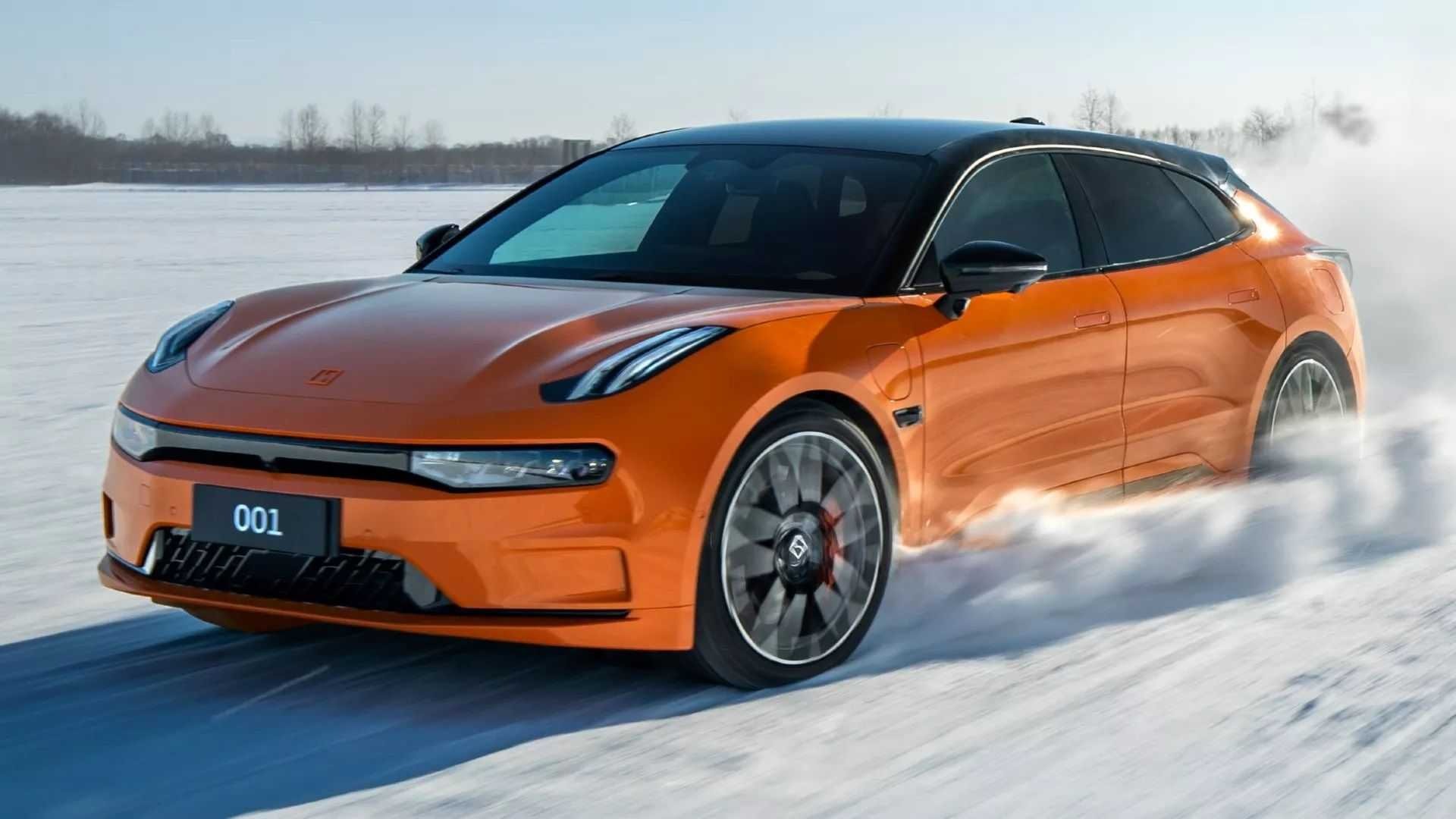
Some automakers build their own perception software from the ground up, while others partner with established technology companies to shortcut development. Zeekr chose the latter path with its 001 model, tapping Mobileye’s respected SuperVision system to handle the heavy lifting behind its camera-based driver-assistance features.
SuperVision arrives with eleven cameras strategically positioned around the Zeekr 001, creating a network capable of generating a complete 360-degree picture of the vehicle’s surroundings. Multiple forward-facing cameras handle the most safety-critical viewing angle, since most driving hazards appear ahead of the vehicle rather than behind it.
Side and rear cameras round out the package, filling in coverage gaps that would otherwise leave blind spots along the vehicle’s flanks. What makes Mobileye’s involvement particularly interesting is the company’s long track record in automotive perception technology, stretching back years before many competitors entered this space.
Partnering with an established name rather than building camera-based perception entirely from scratch allowed Zeekr to bring a mature, well-tested system to market faster than an in-house alternative might have allowed.
For shoppers comparing electric sedans built around driver-assistance capability, the Zeekr 001’s eleven-camera SuperVision configuration places it firmly among vehicles taking a serious, hardware-backed approach to automated driving features rather than treating the technology as a checkbox feature.
5. GMC Hummer EV
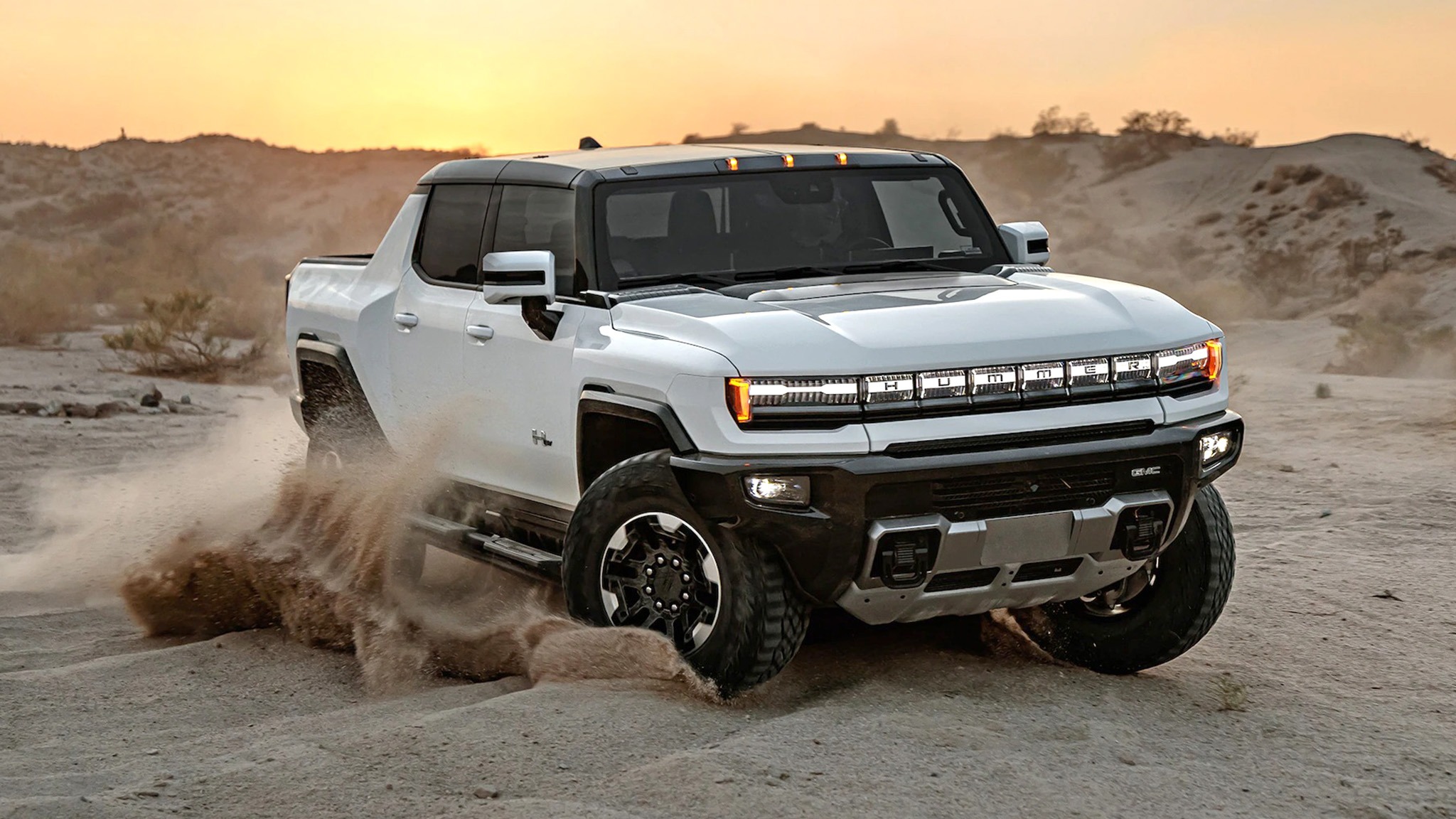
The GMC Hummer EV has one of the most extensive camera systems available on a factory-built truck, but its advertised camera figure can be easy to misunderstand. GMC often highlights the number 17 when describing UltraVision, yet that figure refers to camera views rather than 17 separate physical cameras mounted around the vehicle.
UltraVision provides a wide range of views covering the front, rear, sides, hitch area, trailer, and underside of the truck. These images can be particularly useful when driving on rough roads, passing obstacles, parking in tight spaces, or positioning the Hummer EV near rocks and other objects that may be difficult to see from the driver’s seat.
The system also includes cameras positioned underneath the vehicle. These underbody cameras give drivers a better look at areas that would normally remain hidden, which can help when tackling difficult routes. Built-in washers help keep those cameras clear when dirt or mud blocks the lenses.
There is an important distinction between the 17 advertised views and the actual number of physical cameras. Some camera views are created from the same hardware through digital processing, so the truck does not necessarily have 17 individual camera units. Trailer-related views can also depend on extra equipment rather than being available in every standard configuration.
For buyers, UltraVision still offers an impressive amount of visibility. However, checking the exact equipment fitted to a particular Hummer EV is the best way to know which cameras and views are included on the vehicle itself.
6. Tesla Model S
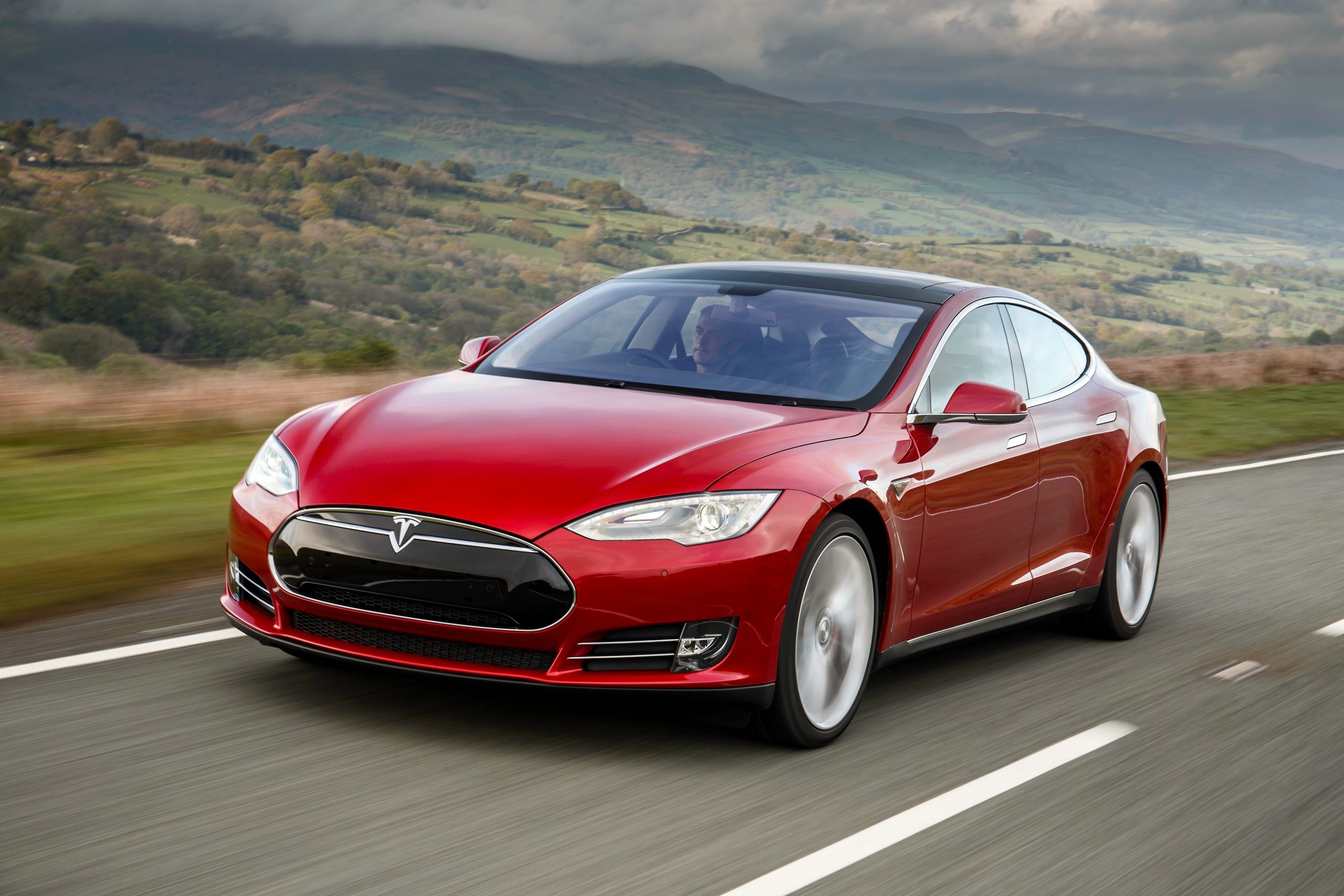
Tesla built its reputation on software-driven capability, and the Model S reflects that approach clearly when it comes to camera placement. Rather than piling on sensor hardware for its own sake, Tesla’s documented configuration reflects a deliberate, purpose-built arrangement covering every angle a driver or the vehicle’s computer might need.
Current Model S documentation lists eight physical cameras across specific locations. A single rear camera handles backing up and rear visibility. Two door-pillar cameras cover the sides near the vehicle’s front corners.
Two windshield-mounted cameras handle forward-facing perception, critical for features like automatic emergency braking and lane-keeping assistance. Two front-fender cameras round out the exterior array, filling gaps along the vehicle’s front corners that other cameras might miss.
An eighth camera sits inside the cabin, positioned above the rearview mirror where it can monitor the driver directly. This cabin camera plays a specific role in tracking driver attention, an increasingly standard feature as vehicles offer more hands-off driving assistance while still requiring genuine human oversight behind the wheel.
Eight cameras might sound modest compared to some competitors pushing past a dozen units, but Tesla’s arrangement reflects years of refinement built around real-world data collected from its expansive vehicle fleet, prioritizing precise placement over simply maximizing raw camera count for marketing purposes.
7. Volvo EX90
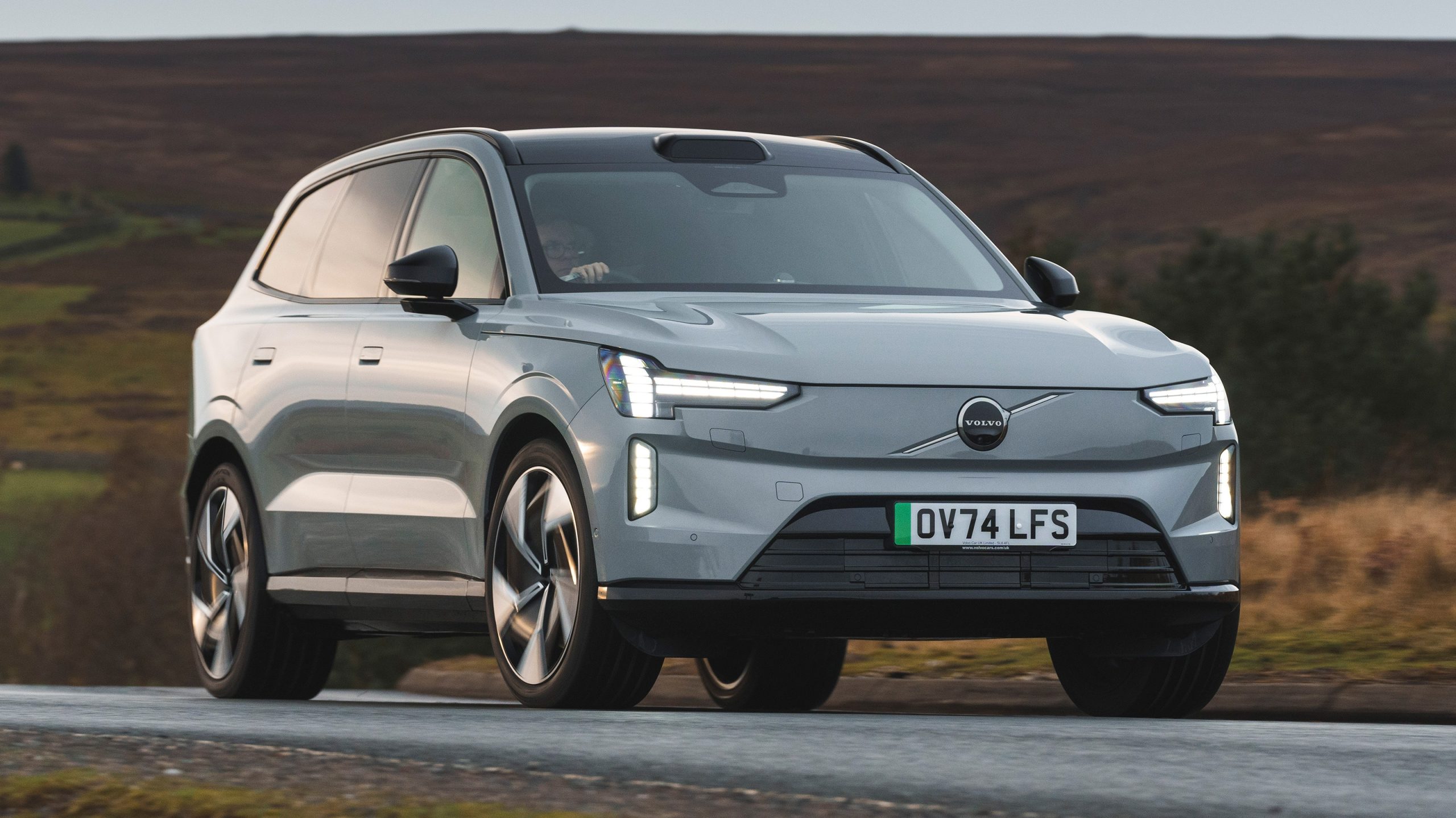
Safety has always been Volvo’s calling card, and the EX90 carries that reputation directly into the electric era through a sensor package built with genuine thoroughness rather than marketing flash. Cameras form just one part of a broader perception system, though a genuinely capable one in its own right.
Eight external cameras make up Volvo’s documented array on the EX90, working as part of a complete 360-degree perception system designed to eliminate blind spots entirely. These cameras don’t operate in isolation, either.
Five radar units and sixteen ultrasonic sensors work alongside that camera array, while LiDAR technology adds another layer of detection capable of spotting hazards other sensor types might miss, particularly in low-light conditions where cameras alone can struggle.
This layered approach reflects Volvo’s broader philosophy toward vehicle safety, treating each sensor type as complementary rather than redundant. Cameras excel at recognizing shapes, colors, and text, useful for reading road signs or identifying pedestrians.
Radar handles distance and speed detection reliably in poor weather. LiDAR adds precise depth mapping regardless of lighting conditions. Volvo has been direct about confirming this eight-camera external configuration, avoiding the kind of vague view-count marketing that makes comparisons difficult across brands.
For buyers prioritizing genuine safety credentials alongside electric performance, the EX90’s sensor package delivers exactly the kind of transparency serious shoppers appreciate.
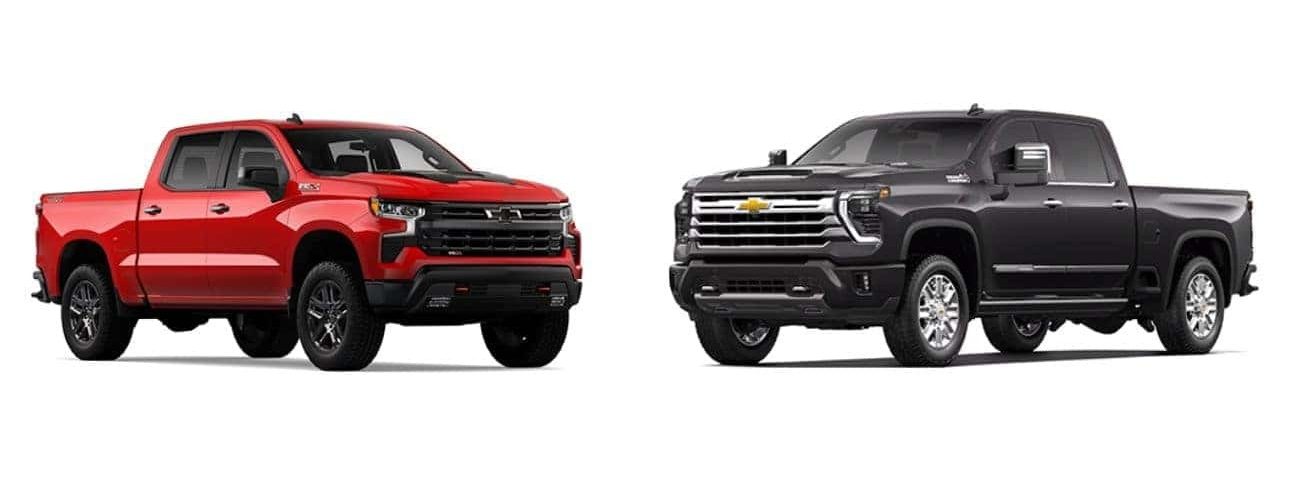
8. Chevrolet Silverado 1500 / Silverado HD
Anyone who regularly tows a trailer knows one of the biggest challenges is maintaining visibility behind the load. A trailer can block much of the rear view, making tasks like reversing, changing lanes, and maneuvering in tight spaces considerably more difficult.
Chevrolet built its trailering camera system specifically to solve that headache, and the results genuinely stand out among full-size trucks. Up to eight cameras make up the available configuration across Silverado 1500 and Silverado HD models, capable of producing as many as fourteen distinct views depending on how the system gets configured.
Camera locations span the front grille for forward visibility, both side mirrors for lane-change confidence, the cargo-bed area for monitoring items being hauled, and the rear of the truck for standard backup functionality.
Here’s an important detail for shoppers comparing trim levels and configurations. Some of those fourteen available views require an accessory camera purchased separately, typically mounted on the trailer itself to provide a genuine view down the length of whatever’s being towed. That means the maximum fourteen-view, eight-camera experience isn’t necessarily what comes standard on every Silverado parked on a dealer’s lot.
For anyone regularly towing boats, campers, or equipment trailers, understanding exactly which cameras and views come standard versus which require additional accessories helps set accurate expectations before driving off with a truck that might need extra equipment to unlock its full trailering camera potential.
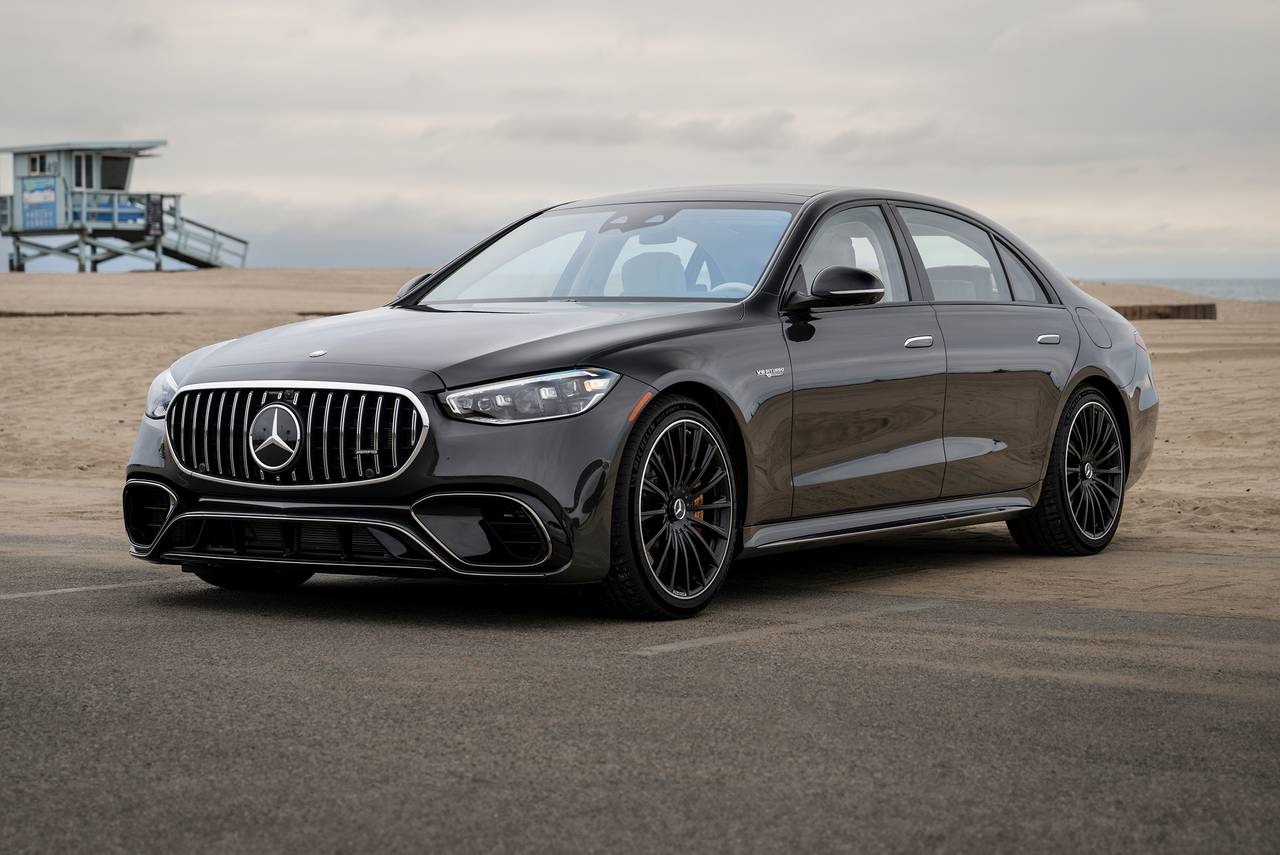
9. Mercedes-Benz S-Class
Mercedes-Benz has always used the S-Class to demonstrate its latest automotive technology, and its camera systems are a major part of that approach. However, giving the S-Class one fixed camera count is difficult because the equipment can vary depending on the model year, trim, and options selected.
Several cameras perform different jobs throughout the sedan. The 360-degree surround view system uses exterior cameras to create a bird’s-eye image of the car, making parking and maneuvering through tight spaces much easier.
Other cameras monitor the driver, checking attention and alertness while the vehicle is moving. A rear camera provides the basic view needed when reversing, while additional cameras assist the sedan’s driver assistance features.
The S-Class can also be equipped with Mercedes-Benz DRIVE PILOT, which adds more sensing hardware to the vehicle. Rather than depending on cameras alone, the system works with LiDAR, radar, ultrasonic sensors, and other equipment to collect information about the road and surrounding vehicles.
This allows the car to process a much broader range of information while operating its advanced driving functions. Mercedes-Benz does not publish one camera figure that applies to every S-Class sold.
The equipment can change according to the model year, trim level, market, and options package. For that reason, assigning one universal number could give buyers the wrong impression about the car’s actual equipment.
Anyone checking the camera count of a particular S-Class should therefore look at the specifications for that exact model year and trim. This provides a more accurate picture of the cameras fitted from the factory.
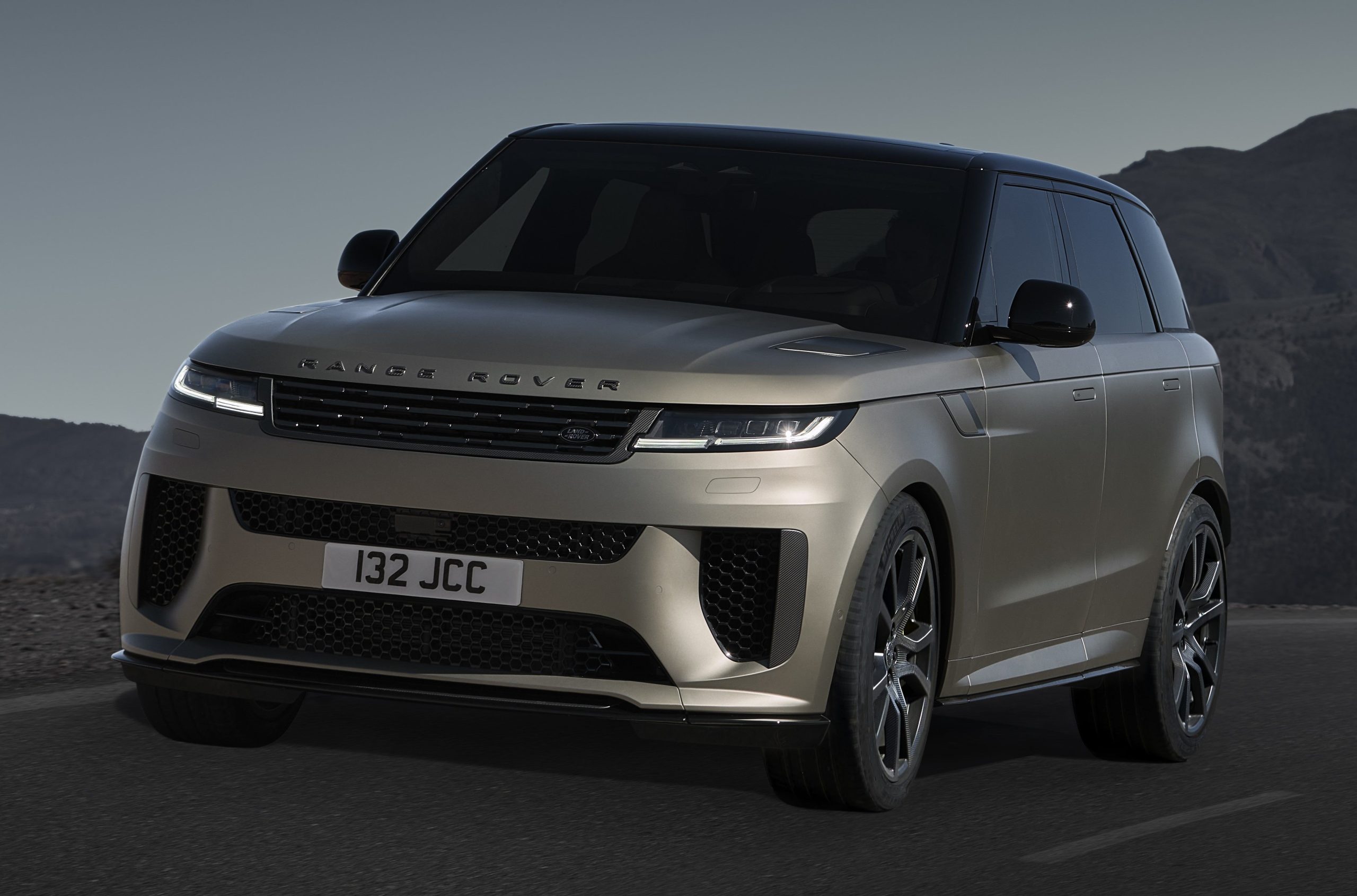
10. Land Rover Range Rover
For drivers who spend time on rough roads, having a clear view around the vehicle can make a major difference. Land Rover designed the Range Rover’s camera system with this need in mind, focusing on practical visibility rather than simply advertising a high camera count.
At the heart of the system is the 3D Surround Camera, which uses several exterior cameras to create a 360-degree overhead view of the vehicle. This feature can be especially helpful when parking in tight spaces, moving through narrow paths, or positioning the SUV where there is very little room for error.
Drivers can see obstacles around the vehicle without relying entirely on mirrors or outside assistance. Land Rover also offers ClearSight Ground View, which gives the driver a digital view of the area directly ahead of and beneath the SUV.
The display combines images from the camera system to make the front section of the vehicle appear almost transparent, allowing the driver to see areas that would normally be hidden from the seat.
That extra visibility can be useful when driving across rocks, deep ruts, steep approaches, or other obstacles. Instead of guessing what is directly beneath the front end, the driver can use the screen to check the path in real time. It can also reduce the need for someone outside the vehicle to provide directions.
Land Rover confirms that both 3D Surround Camera and ClearSight Ground View are available features. However, the company does not provide one fixed physical camera count for every Range Rover because equipment varies by trim, model year, and specification.
