Automakers do not always give American buyers the same engine tune offered overseas. Emissions certification, fuel requirements, noise regulations, cold-start testing, and exhaust hardware have all produced cases where the U.S. version made less power than its European or Japanese counterpart.
Some differences were tiny, while others took away dozens of horsepower. The reasons were not always about American buyers receiving inferior hardware. Sometimes the engine itself was identical, but software, exhaust equipment, or calibration changed the output.
The examples below focus only on documented cases where a U.S. version produced less power than a comparable overseas-market version, rather than repeating internet rumors about supposedly hidden horsepower.
10. Volkswagen Golf GTI
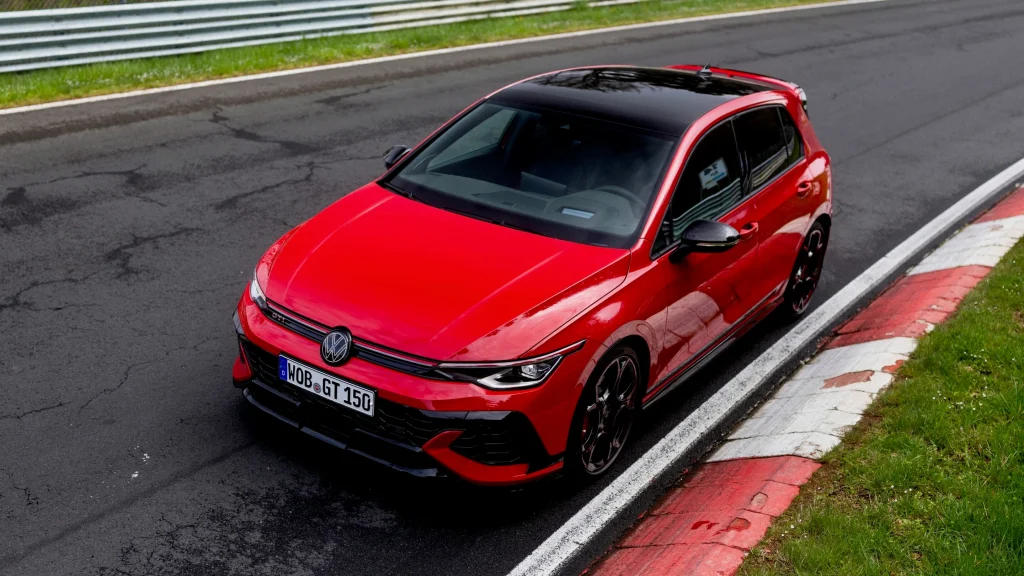
The current Volkswagen Golf GTI provides one of the clearest modern examples of America receiving a less powerful version of an engine that makes more horsepower in Europe. The difference is not enormous, but Volkswagen itself acknowledged why the U.S. car missed the European power increase.
For the 2025 model year, the European-market facelifted Golf GTI received an upgraded version of Volkswagen’s 2.0-liter turbocharged EA888 four-cylinder, producing 261 horsepower. The U.S.-market GTI remained at 241 horsepower, creating a 20-horsepower gap.
Volkswagen explained that meeting U.S. emissions requirements would have required additional exhaust-system engineering to deliver the European output, so the American car retained its existing calibration and hardware arrangement.
That makes the difference particularly interesting because the American GTI was not simply running an old engine while Europe received an entirely new powerplant. Both versions remained part of the same EA888 family, but regulatory certification influenced how much power Volkswagen extracted from the U.S. configuration.
The European car’s 261-hp figure was paired with other updates to the facelifted GTI, while the U.S. version continued with its 241-hp rating. The 20-hp difference represents roughly 8.3 percent less peak power for the American model.
For buyers, the situation illustrates why horsepower figures cannot always be compared directly between countries. Automakers frequently have to certify vehicles independently for different emissions regimes, and changing exhaust hardware can affect both emissions performance and engine output.
The GTI is therefore a modern example of an engine being restrained for the American market, although calling it a permanently “detuned” engine requires some context. The more precise explanation is that Volkswagen chose not to make the additional hardware changes necessary to give U.S. buyers the European calibration.
9. BMW X1 M35i
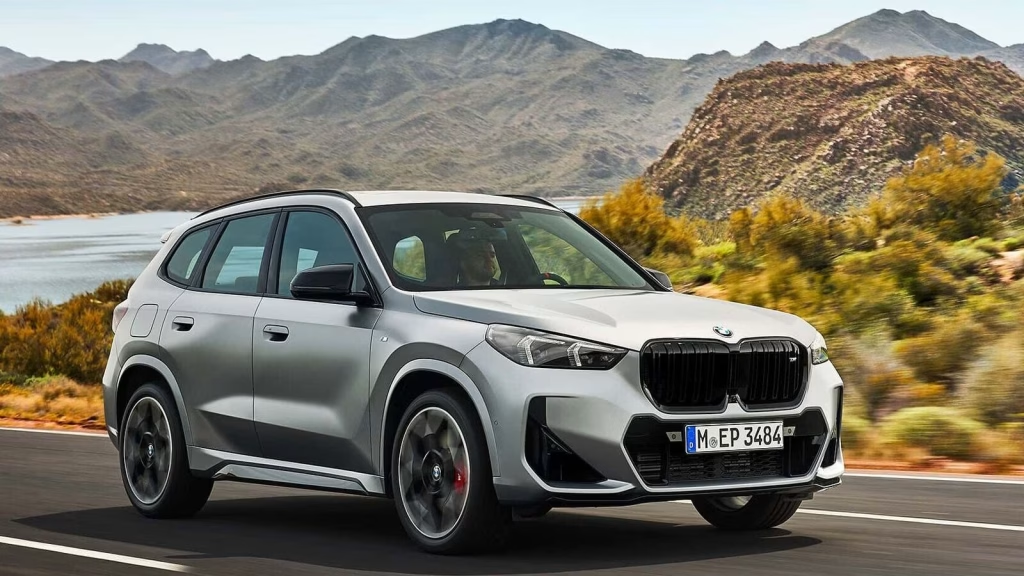
The BMW X1 M35i demonstrates how even a relatively small difference in calibration can become significant when two versions of essentially the same performance engine are sold on opposite sides of the Atlantic.
The U.S.-market X1 M35i uses BMW’s 2.0-liter turbocharged four-cylinder, rated at 312 horsepower. The European version was rated at 296 horsepower, meaning this particular example actually reverses the usual pattern: America received 16 more horsepower than Europe. BMW confirmed that the European model was detuned because of stricter emissions requirements.
That makes the X1 M35i an important correction to the title’s premise. Not every modern engine is detuned for America. In several recent BMW applications, European emissions regulations have forced the European version to make less power, leaving the U.S. car with the stronger engine output.
BMW’s explanation is particularly useful because it demonstrates how regulatory differences can work in both directions. The European X1 M35i’s 296-hp output was not evidence of a mechanically inferior engine. Instead, emissions certification requirements influenced the final calibration.
The U.S. version’s 312 horsepower also gave American buyers a noticeable advantage in this particular comparison. BMW’s performance specifications put the North American X1 M35i at approximately 4.6 seconds from 0 to 60 mph, while the European model’s corresponding 0-to-62-mph figure was approximately 4.9 seconds.
This example will therefore sit near the bottom of this ranking because it does not actually support the idea that America gets the detuned engine. It does, however, demonstrate why country-by-country horsepower comparisons need to be verified rather than assumed.
The X1 M35i is a reminder that regulatory rules can produce surprising winners. Sometimes the American market gets the extra horsepower while Europe gets the restricted tune.
8. Chevrolet Corvette Z06
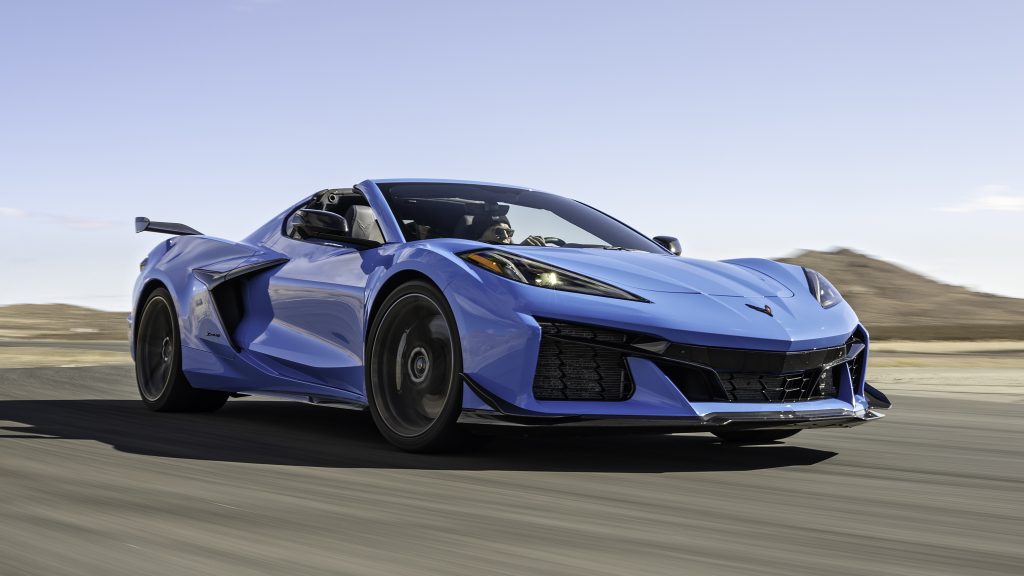
The Chevrolet Corvette Z06 provides an especially interesting twist because the American version is actually the more powerful one. It is a useful reminder that emissions rules do not always hurt U.S. horsepower. In this case, Europe receives the detuned engine while America keeps the full-strength version.
The C8 Corvette Z06’s naturally aspirated 5.5-liter LT6 flat-plane-crank V8 produces 670 horsepower and 460 lb-ft of torque in North American specification.
When the Z06 was prepared for European markets, Chevrolet had to add a gasoline particulate filter and redesign portions of the exhaust system to meet European emissions requirements. The resulting European version produces 636 horsepower, a reduction of 34 hp.
That is a significant difference for an engine that already operates near the limits of naturally aspirated performance. The European reduction represents about 5.1 percent less horsepower than the U.S. model.
The exhaust changes are important because they demonstrate that this is not simply an arbitrary software restriction. The particulate filter adds exhaust-flow resistance, while the revised system changes the way the LT6 breathes. Chevrolet therefore had to create a different emissions configuration for the European car.
For American buyers, the result is unusually favorable. The United States gets the full 670-hp version, while European customers receive a 636-hp version that sacrifices some performance to meet local requirements.
The Z06 also demonstrates why global horsepower comparisons need to be checked by market and model year. A headline claiming that an engine is “detuned” can be completely backward depending on which country is being discussed.
For this list, the Z06 is included as an important counterexample rather than a genuine U.S.-detuned engine. It shows that America’s emissions regulations can sometimes produce a higher-output engine than Europe receives.
7. Toyota MR2
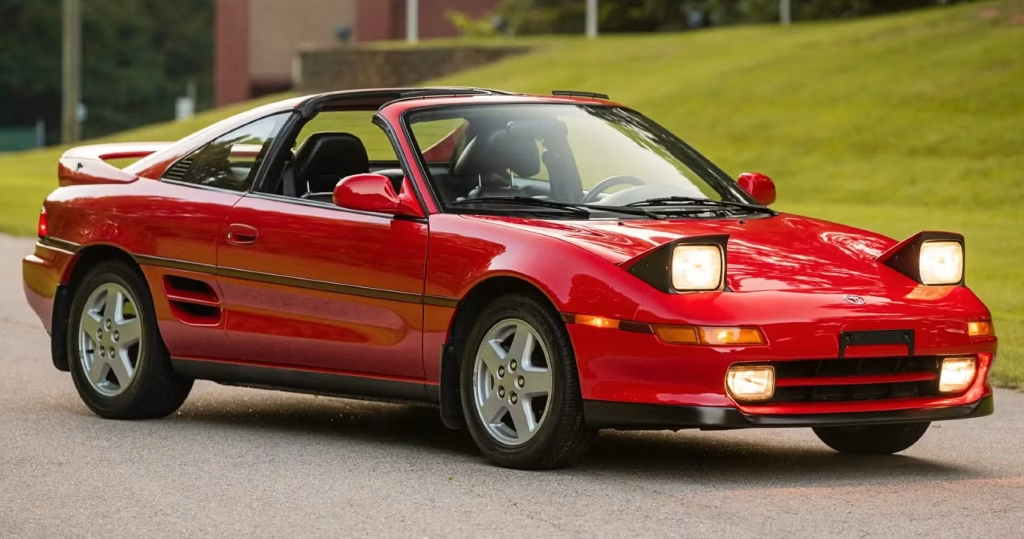
The second-generation Toyota MR2 provides a genuine historical example of an American-market engine losing power compared with a European version.
It is also a good illustration of how emissions equipment could have a surprisingly large effect on naturally aspirated engines before modern electronic engine management became as sophisticated as it is today.
The U.S.-market second-generation MR2’s naturally aspirated 2.2-liter 5S-FE four-cylinder produced approximately 130 horsepower. European versions using the 2.0-liter 3S-FE engine were rated at approximately 138 horsepower. That left the American car about eight horsepower behind despite having greater displacement.
The difference was not simply about engine size. The U.S. car’s emissions equipment and calibration affected its output, while the European engine was able to produce more power from a smaller displacement.
This was part of a much broader pattern during the era when American emissions requirements frequently forced manufacturers to modify engines sold in the United States.
The MR2 is particularly interesting because the power gap looks strange on paper. A larger 2.2-liter engine would normally be expected to produce more power than a 2.0-liter engine from the same general family. Instead, the American specification produced less peak horsepower.
That discrepancy reflects the regulatory environment of the period. Automakers were increasingly required to control emissions while adapting engines to unleaded fuel and different certification procedures. The resulting hardware and calibration changes could reduce compression, alter ignition timing, and restrict exhaust flow.
The MR2’s example should also be kept separate from modern comparisons. Today’s engines use far more sophisticated fuel injection, turbocharging, variable valve timing, and emissions-control systems, allowing manufacturers to extract considerably more power while meeting stringent standards.
The second-generation MR2 therefore represents an earlier era when an American emissions package could visibly change an engine’s character.
6. BMW M635CSi
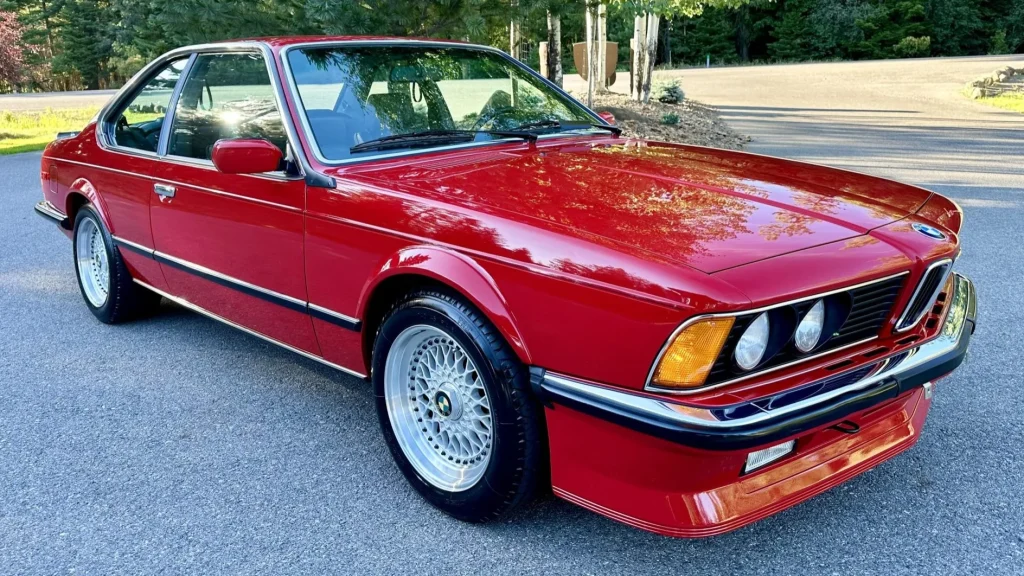
Few examples show the old American horsepower penalty more dramatically than BMW’s E24 6 Series. BMW itself acknowledges that during the 1980s, its U.S.-market cars frequently produced substantially less power than European versions using closely related engines.
The company’s own historical account specifically compares the European M635CSi, rated at 286 horsepower, with the U.S.-market 635CSi, which produced just 182 horsepower.
That is a staggering 104-horsepower difference, equivalent to about 36 percent less power for the American 635CSi. The gap was not simply the result of BMW deciding Americans did not need performance.
U.S. emissions and safety regulations forced significant changes to the cars, including more restrictive exhaust systems and other emissions equipment. BMW’s historical account specifically describes the company’s struggles with tightening American safety and emissions standards during this period.
The comparison also needs some care because the M635CSi and 635CSi were not identical models. The European M635CSi was BMW’s high-performance M division derivative, while the American 635CSi occupied a different position in the lineup.
Even so, both used BMW’s six-cylinder architecture, making the enormous difference an excellent illustration of the performance gap that existed between markets.
This era eventually contributed to the growth of the gray-market import business. BMW’s own historical account says enthusiasts became frustrated that American cars were substantially less powerful and sought European-specification models through private import channels.
The 635CSi therefore represents an important period when U.S. emissions requirements could dramatically alter an engine’s output. It is also a reminder that horsepower comparisons from the 1980s cannot be interpreted the same way as modern EPA-certified figures.
5. Porsche 924 Turbo
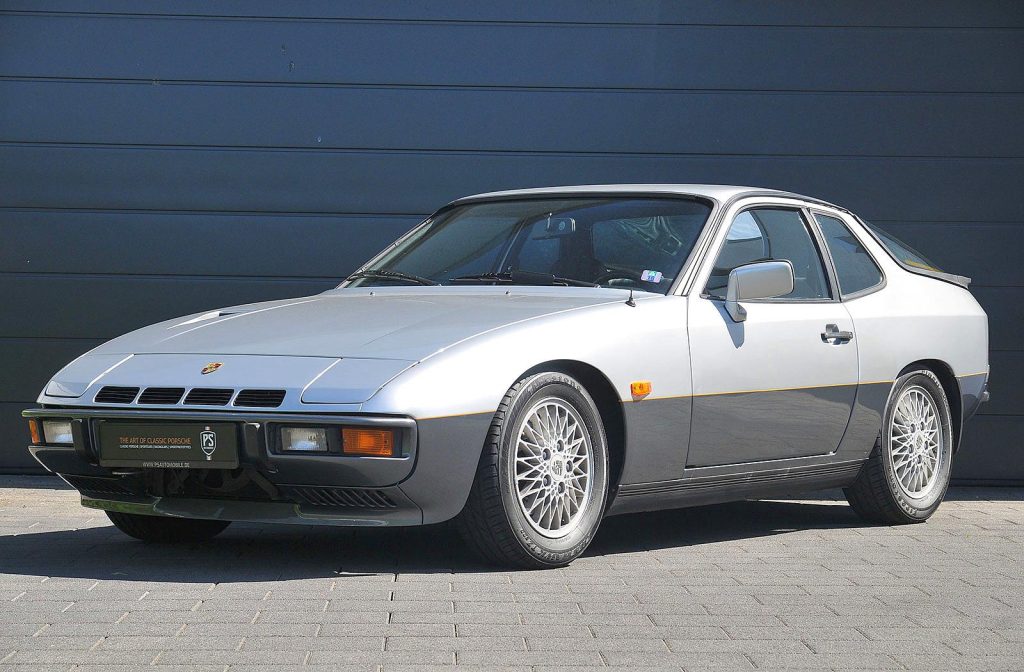
The Porsche 924 Turbo is another strong historical example of America receiving a significantly weaker version of an engine than European buyers. When the turbocharged 924 reached North America for the 1980 model year, Porsche had to adapt the car to America’s considerably different emissions and safety requirements.
The European 924 Turbo’s 2.0-liter turbocharged four-cylinder produced approximately 170 horsepower, while the initial U.S.-market version was rated at 143 horsepower.
That represents a reduction of roughly 16 percent. Contemporary technical histories attribute the lower output to the additional emissions controls required for the North American market.
The American car also carried additional weight because of federally mandated safety equipment, including the distinctive impact bumpers. That meant U.S. buyers were dealing with both less engine output and a heavier vehicle.
The engine itself was based on Volkswagen’s EA831 four-cylinder architecture, with Porsche adding turbocharging and associated hardware to create a much more powerful version of the 924.
The turbocharger transformed the relatively modest naturally aspirated engine into a genuine performance unit, but American emissions equipment limited how aggressively Porsche could tune it.
Porsche subsequently improved the North American version. For the 1981 model year, output increased slightly, although it remained below the European specification.
This is an important distinction because it shows that the U.S. detuning was not necessarily permanent across the entire production run. Manufacturers could revise calibration and emissions hardware as certification requirements evolved.
The 924 Turbo is therefore particularly interesting for enthusiasts comparing period-correct specifications. A European brochure might advertise a one-horsepower figure, while an American factory specification sheet showed something noticeably lower. The difference came from the regulatory environment, not from a fundamentally incapable engine.
For collectors today, that makes the U.S. cars an interesting reminder of how dramatically emissions rules shaped performance during the late 1970s and early 1980s.
4. BMW E36 M3
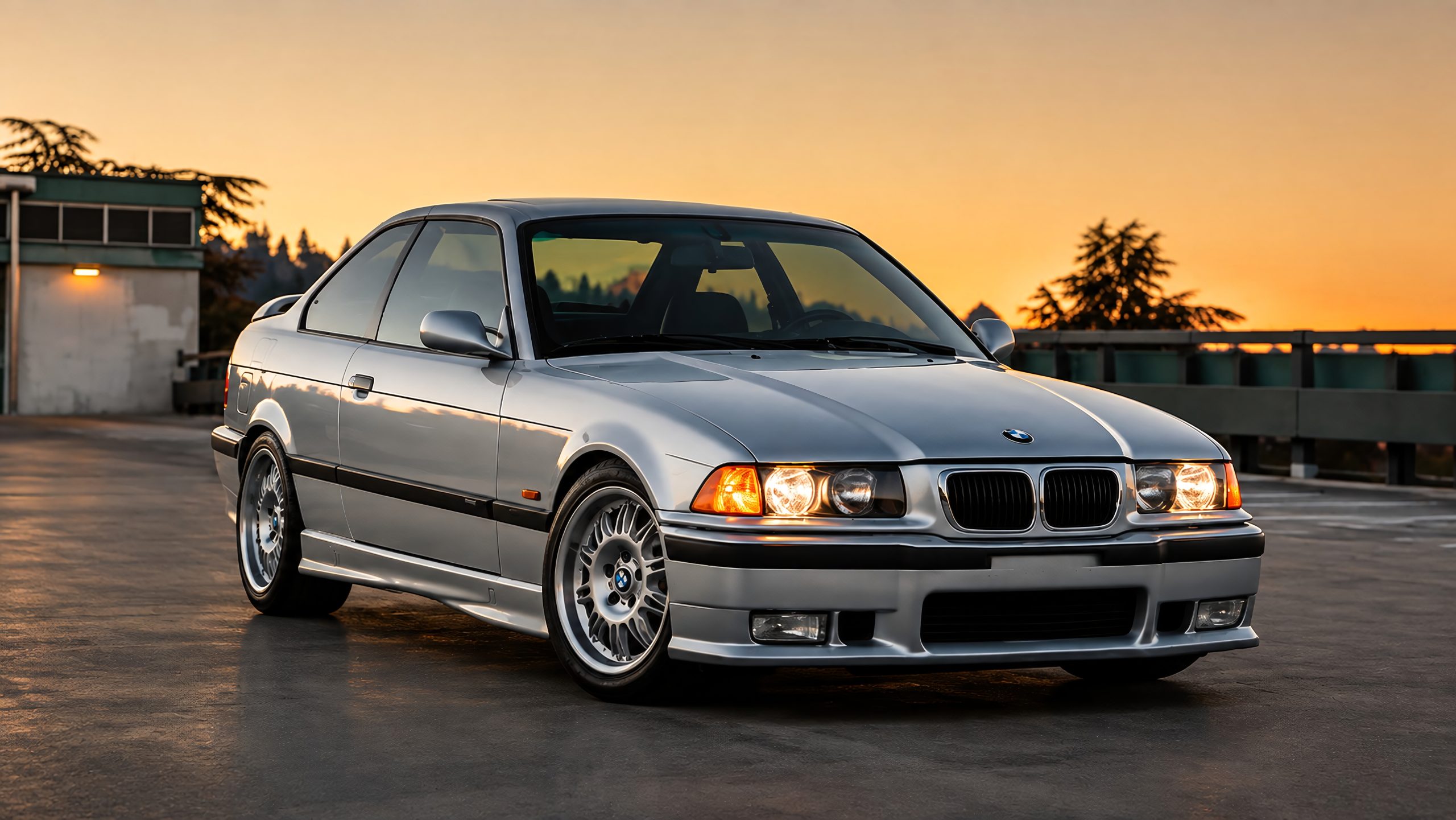
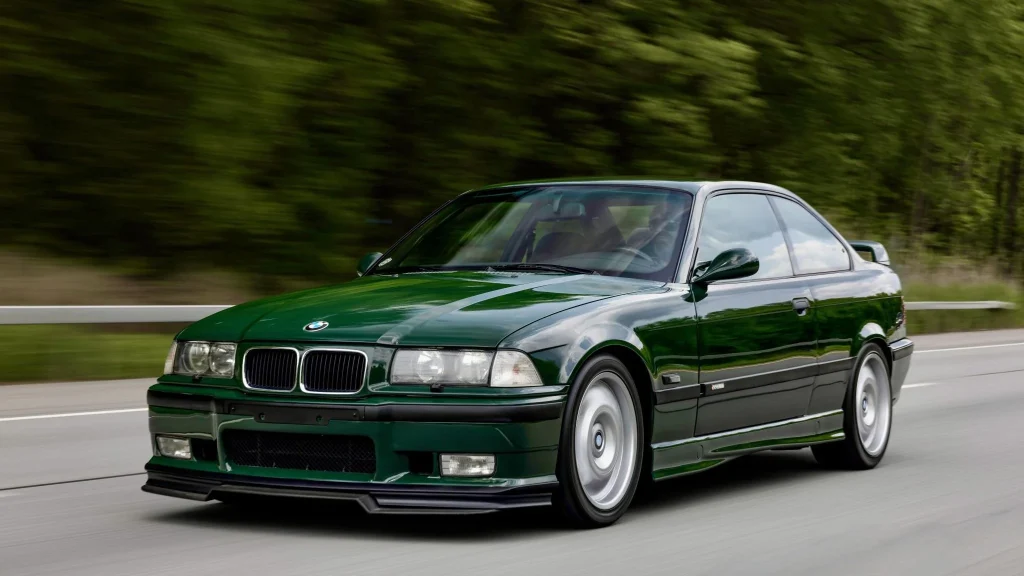
The BMW E36 M3 may be the most famous example of America receiving a substantially weaker version of a European performance engine. When the E36 M3 arrived, the European car used BMW’s high-performance S50B30 3.0-liter inline-six, while the U.S. version received the less powerful S50B30US.
The difference was enormous. The European engine produced 286 horsepower, compared with approximately 240 horsepower for the original U.S.-specification M3. That is a 46-horsepower gap, or roughly 16% less output for American buyers.
Road & Track notes that the European engine used individual throttle bodies and a more advanced VANOS arrangement, while the U.S. engine used a conventional intake system and different emissions equipment.
The gap became even more frustrating after BMW introduced the European 3.2-liter Evolution engine. European buyers received up to 321 horsepower, while the U.S. version remained at 240 horsepower with the S52 engine. Road & Track identifies this as one of the major differences between the two markets.
This was not simply a software switch that could be changed with a modern ECU flash. The American engine had significant hardware differences, including its intake system and emissions-related components. That meant the U.S. car was fundamentally different from the European M3 under the hood.
The reasons were tied partly to U.S. emissions certification and the cost of adapting the high-output European engine to American requirements. BMW also had to meet U.S. regulations with a relatively small expected sales volume.
The result became legendary among BMW enthusiasts. American owners knew that Europe had received the “real” high-output M3, while the U.S. car carried the same badge with substantially less power.
The E36 M3 remains one of the strongest historical examples of how regulatory differences could create two dramatically different versions of the same performance model.
3. BMW Z4 M40i
The BMW Z4 M40i provides a fascinating modern reversal of the old horsepower gap. Instead of American buyers receiving the weaker engine, the U.S. version of BMW’s turbocharged six-cylinder roadster receives substantially more power than the European car.
The G29 Z4 M40i uses BMW’s 3.0-liter turbocharged B58 inline-six. In U.S. specification, the engine produces 382 horsepower for the 2023 model year and later. European versions were rated at only 335 horsepower, creating a substantial 47-horsepower advantage for America.
That difference exists because European versions of the engine have had to meet stricter particulate-emissions requirements. The European car uses additional exhaust after-treatment hardware, including a gasoline particulate filter, which creates additional exhaust restriction. BMW consequently calibrates the European version differently.
The Z4 is particularly interesting because the same basic engine architecture can produce such different numbers depending on where the car is sold. American buyers therefore receive an engine that is not merely equal to the European model but significantly stronger.
The difference also illustrates how the global horsepower hierarchy has changed. During the 1980s and 1990s, U.S. emissions regulations often meant Americans received the weaker version. Modern European emissions regulations have increasingly created situations where the reverse is true.
BMW’s Z4 M40i became an especially clear example because the 47-horsepower gap is large enough to matter in real-world performance. The U.S. model’s higher output helps explain its stronger acceleration figures compared with the European version.
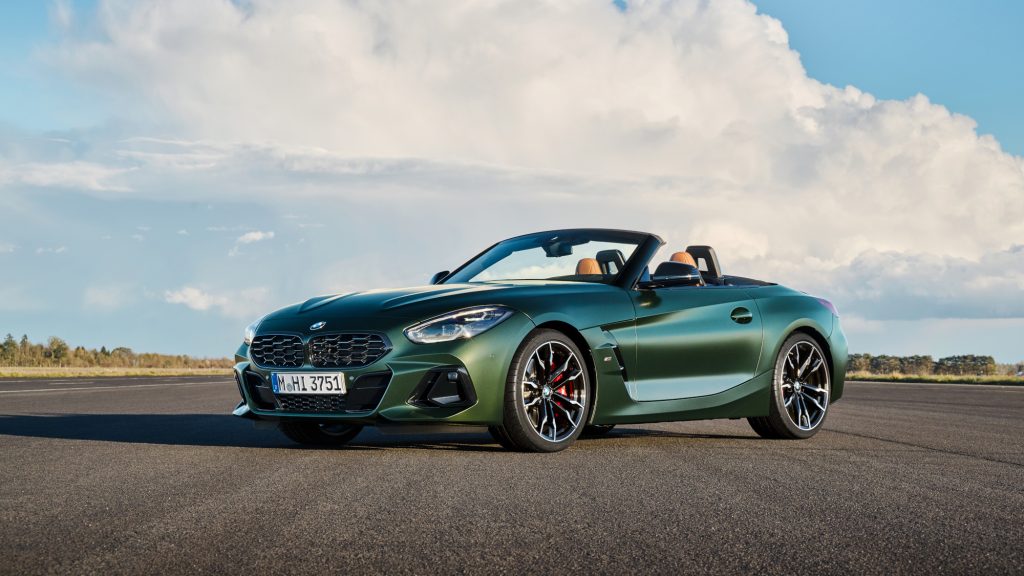
This is therefore not an example of an American engine being detuned. It is almost the opposite. The Z4 demonstrates that the title of this article describes a historical pattern that no longer applies universally.
For enthusiasts, the lesson is valuable: always check the exact market specification. A European badge does not automatically mean the engine makes more power.
2. Mercedes-Benz 190E 2.3-16
The Mercedes-Benz 190E 2.3-16 is one of the clearest examples of an engine that lost meaningful power when it crossed the Atlantic. The performance sedan was developed with Cosworth engineering assistance, giving its 2.3-liter four-cylinder a sophisticated 16-valve cylinder head and a character very different from an ordinary 190E.
European versions produced 185 horsepower and 167 lb-ft of torque. When Mercedes brought the car to the United States for the 1986 model year, federalization requirements forced several changes.
Compression dropped from 10.5:1 to 9.7:1, while a catalytic converter was added to the exhaust system. Output consequently fell to 167 horsepower, with torque around 162 to 172 lb-ft depending on specification.
That represents an 18-horsepower reduction, or nearly 10 percent less peak power than the European version.
The difference was not simply an ECU calibration that could be altered with modern software. The American car had genuine mechanical and emissions-related changes. Mercedes had to make the Cosworth-developed engine compatible with U.S. emissions requirements while retaining acceptable drivability.
The result was still an impressive performance sedan. The 190E 2.3-16 used a high-revving engine, strengthened components, and a performance-oriented chassis, making it an important predecessor to later AMG and Mercedes performance sedans.
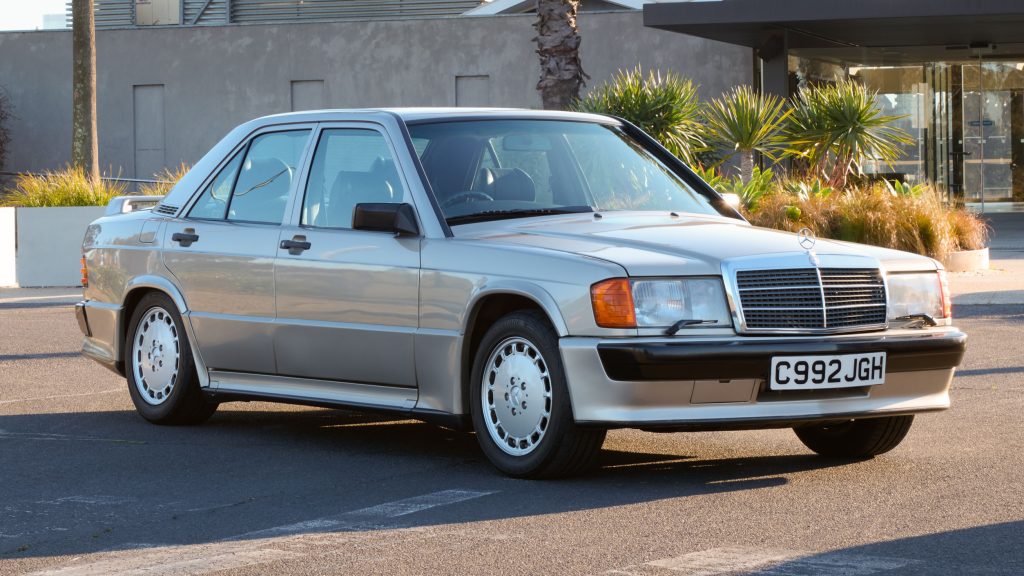
What makes this example particularly interesting is how obvious the regulatory penalty was on the specification sheet. European buyers could advertise 185 horsepower, while American buyers received a car with the same basic Cosworth-developed concept but a noticeably lower output figure.
For modern enthusiasts, the 190E demonstrates why European and American versions of 1980s performance cars cannot always be compared simply by model name. The badge may be identical, but emissions equipment, compression, and calibration could materially alter the engine.
It remains one of the most memorable examples of America’s stricter emissions certification turning a European performance engine into a less powerful U.S. specification.
1. Porsche 911 Turbo 3.3
The Porsche 911 Turbo 3.3 is arguably the definitive example of a high-performance engine being restrained for the American market. Porsche’s own historical material confirms that the European version of the 3.3-liter Turbo produced 300 PS, while the U.S. version was rated at 261 horsepower in its original form.
The difference was substantial. The European engine’s 300 PS translates to roughly 296 horsepower using the U.S. horsepower convention, leaving the original American car about 35 horsepower behind. Later U.S. versions improved, with Porsche listing 282 horsepower when the Turbo returned to America for the 1986 model year.
The engine itself was a remarkable piece of engineering. Porsche increased displacement from the original Turbo’s 3.0 liters to 3.3 liters for 1978 and added an air-to-air intercooler. European specifications reached 300 PS and 304 lb-ft of torque, while U.S. versions used additional emissions equipment that restricted output.
The American cars received equipment such as an air-injection system and, depending on model year and state, additional emissions hardware that affected exhaust flow and engine calibration. Porsche’s historical documentation confirms that the U.S. and Japanese versions produced less power than the European car.
This was not a minor difference for a flagship sports car. The 930 Turbo was already one of the fastest production cars available, so losing more than 30 horsepower represented a meaningful reduction in the performance envelope.

Porsche eventually improved the U.S. specification. When the Turbo returned to the American market in 1986, it produced 282 horsepower, narrowing the gap with Europe’s 300-hp version.
The 930 therefore captures the classic American horsepower penalty at its most dramatic. The same 3.3-liter turbocharged flat-six could deliver substantially different outputs depending on the market, largely because of emissions requirements.
For enthusiasts comparing historic 930s today, the lesson is simple: European specification and U.S. specification are not interchangeable terms. The engine, exhaust equipment, and calibration can tell two very different performance stories.