
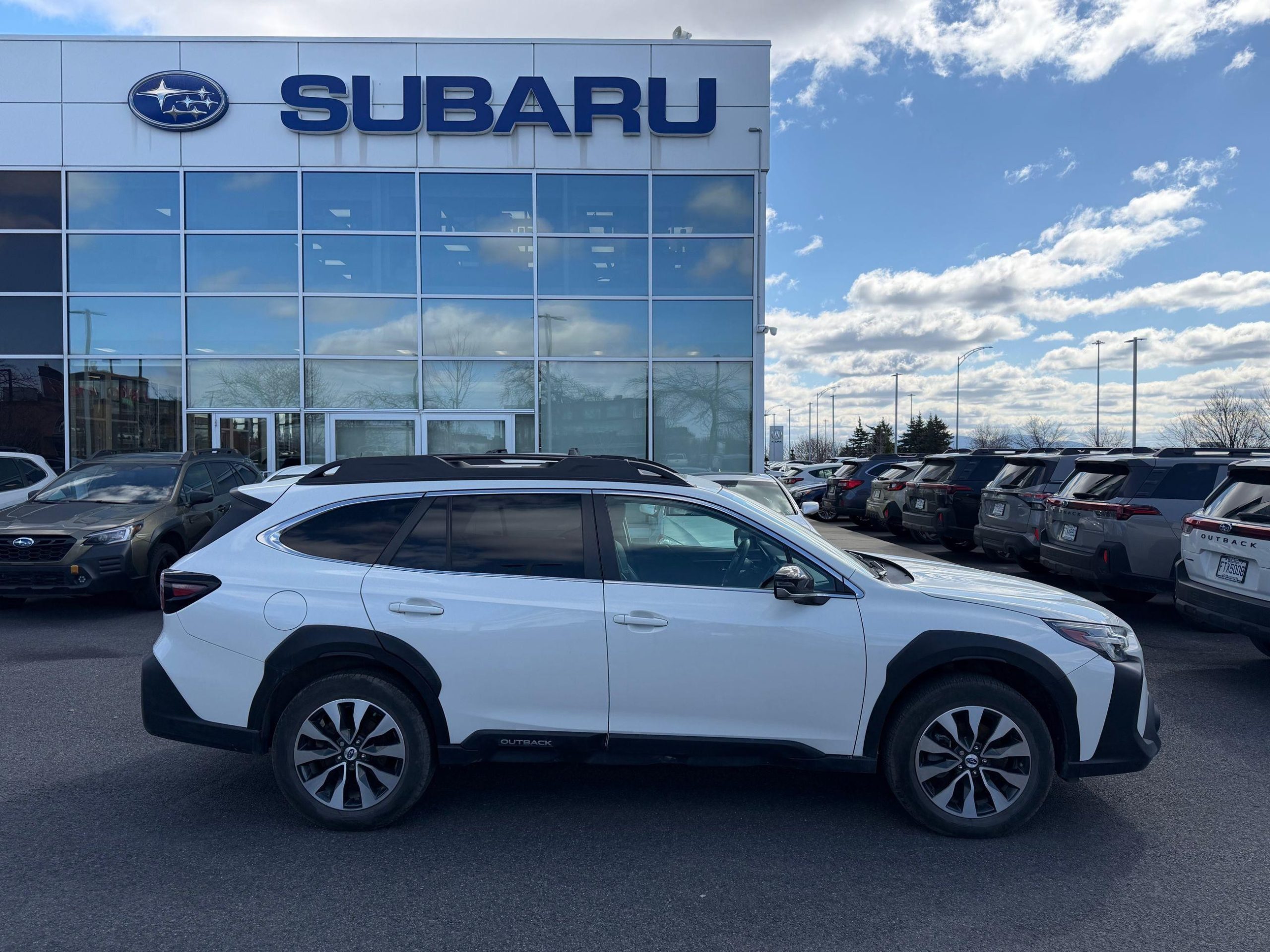
The Subaru Outback has long been the go-to choice for buyers who want SUV capability without giving up wagon-like handling and efficiency. For 2026, Subaru redesigned the Outback into its seventh generation, and the lineup now spans six trims from Premium to Touring XT.
Pricing stretches from $34,995 for the base Premium to $47,995 for the fully loaded Touring XT. That’s a roughly $13,000 spread across the lineup.
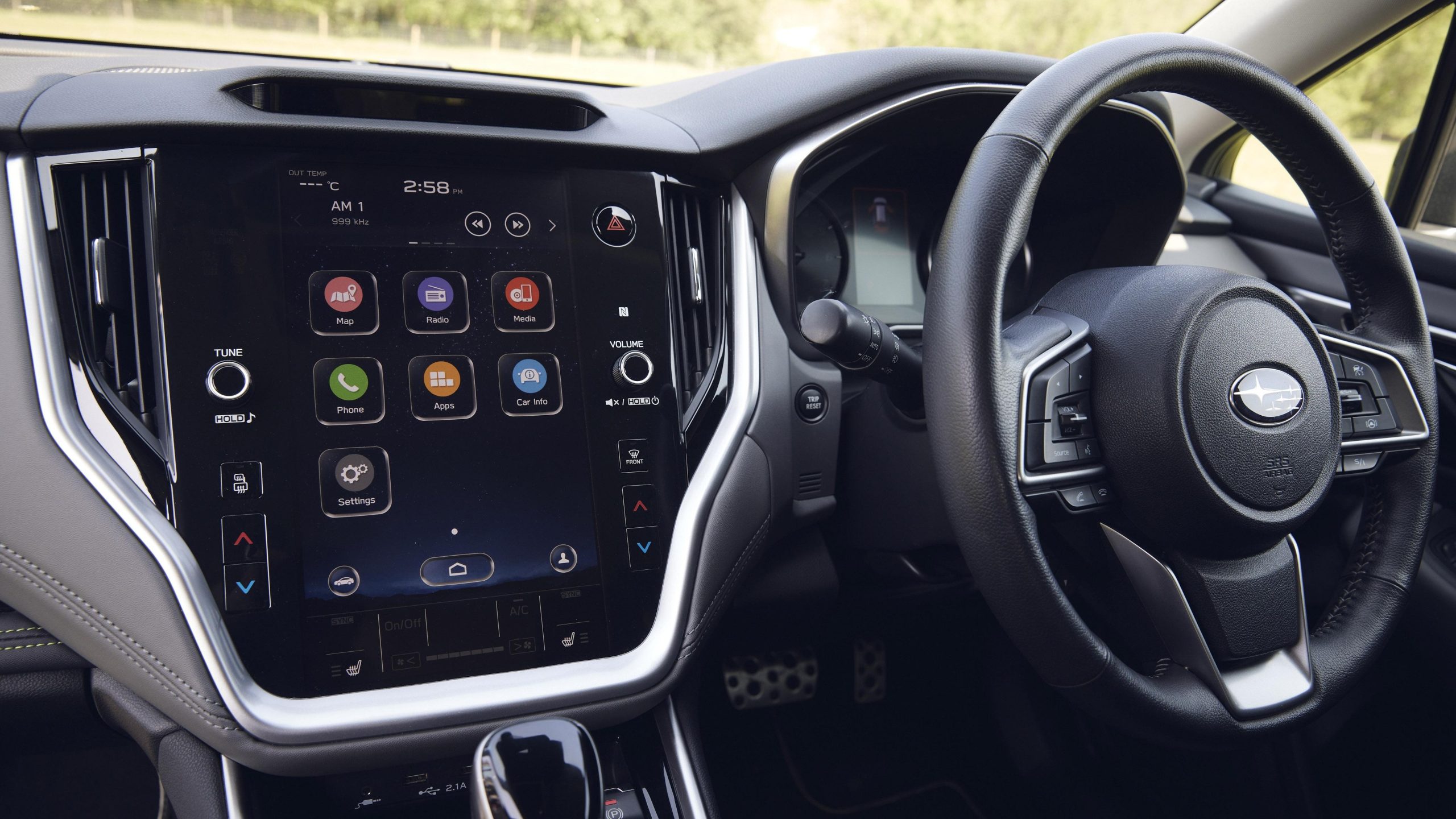
Every trim, even the cheapest one, comes standard with all-wheel drive, the EyeSight safety suite, a 12.1-inch touchscreen, and a 12.3-inch digital gauge cluster. That’s unusually generous for a base trim in this segment.
But the real question buyers ask isn’t “what’s included” it’s “what’s worth paying extra for.” Two engines, six trims, and thousands of dollars in gaps between them make that a genuinely data-driven decision.
One detail that many owners overlook is the separate maintenance schedule for severe driving conditions. Frequent stop-and-go traffic repeated short trips, extreme temperatures, dusty roads, trailer towing, and extended idling can all put your vehicle in this category. If these conditions are part of your regular driving routine, you may need to service your vehicle more often.
Trim-by-Trim Pricing and Powertrain Data
The Outback Premium starts at $34,995 MSRP. It uses the naturally aspirated 2.5-liter four-cylinder engine. That engine produces 180 horsepower and 178 lb-ft of torque. Fuel economy comes in at 25 city, 31 highway, and 27 combined mpg.
The Limited trim jumps to roughly $43,165 MSRP. It keeps the same 180-horsepower 2.5-liter engine and identical fuel economy figures. That’s a price increase of about $8,000 over the Premium for the same powertrain. The difference here is purely comfort and technology equipment, not performance.
The Limited XT moves to a turbocharged 2.4-liter engine. Output jumps to 260 horsepower and 277 lb-ft of torque. Pricing for the Limited XT lands around $44,365 to $45,815 depending on the source. Fuel economy drops to 21 city, 29 highway, and 24 combined mpg with the turbo engine.
The Wilderness trim also uses the turbocharged engine. It’s priced around $46,445 MSRP. Fuel economy on the Wilderness is slightly lower than the Limited XT. It rates 21 city, 27 highway, and 23 combined mpg due to off-road gearing and tires.
The Touring trim returns to the naturally aspirated 2.5-liter engine. It’s priced around $46,845 MSRP, close to Wilderness pricing. That means Touring buyers pay Wilderness-level money but get 80 fewer horsepower. The trade-off is pure luxury equipment instead of turbo performance.
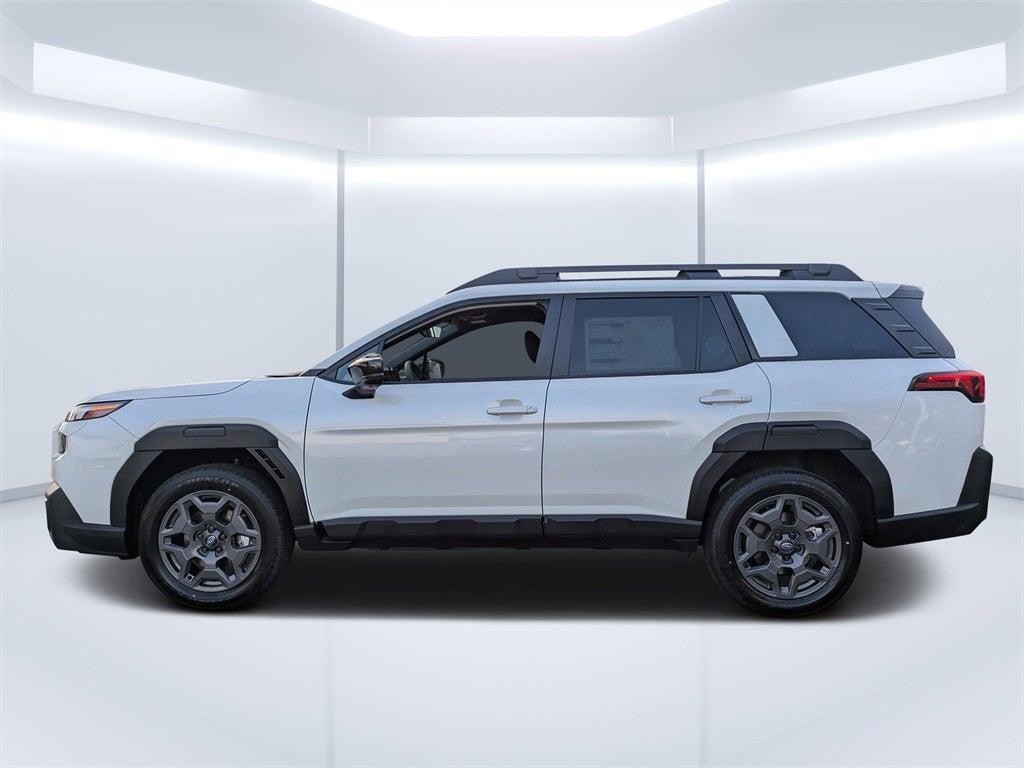
The Touring XT sits at the top of the lineup. It starts around $47,995 to $49,405 depending on the source cited. It combines the 260-horsepower turbo engine with every luxury feature Subaru offers. This is the maximum-spec Outback available for 2026.
Looking at the numbers as a whole, the price walk from Premium to Limited is the steepest single jump. It’s roughly $8,000 for zero powertrain change.
The walk from Limited to Limited XT is smaller, around $1,200 to $2,600. But it buys 80 additional horsepower and 99 lb-ft more torque. That ratio matters. Dollar-for-dollar, the Limited XT delivers far more mechanical upgrade than the Limited does over the Premium.
The Wilderness trim adds capability rather than raw specs. It includes stronger off-road hardware and a 3,500-pound tow rating. Every turbocharged trim shares that same 3,500-pound towing capacity. The naturally aspirated trims are rated lower for towing, though exact figures vary by configuration.
All six trims share the same CVT transmission and symmetrical all-wheel-drive system. So drivetrain architecture itself isn’t a differentiator across the lineup.
Fuel economy data shows a clear trade-off pattern. The four naturally aspirated trims all return 27 mpg combined. The three turbocharged trims return between 23 and 24 mpg combined. That’s roughly a 4-mpg penalty for the extra 80 horsepower.
Over 12,000 miles a year, that gap adds up to real fuel cost. At current national averages, it’s typically $150 to $250 more annually for turbo owners. That’s a small number against a $45,000-plus purchase. It shouldn’t be the deciding factor on its own.
Features That Actually Justify the Price Jump
The Premium trim already includes adaptive cruise control and a full EyeSight suite. It also comes with heated front seats and a power liftgate. That’s a strong baseline for $34,995. Few competitors in this price range include this much standard driver-assistance tech.
Moving to the Limited trim adds nappa-style leather-trimmed seats and a larger 11.6-inch or equivalent upgraded display in some configurations. It also typically adds a better audio system and additional comfort touches.
But the core mechanical package stays identical to the Premium. You’re paying for cabin materials and convenience features, not performance. The Limited XT’s biggest value proposition is the turbocharged engine itself. Torque, not horsepower, is what drivers actually feel daily.
277 lb-ft of torque significantly improves highway merging and passing response. That’s a meaningful real-world difference compared to the base engine’s 178 lb-ft.
The Limited XT also carries the 3,500-pound towing rating. That’s important for buyers who tow trailers, boats, or campers regularly. Data from dealer comparison sites shows the Limited XT priced below the Touring XT by roughly $2,000 to $4,000. Yet it retains the same turbocharged engine and towing capacity.
That makes the Limited XT the best-documented “performance without luxury markup” pick in the lineup. It skips some Touring-exclusive trim pieces but keeps the mechanical upgrade.
The Wilderness trim is built around off-road specifications rather than comfort. It includes raised suspension, all-terrain tires, and additional underbody protection.
Ground clearance increases meaningfully over standard trims, based on Subaru’s published specifications. That’s the trim’s core value proposition, not luxury features.
If off-roading or rugged terrain isn’t part of your regular driving, the Wilderness’s premium over the Limited XT is hard to justify. You’d be paying for capability you won’t use.
The Touring trim adds items like ventilated seats, a premium audio upgrade, and additional driver-assistance refinements. It’s aimed at buyers who prioritize comfort over acceleration.
But Touring keeps the weaker naturally aspirated engine. You pay Wilderness-adjacent pricing without the extra horsepower or torque. That’s the weakest value position in the data. Touring costs nearly as much as Wilderness and Limited XT but underperforms both mechanically.
The Touring XT resolves that gap by combining Touring’s luxury features with the turbo engine. It’s the most complete Outback but also the most expensive by a clear margin.
For buyers who want everything Subaru offers in one package, Touring XT delivers it. But the incremental features over Limited XT are luxury-only, not functional.
Standard safety tech remains consistent across the entire lineup. EyeSight, blind-spot monitoring, and lane-keep assist appear on every trim without exception.
That’s a meaningful data point for budget-conscious buyers. You don’t sacrifice core safety equipment by choosing a lower trim. Where trims genuinely diverge is interior materials, audio systems, and screen size upgrades. These are comfort differentiators, not capability differentiators.
Reviewing the published spec sheets side by side confirms a clear pattern. Feature additions above Limited XT are increasingly about comfort, not mechanical improvement.
Which Trim Delivers the Best Value
Based purely on price-to-feature ratio, the Premium trim wins for budget-focused buyers. It includes nearly every safety feature at the lowest entry price in the lineup.
At $34,995, it’s roughly $8,000 cheaper than the Limited despite sharing the same engine. That’s the single biggest gap in the entire pricing structure.
For buyers who don’t need leather seats or upgraded audio, the Premium is objectively the strongest dollar-for-dollar pick. The core driving experience is unchanged versus the Limited.
However, if performance matters at all, the data points clearly toward the Limited XT. It costs roughly $1,200 to $2,600 more than the standard Limited trim.
For that modest premium, buyers gain 80 horsepower and 99 lb-ft of torque. Few upgrades in the automotive market offer that much performance gain for so little added cost.
The Limited XT also retains the full 3,500-pound towing capacity shared by every turbo trim. That matches the Wilderness and Touring XT without their added price premiums.
Compared to the Touring trim, the Limited XT is the clearer winner on paper. Touring costs nearly the same but delivers significantly less power. Unless ventilated seats and top-tier audio are must-haves, Touring is difficult to justify against Limited XT pricing. The data doesn’t support its value proposition strongly.
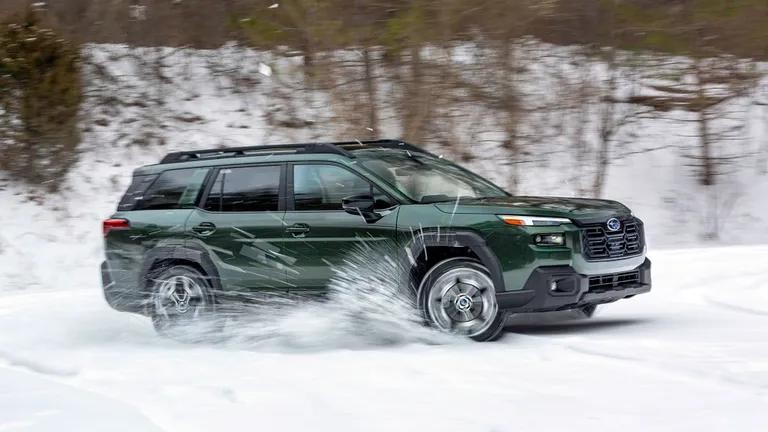
The Wilderness trim earns its price only if off-road capability is a real requirement. Its raised suspension and all-terrain tires cost real money. For buyers who mostly drive pavement, that money is better spent on the Limited XT instead. You’d get the same engine without paying for unused off-road hardware.
The Touring XT makes sense only for buyers who want the complete package regardless of cost. It sits at the top for a reason, combining every available feature.
But from a pure value standpoint, it delivers diminishing returns. The jump from Limited XT to Touring XT is mostly cosmetic and comfort-based, not functional.
Putting all the data together, two trims stand out clearly. The Premium is the smartest choice for value-focused buyers who prioritize safety tech over luxury trim.
The Limited XT is the smartest choice for buyers who want real performance gains. It delivers the biggest capability jump per dollar spent anywhere in the lineup.
Both trims share a common theme in the data. They avoid paying for features that don’t meaningfully change the driving experience. The Limited, Wilderness, and Touring occupy a middle zone. Each is justifiable for specific buyers but doesn’t win on pure value math.
If you’re choosing based on hard numbers rather than badge appeal, start your comparison with Premium and Limited XT first. The spec sheets make the strongest case for those two.
Every other trim adds cost primarily for comfort, styling, or specialized capability. Whether that’s worth it depends entirely on individual priorities, not raw value data.
