
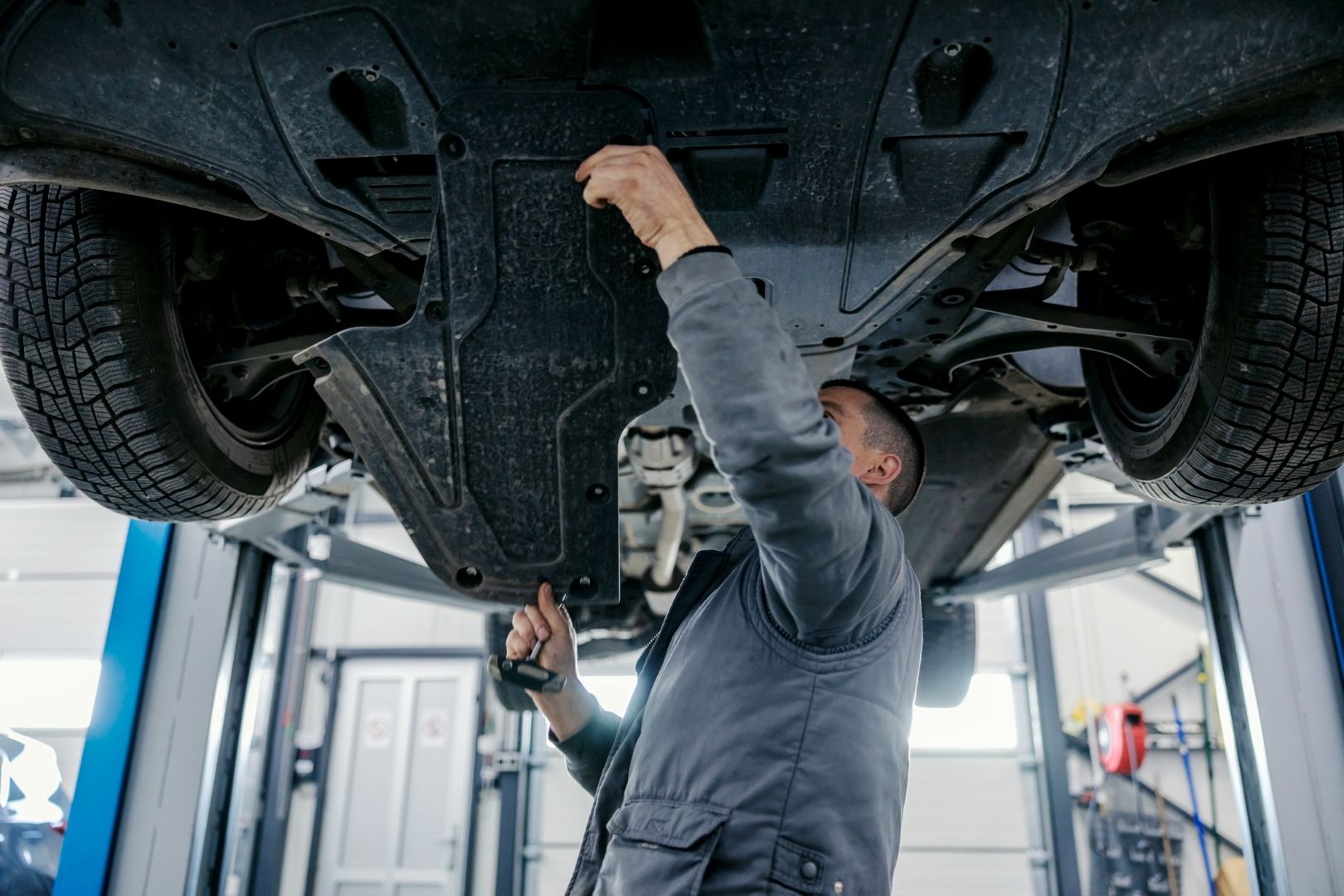
Most drivers assume the local mechanic down the street will always beat dealership prices, and honestly, that assumption holds true more often than not. But here’s something plenty of car owners never realize: certain repairs actually cost less, or provide far better value, when handled through a dealership.
Warranty coverage, safety recalls, specialized diagnostic tools, and manufacturer goodwill can tip the scales unexpectedly in the dealer’s favor. Before you automatically default to the cheaper hourly rate down the road, it’s worth knowing exactly which repairs might save you real money by walking through those dealership doors instead. Let’s break down ten situations where that’s genuinely true.
1. Complicated Manufacturer-Specific Electrical Diagnostics
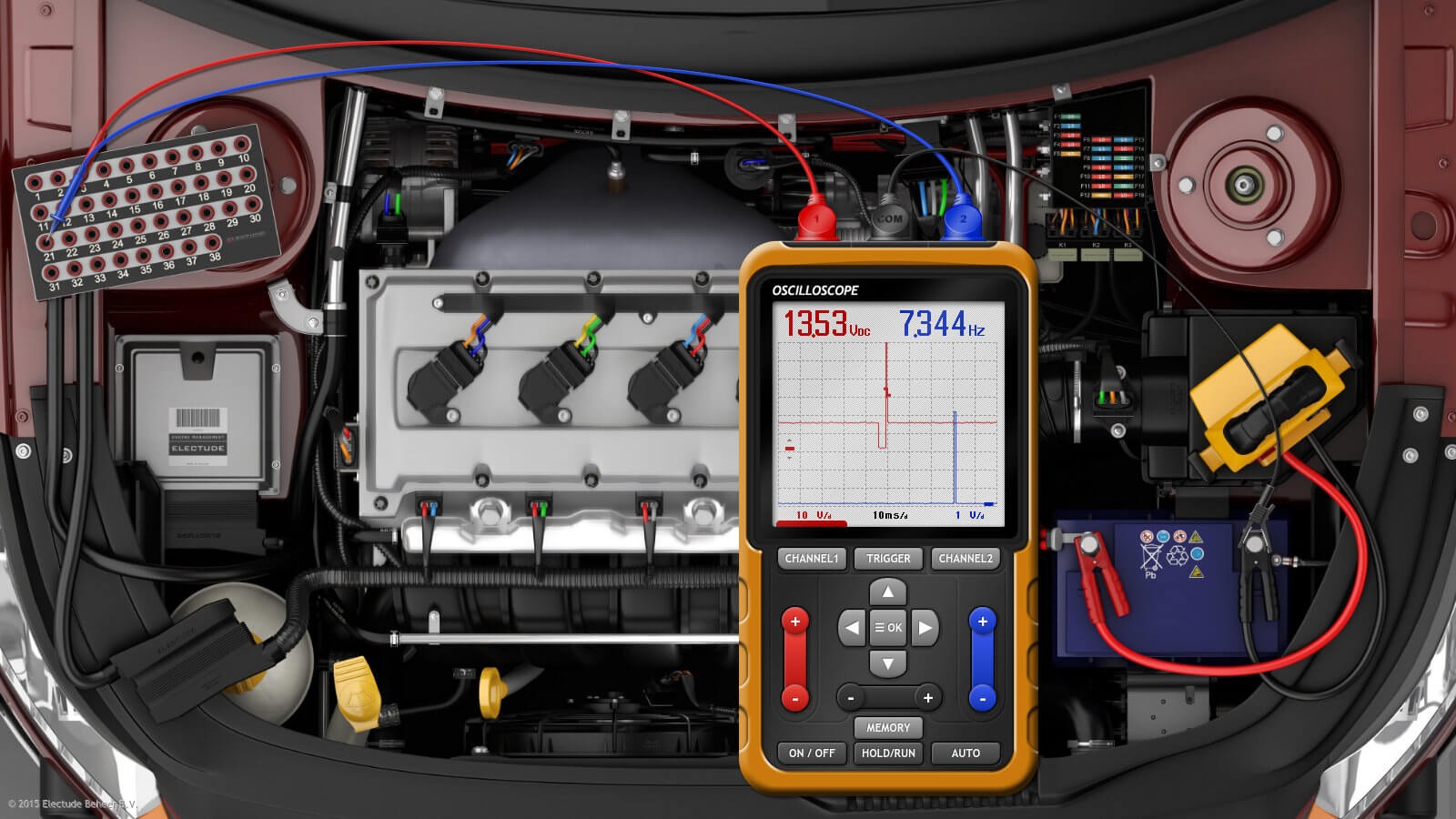
Electrical gremlins rank among the most frustrating problems any car owner can face. Wiring issues hide behind panels, intermittent faults refuse to appear on command, and generic scan tools sometimes only scratch the surface of what’s actually happening inside a modern vehicle’s nervous system.
Dealerships hold a genuine advantage here. Technicians working at franchised service centers have direct access to factory diagnostic software built specifically for that manufacturer’s electronic architecture.
They’re also equipped with detailed wiring diagrams, documented service procedures, and vehicle-specific technical bulletins that independent shops don’t always have on hand.
That access matters enormously when troubleshooting a stubborn electrical fault. Independent shops absolutely can own comparable diagnostic equipment, but availability varies tremendously depending on the brand, the shop’s specialty, and how much they’ve invested in staying current with each manufacturer’s proprietary systems.
Here’s where the savings genuinely appear. A dealership technician familiar with that exact electrical architecture might isolate the problem within a single focused diagnostic session.
An independent shop lacking that same depth of manufacturer-specific knowledge could spend several additional hours testing and troubleshooting before reaching the same conclusion, and every one of those hours adds directly to your final bill regardless of the shop’s lower hourly rate.

2. Factory Software Updates and Module Reprogramming
Sometimes, a vehicle problem may appear to be a faulty part when the real cause is outdated software. Knowing the difference can save you hundreds of dollars, as a software update may cost far less than replacing an expensive component.
Modern cars depend on computer systems to control the transmission, air conditioning, engine, and other functions. When one of these systems develops a fault, the symptoms can look like a serious mechanical problem. This may lead some repair shops to recommend replacing parts before checking for software issues.
Dealership technicians have access to the manufacturer’s programming equipment and can update the software in affected computer modules. If the manufacturer has already released an update for a known software fault, the problem may be fixed without replacing the module.
Some independent workshops may not have access to the same programming tools, especially when dealing with newer vehicles. Before approving an expensive replacement, ask the mechanic whether the module can be reprogrammed or updated first.
Taking this simple step could save you a lot of money and prevent you from paying for a part that was not actually faulty. It is always worth checking before approving major repairs.
3. Key Fob Programming and Replacement
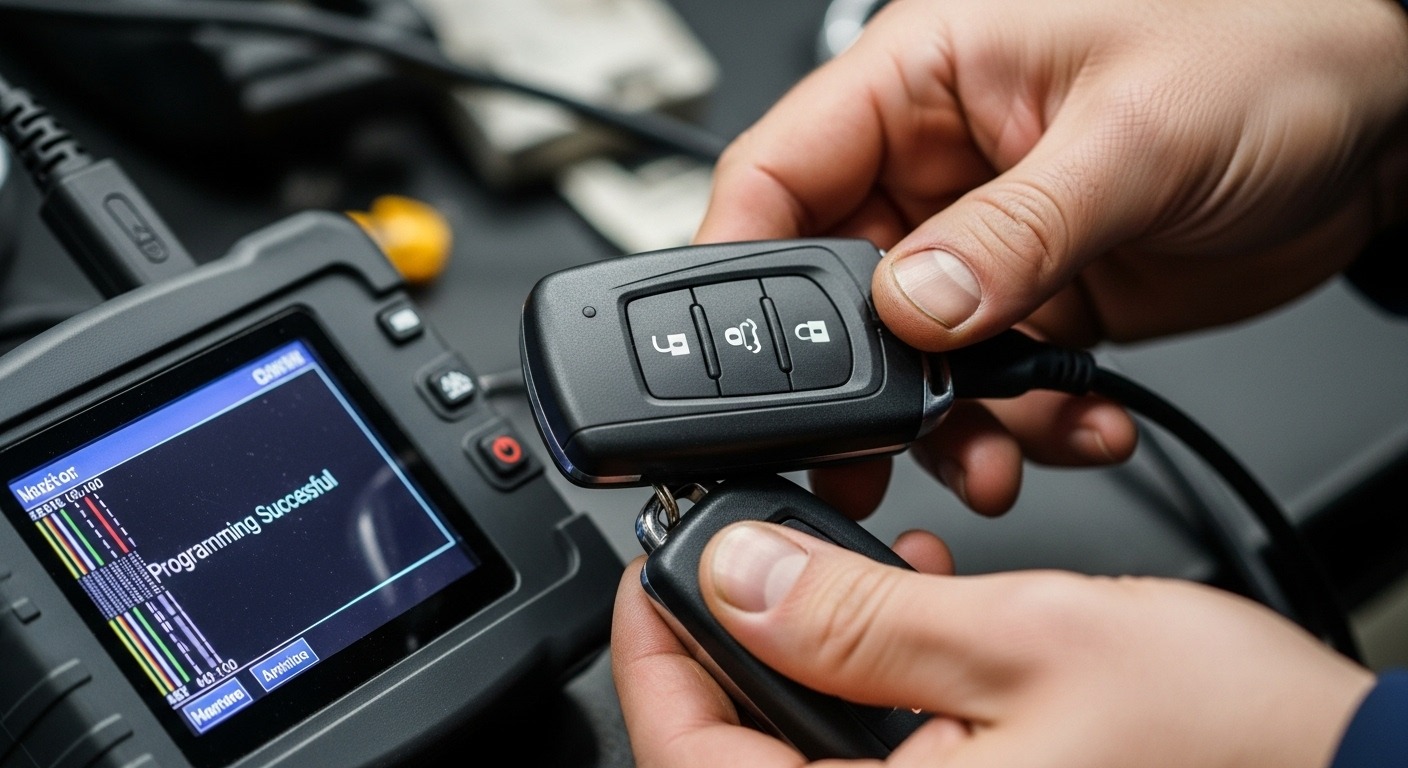
Losing your only car key sends most people into a mild panic, followed immediately by sticker shock once they discover what replacement actually costs. Modern immobilizer systems and keyless-entry technology have made this once-simple task considerably more involved.
Programming requirements differ wildly across manufacturers. Some brands use relatively straightforward systems that qualified locksmiths handle routinely, while others employ security credentials and specialized equipment that only dealerships or highly specialized locksmiths can access.
Here’s a truth worth stating clearly: dealerships aren’t automatically your cheapest option for this particular repair. A skilled automotive locksmith frequently beats dealer pricing for standard key fob replacement and programming, sometimes by a considerable margin.
Locksmiths often carry lower overhead costs and can travel directly to your location, saving both time and towing expenses. That said, newer vehicles with heightened security features occasionally flip this equation.
For particularly sophisticated systems, comparing complete pricing between your dealer and a qualified locksmith becomes essential rather than optional.
Request itemized quotes from both before committing, factoring in the actual key cost alongside programming fees, since dealers sometimes bundle these more competitively than expected for security-heavy vehicles.
4. Safety Recall Repairs
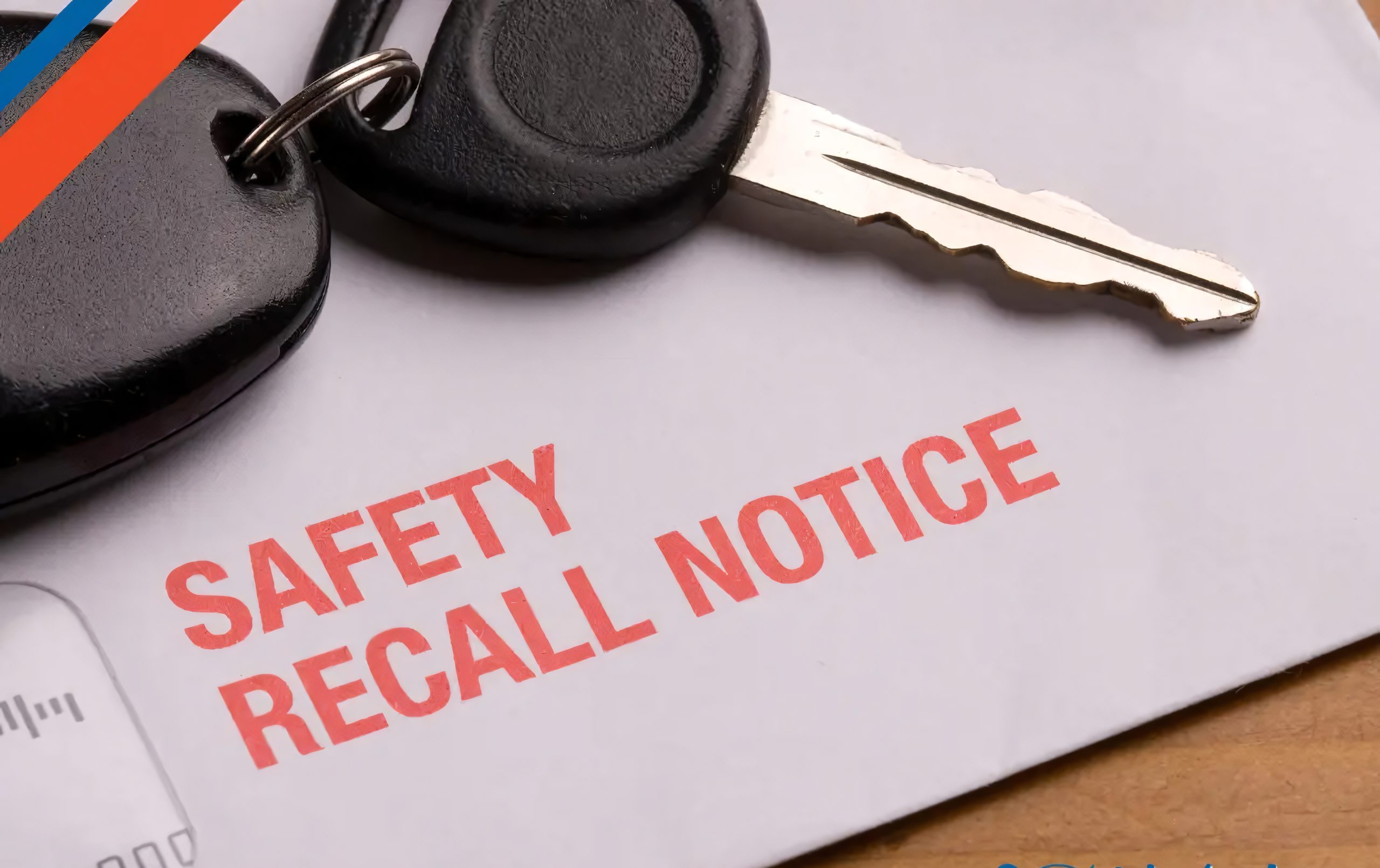
Would you rather pay hundreds of dollars for a repair, or nothing at all? That’s not a trick question, and yet countless drivers unknowingly pay independent shops for work that should have cost them absolutely nothing.
Open safety recalls carry an important legal reality many owners simply don’t know about. According to NHTSA guidelines, manufacturers must repair recalled defects free of charge through their authorized dealership network. No exceptions, no hidden fees, no catch buried in fine print.
This creates an obvious and immediate financial advantage for choosing the dealer route. Independent shops cannot perform recall repairs under this free program since they aren’t part of the manufacturer’s authorized service network.
Paying anyone outside that network for recall-covered work means paying full price for something that should have cost you nothing whatsoever. Checking for open recalls takes only minutes.
Simply enter your vehicle identification number through NHTSA’s official recall lookup tool before scheduling any repair related to symptoms matching a known recall issue.
If your specific problem matches an active recall, scheduling that repair through the appropriate dealership eliminates the expense entirely. Skipping this simple verification step could cost you hundreds of dollars for absolutely nothing in return.
5. Warranty-Covered Repairs
Newer vehicle owners sometimes forget just how much protection their factory warranty still provides, and that oversight can prove remarkably expensive when a major component suddenly fails.
If a covered part breaks down while warranty protection remains active, dealerships handle that repair under the manufacturer’s warranty terms rather than charging standard retail rates.
Depending on the component involved, that difference can mean saving thousands of dollars on repairs that would otherwise devastate a monthly budget. Plenty of drivers mistakenly believe routine maintenance must happen exclusively at a dealership to preserve warranty coverage.
That’s generally not accurate; oil changes, tire rotations, and similar upkeep can typically happen anywhere without voiding your protection. Repairs on components still covered by that warranty, though, generally need to flow through the manufacturer’s authorized service network to qualify for coverage.
Before authorizing expensive repair work on a relatively new vehicle, pause and check your warranty documentation first. Verify whether the failing component remains covered by remaining bumper-to-bumper protection, powertrain coverage, or any supplemental warranty you might have purchased.
That verification step alone could redirect a costly independent shop bill toward a covered dealer repair costing you nothing beyond your regular deductible, if any applies at all.
6. Specialized Hybrid and EV High-Voltage Repairs
Electric and hybrid vehicles require a different level of technical knowledge because their electrical systems operate at very high voltages. Many traditional repair shops do not have the training, tools, or equipment needed to handle this type of work safely.
Working on a high-voltage battery or related electrical parts requires proper safety procedures. Technicians need suitable certification, protective gear, and specialized tools. A mistake during repairs can cause serious injury or lead to costly damage.
Many independent repair shops have trained technicians who can service hybrid and electric vehicles properly. However, some smaller workshops may not have the required equipment.
When that happens, they may send the vehicle to another specialist, which can increase both the repair time and the final cost. A dealership that regularly services your vehicle’s brand will usually have technicians trained to work on its specific hybrid or electric systems.
The workshop may also have manufacturer-approved diagnostic equipment and repair tools. For a difficult high-voltage problem, having the work completed in-house can sometimes make the dealer a more affordable choice.
Before choosing a repair shop, ask whether the technicians handle this type of hybrid or electric repair themselves. Also, find out whether they have to send the vehicle elsewhere. Getting this information before approving the work can help you avoid extra charges and unnecessary delays.
7. Major Repairs Eligible for Goodwill Assistance
A vehicle warranty ending does not always mean you must pay the full repair bill when a major problem occurs soon after. Some manufacturers offer goodwill assistance to customers facing costly repairs shortly after their warranty expires.
If the engine, transmission, or another expensive part fails, the manufacturer may agree to pay some of the repair cost. In certain cases, they may cover a large portion of the bill.
Several factors can affect the decision, including the car’s age, mileage, maintenance history, and reason for the failure. Records showing regular servicing can strengthen your request.
Independent mechanics cannot provide this type of assistance because the money comes from the vehicle manufacturer. Requests are usually handled through authorised dealerships.
Before approving an expensive repair, speak with the dealer and ask whether your vehicle qualifies for manufacturer assistance. Bring your service records, receipts, and other documents that prove proper maintenance.
There is no guarantee that the request will be approved, but asking costs nothing. If assistance is granted, it could save you hundreds or even thousands of dollars. Therefore, contact the dealer before paying the full amount yourself.

8. Manufacturer-Specific Technical Problems With Known Repair Procedures
Some vehicles are known for certain faults that tend to occur repeatedly with the same model or brand. Car manufacturers often recognize these problems and provide repair instructions to help technicians identify and fix them properly.
Dealership mechanics who work with one brand regularly usually become familiar with these common faults. They may have handled the same problem many times, so they can identify the symptoms quickly and know the recommended repair method. This can save time and reduce the need for unnecessary testing.
Independent mechanics work on many different vehicle brands, so they may not see a particular problem often. A mechanic who handles several types of cars may need more time to investigate an unusual fault before finding the actual cause. This extra diagnostic work can increase the final repair cost.
A dealer may charge more per hour, but the total bill can still be reasonable when the problem is diagnosed quickly. Paying a higher hourly rate does not always mean paying more for the complete repair.
For unusual faults, especially those that are common with a particular brand, taking the vehicle to a dealership can be a practical choice. The technician’s experience with that model may save both time and money.
9. Free or Discounted Multi-Point Inspections
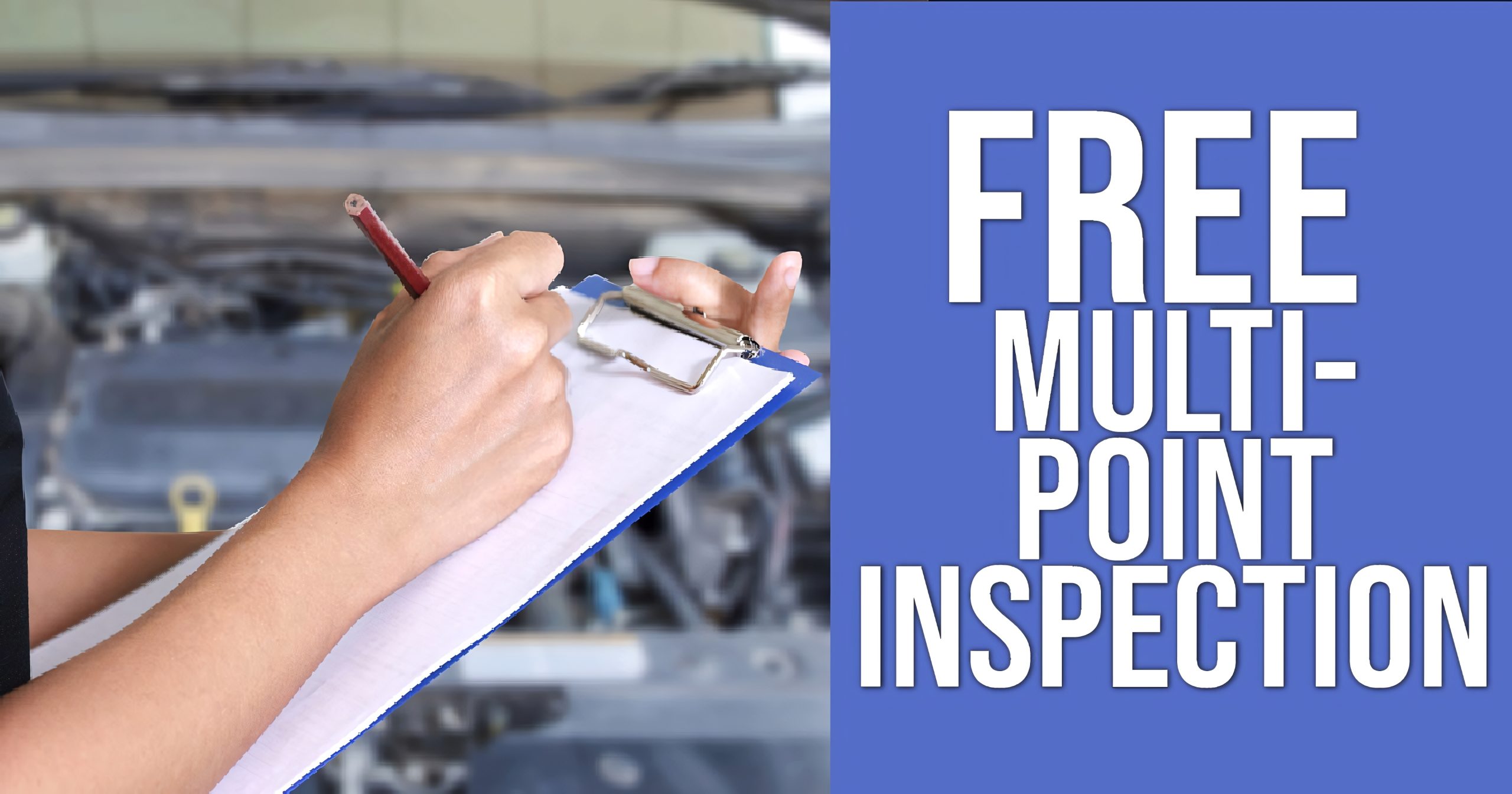
Free services are always welcome, and many dealerships use complimentary vehicle inspections to attract and retain customers. While this benefit may not reduce the cost of an actual repair, it can help you avoid paying extra for a basic inspection.
Many dealerships include a multi-point inspection when customers bring their vehicles in for routine servicing. The technician may check the brakes, tyres, suspension, fluid levels, lights, and other areas that could require attention. Since the inspection is often included in the service, you may not have to pay anything extra for it.
Some independent workshops charge separately for similar inspection services, especially when you bring the car in only for an inspection. Although the fee may not be very high, it is still an additional expense that could have been avoided elsewhere.
However, it is important to understand what a free inspection actually covers. A complimentary check is mainly for general maintenance and visible signs of wear. It is not the same as a detailed diagnostic test for a specific fault.
Before booking routine servicing, ask whether the workshop includes a free inspection. This simple question can help you identify developing problems early and deal with them before they become costly repairs.
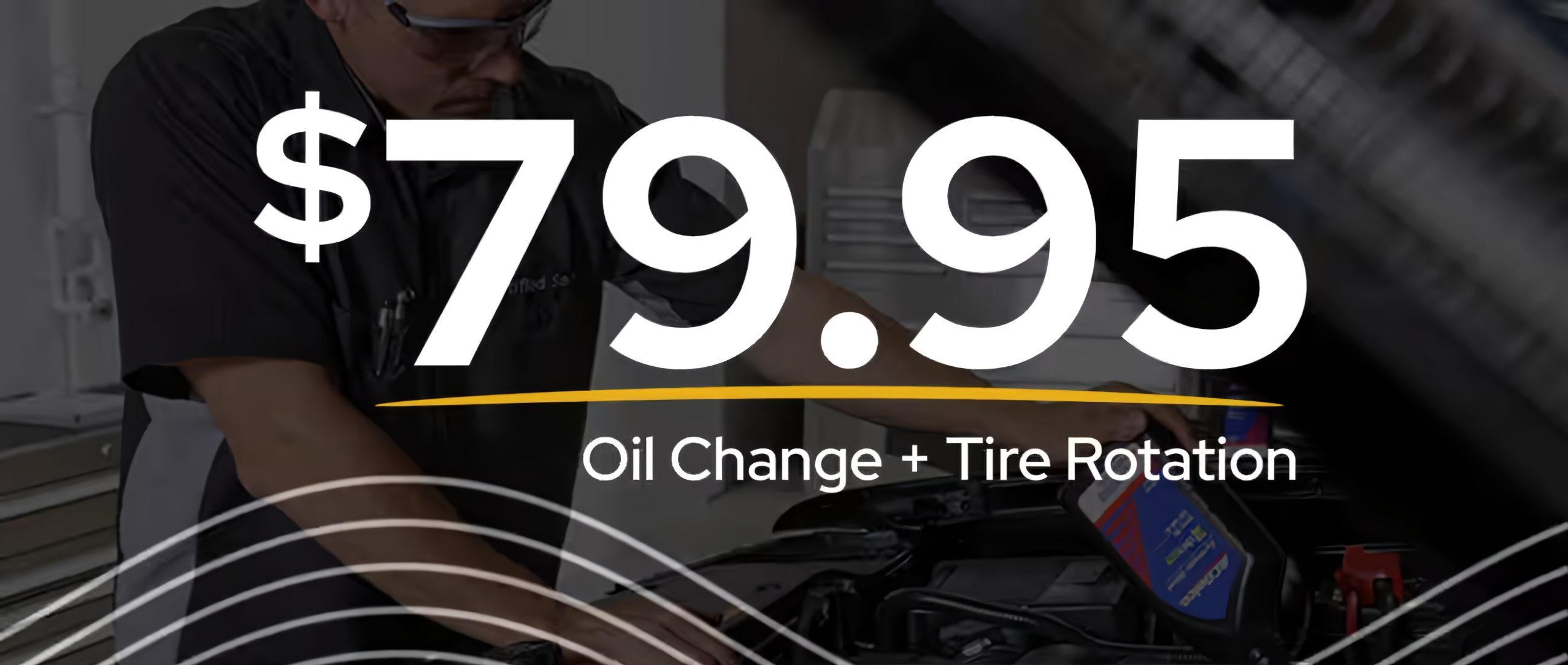
10. Discounted Oil Changes, Tire Rotations and Service Specials
Price competition can sometimes make dealership service departments surprisingly affordable, especially when they offer promotions aimed at attracting customers who usually visit independent repair shops.
For routine jobs such as oil changes, tire rotations, and inspections, dealers may advertise rates that match or even beat nearby repair businesses. These deals are often intended to bring drivers into the service department, where staff can build long-term relationships and identify other maintenance needs during the same visit.
Before choosing an independent shop automatically, it is worth checking dealership specials. Seasonal offers, loyalty rewards, and discounts for first-time customers can occasionally make dealership pricing lower than what local repair shops charge for the same basic work.
Still, customers should read the offer carefully before scheduling an appointment. A low advertised price may apply only to basic oil, limited inspection services, or other restricted options.
Some promotions may also exclude premium materials or additional checks that customers might expect. Ask what the price covers, what type of oil or parts will be used, and whether any extra fees apply.
Comparing the full service package with independent shop prices makes it easier to judge the real value and choose the most suitable option for your vehicle and budget.
