
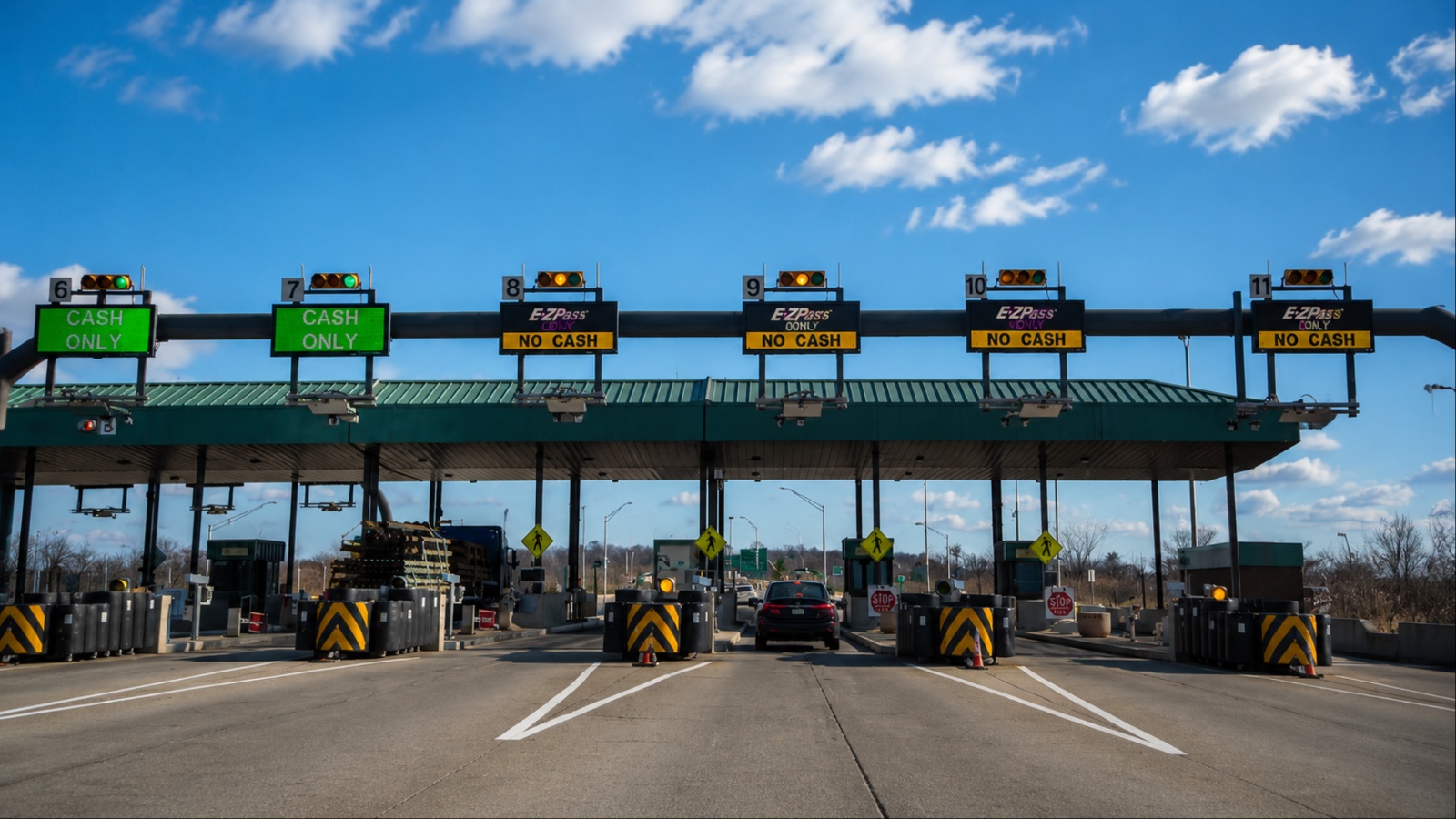
Ever glance at your bank statement and wonder why a simple road trip costs more than your grocery bill? Tolls are quietly one of the biggest hidden expenses for American drivers, and some states have turned their highways into serious revenue machines. Using the Federal Highway Administration’s Highway Statistics 2024, we’re breaking down the ten states pulling in the most toll revenue every single year.
From massive bridge networks to sprawling turnpikes, these states have built entire systems around charging drivers for the privilege of getting from point A to point B. Grab your E-ZPass and get ready, because your wallet might not survive a road trip through some of these places.
1. New York
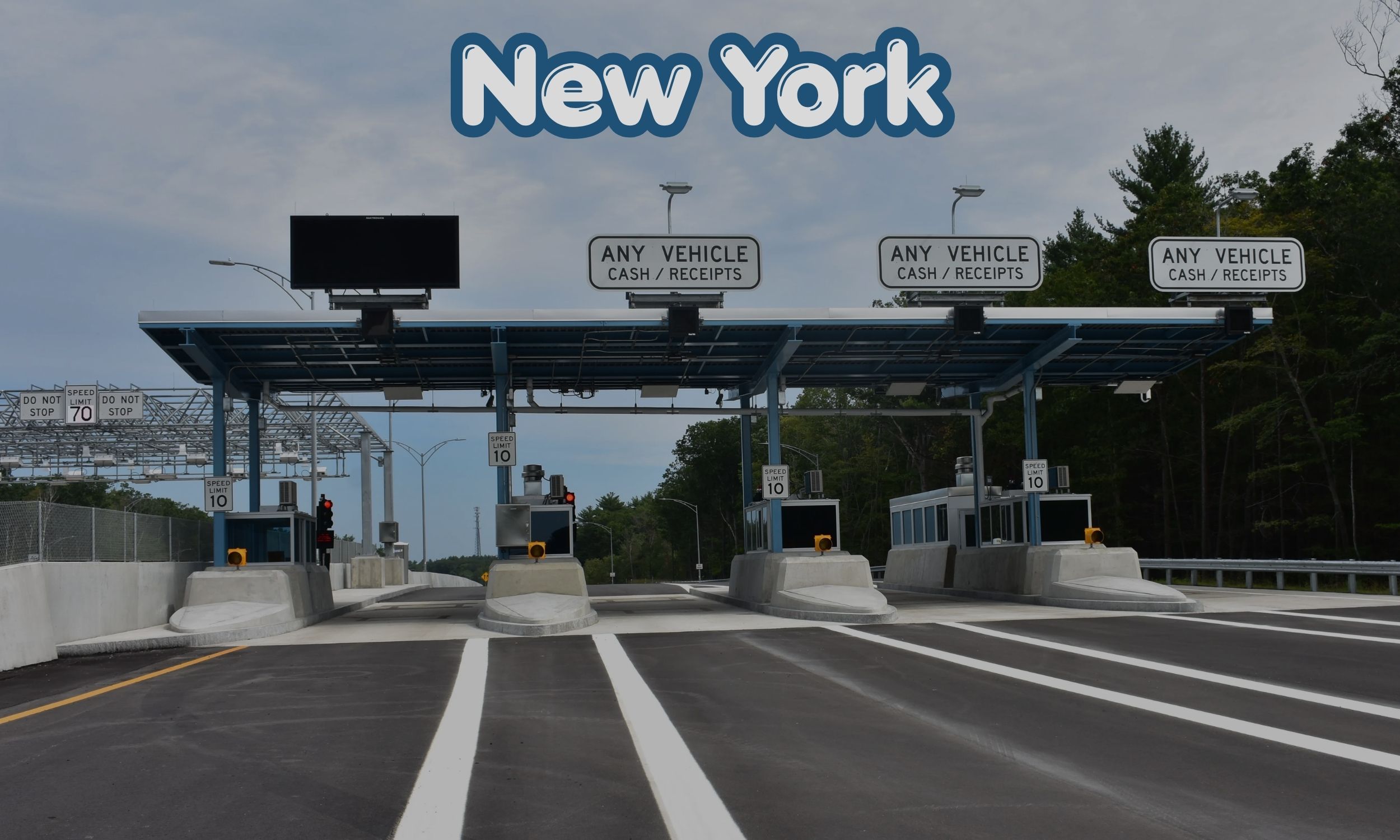
New York collects more toll revenue than any other state in the country, and the gap is substantial. The state brings in about $5.03 billion each year from tolls, far exceeding the amounts collected by the other states on this list. That figure shows how extensive New York’s toll system has become after decades of development.
A huge amount of traffic helps explain the high revenue. Millions of drivers use New York’s toll roads, bridges, and tunnels every year. Some travel into Manhattan for work, while others move freight across the state or pass through the area during longer trips.
Much of the toll network is concentrated around New York City, where several major routes handle heavy traffic every day. These facilities collect money from private motorists, commuters, delivery vehicles, and commercial trucks. The New York State Thruway covers a large part of the state and charges both passenger vehicles and trucks.
Several major crossings around New York City add even more revenue. The George Washington Bridge connects New Jersey with Manhattan and handles heavy traffic throughout the day.
The Verrazano-Narrows Bridge connects Staten Island with Brooklyn and carries large numbers of commuters during busy periods. Various crossings operated by the MTA add another major source of toll income.
For drivers traveling through the New York City area, toll expenses need to be included in the trip budget. Depending on the route, these charges can add up quickly, especially for frequent commuters and commercial drivers. Planning can help motorists avoid unexpected costs during their journey through the region.
2. Texas
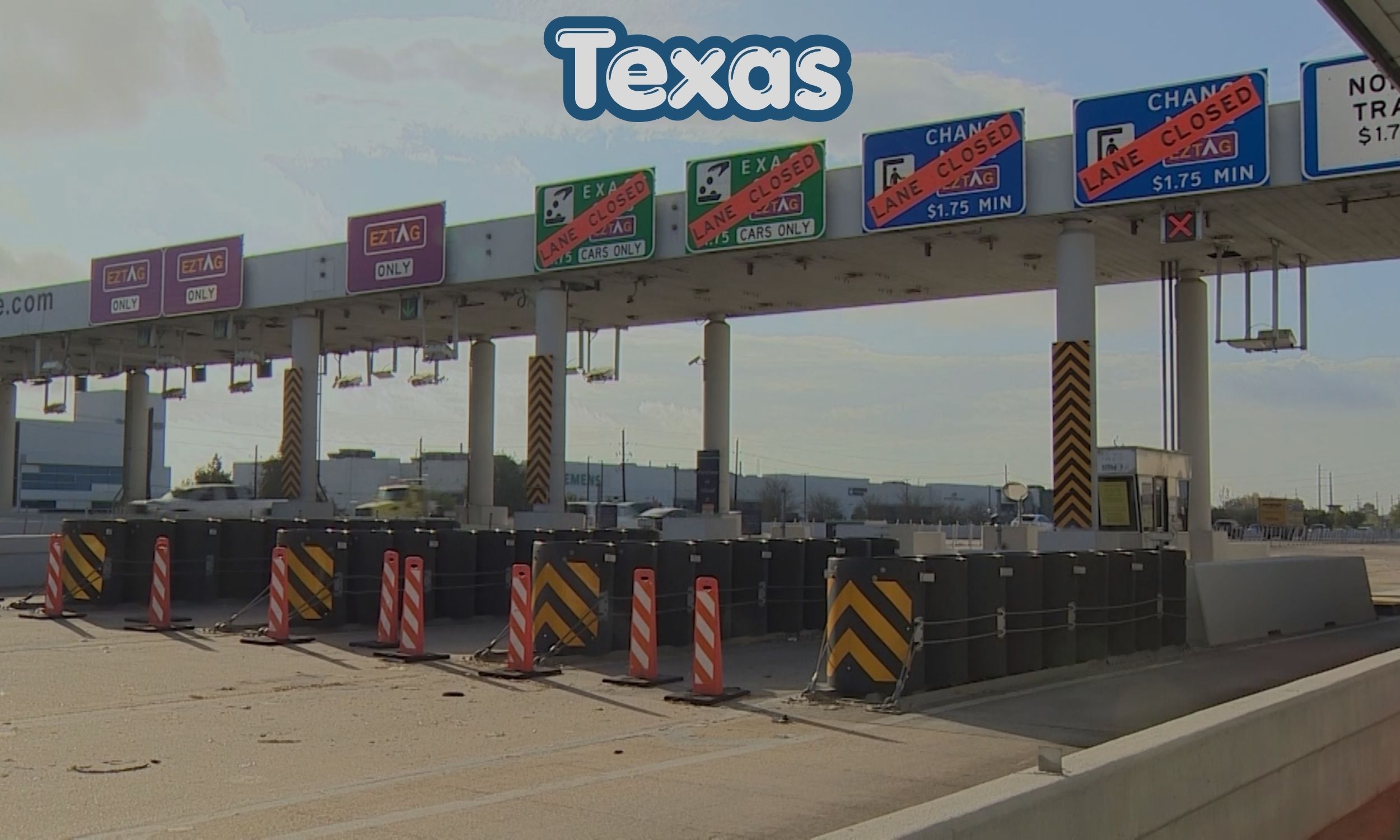
Everything really is bigger in Texas, including its toll-road ambitions. The Lone Star State ranks second nationally with an approximate annual toll revenue of $2.89 billion, a number reflecting one of the most extensive toll and managed-lane networks found anywhere in the country.
Rapid population growth explains much of this expansion. Texas cities like Dallas, Houston, and Austin have exploded in size over the past two decades, and state transportation officials turned to toll roads as a practical way to finance new highway construction while simultaneously managing worsening congestion.
Building new lanes the traditional way, funded entirely through gas taxes, simply couldn’t keep pace with how quickly these metropolitan areas were growing. State Highway 130 stands as one of the more famous examples, offering drivers a faster alternative route around Austin with high speed limits for a toll road.
The North Texas Tollway system serves the Dallas-Fort Worth area extensively, handling enormous daily commuter traffic across multiple connected roadways. Beyond these headline facilities, numerous toll and managed lanes have popped up throughout these growing cities, often built directly alongside free lanes to give drivers a paid option for bypassing traffic during peak hours.
Texas drivers have adapted to this reality, often weighing the cost of tolls against the time saved sitting in gridlock, a trade-off that’s become a genuine part of daily life across the state’s major cities.
3. New Jersey
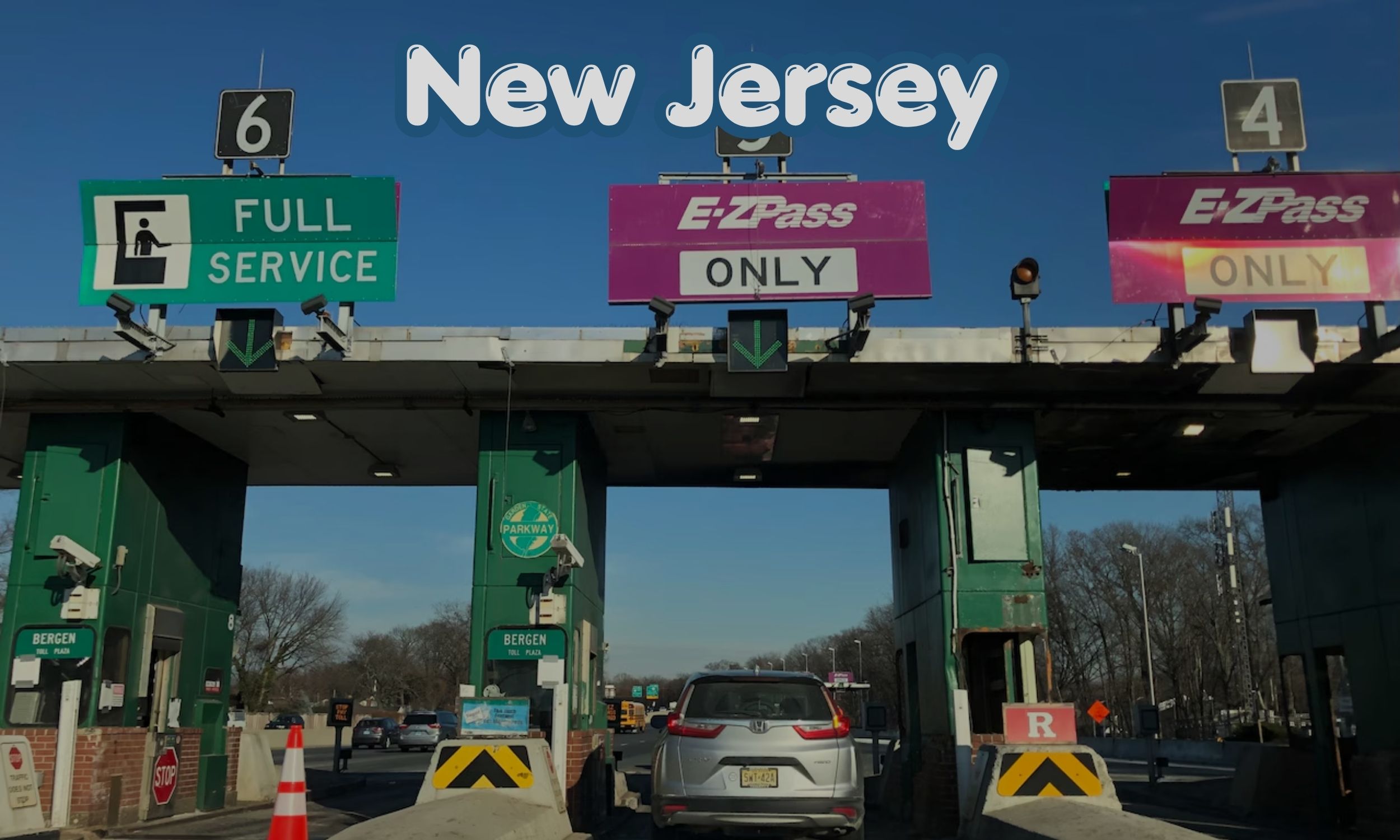
Size does not always determine how much money a state can make from tolls, and New Jersey is a clear example. Although it is one of the smaller states in America by land area, it collects about $2.82 billion in toll revenue every year, placing it third nationally.
Its location gives it a major advantage when it comes to collecting money from drivers. New Jersey sits along the busy Northeast Corridor, one of the most heavily travelled parts of the United States.
Millions of people regularly travel between New York, Philadelphia, and other cities in the region. Since several major roads pass through New Jersey, the state benefits from this constant movement of vehicles.
The New Jersey Turnpike is a major source of toll income. It carries large numbers of private cars, trucks, and other commercial vehicles every day. The Garden State Parkway also adds a reasonable amount to the state’s toll revenue.
It is especially busy during the summer when many people travel towards New Jersey’s popular shore destinations. One interesting thing about New Jersey’s toll system is that a large portion of the money comes from drivers who are simply passing through.
Many motorists heading to New York or Philadelphia do not plan to stop in New Jersey, yet they still pay tolls while using its major roads. Because of its location, New Jersey benefits from traffic coming from across the region, allowing it to earn billions from drivers each year.
4. Florida
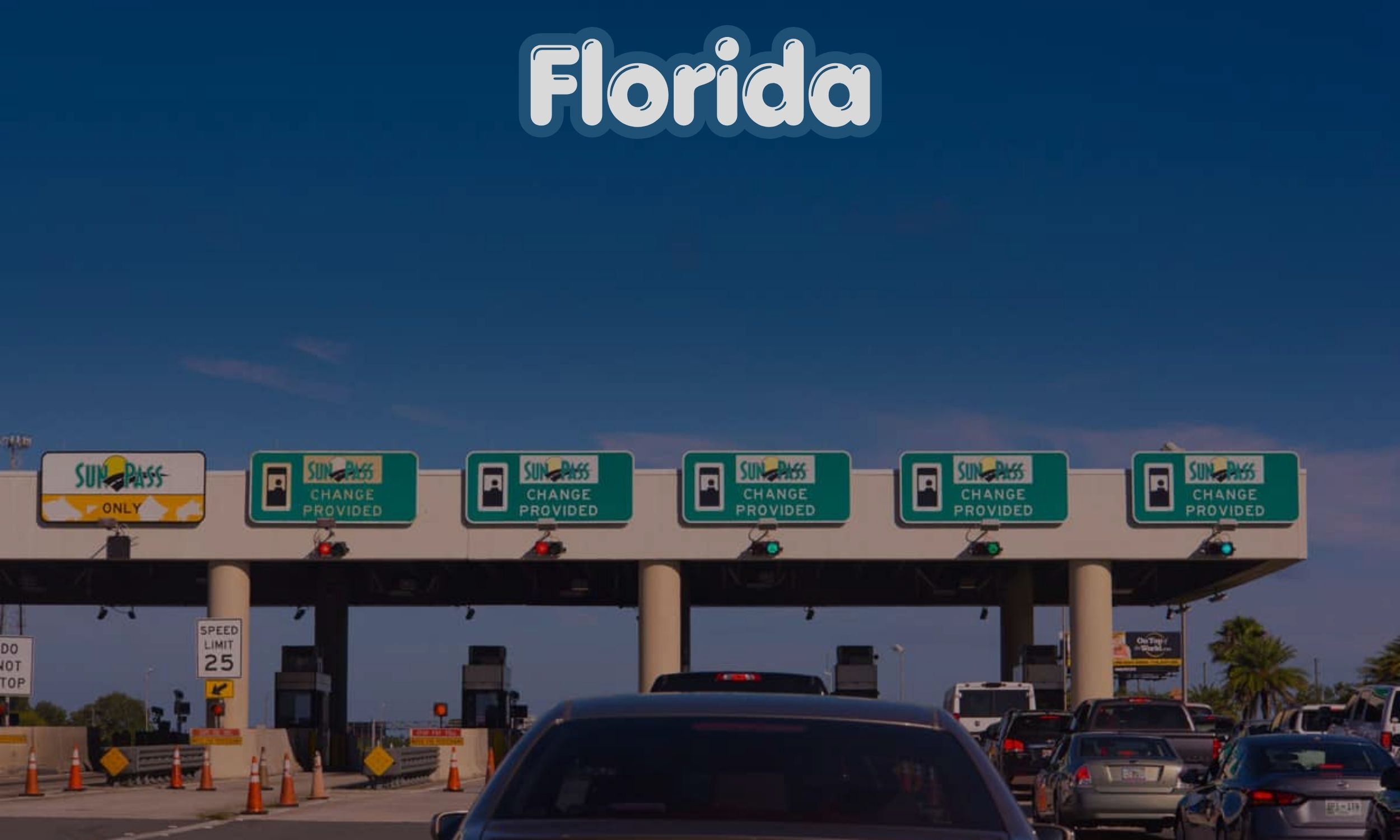
Sunshine, theme parks, and tolls. That’s the reality for anyone driving through Florida, where the state has built an approximate annual toll revenue of $2.64 billion around one of the most extensive toll-road systems found anywhere in the country.
Tourism and rapid population growth have both played major roles in getting Florida to this point. Metropolitan areas across the state rely heavily on tolling as a core piece of their transportation infrastructure.
Orlando, home to millions of annual visitors heading to theme parks, uses toll roads extensively to manage the constant flow of both residents and tourists. Miami and Tampa follow similar patterns, with toll facilities woven throughout their respective highway networks to help fund construction and manage traffic across these sprawling urban areas.
Florida’s Turnpike system anchors much of this revenue, stretching across a reasonable portion of the state and connecting major population centers along its route.
Orlando and South Florida have numerous additional expressways, creating even more toll points across these heavily populated areas. Florida also stands out for the extent to which electronic toll collection has become integrated into its highway system, setting it apart from many other states.
Cashless systems have become standard practice across much of Florida’s toll network, meaning both commuters and out-of-state visitors frequently find themselves paying tolls automatically, sometimes without even realizing a charge occurred until the bill or rental car invoice arrives later.
5. Pennsylvania
Here’s a state that manages to rank highly through a completely different formula than most of its neighbors. Pennsylvania generates an approximate annual toll revenue of $2.02 billion, and unlike some states relying on sheer volume across dozens of facilities, much of this total traces back to one dominant system charging genuinely steep rates.
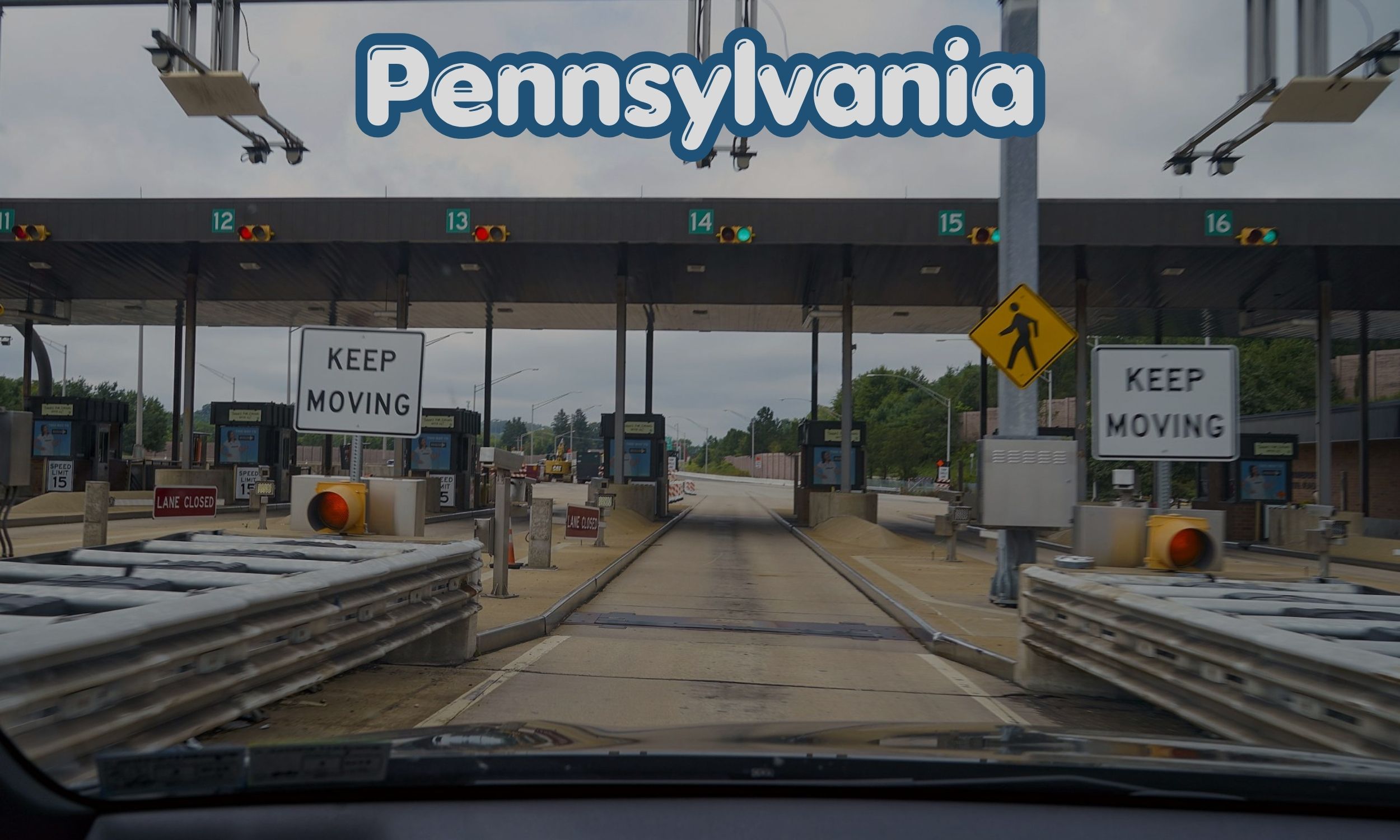
The Pennsylvania Turnpike serves as the backbone of the state’s entire toll infrastructure, stretching across a substantial portion of Pennsylvania and connecting major population centers along its route.
Both passenger vehicles and commercial trucking traffic rely on this corridor heavily, since it provides one of the most direct routes for moving goods and people across the state’s middle section.
What truly sets Pennsylvania apart involves cost rather than mileage. When toll expenses get measured on a per-mile basis rather than simple total revenue, Pennsylvania consistently ranks among the most expensive states in the entire country.
Drivers traveling the full length of the Turnpike can expect to pay considerably more than they might for a comparable distance driven in many other states, a reality that catches plenty of first-time travelers off guard.
For truckers and commercial operators specifically, these elevated per-mile costs can add up to serious operating expenses over the course of regular routes. Anyone planning an extended drive through Pennsylvania should budget accordingly, since this corridor’s combination of length and cost creates one of the pricier toll experiences available anywhere in the country.
6. Illinois
Chicago’s massive economic footprint extends directly into Illinois’s toll revenue numbers, which reached an approximate annual total of $832 million… wait, that figure actually belongs elsewhere on this list.
Illinois itself generates an approximate annual toll revenue of $1.58 billion, driven almost entirely by its strategic position surrounding one of the nation’s largest transportation and freight hubs.
Chicago’s role as a genuine crossroads for American commerce cannot be overstated here. Countless trucking routes, commuter corridors, and interstate travelers pass through the greater Chicago area every single day, and the Illinois Tollway system was built specifically to capture toll revenue from that constant flow of traffic while funding ongoing highway maintenance and expansion.
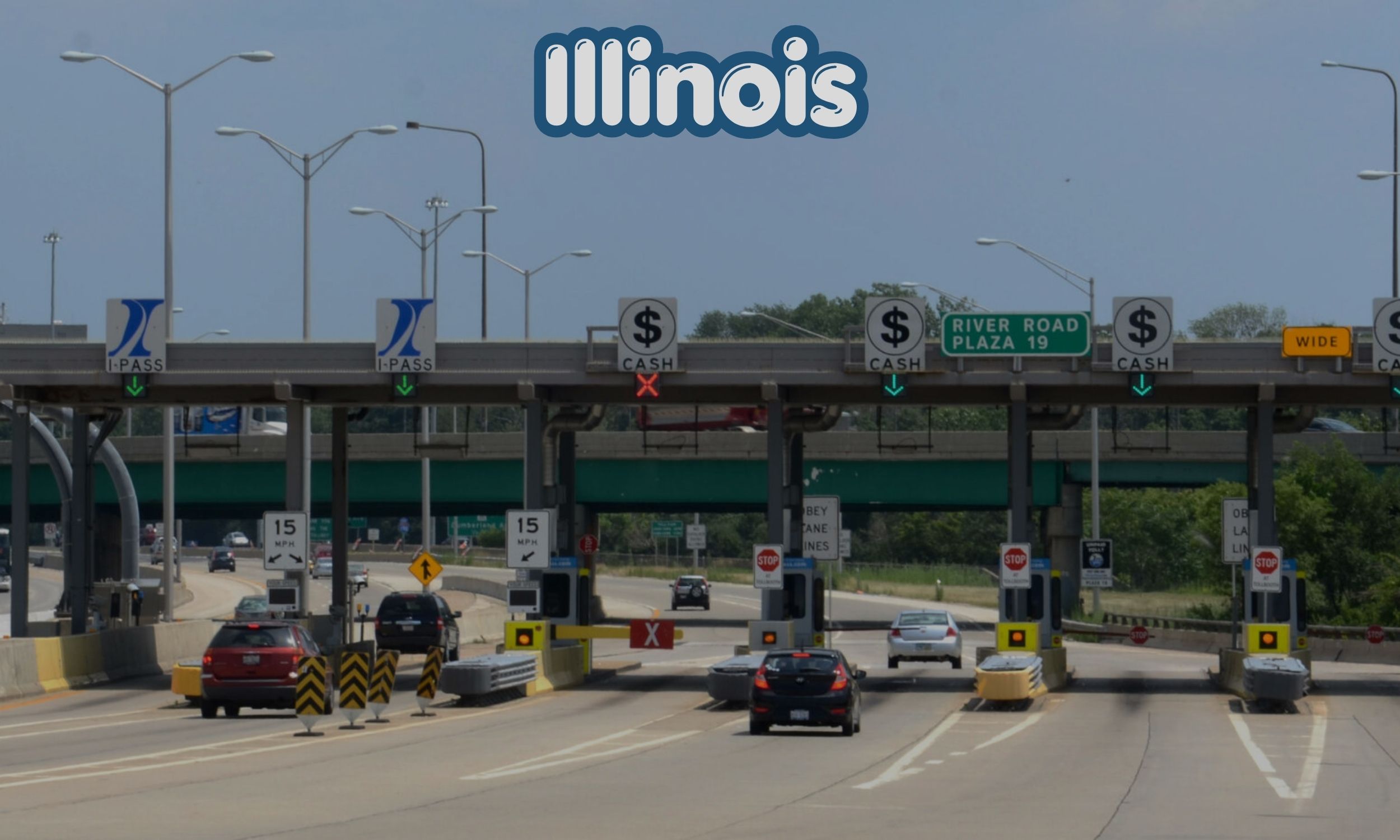
The Illinois Tollway operates approximately 294 miles of toll highways throughout the Chicago metropolitan region, a genuinely expansive network by any measure.
Major routes contributing to this total include the Tri-State Tollway, which loops around portions of the city connecting various suburban areas, along with the Jane Addams Memorial Tollway and Reagan Memorial Tollway, both handling substantial daily traffic volumes.
Commuters living in Chicago’s sprawling suburbs often find themselves paying tolls as a routine part of daily travel, whether heading downtown for work or moving between different suburban communities.
That daily reliance on toll roads, multiplied across millions of regional residents and countless freight movements, helps explain exactly how Illinois climbed to sixth place nationally.
7. Maryland
Maryland brings in about $832 million each year from tolls, with bridges and tunnels providing most of that money. The amount is lower than what the highest-earning states collect, but it remains a large source of transportation revenue for a state with a smaller collection of toll facilities.
Several factors help explain Maryland’s toll income. The state connects busy population centers that depend on reliable routes across rivers, bays, and crowded highways. Instead of depending on one huge turnpike network, Maryland collects much of its toll revenue from several heavily used bridges, tunnels, and road facilities.
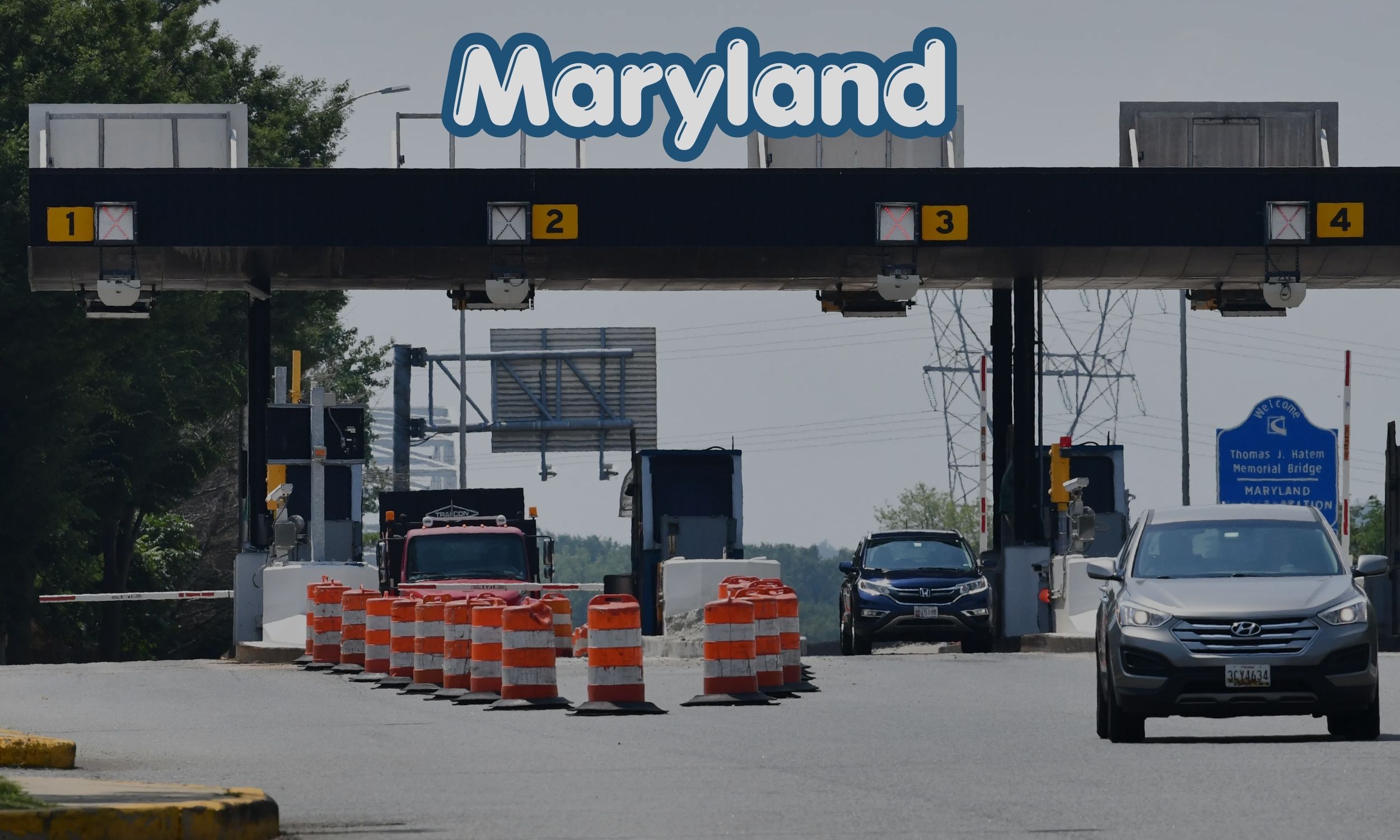
The Maryland Transportation Authority handles these operations and manages some of the busiest crossings in the state. The Thomas J. Hatem Memorial Bridge is one example, linking communities across the Susquehanna River while carrying large numbers of vehicles each day. Other major crossings and toll roads also contribute to the state’s yearly revenue.
For people who regularly use these routes, toll charges can become a normal part of their monthly transportation expenses. A commuter may pay them so often that they feel like another routine household bill. That steady stream of payments helps Maryland maintain its transportation system and fund improvements to busy routes.
Maryland’s toll system shows how a relatively small number of busy facilities can produce substantial income when they serve heavily traveled routes. With commuters, commercial vehicles, and travelers using these crossings regularly, each toll adds to a yearly total that reaches hundreds of millions of dollars for the state.
8. Delaware
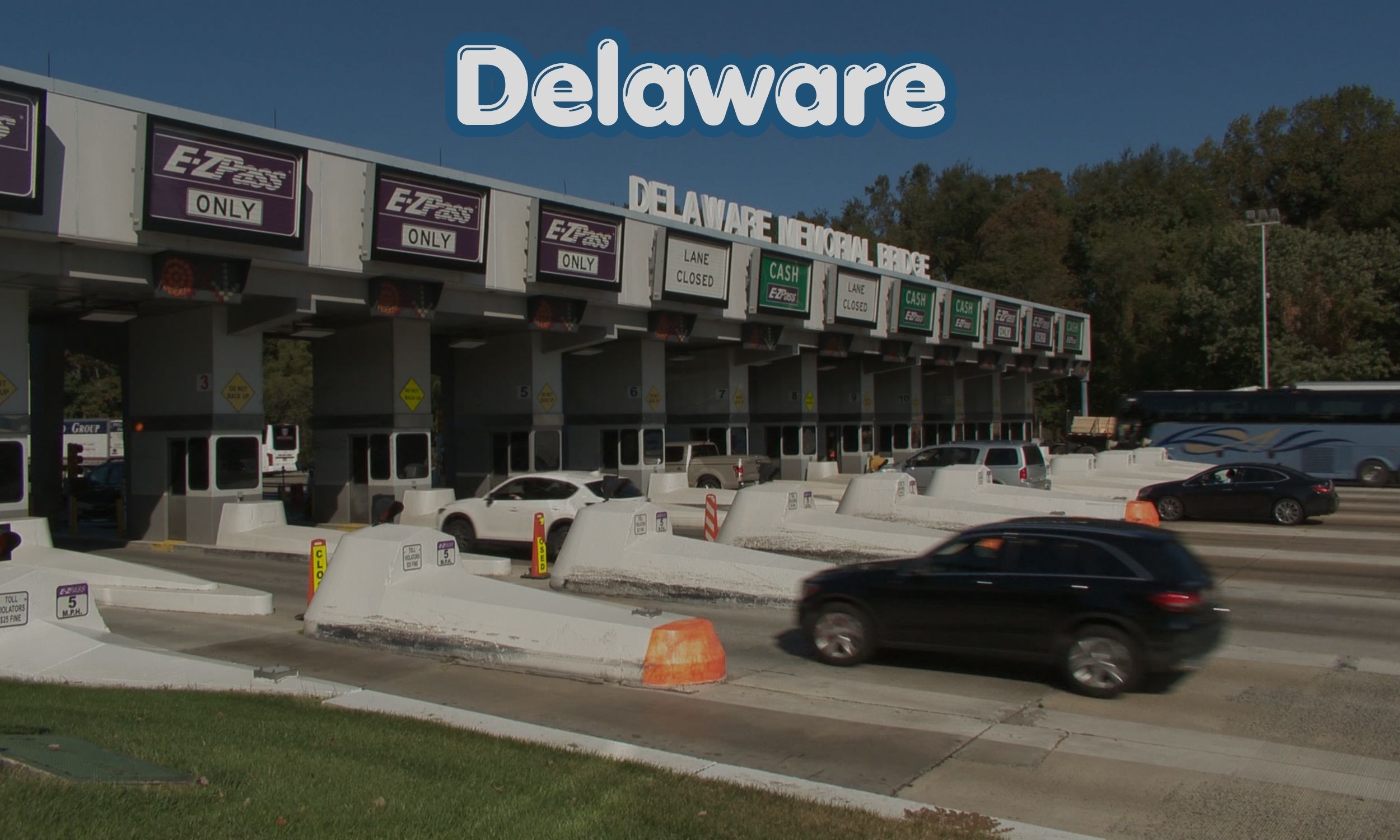
Delaware may be one of America’s smallest states, but its toll income is anything but small. The state collects roughly $804 million in toll revenue each year, which is a remarkable amount considering its limited land area and short road network.
Location is the main reason behind this impressive figure. Delaware sits along the busy Northeast Corridor, between major cities such as Baltimore, Philadelphia, and New York.
Thousands of cars and commercial vehicles travel through the state daily, and many drivers have few convenient alternatives if they want to reach their destinations without adding extra miles and travel time.
A major source of this income is the Delaware Turnpike section of I-95. This stretch carries heavy traffic from people traveling between the Mid-Atlantic and the northeastern part of the country. Since I-95 is one of the busiest interstate routes in America, the large number of vehicles using the road helps generate a steady flow of toll payments.
For many drivers, passing through Delaware is simply part of the trip. They may not spend much time in the state, but they still contribute to its transportation revenue through toll charges. The same applies to trucks moving goods between major cities.
Delaware’s figures show that a state does not need a huge road network to collect substantial toll revenue. Being located along a heavily traveled interstate can bring in enormous amounts of money when thousands of motorists use the same route every day.
9. Ohio
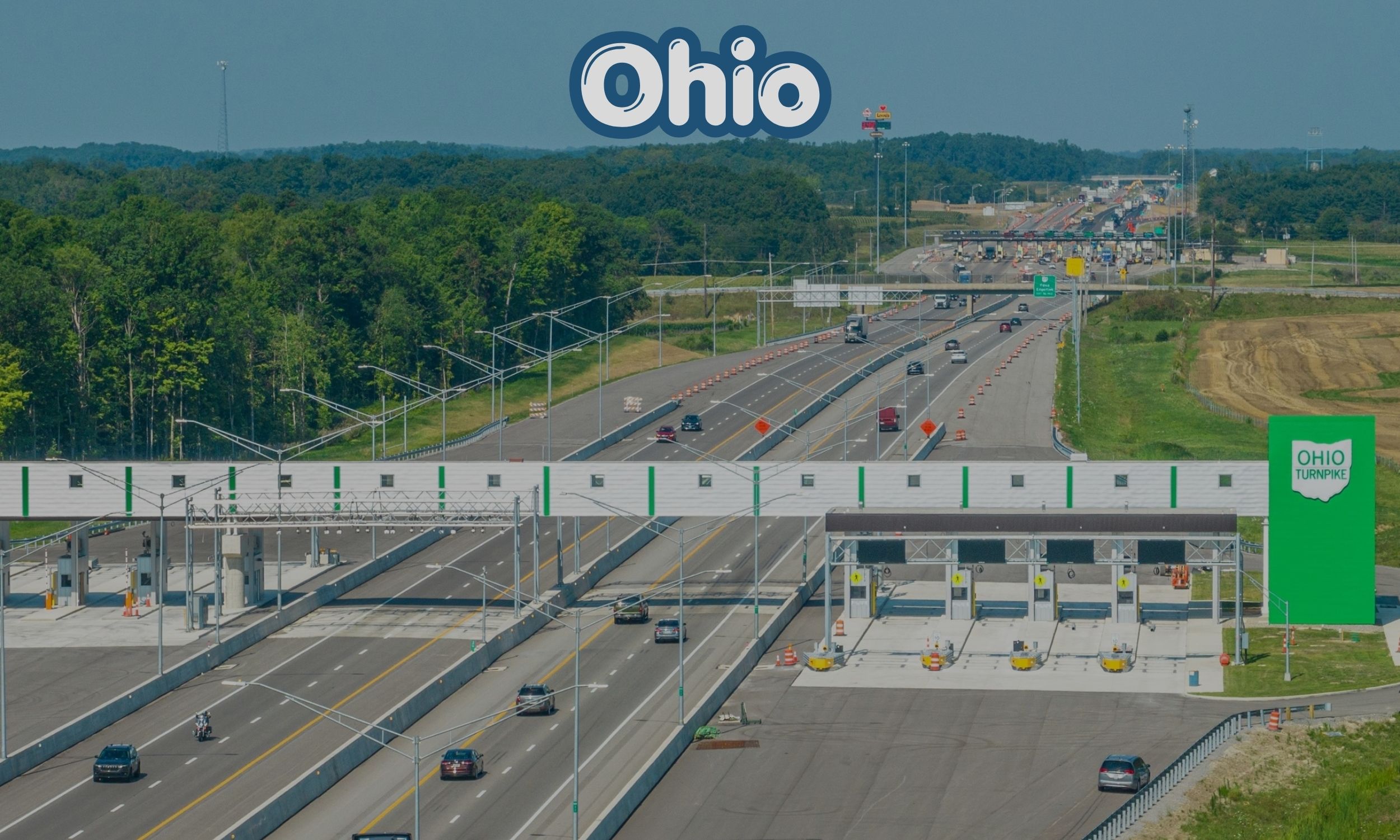
Ohio sits near the middle of the ranking, bringing in roughly $390 million each year from tolls. Most of that money comes from one major highway route linking the industrial Midwest with cities farther east. Although the amount is well below what leading states collect, it still represents steady income from a single, established toll road.
The Ohio Turnpike accounts for nearly all of the state’s toll revenue. Instead of managing many separate toll roads, Ohio places most of its toll collection along this east-to-west route. The road handles a large mix of private cars, commuters, travelers, delivery vehicles, and heavy trucks throughout the year.
Truck traffic has a major effect on the state’s toll figures. The I-80/I-90 corridor across northern Ohio provides an important connection for freight moving between the Midwest and the Northeast. Because many trucks use this route to deliver goods, commercial vehicles contribute a large share of the money collected, along with regular drivers traveling through the area.
Anyone driving a long distance across northern Ohio can expect the Turnpike toll to become part of the travel budget. For truck drivers, these charges are simply another business expense.
The route is often a practical choice for carrying freight across this part of the country, so toll payments are included when companies calculate transportation costs.
For private motorists, the same fees can be planned ahead, making them easier to account for during longer trips through the state before starting a longer journey across the state.

10. Massachusetts
Closing out this list, Massachusetts generates an approximate annual toll revenue of $386 million, a total driven primarily by major highway and tunnel facilities concentrated in and around the Boston metropolitan area.
It’s a smaller figure compared to the giants topping this ranking, yet still substantial enough to secure the tenth spot nationally. Boston’s dense urban layout and historic road network create unique challenges that toll facilities help address directly.
Tunnels connecting different parts of the city and surrounding areas require substantial ongoing maintenance investment, and tolling has become a practical way to fund that work while managing traffic flow through some of the region’s most congested points.
Commuters living in the greater Boston area frequently encounter tolls as part of their regular routine, whether heading into the city for work or traveling between different sections of the metropolitan region.
These facilities handle enormous daily volumes given how compact and traffic-heavy the Boston area tends to be compared to some of the sprawling Sun Belt cities appearing elsewhere on this list. What Massachusetts demonstrates clearly is that toll revenue doesn’t always require a massive statewide network stretching hundreds of miles.
A concentrated set of critical, heavily used facilities serving one major metropolitan area can still generate hundreds of millions of dollars annually, proving that dense urban traffic alone can support a genuinely substantial toll system even within a relatively compact geographic footprint.
