
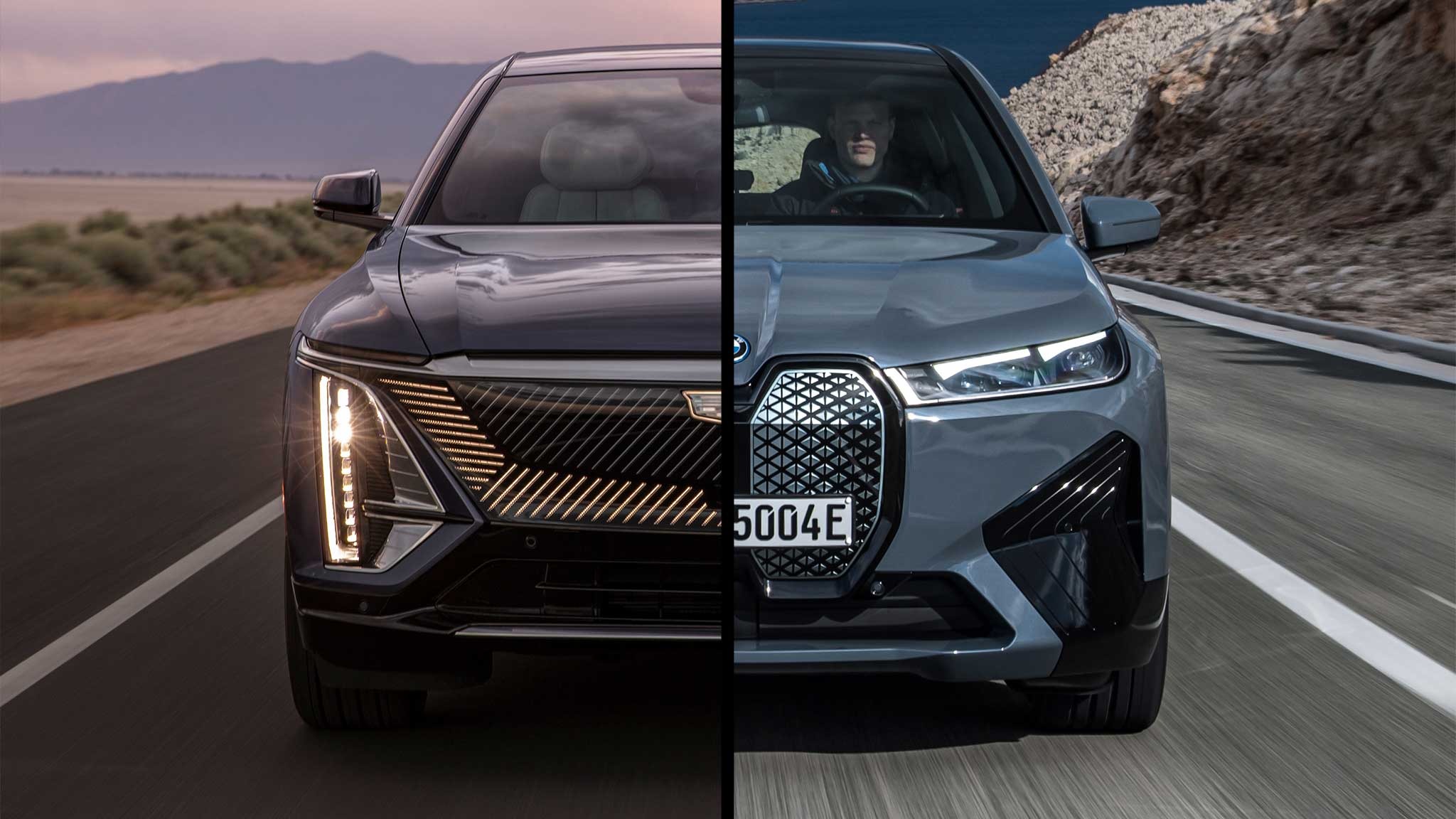
A hefty price tag should buy you peace of mind after dark, right? Not always. The Insurance Institute for Highway Safety puts every headlight system through rigorous testing, checking how far the light reaches on curves, straightaways, and hills, plus how much glare it throws at oncoming drivers.
You’d assume luxury badges and premium trucks would ace this test without breaking a sweat. Yet several six-figure crossovers, well-known pickups, and stylish EVs keep landing “Poor” or “Marginal” scores year after year. Below are ten pricey vehicles where the sticker cost doesn’t match what you actually see on a dark country road. Buckle up, because some of these might surprise you.
1. Cadillac Lyriq
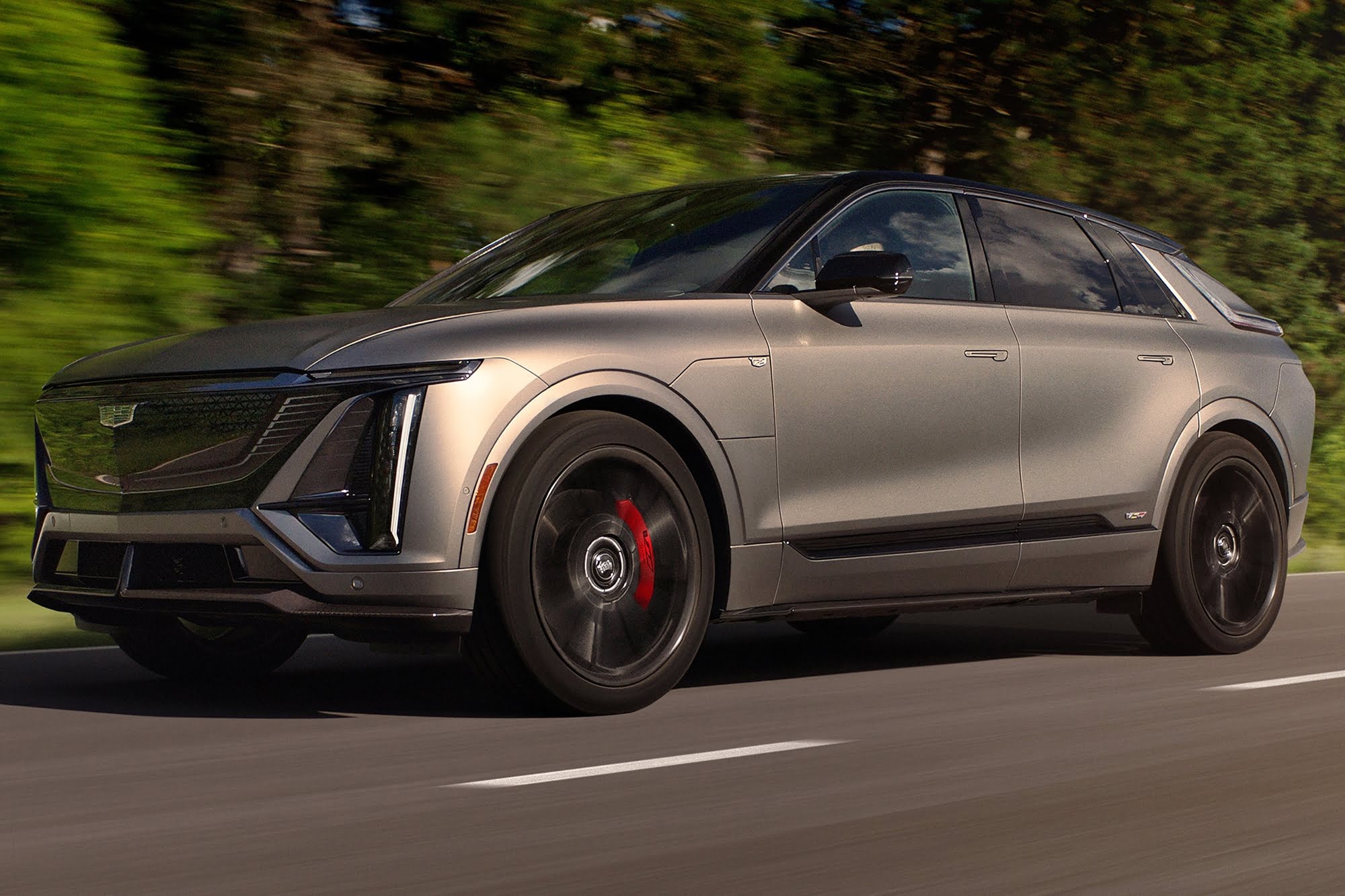
The Cadillac Lyriq has a stylish appearance, and its slim LED lighting adds to the SUV’s modern design. However, its attractive headlights do not deliver equally impressive results at night.
During IIHS testing, the electric crossover had trouble providing enough light on several curves. Limited beam reach can give drivers less time to notice hazards such as animals, potholes, or vehicles stopped ahead.
The low beams also produced too much glare for approaching motorists, which can make nighttime driving uncomfortable for others. What makes the result more disappointing is the Lyriq’s price.
Starting at roughly $58,000, this electric SUV competes with several established luxury models. Customers paying that amount can reasonably expect strong performance from every part of the vehicle, including its headlights.
Instead, the tested setup received a Poor rating from IIHS, showing that the lighting system had measurable weaknesses rather than small issues that would barely affect everyday driving.
Cadillac has continued making changes to its lighting technology across different models. Because equipment can vary between trims and model years, anyone interested in buying a Lyriq should check the exact headlight system fitted to the vehicle.
Asking the dealer for the specific equipment details and checking the applicable IIHS results can help buyers make a better decision. For drivers who frequently travel at night on roads with little street lighting, headlight performance deserves careful attention before choosing this luxury electric SUV.
2. BMW i4
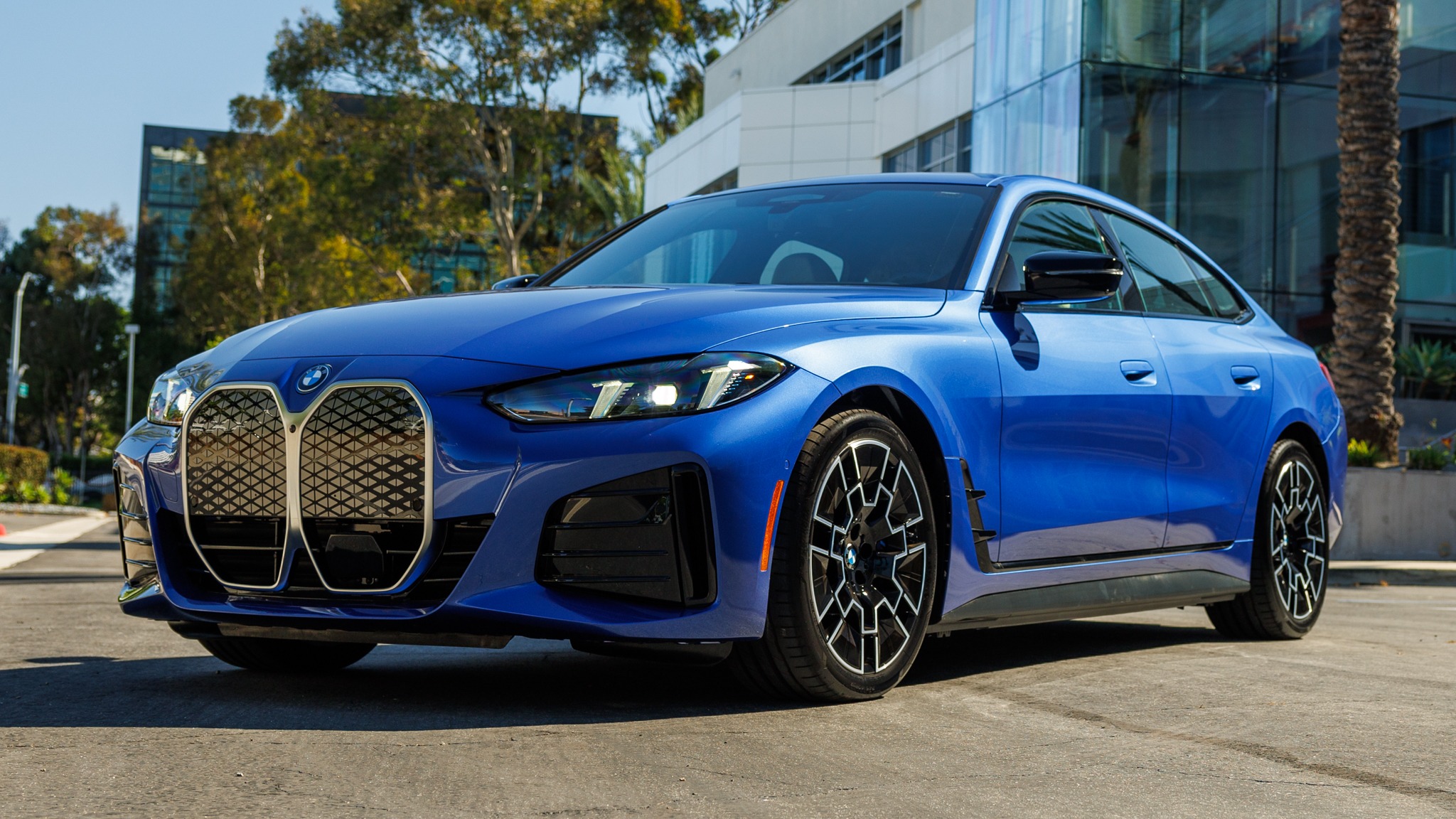
BMW markets its Laserlight and adaptive LED technology as some of the most advanced lighting on the road, so it stings a bit to learn the i4’s standard setup actually scored Poor in IIHS evaluations.
A second configuration, tested separately, managed only a Marginal rating, meaning even the improved option falls short of what the agency considers genuinely safe after dark. The specific complaints centered on glare and weak high-beam output.
Glare matters because it directly affects other drivers, not just the person behind the wheel of the i4 itself. A system that blinds oncoming traffic creates a hazard for everyone sharing that stretch of road, regardless of how confident the i4’s own driver feels about visibility.
Weak high-beam performance compounds the issue on rural roads or highways without streetlights, where low beams alone often aren’t enough to spot hazards with sufficient warning.
Starting around $55,000, the i4 sits squarely in premium territory, competing against electric sedans that have earned Good ratings from the same testing agency. That gap matters for anyone cross-shopping electric performance sedans.
BMW’s engineering reputation is built on precision and control, which makes this particular shortfall feel especially avoidable. Prospective buyers should request documentation on which specific headlight package comes standard versus optional before signing anything, since the difference between configurations can be the difference between Poor and merely Marginal.
3. Jeep Gladiator
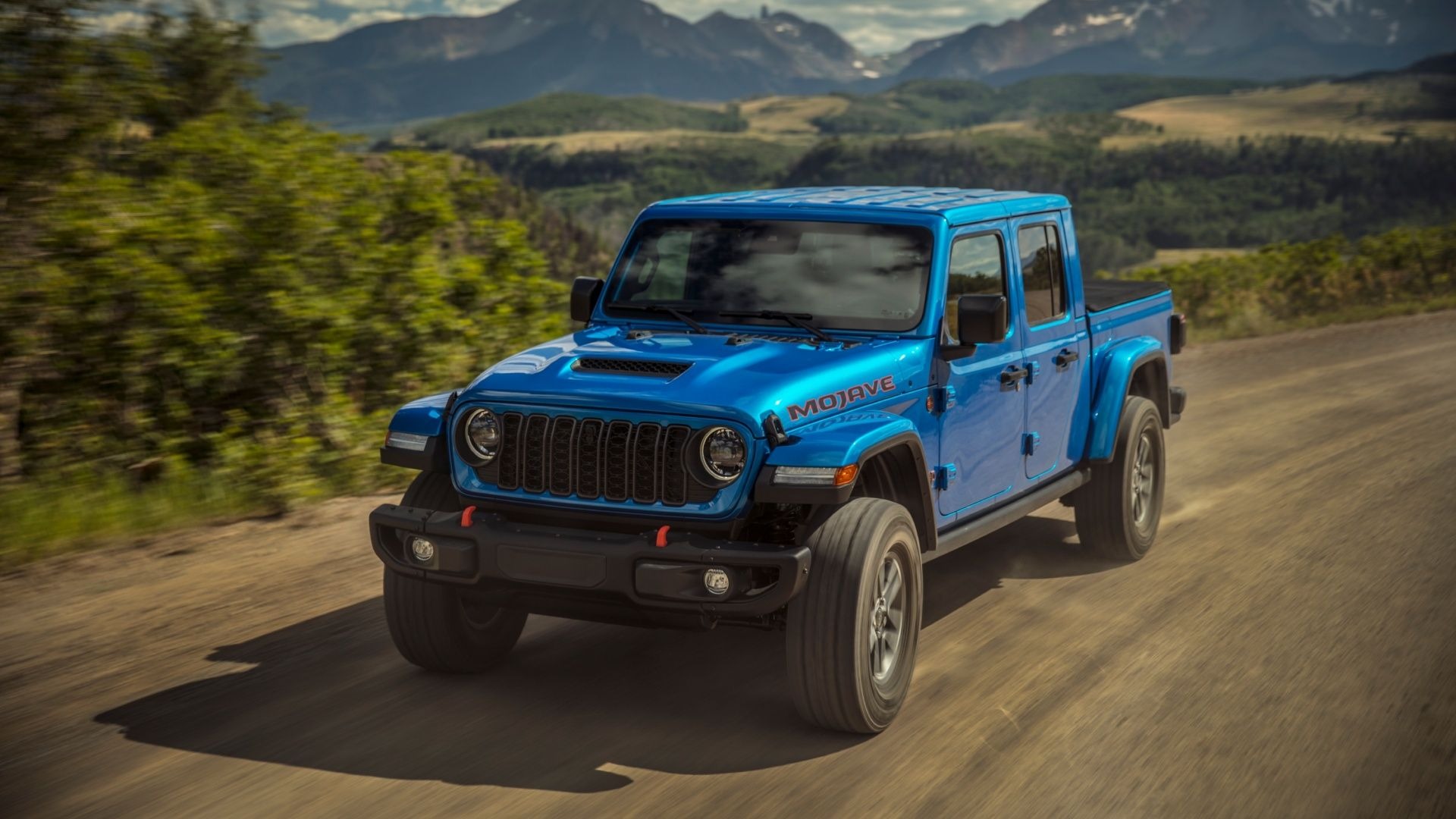
The Jeep Gladiator is built for outdoor adventures, yet its lighting performance becomes less impressive once daylight disappears. The headlight results depend largely on which equipment is fitted.
Models with LED headlights receive a Marginal rating, while versions using the older halogen system receive a Poor rating because they do not provide enough light through curves or along straight roads.
For many Gladiator owners, nighttime driving is part of the experience. Camping trips, visits to remote trailheads, and stays at rural properties can mean driving where streetlights are unavailable.
Under those conditions, weak headlights can make it harder to see the road ahead and spot hazards early. A halogen setup that provides limited coverage on a straight road is even less appealing when driving on unpaved roads.
The Gladiator starts at roughly $40,000, and the price can rise considerably with the off-road equipment many buyers choose. Since the truck is promoted for outdoor use, buyers may expect its lighting to match that purpose.
Anyone who expects to spend a lot of time driving at night should pay close attention to the headlights. Choosing an LED-equipped version is the safer approach, but buyers should still check the IIHS rating for the exact configuration before making a purchase.
4. Toyota 4Runner
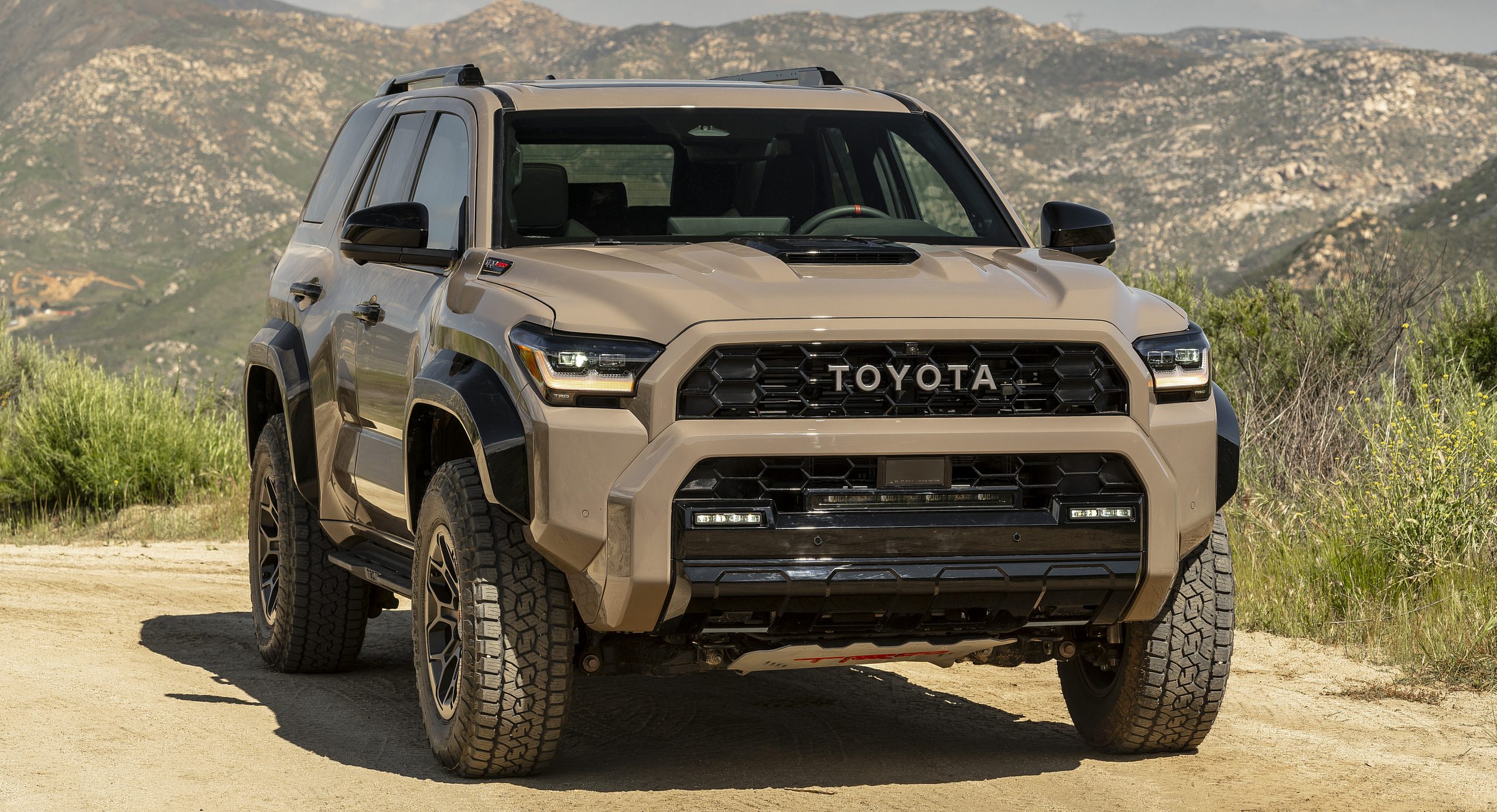
For many years, the Toyota 4Runner has been known for strong reliability, and many owners have been willing to overlook some older features because of its dependable nature. Sadly, the headlights became one of those areas where the SUV started showing its age.
Some earlier 4Runner models received a Poor rating from the IIHS, mainly because of excessive glare. The problem was not necessarily that the headlights failed to illuminate the road properly. Instead, they could shine too strongly into the eyes of drivers coming from the opposite direction, creating another serious safety concern.
Toyota eventually took action to address the issue. Later production models received changes to their lighting systems, and follow-up testing showed that the updated headlights performed better than the earlier versions. That is encouraging because it shows that manufacturers can correct safety concerns after independent organisations identify them.
However, many 4Runners produced during the affected period are still available in the used-car market. Some may also remain on dealer lots, meaning buyers could unknowingly purchase a vehicle equipped with the older headlight system.
With newer 4Runner models starting at roughly $42,000, buyers should know exactly what they are paying for. Whether purchasing new or used, it is wise to ask the dealer which headlight setup the vehicle has.
Checking the specific model year and configuration against the latest IIHS information is also important. Simply seeing the 4Runner name does not automatically mean every version has the same headlight rating or performance.
5. Chevrolet Silverado 1500
Pickup trucks spend a lot of time on unlit rural roads, job sites, and highways well outside city limits, which makes strong headlights arguably more important for this category than almost any other.
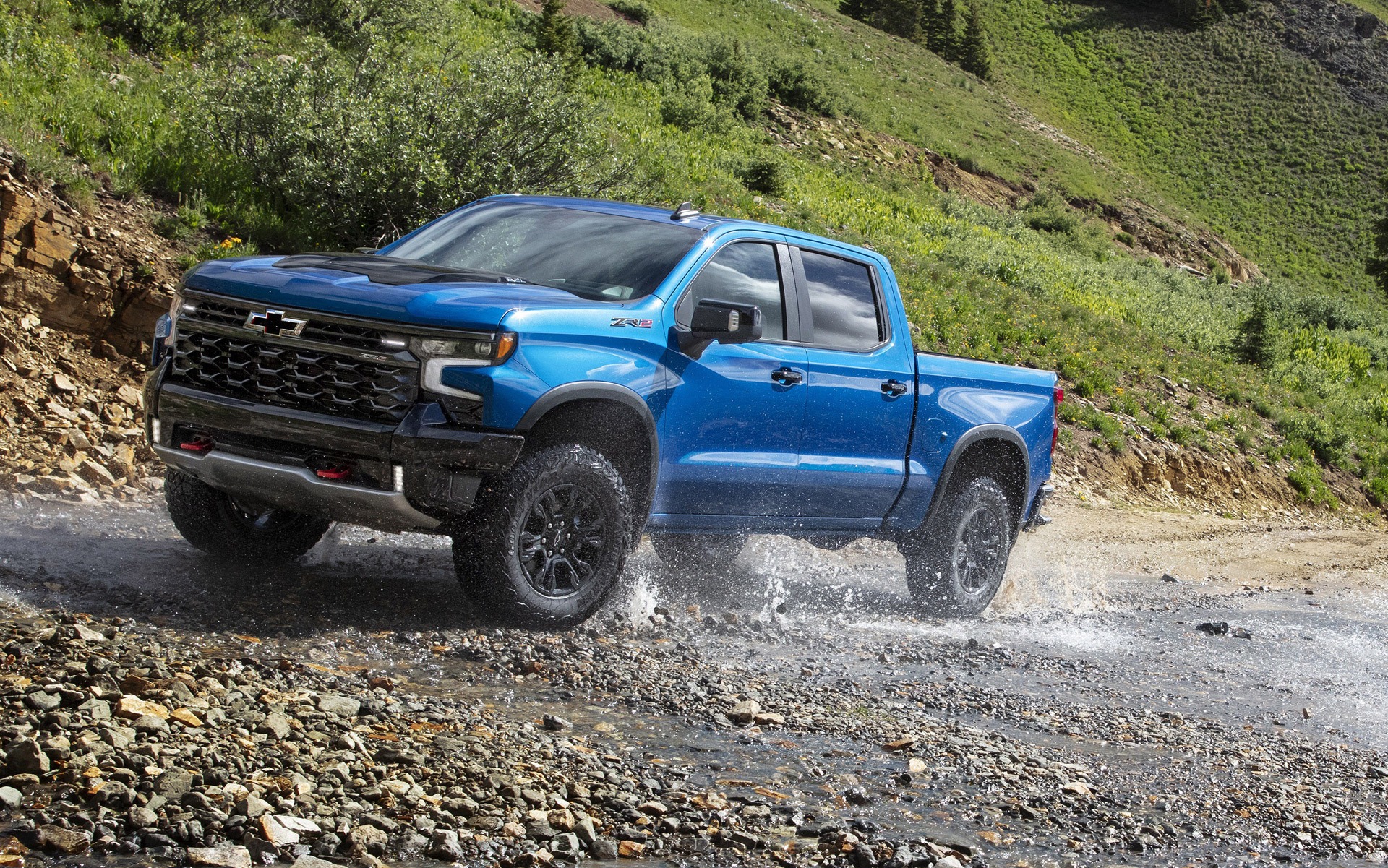
Despite being one of America’s best-selling trucks, the Silverado 1500 has received Poor ratings in IIHS testing across several configurations. Its weaknesses follow a pattern found in other vehicles on this list. The headlights provide insufficient illumination around curves while producing excessive glare for other drivers on low beam.
For a truck often used for towing, hauling, and long-distance driving, curves present real risk. A driver towing a trailer at night needs every bit of visible road ahead to react safely, and a headlight system that underperforms on curved sections removes exactly the margin that matters most.
Pricing starts around $40,000 and climbs substantially with higher trims, four-wheel drive, and towing packages, many of which are marketed toward buyers who explicitly need this truck for demanding, often rural, work.
That context makes the Poor headlight rating harder to overlook. Chevrolet continues to sell strongly despite this data point, which suggests most buyers either aren’t aware of the IIHS findings or prioritize other factors like towing capacity and interior space. Anyone cross-shopping full-size trucks should factor headlight performance into that decision alongside payload and towing figures.
6. Chevrolet Colorado
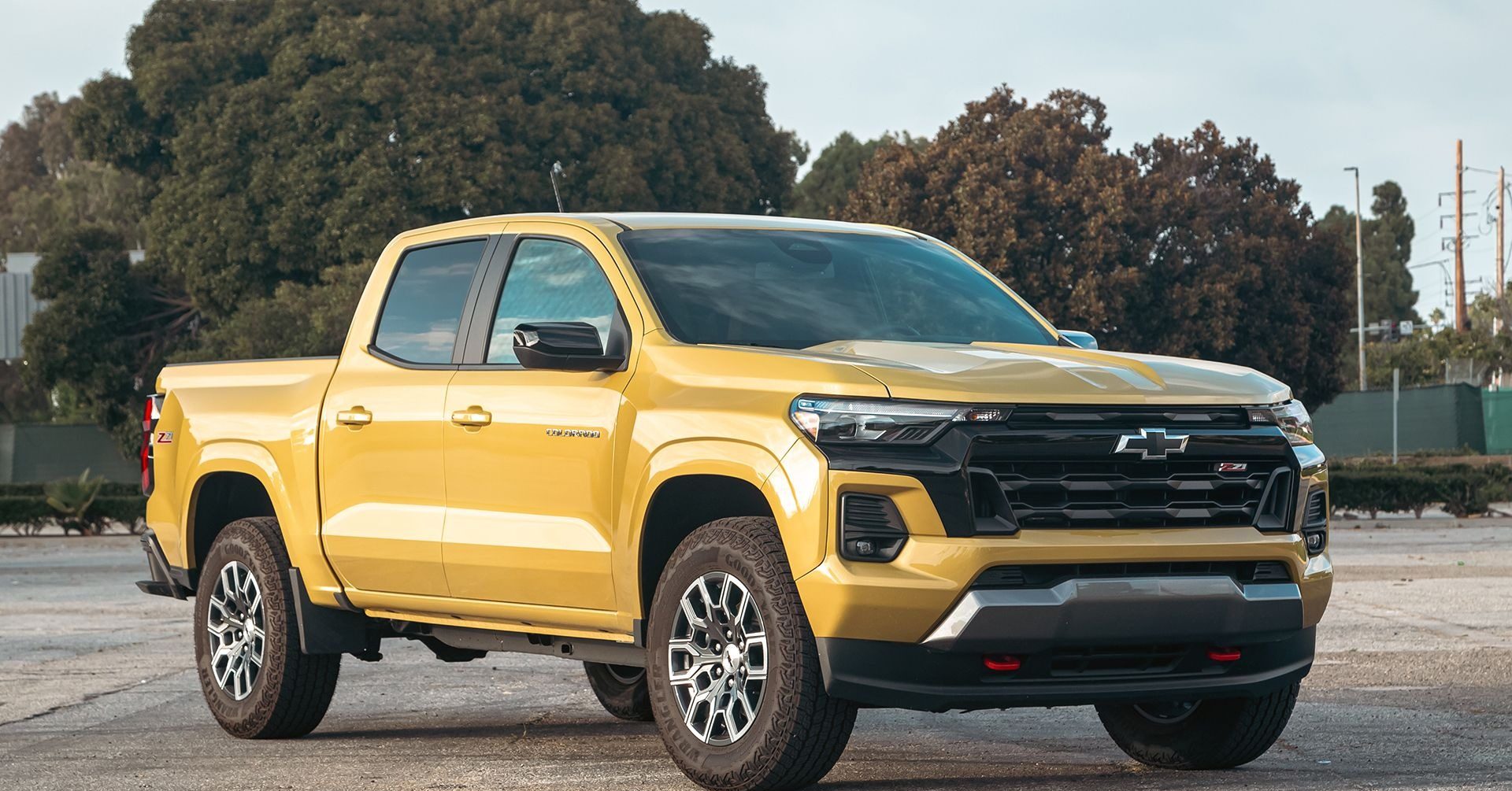
If you are considering a Chevrolet Colorado, do not assume every version comes with the same headlights. The problem mainly affects models equipped with halogen headlights, which received a Poor rating from the IIHS because they did not provide enough light on several curved sections of the test road.
Colorado versions with LED headlights performed much better and avoided the same serious lighting penalty. This can make choosing the right truck more difficult than it first appears.
You could find two Colorados parked beside each other at a dealership, both carrying similar prices and the same model name, yet their headlights may offer very different levels of nighttime visibility. If you do not ask about the lighting equipment, you could buy a halogen-equipped truck without knowing an LED version was available on a nearby trim.
With the Colorado starting at roughly $30,000, it remains one of the more accessible trucks in its class. For buyers working with a tight budget, knowing which lighting system comes with the truck is therefore important. Spending a little more on the right trim could provide better visibility when driving at night safely.
The good thing is that avoiding this issue is straightforward. Before paying for a Colorado, ask the dealer to confirm that the truck has LED headlights. It is also wise to have the equipment listed clearly on the paperwork.
The difference in nighttime performance can be significant, and checking the headlight type before purchase can help you avoid an unpleasant surprise later.
7. Nissan Frontier
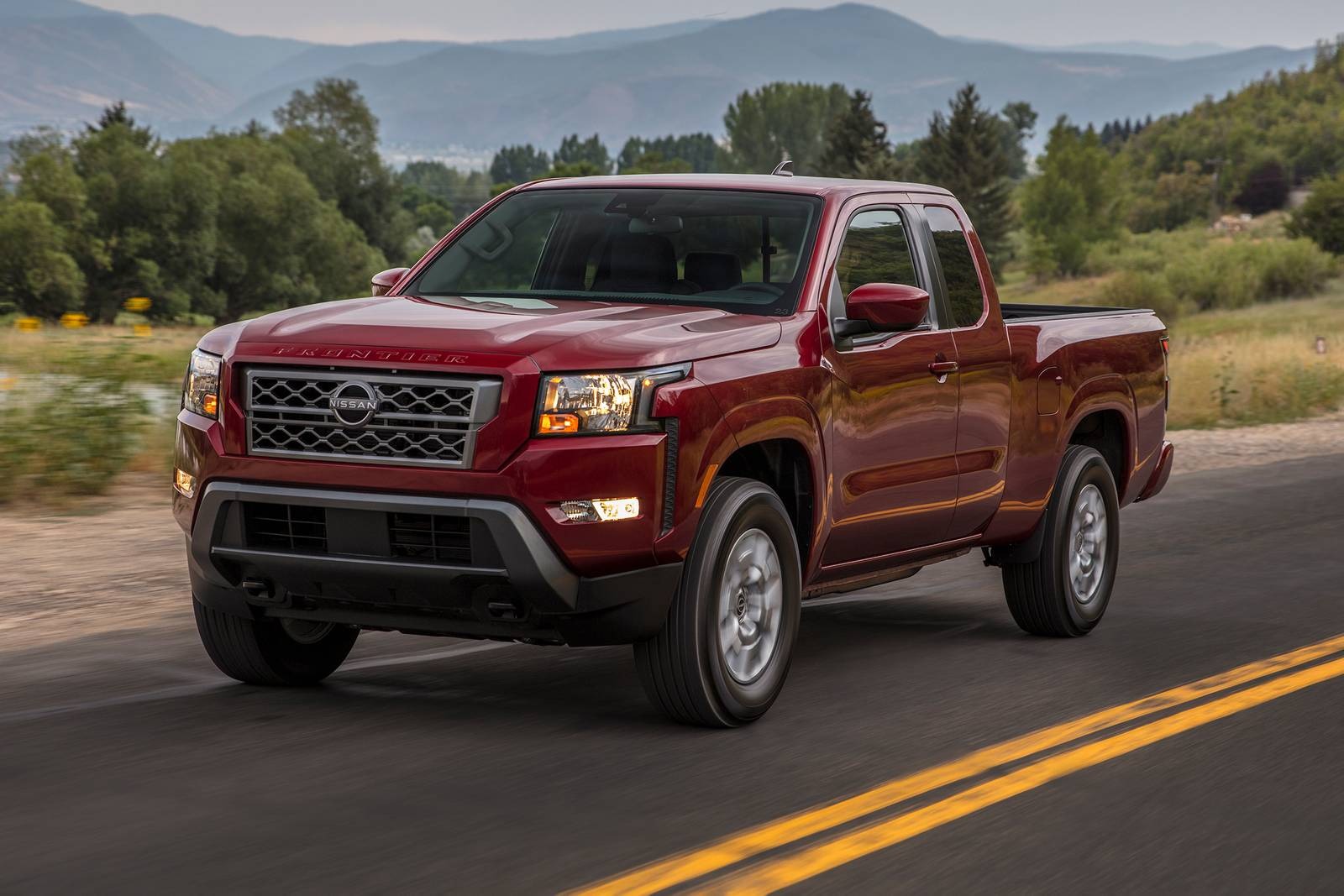
Trim level makes all the difference with the Frontier, and it’s worth understanding exactly where that line falls before shopping. The lower S and SV trims can be equipped with halogen headlights that earned a Poor rating in IIHS testing, with inadequate illumination flagged both along straight sections of road and through curves.
Higher trims equipped with LED headlights performed better in the same round of testing, creating another example of a single model name masking two very different lighting outcomes.
Budget-focused truck buyers gravitate naturally toward S and SV trims because they offer lower sticker prices and fewer bells and whistles, which makes sense financially. The tradeoff, though, is landing precisely in the range where headlight performance suffers most.
Someone drawn to the Frontier specifically because of its approachable starting price around $33,000 could end up with the weakest lighting setup in the entire lineup without realizing it. The practical takeaway here is straightforward.
If nighttime visibility matters to you, and it should, pushing your budget toward an LED-equipped trim is worth serious consideration even if it means stretching beyond your original price target. A truck that costs a bit more but actually lets you see the road properly after dark is a better long-term investment than one that saves a few thousand dollars upfront.
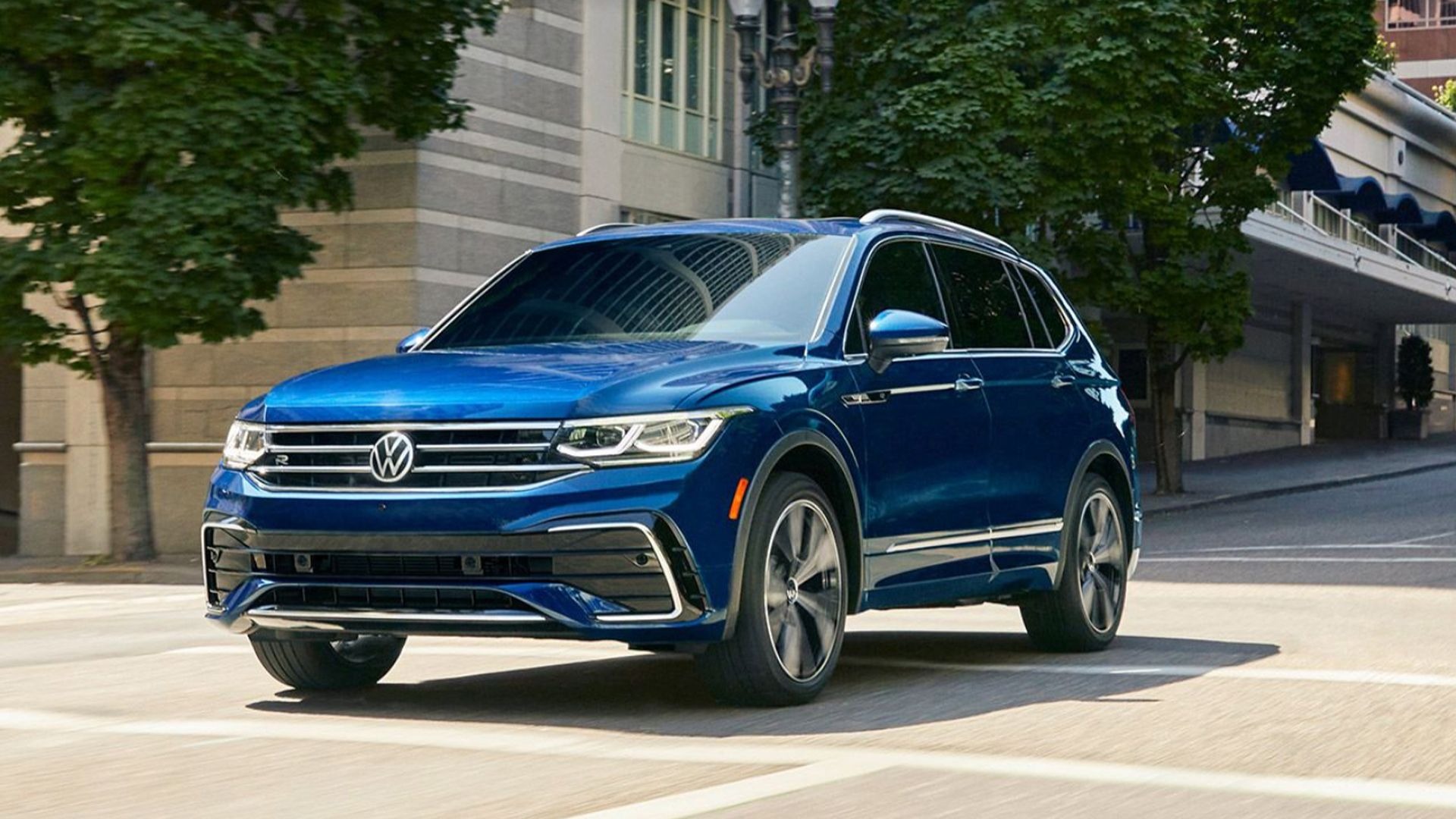
8. Volkswagen Tiguan
The Volkswagen Tiguan has earned plenty of praise for its European-style handling and useful cabin, but its headlights have not received the same attention. Some base and mid-level versions struggle to provide enough low-beam illumination on roads without streetlights. That weakness has affected the Tiguan’s ability to qualify for IIHS safety awards.
For shoppers who use IIHS ratings when choosing a crossover, this matters. A Top Safety Pick award can make it easier to narrow down several options because the testing covers areas such as crash protection, crash avoidance, and headlights.
Anyone considering a Tiguan should therefore check the rating for the exact trim instead of assuming every version performs the same way. The lighting equipment can make a real difference.
Depending on the trim and available options, the Tiguan typically costs about $30,000 to $45,000. That puts the SUV within reach of buyers looking for an affordable family vehicle while also offering versions that approach premium pricing.
Spending more does not always mean getting the strongest headlights, so buyers should pay attention to the equipment included with each version. Before purchasing one, it is sensible to ask the dealer which headlight system comes with the chosen trim.
Buyers who frequently drive at night, especially on poorly lit roads, may want to compare the available lighting systems and review the applicable IIHS test results. Taking a few extra minutes to check these details can help avoid disappointment after purchase. This is especially important for drivers who regularly travel after sunset.
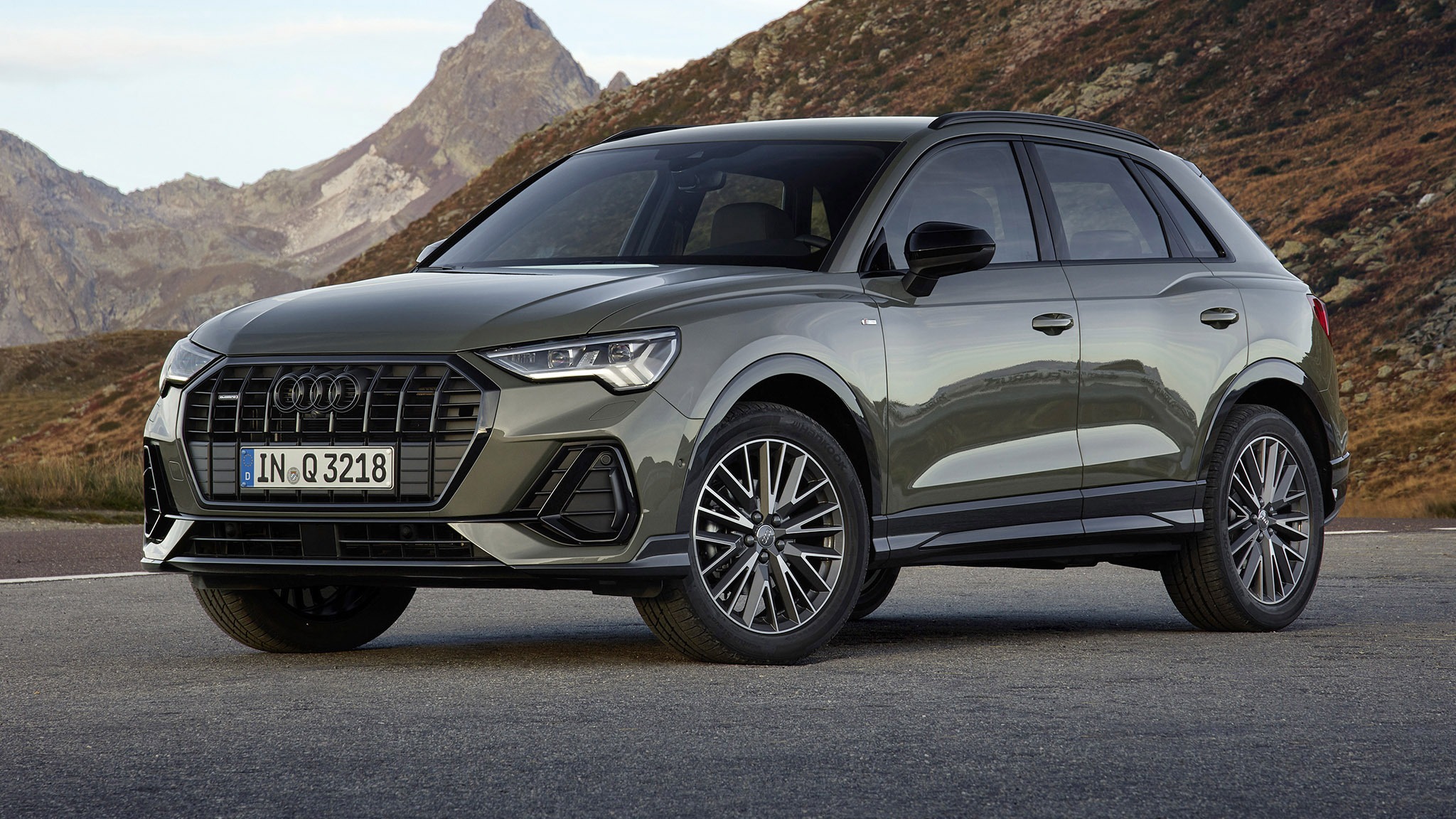
9. Audi Q3
Audi has built a strong reputation for its lighting technology, especially its distinctive LED daytime running lights, which have become a familiar feature across many of its models.
The Q3, which serves as one of the brand’s more affordable luxury crossovers, follows the same design approach. However, when the headlights are tested at night, the results are not as impressive as the stylish daytime appearance might suggest.
During IIHS testing, the Q3 showed a sharp cutoff in its low-beam pattern. This means there is a clear point where the light ends, and darkness begins. Such a pattern can make it harder for drivers to notice obstacles, animals, or vehicles that are stopped farther ahead.
Instead of providing a gradual spread of light, the area beyond the cutoff can remain difficult to see. Depending on the particular configuration, the Q3 has received Poor or Marginal ratings during testing.
The Q3 typically costs around $37,000 to $43,000, with higher prices possible when buyers add optional equipment. At that price, many customers would expect strong lighting performance from a brand known for advanced automotive technology.
The results make the Q3 worth checking carefully before purchase, especially for drivers who regularly travel on poorly lit roads. For buyers comparing luxury crossovers, headlight performance should be part of the decision.
If you often drive outside the city at night, it is worth checking the exact lighting system fitted to the Q3 you are considering before making your final choice.
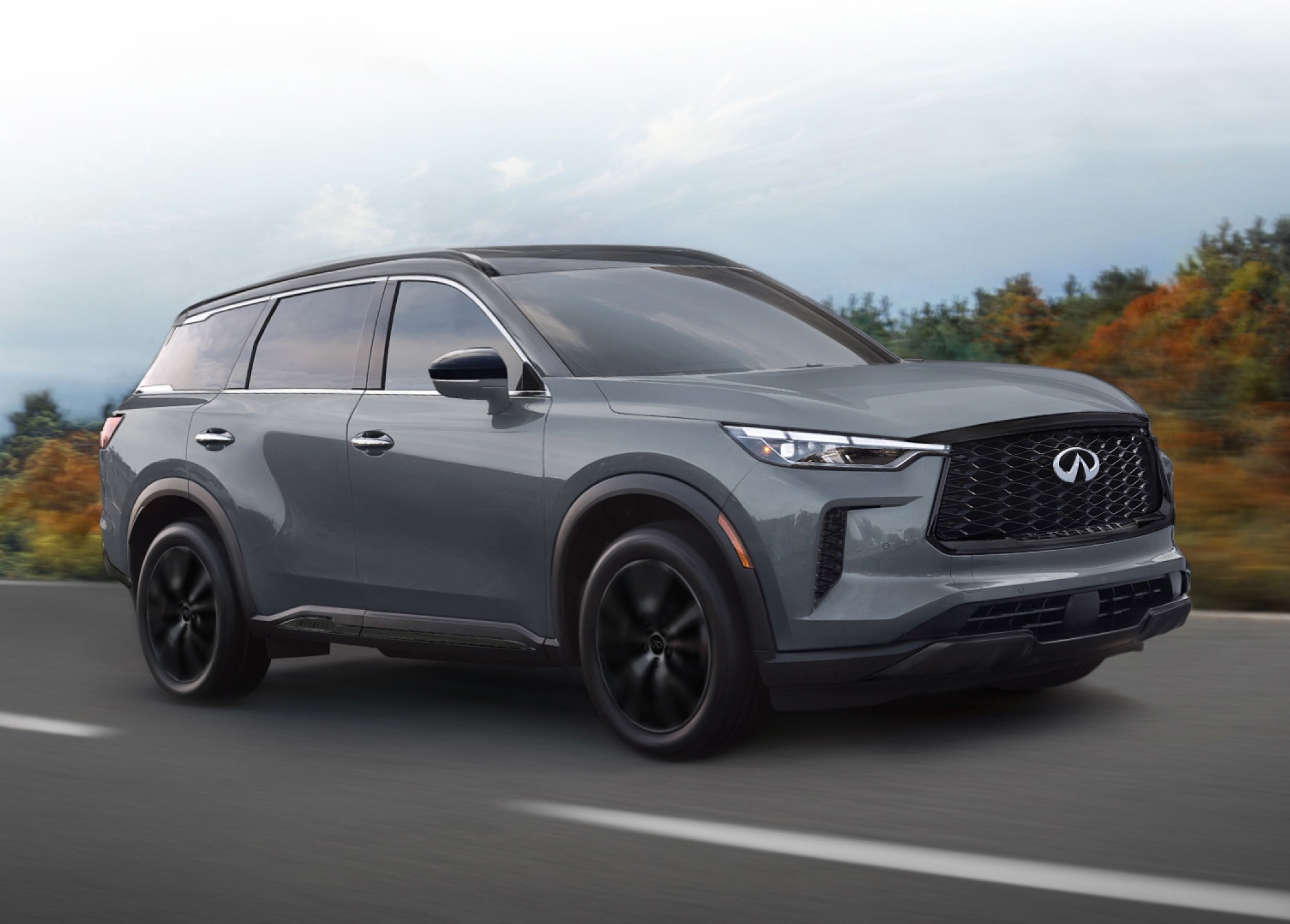
10. Infiniti QX60
Family-focused three-row crossovers carry an especially high bar for safety, given how often they’re used to shuttle children on evening activities, sports practices, and road trips that stretch past sunset.
The QX60, Infiniti’s flagship crossover in this segment, earned a Marginal headlight rating. This middle-ground designation beats Poor but still falls short of the Good rating parents might reasonably expect from a premium family vehicle.
The specific problems identified centered on factory aiming. Straight from the production line, the QX60’s illumination pattern triggers glare complaints for oncoming drivers while simultaneously failing to cast a wide enough light footprint across the low-beam setting.
That combination is particularly unhelpful: drivers get blamed for blinding oncoming traffic while still not receiving adequate side-to-side coverage on their own end of the road, a lose-lose outcome for everyone sharing that stretch of pavement after dark.
Pricing runs from roughly $50,000 up to $66,000 or more with premium packages, putting the QX60 firmly in luxury territory where buyers expect polish across every system, not just leather seats and driver assistance features.
Families cross-shopping three-row crossovers should weigh this Marginal rating against competitors with stronger IIHS lighting scores, especially if evening pickups, sports practices, or road trips make up a regular part of how the vehicle gets used.
