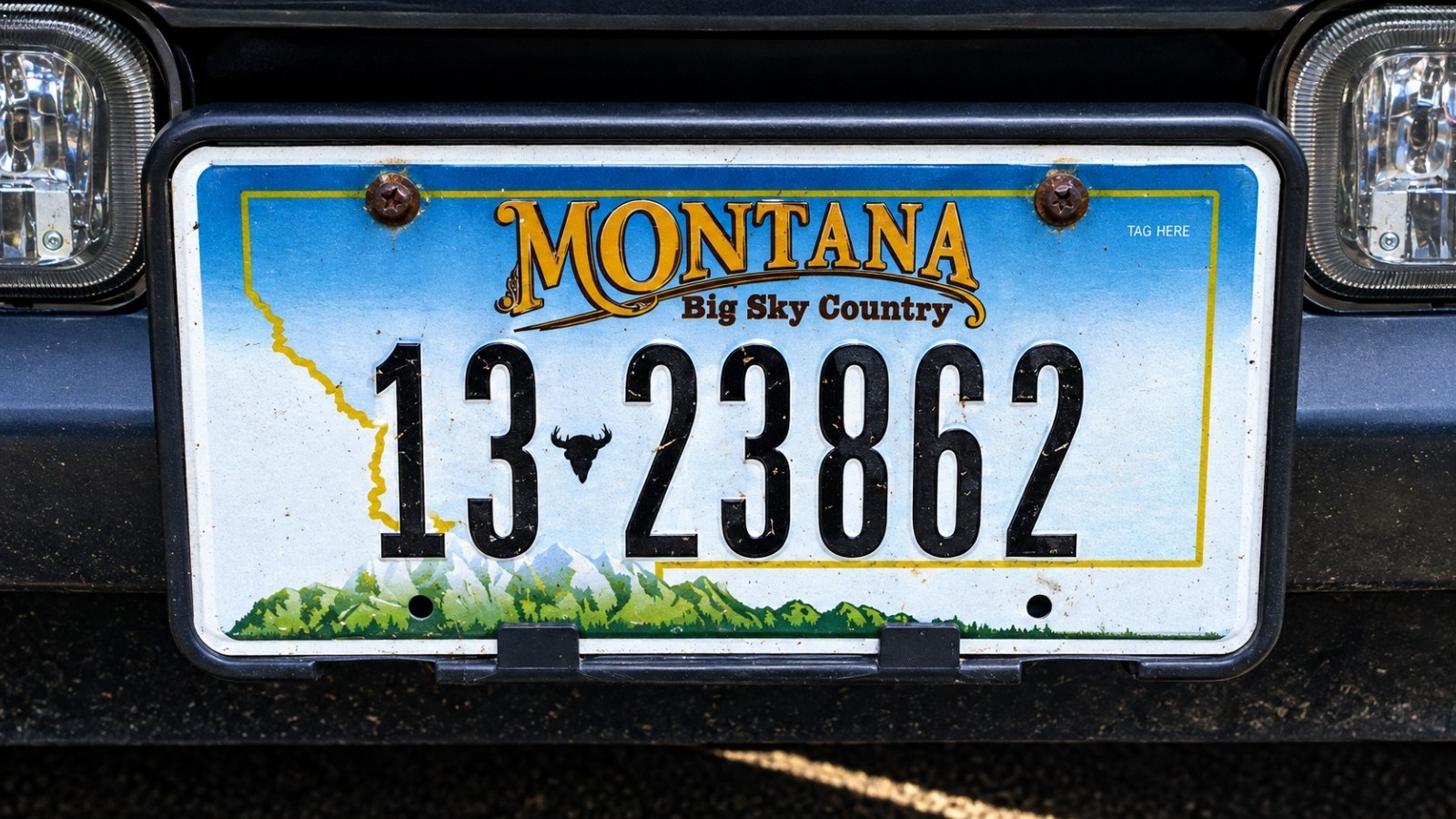
Few things catch a car enthusiast’s attention quite like seeing a Lamborghini, McLaren, Ferrari, or six-figure SUV wearing Montana plates far from the state’s borders. The plate itself may seem unremarkable, but when it is attached to an exotic or high-end vehicle thousands of miles from Big Sky Country, it naturally raises a question. Why Montana?
The answer has much less to do with where the car is driven and much more to do with how it is owned and registered. Montana’s tax structure and vehicle-registration rules have made the state attractive for certain expensive vehicles, especially when an LLC is involved. But the popular “Montana loophole” comes with an important distinction that gets lost online.
Why Do Expensive Cars Have Montana Plates?
If you spend enough time around exotic cars, you eventually notice a pattern. A surprisingly large number of very expensive vehicles seem to have Montana plates, even when they are regularly seen in California, Tennessee, or other states.
That is not because Montana has somehow become the secret home of every Ferrari in America. The biggest attraction is tax-related. Montana does not impose a general sales tax, according to the state’s Department of Revenue.
For a normal family car, that may not sound revolutionary. On a $30,000 purchase, however, the potential difference is already meaningful. On a $300,000 supercar, the numbers become a completely different conversation. That is where the Montana LLC strategy entered the picture.
What Makes Montana Attractive for Vehicle Registration?
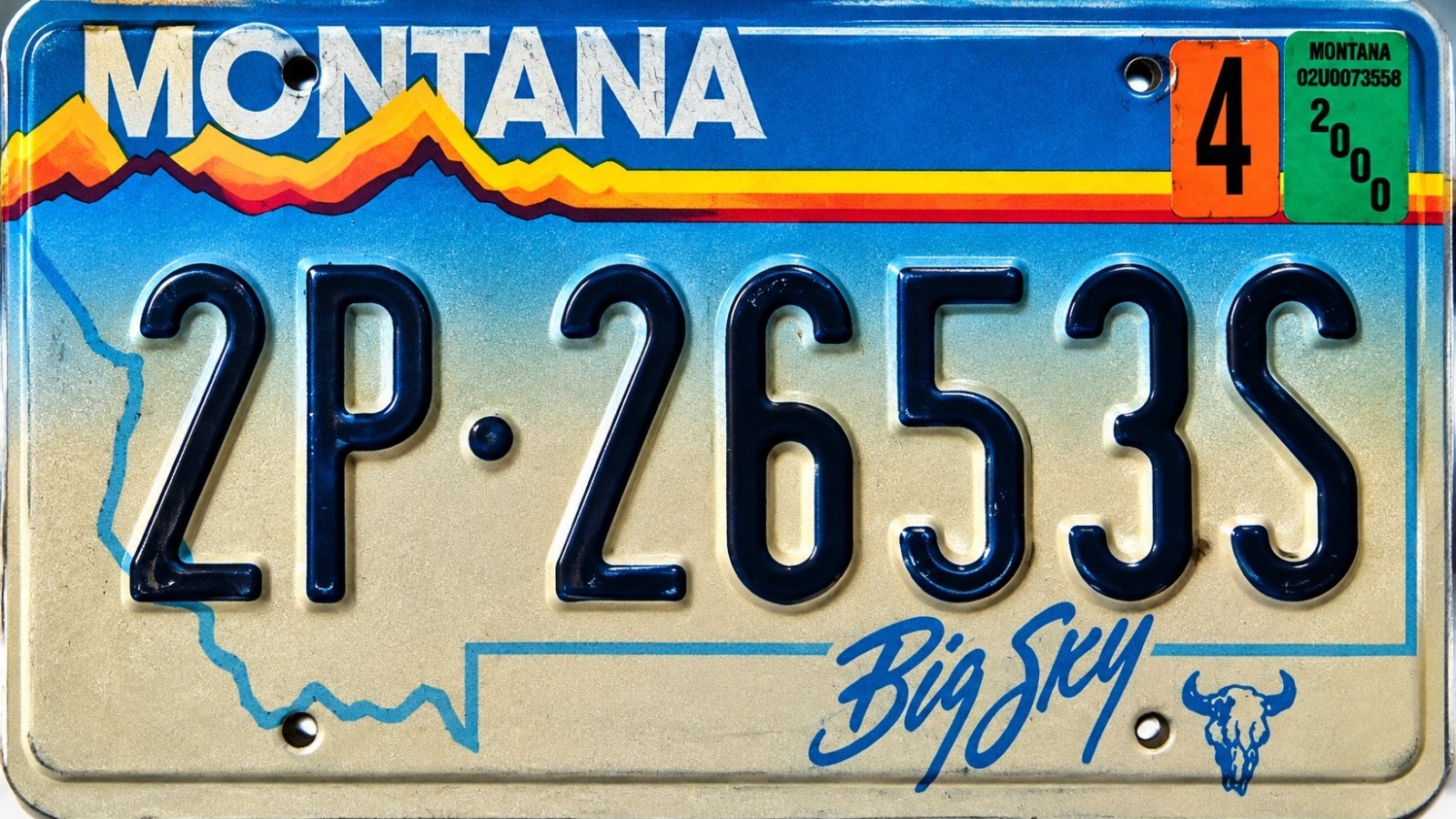
Montana’s vehicle-registration system is another part of the appeal. The state’s Motor Vehicle Division publishes registration rates based in part on the vehicle’s age rather than simply applying a percentage of its purchase price. For a light vehicle that is zero to four years old, the listed registration rate is currently $217.
Vehicles five to 10 years old are listed at $87, while vehicles 11 years or older qualify for a $28 rate, although additional fees and taxes can apply.
Those figures should not be mistaken for an all-in cost for every vehicle. Montana’s actual registration calculation can include additional charges, and the state directs owners to its fee estimator for the applicable total.
Still, put Montana’s system next to a state where a buyer can owe a substantial sales or use tax on a six-figure vehicle and the attraction becomes pretty obvious; the more expensive the car, the harder it is to ignore.
How Does the Montana LLC Strategy Work?
This is the part usually described online as the “Montana loophole.” The basic arrangement involves creating a Montana limited liability company and having the LLC own the vehicle. The company then handles the title and registration rather than the individual buyer registering the car personally.
That sounds complicated, but the motivation is fairly straightforward. If someone lives in a state with a significant vehicle tax burden, an LLC registered elsewhere can appear to offer a way around that cost. There is an important catch, though. An LLC is a legal entity. It is not a magic tax exemption.
The fact that a company was formed in Montana does not automatically mean another state loses the right to tax a vehicle that is actually being used or stored there. Tennessee’s Department of Revenue makes that point explicitly in its guidance on out-of-state LLC vehicle registration schemes, saying that an out-of-state LLC does not create an exemption when the vehicle is purchased for use in Tennessee.
That is the distinction buyers need to understand.
Why Would Someone Register a Car in Montana When They Live Elsewhere?
For an exotic-car owner, the potential financial difference can be enormous. Take a hypothetical $300,000 car. If the buyer is dealing with a state sales or use tax rate around 7%, the tax exposure could be roughly $21,000 before considering the state’s specific rules, exemptions, or other charges.
That is a serious amount of money to anyone. For someone buying a $300,000 car as a weekend toy, the temptation to investigate alternative ownership structures is easy to understand. The same applies to $500,000 cars, expensive motorhomes, and large vehicle collections.
It also explains why this practice became associated so strongly with supercars. Nobody pays much attention to a Montana plate on an old Honda. Put that plate on a new Ferrari and suddenly everyone wants to know what is going on.
Is It Legal to Drive a Montana-Plated Car in Another State?
Yes, a Montana plate can legitimately appear on a vehicle outside Montana. The important issue is why the vehicle is registered there and where it is actually being used.
State vehicle laws are not interchangeable. A state can impose its own registration and tax obligations on vehicles belonging to its residents or primarily used and stored within its borders. That is why the simplistic version of the Montana story “just form an LLC, and you don’t have to pay tax” is misleading.
Tennessee, for example, says vehicles bought for use in Tennessee can be subject to its sales or use tax even when the purchasing LLC is based outside the state. Its Department of Revenue specifically warns consumers about companies promoting out-of-state LLC structures as a way to avoid vehicle sales taxes.
So the plate is only one piece of the puzzle. Where the owner lives, where the LLC actually operates, where the vehicle is kept, and how it is used can all matter.
Why are States Cracking Down on Montana Registrations?
Because some states believe these arrangements are costing them substantial tax revenue. California offers a particularly clear recent example. On March 6, 2026, the California Department of Tax and Fee Administration announced an enforcement effort with the California DMV targeting high-end automobile dealers and customers connected to what it calls the “Montana Loophole.”
The agency said it had identified nearly 500 California dealers involved in more than 2,500 sales since 2023 to customers claiming the vehicles would be used in Montana. California estimated the activity was costing the state more than $10 million annually in lost tax revenue.
That is a significant development because it shows authorities are not treating the issue as merely an internet curiosity. California also said its review was not limited to LLC transactions. Its investigation covers sales to Montana purchasers more broadly.
In other words, having a Montana plate does not automatically put a target on a car. But a registration arrangement that appears designed to avoid taxes that properly apply elsewhere can attract attention.
Why Do Supercars Make the Montana Plate Trick So Noticeable?
It comes down to simple economics. When the car costs $30,000, a potential tax saving may be irritating but manageable. When the car costs $300,000, $500,000, or more, the same percentage becomes a much bigger number. Luxury and exotic cars also tend to be owned differently from ordinary transportation.
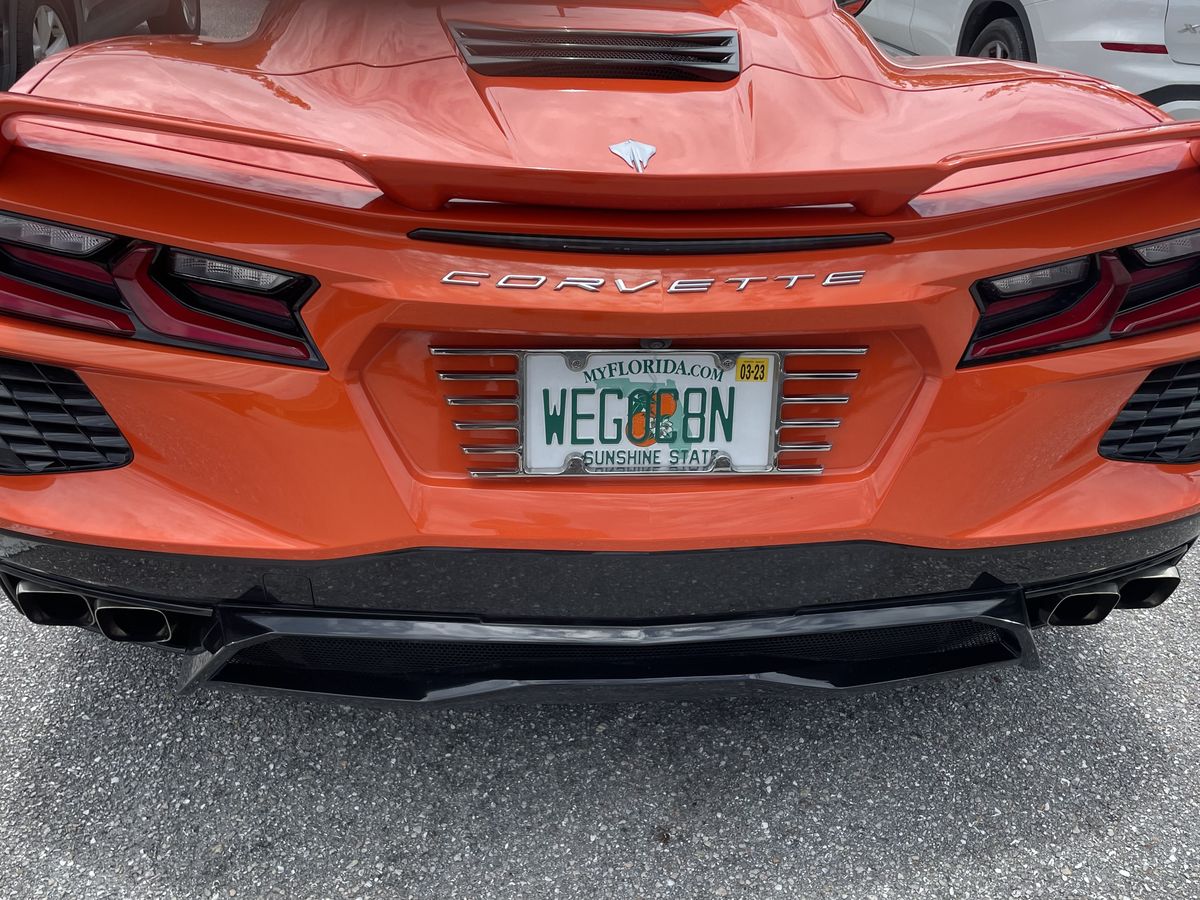
An owner might have a garage containing several cars. One might be a daily driver, another a Porsche for weekends, another a Ferrari for special occasions, and perhaps an expensive SUV for longer trips. Some cars can spend weeks or months sitting in storage.
That makes ownership structure, registration, and the vehicle’s actual location particularly relevant. It is also why the Montana plate has become such a recognizable sight in the exotic-car world. But there is still no way to determine the legality of a registration just by looking at the plate.
What Happens if a State Decides the Registration is Improper?
This is where the supposed bargain can turn ugly. If authorities determine that a vehicle should have been registered and taxed in their state, the owner may face demands for unpaid taxes along with interest, penalties, and registration-related costs. The exact consequences depend on the state’s laws and the circumstances of the case.
Tennessee says its Department of Revenue has conducted investigations into out-of-state LLC vehicle schemes that resulted in prosecutions and compliance audits used to recover taxes, penalties, and interest.
California’s 2026 enforcement announcement shows a similar willingness to investigate the people and businesses involved rather than simply ignoring questionable registrations.
That is why the word “loophole” can be dangerous. It makes something sound like a clever trick with a guaranteed outcome. In reality, the legality depends heavily on the facts.
Is a Montana Plate a Red Flag When Buying a Used Exotic Car?
Not by itself. If you’re shopping for a used Lamborghini and discover that it spent part of its life registered to a Montana LLC, that should prompt questions, not an automatic rejection. A serious buyer should be much more interested in the car’s actual history.
Check the VIN and title records. Look at mileage documentation. Ask for maintenance invoices. Find out who owned the car and whether there are gaps in its history. On a high-value vehicle, an inspection by a specialist familiar with that particular model can be worth far more than obsessing over the state printed on the plate.
The Montana registration may tell you something about the previous owner’s tax or ownership strategy. It does not tell you whether the engine has been abused, whether the car has been crashed, or whether it has been maintained properly.
For an enthusiast, those are much bigger concerns.
So Why Are Montana Plates on Cars That Never Go There?
Because Montana offers a combination that is unusually attractive to owners of expensive vehicles: no general sales tax and a registration system that can make the state appealing for certain ownership arrangements. The Montana LLC strategy grew around those advantages, and the savings can look especially tempting when the vehicle costs hundreds of thousands of dollars.
But there is no nationwide rule saying a Montana LLC makes an out-of-state vehicle tax-free. States such as Tennessee explicitly reject that idea, while California has stepped up enforcement against arrangements it believes are being used to evade California taxes.
So the next time a Ferrari rolls past with a Montana plate, the plate is best viewed as a clue rather than a verdict. The car may have a perfectly legitimate reason for being registered there. Or the owner may have found a tax strategy that their home state is very interested in questioning.
Either way, the real story isn’t where the plate comes from. It’s where the car actually lives, who owns it, and which state’s rules apply.