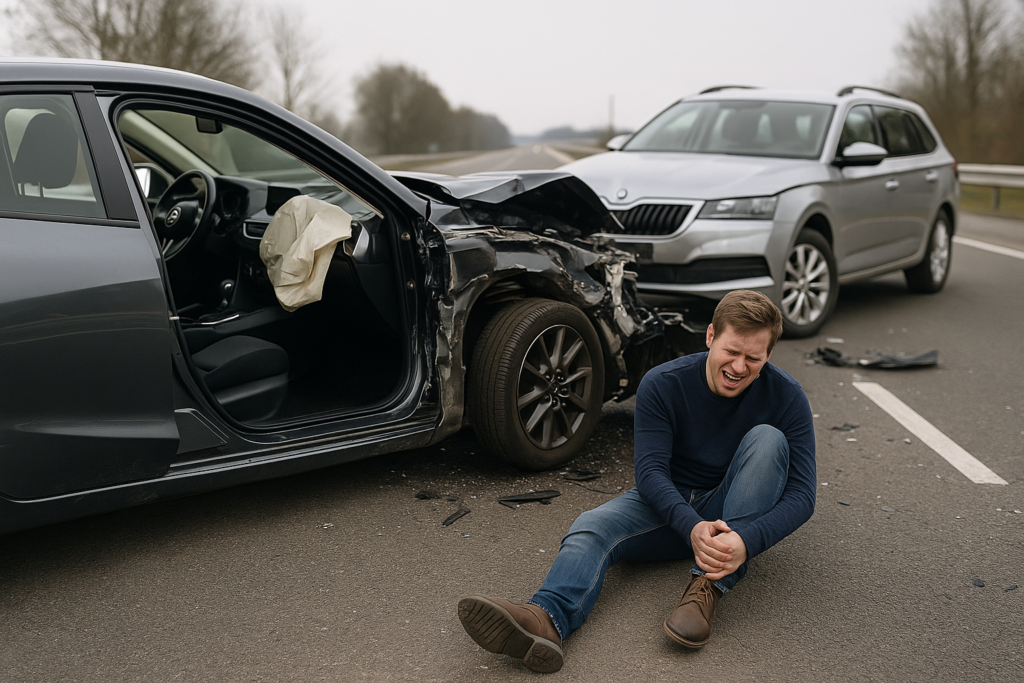
Sports cars are often associated with risky driving because of their speed and performance. Yet insurance data can paint a very different picture. The Highway Loss Data Institute examined personal injury protection claims for vehicles from the 2014 through 2016 model years, and the findings challenge the common assumption that sports cars are automatically more dangerous than other types of vehicles.
Several of the lowest injury-claim rates belong to sports cars, convertibles, and high-performance machines that most people assume would top the risky list. HLDI is careful to note this data reflects insurance-claim patterns rather than a formal safety rating, but the numbers still tell a fascinating story. Curious which cars actually protect their drivers the best? Here are the ten with the fewest injury claims filed.
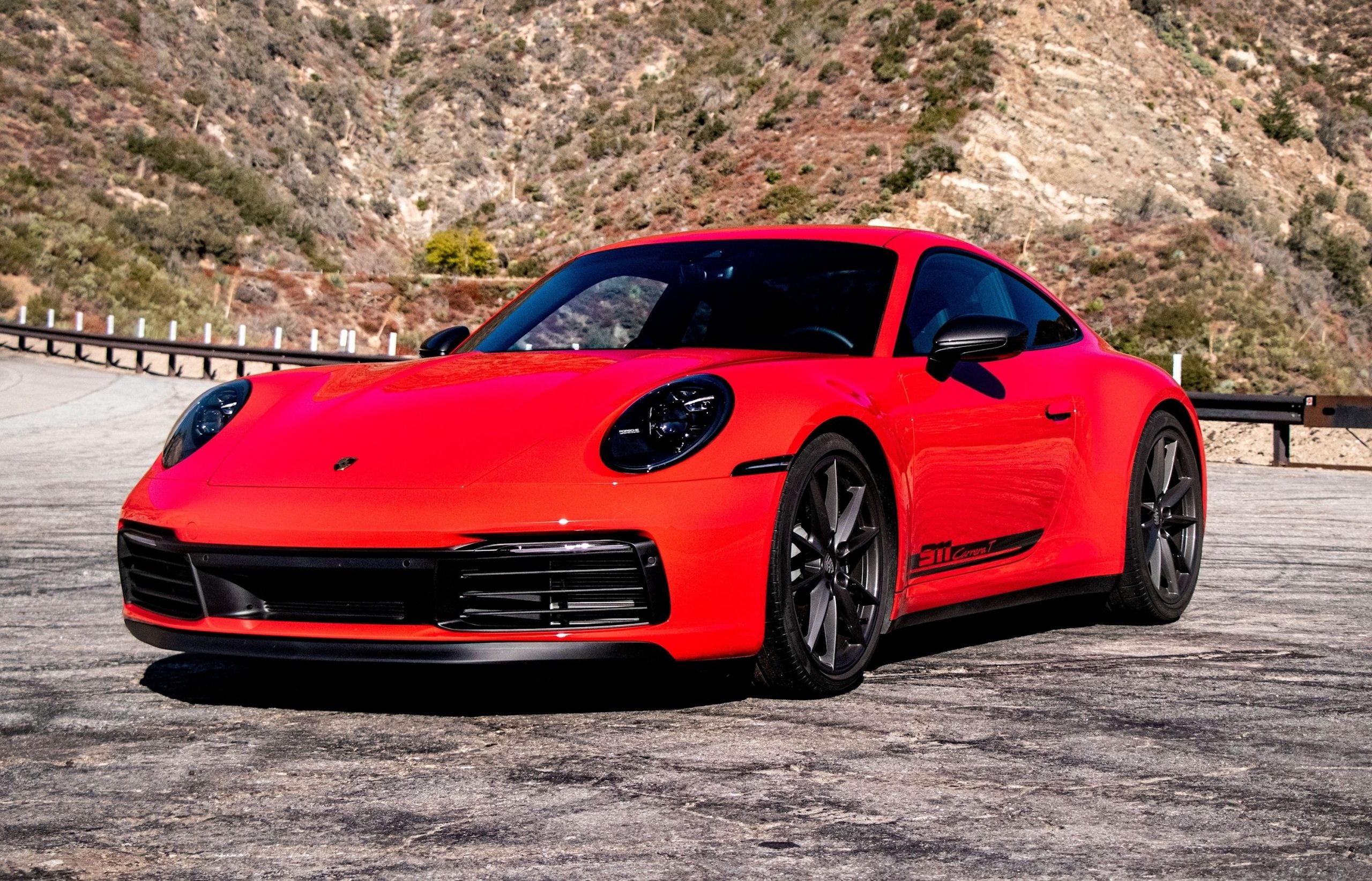
1. Porsche 911 Carrera
Few people would expect a high-performance sports car to lead a study on low injury claims, yet the Porsche 911 Carrera did exactly that. HLDI recorded just 4.4 PIP claims per 1,000 insured vehicle years for the 2014-2016 model years, giving it the lowest rate among the vehicles examined.
The figure was roughly one-quarter of the average for passenger vehicles during the same period. One possible reason relates to the people who buy and drive these cars. A 911 is rarely chosen as a basic commuter vehicle or a first car.
Many owners are experienced drivers who purchase the model because they appreciate its performance and handling. Their driving habits, mileage, and vehicle use may help explain the low number of injury claims recorded for the car.
The vehicle itself also has several qualities that may help drivers maintain control. Porsche has spent decades refining the 911, giving it responsive steering, strong brakes, and balanced handling. These features can help an attentive driver react when faced with an unexpected situation on the road.
However, the HLDI figure should be interpreted carefully. A low PIP claim frequency does not mean the 911 is automatically safer than every other vehicle in a crash. Insurance results can also be affected by driver age, mileage, location, and driving habits.
Even with those factors in mind, the 911 Carrera produced an unusual result. A sports car designed for performance recorded fewer injury claims than every other vehicle included in this particular study.
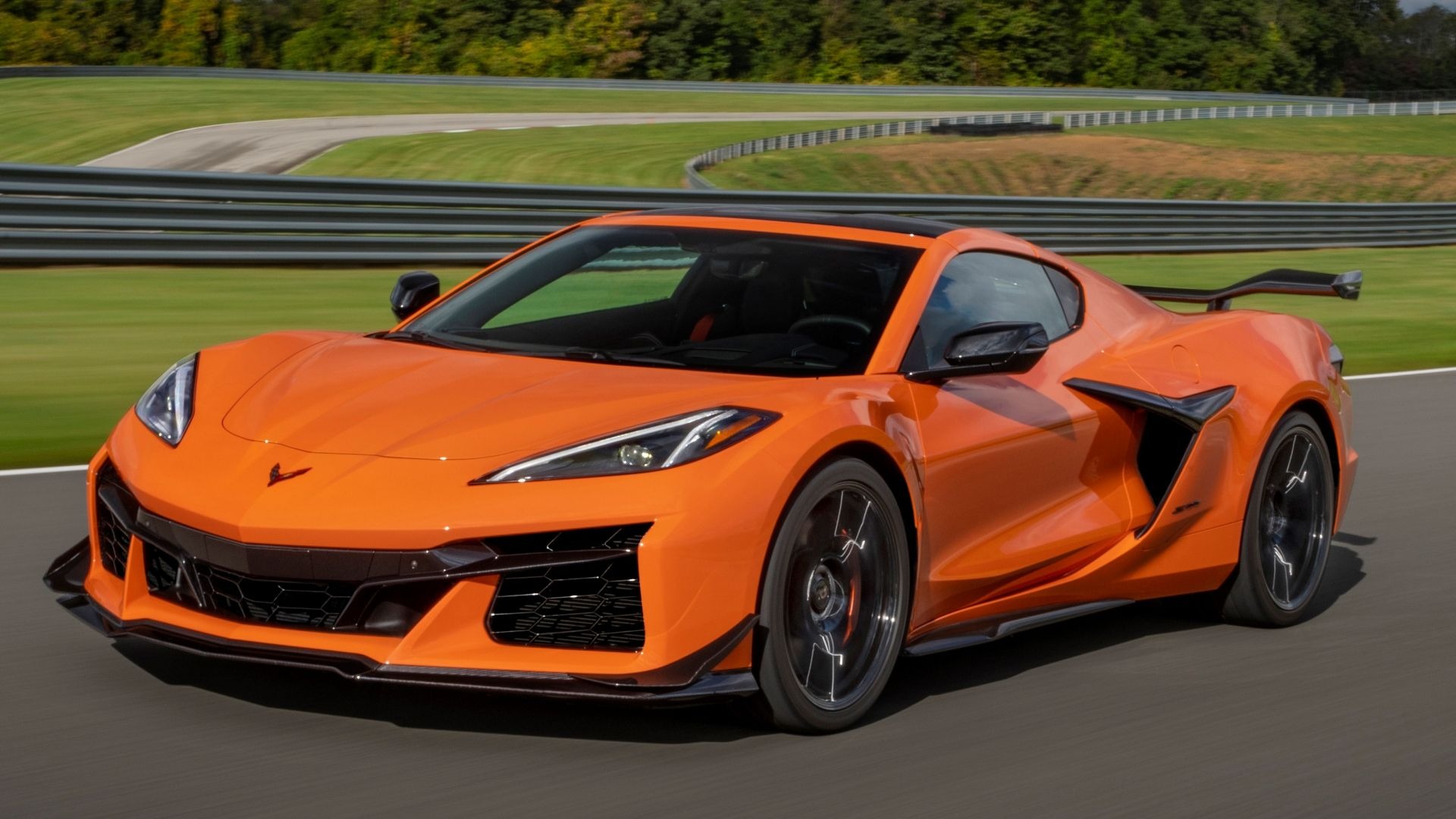
2. Chevrolet Corvette Z06
America’s answer to European supercar performance lands in second place, and the numbers back up why this car deserves genuine respect beyond its raw horsepower figures. The Corvette Z06 recorded 5.1 PIP claims per 1,000 insured vehicle years, a rate that HLDI calculated at roughly one-third of the average across all passenger vehicles studied.
This is a seriously fast machine, packing a supercharged V8 engine capable of eye-watering acceleration and track-ready handling. Yet that performance capability doesn’t appear to translate into higher injury-claim rates, which challenges the assumption that raw power automatically increases risk on public roads.
Driver demographics likely explain a meaningful part of this outcome. Z06 buyers tend to be enthusiasts who understand exactly what they’re driving and respect its capabilities, rather than casual drivers who stumbled into ownership by accident.
Many owners also use their Z06 for track days, channeling that performance into a controlled environment rather than public streets where risk factors multiply. Engineering deserves credit too.
Chevrolet built the Z06 with genuinely capable brakes, a wide stance, and precise steering feedback that gives skilled drivers real confidence when quick reactions become necessary.
Combined with careful buyer self-selection, these factors appear to produce a genuinely low claim frequency for a car most people assume belongs firmly in a riskier category.
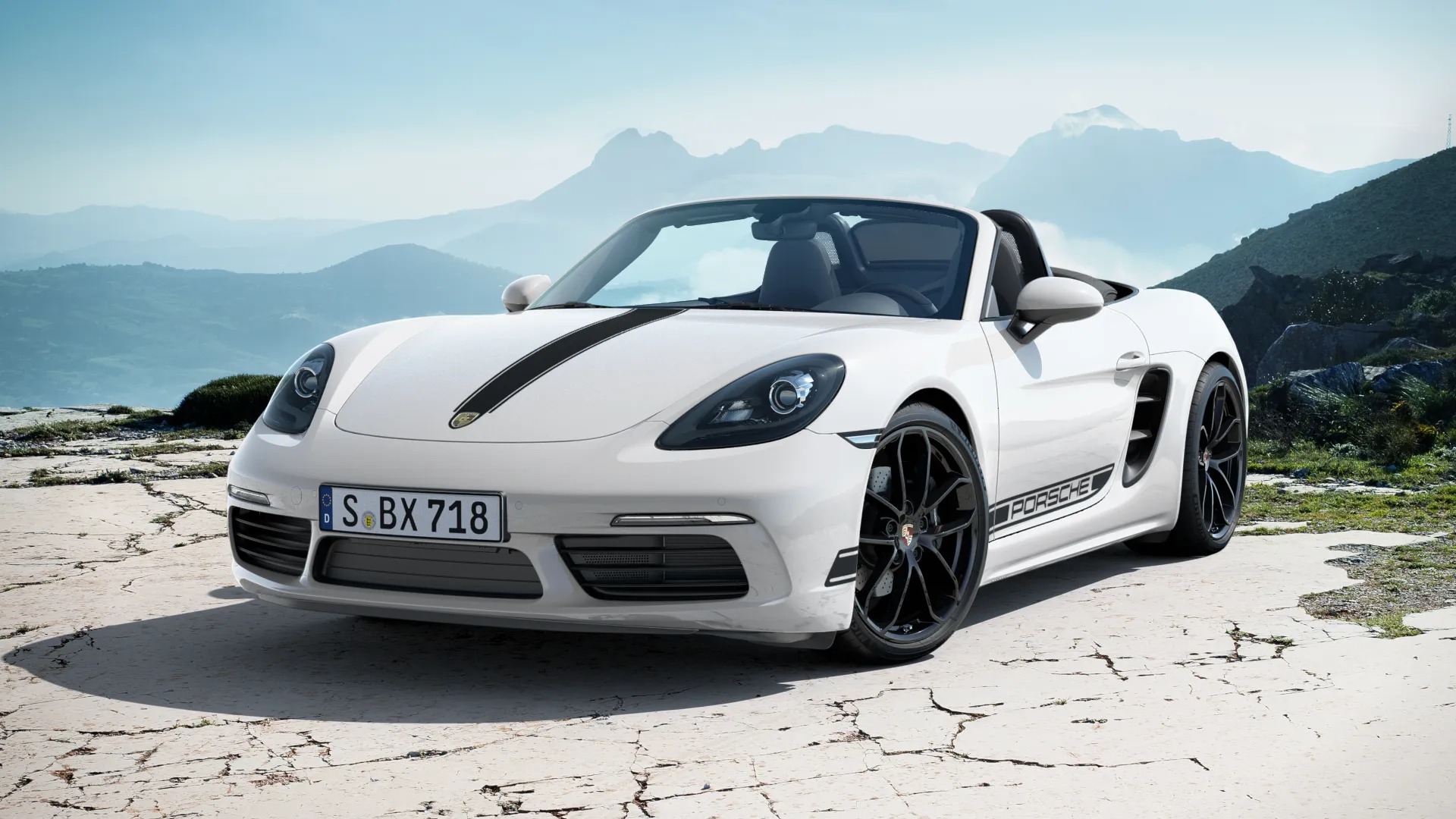
3. Porsche Boxster
Rounding out the podium is another Porsche, proving that this German automaker’s engineering philosophy consistently produces cars that keep injury claims remarkably low.
The Boxster recorded 5.2 claims per 1,000 insured vehicle years, landing just behind the Corvette Z06 and reinforcing a clear pattern forming at the top of this list. As a smaller, mid-engine sports car, the Boxster brings a different character to the table compared to its Corvette and 911 counterparts.
Its balanced weight distribution, achieved by placing the engine behind the driver but ahead of the rear axle, gives this convertible exceptional cornering stability and predictable handling characteristics that many drivers find genuinely confidence-inspiring.
Buyer profile matters here as well. Boxster owners often skew toward drivers who appreciate precision and control over outright straight-line speed, a mindset that tends to correlate with more measured driving habits generally.
This isn’t a car typically marketed toward or purchased by younger, less experienced drivers who statistically generate more claims across nearly every vehicle category.
Porsche’s reputation for building genuinely well-engineered chassis systems extends throughout its entire lineup, and the Boxster’s presence here alongside the 911 suggests that reputation is earned rather than simply marketed. Three sports cars in the top three spots sends a clear message about this data.
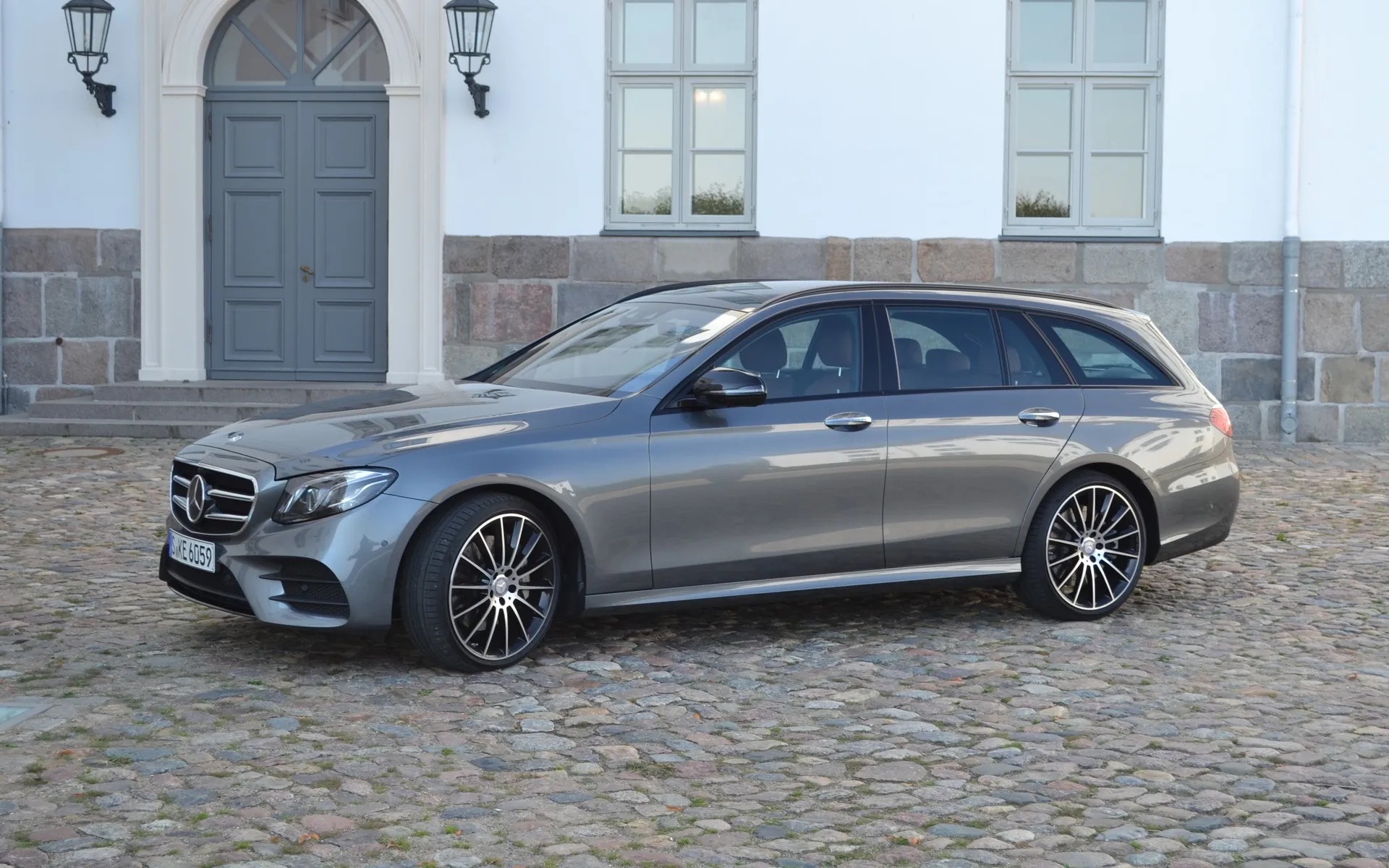
4. Mercedes-Benz E-Class Station Wagon 4WD
Here’s where this list takes an unexpected turn. After three consecutive sports cars, the four-wheel-drive Mercedes-Benz E-Class Station Wagon breaks the pattern entirely, recording 5.5 PIP claims per 1,000 insured vehicle years.
A family wagon outperforming most sports cars on the road? That’s exactly what happened. This result deserves attention precisely because it’s so unusual. Every other vehicle in the top four belongs to the sports car category, making this wagon’s inclusion genuinely noteworthy within the broader data set.
Buyers choosing a large luxury wagon typically prioritize safety, practicality, and family-friendly features over aggressive performance, a mindset that likely shapes driving behavior in meaningful ways.
Mercedes-Benz built this generation of E-Class around a genuinely rigid platform, packed with advanced driver-assistance features and a comprehensive airbag system designed to protect occupants during a collision.
The four-wheel-drive configuration adds stability during adverse weather conditions too, potentially reducing the kind of loss-of-control incidents that generate injury claims in the first place.
Buyer demographics almost certainly play a role as well. Families purchasing a premium wagon tend to include experienced drivers with dependents riding along, a combination that historically correlates with more cautious driving habits behind the wheel. This entry proves that low injury-claim rates aren’t reserved exclusively for two-seat sports cars built for speed.
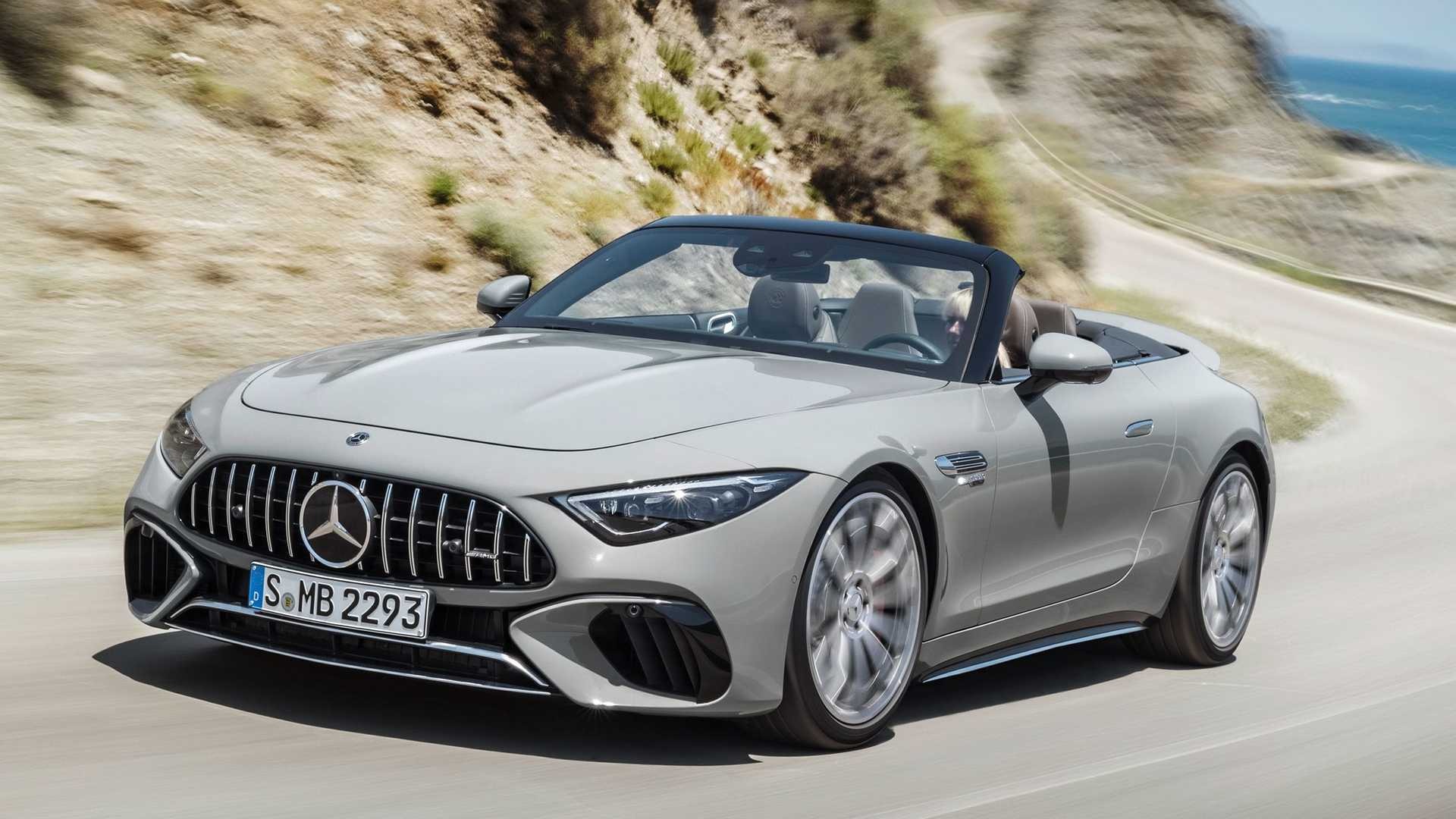
5. Mercedes-Benz SL-Class
Convertibles carry their own particular reputation, often assumed to attract flashier, less cautious drivers chasing attention on the road. The Mercedes-Benz SL-Class quietly dismantles that stereotype, recording 6.3 injury claims per 1,000 insured vehicle years and landing comfortably ahead of several other premium sports cars examined in this study.
What makes the SL-Class particularly interesting is its dual identity. This is genuinely a grand touring convertible, built more for confident, sustained highway cruising than aggressive canyon carving, though it certainly delivers respectable performance when asked.
That character likely attracts buyers seeking comfort and refined driving experiences rather than adrenaline-chasing behavior behind the wheel. Mercedes-Benz equipped this generation with a retractable hardtop roof, adding structural rigidity and a genuine safety cage that soft-top convertibles simply cannot match.
Combined with a comprehensive suite of stability and traction control systems, the SL-Class gives drivers substantial protection even when conditions turn unpredictable on the road.
Price point matters here too. This is an expensive vehicle that typically attracts established, financially secure buyers rather than younger drivers working with a limited budget.
That demographic reality likely contributes meaningfully to the low claim frequency recorded across this particular model, reinforcing a pattern seen throughout much of this list regarding who actually purchases these premium vehicles.
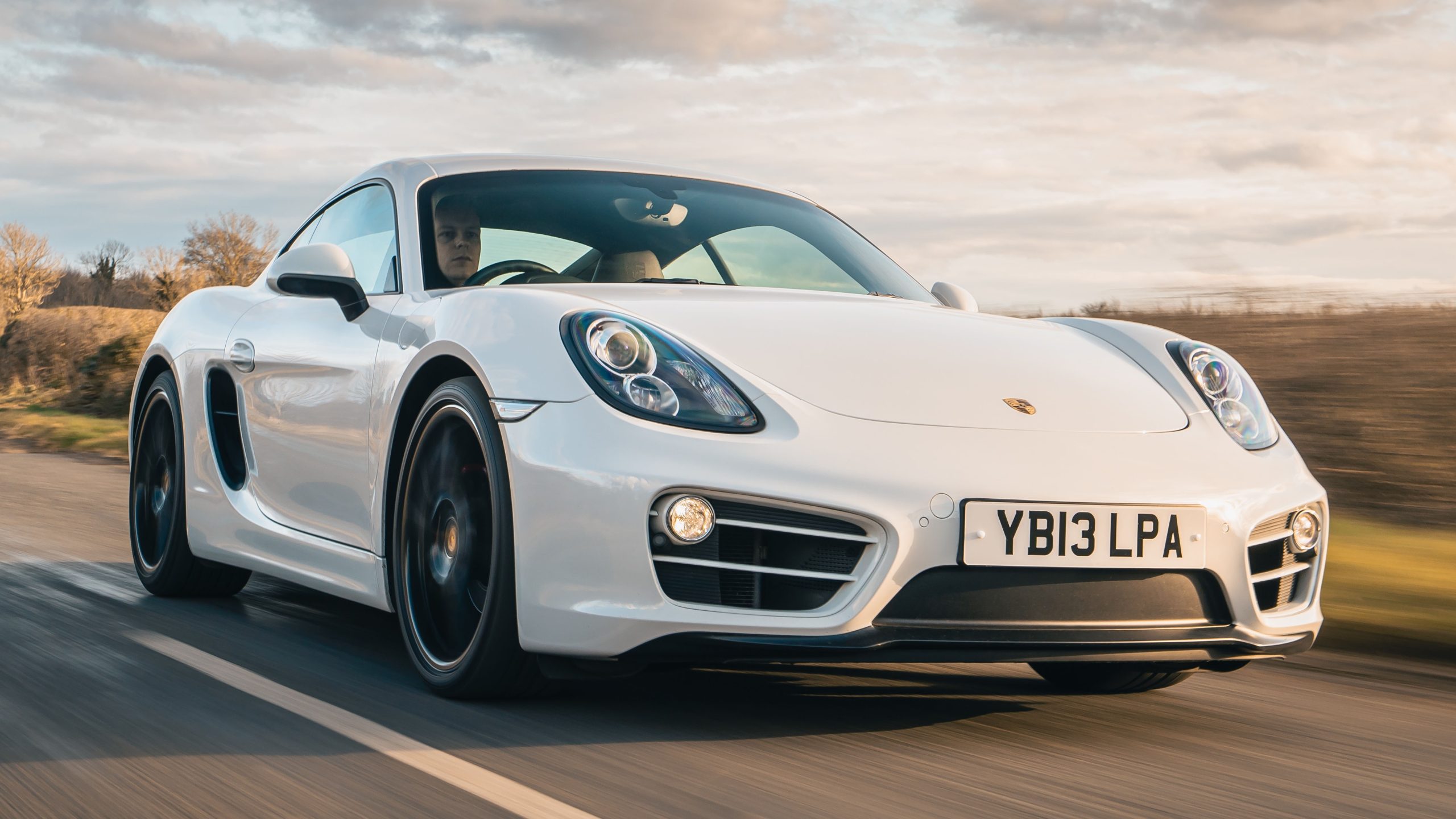
6. Porsche Cayman
Porsche continues to appear strongly in this insurance data, with the Cayman earning a place among the vehicles with the fewest injury claims. The model recorded 6.8 PIP claims per 1,000 insured vehicle years, giving it one of the lowest rates in the study.
Built around a similar mechanical foundation as the Boxster, the Cayman uses a mid-engine layout and precise handling in a coupe design. This setup helps the car remain balanced through corners and respond predictably when the driver needs to make sudden steering corrections. Such characteristics can be useful when dealing with unexpected road conditions or sudden hazards.
The presence of several Porsche models near the top of the study is worth mentioning. Four models made the top six, showing that the brand performed consistently well in this particular insurance measure.
Porsche vehicles are known for careful chassis tuning, strong braking performance, and engineering focused on responsive driving, which may contribute to their low injury-claim figures.
Driver behavior may also play a part in the results. Cayman owners are often people who specifically choose the car for its driving qualities and may have greater familiarity with performance vehicles.
Still, insurance data alone cannot prove that owner behavior caused the low claim rate. Factors such as vehicle use, mileage, driver demographics, and where cars are driven can also affect claim figures.
The Cayman’s 6.8 claims per 1,000 insured vehicle years therefore provide an interesting data point, but the figure should not be treated as a direct measure of crash safety. It simply shows that the model recorded a low frequency of PIP injury claims during the period covered by the study.
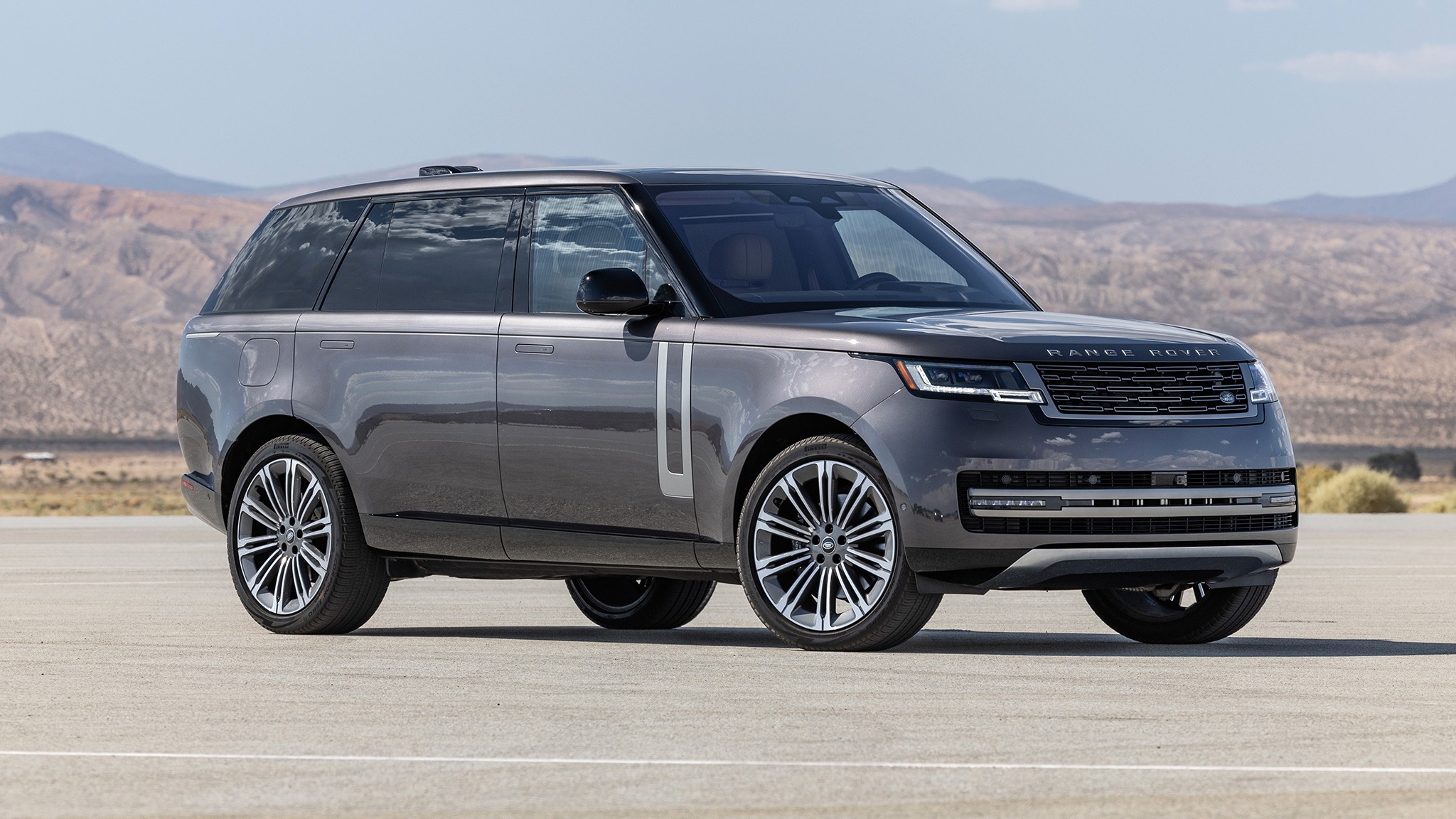
7. Land Rover Range Rover 4WD
The Range Rover stands apart from the other vehicles in this group because it is the only SUV included among the top 10. HLDI recorded 6.9 PIP claims per 1,000 insured vehicle years for the Range Rover 4WD, placing it among the vehicles with the lowest claim frequencies in the study.
One possible advantage comes from the vehicle’s size and weight. A larger SUV carries more mass than a typical sports car, which can provide certain benefits during some types of crashes.
However, vehicle size alone does not determine how well occupants are protected, so the claim figures should not be treated as a direct safety rating.
Driver characteristics may also have influenced the results. Range Rover buyers generally pay a premium for their vehicles, and age differences, driving habits, mileage, and vehicle use can affect how often insurance claims are filed.
These factors make it difficult to connect the low claim rate to the vehicle alone. The Range Rover also offers four-wheel drive and various stability systems designed to help drivers maintain control on wet, slippery, or uneven roads. Such equipment can be useful when road conditions become difficult and may help prevent certain crashes from occurring.
Its place on the list is particularly interesting because most of the other vehicles recorded near the top were sports cars, convertibles, or a luxury wagon. The Range Rover therefore provides a useful reminder that low injury-claim figures are not limited to small or performance-focused vehicles.
Its 6.9 claims per 1,000 insured vehicle years show that this large luxury SUV also recorded favorable insurance results during the period covered by the HLDI study.
8. Chevrolet Corvette
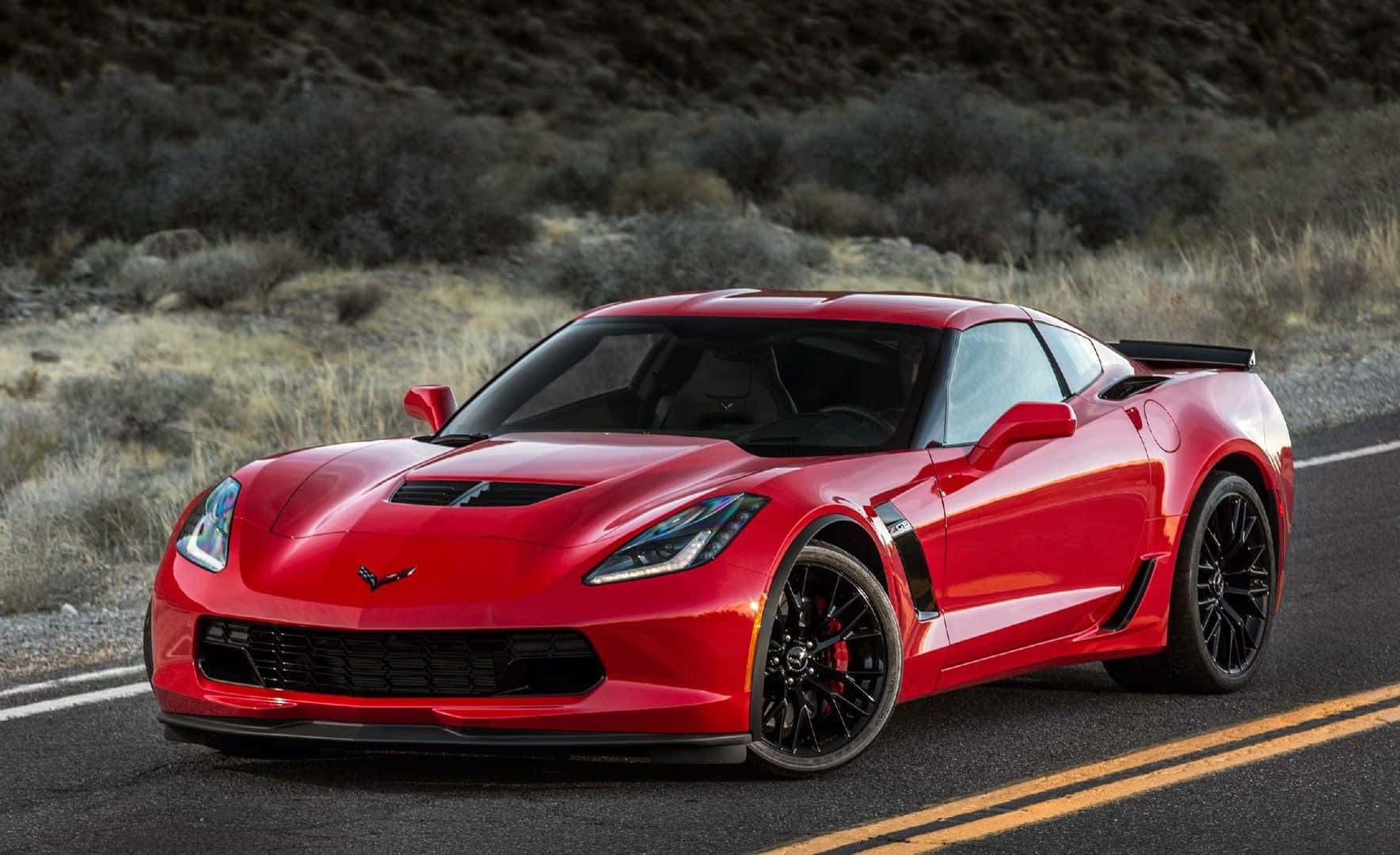
The standard Corvette earns its own spot separate from the Z06 variant covered earlier, recording seven PIP claims per 1,000 insured vehicle years. That places this base model comfortably among the lowest-frequency vehicles in the entire study, right alongside its more powerful sibling.
Two Corvette variants appearing this close together on the list speak volumes about the platform itself rather than just one specific configuration.
Chevrolet built this generation around a genuinely capable chassis, one that delivers confident handling and strong braking performance regardless of whether buyers choose the standard engine or step up to the more powerful Z06 package.
Ownership patterns likely explain much of this outcome too. Corvette buyers frequently fall into an older, more established demographic, often purchasing the car as a reward after years of career success rather than as a first vehicle purchased fresh out of driving school.
That buyer profile consistently correlates with more measured driving habits across insurance data generally, not just within this specific study. American engineering deserves genuine credit here as well.
This generation of Corvette earned praise for its precise steering feel and confident high-speed stability, qualities that help drivers maintain control during unexpected situations rather than simply relying on raw power to get out of trouble. The base Corvette’s presence here reinforces just how capable this entire platform genuinely is.
9. Chevrolet Corvette Convertible
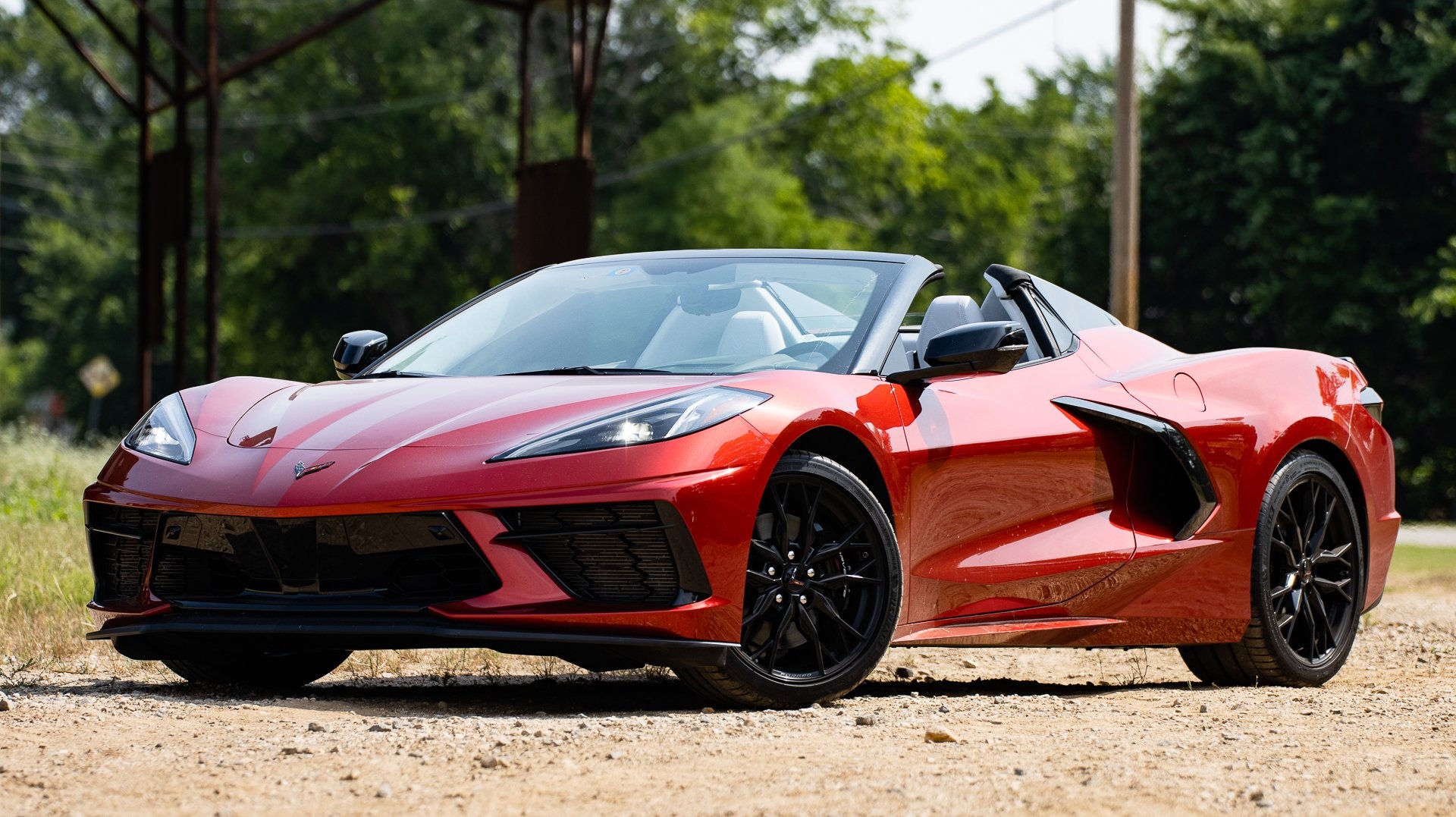
A third Corvette variant appears on this list, and the numbers keep telling the same encouraging story. The Corvette Convertible recorded 7.1 claims per 1,000 insured vehicle years, a figure that happens to exactly match the Tesla Model S appearing right behind it in tenth place.
Three separate Corvette configurations landing within this top 10 represents a genuinely rare achievement for any single nameplate. It suggests the underlying platform, rather than any single trim or engine configuration, deserves credit for these consistently strong results across coupe, convertible, and high-performance Z06 body styles alike.
Removing the roof doesn’t appear to meaningfully change the safety equation here either. Chevrolet reinforced the convertible’s structure to maintain rigidity despite losing the fixed roof panel, and modern rollover protection systems deploy automatically during a rollover event, providing occupant protection that older convertibles never possessed.
Buyer demographics once again likely play a meaningful role in these results. Convertible Corvette owners tend to share the same general profile as their coupe-driving counterparts: established, experienced drivers who purchased this car deliberately rather than by accident or financial necessity.
Matching the Tesla Model S at exactly 7.1 claims per 1,000 insured vehicle years creates a genuinely interesting comparison point between a traditional gas-powered convertible and an all-electric luxury sedan, two vehicles that couldn’t be more different mechanically yet somehow arrived at an identical outcome.
10. Tesla Model S
Closing out this list is the only electric vehicle to earn a spot among these ten, and its presence here carries real weight for an industry still working to prove its safety credentials to skeptical buyers.
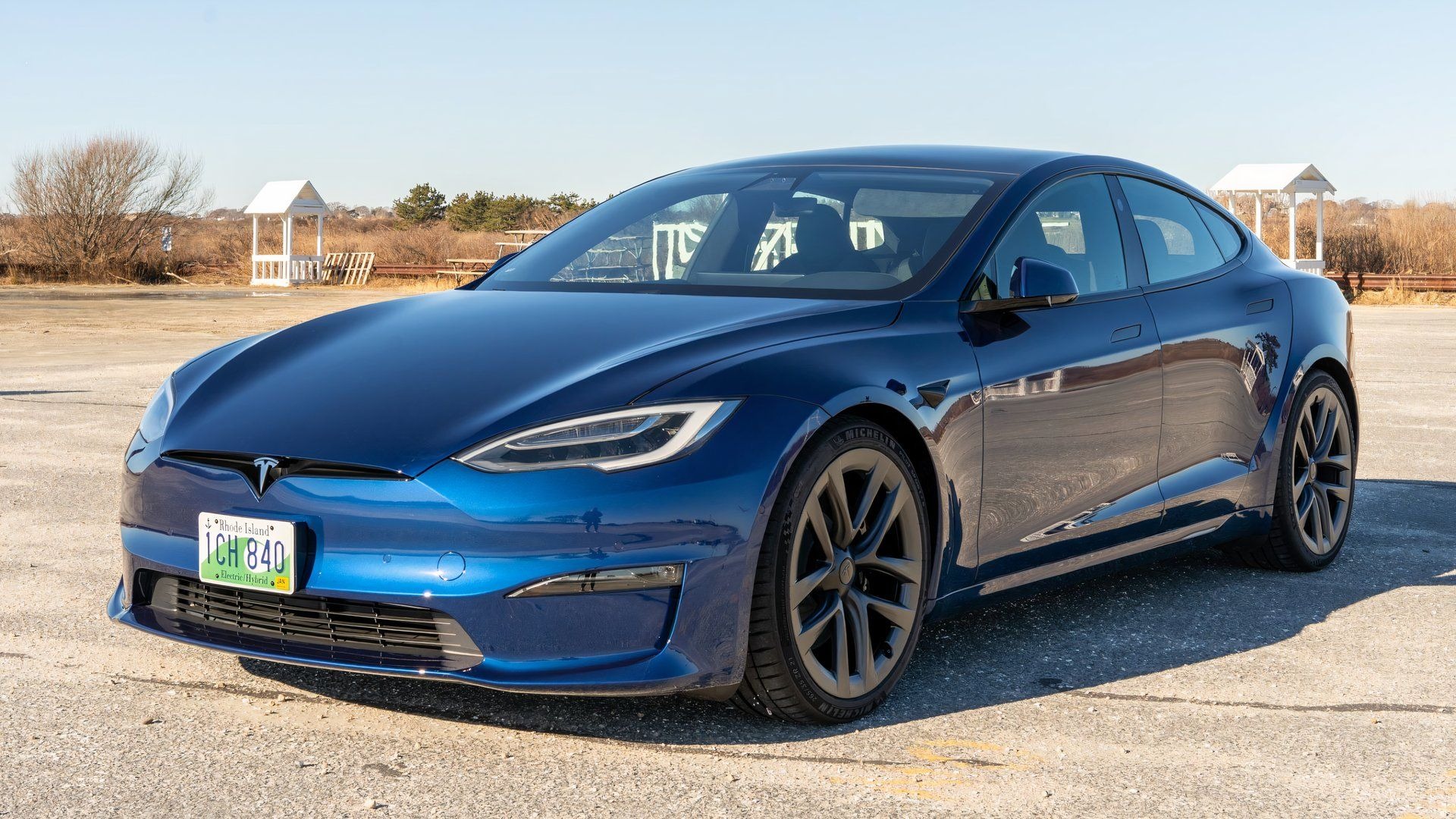
The Tesla Model S matched the Corvette Convertible with 7.1 PIP claims per 1,000 insured vehicle years, a genuinely strong result for any large luxury sedan. Weight distribution gives the Model S a distinct engineering advantage over traditional gas-powered vehicles.
With its battery pack mounted low across the entire floor of the car, this sedan achieves an exceptionally low center of gravity, a characteristic that dramatically reduces rollover risk compared to vehicles with a higher-mounted powertrain sitting under the hood.
Instant electric torque also gives drivers genuinely quick acceleration when merging or avoiding a sudden hazard, potentially helping prevent certain collision types before they ever develop into a dangerous situation on the road.
Buyer demographics likely contribute here too, following a pattern seen throughout much of this list. Model S ownership required a substantial financial investment during these model years, attracting buyers who tend to be older, established, and statistically more cautious behind the wheel compared to younger drivers across the broader vehicle market.
As the sole electric vehicle in this particular top 10, the Model S offers a genuinely compelling data point for anyone still questioning whether electric vehicles can match or beat traditional gas-powered cars when it comes to real-world injury-claim outcomes.