
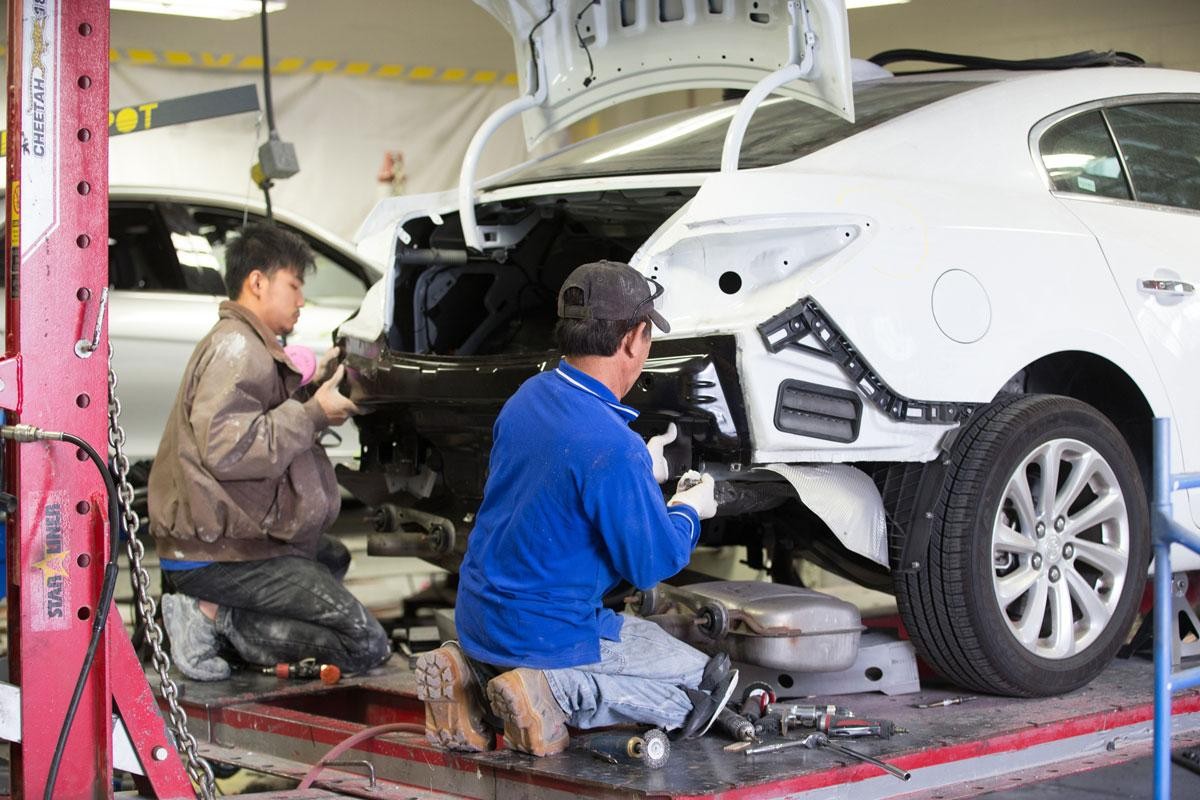
Collision repair cost isn’t really about a car’s price tag. It’s about labor hours and parts pricing. Estimating platforms like CCC ONE and Mitchell WorkCenter price every repair the same way. They combine a fixed labor rate with the time a specific job takes, then add parts cost on top.
Cars that share simple platforms across huge sales volumes tend to win here. Their bumpers, fenders, and headlamps are mass-produced and cheap to source.
Aftermarket and recycled parts markets are deep for these vehicles too. That competition keeps prices down even at the dealership counter. Labor time matters just as much as parts. A bumper that unbolts in twenty minutes costs far less than one requiring sensor recalibration and trim removal.
Vehicles without heavy ADAS stacks, aluminum panels, or complex sensor-laden bumpers avoid the biggest cost inflators in modern repair work. That’s a major reason older-generation compact sedans still repair cheaply.
The eight vehicles below consistently land at the low end of body-shop invoices. Each one earns that spot for slightly different reasons, from parts economics to structural simplicity.
1. Toyota Corolla
The Corolla is arguably the single easiest car to source parts for in North America. Toyota has sold millions of them across nearly every model year.
That volume means junkyards, aftermarket suppliers, and even Toyota’s own parts network are flush with Corolla components. Estimators rarely face backorder delays that stretch out labor and rental costs.
Its front and rear bumper covers are simple, single-piece designs. There’s minimal complexity around fog lights, trim clips, or integrated sensor housings on base and mid-trim versions.
Labor time for common jobs like fender replacement or bumper resprays sits well below the compact-sedan average. Mitchell’s labor guide reflects this through lower flagged hours for R&I (remove and install) work.
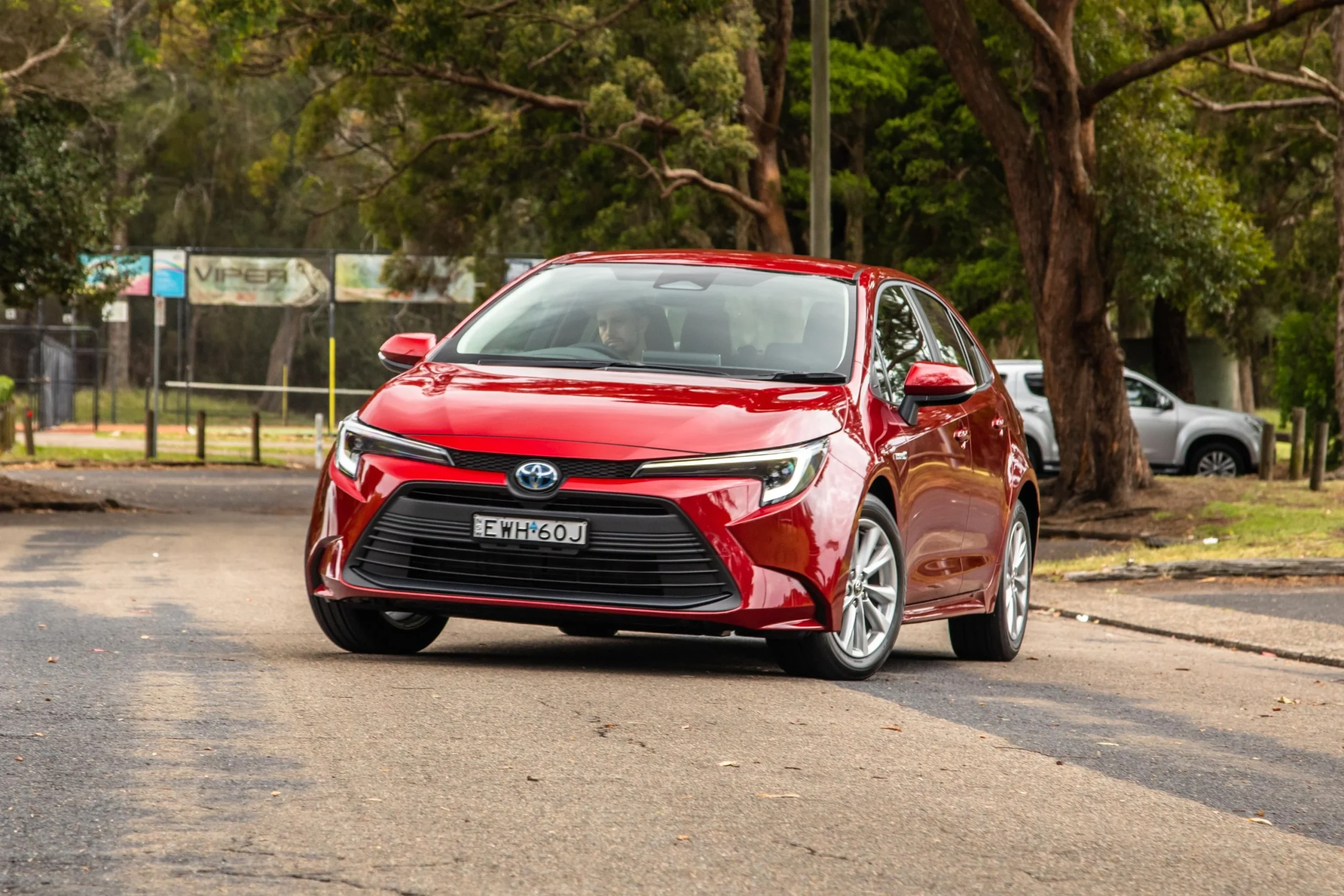
Steel body panels dominate the Corolla’s construction. There’s no aluminum hood or high-strength boron steel to slow down welding and alignment work.
Even the higher trims with Toyota Safety Sense keep camera and radar units in accessible, standardized locations. Recalibration after a bumper or windshield job is comparatively quick.
Insurance data consistently shows the Corolla posting some of the lowest average claim severities in the compact class. Total losses are also less common because repair costs rarely approach the vehicle’s value.
Resale value stays healthy specifically because repair history rarely balloons. A minor fender-bender doesn’t tank a Corolla’s value the way it might on a pricier import.
Owners in high-traffic cities benefit the most from this profile. Frequent minor collisions become financially manageable rather than dreaded. For anyone cross-shopping compact sedans purely on total cost of ownership, the Corolla’s repair economics are hard to beat.
2. Honda Civic
The Civic shares much of the Corolla’s advantage through sheer production volume. It’s been a top-three seller in its segment for decades. That means Honda’s parts network and the aftermarket both stock Civic components deeply. Estimators can usually quote same-week parts availability.
Where the Civic really wins is labor efficiency. Honda’s engineers design body panels with straightforward fastener patterns that keep R&I times low.
Its bumper covers, unlike some German and Korean rivals, don’t integrate excessive brackets or foam structures that multiply labor hours. A simple rear bumper job stays close to entry-level pricing.
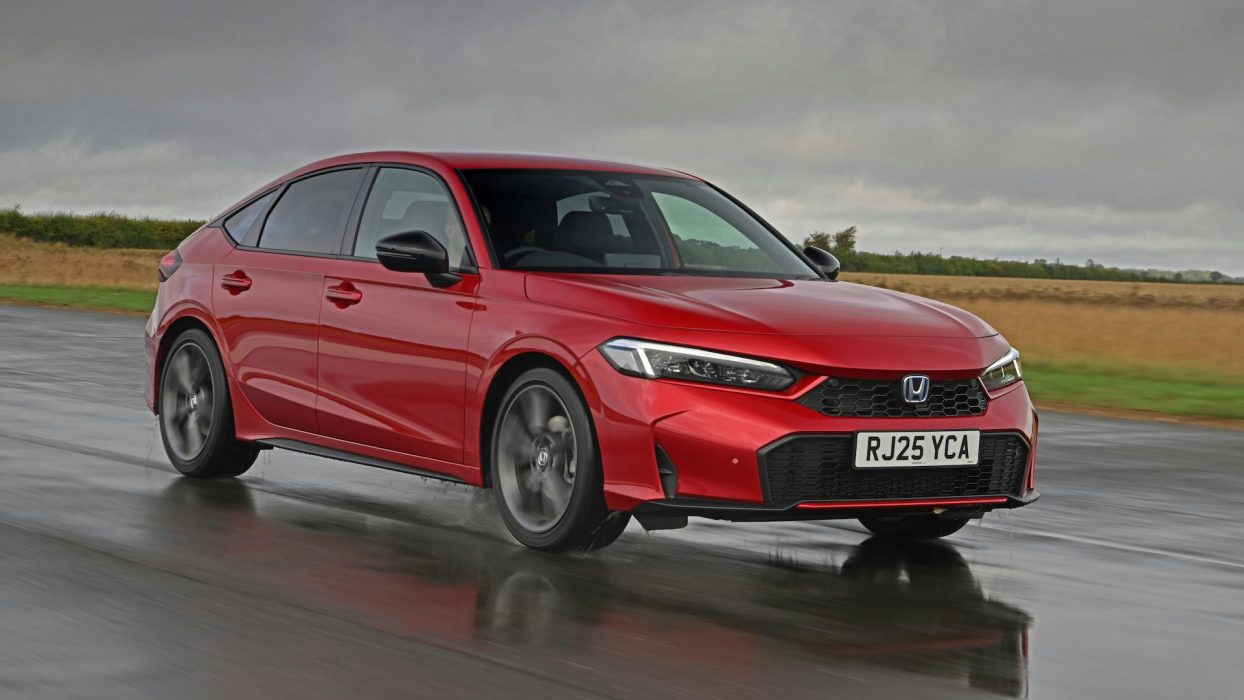
Base and Sport trims skip some of the sensor-dense front fascias found on Touring models. That keeps calibration costs off many repair tickets entirely.
Even the Civic Si and Type R, while pricier to fix due to performance parts, remain cheaper than most European hot hatches in the same power class. Standard Civic sedans and hatchbacks are the real value story here.
CCC’s claims severity data typically shows the Civic tracking below the compact-car segment average. Paint and refinish costs also stay modest because Honda uses widely available OEM color codes.
Structural repairs are rarely dramatic on a Civic. Its unibody design responds predictably to standard pulling and measuring equipment most shops already own.
Insurance premiums often reflect this repair-friendliness through comparatively lower comprehensive and collision rates. That’s a real dollar benefit beyond the shop invoice itself. For buyers weighing daily-driver practicality against long-term ownership costs, the Civic remains one of the safest bets in the segment.
3. Hyundai Elantra
Hyundai has spent the last decade closing the gap with Toyota and Honda on both quality and parts logistics. The Elantra is the clearest beneficiary of that investment.
Hyundai’s warranty-driven parts distribution network ensures dealers keep common crash parts in stock. That reduces the downtime that often inflates rental car costs on a claim.
The Elantra’s sheet metal is simple and modular. Fenders, doors, and bumper covers replace as standalone units without excessive substructure work.
Its base trims use conventional steel bumpers with minimal integrated electronics. That keeps calibration fees off a large share of repair estimates.
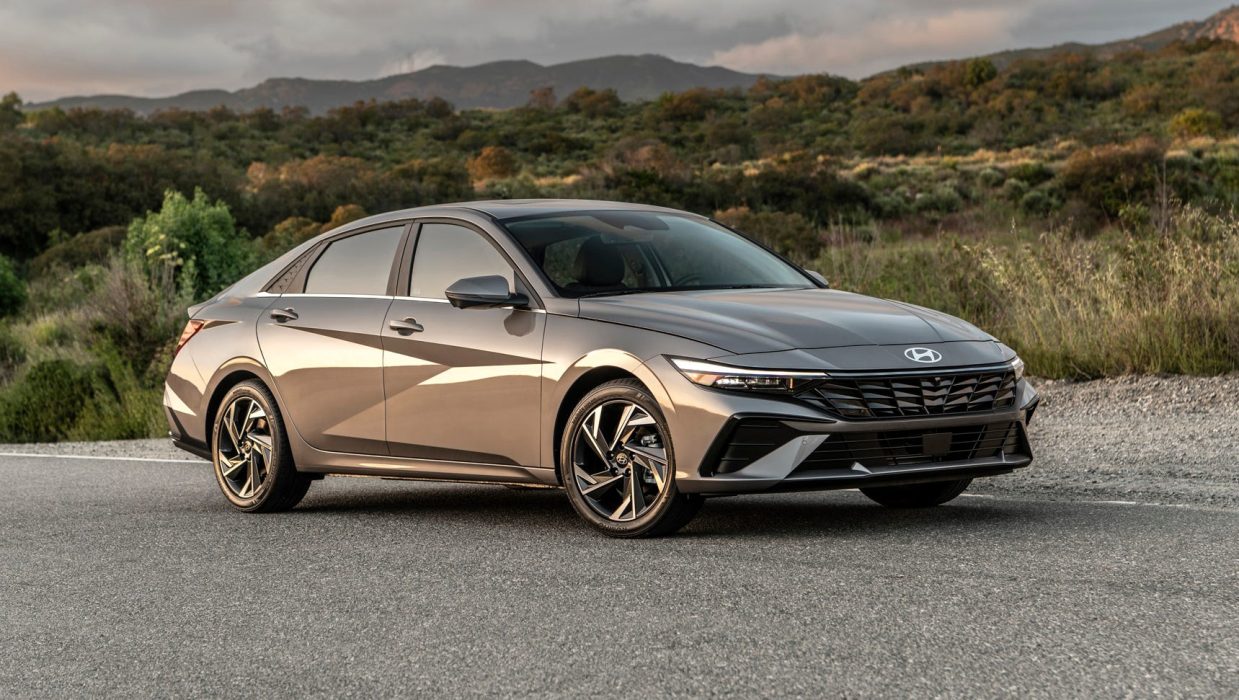
Aftermarket crash parts for the Elantra have expanded significantly as the car’s market share has grown. More competition among suppliers pushes part prices down further.
Labor guides in Mitchell and CCC reflect Hyundai’s design philosophy of accessible fasteners and modular assembly. Techs spend less time on tricky removal steps compared to some European compacts.
Hyundai’s 10-year powertrain warranty indirectly helps too. It keeps used Elantras on the road longer, sustaining demand for the parts ecosystem that keeps prices competitive.
Total loss thresholds are rarely triggered on Elantra claims because repair costs stay proportionate to the car’s value. That’s a meaningful advantage for owners financing the vehicle.
Insurers have taken notice, often quoting lower collision coverage premiums for Elantra owners than for comparably sized rivals. That’s a direct downstream benefit of its repair profile. For budget-focused buyers, the Elantra offers Corolla-like repair economics with a longer factory warranty attached.
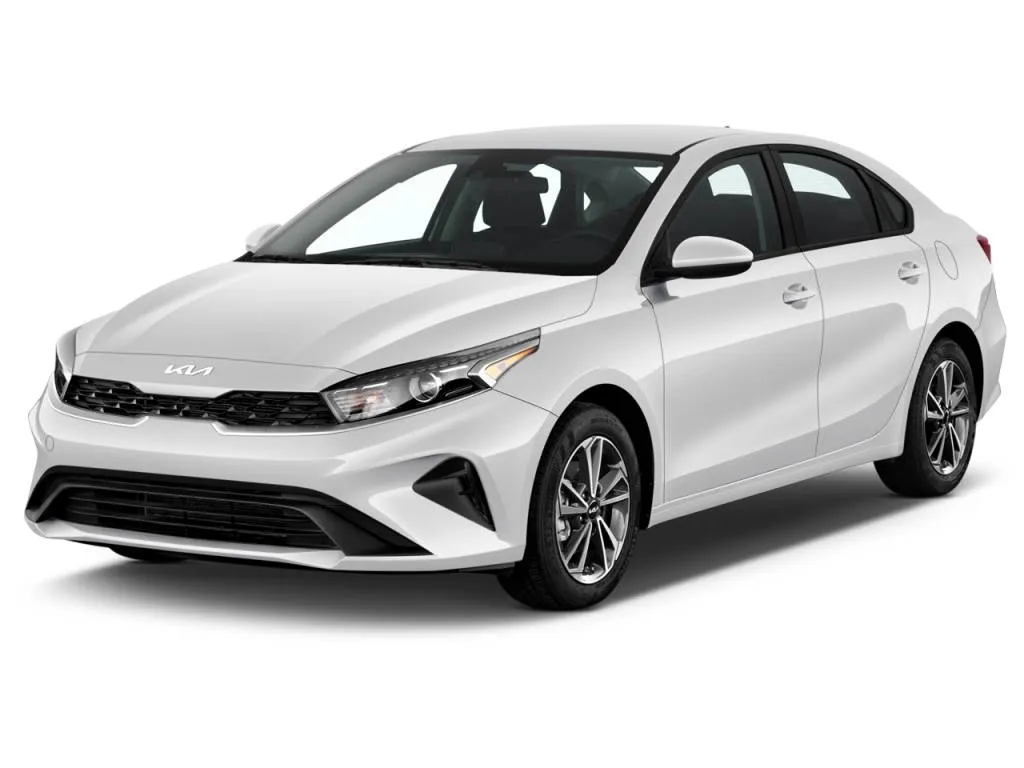
4. Kia Forte
The Forte shares its platform DNA with the Elantra, since both come from the Hyundai-Kia group. That shared engineering keeps parts costs and labor times similarly low.
Kia’s crash parts pricing tends to undercut both Japanese and domestic competitors. It’s part of a broader strategy to compete on total ownership cost, not just sticker price.
The Forte’s exterior panels use simple stamping with few compound curves. That simplicity translates directly into shorter labor times for dent repair and panel replacement.
Bumper assemblies on base LXS and mid-tier trims skip the elaborate sensor integration found on higher trims. Most common accidents don’t trigger expensive recalibration work.
Kia’s 10-year/100,000-mile warranty has the same secondary effect as Hyundai’s. It keeps Fortes on American roads longer, sustaining a healthy used-parts and aftermarket supply chain.
CCC claims data has shown Kia compact models trending toward the lower end of segment repair severity for several consecutive model years. That consistency matters for insurers pricing risk.
Paint work on the Forte is comparatively straightforward too. Its standard color palette avoids the exotic pearl and metallic finishes that add labor hours to blend work.
Structural repairs are rare outside of serious collisions, and even then, the Forte’s unibody responds well to standard frame-machine specifications. Shops don’t need specialized Kia-specific tooling for most jobs.
Because the Forte competes on price from the factory, Kia has clearly extended that value proposition into the ownership phase. Cheap to buy and cheap to fix is a rare combination. For anyone cross-shopping the Elantra and Civic, the Forte deserves a serious look on repair-cost grounds alone.
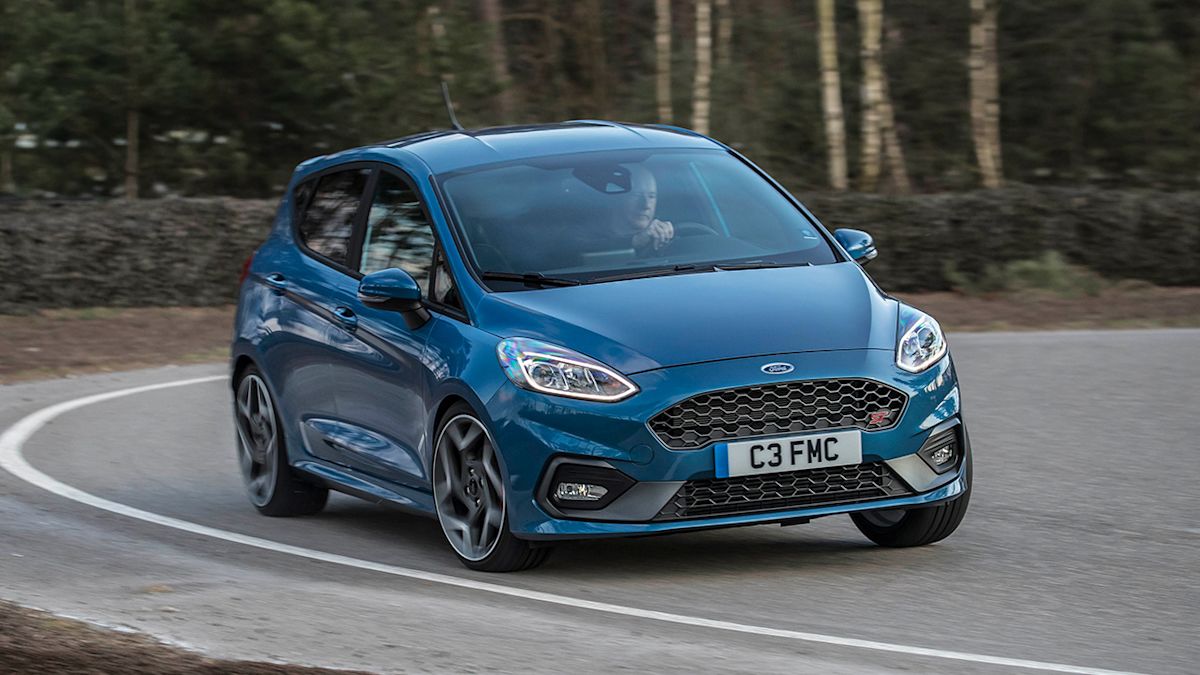
5. Ford Focus (and Fiesta-era platforms)
Ford has consistently ranked among the cheapest brands to repair in industry-wide data, and the Focus is a clear example why. Its global platform was engineered for high-volume, low-cost production.
That manufacturing philosophy carries straight through to parts pricing. Ford’s crash parts catalog for the Focus is deep, standardized, and heavily supported by aftermarket suppliers.
Labor times benefit from Ford’s modular bumper design. Front and rear fascias detach with minimal fastener counts compared to some German and Korean equivalents.
Though the Focus was discontinued in the U.S. for passenger-car form in 2018, millions remain on the road. That installed base keeps demand for parts, and therefore supply, robust.
Its steel unibody construction avoids the aluminum-intensive repair costs seen on Ford’s truck lineup. Shops don’t need specialized aluminum bays or tooling for a typical Focus job.
Sensor and camera placement on ADAS-equipped Focus trims sits in accessible, low-complexity mounting points. Recalibration, when needed, tends to be faster and cheaper than on luxury competitors.
Downtown Autobody and similar industry-facing repair data consistently place Ford at the top of the affordability list among mainstream brands. The Focus is a strong representative of that broader trend.
Insurance actuarial data reflects this too, with Focus models often carrying lower collision premiums relative to comparable Japanese and Korean compacts. That’s a real, measurable savings over years of ownership.
Used Focus values stay respectable specifically because minor accidents don’t create outsized repair bills relative to the car’s worth. That keeps total losses less frequent. For buyers hunting a used compact with genuinely low repair risk, the Focus remains a smart, if increasingly overlooked, choice.
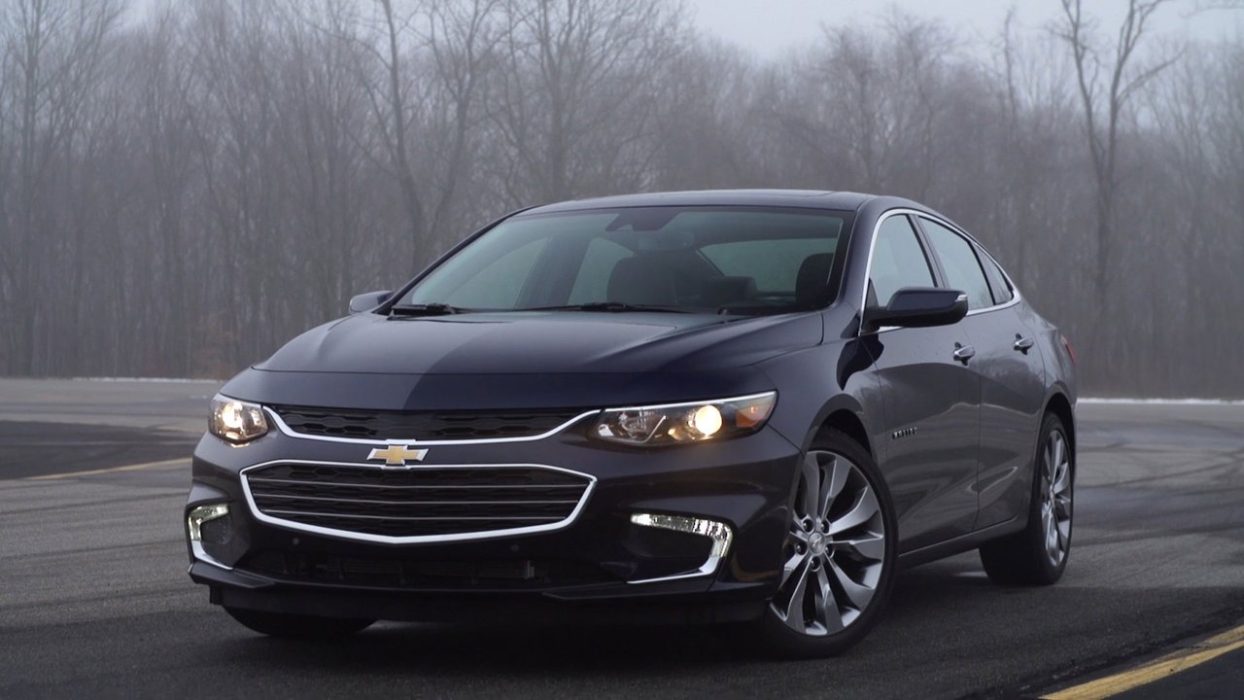
6. Chevrolet Malibu
The Malibu benefits from GM’s broader reputation as one of the more affordable brands to repair, a pattern that shows up repeatedly in shop-level cost data. Its midsize sedan platform is shared widely across GM’s lineup, which keeps parts economical.
GM’s parts distribution network is one of the largest in North America. That scale directly translates into faster part sourcing and fewer costly delays during a repair.
The Malibu’s body panels use conventional steel construction with straightforward stamping. There’s little of the exotic material mixing that inflates labor costs on some competitors.
Bumper assemblies on standard LS and LT trims remain relatively simple. Sensor integration ramps up on Premier trims, but most Malibus on the road are base or mid-level.
Aftermarket support for the Malibu is extensive given its decades-long production run and high fleet and rental-car usage. Fleet volume in particular keeps crash-part demand, and therefore supply, consistently strong.
Labor guide entries for common Malibu repairs, like quarter panel or door skin replacement, trend lower than segment averages in both CCC and Mitchell systems. That reflects GM’s accessible fastener and clip design.
Paint matching is generally uncomplicated too, since GM’s midsize sedan color offerings avoid overly complex multi-stage finishes. That keeps refinish labor costs contained.
Structural repairs on the Malibu’s unibody are well documented in standard frame-machine databases most shops already use. There’s no need for brand-specific specialty equipment in the vast majority of cases.
Total loss thresholds are rarely triggered because the Malibu’s market value and repair costs stay proportionate. That keeps more Malibus repairable rather than written off after moderate damage.
For fleet buyers and everyday commuters alike, the Malibu’s repair economics quietly reinforce GM’s reputation as a budget-friendly brand to own long term.
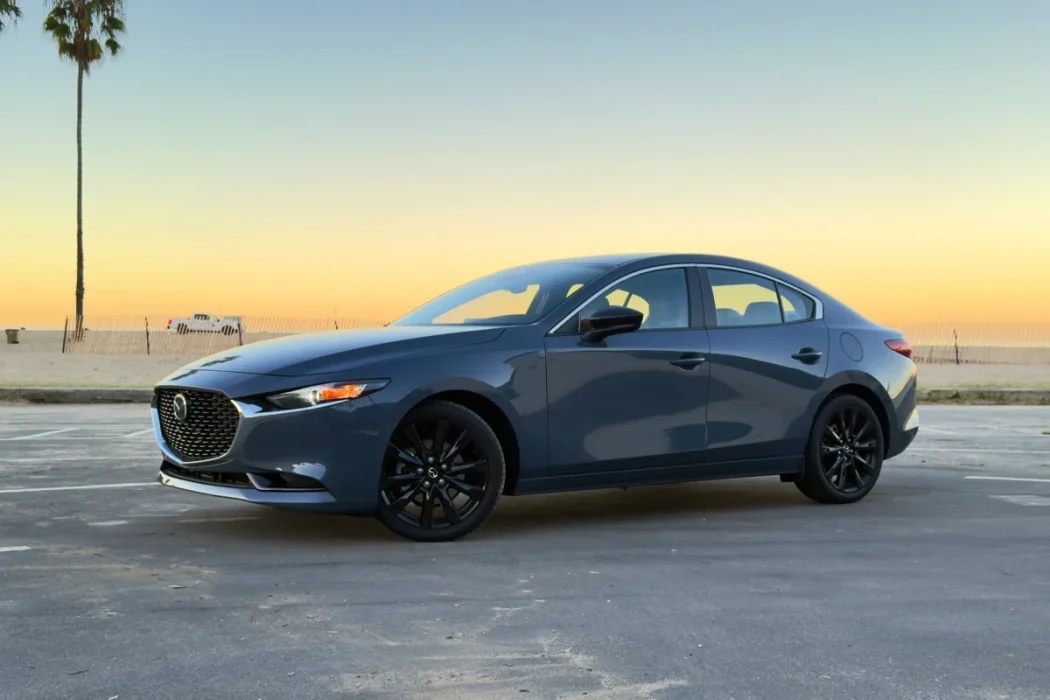
7. Mazda3
The Mazda3 is a slight outlier here, since Mazda leans upscale in styling and interior finish. Its repair costs, however, still land favorably compared to premium-badged competitors.
Mazda’s KODO design language uses complex curves, but the underlying panel structure remains conventional steel. That keeps labor times reasonable despite the sculpted appearance.
Parts pricing sits a notch above the Corolla or Civic but well below German competitors like the Audi A3 or BMW 1 Series. Mazda positions itself as an affordable near-premium brand, and that shows in its parts catalog too.
The Mazda3’s bumper assemblies are modular and accessible, even with adaptive cruise and blind-spot sensors integrated. Recalibration procedures are well documented and don’t require excessive diagnostic time.
Mazda’s smaller dealer network means slightly longer part lead times in some regions compared to Toyota or Honda. That’s the main factor keeping the Mazda3 from ranking even higher on this list.
Aftermarket support has grown substantially as the Mazda3 has gained market share over the past decade. More competition among suppliers has helped stabilize part pricing.
CCC severity data typically places the Mazda3 in the middle of the compact segment, ahead of many European and even some domestic rivals. That’s a solid outcome given its more premium positioning.
Labor guides reflect Mazda’s relatively simple electrical architecture too. Wiring harness repairs and sensor replacements don’t carry the premium-brand markup seen on luxury nameplates.
Paint costs run slightly higher due to Mazda’s signature Soul Red and Machine Gray finishes, which use multi-stage application. That’s a modest but real addition to typical refinish invoices.
The Mazda3 offers near-premium driving dynamics without the near-premium repair bill, making it a smart middle-ground pick for buyers who want more than basic transportation.
8. Subaru Impreza
The Impreza rounds out this list thanks to Subaru’s standardized platform-sharing across its lineup. Its underlying structure is shared with the Crosstrek and Legacy, which spreads parts costs across a larger production run.
Subaru’s parts network has expanded significantly as all-wheel-drive models have grown in popularity across the U.S. That growth has pulled parts pricing down from where it sat a decade ago.
The Impreza’s exterior panels are relatively simple steel stampings. Its boxy, function-first design avoids the compound curves that add labor hours during panel replacement.
Standard EyeSight driver-assist cameras sit in a fixed windshield-mounted location across nearly all trims. That consistency actually simplifies recalibration procedures compared to brands that vary sensor placement by trim level.
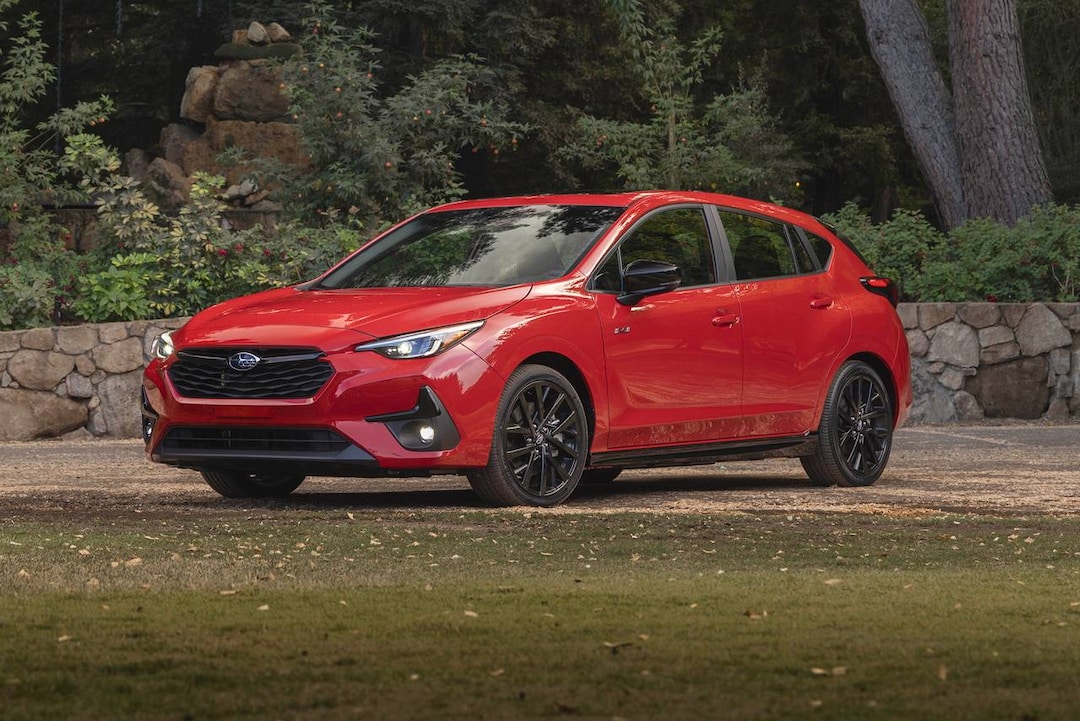
Labor times for common Impreza repairs, like bumper replacement or fender work, track close to the Civic and Corolla in both CCC and Mitchell databases. That’s a strong result for an all-wheel-drive vehicle.
All-wheel-drive components do add some complexity during more serious structural repairs. That’s the main factor keeping the Impreza from ranking at the very top of this list.
Subaru’s loyal owner base and strong resale values have also encouraged a healthy aftermarket and recycled-parts ecosystem. That keeps a lid on parts pricing even during supply chain disruptions.
Paint work stays straightforward thanks to Subaru’s relatively conservative color palette across Impreza trims. There’s minimal multi-stage or specialty finish work involved in most claims.
Insurance data shows the Impreza performing competitively against front-wheel-drive-only rivals despite its more complex drivetrain. That’s a testament to Subaru’s design discipline.
For buyers who want all-wheel-drive security without a corresponding spike in collision repair costs, the Impreza is one of the few vehicles that manages to deliver both.
