
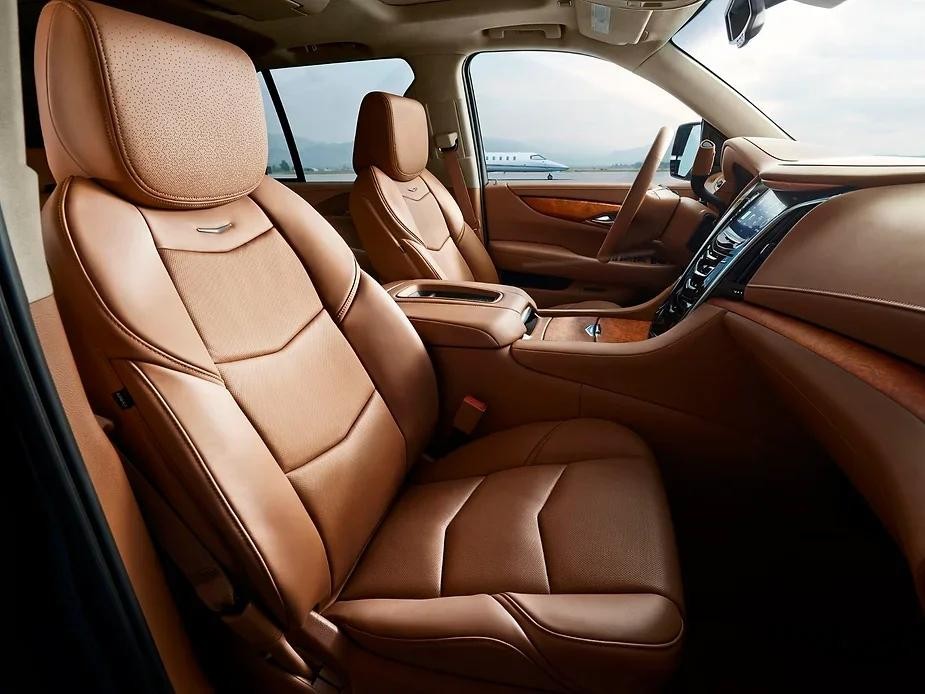
Modern luxury seats are no longer simple cushions. They are electromechanical systems built from motors, air bladders, sensors, and dedicated control modules. When a massage or ventilation function fails, the repair bill often has little to do with fabric or foam.
It comes from replacing a sealed electronic module that costs hundreds or even thousands of dollars, plus labor to remove the seat, access the wiring, and reprogram the new part.
Some manufacturers bundle the massage motor, lumbar pump, and climate control into one unit. That means a single failed sensor can force replacement of the entire assembly.
Airbag sensors and occupant weight detectors are often woven into the same seat structure. That turns what should be a comfort repair into a safety-system procedure, with the labor bill to match.
This list looks at ten vehicles where owners have reported unusually high repair costs for these comfort systems. The causes vary. Some involve fragile wiring harnesses that fret with repeated seat movement.
Others involve discontinued parts or low production volumes that keep prices high. A few require dealer-only programming tools that independent shops cannot access.
Each entry below explains what typically fails, what it costs, and why the repair reaches the price it does. All figures come from documented repair estimates, owner reports, and dealer quotes.
1. Mercedes-Benz S-Class and CL-Class
Mercedes pioneered multicontour massage seats with air bladders built into the cushion and backrest. These bladders inflate and deflate in sequence to simulate a rolling massage. When they fail, the repair is rarely simple.
One documented case involved a 2008 Mercedes-Benz CL-Class owner who paid $8,500 to fix a broken passenger seat massage function, which required replacing numerous parts including the seat bottom, bladders, and pneumatic lines. That single repair exceeded the cost of many people’s used cars.
A separate W221 S-Class owner reported that a third-party extended warranty paid almost $5,000 to replace a passenger seat cushion after the massage bladder failed. The warranty company covered it. Most owners are not that fortunate.
Part of the cost comes from integration. The seat bottom houses an occupant weight sensor tied to the airbag system. Technicians cannot simply swap the bladder alone. They must work around the sensor wiring to avoid disabling passenger airbag deployment logic.

RepairPal data on related Mercedes seat control module work shows a wide spread depending on trim. On the S600, average power seat control module replacement lands between $3,861 and $3,889. That figure covers the electronics alone, not the bladder and cushion work layered on top when massage function is involved.
Diagnosis typically starts with a Star scanner. A basic scan and fault code retrieval runs around $100 at most Mercedes repair shops. That is the easy part. The hard part is everything that follows once the bladder or pump is confirmed dead.
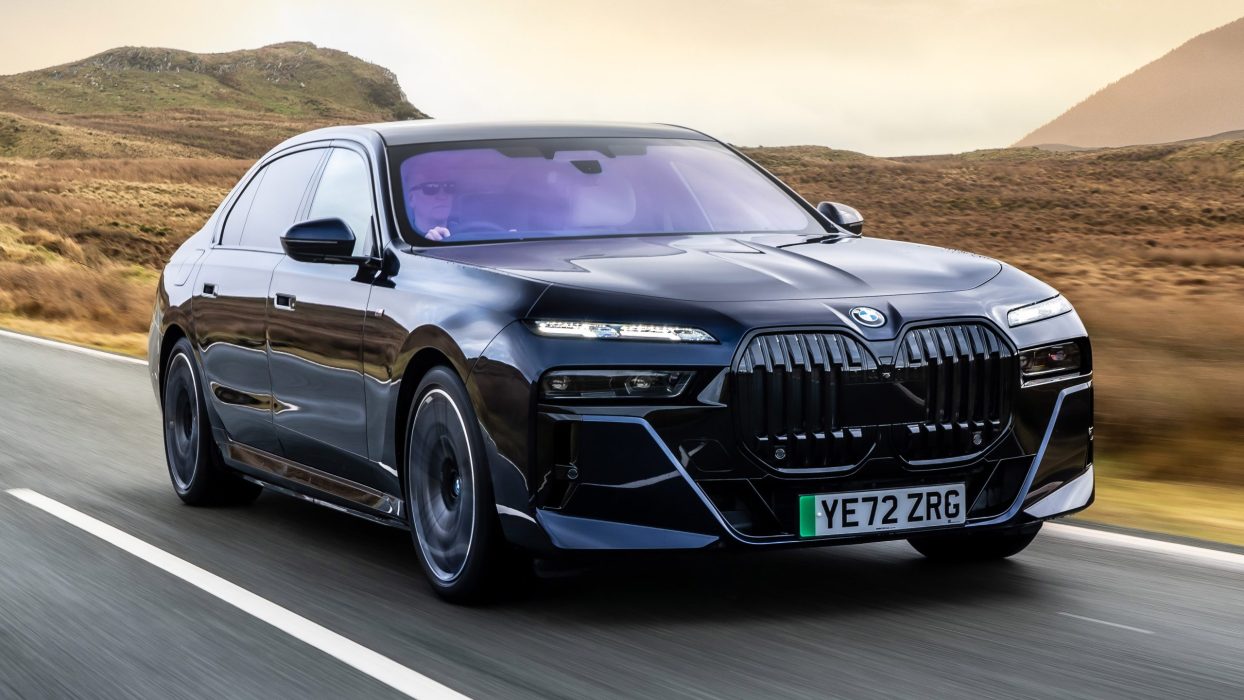
2. BMW 7 Series
BMW’s 7 Series uses a separate pneumatic control module dedicated to seat massage functions. When this module fails, diagnostic software often cannot establish communication with it at all. The seat simply goes silent.
One 2016 BMW 750i owner was told by a dealer that the replacement part alone runs around $2,100, with no guarantee that installing it would even resolve the issue. That uncertainty is common with this repair. Dealers are candid that the module may not be the true culprit.
Because the fault can originate in the module, the connector, or the wiring harness, some owners pay for a module that does not fix the problem. That is a frustrating and expensive form of trial and error, especially at BMW labor rates.
Independent techs have found success repairing the module itself rather than replacing it outright. In several documented cases, specialists resoldered internal components on the massage control unit after wiring and fuses checked out clean. That route requires specialized electronics repair equipment, which most general shops cannot perform.
Older 7 Series models sometimes trace the same symptom to something simpler. In one case, a 2004-generation 7 Series owner found the entire fix was a corroded connector behind the seat control module, resolved for just 95 euros in labor.
The lesson for 7 Series owners is that diagnosis matters enormously, since the price gap between a wiring fix and a full module replacement can run into the thousands.
3. Range Rover and Range Rover Sport
Land Rover’s massage seats rely on an air bladder system paired with a dedicated lumbar support module. Failures typically show up as the massage function starting, then cutting out within seconds of activation.
Owners on Range Rover forums have reported dealer quotes of $2,000 or more just for the lumbar support module replacement, separate from any labor charges. That price applies to the module alone, before technicians even open the seat bolster.
Some owners found the actual cause was a failed air bladder rather than the module itself. One driver described the massage function cutting out after five seconds, only for the dealer to trace it back to a failed air bladder, which was replaced and resolved the issue.

The complication is that Land Rover’s diagnostic tools sometimes point technicians toward the wrong component first. Owners have reported reflashing the seat control module without success, only to discover afterward that the real fault was mechanical rather than electronic.
That trial-and-error diagnostic process adds hours of labor before the correct part is even ordered. Combined with Land Rover’s already high dealer labor rates, a straightforward bladder failure can balloon into a multi-visit repair before it is fully resolved.
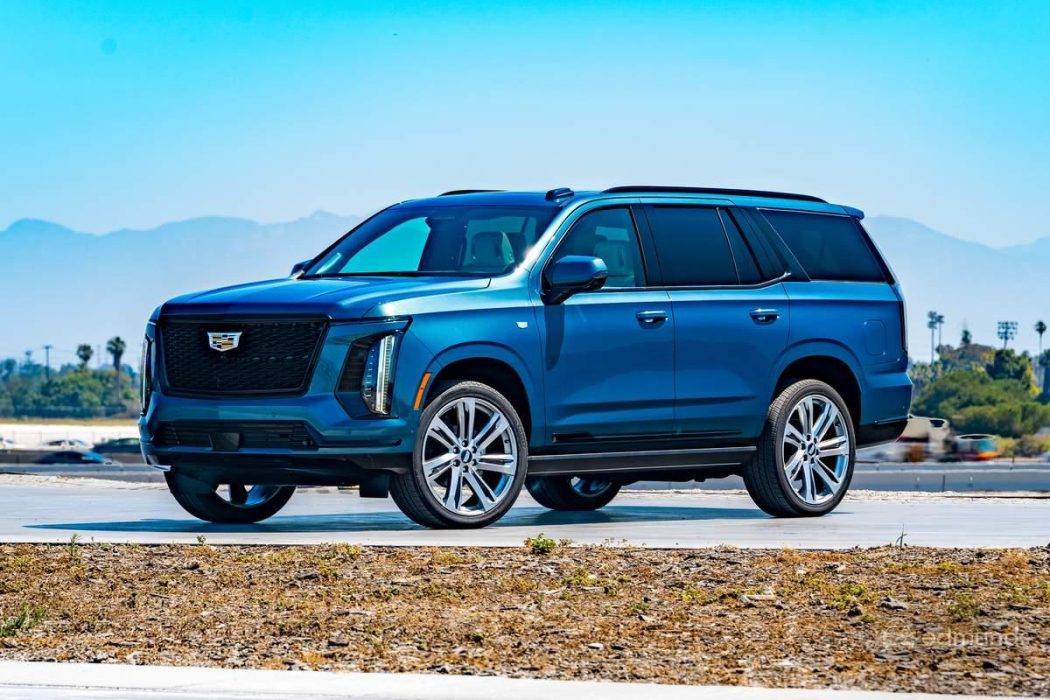
4. Cadillac Escalade
Cadillac’s massage and multi-way power seats route through a dedicated control module mounted beneath the seat frame. On earlier Escalade generations, RepairPal data puts basic power seat control module replacement between $1,029 and $1,137, and that figure is before massage-specific components enter the picture.
Later model years show much lower average quotes, with the 2023 Escalade ESV estimated between $142 and $171 for the standard control module. That gap illustrates how much variation exists between generations, trims, and which specific module actually needs replacing.
The bigger issue for older Escalades is parts scarcity rather than sticker price. Owners on Cadillac forums note that the massage switch and surrounding trim panels are made from brittle plastic that cracks easily during disassembly.
One longtime owner warned that 99 percent of the original replacement trim pieces are no longer available new, forcing reliance on salvage yard parts.
That scarcity applies to the massage control module too, on discontinued generations where Cadillac has stopped producing new units. When a used unit cannot be sourced from a donor vehicle, owners are left choosing between an aftermarket workaround, a costly rebuild, or living without the massage feature entirely for the rest of the car’s life.
5. Lincoln Navigator and Ford Expedition
Ford’s multi-contour massage seats use what the company calls a Seat Control Module, abbreviated SCMH, found only on the passenger side of high-trim models built between 2013 and 2021. This module is the electronic brain behind massage and lumbar adjustment.
A new SCMH module costs over $600 on its own, which is expensive enough that many technicians prefer to repair the wiring instead. That price is for the part alone, before any diagnostic time or installation labor is added.
The wiring failure is well documented through a Ford technical service bulletin. It covers a fretting connector that gradually loses contact after repeated seat movement over years of use, cutting communication to the module and making the massage controls go unresponsive.

The official repair path is not module replacement. Ford’s fix calls for installing a new connector pigtail and carefully soldering each wire, then rerouting the harness to reduce future strain on the connection point.
Even when a full module swap is necessary, it is not a simple plug-and-play part. It requires dealer-level programming tools or specialized aftermarket software to activate correctly.
That programming step adds another cost layer that many owners do not anticipate when they first get a repair quote from an independent shop.
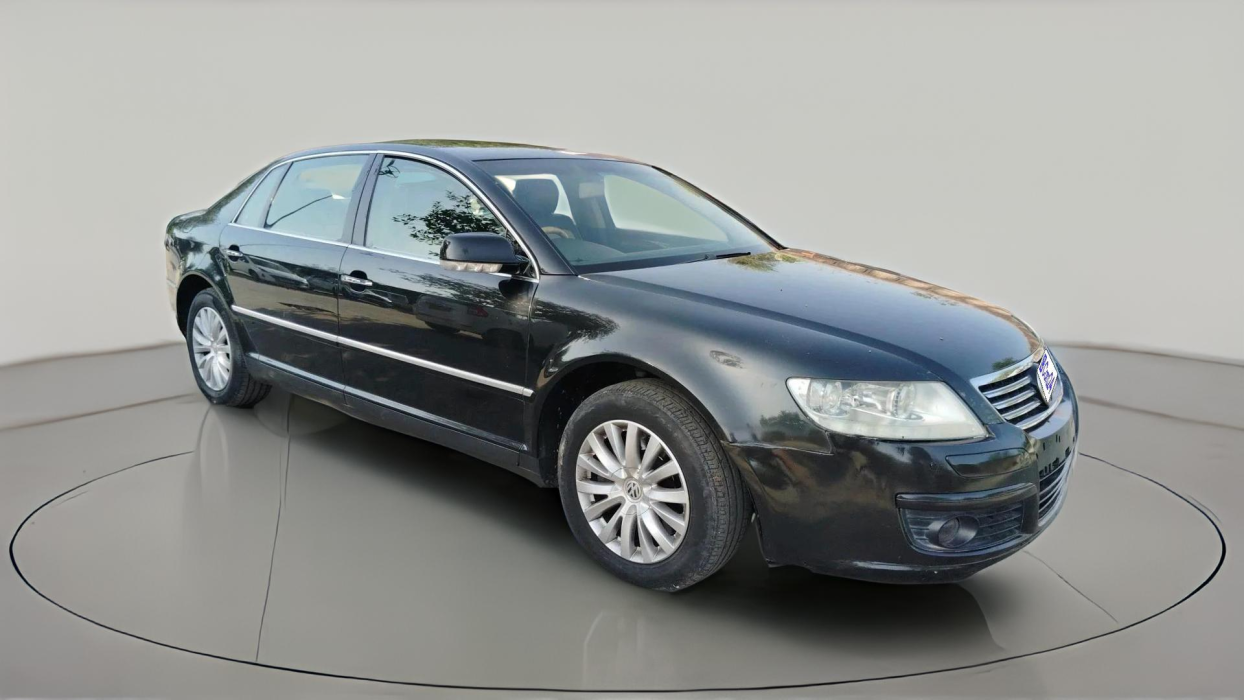
6. Volkswagen Phaeton
The Phaeton was Volkswagen’s short-lived flagship sedan, built to compete directly with the S-Class and 7 Series. It shared much of its climate-controlled seat architecture with those German rivals, and that shared complexity shows clearly in repair costs.
RepairPal lists the average power seat control module replacement for the Phaeton between $3,768 and $3,803. That figure is striking given the car’s now-modest resale value, which is often a small fraction of the repair bill itself.
The core problem is discontinuation. Volkswagen stopped selling the Phaeton in the United States after 2006, and it never returned to the American market. Parts networks for a low-volume model that exited the market nearly two decades ago are now extremely thin.
Whatever inventory remains in circulation commands a premium price. Dealers have little commercial incentive to stock new-old-stock seat modules for a car that most technicians rarely encounter in a working bay.
That scarcity, more than any inherent complexity, is what keeps Phaeton seat repairs among the most expensive relative to the car’s actual market value.
7. Genesis G90
Genesis built its reputation partly on offering near-luxury features at a lower price point than established German and Japanese rivals, and ventilated seats are standard across much of the G90 lineup. The blower motor for these seats sits inside the cushion foam itself.
According to parts researchers, this blower is a small fan shaped roughly like a hamster wheel, and it pushes cabin air through the perforated leather surface to create the cooling effect. It is a documented failure point across the 2017 through 2022 model years.
Failure symptoms include weak or absent airflow from the seat surface, along with a grinding or rattling noise during operation. Technicians note that a healthy blower motor should have a clean, intact fan cage, while common failure signs include debris ingestion or physically broken blades.
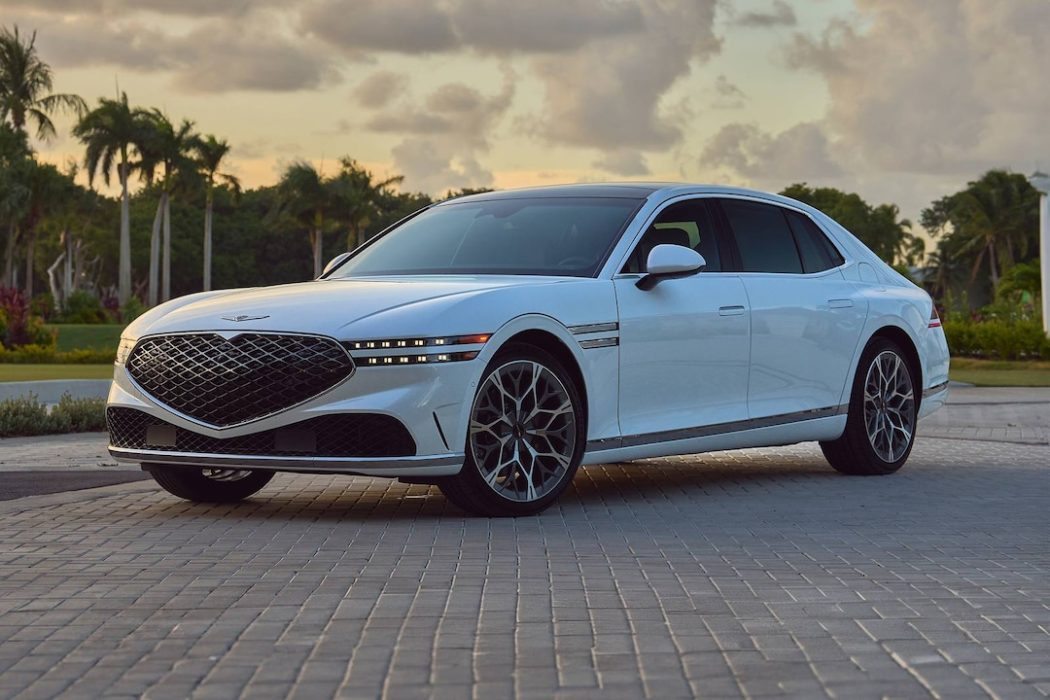
While the part itself is not the most expensive on this list, the labor to access it is significant. Technicians must remove the seat cover and cut into the cushion foam to reach the motor, since it is not a simple bolt-on accessory sitting in an open cavity.
Genesis dealer networks are also considerably smaller than legacy luxury brands, which limits competition on labor pricing in many regions. That can stretch both wait times and total cost for sourcing the correct replacement motor and getting an appointment scheduled.
8. Audi A8
Audi’s flagship sedan offers massage seats through its Comfort and Sound package, using a pneumatic bladder approach similar to its German rivals. The seat control unit manages both massage sequencing and memory position settings simultaneously in a single housing.
Because Audi bundles multiple functions into one module, a single fault code can disable memory seating, lumbar adjustment, and massage all at once. That bundling means owners rarely lose just one feature. A single sensor fault tends to take down the whole comfort system together.
Independent shops often cannot access Audi’s full diagnostic depth for this system, since much of the calibration data lives behind manufacturer-locked software. That pushes owners back toward the dealer network for anything beyond basic wiring checks.
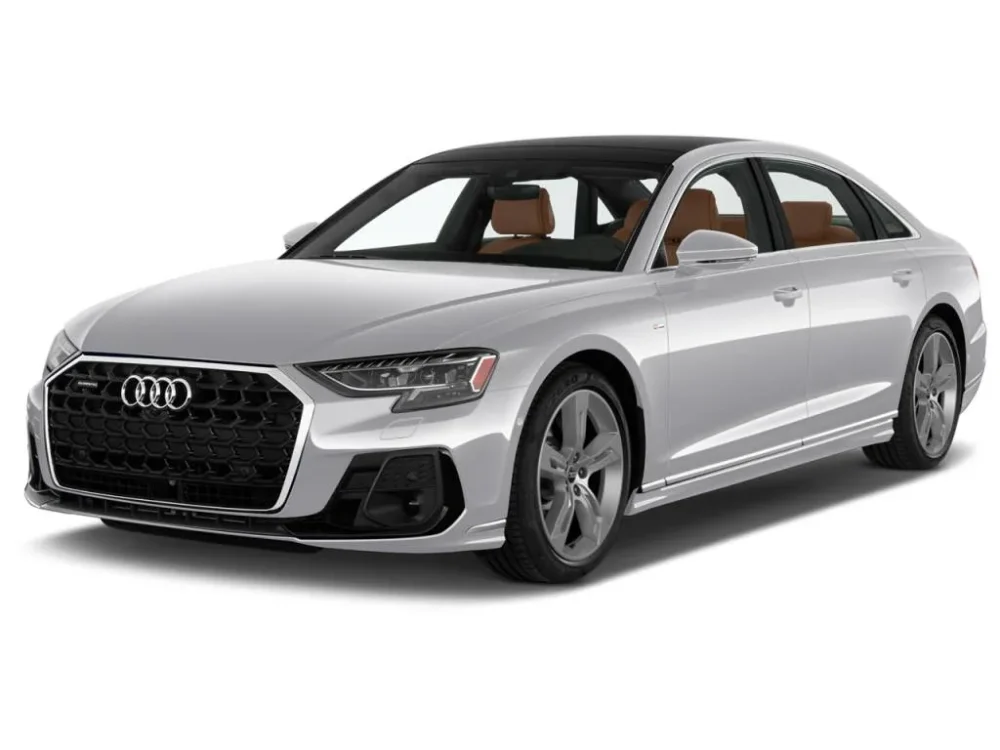
Dealer labor for A8 seat work tends to run higher than mainstream Audi models because the front seats are heavier, more heavily wired, and require careful handling around side airbag cartridges built directly into the bolsters. Technicians must disarm and work around these cartridges carefully during any seat teardown.
That airbag proximity means shops bill extra time for safe disassembly procedures, regardless of which specific component actually caused the original failure. A simple massage motor fault can therefore carry labor costs closer to an airbag-adjacent repair than a basic comfort fix.
9. Lexus LS 500
The LS 500 offers a massage function on select trims, integrated into the same control unit that manages heating, ventilation, and power adjustment together. Toyota’s luxury division designed this as a single serviceable assembly rather than several standalone parts.
That consolidation cuts both ways for owners. It simplifies installation when everything works correctly from the factory, but when one function fails, diagnosing which specific subcomponent caused the fault can take considerable shop time and specialized testing equipment.
Technicians must isolate whether the fault lies in the motor itself, the wiring harness feeding it, or the control board managing the whole assembly. Without a clear fault code pointing directly at one part, this process often means partial disassembly just to confirm a diagnosis.
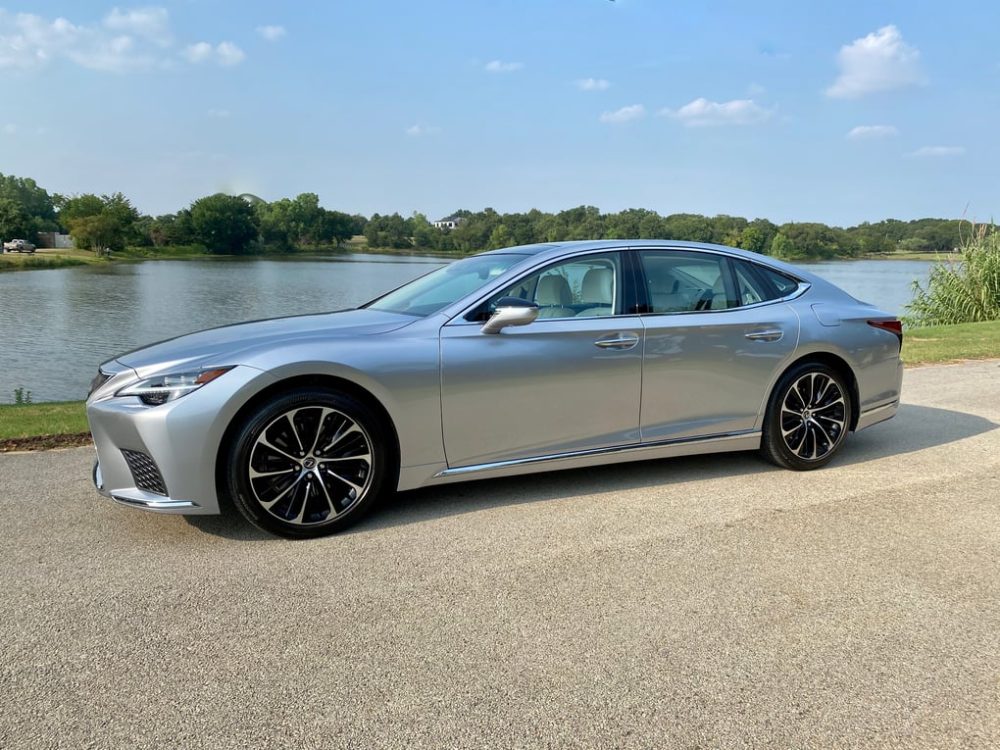
Lexus parts pricing generally runs lower than German rivals for comparable individual components, which helps offset some of the bill. But labor still dominates the total cost on this repair, since access alone takes significant time regardless of parts pricing.
Because the LS 500’s seat assembly is dense with wiring for its massage, ventilation, and heating functions running together through one connector block, removal and reinstallation alone can take several hours of dealer labor before diagnostics even properly begin.
10. Bentley Continental GT and Bentayga
Bentley’s seats combine massage, ventilation, and heating in a single high-end module sourced through a low-volume specialty supply chain. Production numbers for Bentley models are a small fraction of mainstream luxury brands, and that scarcity carries directly into parts pricing across the board.
Because Bentley shares some underlying electronics architecture with Volkswagen Group platforms, certain failure patterns mirror what Phaeton and Audi owners report elsewhere on this list, including connector fatigue points and module communication loss after years of seat movement.
But Bentley’s parts markup and specialist labor rates push total repair costs well above those shared-platform relatives, even when the underlying failure is mechanically similar. A comparable wiring fault that costs a few hundred dollars on an Audi can run into the thousands on a Bentley.
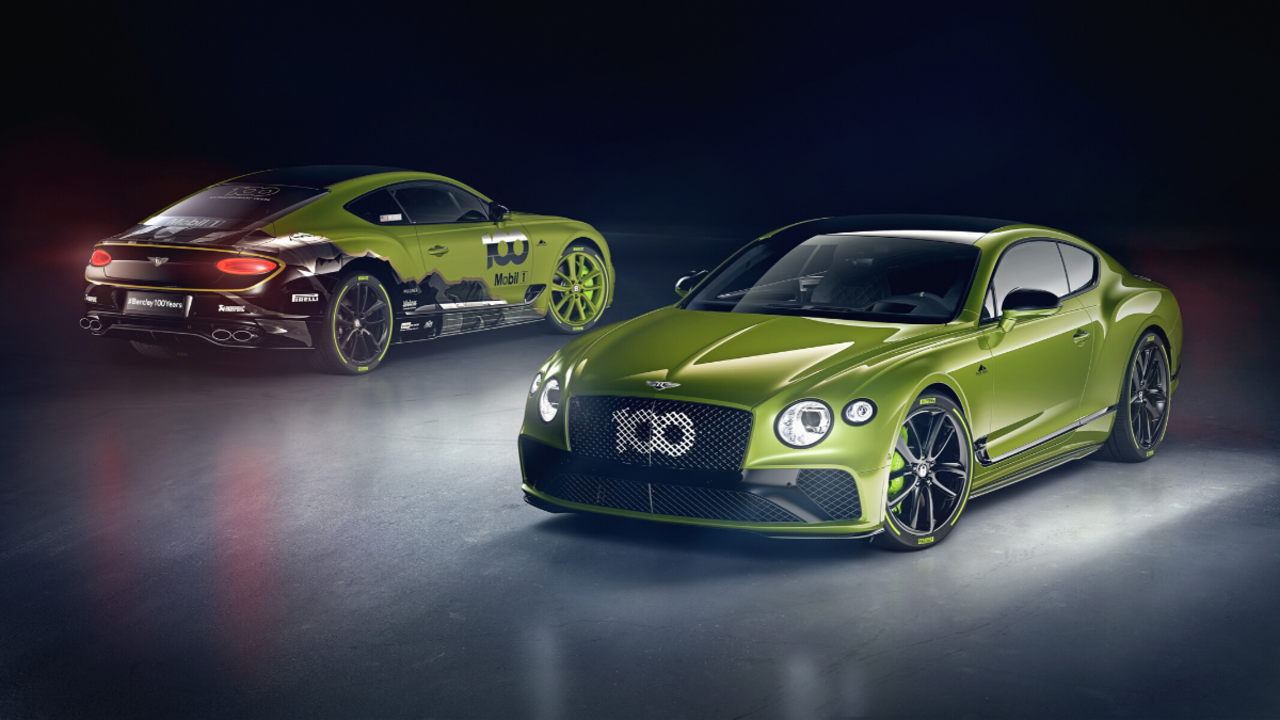
Independent shops rarely stock Bentley-specific seat modules given the low number of these cars on the road in any given region. Most repairs therefore route through the dealer network exclusively, with little competitive pricing pressure from outside specialists.
Combined with the brand’s premium labor rates, which often run several times higher than mainstream luxury shops, a full massage seat module and connector repair on a Continental GT or Bentayga can become one of the costliest single-seat repairs of any vehicle on the road today.
