
Most oil change shops only touch three fluids. They check engine oil, maybe coolant, and sometimes wiper fluid. But your car has ten or more fluid systems working together. Each one quietly wears down over time.
Ignoring them doesn’t cause instant failure. It causes slow, expensive damage that shows up years later. Transfer cases seize. Differentials grind themselves apart. Brake lines corrode from the inside.
None of this shows up on a dipstick check. It shows up as a five-thousand-dollar repair bill. This guide covers ten fluids that rarely get inspected during routine service. Each one plays a specific mechanical role.
You’ll learn what each fluid does. You’ll learn how often it actually needs attention. Most owners never think about these systems until something breaks. By then, the fix costs far more than the fluid ever would. Think of this as the maintenance list your mechanic forgot to hand you.
1. Transfer Case Fluid
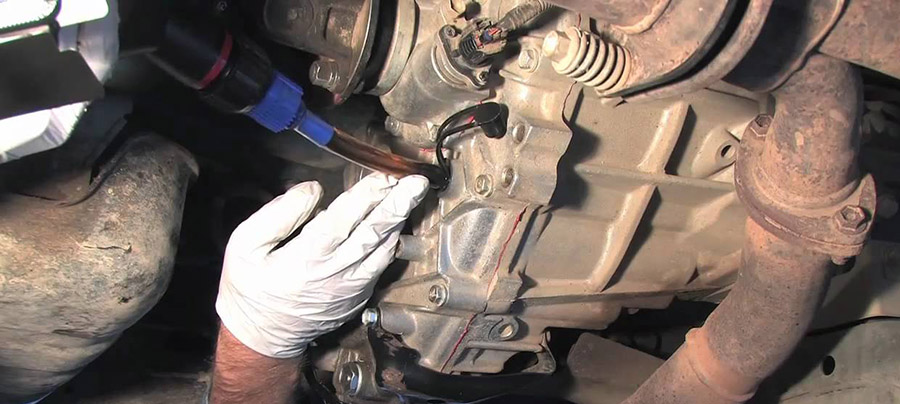
The transfer case splits power between your front and rear axles. It only exists in four-wheel-drive and all-wheel-drive vehicles. Inside, it uses gears and chains to route torque. These parts run in a bath of specialized gear oil.
That oil breaks down under heat and friction. Metal shavings from normal wear accumulate inside it over time. Most manufacturers recommend a change every 30,000 to 60,000 miles. Many owners never do this once.
Shops skip it because it’s not part of a standard oil change. It requires a separate drain plug and often a different fluid type entirely. Old transfer case fluid gets thick and loses lubricating properties. That thickness increases friction between gears and chains.
Increased friction means increased heat. Heat breaks the fluid down even faster, creating a feedback loop. Eventually the chain stretches, or the gears wear unevenly. You’ll notice grinding noises or shuddering during turns.
Repair costs for a damaged transfer case often start around $1,500. Full replacement can exceed $3,000. Fluid changes typically cost under $150. That’s a massive gap for a fluid nobody checks.
Different vehicles need different specifications too. Using the wrong viscosity can cause damage just as fast as using no fluid at all. Always check your owner’s manual for the exact spec.
Never let a shop guess or substitute a generic gear oil. If you drive off-road or tow frequently, shorten the interval. Heat and stress accelerate fluid breakdown significantly.
2. Differential Fluid (Front and Rear Axles)
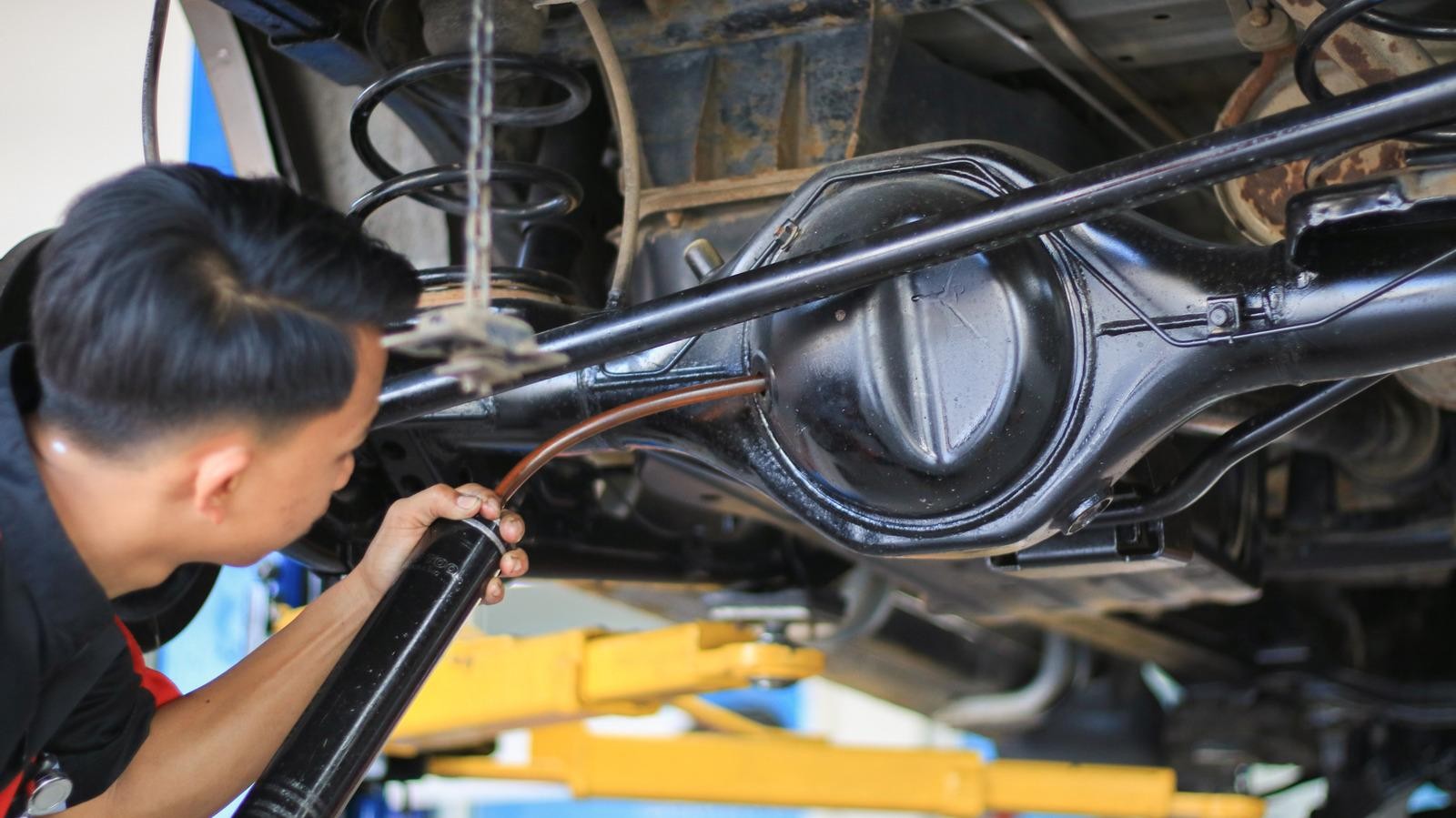
Differentials allow your wheels to spin at different speeds. This matters most when you’re turning corners. Inside, gears mesh under constant pressure and heat. That environment demands thick, heat-resistant gear oil.
Rear-wheel-drive and four-wheel-drive vehicles have a rear differential. Many also have a front differential if they’re four-wheel-drive. Each unit needs fluid changes independently. Shops rarely check either one during standard service.
Differential fluid degrades through heat cycling and metal contamination. Small metal particles from gear wear mix into the oil. Over time, this creates a gritty, abrasive mixture. That mixture accelerates wear on the very gears it’s supposed to protect.
Limited-slip differentials need special friction-modified fluid. Using standard gear oil in these units causes chattering and clutch pack damage. Most manufacturers suggest changes every 30,000 to 50,000 miles. Towing or off-roading cuts that interval significantly.
Signs of trouble include whining noises during acceleration. You might also notice clunking when shifting between drive and reverse. A failing differential can lock up completely while driving. This is dangerous and can cause loss of vehicle control.
Replacement costs range from $200 for minor repairs to over $1,500 for full differential replacement. Fluid changes usually cost $80 to $150 per axle. It’s cheap insurance against catastrophic failure. Ask your shop specifically about differential service. Don’t assume it’s included in a routine visit.
3. Brake Fluid
Brake fluid transfers force from your pedal to your brake calipers. It works through hydraulic pressure, not mechanical linkage. This fluid is hygroscopic, meaning it absorbs moisture from the air. That moisture content increases even in a sealed system.
Water in brake fluid lowers its boiling point dramatically. Under hard braking, that moisture can boil and create air pockets. Air compresses, unlike fluid. Compressed air in your lines means a soft, spongy pedal with less stopping power.
Moisture also causes internal corrosion. Calipers, brake lines, and the master cylinder can rust from the inside out. Most manufacturers recommend fluid changes every two to three years. Very few shops perform this without being explicitly asked.
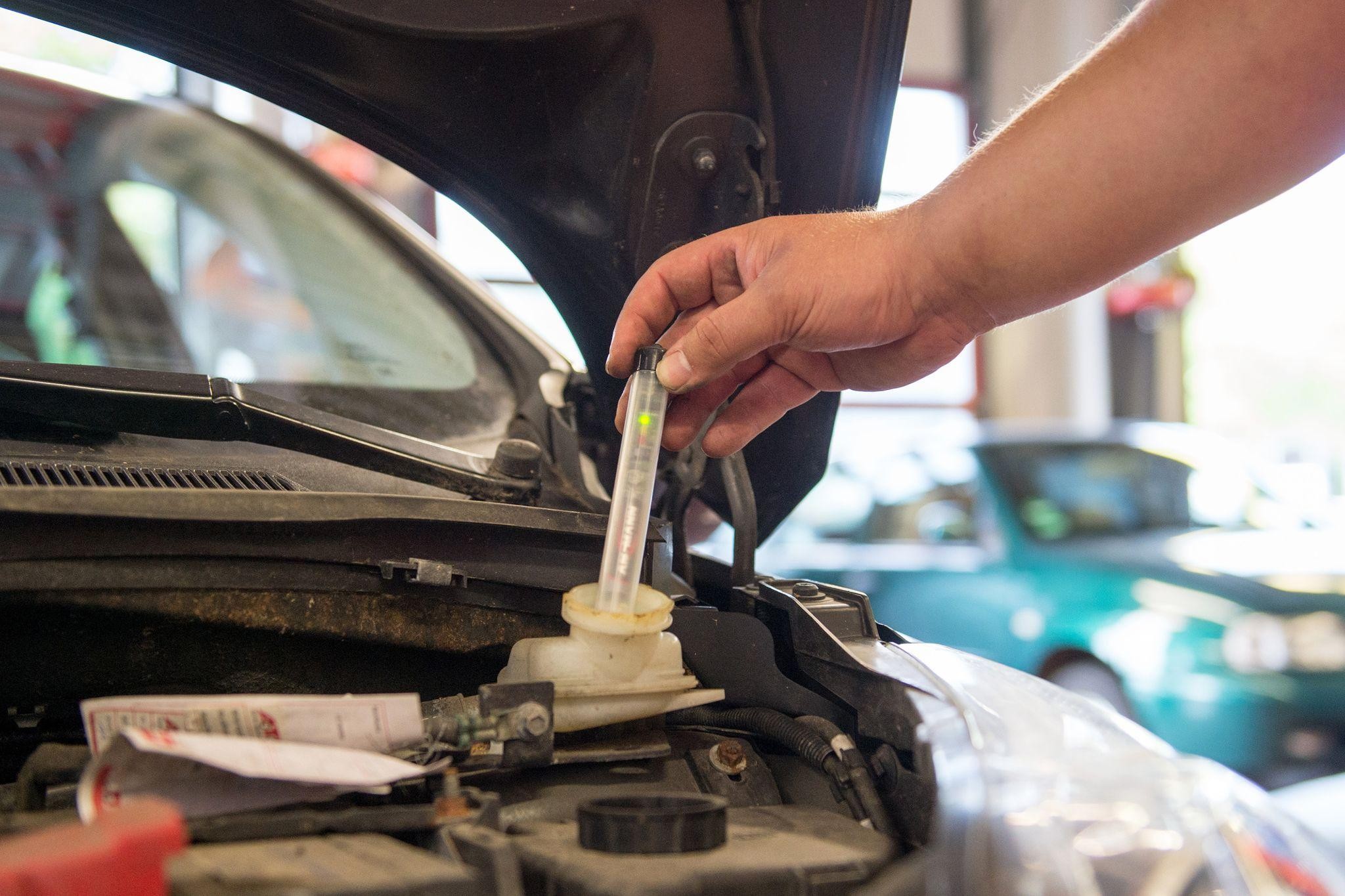
Standard brake service often just means replacing pads and resurfacing rotors. The actual fluid gets ignored completely. You can test fluid condition with simple test strips. Darkened, cloudy fluid indicates contamination and moisture buildup.
DOT 3, DOT 4, and DOT 5.1 fluids all have different boiling points. Using the wrong type can compromise braking performance. Never mix DOT 5 silicone fluid with glycol-based fluids. They’re chemically incompatible and can cause seal failure.
A full brake fluid flush costs $100 to $150 typically. Compare that to a $3,000 caliper and line replacement job. This is arguably the most safety-critical fluid on this entire list. Yet it’s consistently the most overlooked.
4. Power Steering Fluid
Power steering fluid provides hydraulic assistance for turning your wheels. It works through a pump, hoses, and a steering rack. This system operates under high pressure constantly. Seals and fluid both degrade from that ongoing stress.
Contamination happens as rubber seals wear down internally. Tiny particles mix into the fluid and circulate throughout the system. That contaminated fluid then accelerates wear on the pump and rack. It’s another feedback loop of increasing damage.
Most shops top off power steering fluid only when it’s visibly low. They rarely recommend a full flush. Manufacturers typically suggest changes every 50,000 to 100,000 miles. Some newer electric power steering systems don’t use fluid at all.
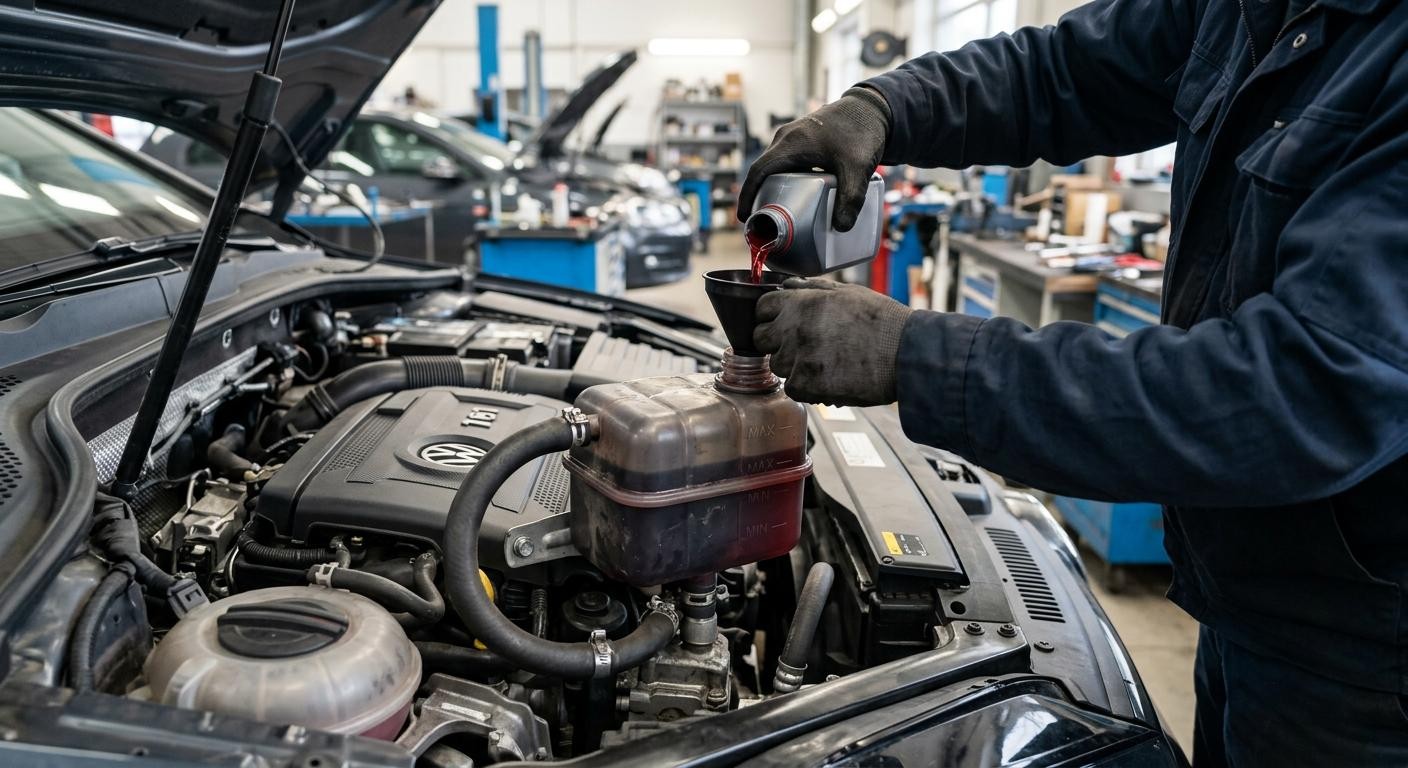
Signs of degraded fluid include whining noises when turning. You might also feel stiffness or jerking in the steering wheel. Left unaddressed, the pump can fail completely. Steering rack replacement is even more expensive than pump replacement.
A power steering flush typically costs $100 to $200. A full rack replacement can run $800 to $2,000. Always verify your vehicle uses conventional hydraulic steering first.
Electric power steering systems need no fluid service whatsoever. Check your fluid reservoir color periodically yourself. It should be clear to light amber, not dark brown or black.
5. Manual Transmission Gear Oil
Manual transmissions use dedicated gear oil, separate from engine oil entirely. This oil lubricates gears, bearings, and synchronizers. Synchronizers allow smooth, grinding-free gear changes. They rely on proper fluid viscosity to function correctly.
As this oil ages, it loses viscosity and picks up metal particles. Shifting becomes notably harder and less precise. Most shops never mention this fluid unless something is already broken. It’s simply not part of standard maintenance checklists.
Manufacturers usually recommend changes every 30,000 to 60,000 miles. Aggressive or high-mileage driving shortens that window. Warning signs include grinding during shifts, especially into second or third gear. You might also notice increased shift effort.
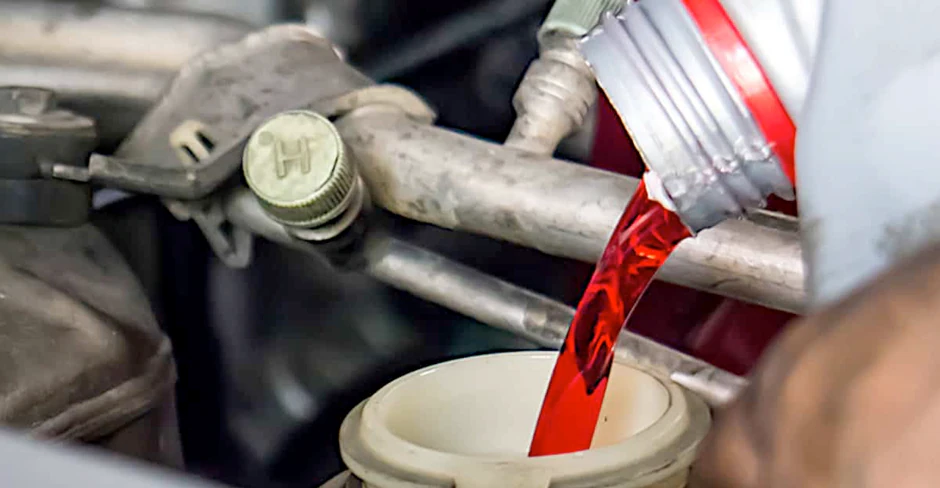
Some manual transmissions actually use automatic transmission fluid instead of gear oil. Using the wrong fluid type causes accelerated wear. Always confirm the exact specification in your owner’s manual. Don’t let a shop substitute based on convenience.
A gear oil change typically costs $100 to $200. Transmission rebuilds can cost $1,500 to $3,500 depending on the vehicle. Manual transmissions are becoming rarer, which means fewer technicians know their service needs. This makes owner awareness even more important.
6. Clutch Hydraulic Fluid
Manual transmission vehicles with hydraulic clutches use a separate fluid reservoir. This is often brake fluid, but it’s a distinct, dedicated system. The clutch master cylinder and slave cylinder rely on this fluid. It transfers pedal pressure to disengage the clutch.
Like brake fluid, this fluid absorbs moisture over time. That moisture leads to corrosion inside the cylinders. A failing clutch hydraulic system causes a spongy or sinking clutch pedal. Eventually, the pedal can go completely to the floor.
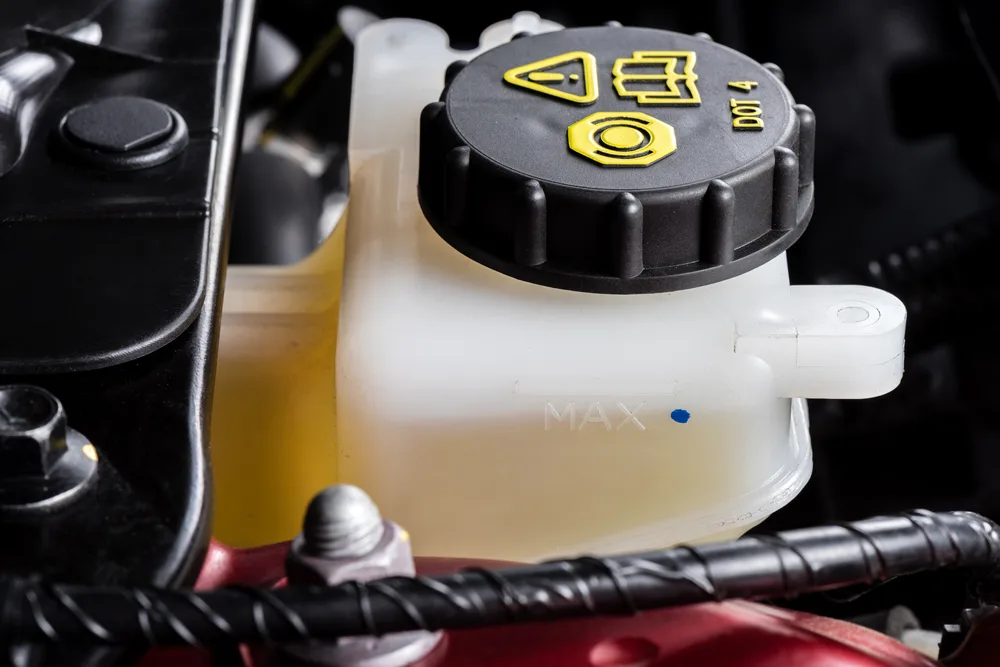
Shops rarely flush this system unless a customer specifically complains about clutch feel. It’s easy to overlook during general service. Recommended intervals vary but generally align with brake fluid, roughly every two to three years.
Contaminated fluid can cause the slave cylinder to fail internally. Replacement often requires removing the transmission itself. That labor-intensive repair pushes costs to $500 or more. A simple fluid flush costs a fraction of that amount.
If your clutch pedal feels different than it used to, ask about this fluid specifically. Most technicians won’t check it unassisted. Keep in mind that some vehicles use a completely sealed, non-serviceable clutch hydraulic unit. Check your specific model’s documentation.
7. Engine Coolant (Specific Formulation)
Most people know coolant needs periodic replacement. Fewer people know that formulation matters enormously. Modern coolants come in several types. These include IAT, OAT, HOAT, and hybrid formulations, each with different chemical properties.
Mixing incompatible coolant types creates a gel-like sludge internally. That sludge clogs radiators, heater cores, and cooling passages. Shops often top off coolant without checking what’s already in the system. This creates hidden compatibility problems.
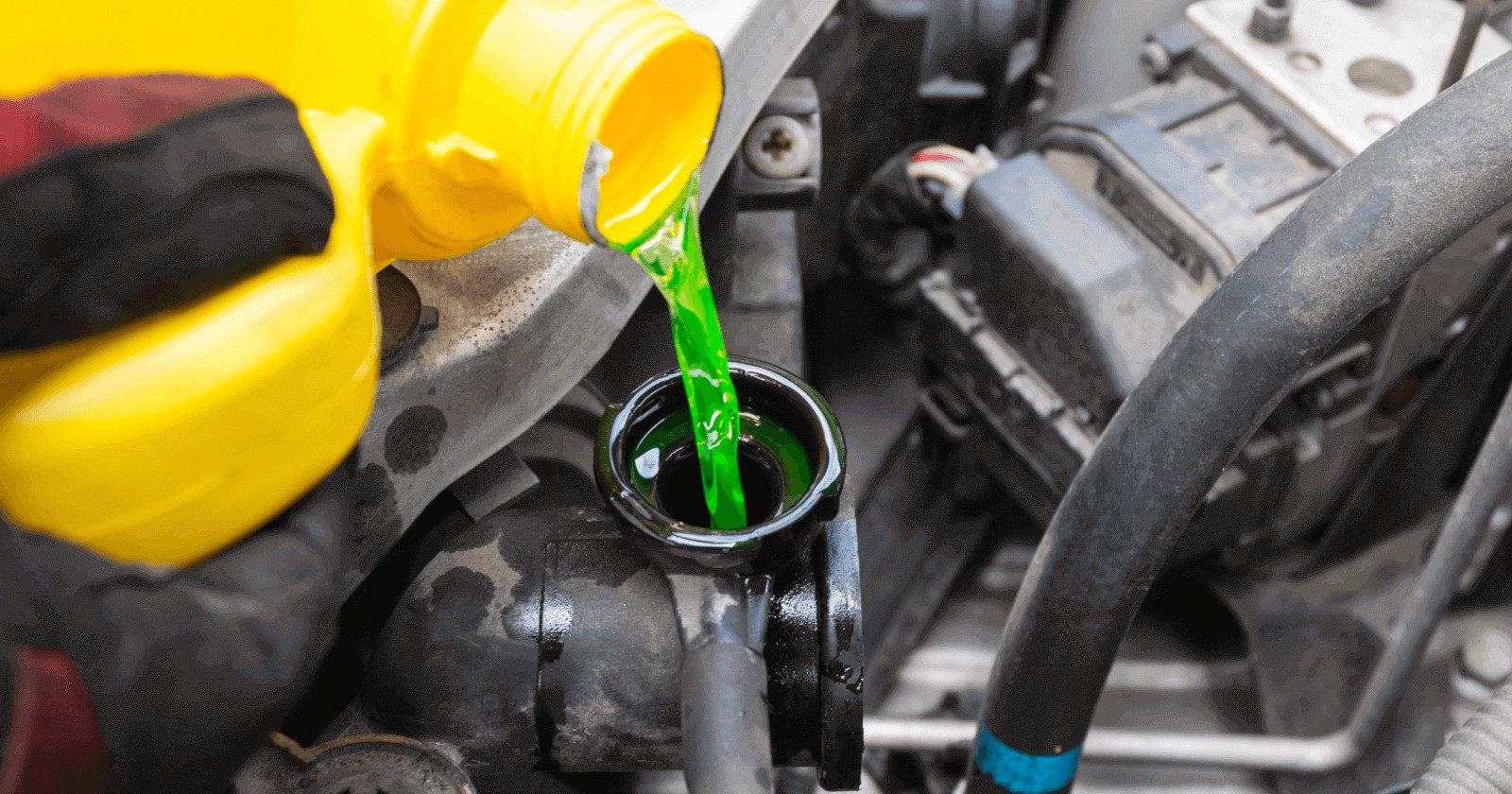
Coolant additives also deplete over time, even if fluid levels look fine. Corrosion inhibitors break down long before the coolant looks dirty. That breakdown allows internal corrosion of aluminum components. Water pumps and radiators are especially vulnerable.
Most modern extended-life coolants last 5 years or 100,000 miles. Older green coolant needs replacement every 2 years or 24,000 miles. A full coolant flush costs roughly $100 to $200. Water pump replacement alone can cost $400 to $800.
Head gasket failure from overheating is far more expensive. That repair frequently exceeds $2,000. Always verify the exact coolant specification for your vehicle. Never assume “universal” coolant is truly universal across all engines.
8. Battery Electrolyte (Non-Sealed Batteries)
Not all car batteries are maintenance-free. Some older or heavy-duty batteries have removable caps for electrolyte topping. Inside, a mixture of sulfuric acid and water conducts electrical charge. Normal charging cycles cause water to evaporate through gassing.
If electrolyte levels drop too low, internal plates become exposed to air. That exposure causes permanent sulfation damage. Sulfated plates lose their ability to hold a charge. This shortens battery life dramatically, sometimes by years.
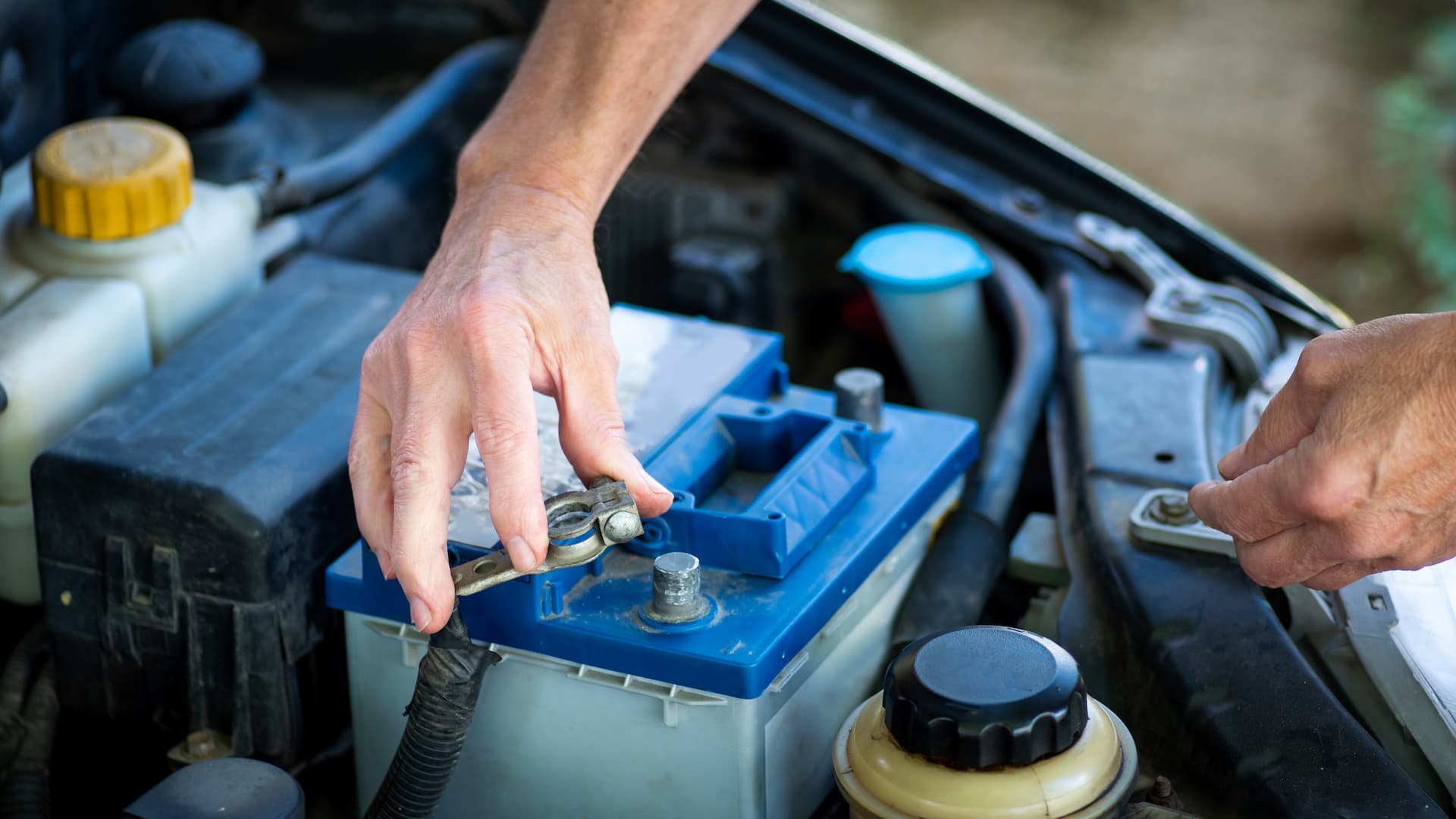
Shops almost never check battery electrolyte levels manually. Modern service focuses on voltage testing alone. Only distilled water should ever be added, never tap water. Minerals in tap water disrupt the chemical reaction inside.
Check levels every few months if your battery has serviceable caps. Plates should always remain fully submerged. A neglected battery often fails within two to three years instead of five or six. Replacement costs $100 to $250 typically.
This small maintenance step is nearly free. It’s ignored simply because most people don’t know it exists. Sealed, maintenance-free batteries have become standard on most modern vehicles. Check your battery type before assuming this applies to you.
9. AC System Refrigerant Oil
Your air conditioning system doesn’t just use refrigerant. It also circulates a specialized oil that lubricates the compressor. This oil travels through the entire AC loop along with the refrigerant gas. It keeps the compressor’s internal moving parts from grinding together.
Over years, small amounts of this oil escape through microscopic seal leaks. Refrigerant levels drop alongside it, often unnoticed. Shops typically just recharge refrigerant when cooling performance drops. They rarely check or replenish the oil itself.
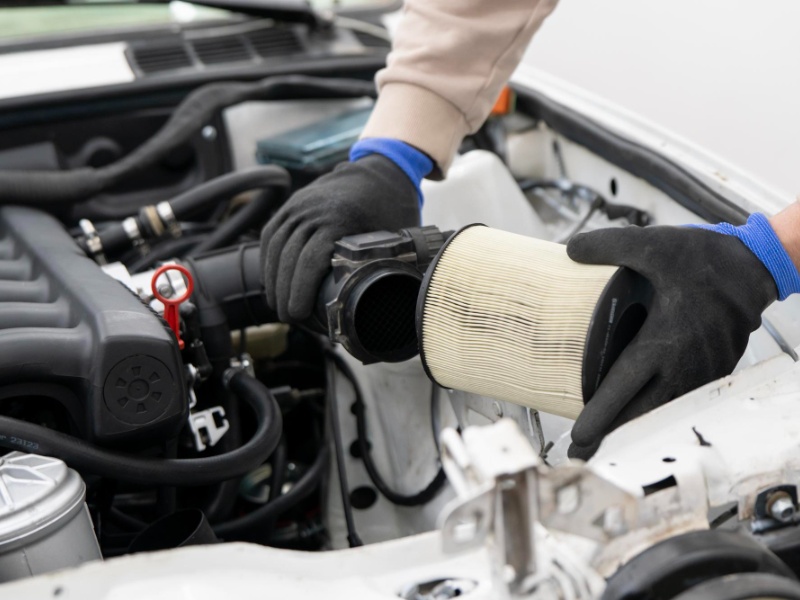
Running low on this oil causes compressor wear and eventual seizure. A seized compressor can also send metal debris throughout the entire AC system. That contamination often requires flushing the whole system, not just replacing one part. It’s a far larger job than a simple recharge.
Compressor replacement alone often costs $600 to $1,200. Full system flushes add significant additional labor cost. Manufacturers specify particular oil types for particular refrigerants and compressors. Using the wrong oil type can cause seal degradation.
If your AC blows warm despite a recent recharge, ask specifically about compressor oil levels. This step gets skipped constantly. Preventive AC service including oil checks costs relatively little. It’s far cheaper than replacing a seized compressor.
10. Windshield Washer Fluid (Freeze-Rated)
This sounds trivial, but formulation matters more than most people realize. Not all washer fluid is created equal. Summer blends often contain little to no antifreeze protection. Using summer fluid through a cold winter can freeze inside your lines.
Frozen fluid expands as it solidifies. That expansion can crack plastic reservoirs, pumps, and delicate fluid lines. Shops frequently top off washer fluid with whatever’s on hand. They rarely match it to seasonal temperature needs.
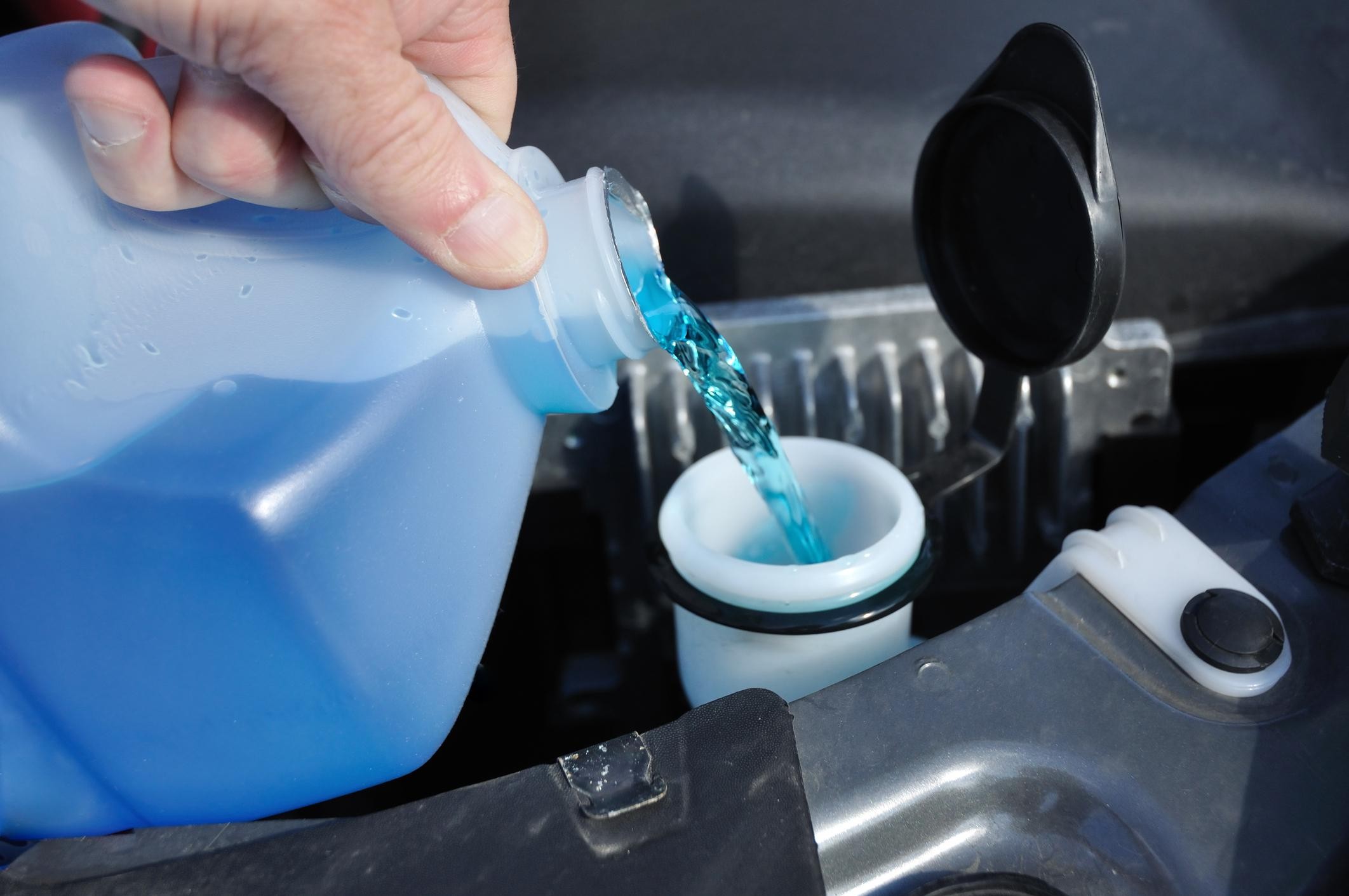
A cracked washer reservoir often isn’t discovered until fluid leaks everywhere. By then, replacement is the only fix. Reservoir replacement can cost $150 to $300 depending on accessibility. Pump replacement adds further cost on top of that.
Always check the freeze-rating printed on the washer fluid bottle. Choose one rated well below your region’s expected low temperatures. Diluting concentrated washer fluid with tap water also weakens its freeze protection. Follow mixing instructions precisely if using concentrate.
This is the cheapest fluid on this entire list. It’s also the easiest one to get completely wrong. Five minutes of attention before winter can prevent an unnecessary repair. Few people ever think to check.
