
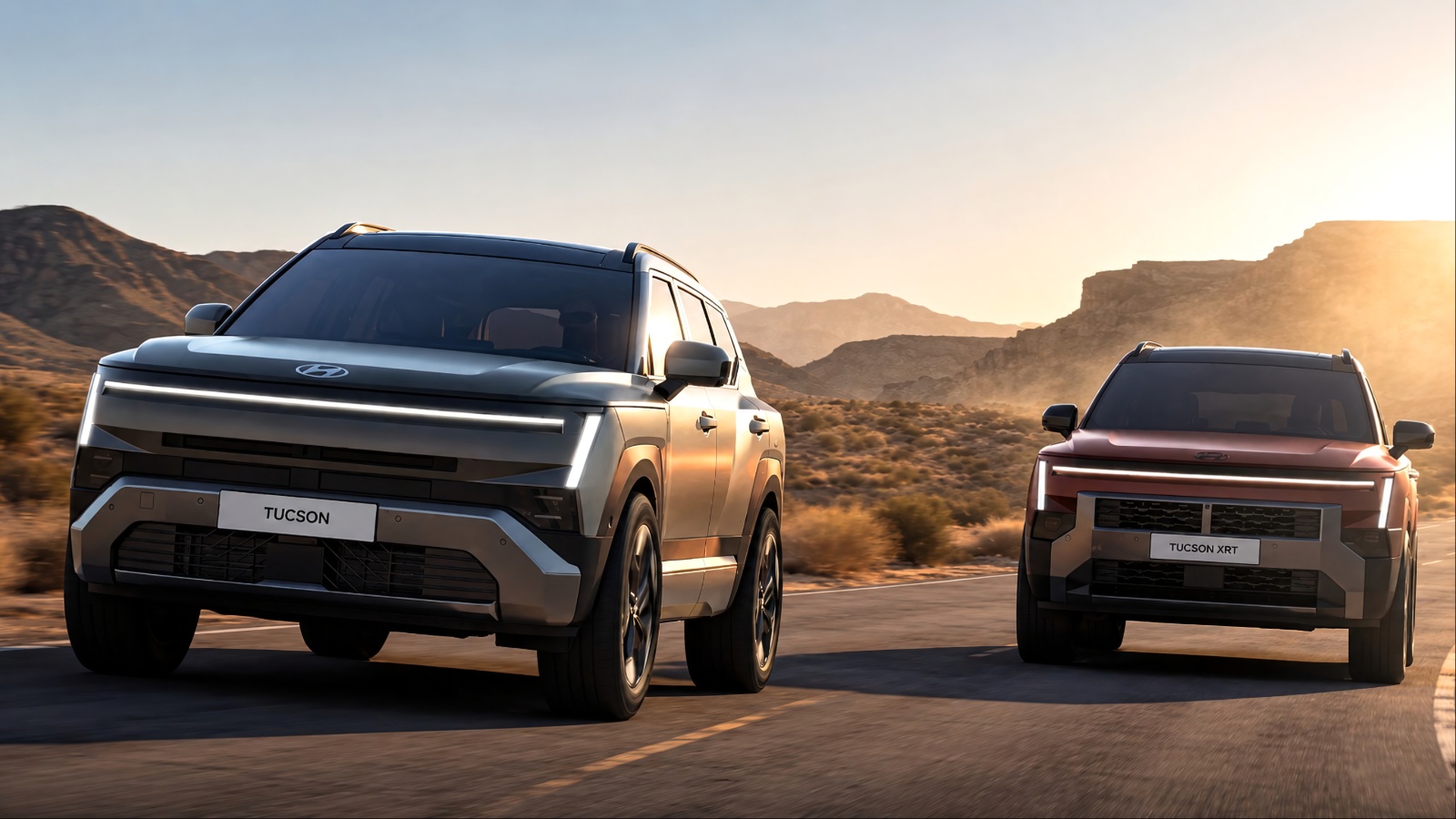
The 2026 Hyundai Tucson gives buyers plenty of choice, with six gasoline trims ranging from $29,700 for the SE to $39,675 for the Limited, before destination charges, taxes, and other fees. Between them are the SEL, SEL Plus, XRT, and SEL Premium.
According to Hyundai’s official specifications, every gasoline Tucson uses a 2.5-liter four-cylinder engine producing 187 horsepower. Front-wheel drive is standard on most versions, while HTRAC all-wheel drive is available depending on trim. The major differences involve equipment, comfort, technology, and styling.
For most shoppers, the SEL Plus is the trim worth the money. At $31,550, it costs only $500 more than the SEL while adding desirable comfort, technology, and styling features.
The SE makes sense for buyers focused on affordability, the XRT suits those wanting a rugged character, and the Limited targets shoppers willing to pay for luxury. But when price and equipment are considered together, the SEL Plus sits in the strongest position.
What Each 2026 Tucson Trim Offers
The SE starts at $29,700, making it the least expensive Tucson. Hyundai equips it with the 187-hp 2.5-liter engine, LED headlights, a 12.3-inch touchscreen, and SmartSense driver-assistance technology. Front-wheel drive is standard, while HTRAC AWD is available.
The SE is appropriate for someone who primarily wants Tucson’s practicality while keeping the purchase price down.
The SEL starts at $31,050, or $1,350 more than the SE. It adds heated front seats, dual automatic climate control, an eight-way power driver’s seat, a hands-free smart liftgate, 18-inch alloy wheels, and Smart Cruise Control with Stop & Go. Blind-spot collision warning is also included.
For someone planning to keep the Tucson for several years, the SEL is arguably the first trim where the extra spending becomes easy to justify.
Then comes the SEL Plus at $31,550. It costs only $500 more than the SEL, while adding H-Tex seating surfaces, 19-inch alloy wheels, and additional convenience equipment. It retains heated front seats, dual automatic climate control, the hands-free liftgate, and the 12.3-inch touchscreen.
That tiny price difference is the strongest argument for choosing it. The XRT starts at $33,725 and gives the Tucson a more rugged appearance with XRT-specific styling and 18-inch alloy wheels. HTRAC AWD is available.
For 2026, Hyundai also added Mud, Snow, and Sand Terrain Modes, making the trim more useful for buyers who occasionally leave paved roads.
The SEL Premium starts at $34,050, just $325 above the XRT. It shifts the Tucson toward comfort with H-Tex seating, heated front seats, a power sunroof, Smart Cruise Control 2, an auto-dimming rearview mirror, and ambient lighting.
At the top, the limited costs $39,675. It adds leather seating, ventilated front seats, premium audio, navigation, a surround-view monitor, and additional convenience technology. It is the most luxurious Tucson, but its price makes it difficult to call it the best value.
Why the SEL Plus Makes the Most Sense
The biggest advantage of the SEL Plus is its price-to-equipment ratio. The SEL already provides features that make a meaningful difference in everyday driving.
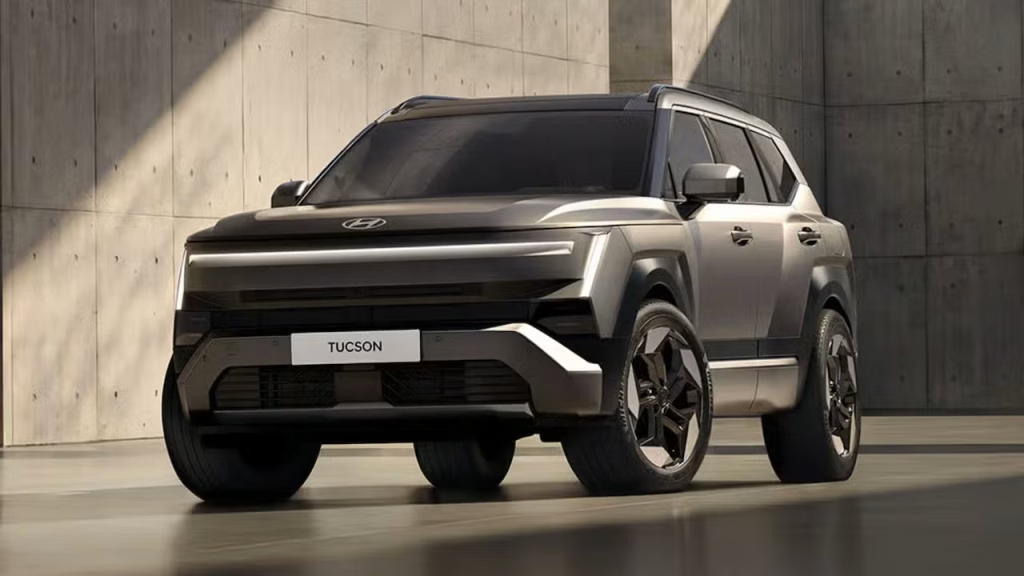
Heated seats are useful during cold mornings, the power driver’s seat makes finding a comfortable position easier, and dual-zone climate control lets the driver and passenger choose different temperatures.
Smart Cruise Control with Stop & Go can make highway trips less tiring, while the hands-free liftgate is useful when carrying groceries or luggage. The SEL Plus adds another layer of appeal for only $500.
Its H-Tex seating gives the cabin a more premium appearance than conventional cloth, while the 19-inch wheels make the exterior look more upscale.
That makes it easier to recommend than moving several thousand dollars higher in the lineup.
The powertrain is another advantage. Hyundai’s gasoline Tucson lineup uses the same 187-hp 2.5-liter four-cylinder engine, so buyers do not need a premium trim to get more power.
The front-wheel-drive version is rated at 28 mpg combined, with 25 mpg city and 33 mpg highway. HTRAC AWD models are rated at 26 mpg combined, with 24 mpg city and 30 mpg highway.
This lets buyers choose AWD based on their needs rather than being pushed toward a more expensive trim.
The XRT is worth considering for buyers who regularly encounter gravel, snow, or rougher roads, or who simply prefer its rugged styling. But if Tucson will mostly handle commuting, errands, and highway trips, its additional cost may be difficult to justify.
The SEL Premium is similarly dependent on personal priorities. Its additional comfort equipment can be worthwhile for buyers who value features such as the power sunroof and upgraded technology.
The Limited is designed for shoppers who specifically want a more luxurious cabin. Leather, ventilated seats, premium audio, navigation, and a surround-view monitor are appealing, but they come with a significant increase in price.
Having more features does not necessarily make a vehicle a better value.
If a buyer rarely uses premium audio, ventilated seats, or a surround-view camera, spending thousands more for those features may not make financial sense. Features used every day can provide greater value than an extensive list of luxury equipment.
The SEL Plus benefits from having several useful features without requiring buyers to climb far up the pricing ladder.
Hyundai also provides SmartSense safety technology across the lineup, so shoppers do not have to purchase the Limited simply to get a modern safety-focused compact SUV.
Which Tucson Should You Buy?
The SE is the choice for buyers who want the lowest possible entry price. The SEL is better for those willing to spend more for useful everyday features.
The SEL Plus is the strongest choice for most buyers. Its $31,550 starting price is close enough to the SEL to justify the added equipment, while it remains far below the Limited.
The XRT is best suited to buyers who want its rugged appearance and terrain-focused equipment.
The SEL Premium makes sense for shoppers seeking additional comfort without paying Limited money.
The Limited is for those who want the most luxurious Tucson and are comfortable paying nearly $40,000 before additional charges. For the typical buyer, however, the SEL Plus is the sweet spot.
At $31,550, it avoids the basic feel of the SE, improves upon the SEL with desirable equipment, and remains thousands below the premium trims. The fact that it costs only $500 more than the SEL makes its value particularly compelling.
The 2026 Tucson therefore does not require buyers to spend near $40,000 to get a well-equipped compact SUV. The upper trims offer more luxury, but the SEL Plus provides the strongest combination of price, comfort, technology, and everyday usefulness.
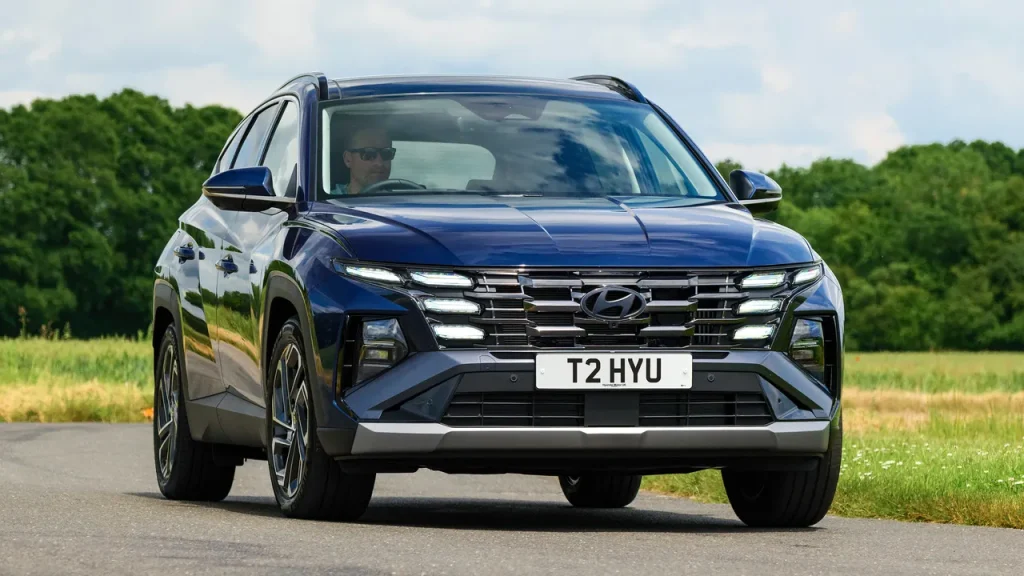
For shoppers who want a Tucson that feels modern and well-equipped without paying for features they may rarely use, the SEL Plus is the trim that makes the most sense.
What About the Tucson’s Hybrid Trims?
The gasoline Tucson is not the only option worth considering. Hyundai also offers the Tucson Hybrid, which changes the value calculation because buyers get a different powertrain rather than simply more equipment.
The 2026 Tucson Hybrid combines a 1.6-liter turbocharged engine with an electric motor and a six-speed automatic transmission. Hyundai rates the system at 231 horsepower, giving the hybrid considerably more power than the 187-hp gasoline model. HTRAC all-wheel drive is standard on the hybrid lineup.
That extra power can make the Hybrid attractive to buyers who spend significant time in city traffic or want stronger acceleration. The electric motor also allows the powertrain to operate more efficiently in conditions where a conventional gasoline engine is less efficient.
However, the hybrid carries a higher starting price than the equivalent gasoline versions. That means buyers should consider how many miles they drive each year before automatically choosing it.
For a high-mileage commuter, the hybrid’s efficiency advantage can make the additional upfront cost easier to justify. Someone who drives relatively little may take much longer to recover that premium through fuel savings.
The hybrid is therefore a different kind of value proposition. The gasoline SEL Plus remains the best choice for buyers prioritizing equipment and purchase price, while the hybrid becomes more compelling for drivers who prioritize efficiency, additional power, and standard AWD.
There is also the Tucson Plug-in Hybrid, which is aimed at buyers who want to drive on electric power for shorter trips while retaining a gasoline engine for longer journeys.
Its higher price makes it harder to recommend strictly on value, but it can make sense for households that can regularly charge at home and have driving patterns that take advantage of its electric capability.
For most buyers, the decision should therefore begin with the powertrain rather than the trim. Once the gasoline engine is selected, the SEL Plus remains the strongest value in the conventional Tucson range.
