
We’ve all been trained to trust the little “update available” notification, whether it’s on our phone or, increasingly, our car. A quick download, a restart, and everything should run smoother than before. But cars aren’t phones, and a botched line of code behind the wheel carries far higher stakes than a glitchy app.
Federal recall records show a troubling pattern for drivers. Software updates introduced to fix one safety issue have sometimes failed to solve the problem, been installed incorrectly, or created new risks of their own. The following ten cases come directly from NHTSA filings and show what can happen when a recall fix does not fully address the original problem.
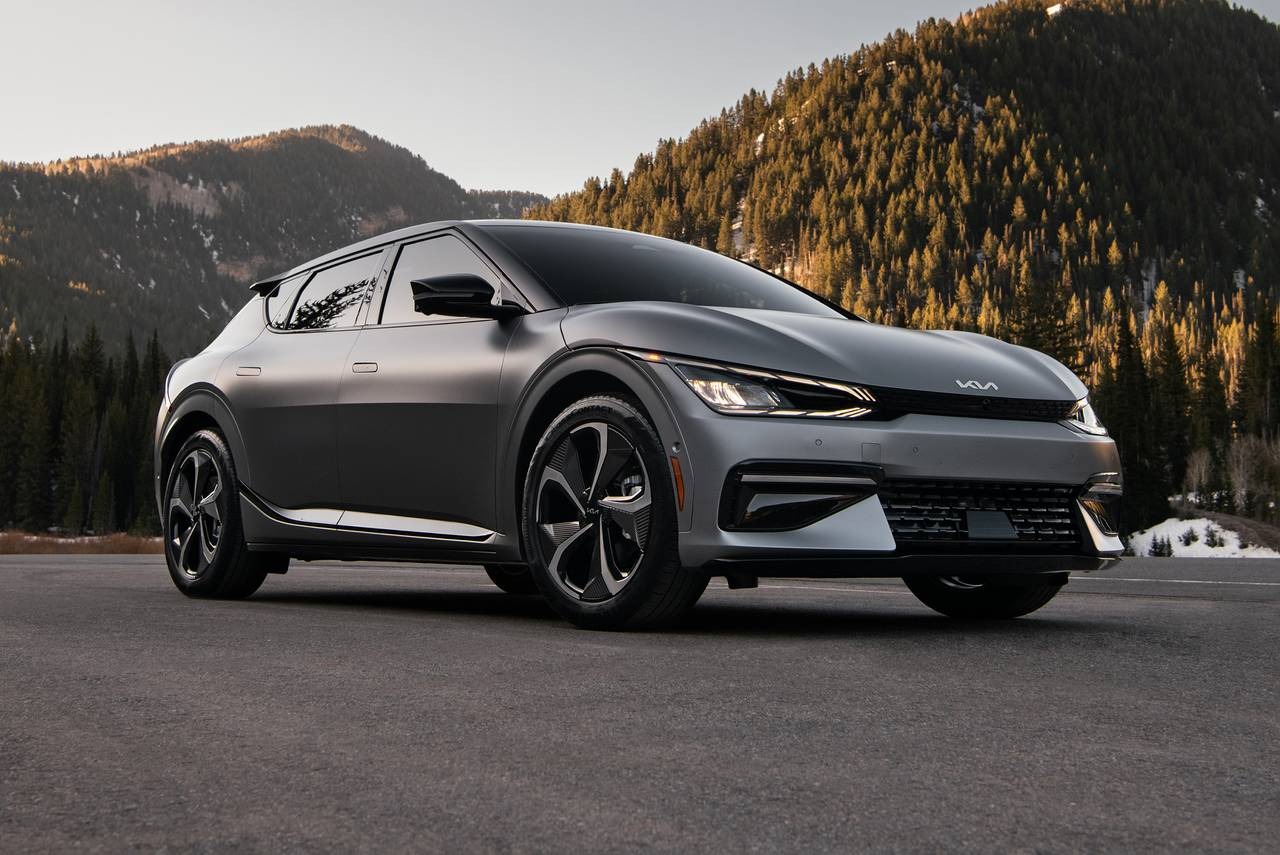
1. Kia EV6 (2022-2024)
Imagine owning an electric vehicle and receiving a recall notice. You take the car to the dealer as instructed, expecting the repair to resolve the issue, and leave assuming everything is fixed. For some EV6 owners, however, that confidence proved premature.
Kia’s original campaign targeted abnormalities in the Integrated Charging Control Unit, a component tied directly to how the vehicle manages power between its battery and drive system.
The update was supposed to catch early warning signs and prevent the car from suddenly losing propulsion while in motion, a genuinely alarming scenario at highway speed.
Except it didn’t fully work. Kia went on to document 34 separate reports across North America involving vehicles that had already received this exact software remedy, yet still experienced a loss of motive power.
That’s not a small clerical footnote; it’s proof that the original fix missed something the engineers didn’t fully understand the first time around. Kia responded by issuing a follow-up recall aimed at closing the gap the first campaign left open.
For vehicle owners, the key takeaway is simple. A completed recall does not always guarantee that the original problem has been completely fixed. Regularly checking your vehicle’s VIN in the NHTSA database can help you stay informed about ongoing issues and additional actions that may be needed.
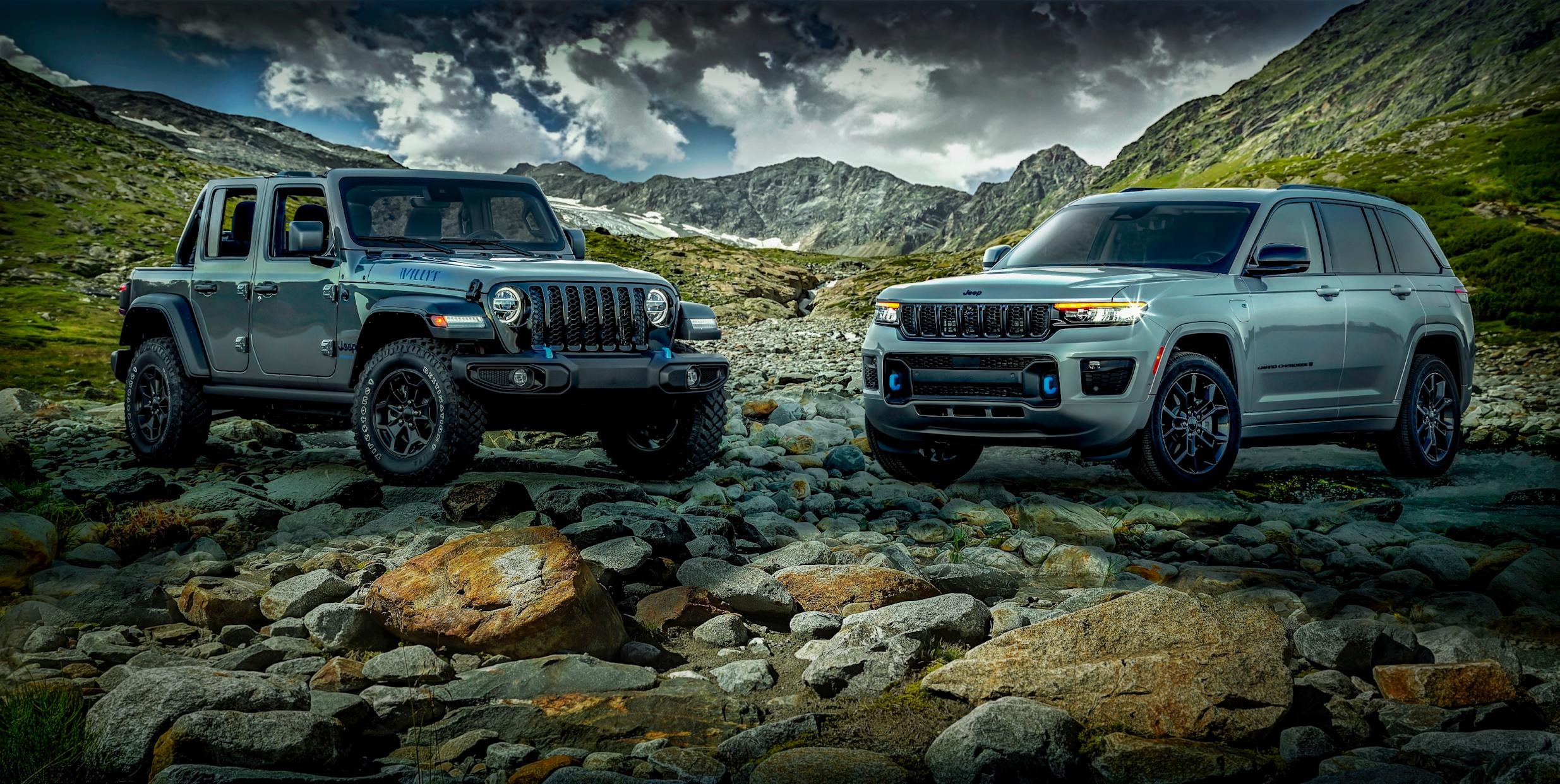
2. Jeep Wrangler 4xe / Grand Cherokee 4xe
Fire risk is about as serious as automotive safety concerns get, and Chrysler’s plug-in hybrid lineup has faced a genuinely troubling chapter here. The company’s first software remedy aimed to catch abnormal battery behavior early, hopefully stopping a fire before it could start. That’s a reasonable goal, and on paper, the fix should have addressed the danger.
Reality painted a different picture. NHTSA documented nine separate fire incidents involving Wrangler 4xe and Grand Cherokee 4xe vehicles that had already gone through the earlier software campaign.
Nine fires, after the supposed fix, is the kind of statistic that forces a manufacturer back to the drawing board. Chrysler’s own investigation concluded the original software simply wasn’t sensitive enough to catch every version of the battery problem it was designed to detect.
Certain fault conditions slipped past the detection logic entirely, leaving affected vehicles vulnerable despite technically being “recall complete” in the eyes of the system. An expanded recall followed, built around improved detection parameters.
For plug-in hybrid owners, especially those driving vehicles built during the affected production window, this case is a reminder that battery-related software fixes deserve close attention even after the initial repair.
If a vehicle shows any warning light, unusual smell, or charging irregularity following a battery-related recall, treating it as urgent rather than routine is the safer instinct, regardless of what the paperwork says was already fixed.
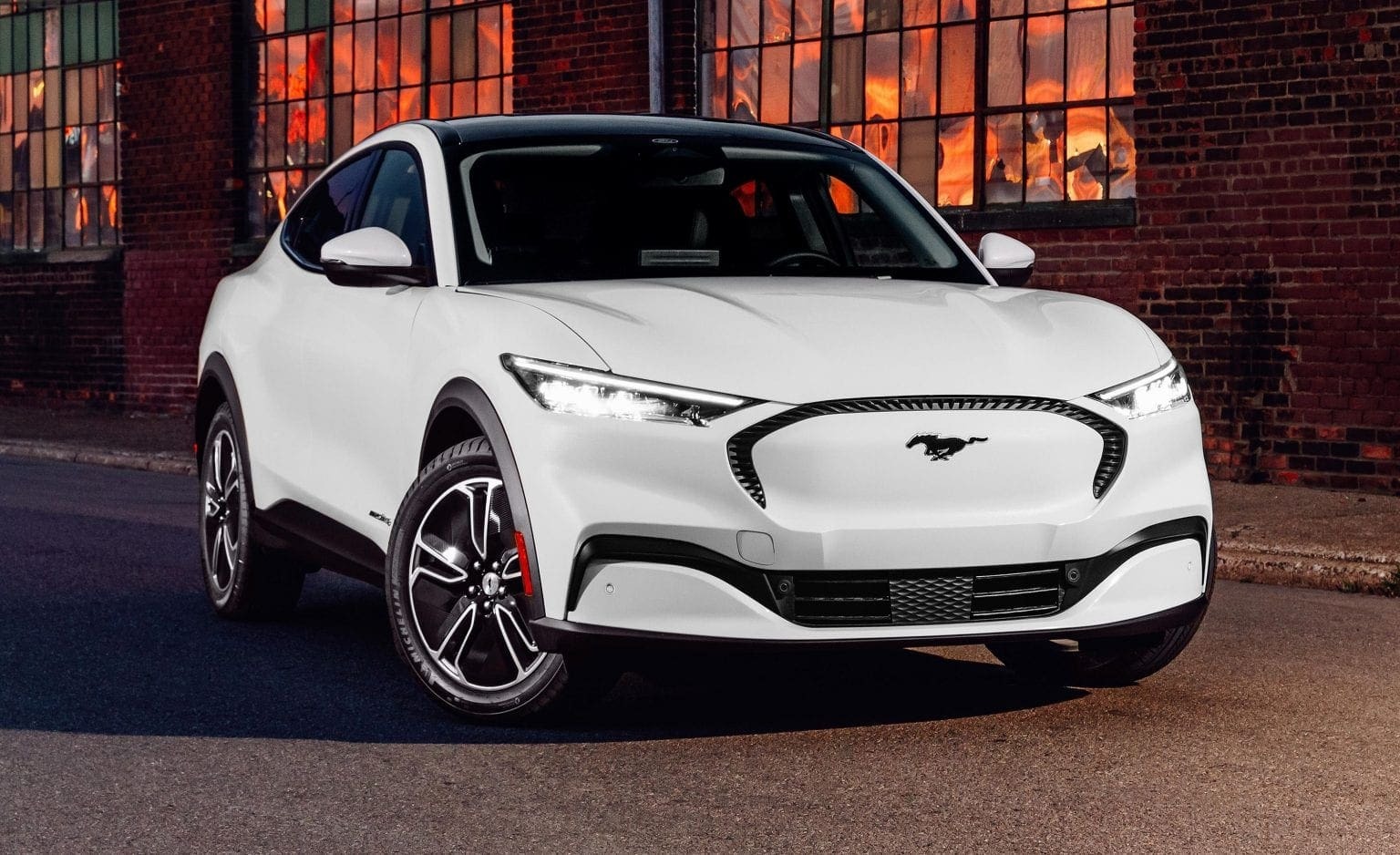
3. Ford Mustang Mach-E (2021-2022)
Ford Mustang Mach-E owners discovered that a software update could not fully address a problem affecting the electric SUV’s high-voltage battery system. The update was designed to monitor the battery contactors, which connect and disconnect electrical power between the battery and the rest of the vehicle.
Ford introduced the software remedy to reduce the risk of unexpected power loss while driving. Ford later found more than 100 cases involving overheated contactors and loss of motive power in vehicles that had already received the software update.
This raised concerns because the original remedy was intended to prevent precisely this type of failure. The main issue was that software could not correct every problem involving the physical contactors.
When these components became damaged by heat and electrical load, changing the vehicle’s programming was not enough to restore dependable operation. Some affected Mach-E models therefore required replacement contactors rather than another software update.
For owners of early Mach-E models, checking the vehicle’s repair history is important. A vehicle may have received the original software remedy without receiving the later hardware repair. That difference can affect how well the vehicle addresses the underlying contactor problem.
Anyone buying a used Mach-E should ask the seller or Ford dealer for documentation showing which recall work was completed. Checking the vehicle identification number can also reveal outstanding campaigns or repairs.
This case is a useful reminder that software updates cannot solve every electrical problem, especially when a physical component is already vulnerable to heat, wear, or excessive electrical load during driving.
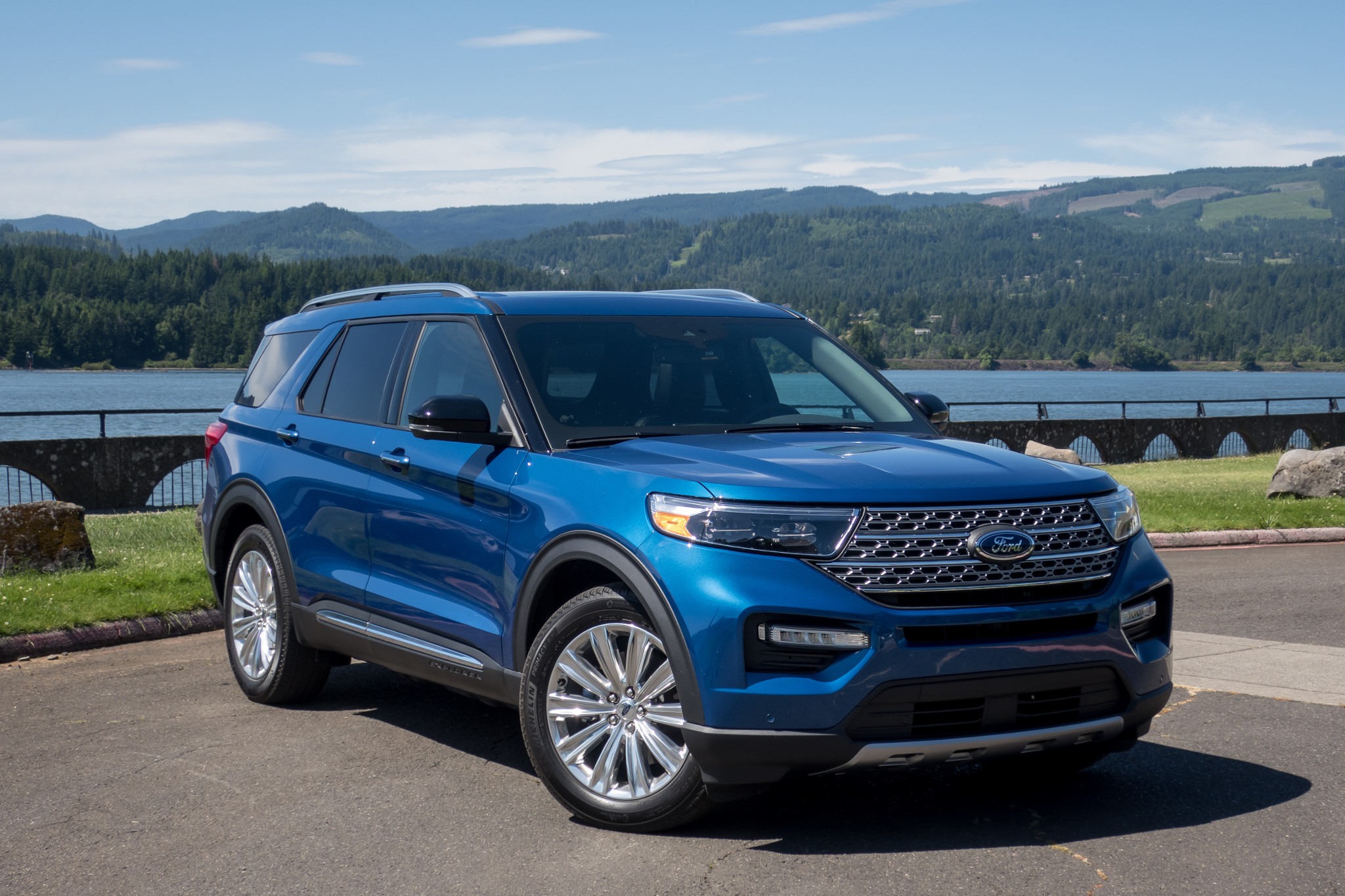
4. Ford Explorer (2020-2022)
Sometimes the problem isn’t that a software fix failed to work as designed. Sometimes the problem is that the fix never actually got installed correctly in the first place. That’s precisely what happened with a batch of Explorer SUVs caught up in an electronic parking brake campaign.
The feature was designed to work in a straightforward way. When the driver shifted into Park, the electronic parking brake would engage automatically to help prevent the vehicle from rolling away unexpectedly.
Straightforward request, straightforward code, right? Not quite. Some vehicles received programming that Ford itself later classified as erroneous, meaning the software installed during the recall visit didn’t actually deliver the parking brake function it was supposed to provide.
The troubling part for affected owners is that these vehicles could appear fully repaired on paper. The dealer completed the recall service, the update was recorded in the system, and the issue seemed resolved. In practice, however, the safety feature that the recall was supposed to restore was still not working as intended.
Ford identified the problem and issued a follow-up remedy to ensure the correct programming was installed. The case highlights an important concern with software recalls. A recall marked as complete in the manufacturer’s records does not always mean the correct software is actually running on the vehicle’s computer.
Owners with any doubt about whether their parking brake behaves as expected should have it independently verified rather than assuming a completed recall guarantees correct function.
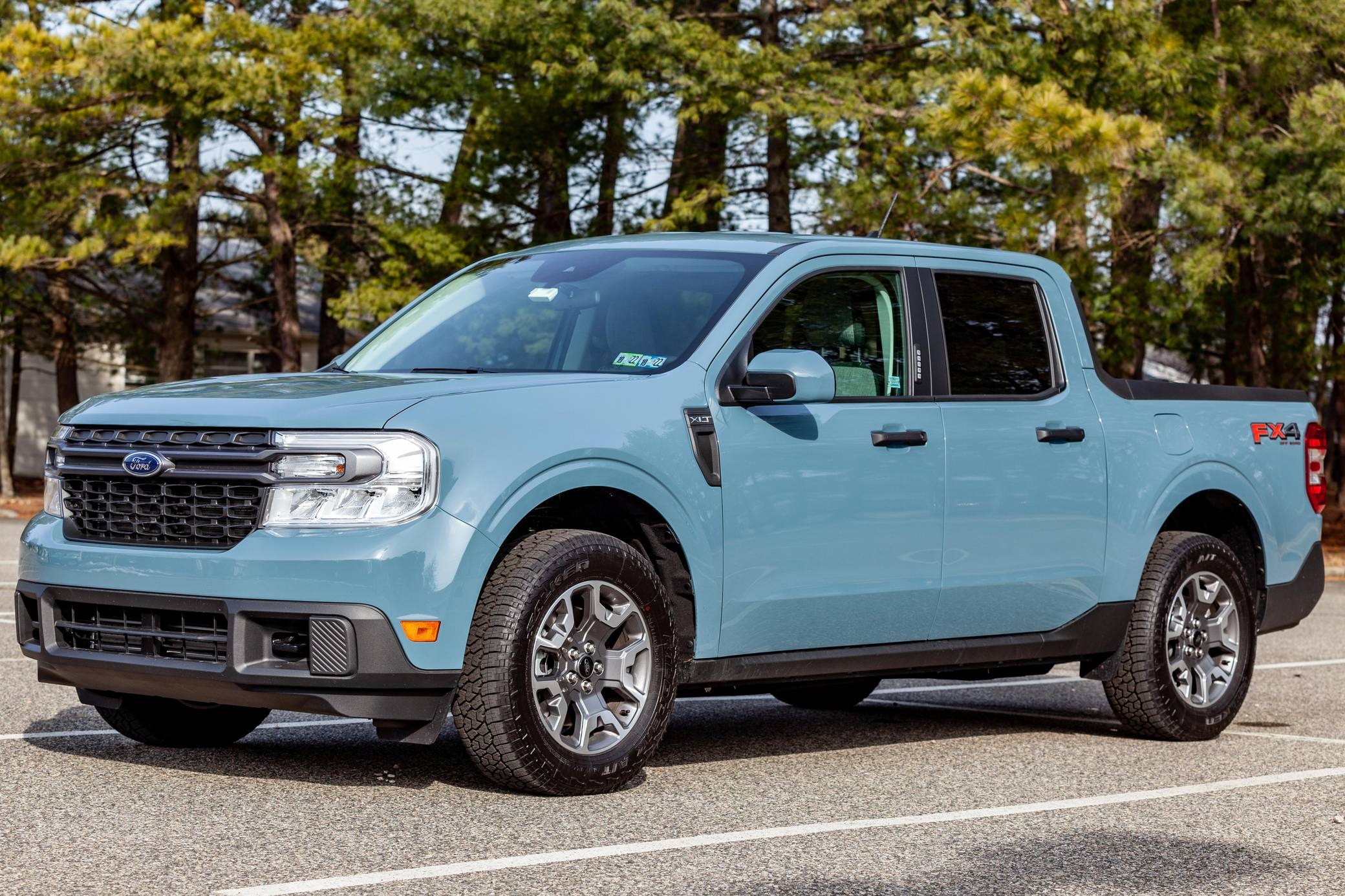
5. Ford Maverick (2022)
Recordkeeping mistakes and safety-critical software rarely mix well, and the Maverick’s case shows exactly why. Some owners brought their compact trucks in for a recall repair, received documentation confirming the work was done, and drove away assuming the underlying software problem had been addressed.
It hadn’t. Ford later determined that certain vehicles were logged as having received the fix even though the actual software installation never took place. The stakes here go beyond simple paperwork sloppiness.
The Powertrain Control Module software in the affected vehicles had a significant defect. It could fail to detect a sudden drop in the 12-volt battery’s state of charge. This was more than a minor software issue because it could affect how the vehicle responded to a low battery condition.
It could lead directly to an engine stall while driving, or worse, prevent the truck from restarting at all once stopped, leaving an owner stranded with no clear warning beforehand. Ford eventually caught the discrepancy between its repair records and the vehicles’ actual software status, then worked to correct both the documentation and the software itself.
For truck owners, this case highlights an important lesson. A “recall complete” status should not always be accepted without question, especially when the repair involves engine controls or charging systems. When possible, seek independent confirmation that the corrective action was completed properly.
A dealer service advisor confirming the specific software version currently installed takes only a few minutes and can close a gap that record-keeping alone apparently couldn’t catch on its own.
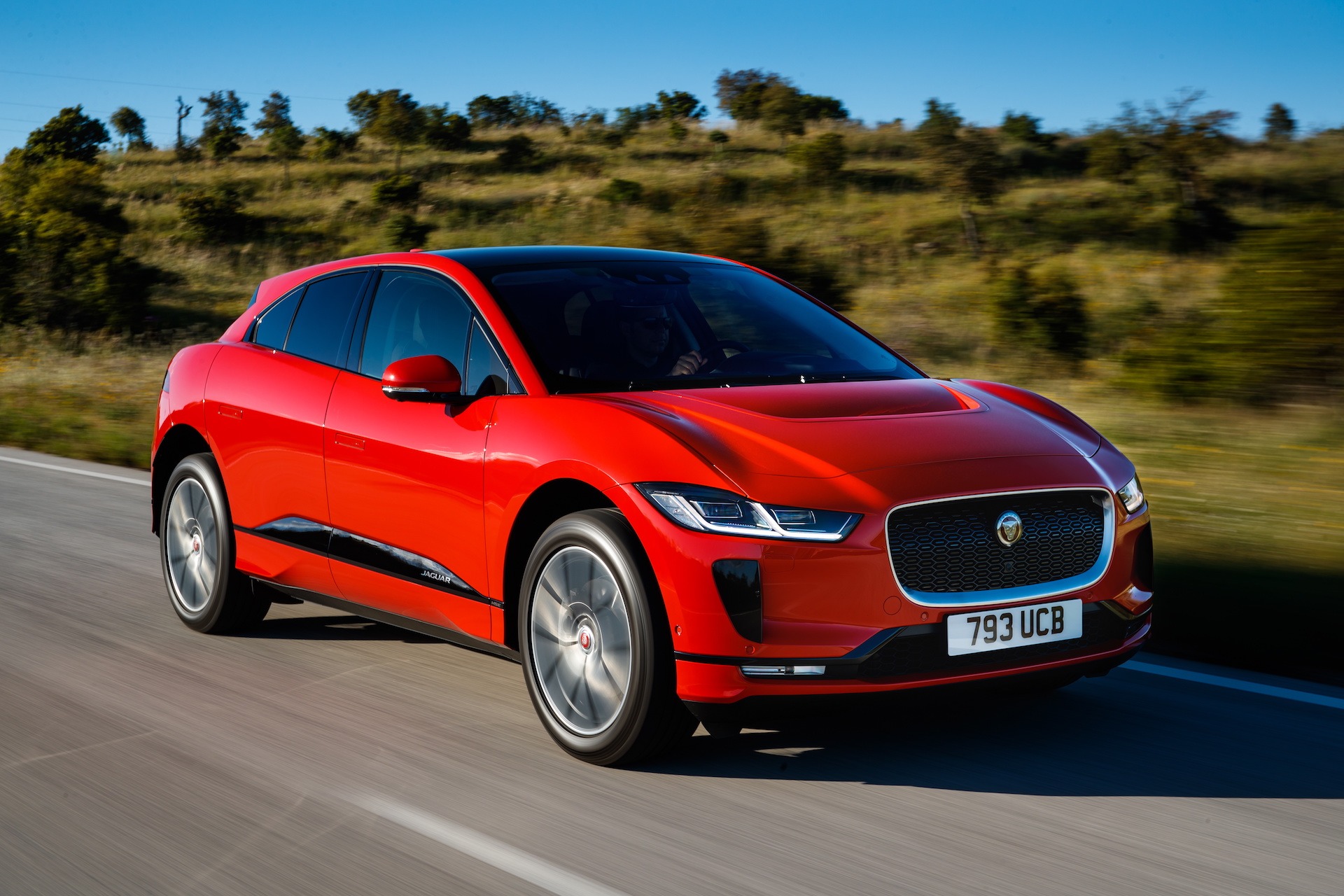
6. Jaguar I-Pace (2019)
Battery thermal problems sit near the top of the list when it comes to electric vehicle safety concerns, and the I-Pace’s early software history shows how difficult these issues can be to fully solve on the first attempt.
Jaguar Land Rover’s original remedy centered on battery-monitoring software, designed to catch early signs of thermal trouble before it escalated into something dangerous. The company’s own follow-up investigation revealed the gap.
Vehicles running that earlier diagnostic software could still experience the very battery thermal problems the update was supposed to catch. In plain terms, the monitoring system wasn’t reliably detecting certain fault conditions, which meant genuine safety risks could slip through undetected even on vehicles that had already gone through the recall process once.
A second recall followed, built around software with improved detection capability aimed at catching the conditions the first version missed. Jaguar deserves some credit here for continuing to investigate after the initial fix rather than considering the matter closed once the first campaign wrapped up.
For I-Pace owners, particularly those with vehicles from the earliest production years, staying current on recall notices carries real weight given this vehicle’s specific history with battery software.
Checking VIN status periodically through NHTSA’s public recall lookup tool remains one of the simplest ways to confirm whether a vehicle has received the most current, effective version of this particular safety fix.
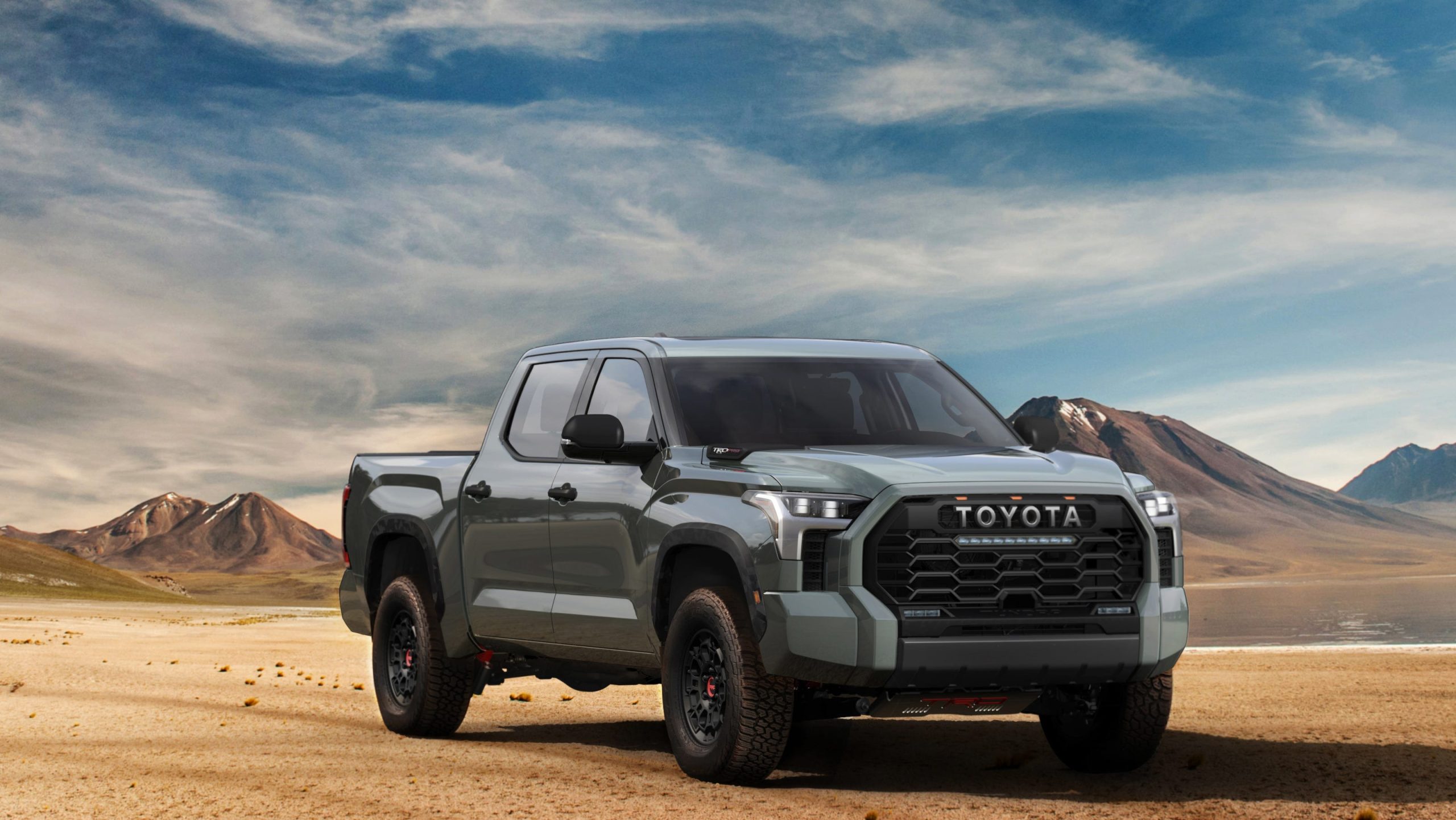
7. Toyota Tundra (2022)
Losing your rearview camera might sound like a minor inconvenience compared to fire risk or sudden power loss, but it’s still a genuine safety function, particularly for anyone backing out of a driveway with kids or pets nearby.
Toyota identified a software problem within the Parking Assist ECU that could prevent the rearview camera image from displaying under certain conditions, leaving drivers without a feature they’ve likely come to depend on daily.
This case deserves a slightly different framing than some of the others on this list. Toyota’s dealers were instructed to reprogram the ECU to correct the underlying defect, and the fix addresses a software flaw present from the factory rather than a problem introduced by a prior remedy gone wrong.
In this case, the issue was not caused by an over-the-air update that made a working system worse. Instead, the vehicle had a software defect that required an update to correct. The distinction is important, but the effect on owners can be similar. A safety-related feature may not function properly until the vehicle receives the necessary dealer service.
Tundra owners from the affected model year should confirm with their dealer whether the ECU reprogramming has been completed, since a missing rearview image is the kind of problem that’s easy to overlook until the exact moment you actually need it.
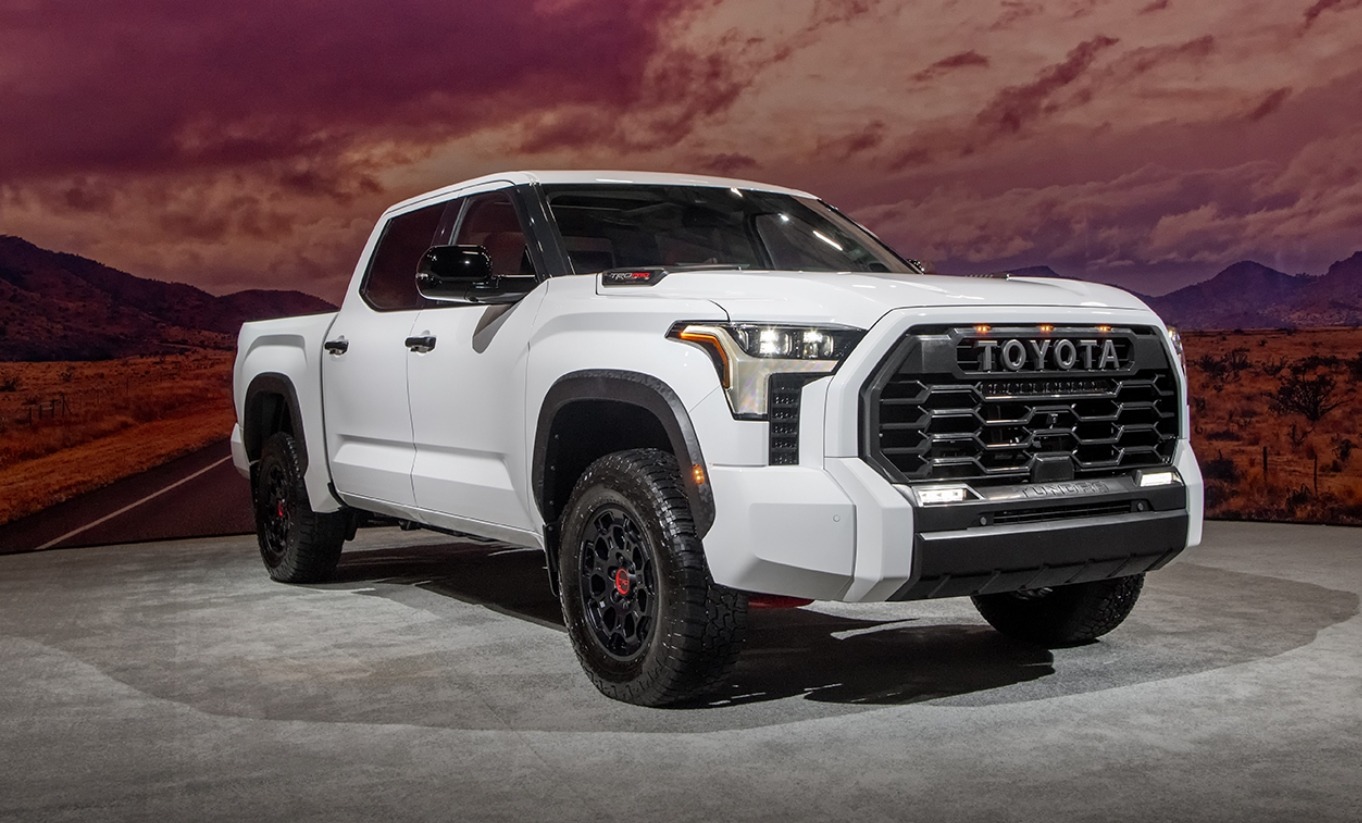
8. Toyota Tundra / Tundra Hybrid (2024-2025)
Toyota faced another rearview camera software problem with certain Tundra and Tundra Hybrid models from the 2024 and 2025 model years. NHTSA recall records describe a Parking Assist ECU issue that could prevent the rearview camera image from appearing when the driver puts the vehicle in reverse.
Toyota’s repair procedure is straightforward. Dealers are instructed to update the Parking Assist ECU software so the camera display works as intended. However, this case should not be presented as an OTA update making a previously working vehicle worse.
The problem was related to software installed in affected vehicles and required a corrective update from Toyota. For owners and people considering these trucks, the repeated camera issue raises questions about how manufacturers test software that is carried across different model years.
A system that appears dependable in one vehicle can still develop problems when the same software is used in newer models. Owners of affected Tundra and Tundra Hybrid trucks should contact a Toyota dealer and provide the vehicle identification number.
The dealer can confirm whether the truck is included in the recall and whether the required ECU update has been completed. Buyers should also avoid assuming that a newer model automatically avoids problems found in earlier trucks. Checking recall records before purchasing a vehicle is a simple way to identify unresolved software-related safety issues.
A rearview camera is an important safety feature, so drivers should take any warning or display problem seriously. If the camera does not appear while reversing, owners should have the vehicle inspected rather than relying only on the screen or guessing that the system will correct itself.
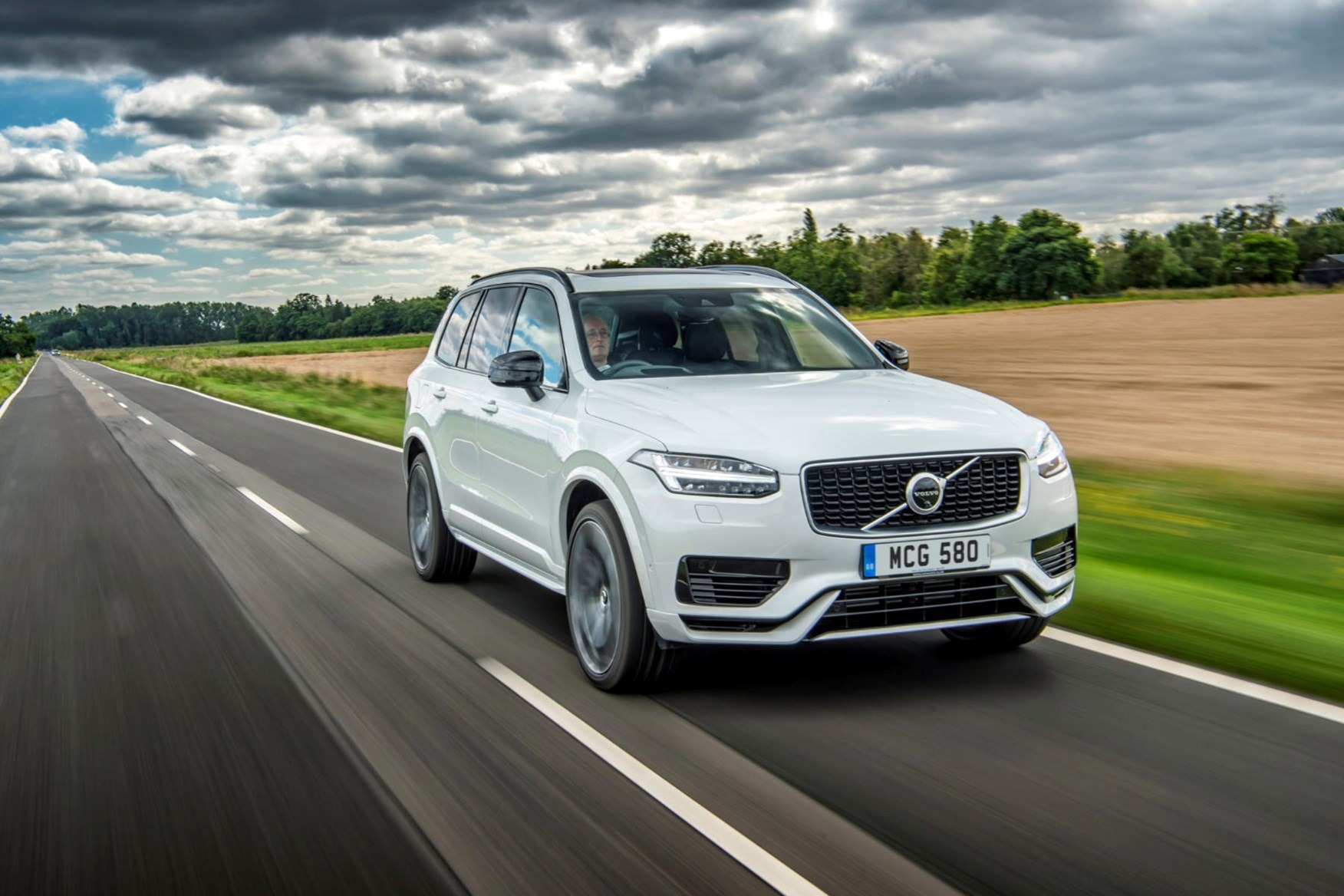
9. Volvo XC90 PHEV (2020-2026)
Long downhill runs can place extra demands on a vehicle’s brakes, especially when a plug-in hybrid uses regenerative braking to slow the car and recharge its battery. Volvo’s XC90 PHEV experienced a problem linked to how these two braking systems worked together.
According to NHTSA, certain Volvo models, including XC90 plug-in hybrids from several model years, could develop a braking problem under specific downhill regenerative-braking conditions.
The issue came after earlier software-related recall work on the same vehicle platform, meaning some vehicles had already received a previous repair before this concern was identified. Volvo responded with another software remedy designed to address the newly discovered braking condition.
While repeated updates show that the company was paying attention to reports and working to correct problems, they also show that regenerative braking can create additional challenges when it works alongside conventional brakes.
XC90 PHEV owners should take the issue seriously, particularly if they frequently drive on steep roads or through hilly areas. If the brake pedal feels different or the vehicle does not slow down as expected, contacting a Volvo dealer should be a priority.
It is also wise for owners to check the vehicle’s current recall status using its VIN. This can confirm whether the vehicle has any outstanding software or safety repairs.
Taking this simple step before a trip involving long descents can help ensure that the vehicle has received the latest approved repair and that the braking system is operating as intended. Owners should not ignore any warning messages.
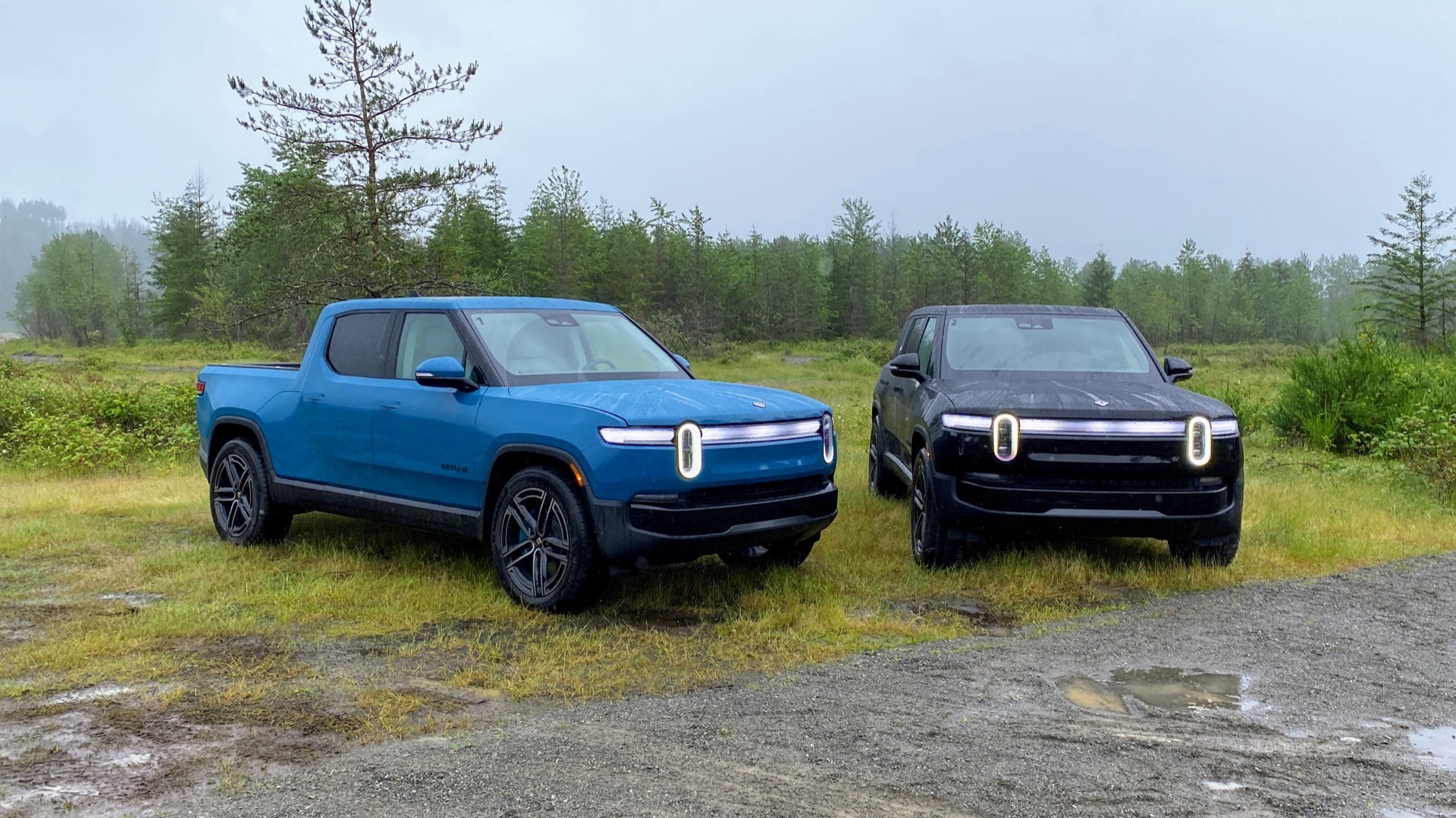
10. Rivian R1T / R1S (2025)
Driver-assistance systems promise an extra set of digital eyes on the road, but that promise depends entirely on the software correctly identifying what’s actually in front of the vehicle.
Rivian’s Hands-Free Highway Assist feature ran into exactly this kind of failure. NHTSA recall 25V585 identified certain R1T and R1S vehicles running software versions older than 2025.18.30, where the system could incorrectly identify a vehicle ahead, a flaw with obvious implications for crash risk during highway driving.
Rivian’s chosen fix leaned on the strength that increasingly defines modern electric vehicles: the ability to push a genuine correction through an over-the-air software update rather than requiring a physical dealer visit.
That’s worth acknowledging as a real advantage of this technology when it works as intended, allowing a safety-relevant correction to reach affected vehicles quickly and directly.
One clarification matters here, given how much speculation has circulated online. There is no solid NHTSA evidence supporting claims that a corrupted security certificate caused these vehicles to become completely bricked, unable to start or operate.
That particular story appears to have spread well beyond what the actual recall documentation supports, and it’s worth separating verified recall data from unconfirmed claims making the rounds on social media or forums.
Owners should rely on official recall notices and confirmed software version numbers, not secondhand rumors, when assessing their own vehicle’s status.
