
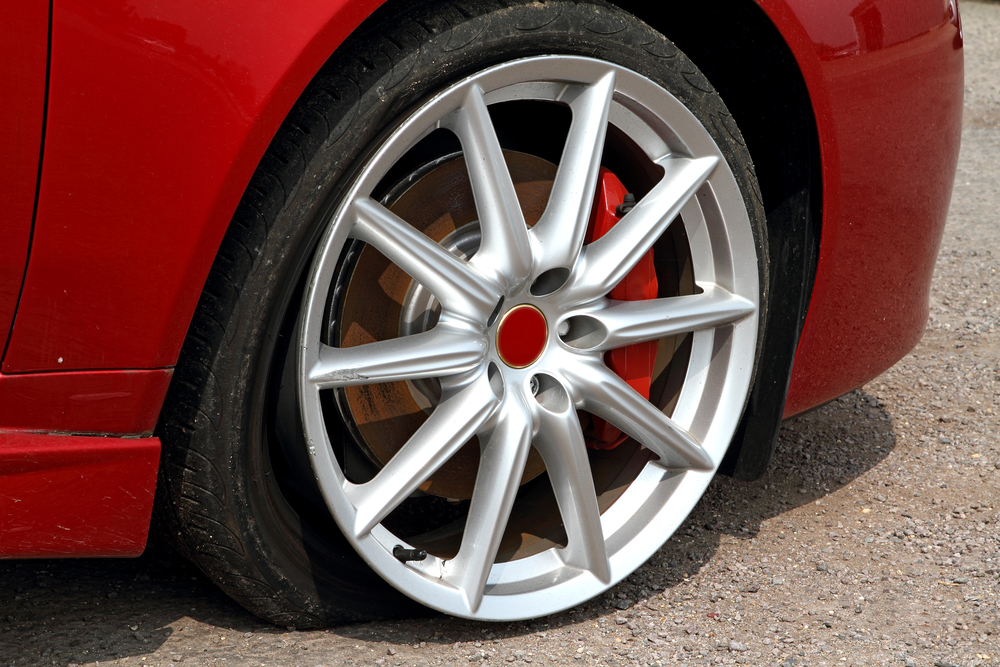
Car vibrations are easy to dismiss, especially when they appear briefly or only at certain speeds. Yet the location, timing, and intensity of a vibration can provide useful clues about what is happening beneath the vehicle. A shake through the steering wheel can point toward a different problem than a tremor felt through the seat or floor.
Vibrations during braking, acceleration, idling, or cornering also narrow the possibilities. Understanding these warning signs can help drivers recognize problems earlier, avoid unnecessary parts replacement, and know when professional inspection is needed. Here are eight common car vibrations and the repairs they may require.

1. Steering Wheel Vibrates at Highway Speed
A steering wheel that shakes at higher speeds often points toward a problem with the front wheels or tires. Drivers commonly notice this vibration somewhere around highway speeds, with the sensation becoming stronger as the vehicle travels faster.
A tire that has lost its balance can create a rhythmic shake because its weight is not evenly distributed around the wheel. The steering wheel may move from side to side, and the vibration can sometimes become more noticeable on smooth roads where there are fewer other sensations competing for attention.
Wheel balancing is a common repair when an imbalance is responsible. During a balancing service, a technician places the wheel and tire assembly on balancing equipment to identify uneven weight distribution.
Small weights can then be attached to the wheel to correct the imbalance. If the tire has developed uneven wear, a flat spot, or internal damage, balancing alone may not solve the problem. The technician may need to recommend tire replacement when the tire can no longer operate safely.
A bent wheel can produce similar symptoms. Potholes, road debris, and hard impacts can distort a wheel enough to affect its rotation. In some cases, the damage is visible, but minor bends may require specialized equipment to identify.
A damaged wheel can prevent proper balancing and may continue producing vibration after repeated attempts to correct the balance. Repair or replacement depends on the wheel’s construction, the extent of the damage, and the manufacturer’s specifications.
Front-end components can also contribute to steering wheel vibration. Worn tie rod ends, ball joints, control arm bushings, or other suspension and steering parts may allow excessive movement. These problems can affect handling and tire wear as well as create unusual sensations through the steering wheel.
Because steering and suspension components influence vehicle control, a persistent vibration accompanied by looseness, pulling, clunking, or uneven tire wear deserves prompt inspection.
If the vibration appears at a repeatable speed, note exactly when it starts and whether it changes during acceleration, braking, or turning. That information can help a technician narrow the cause.
A simple wheel balance may be enough, but assuming that every highway-speed vibration comes from balancing can delay repairs when a damaged tire, bent wheel, or worn suspension component is involved.
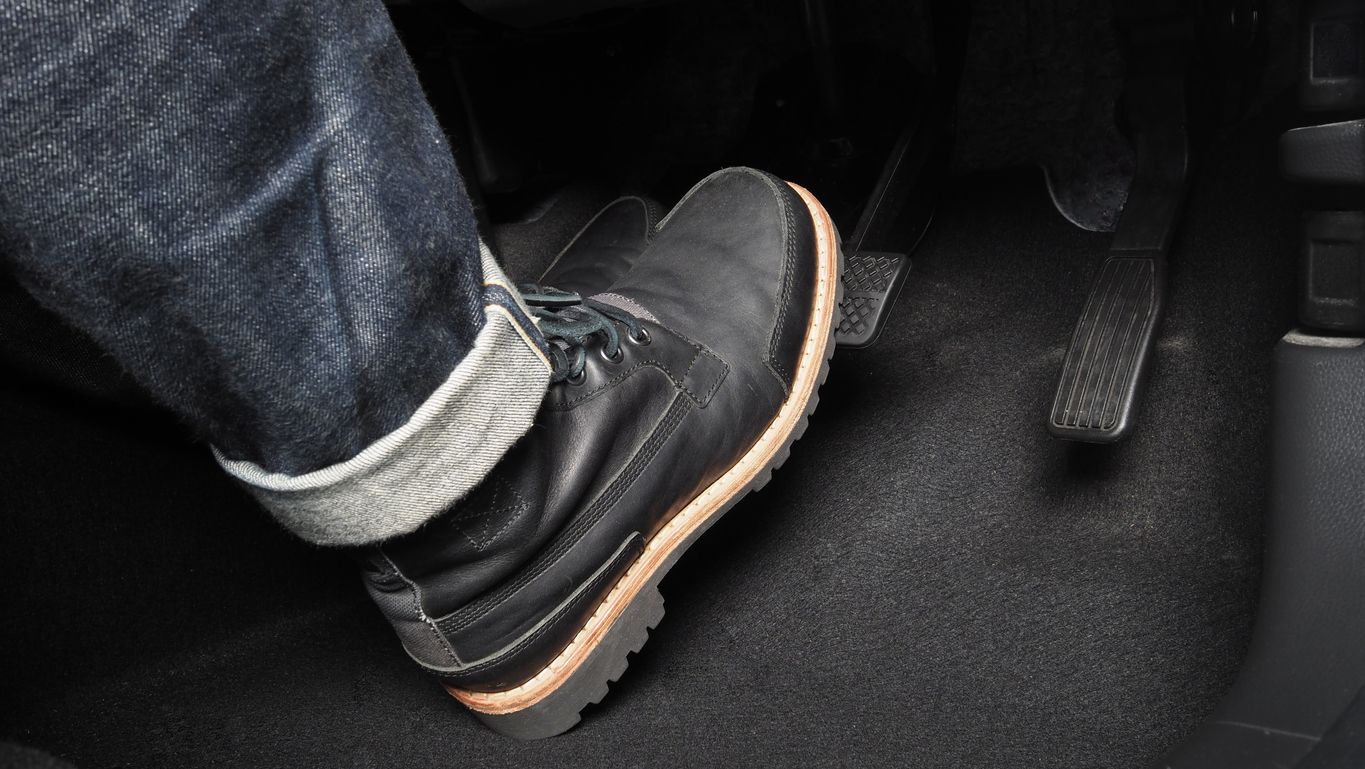
2. The Car Shakes When Braking
A vibration that appears mainly when the brake pedal is pressed usually directs attention toward the braking system. Many drivers describe this as a pulsing brake pedal or a shaking steering wheel.
The sensation may become stronger during harder stops or when braking from higher speeds. In the front braking system, irregular brake rotor surfaces can contribute to changes in braking force as the rotor turns, producing a pulsating sensation.
Brake rotors can develop thickness variation, surface irregularities, or other forms of distortion associated with heat and wear. Repeated heavy braking, improper wheel installation, corrosion, and other conditions can affect rotor performance.
The appropriate repair depends on the condition of the rotor and the vehicle manufacturer’s specifications. A technician may recommend machining a suitable rotor where permitted, but replacement is often necessary when the rotor is too thin, damaged, or otherwise outside acceptable limits.
Brake pads should be inspected at the same time. Uneven pad wear can sometimes accompany problems elsewhere in the braking system.
Sticking caliper components, worn hardware, contaminated friction material, or other faults can cause uneven contact between the pad and rotor. Replacing a single component without identifying the underlying cause may allow the vibration to return.
A brake-related vibration should not be ignored simply because the vehicle still stops. The braking system is critical to safe vehicle operation, and vibration can indicate a condition that affects braking consistency.
If the vehicle pulls strongly to one side, produces grinding noises, develops a burning smell, or requires unusual pedal pressure, professional inspection should happen as soon as possible.
The solution could involve anything from routine brake service to replacing the pads and rotors or repairing a caliper. Pay close attention to when the vibration occurs. If it appears only when braking and disappears during normal driving, the brake system should be the first area inspected.
A tire imbalance tends to behave differently, with vibrations usually increasing or decreasing with vehicle speed rather than appearing specifically when the brakes are applied.
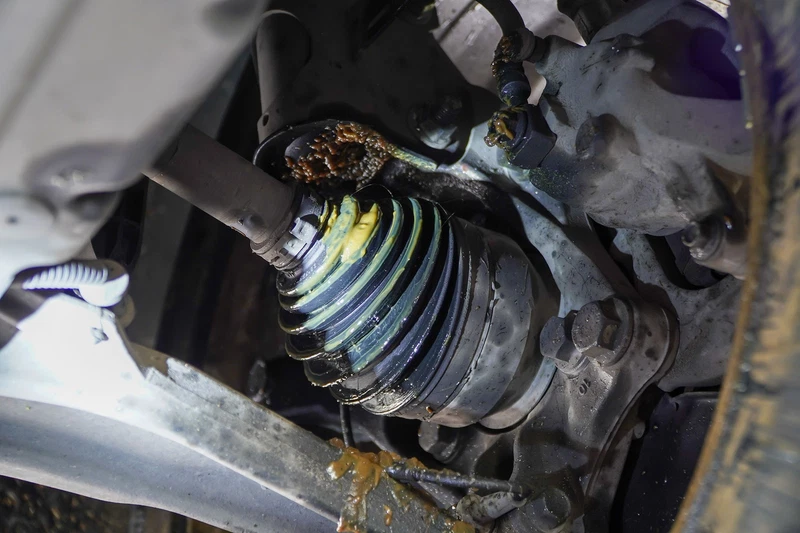
3. Vibration During Acceleration
A vibration that occurs primarily while accelerating can point toward the drivetrain rather than the wheels. The sensation may be felt through the floor, seat, or entire vehicle.
It can become stronger when the engine is producing more power and may decrease when the accelerator is released. This pattern is particularly useful because drivetrain components experience different loads during acceleration than they do while coasting.
On many rear-wheel-drive and all-wheel-drive vehicles, a worn or damaged driveshaft component can produce this type of vibration.
Universal joints, constant velocity joints, center support bearings, or driveshaft-related components can develop wear that becomes apparent under load. A damaged driveshaft can also become unbalanced. Since these parts rotate at high speed, even a relatively small defect can create a noticeable vibration.
Engine and transmission mounts can create similar sensations. These mounts are designed to hold the powertrain in position while limiting vibration transferred into the passenger compartment. When a mount becomes cracked, collapsed, or excessively soft, the engine and transmission can move more than intended. Acceleration may then produce a noticeable shake, clunk, or thump.
A technician will normally inspect the drivetrain for looseness, worn joints, damaged boots, leaking components, and abnormal movement. The repair could involve replacing a worn joint, driveshaft component, mount, or related part. Some problems require more extensive drivetrain work, so accurate diagnosis is important before buying replacement parts.
Drivers should avoid assuming that an acceleration vibration is simply a tire problem. Tires rotate whenever the vehicle moves, so a tire imbalance tends to remain linked to road speed.
A drivetrain problem may instead appear under power, disappear while coasting, or change noticeably when the throttle position changes. Recording these details can save diagnostic time and help distinguish between wheel-related and powertrain-related faults.
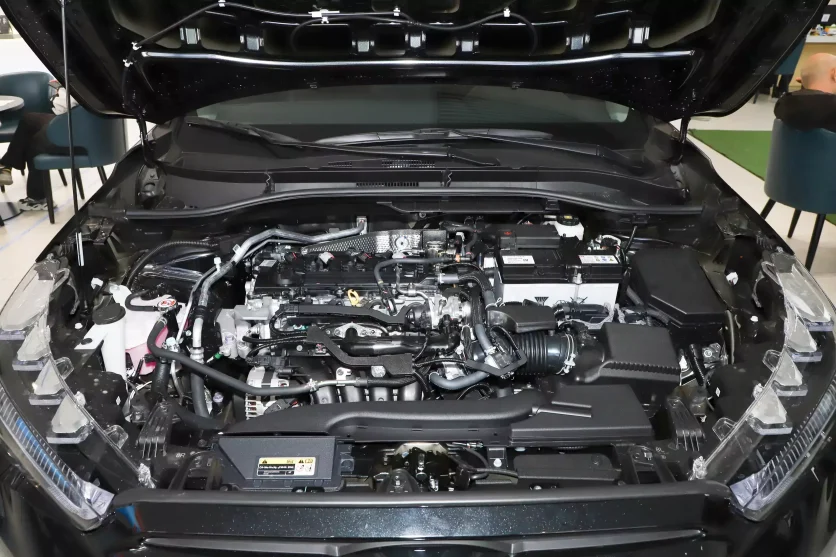
4. Vibration While the Car Is Idling
A vehicle that shakes while sitting still with the engine running has a different set of possible causes. Since the car is not moving, wheel balance, tire condition, and many suspension issues become less likely. The engine itself, its mounts, or systems responsible for maintaining a stable idle should receive attention.
An engine misfire is a common possibility. During normal operation, each cylinder must contribute power in a controlled sequence. If a cylinder fails to burn the air-fuel mixture correctly, engine operation can become uneven.
Faulty spark plugs, ignition components, fuel delivery problems, vacuum leaks, or other engine faults can contribute to misfires depending on the vehicle. A check engine light may also appear, particularly when the engine computer detects repeated misfire events.
Engine mounts provide another potential explanation. Even when the engine is operating normally, worn mounts can allow normal engine movement and vibration to reach the body more strongly. The result may be a noticeable shake through the steering wheel, seat, or dashboard while stopped. The vibration can change when the transmission is shifted between Park, Neutral, Drive, or Reverse.
A dirty throttle body, air intake issue, or idle control problem can also affect how smoothly an engine runs at low speed. Modern vehicles use electronic controls to maintain engine speed, so problems involving airflow, sensors, fuel delivery, or ignition can disturb idle quality.
Diagnosis usually requires checking stored fault codes, live engine data, ignition performance, and other relevant systems rather than simply replacing a suspected part.
The repair depends entirely on the source. A spark plug replacement is much simpler than repairing a fuel system or replacing an engine mount.
If the engine is shaking severely, the check engine light is flashing, or the vehicle is losing power, continued driving can potentially cause additional damage. An idle vibration should therefore be treated as a diagnostic clue rather than a problem that can be solved safely through guesswork.

5. Vibration When Turning the Steering Wheel
A vibration that appears while turning can indicate a problem involving steering, suspension, wheel bearings, or drive axles. The exact circumstances matter.
A vibration during a slow, tight turn in a front-wheel-drive vehicle may have a different cause from a vibration that appears during a faster corner. Paying attention to whether the steering wheel itself shakes, whether clicking noises occur, and whether the vibration happens under acceleration can provide valuable information.
Constant velocity joints are important drivetrain components on many front-wheel-drive vehicles. They allow drive power to reach the wheels while accommodating steering and suspension movement.
An outer CV joint with significant wear can produce clicking or popping noises during tight turns, particularly when accelerating. A damaged protective boot can allow grease to escape and contaminants to enter, accelerating wear.
Wheel bearings can also create unusual sensations, though their most recognizable symptom is often a humming, growling, or rumbling noise that changes with road speed or cornering. Excessive bearing wear can affect wheel movement and, in serious cases, compromise vehicle safety. A technician can check for abnormal play and listen for characteristic noises during inspection.
Suspension and steering components deserve attention as well. Worn ball joints, tie rod ends, control arm bushings, or strut components can affect wheel movement and alignment.
Some faults produce vibration, while others create clunks, wandering, uneven tire wear, or loose steering. Because these components are directly involved in keeping the vehicle controlled, suspected failures should be assessed promptly.
The repair might therefore involve a CV joint or axle, wheel bearing, steering component, or suspension part. The important clue is the relationship between the vibration and steering input. A vibration that changes significantly when the vehicle turns should not automatically be blamed on wheel balancing. The steering and drivetrain systems need to be considered together.
6. Vibration Through the Seat or Floor
When a vibration is felt mainly through the seat or floor rather than the steering wheel, the source may be farther back in the vehicle. Rear tires, rear wheels, driveshaft components, exhaust parts, suspension components, and other underbody systems can all produce sensations that travel through the cabin.
Rear tire imbalance is a straightforward possibility. Because the rear wheels are farther from the steering wheel, the vibration may feel more like a body or seat shake than a steering-wheel movement. Uneven rear tire wear can also produce a repeating vibration. Tire inspection should include tread condition, inflation pressure, visible damage, and signs of irregular wear.
On vehicles with a driveshaft, problems in that assembly can also transfer vibration directly into the floor. A driveshaft that is bent, damaged, improperly balanced, or affected by worn joints can create a vibration that changes with vehicle speed.
The sensation may become particularly obvious during acceleration, which helps distinguish drivetrain problems from simple rear tire imbalance.
Suspension components can produce body movement as well. Worn bushings, damaged shocks or struts, and loose mounting hardware can affect how the vehicle responds to road surfaces. Sometimes the vibration is accompanied by bouncing, clunking, uneven tire wear, or poor stability. Those additional symptoms can help identify the affected system.
An exhaust system can occasionally contribute to cabin vibration too. A loose exhaust hanger or damaged component may contact the vehicle body and transmit a buzzing or shaking sensation.
The repair might be as simple as replacing a hanger or repositioning a component, but exhaust problems should still be inspected because damaged parts can create additional concerns.
The location of a vibration is therefore a valuable diagnostic clue. A seat or floor vibration does not automatically mean a drivetrain failure, but it does make rear wheel and underbody components worth checking. A careful inspection can prevent unnecessary replacement of unrelated front-end parts.

7. Vibration After Hitting a Pothole
A vibration that begins immediately after hitting a pothole or curb deserves attention because the impact may have damaged a wheel, tire, steering component, or suspension part. The timing is particularly important. If the vehicle was smooth before the impact and starts vibrating afterward, a new impact-related fault becomes more likely.
A bent wheel is a common possibility. Even when the wheel looks acceptable from a distance, its shape may have changed enough to interfere with proper rotation. A damaged wheel can also cause repeated air loss if the rim no longer seals correctly against the tire. Wheel replacement or professional repair may be required depending on the type and severity of damage.
Tire damage is another concern. A strong impact can damage internal tire structure, producing a bulge, deformation, or other visible abnormality. Some internal damage may not be immediately obvious.
A tire with structural damage can pose a serious safety risk, particularly at higher speeds, so suspicious tires should be inspected by a qualified professional rather than simply rebalanced.
Alignment can also change after a hard impact. Misalignment commonly causes the vehicle to pull to one side, produce an off-center steering wheel, or wear tires unevenly. Alignment itself may not always be the source of a strong vibration, but a damaged suspension or steering component that also altered alignment can create several symptoms at once.
The appropriate repair could include a wheel replacement, tire replacement, alignment, or suspension and steering repair. Continuing to drive without checking the vehicle can allow a damaged component to worsen.
After a significant pothole strike, drivers should look for tire bulges, wheel damage, fluid leaks, steering changes, and new noises before returning to normal high-speed driving.

8. Vibration That Changes With Vehicle Speed
A vibration that increases or decreases according to road speed often points toward components that rotate with the wheels or drivetrain. The engine may be running perfectly, yet the vehicle can still develop a speed-related shake. This pattern is particularly useful because it separates many motion-related faults from engine problems that occur independently of vehicle speed.
Tire and wheel imbalance remains a common cause. A damaged tire, bent wheel, uneven tread wear, or improper tire installation can all produce speed-related vibration.
Tire pressure should also be checked because incorrect inflation can affect handling and wear, though pressure alone is not usually the explanation for a strong rhythmic vibration.
Wheel bearings can produce speed-related sensations too. Their symptoms often include a humming or growling noise that changes as the vehicle accelerates or turns. A worn bearing should not be ignored because excessive wear can affect wheel control. Professional inspection can determine whether the bearing requires replacement.
Drivetrain components can also rotate at speeds related to vehicle motion. Driveshafts, axles, and joints can develop imbalance or wear that creates vibration. The key is to compare what happens under acceleration, steady cruising, and deceleration. A vibration that changes significantly with throttle input may point toward a drivetrain issue rather than a tire problem.
Diagnosis should begin with the simplest relevant checks and progress toward more involved inspection. Tires, wheels, and wheel balance are often checked before more complicated drivetrain components, but the exact order depends on the symptoms.
A technician should also consider the vehicle’s design, mileage, recent repairs, accident history, and driving conditions.
