
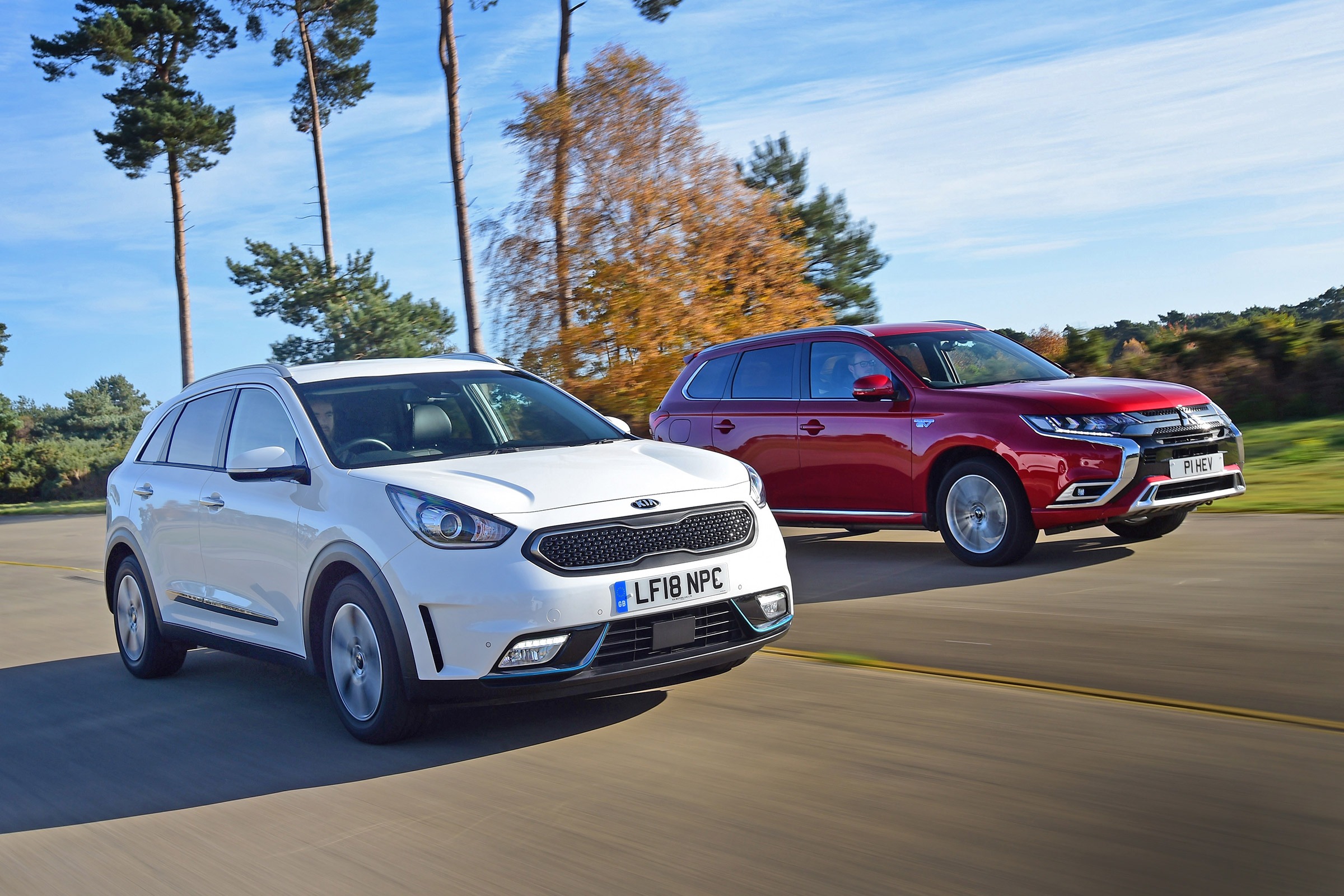
What if the car sitting in your driveway right now had a claim history worth knowing about before your next renewal notice arrives? The Highway Loss Data Institute tracks Medical Payment claims across 2020 through 2022 model-year vehicles, using 100 as the baseline average for all passenger vehicles on American roads. Anything scoring above that number means a vehicle is generating injury claims at a higher rate than the typical car, truck, or SUV.
Some results here might genuinely surprise you, since a few familiar, popular nameplates ended up sitting well above that baseline. Whether you’re shopping for a new ride or just curious about your current one, this list breaks down the ten vehicles with the highest recorded claim frequencies and digs into what might be driving those numbers.
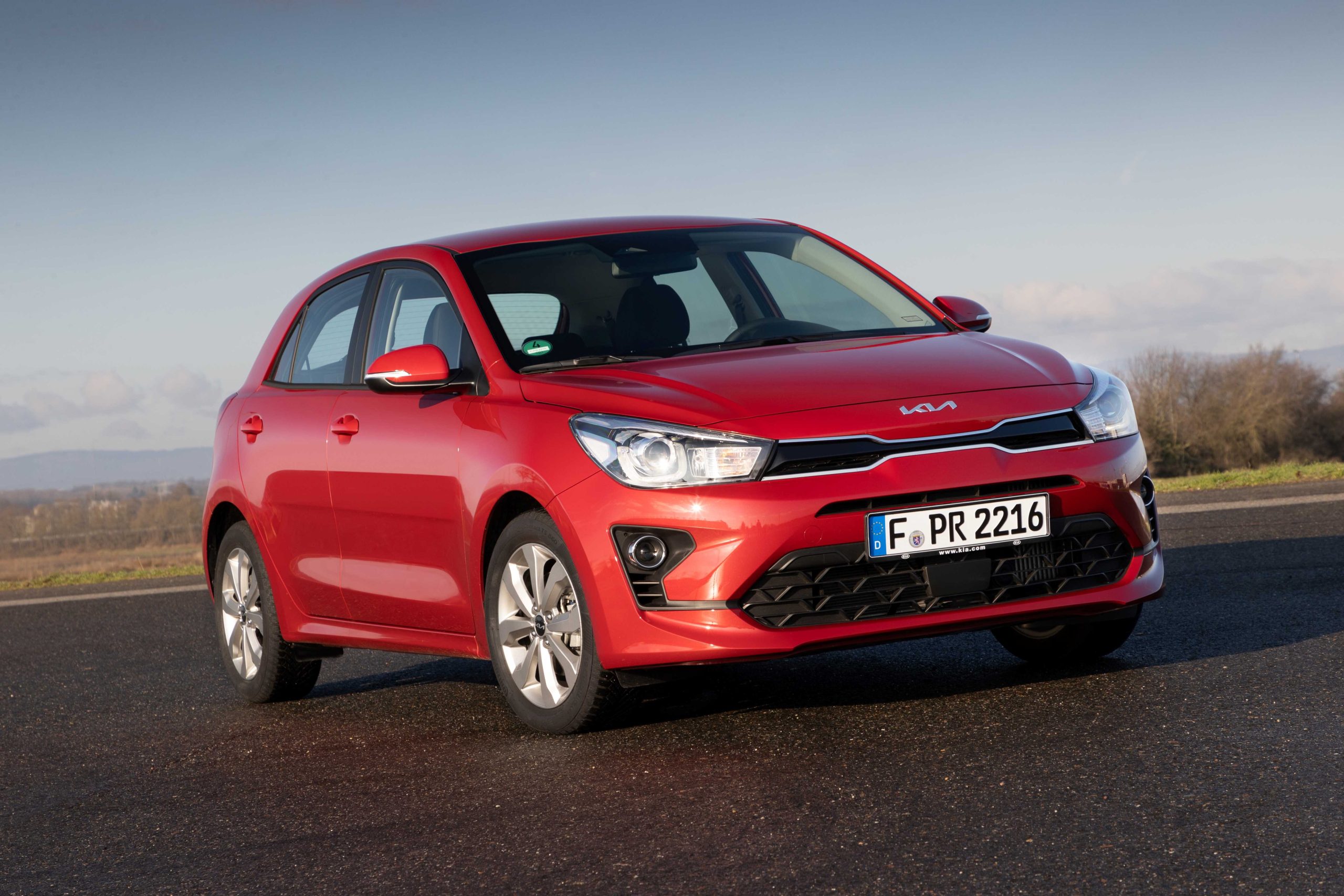
1. Kia Rio
Record: 273
Sitting at the very top of this list is the Kia Rio, posting a relative claim frequency of 273. That figure translates to nearly three times the average rate recorded across all passenger vehicles studied, a genuinely striking result for such a common subcompact car found on roads everywhere.
Size plays an obvious role in a result like this. The Rio is a small, lightweight car built primarily for affordability and fuel efficiency rather than mass or structural bulk. Physics tends to work against smaller vehicles during a collision, especially when they’re sharing the road with larger sedans, trucks, and SUVs that outweigh them considerably.
Less mass generally means less material available to absorb crash energy before it reaches the cabin and its occupants. Buyer demographics likely factor into this number too.
Subcompact cars like the Rio frequently attract younger, less experienced drivers working with a tighter budget, a group that statistically generates higher claim rates across nearly every vehicle category studied by insurers. That’s not a knock on the car’s engineering specifically, but a reflection of who typically buys and drives this type of vehicle daily.
Shoppers considering a Rio or similar subcompact should weigh this data against genuine priorities like fuel savings and affordability, since every vehicle category involves tradeoffs between cost and other real-world outcomes on the road.
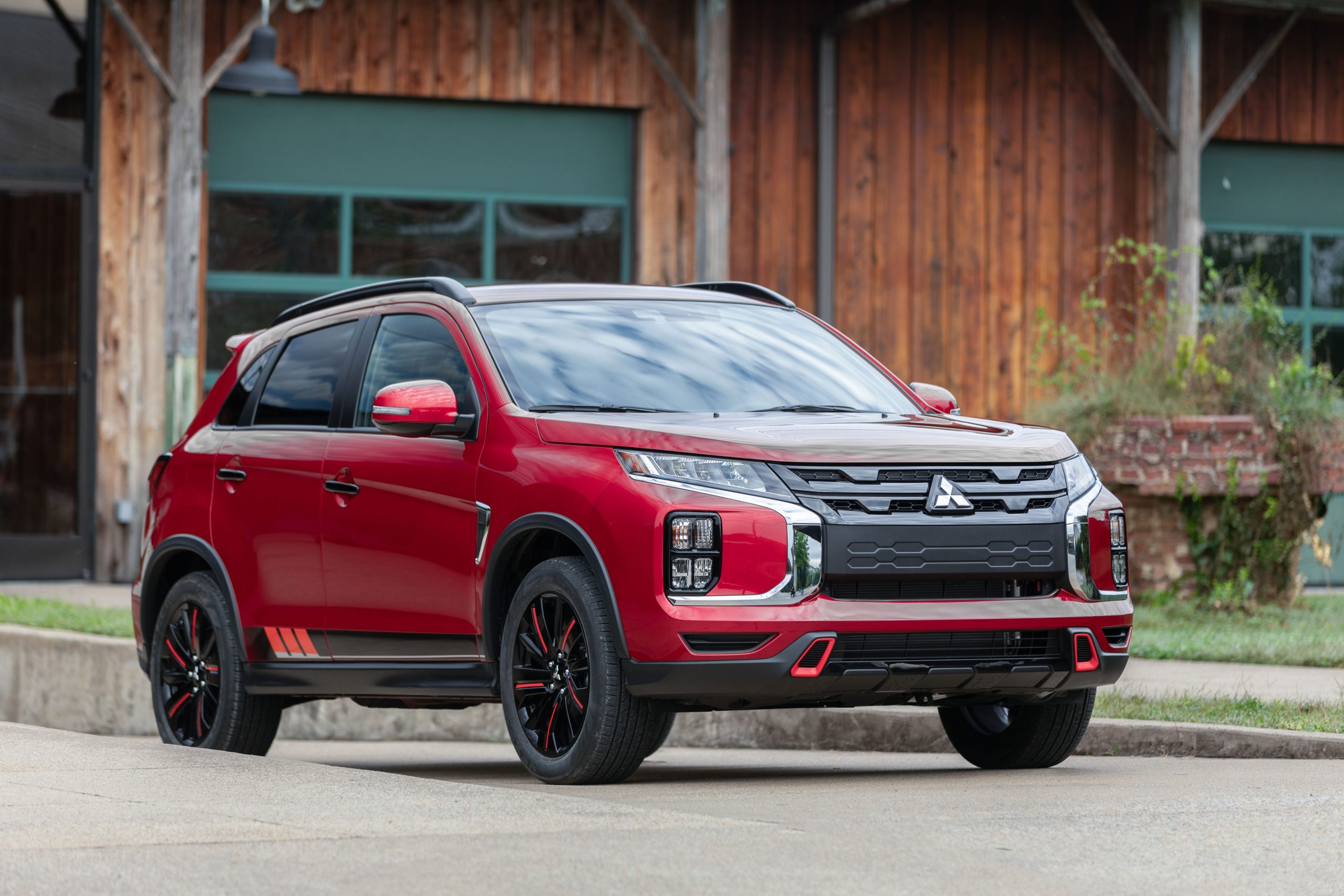
2. Mitsubishi Outlander Sport
Record: 244
Second on this list is the Mitsubishi Outlander Sport, recording a relative claim frequency of 244. That places this compact crossover at nearly two and a half times the average rate across all passenger vehicles, a genuinely surprising position for a vehicle marketed as a practical, family-friendly option.
One detail deserves closer attention. This platform has remained largely unchanged for years, while newer competitors have received more frequent structural updates and safety improvements.
Older engineering, even when well-maintained by the manufacturer, sometimes lags behind the advanced crash-avoidance technology and reinforced safety cages found in more recently redesigned rivals from other automakers.
Price point deserves attention too. The Outlander Sport has historically positioned itself as a genuinely affordable entry into the compact crossover segment, which naturally attracts budget-conscious buyers who might also be newer or younger drivers without extensive experience behind the wheel.
The combination of an older platform and a buyer base that may include less experienced drivers could help explain why this vehicle may have a higher claim frequency than newer and more expensive competitors in the same size category.
Anyone currently shopping this segment should compare the Outlander Sport against more recently updated rivals, paying close attention to what standard safety technology comes equipped versus what requires stepping up to a pricier trim level.
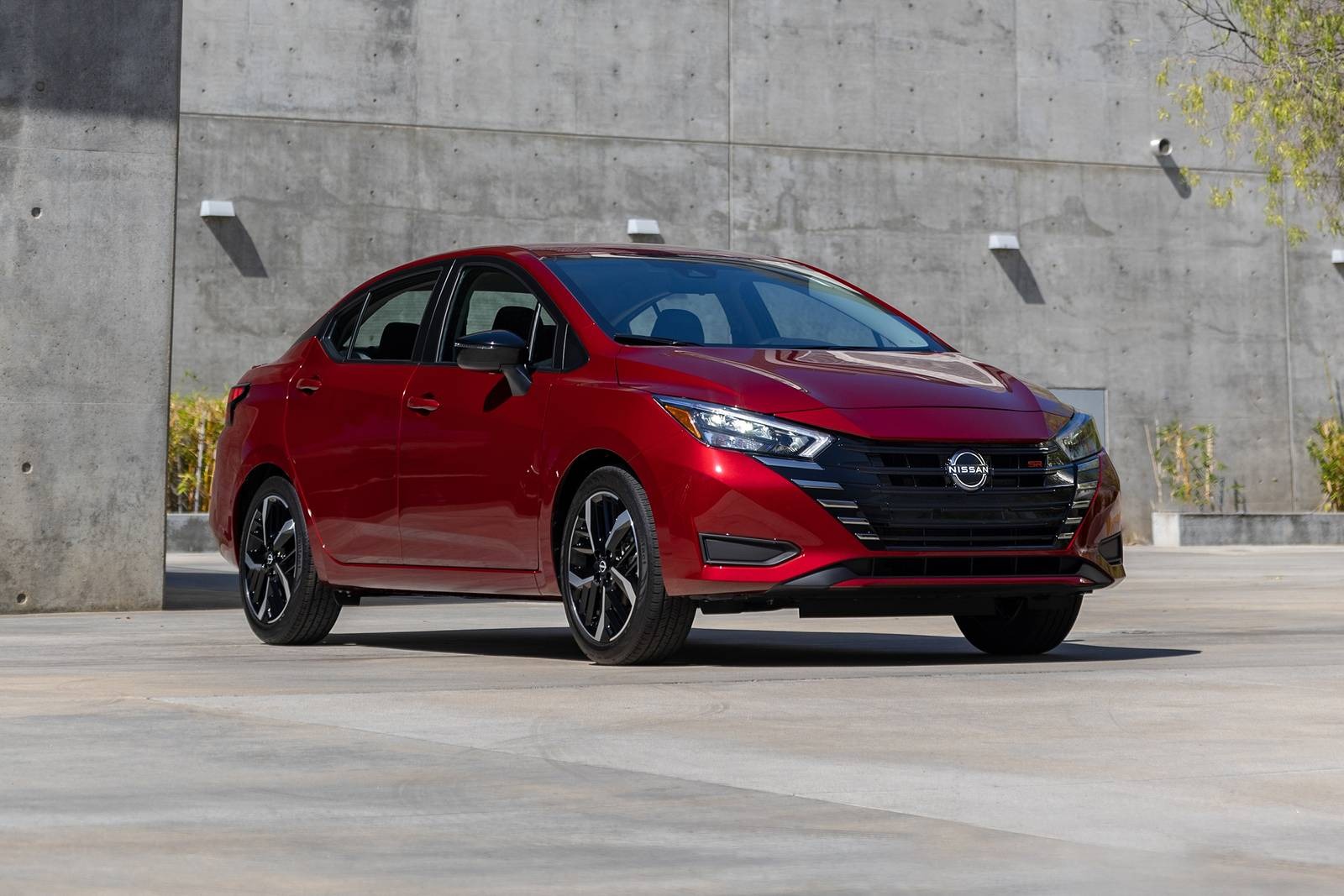
3. Nissan Versa
Record: 236
The Nissan Versa takes third place here with a score of 236 on this particular insurance scale. That figure is more than twice the average claim frequency reported for the wider passenger vehicle group examined by HLDI.
For many buyers, low cost is one of the biggest reasons to choose the Versa. Its affordable price makes it appealing to people buying their first car, younger motorists, and households trying to keep vehicle expenses manageable. Insurance data regularly shows higher claim rates among these groups, regardless of the car they drive.
Vehicle size may also have some influence. As the Kia Rio mentioned earlier, the Versa is a subcompact sedan with less weight and less space between the exterior structure and passenger area than larger vehicles. During a crash, that smaller structure provides less material to absorb and spread collision forces before they reach occupants.
That does not mean the Versa is poorly engineered or unsafe by federal standards. The car meets required crash and safety regulations. Instead, the insurance figures suggest that its affordable price, typical buyer group, and smaller body size may all contribute to the higher claim frequency recorded for this model.
Anyone considering one should look beyond the purchase price and check how ownership factors, including insurance costs, could affect the total expense.
4. Dodge Charger
Record: 232
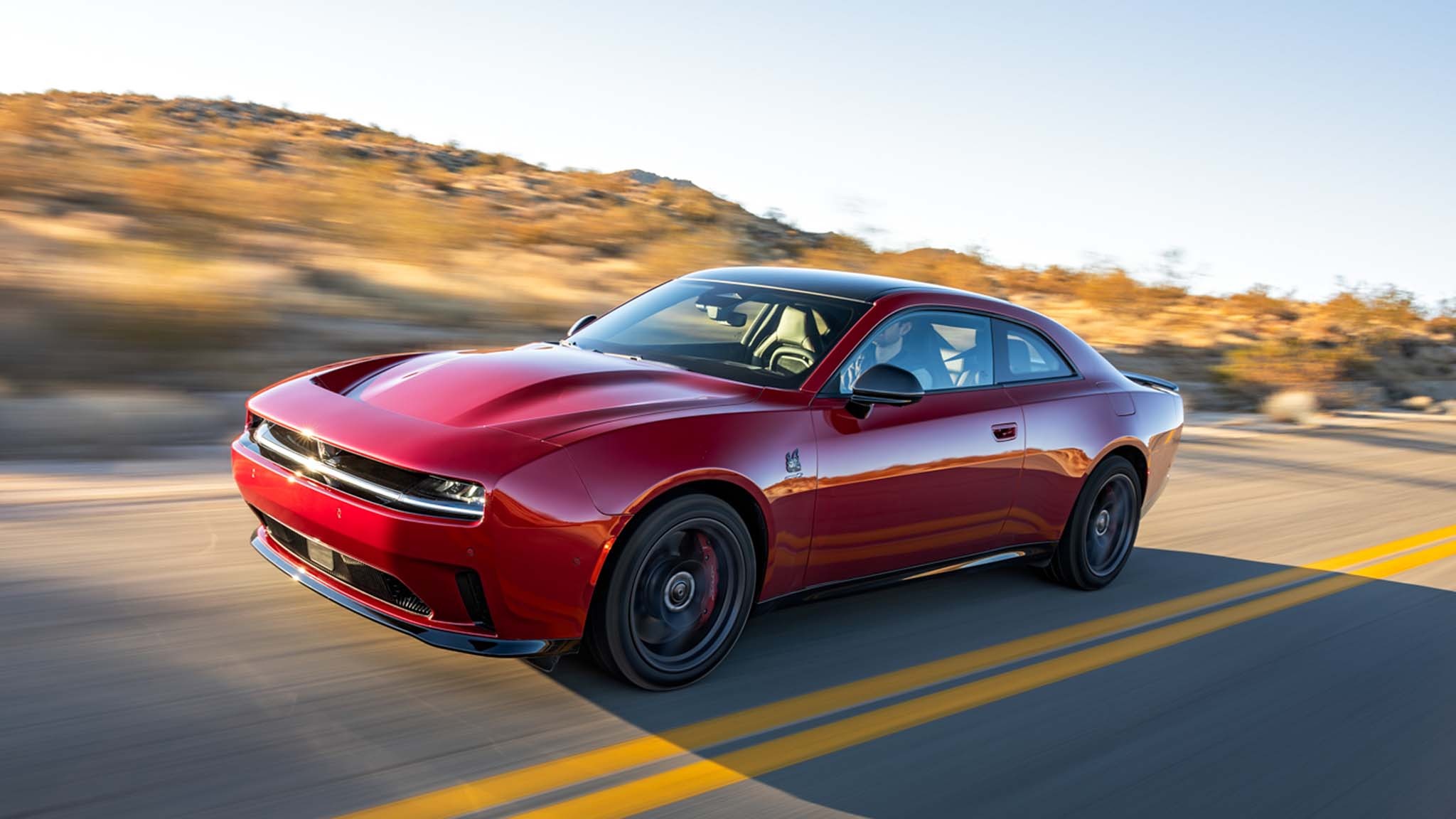
The Dodge Charger stands out at this point because it brings a very different type of vehicle into the list. Its relative MedPay claim frequency reached 232, which is more than twice the passenger vehicle average used by HLDI.
What makes the figure interesting is that the Charger is much larger and heavier than several cars ranked above it. Size alone does not appear to explain the result. The Charger has a full-size body, a sturdy structure, and plenty of mass.
Instead, buyer habits and the car’s performance image may have more to do with its insurance record. The model has long been associated with strong engines, bold styling, and quick acceleration, attracting motorists who want a more exciting driving experience.
That type of buyer may be more likely to drive aggressively or use the car’s performance more often. Insurance records have repeatedly shown that driver behavior can affect claim rates, regardless of how well a vehicle is built.
The Charger also offers useful safety equipment, including available All Wheel Drive and capable braking systems. Those features can help drivers maintain control and reduce certain risks, but they cannot completely offset risky driving habits.
Anyone considering a Charger should therefore look beyond its purchase price. Its performance may be one of its biggest attractions, but insurance costs can also be higher when claim rates for a model remain elevated.
Checking insurance quotes before buying can help prevent unexpected ownership expenses later. Several insurance quotes can help you plan properly.
5. Lexus ES 300h
Record: 229
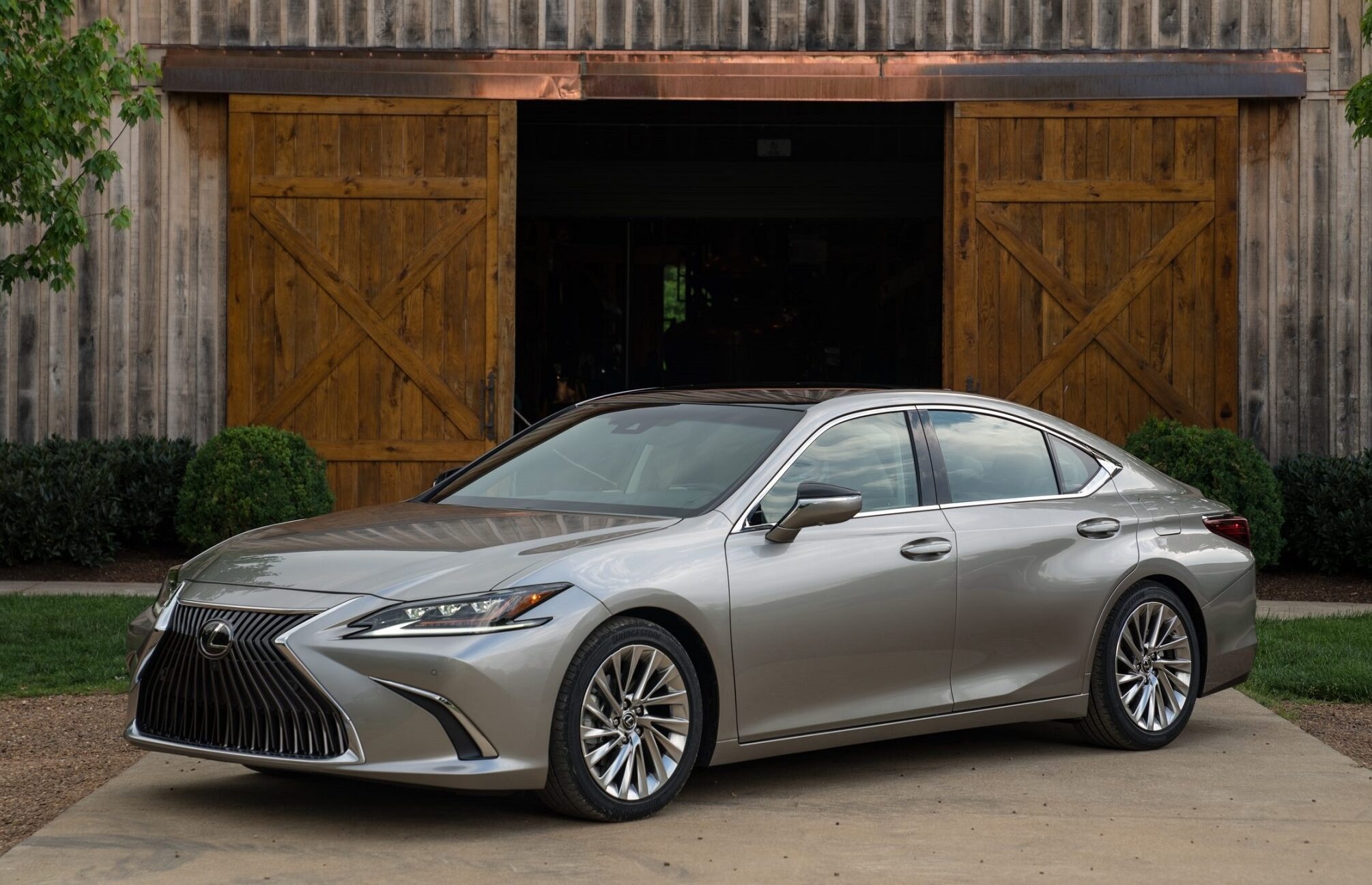
Here’s a genuine curveball. Sandwiched between two performance-oriented Dodge Chargers sits the Lexus ES 300h, a refined hybrid luxury sedan that seems, on paper, like an unlikely candidate for this particular list.
Its score of 229 places it well above double the passenger-vehicle average studied. Unlike the Charger or the smaller economy cars covered earlier, the ES 300h doesn’t fit the usual explanations involving small size or performance-hungry buyers.
This is a comfortable, quiet, hybrid-powered sedan typically associated with cautious, older drivers who prioritize smooth rides over aggressive handling characteristics. So what’s driving this particular number? One possibility involves the demographic profile of typical ES buyers themselves.
Lexus sedans historically attract an older customer base, and while older drivers often show more cautious habits generally, they can also face longer recovery periods and higher medical costs following even minor collisions, a factor that could genuinely inflate MedPay claim frequency without necessarily reflecting more frequent or severe accidents.
This entry serves as a useful reminder that claim frequency data reflects a combination of factors beyond just raw vehicle safety engineering. Buyer age, typical usage patterns, and regional driving conditions all feed into these numbers in ways that don’t always match intuitive assumptions about which vehicles should theoretically rank highest or lowest on a list like this one.
6. Mitsubishi Outlander Sport 4WD
Record: 228
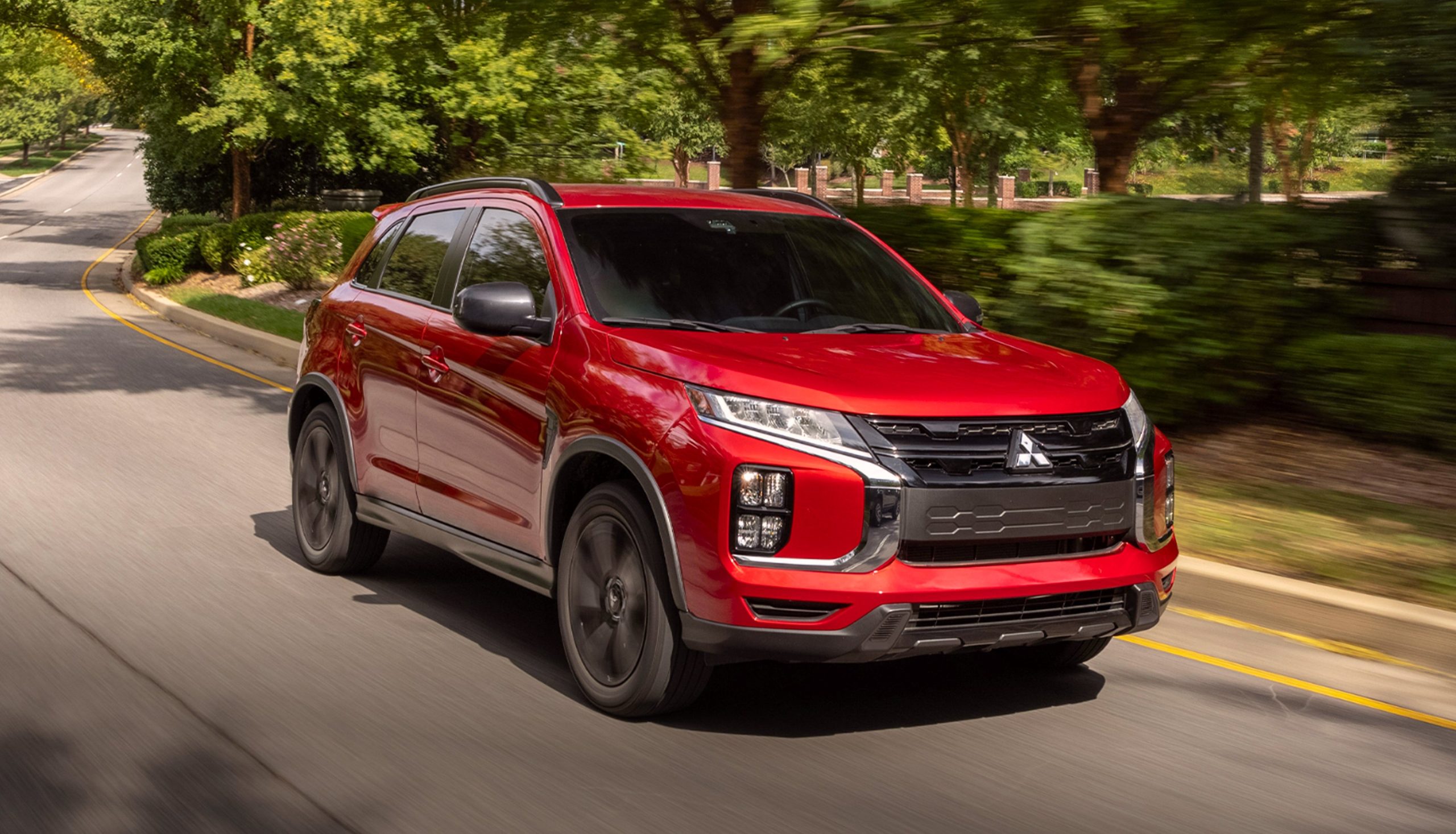
A second Outlander Sport variant appears here, this time the four-wheel-drive configuration, recording a score of 228. Its presence alongside the standard version covered earlier reinforces that whatever’s driving these results likely traces back to the platform itself rather than any single powertrain configuration alone.
Two versions of the same vehicle landing this close together on the list strongly suggests a consistent underlying pattern rather than a random statistical fluctuation.
Whether buyers choose front-wheel drive or add the four-wheel-drive option, the fundamental structure, safety technology, and typical buyer profile behind this crossover appear to remain largely consistent, producing genuinely similar claim outcomes across both configurations studied.
Four-wheel-drive versions of any vehicle sometimes attract buyers in regions with harsher winter conditions, adding another variable worth considering here.
Snow, ice, and reduced visibility during colder months can contribute to collision frequency regardless of which specific vehicle a driver happens to be operating, though this alone likely doesn’t fully explain such an elevated score compared to newer competitors in the same segment.
Shoppers specifically considering the four-wheel-drive Outlander Sport for winter capability should weigh this data against genuinely newer competitors that may offer more advanced standard safety technology, even if that means paying somewhat more for a vehicle built on more recently updated underlying engineering.
7. Dodge Charger HEMI
Record: 227
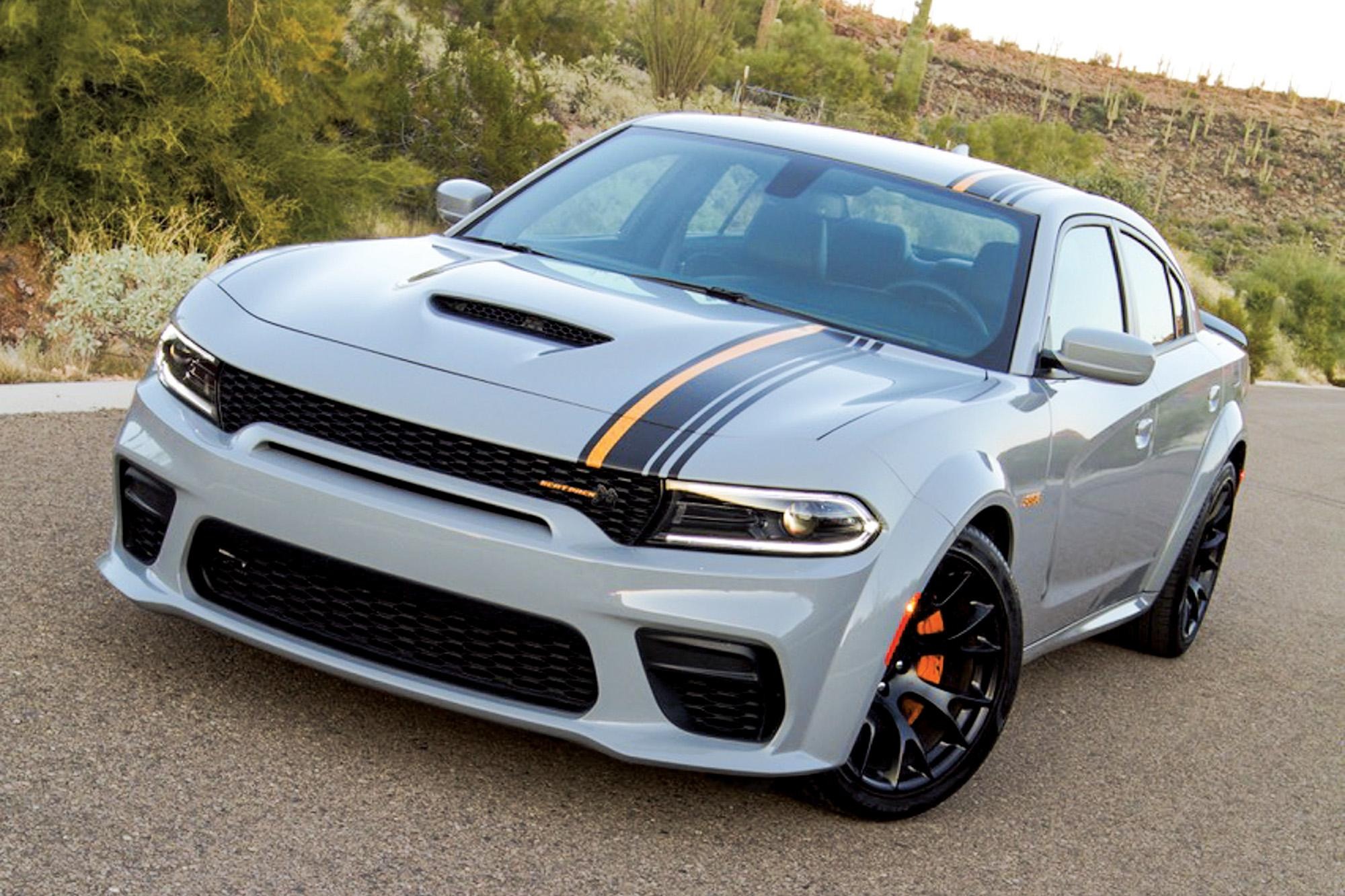
The HEMI-powered Dodge Charger earns another place on this list, posting a relative claim frequency of 227. Since the regular Charger has already appeared earlier, seeing another version here makes the model one of the most repeated names in this group.
Much of that result may be connected to what attracts buyers to the HEMI version. The engine is known for strong power and quick acceleration, so people who choose it may be more interested in performance than simple daily transportation.
That does not mean HEMI owners are careless drivers, but the type of driving associated with a powerful car can influence insurance claims. Having two Charger versions separated by only five points also gives us something useful to consider.
The figures suggest that the issue may not depend entirely on the engine fitted to the car. The people who choose the Charger and the way they use it may have a larger effect on claim numbers.
Still, a high claim frequency does not mean every HEMI Charger owner will pay more or have an accident. Many owners use their cars responsibly and may never make an insurance claim. Before buying one, shoppers should look beyond the vehicle price and monthly payment.
Insurance can add a sizeable amount to yearly running costs, especially when a model records higher claim activity. Getting an insurance quote for the exact HEMI version before completing the purchase is a sensible way to know what the car may really cost to own each year.
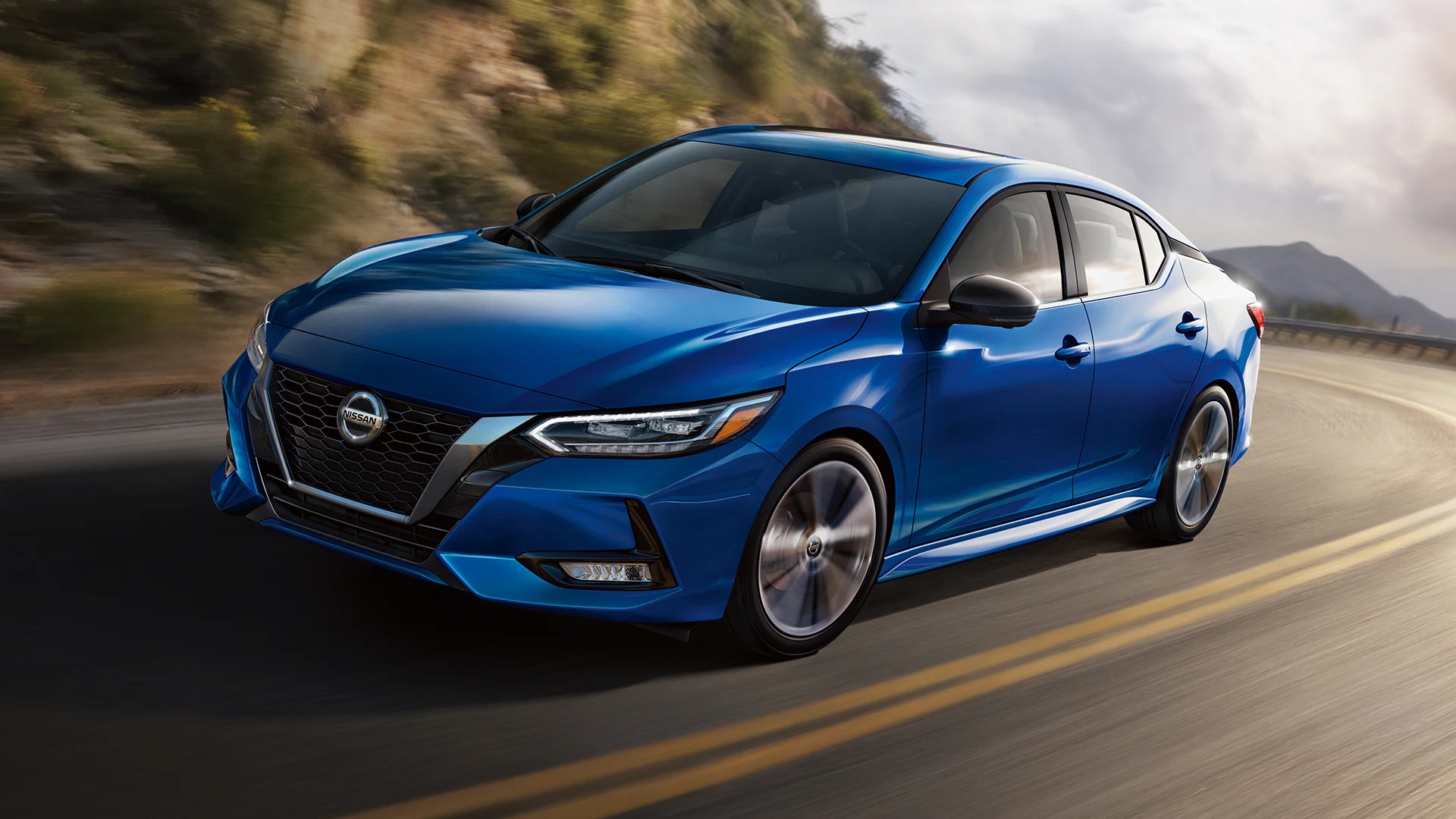
8. Nissan Sentra
Record: 218
A second Nissan sedan appears here, joining the Versa from earlier in this list. The Sentra recorded a score of 218, more than double the average claim frequency recorded across all passenger vehicles included in this particular HLDI study. Compact and genuinely affordable, the Sentra shares several characteristics with other vehicles ranking near the top of this list.
It attracts budget-conscious buyers, frequently including younger or less experienced drivers purchasing their first new car, a demographic pattern that shows up repeatedly throughout this entire ranking regardless of which specific automaker built the vehicle in question.
Nissan positions the Sentra as genuine value transportation, competing directly against other affordable compact sedans rather than chasing performance credentials or luxury positioning.
That value-focused approach keeps the purchase price genuinely accessible, but it may also mean the typical buyer skews toward exactly the demographic profile that insurance data consistently associates with higher claim frequencies across nearly every vehicle category studied.
Two Nissan models appearing on this particular list, both positioned at accessible price points within their respective segments, suggest a pattern worth genuine consideration for anyone specifically shopping this brand’s more affordable offerings.
Buyers should factor realistic insurance cost estimates into their total budget calculations before finalizing a purchase decision on either the Sentra or its smaller Versa sibling.
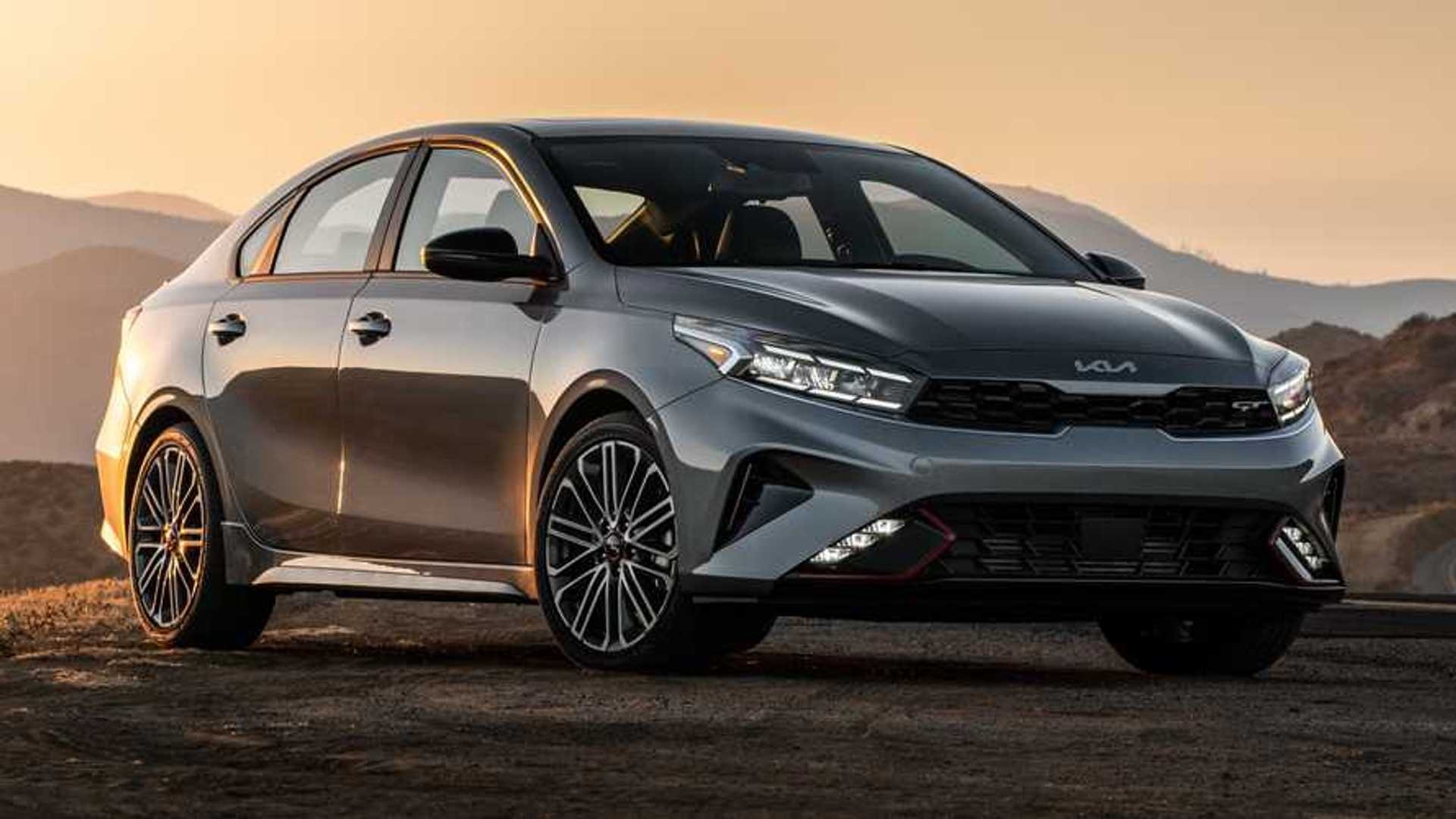
9. Kia Forte
Record: 217
The Kia Forte takes second place on this list, with a relative claim frequency of 217. Alongside the Rio, which appears at the top, Kia now has two models among the ten vehicles with higher claim rates in this data.
As a reasonably priced compact sedan, the Forte competes with cars such as the Nissan Sentra and other affordable options in the same category. These vehicles often have similar prices, equipment, and running costs, so they tend to attract buyers with similar needs and financial situations.
For many younger motorists and people buying their first car, models like the Forte can be an attractive choice. The lower purchase price can make monthly payments easier to manage, while the smaller size may also help keep fuel and maintenance expenses within reach.
Insurance records often show higher claim rates among younger drivers, which may help explain part of the figure recorded for the Forte. Kia has also added more safety technology to many of its newer vehicles, giving buyers useful assistance features without always requiring expensive packages.
However, equipment can vary depending on the trim level, so buyers should check what comes with the particular Forte they intend to purchase. The Forte’s position on this list does not mean it is an unsafe car. Instead, the insurance figures reflect a mixture of driver age, buying patterns, vehicle characteristics, and claim history.
Anyone considering the Forte should compare insurance prices for the exact trim before making a purchase, because premiums can add considerably to the yearly cost of keeping the car.
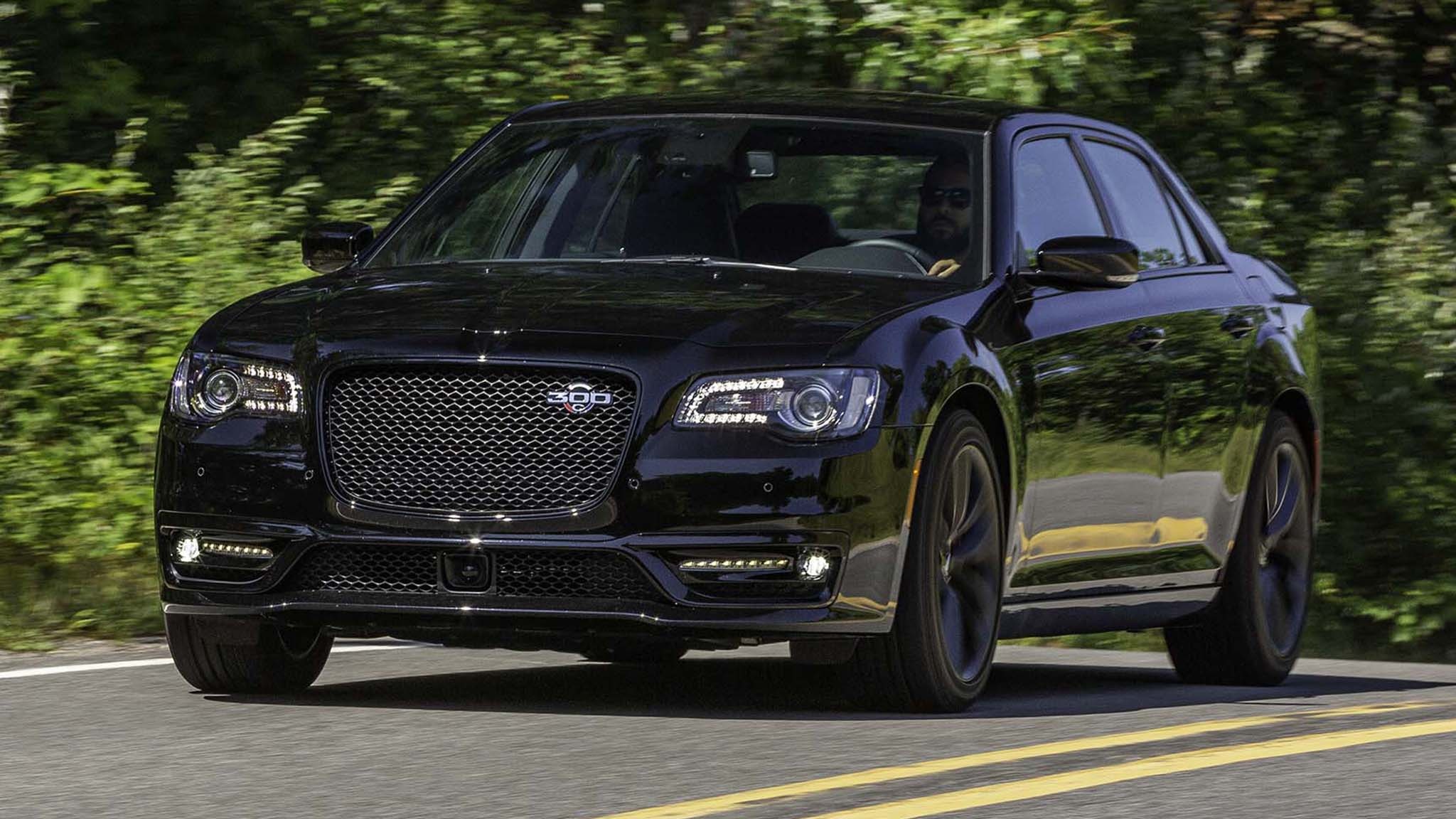
10. Chrysler 300
Record: 215
Closing out this list is the Chrysler 300, recording a score of 215, roughly double the average claim frequency across all passenger vehicles included in this particular study. As a full-size sedan sharing its platform with the Dodge Charger, its presence here creates an interesting bookend to this ranking.
Given that the Charger already appears twice on this same list, the 300’s inclusion makes considerable sense from an engineering standpoint, since both vehicles share substantial mechanical underpinnings, including their basic structure and available engine options.
Whatever factors are driving elevated claim frequencies for the Charger likely apply in similar fashion to its sedan sibling wearing different badges and slightly different styling.
Chrysler markets the 300 with a more understated, executive-oriented appeal compared to the overtly aggressive Charger, yet buyer behavior and typical usage patterns may still track closely enough between the two models to produce genuinely comparable claim outcomes.
Full-size sedans in this general category also tend to attract a mix of buyers, ranging from families seeking genuine space to enthusiasts drawn to available V8 power under the hood.
Rounding out this list with three total vehicles built on the shared Charger and 300 platform architecture suggests genuine consistency in how this data reflects underlying vehicle characteristics rather than pure coincidence. Buyers considering either model should research current insurance rates carefully before finalizing their purchase decision.
