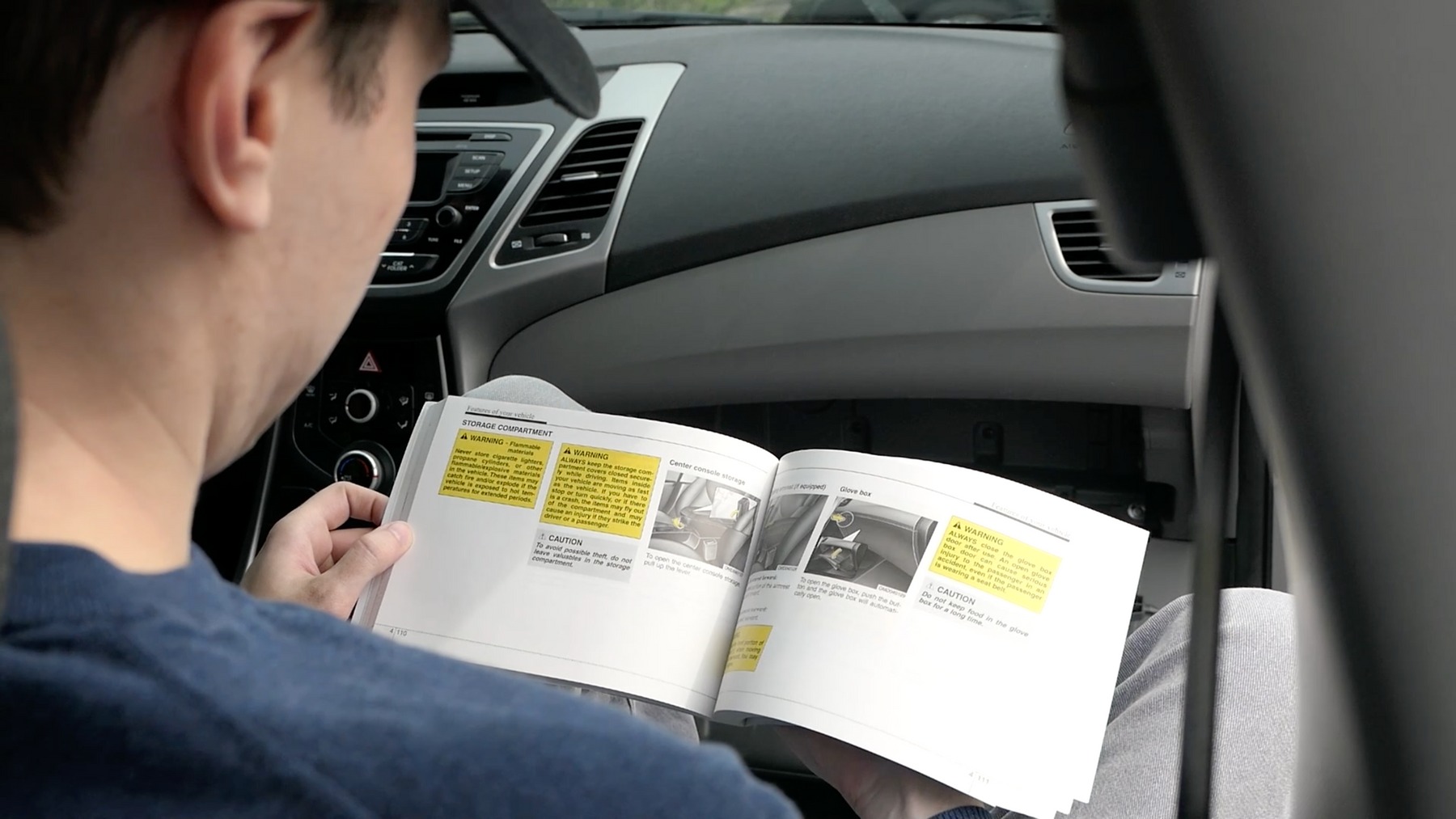
Your car probably does more than you think. Buried inside owner’s manuals, past the sections most people skip, sit small functions that solve real problems: a stuck wiper blade, a valet you don’t fully trust, windows that won’t behave after a dead battery. None of these show up on the main screen. None get demonstrated by the dealership. You find them by reading, or by accident.
This piece pulls eight of the most useful ones into daylight, explains why they matter, and reminds you of the one rule that applies to every single item on this list: check your manual first, because no two vehicles handle these the same way.
1. Windshield Wiper Service Position
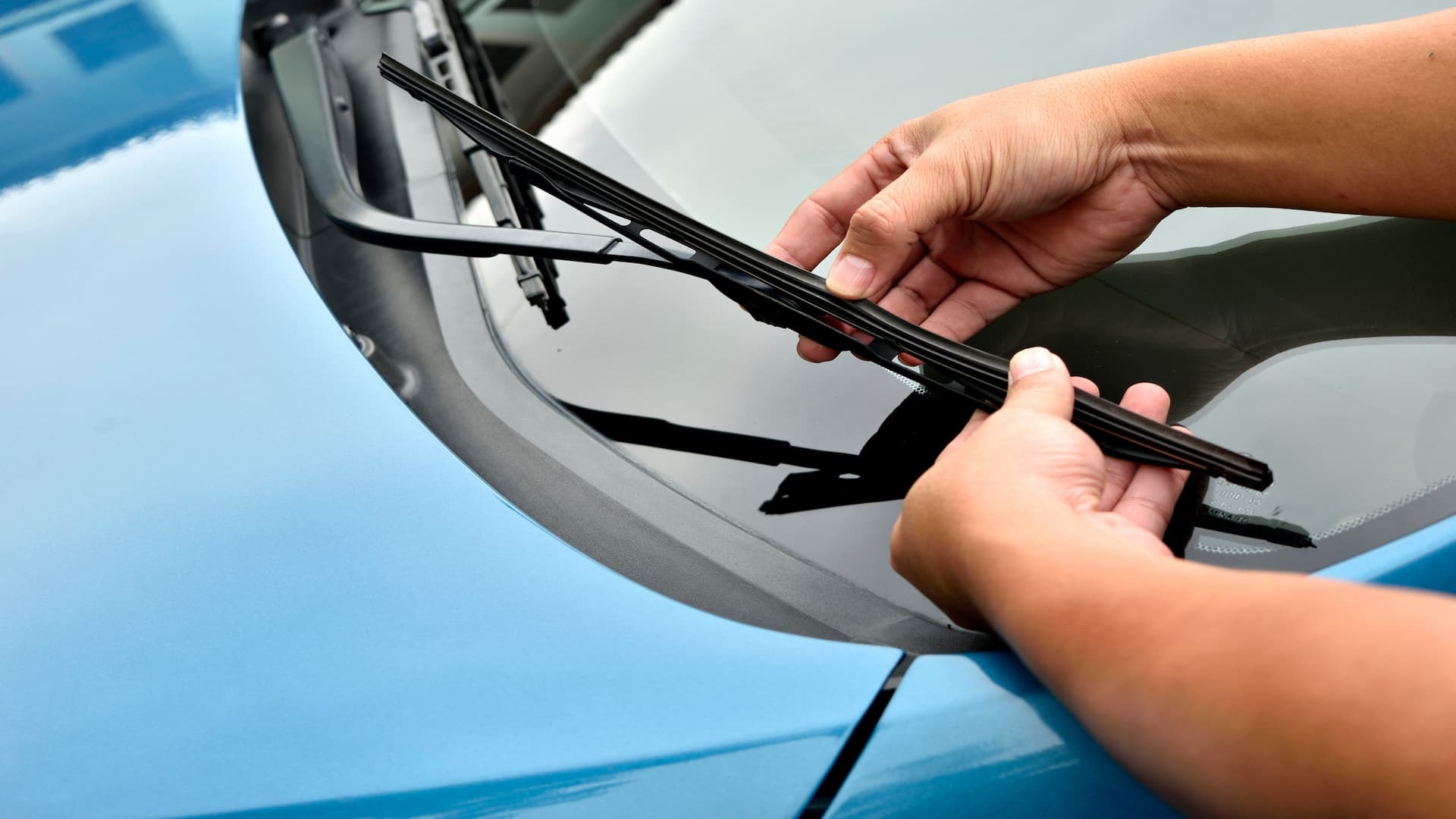
Changing windshield wiper blades can become frustrating when the arms are positioned tightly against the glass and cannot be lifted normally. Fortunately, many vehicles have a service position that raises the wiper arms, making blade replacement much easier and giving you enough space to work safely.
Getting the wipers into this position depends on the vehicle. Some models require you to switch off the ignition and move the wiper stalk in a particular direction or sequence.
Others provide the function through the vehicle’s touchscreen or instrument panel settings. Certain designs may use a different procedure altogether, so there is no single method that applies to every car.
It is also important not to rely on instructions claiming that holding the wiper stalk for three seconds will activate service mode on all vehicles. Such instructions may work on particular models but will not necessarily work on yours. Using the wrong procedure could confuse or, in some cases, place unnecessary strain on the wiper system.
Before replacing the blades, check the wiper section of your owner’s manual for the correct instructions. The information will show you how to place the arms in service position and return them safely after the work is complete.
Taking a few minutes to check the manual can make the job easier and help prevent damage to the wiper arms or windshield. Once you know the correct procedure for your vehicle, replacing the blades becomes a much simpler task.
2. Selective Door Unlocking
Not everyone wants all four doors popping open the moment they press unlock. Maybe you’re getting groceries and don’t want the back doors swinging free in a parking lot. Maybe you just like control.
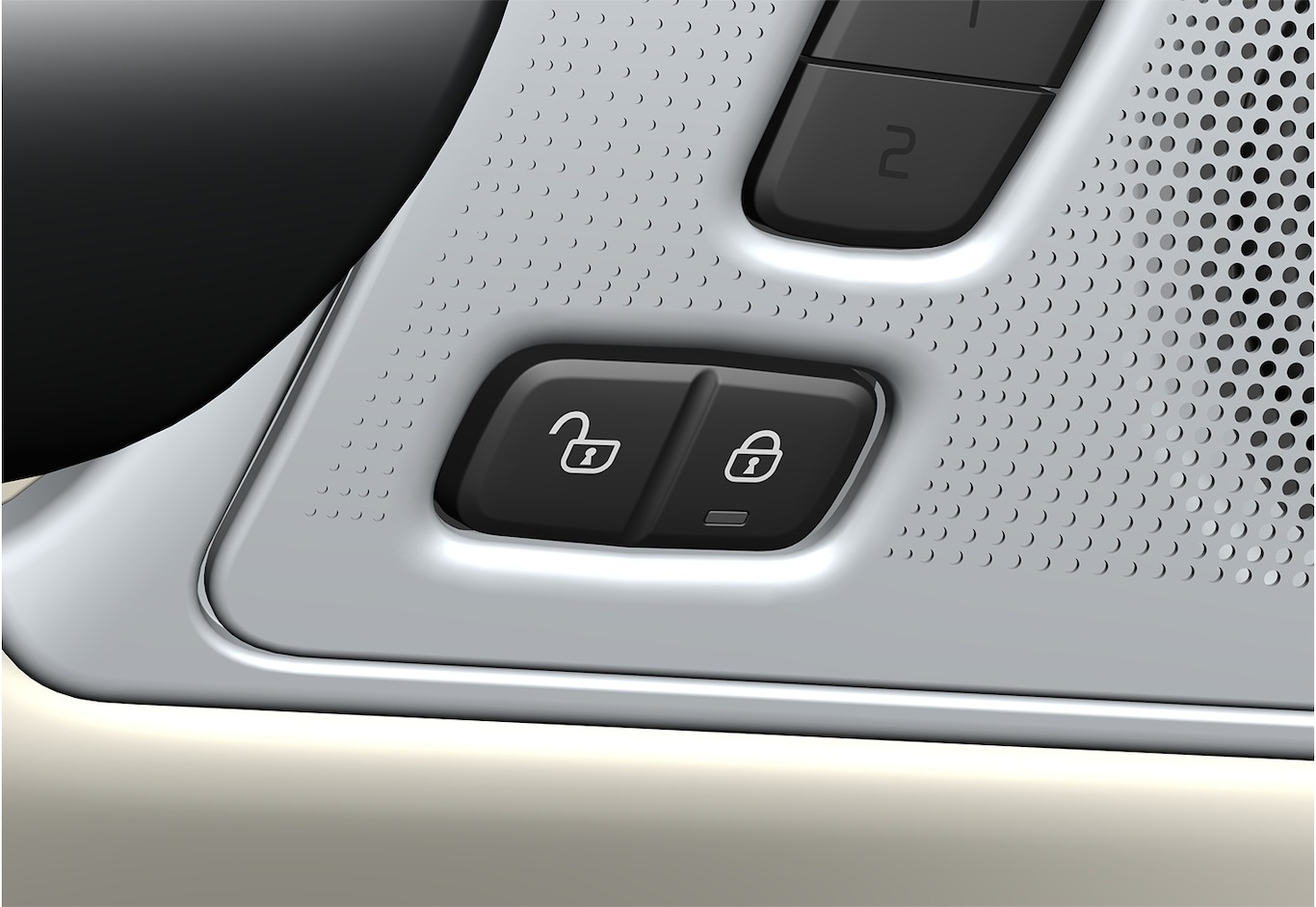
A good number of vehicles let you decide whether the first press of the unlock button opens only the driver’s door, with a second press releasing the rest.
Getting this configured usually means digging into the vehicle’s personalization or settings menu, where automakers tuck away preferences for lighting, chimes, and locking behavior.
On other models, the adjustment happens through a fob sequence rather than an on-screen menu, and that sequence is documented nowhere except the owner’s manual. There’s no shortcut app or dealership secret here, just printed instructions specific to your model year and trim.
A word of caution: you may have seen advice online claiming that holding the lock and unlock buttons together for five seconds activates this feature on any car.
That claim doesn’t hold up. It might work on one platform and do absolutely nothing on another, or worse, trigger a different function you didn’t intend. Skip the guesswork. Your manual will tell you exactly which buttons, how long, and in what order.
3. Remote Window Opening
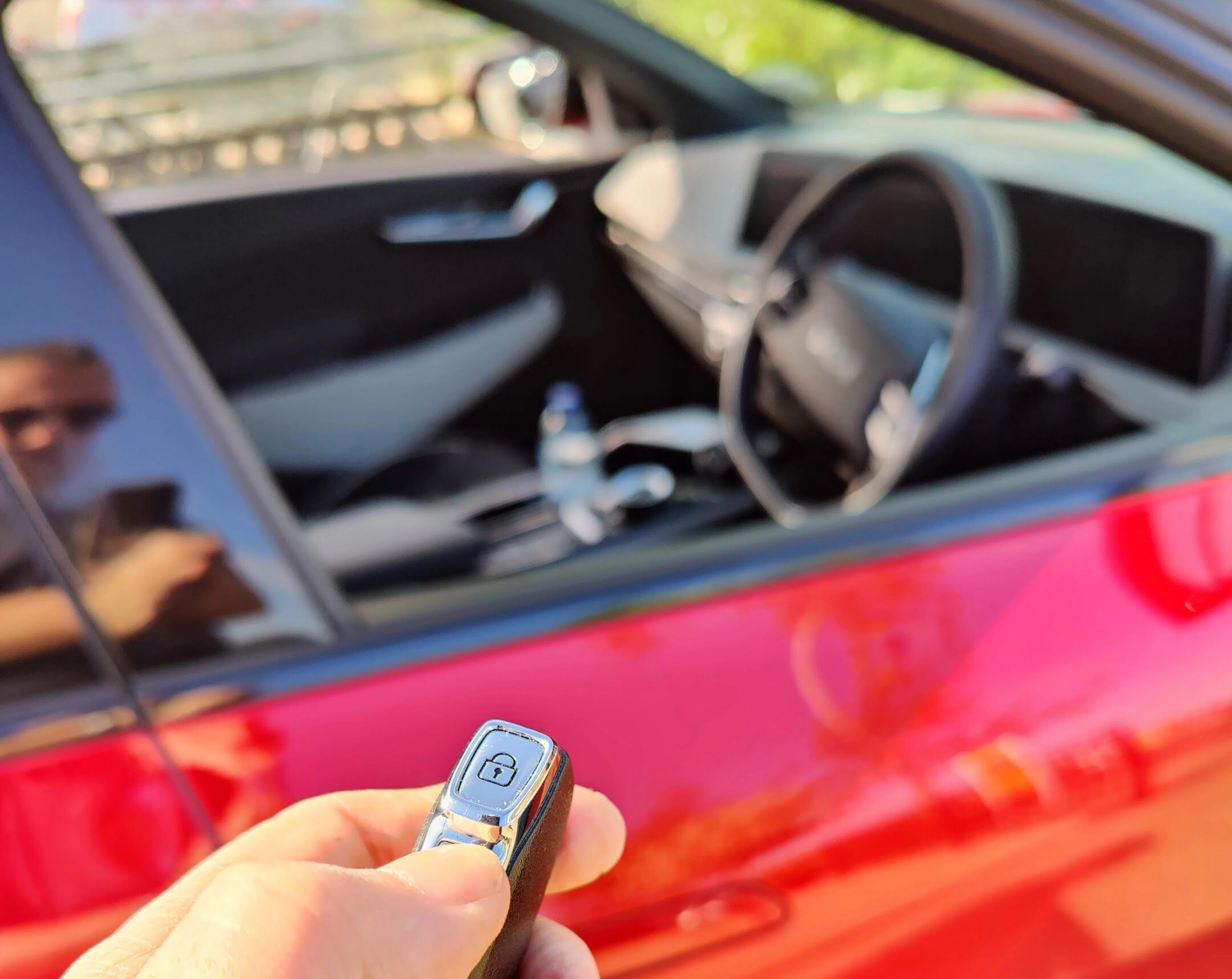
Many car owners do not realise that their vehicle may allow the windows to be opened using the remote control. On some models, you can lower the windows without touching the door handle.
This can be useful on a hot afternoon, especially when the car has been parked under the sun. Opening the windows before getting inside allows some of the trapped heat to escape.
The procedure is different from one vehicle to another. Some cars require you to press and hold the unlock button for a few seconds, while others use a separate comfort opening function.
Certain models may combine the remote with a button on the door handle. Some vehicles also allow the windows to be closed remotely, but this is less common and may have additional safety restrictions.
Toyota provides a good example of why drivers should check their vehicle’s manual before trying this feature. Its manuals explain remote window operation on certain models and also include safety warnings about windows closing when nobody is inside the car. This is important because a closing window could trap a hand, pet, or child.
It is therefore better not to rely on online instructions claiming that pressing the unlock button twice and holding it for five seconds will work on every vehicle. That method may apply to a particular model but fail on another.
Before using remote window control, check your owner’s manual for the correct procedure and any safety instructions. This will help you use the feature properly without causing unnecessary damage or injury.

4. Follow-Me-Home Headlight Function
Walking to your front door in total darkness isn’t fun, and it isn’t especially safe either. That’s exactly the problem this feature was built to solve. Known by different names depending on the automaker, Follow Me Home, Headlight Delay, or something similar, this function keeps your exterior lights burning for a short stretch after you’ve switched off the engine and stepped out.
The point is simple: light your path, whether that’s a long driveway, a dark walkway, or an unlit stretch between your parking spot and your building’s entrance. What varies dramatically is how you turn it on and how long it lasts.
A 2024 Abarth manual, for instance, describes pulling the lighting stalk after the vehicle has been switched off, with each pull adding thirty seconds of illumination up to a set maximum the manual specifies precisely.
Other brands handle this through settings menus, with adjustable durations you can lock in ahead of time rather than triggering manually every time you park. Some vehicles don’t offer it at all.
Because the range of possible durations spans from under a minute to several minutes depending on the manufacturer, don’t assume any single number applies to your situation. The only reliable number is the one printed for your specific model.
5. Manual Gear Selector Release
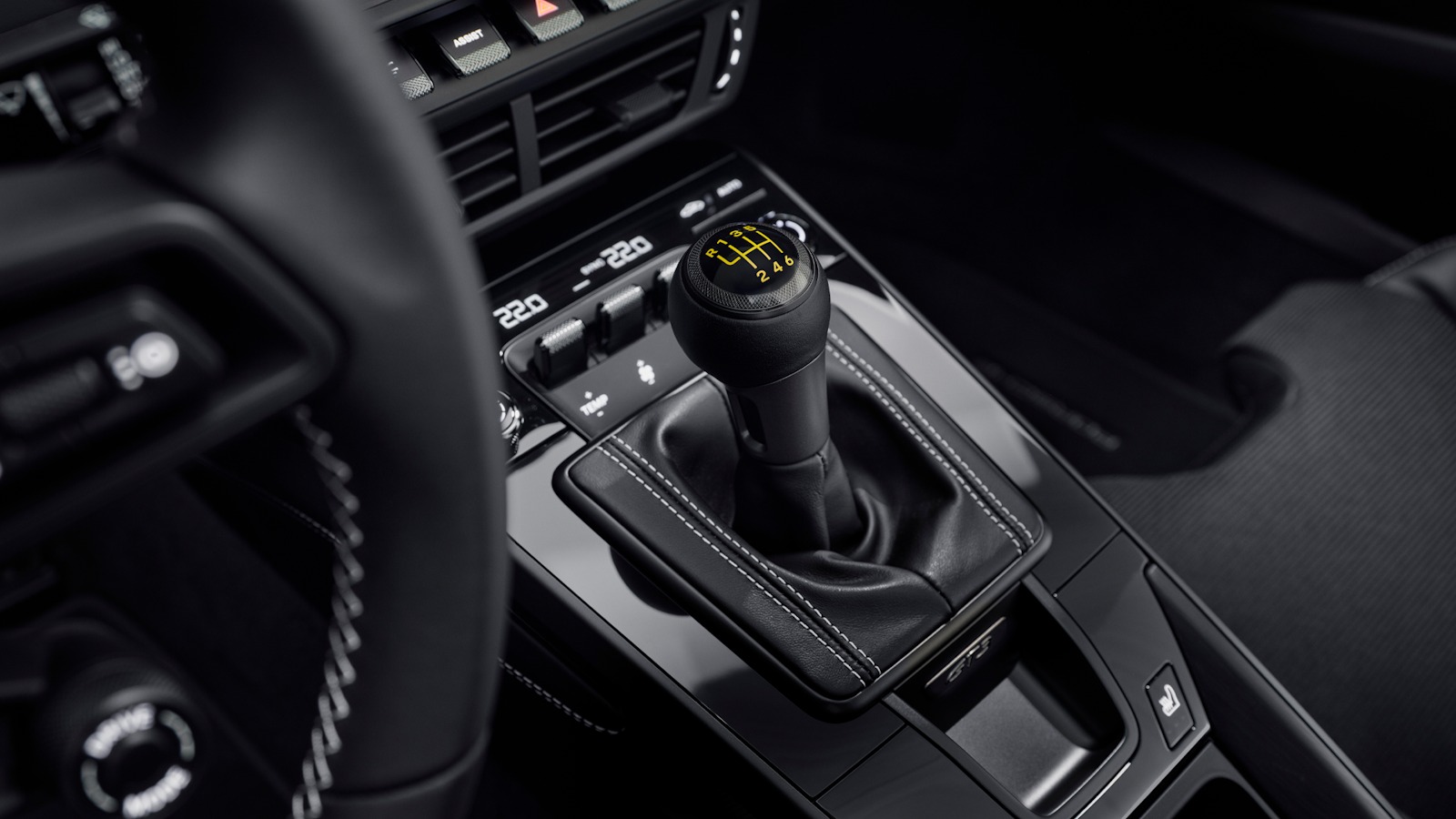
A dead battery can leave a vehicle stuck in Park because the gear selector may depend on electrical power to release. This can cause problems when the car needs to be towed or moved away from a busy road.
Many automatic vehicles therefore have a manual release that allows the selector to move when the regular electronic system is not working. The exact location of this release varies between vehicles.
Some cars have a small lever beside the gear selector, while others place it underneath a removable cover. Depending on the design, the cover may require a small tool or can be lifted carefully by hand. Since these mechanisms are meant for emergencies, they should not be used as normal convenience controls.
Before operating the release, check the owner’s manual for your particular vehicle. The manual should identify the release location and provide the correct operating procedure.
Certain vehicles may also require the parking brake to be applied or other safety measures to be followed before the selector can be moved. Knowing about this feature can save valuable time when the battery dies or an electrical fault prevents the selector from working normally.
It can also help prevent damage that may occur when someone tries to force the gear selector. Because the design differs by make, model, and year, always follow instructions written for your specific vehicle.
Keeping this information readily available in the owner’s manual is a sensible precaution for unexpected roadside situations.
6. Power Window Initialization
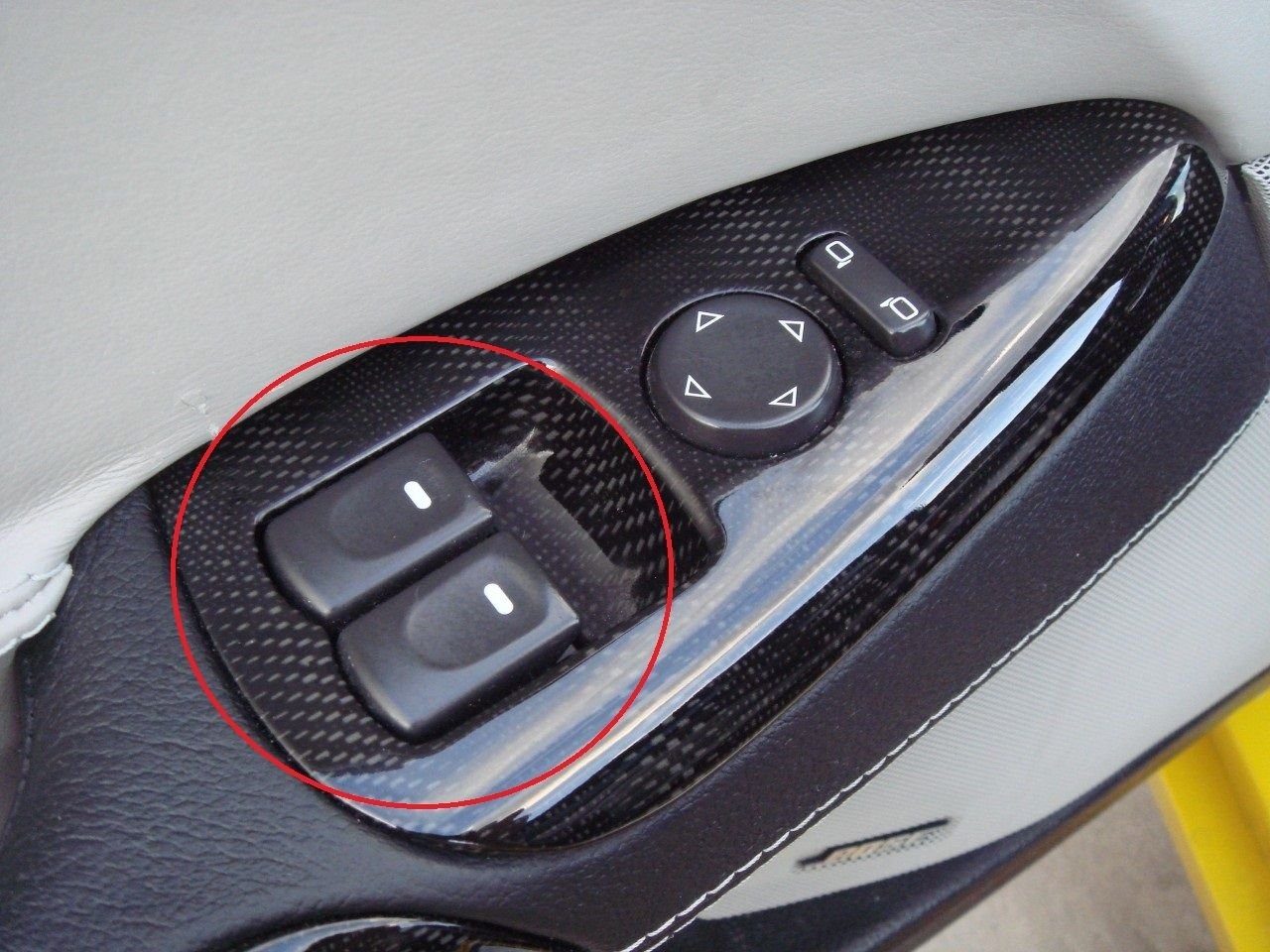
Disconnect the battery, replace one, or let it die completely, and your power windows might stop behaving the way they used to. The one-touch auto-up and auto-down function often disappears first, along with the anti-pinch protection that stops a window from closing on a hand or an object.
This isn’t a malfunction. It’s a memory reset, and there’s a fix for it. Reinitializing the system typically involves closing the window fully, then continuing to hold the switch for a few extra seconds after it reaches the top, followed by lowering it completely and holding the switch again at the bottom.
That’s the general pattern found across many vehicles, but the specific timing, the number of repetitions, and whether all four windows need separate treatment or just the front two all differ from one manufacturer’s system to the next.
It matters how you describe this function too. It’s window initialization, sometimes called calibration, not some kind of emergency anti-pinch override, since that phrasing misrepresents what’s actually happening under the hood.
Once the reset is complete, your windows should regain both their automatic operation and their jam protection exactly as they worked before the disconnect. Skip this step and you’ll be manually holding the switch for the rest of the window’s life.
7. Instrument Cluster Test Or Diagnostic Functions
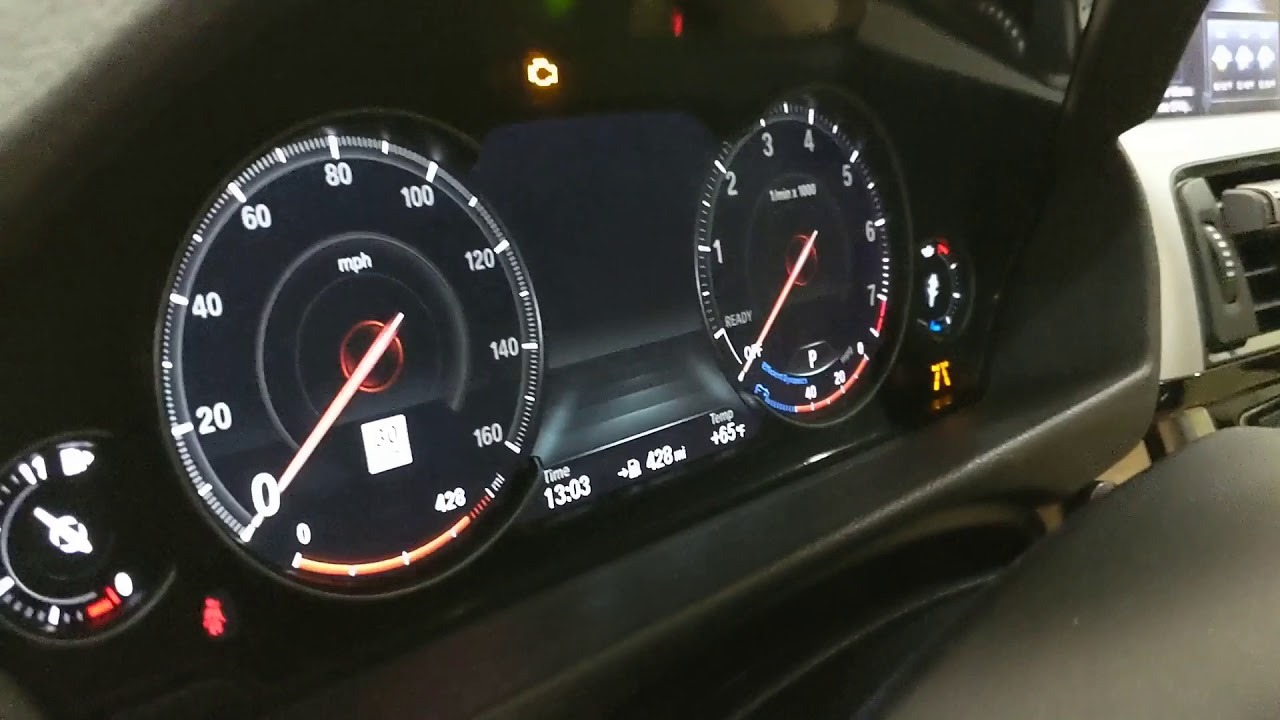
Somewhere behind your speedometer and fuel gauge sits a small computer capable of running self-checks, displaying stored warnings, and in some cases showing electrical readings most drivers never see.
Depending on the vehicle, accessing this hidden layer can reveal information ranging from basic bulb-check confirmations to detailed diagnostic codes normally reserved for service technicians.
Here’s where online advice tends to go wrong. There is no universal button sequence, no magic combination involving the OK button or the Reset stalk, that opens an engineering menu across every modern vehicle on the road.
What works on one dashboard does nothing on another, and some manufacturers restrict these functions entirely, requiring dedicated service equipment that simply isn’t available to the average owner tinkering at home.
That said, plenty of vehicles do offer legitimate access through documented combinations, usually involving holding a specific button while turning the ignition on, or pressing two buttons together during start-up.
These procedures come straight from the manual, model by model, trim by trim. Treat this feature as something you look up rather than something you guess at.
A diagnostic menu can be genuinely useful for catching small issues early, but only if you’re accessing the correct one for your particular dashboard.
8. Valet Trunk Or Cargo Lockout
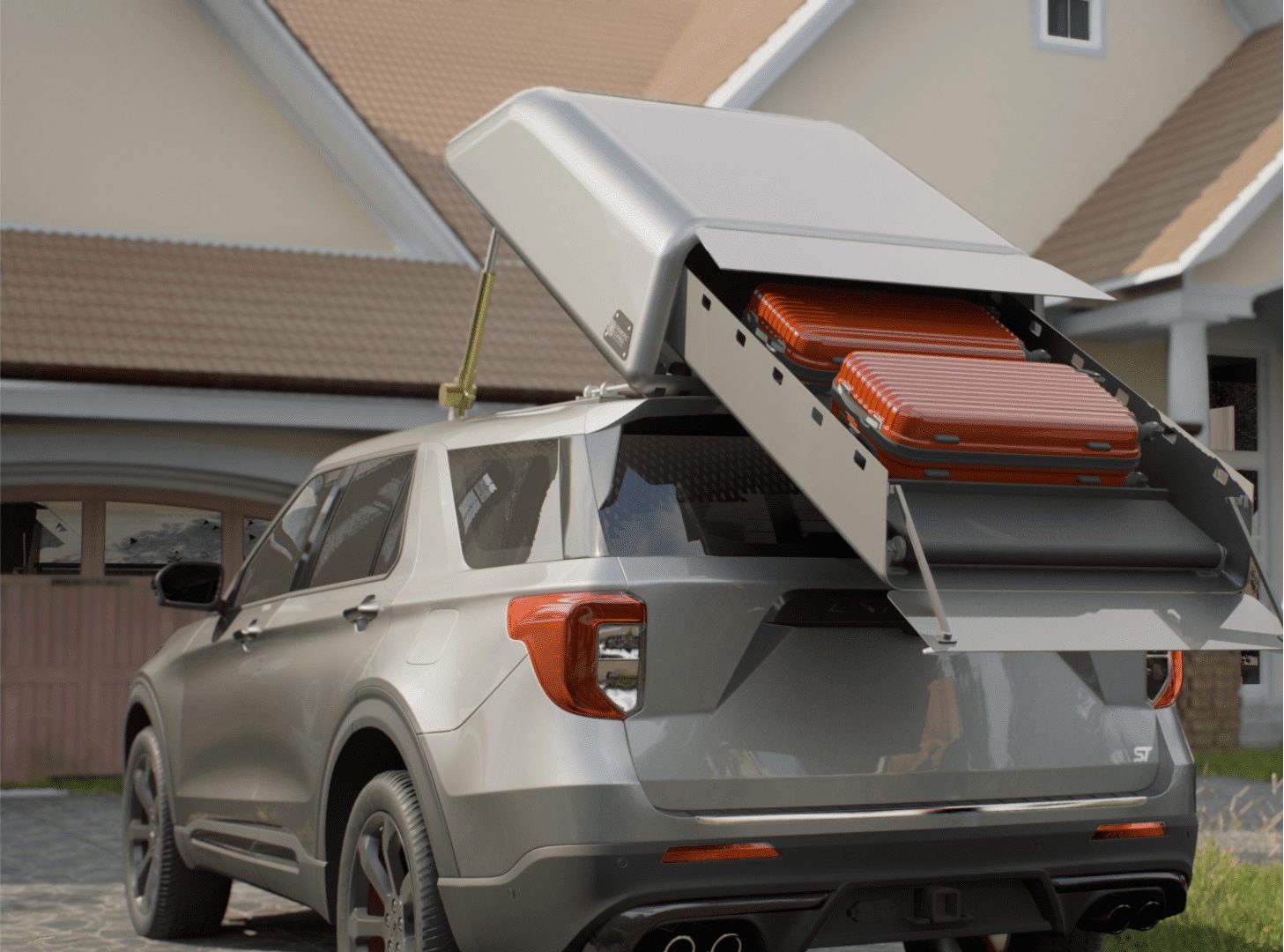
Handing your vehicle to a parking attendant or a service technician doesn’t have to mean giving them access to everything inside. A number of manufacturers build in a physical or electronic lockout specifically for this scenario, letting you secure your trunk or cargo area while still allowing the front doors to operate normally with a spare fob or valet remote.
General Motors offers a clear example. Certain models include a valet lockout switch tucked inside the glove box, and flipping it prevents the trunk from opening through the usual remote or driver’s-door release, even if someone gains full access to the front cabin.
Nissan and Infiniti take a similar approach on several models, with a trunk-release power-cancel switch that can be flipped to OFF before the vehicle changes hands temporarily.
Other automakers solve the same problem differently, relying on a separate mechanical release built specifically for valet situations, or a dedicated valet mode accessible through the settings menu rather than a physical switch.
Whichever version your vehicle uses, this is a genuinely practical feature for anyone who regularly hands their car to strangers, whether that’s at a hotel, a repair shop, or an airport lot. It costs nothing to use and takes seconds to activate, yet most drivers never learn it exists until they read the manual cover to cover.