
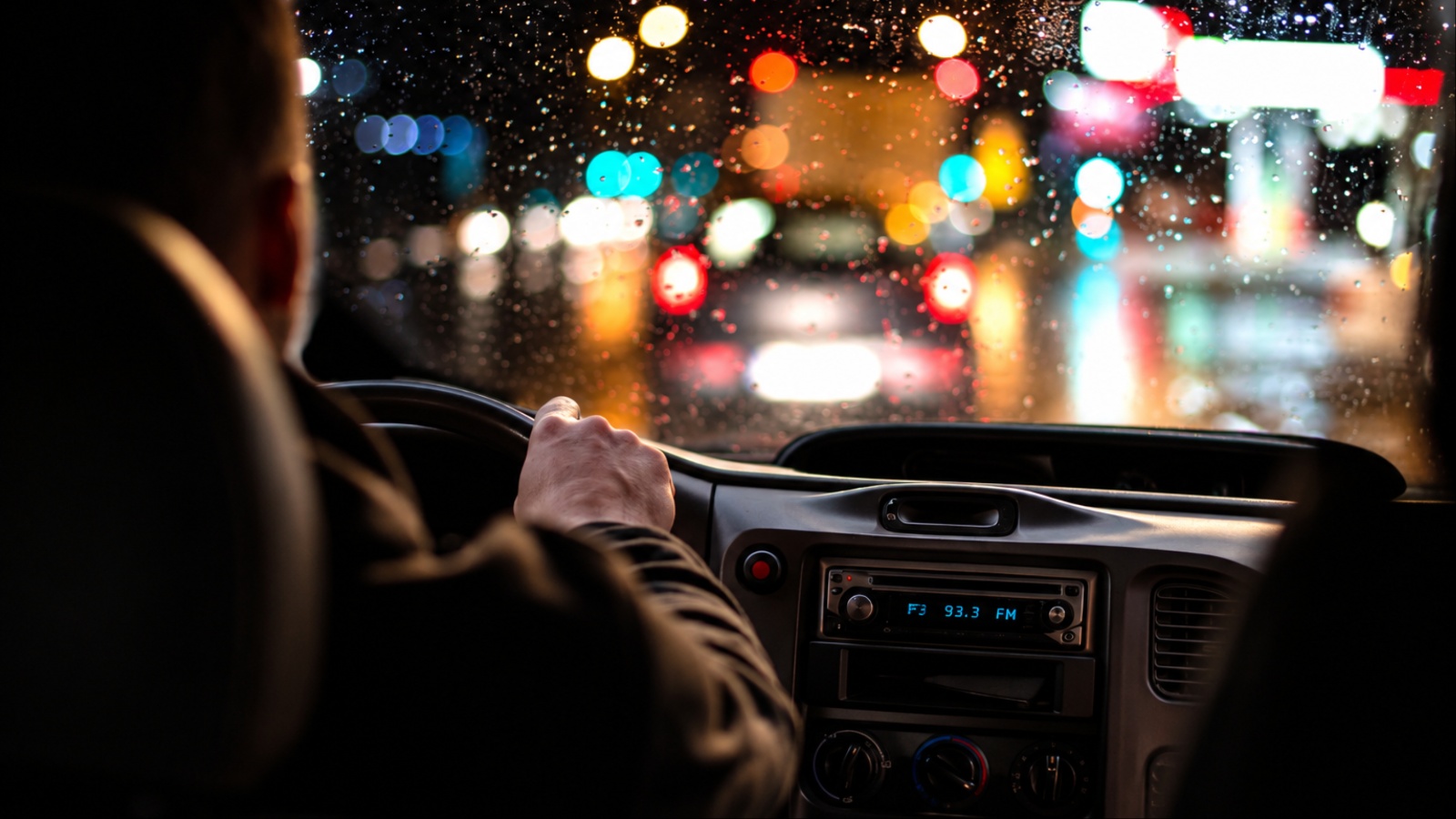
Ever squint so hard at oncoming headlights that you momentarily lose sight of the road ahead? You’re not alone, and it’s genuinely more dangerous than most drivers realize. Nighttime glare causes real eye strain, cuts your visibility dramatically, and can leave you temporarily blinded for a few unnerving seconds right when you need clear vision the most.
The good news is that most of the culprits behind bad glare are fixable with a little effort and almost no money. From a dirty windshield to worn-out wipers, small problems often create outsized nighttime headaches. Here are eight genuinely effective ways to cut down on glare and drive after dark with far more confidence and control.
1. Clean the Inside of Your Windshield
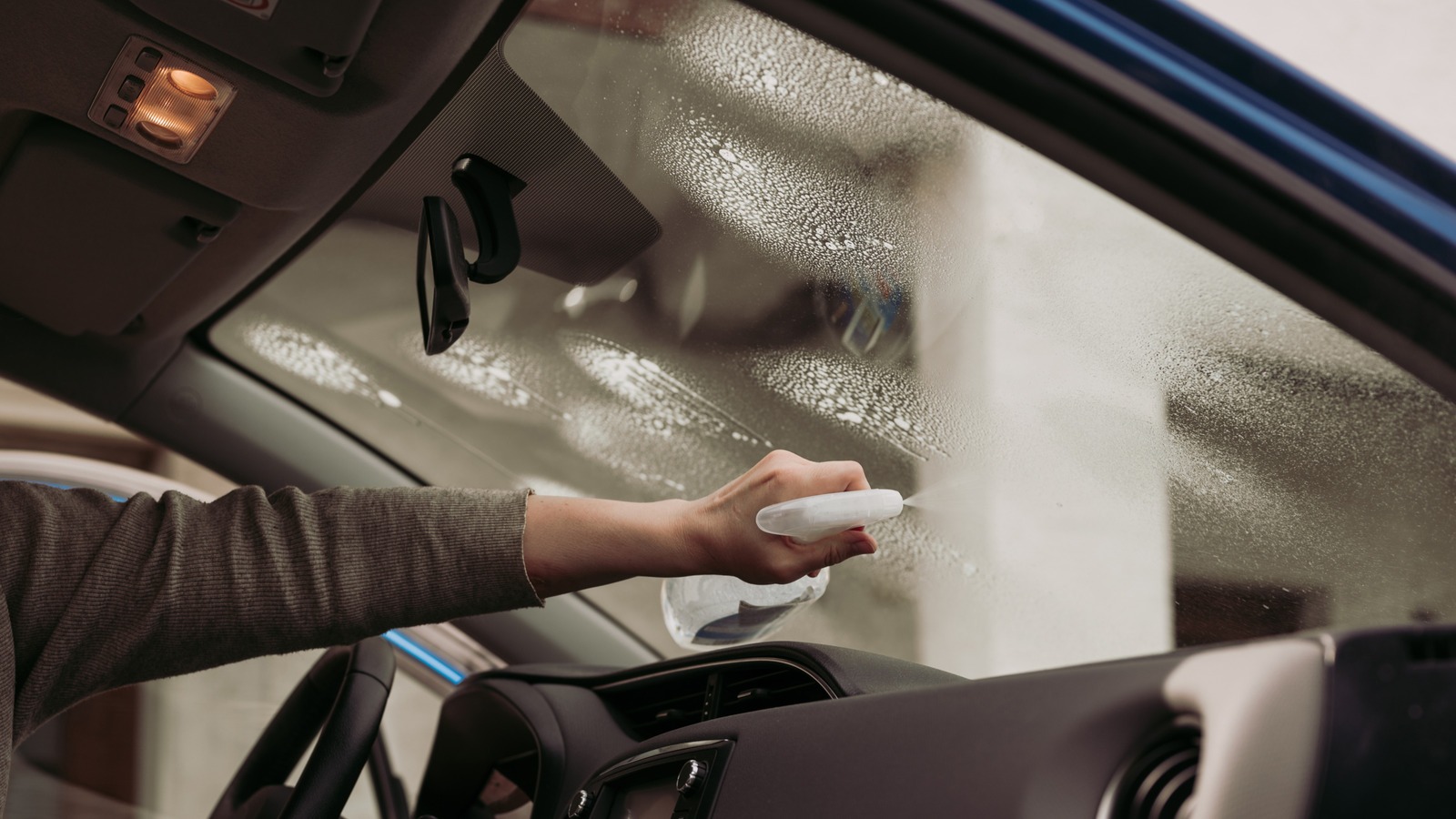
Grab a microfiber cloth and a quality, ammonia-free glass cleaner, then get to work on the interior side of your windshield. This is the step most drivers skip entirely, yet it might matter more than anything else on this list.
Over weeks and months, a nearly invisible film builds up on the inside surface of your glass, created by off-gassing dashboard materials, dust, smoke residue, and everyday moisture from your breath and the cabin air.
That film feels invisible during daylight hours, which is exactly why so many drivers never think to clean it. Come nightfall, though, everything changes.
Headlights from oncoming traffic hit that thin haze and scatter in every direction, turning a single set of bright lights into a smeared, distracting starburst that makes it genuinely harder to judge distance and position on the road.
Take fifteen minutes this weekend and really work the glass, using small circular motions and a clean section of cloth as you go. Avoid ammonia-based cleaners if your vehicle has any tinted film, since ammonia can damage the tint as time goes on.
Once you’re done, take a night drive and compare the difference. Most drivers are shocked at how much clearer oncoming headlights look after this one simple fix, and it costs next to nothing beyond a few minutes of elbow grease.
2. Replace Worn or Streaking Wiper Blades
When was the last time you replaced your windshield wipers? If you cannot remember, there is a good chance they are already due for replacement. Wiper blades wear gradually, so many drivers do not realize they are causing visibility problems until they become difficult to ignore.
Take a moment to watch your wipers during the next rainy drive. Do they leave narrow streaks behind, skip across parts of the windshield, or fail to remove water with a single pass? Those signs usually mean the rubber has become hard, cracked, or worn out.
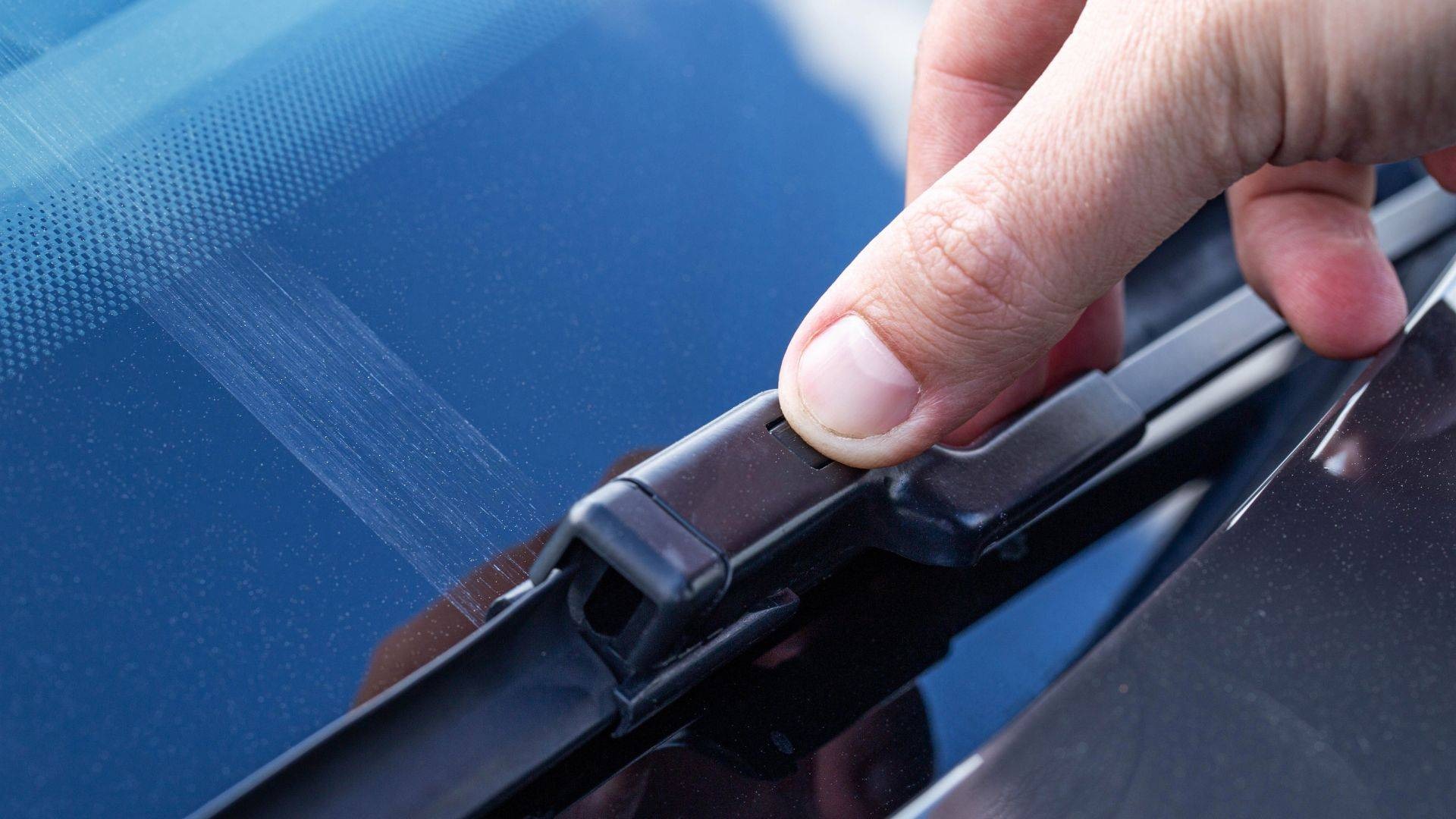
Replacing the blades is usually an affordable repair and does not take much time. Driving at night with worn wipers can make bright headlights much harder to deal with. Each pass may leave behind tiny amounts of water, road dirt, and oily residue.
When headlights hit those marks, the light scatters across the glass and can create a starburst effect that makes it harder to see the road clearly. A quick visit to an auto parts store may be all you need. Many stores will install replacement blades at no extra charge when you buy them there, and installation often takes only a few minutes.
Considering the low cost and little effort involved, replacing worn wipers is one of the easiest ways to improve visibility during rainy nighttime driving. Fresh blades also help keep your windshield clearer, giving you a better view when bright headlights are approaching.
3. Dim Your Dashboard and Infotainment Screens
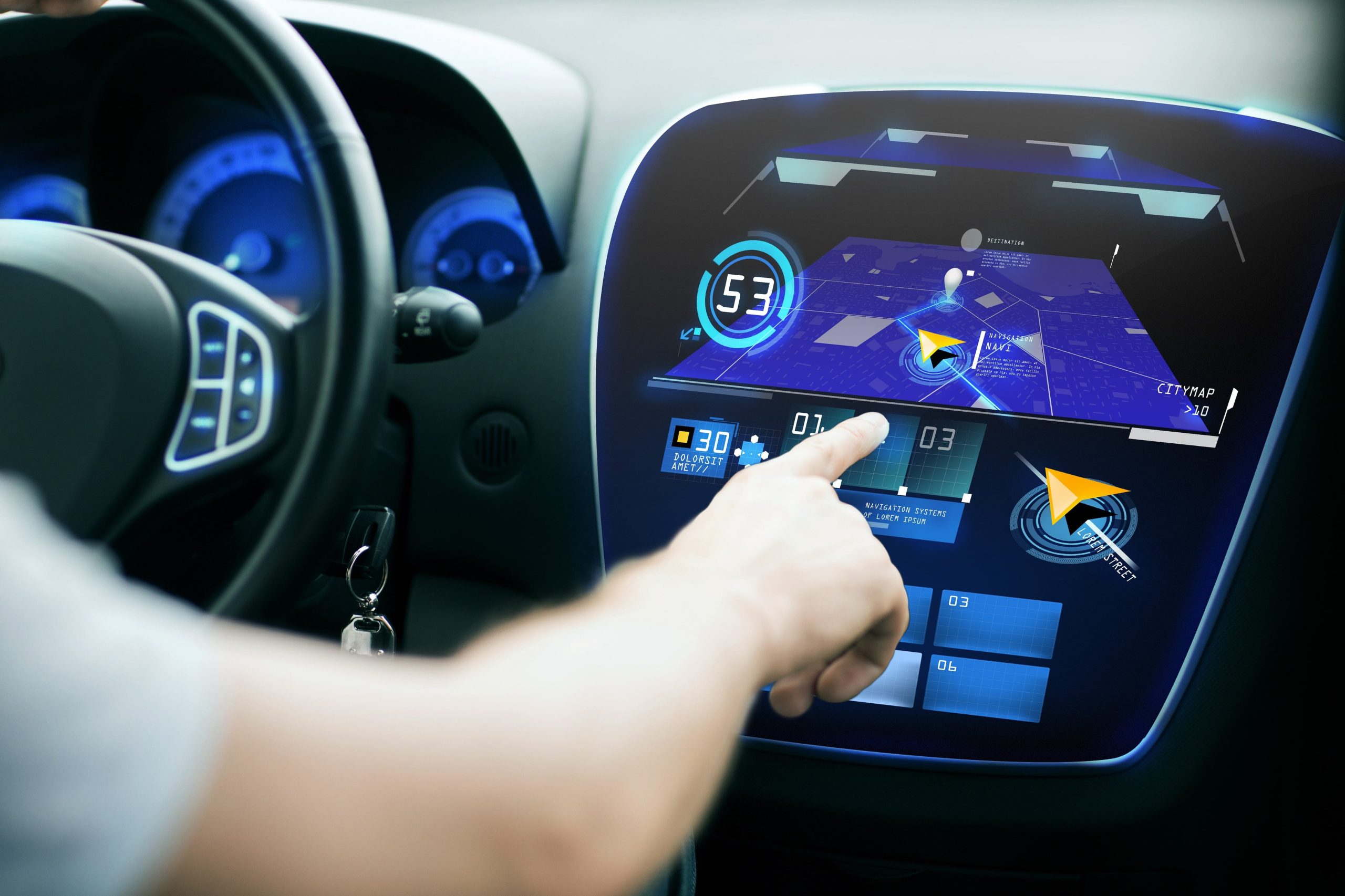
Modern dashboards have turned into miniature entertainment centers, packed with bright screens showing everything from navigation maps to music selections. That’s wonderful during the day, but after dark, all that brightness can genuinely work against you in ways many drivers never consider.
Your eyes need time to adjust to darkness, a biological process that takes several minutes and can be disrupted instantly by exposure to bright light. Every time you glance at a blazing infotainment screen or an overly bright instrument cluster, you’re essentially resetting that adjustment process, making it harder for your eyes to pick up subtle details in the dark road ahead.
There is another issue to consider involving reflections. Bright screens can draw attention on their own, but they can also reflect off the inside of the windshield. This can create a faint ghost image across the driver’s view and make it harder to focus on the road.
Combined with oncoming headlights, that reflection compounds the glare problem you’re already fighting. Most vehicles let you manually adjust brightness settings, often buried in a menu or controlled through a physical dial near the dashboard.
Take a few minutes to find that setting and dial everything down to the lowest comfortable level for nighttime driving. Your eyes will adjust to the darker screens quickly, and your entire night vision will genuinely improve.
4. Deep-Clean the Outside of the Windshield
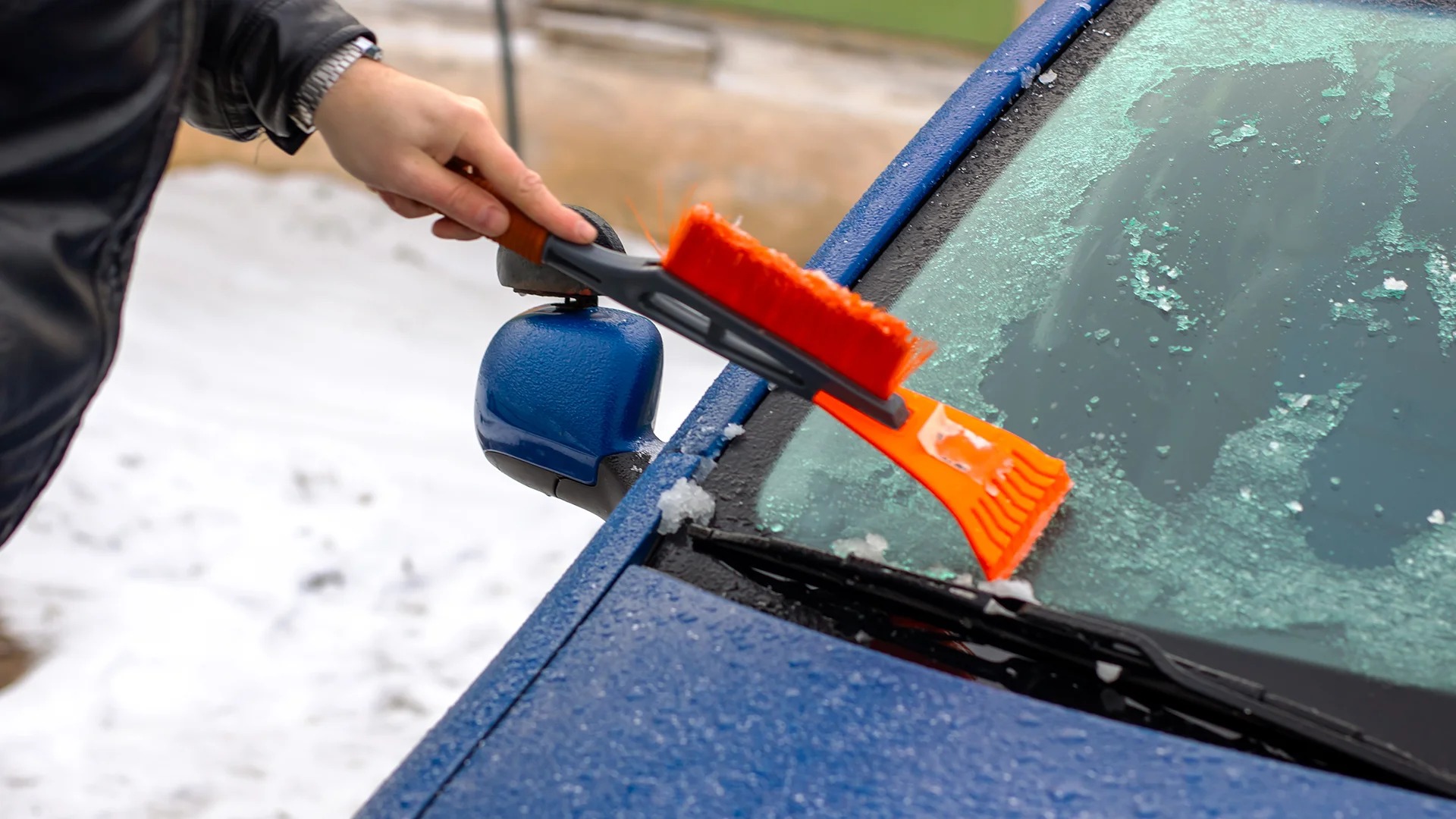
Keeping the inside of your windshield clean is important, but the outside needs just as much attention. The glass picks up road dirt, insect residue, tree sap, dust, and other grime that can make nighttime glare worse.
A quick trip through an automatic car wash may remove some of it, but stubborn deposits can remain on the surface. For a better clean, use a good automotive glass cleaner and a microfiber cloth.
If the windshield still feels rough or has stubborn buildup, an automotive detailing clay bar made for glass can help. It removes contaminants that ordinary washing may leave behind and gives the glass a smoother finish.
Clean exterior glass can make a real difference when driving at night. Dirt and other deposits on the windshield interfere with incoming light. When headlights from approaching vehicles hit these particles, the light can scatter across the glass instead of passing through clearly.
This can produce a hazy glare that makes it harder to see comfortably. Give your windshield a thorough exterior cleaning every few months, especially if you drive regularly on highways or park under trees.
If you notice stubborn spots, clean them sooner rather than waiting for your next routine wash. A cleaner windshield can help reduce glare and make nighttime driving more comfortable.
5. Use Your Rearview Mirror’s Night Mode
Glare doesn’t only come from vehicles approaching you head-on. Cars behind you, especially those following a bit too closely with modern LED headlights, can bounce plenty of harsh light straight into your rearview mirror and directly into your eyes.
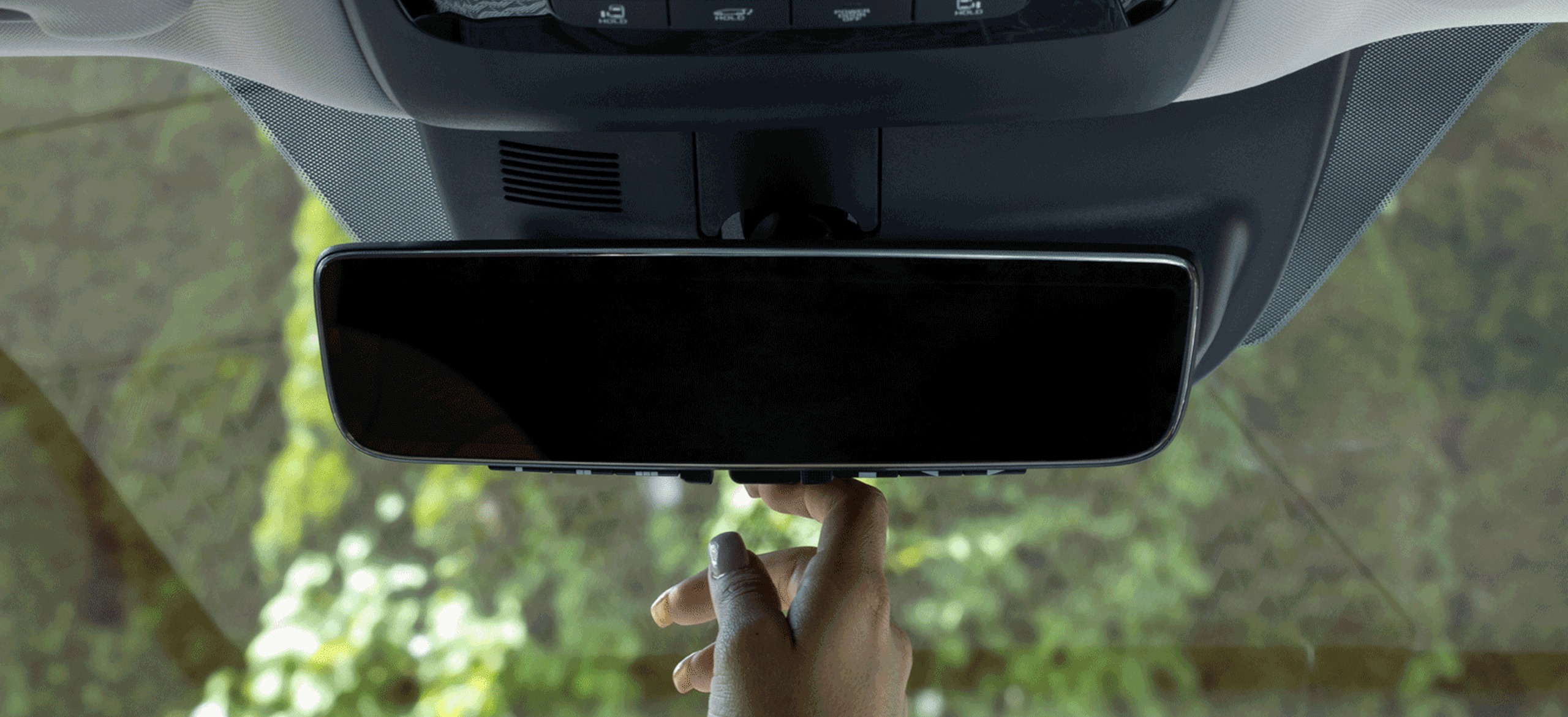
Fortunately, this is one of the easiest fixes on this entire list. If your vehicle has a manual mirror, look underneath it for a small tab or lever.
Flipping that tab tilts the mirror’s reflective angle slightly, redirecting the glare from following headlights away from your direct line of sight while still letting you see enough to safely monitor traffic behind you. It takes about two seconds and costs absolutely nothing.
Newer vehicles often come equipped with an auto-dimming mirror instead, which uses a sensor to automatically detect bright light and darken the mirror’s reflective surface in response.
If your car has this feature, double-check that it’s genuinely enabled and functioning correctly, since some owners never realize the sensor has been accidentally disabled or blocked by an object on the dashboard.
Either version of night mode makes a real difference on busy roads or during heavy traffic after dark. Get in the habit of flipping that tab or confirming your auto-dimming feature works before every nighttime drive, and you’ll notice considerably less distraction from the cars trailing behind you.
6. Clean and Check Your Eyeglasses
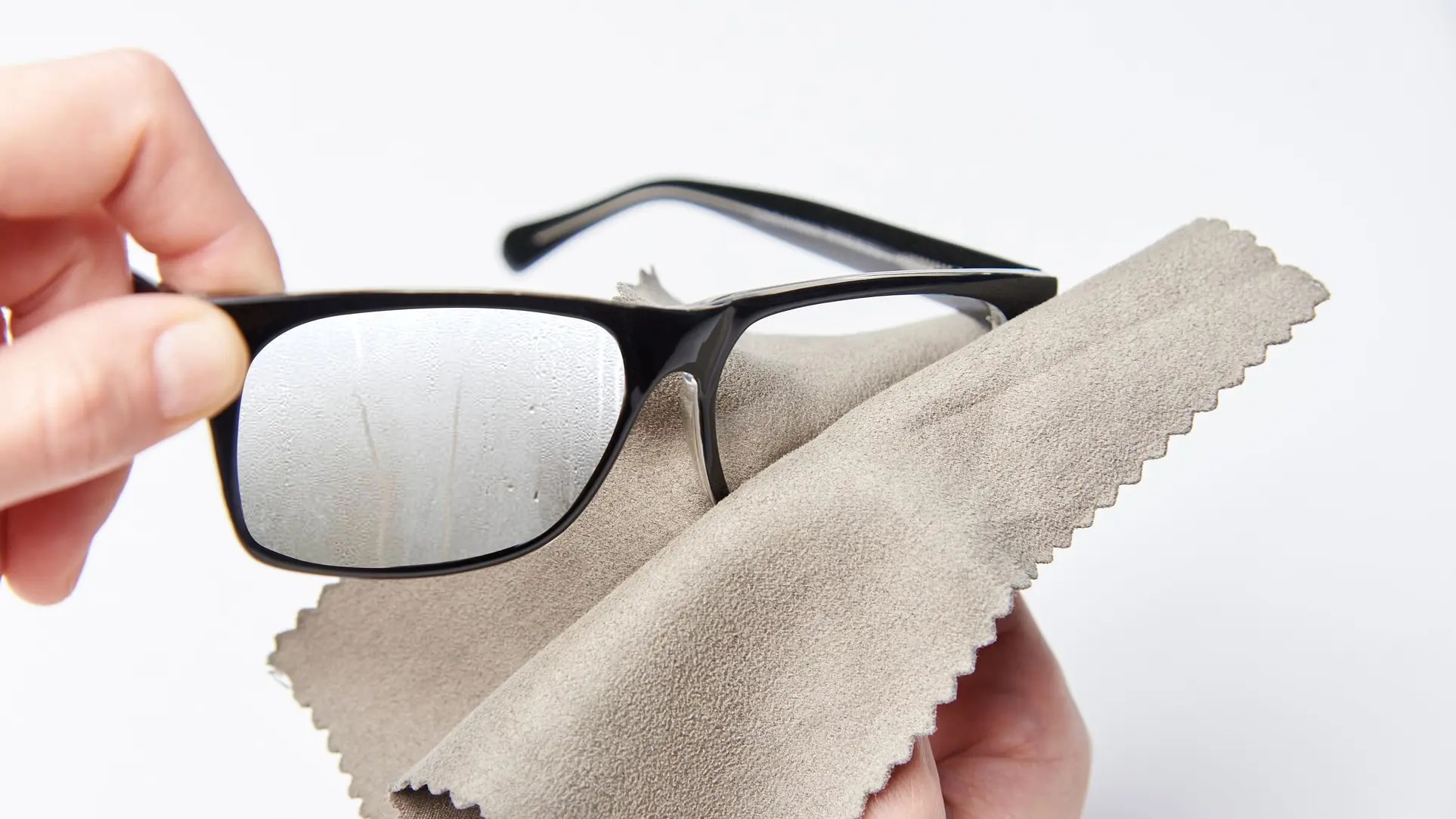
If you wear prescription glasses behind the wheel, your lenses deserve just as much attention as your windshield does. Smudges, fingerprints, and tiny scratches accumulate on glasses surprisingly quickly, and every bit of that buildup creates additional surfaces for light to bounce off unpredictably.
Before any nighttime drive, take thirty seconds to properly clean your lenses with a genuine lens cloth rather than your shirt sleeve or a paper towel, both of which can actually grind dirt particles into the lens surface and create new micro-scratches as time goes on.
A clean lens genuinely makes a measurable difference in how much glare you experience from oncoming headlights and streetlights. Beyond daily cleaning, think seriously about your next pair of glasses if it’s time for an update.
Ask your eye doctor specifically about anti-reflective coating, often shortened to AR coating in the industry. This treatment is applied directly to both surfaces of your lenses and works by reducing the amount of light that reflects into your eyes rather than passing through the lens as intended.
Drivers who switch to AR-coated lenses often report a genuinely noticeable improvement in nighttime comfort, describing less eye fatigue and considerably fewer distracting halos surrounding headlights and streetlights. If glare has been a persistent problem for you specifically, this upgrade might be worth discussing at your next appointment.
7. Avoid Looking Directly at Oncoming Headlights
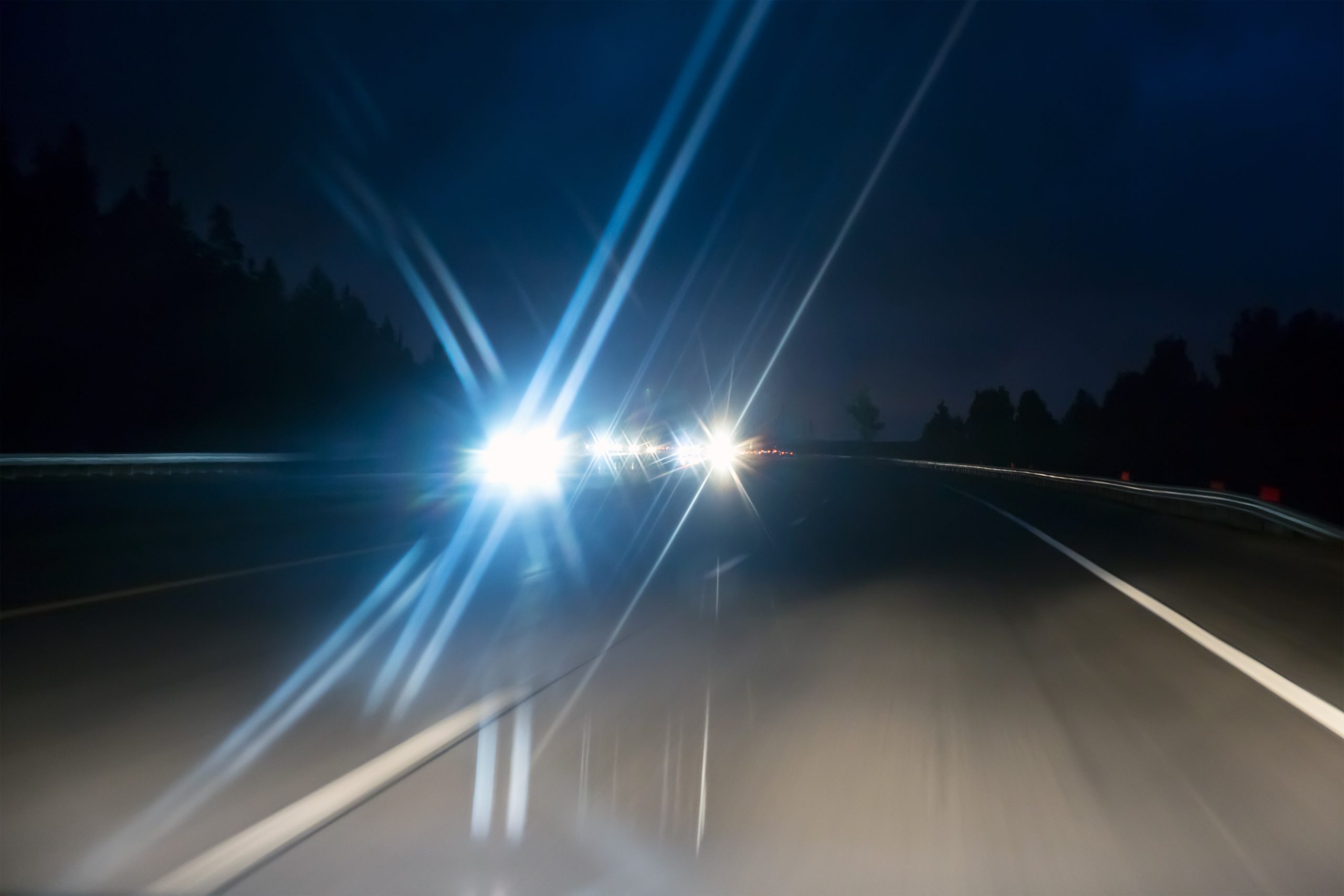
Bright headlights from an approaching vehicle can make night driving uncomfortable and even dangerous. Your first reaction may be to look directly at the headlights, especially when they are unusually bright.
However, doing so can make it harder to see the road for a few moments after the vehicle has passed. When your eyes are exposed to intense light at night, your vision needs time to adjust to the darker surroundings again.
During those few seconds, it may be harder to notice a pedestrian, animal, pothole, or another vehicle that suddenly enters your path. This is why looking directly at bright headlights is best avoided whenever possible.
A safer approach is to keep your attention toward the right side of your lane as an approaching vehicle gets closer. You can use the painted edge line or the side of the road as a guide while still using your peripheral vision to remain aware of the approaching car.
This helps you maintain your lane position without allowing the headlights to dominate your vision. It may feel unusual when you first start doing it, especially if you are used to watching approaching vehicles closely.
With regular practice, though, the habit becomes much easier and more natural. You will also become better at judging where your vehicle is positioned on the road without staring into bright lights.
This simple driving habit can help you maintain clearer vision and react more quickly when another driver’s headlights are too bright or improperly adjusted at night.
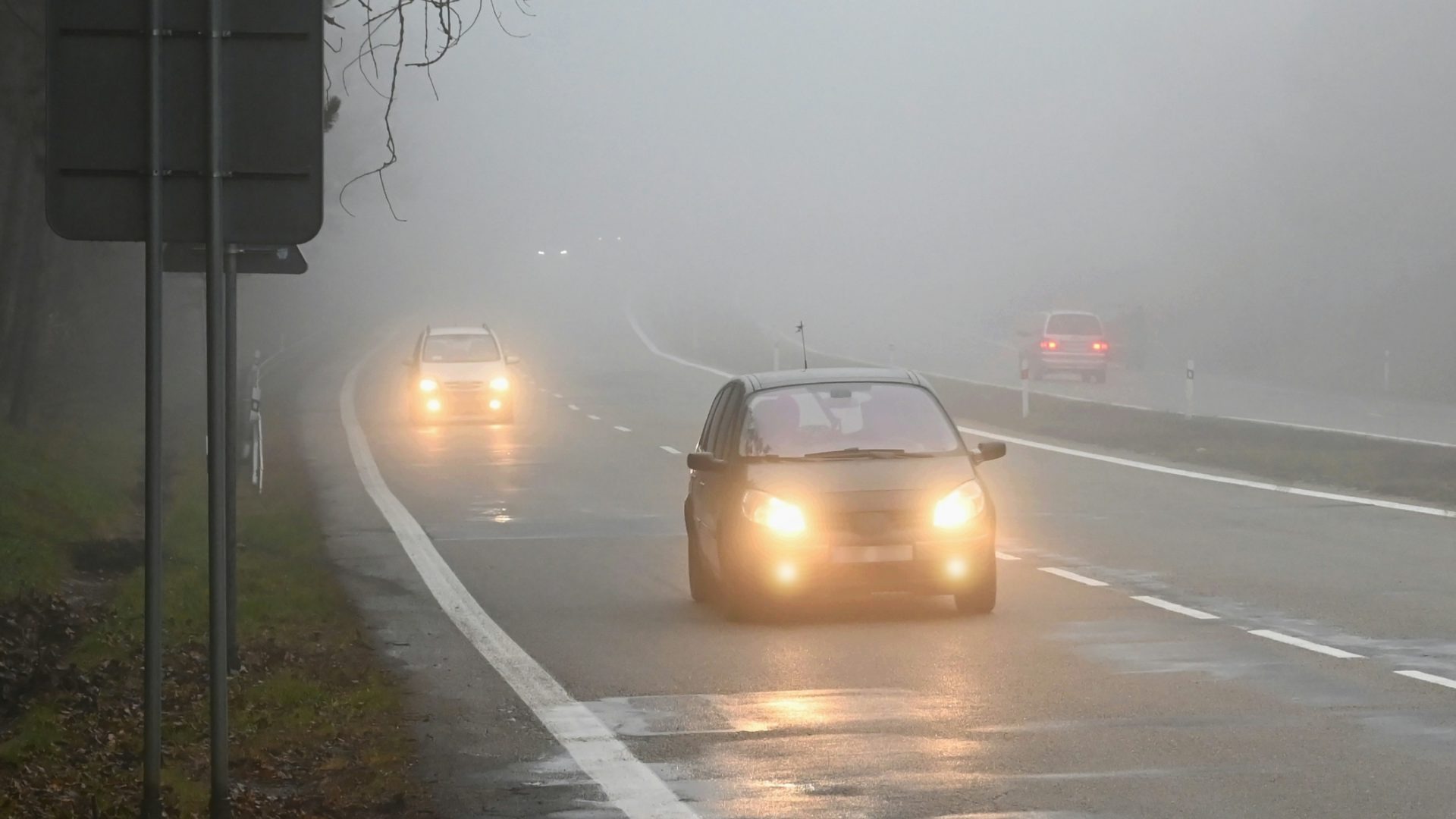
8. Use Low Beams and Fog Lights in Poor Weather
Rain, mist, and fog completely change the rules for nighttime lighting, and plenty of drivers instinctively reach for their high beams in these conditions, assuming brighter light automatically means better visibility. It’s actually the opposite, and understanding why could genuinely improve your safety during bad weather.
High beams project light upward and outward at a steep angle, and when that light hits airborne water droplets from rain, mist, or fog, it reflects straight back toward your eyes rather than illuminating the road ahead.
The result is a wall of scattered white glare that actually makes it harder to see, not easier, right when clear vision matters most. Switch to low beams during these conditions instead. Low beams direct light downward and closer to the road surface, cutting through moisture far more effectively while producing less reflective glare bouncing back at you.
If your vehicle came equipped with properly aimed fog lights, turn those on as well, since they’re specifically engineered to sit low and wide, illuminating the road surface without creating the same reflective glare problem.
Keep your high beams off entirely during heavy rain, mist, or fog, no matter how tempting it feels to reach for extra brightness. This one adjustment alone can make a genuinely substantial difference in how clearly you see the road during genuinely challenging weather conditions.
