
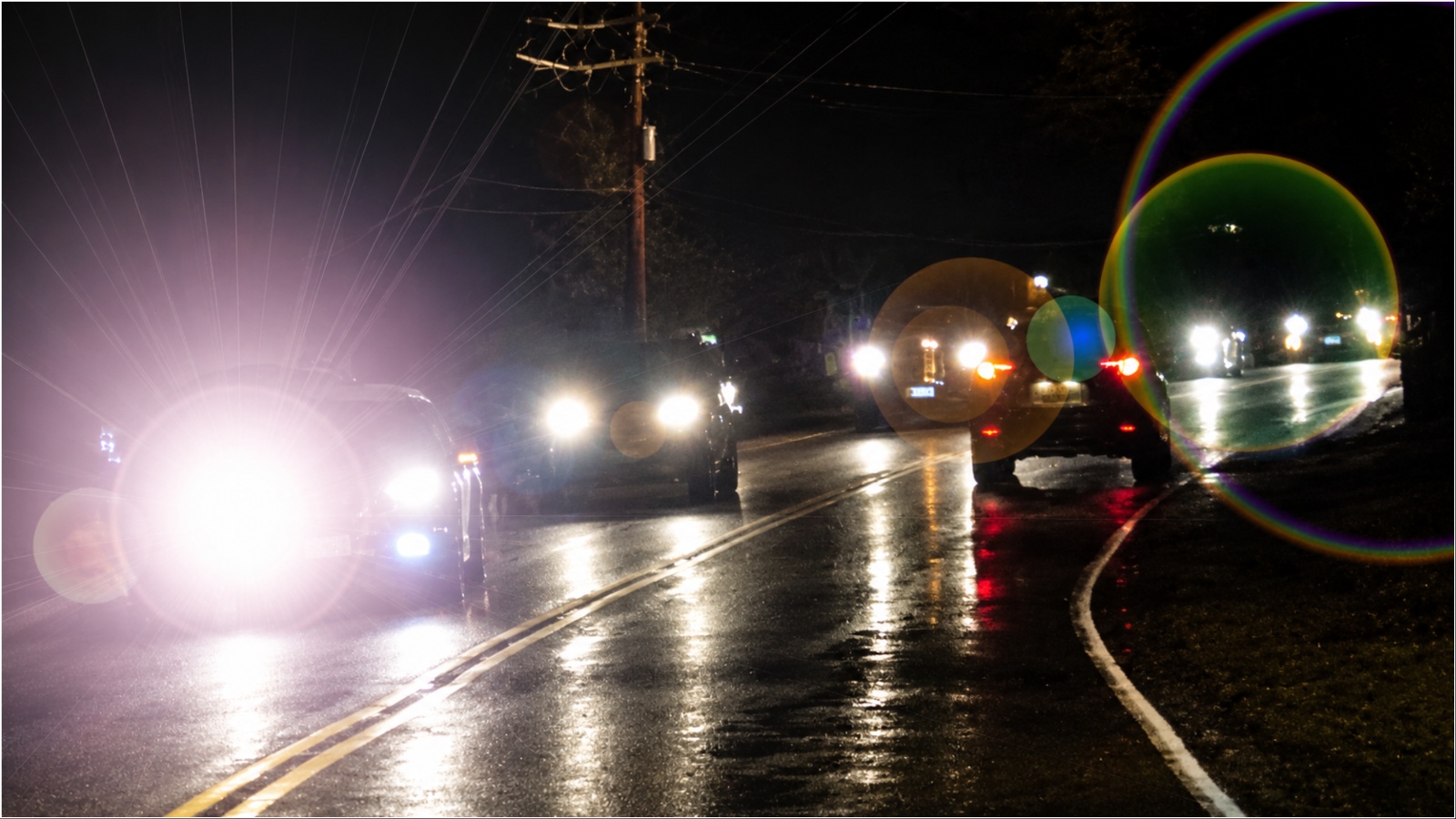
Ever flashed your brights at an oncoming car and grumbled about how blinding modern headlights have become? You’re not alone. Complaints about glare have piled up for years, and it feels like every new vehicle on the road comes with headlights bright enough to sting your eyes. But a new study from the Insurance Institute for Highway Safety tells a different story than the one drivers assume.
Glare, it turns out, plays a role in only one or two out of every thousand nighttime crashes. The real danger on dark roads isn’t too much light. It’s not enough of it. This piece breaks down what researchers actually found, why the complaints keep growing anyway, and what it means for anyone who drives after sundown.
What Researchers Actually Found
Matthew Brumbelow, a Principal Research Engineer at IIHS, pulled crash data from eleven states between 2015 and 2023. Police in those states can mark glare as a contributing factor on a crash report, which gave his team something rare: a real paper trail connecting headlight glare to actual wrecks instead of guesswork.
Out of roughly 24 million crashes total, fewer than 150,000 mentioned glare at all. Narrow that down to nighttime crashes specifically, and the number drops to somewhere between one and two out of every thousand.
That rate barely budged across nine years, even while headlight brightness climbed steadily. Something else stood out too: glare-related crashes peaked in 2015, right at the start of the study, and hit their lowest point in 2020.
If brighter headlights truly made roads more dangerous, you’d expect the opposite trend. Instead, the numbers stayed flat, almost stubbornly so. Most of these crashes involved a single vehicle running off a rural two-lane road, frequently while it was raining or the pavement was wet.
Drivers who reported glare-related crashes also tended to be older and driving older vehicles. A small, real problem, sure. But not the growing crisis the complaint hotlines might suggest.
Better Headlights Changed The Picture
Good headlights do more than make a vehicle look modern; they can help drivers see hazards sooner and avoid crashes at night. Research from the Insurance Institute for Highway Safety found that vehicles with highly rated headlights were involved in 19 percent fewer nighttime single vehicle crashes and 23 percent fewer nighttime pedestrian crashes than vehicles with poorly rated lights.
For drivers, the benefit is easy to understand. A clear beam can reveal a deer, cyclist, pedestrian, or disabled vehicle earlier, giving the driver more time to respond safely. Poorly aimed or weak headlights can leave parts of the road difficult to see, increasing the chance of missing a hazard.
When IIHS introduced its headlight rating program in 2016, only one system among more than 80 tested received a good rating. By 2025, 51 percent of tested systems earned that grade, while marginal and poor ratings dropped from 82 percent to 16 percent.
Car manufacturers have also improved their designs. Many now use LED lighting and pay greater attention to beam positioning. The rating system also considers glare, encouraging automakers to provide stronger road visibility without creating excessive brightness for drivers approaching from the opposite direction, supporting safer nighttime driving.
How Police Reports Track Glare
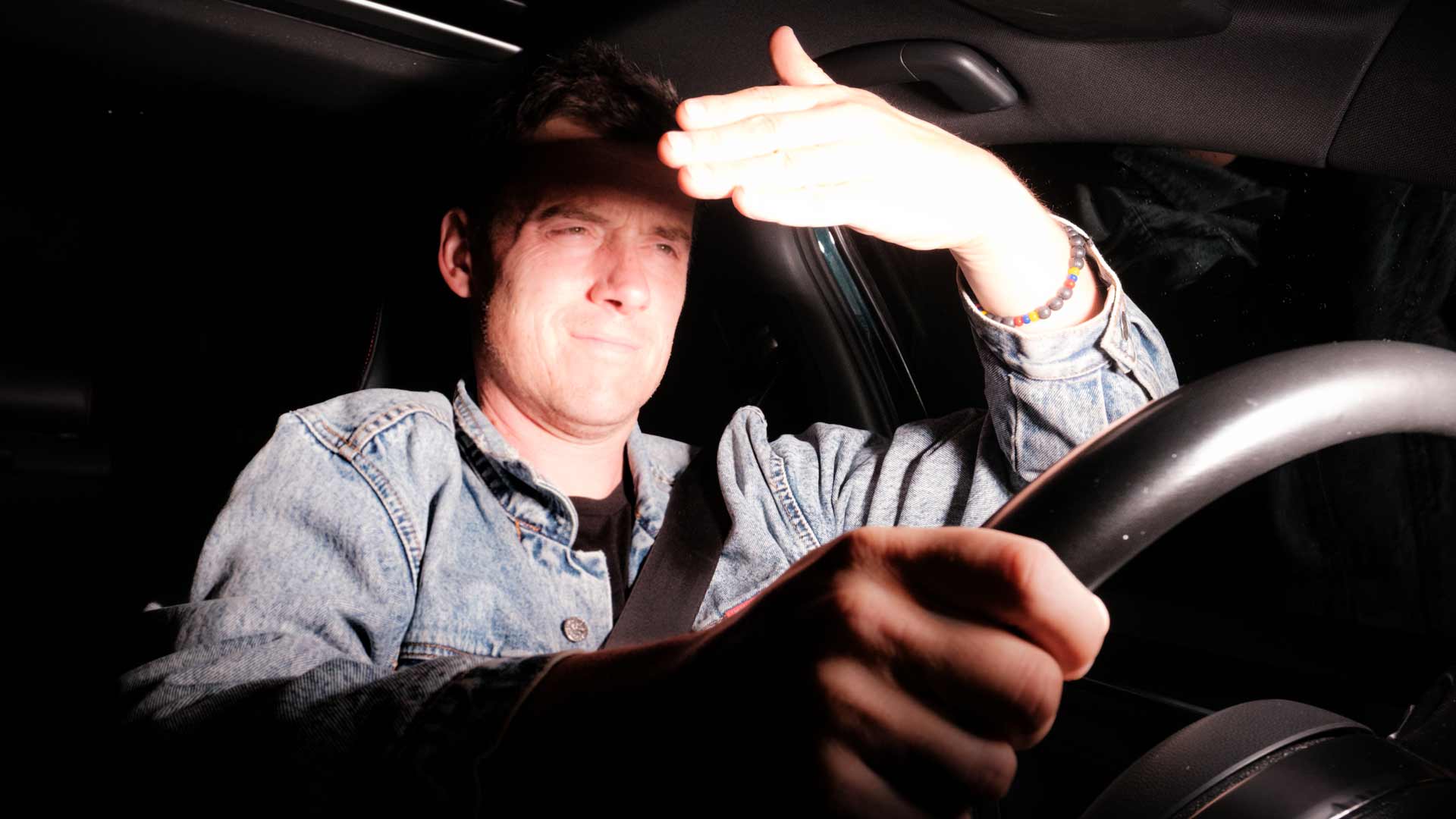
Getting reliable numbers on glare isn’t as simple as it sounds. Most crashes caused by glare happen when a driver gets blinded, panics, and runs off the road, meaning the car that caused the glare often drives away without ever being identified.
There’s no way to check its headlight rating or know whether the driver forgot to dim the high beams. Brumbelow’s study worked around that limitation by looking at how often glare gets coded in official crash reports and tracking how that frequency moved as headlight technology improved.
Only two of the eleven states in the study separate glare caused by the sun from glare caused by another vehicle’s headlights, so the research focused specifically on crashes that happened at night.
This method has real limits. Officers investigating a wreck at two in the morning may not always ask the right questions or record glare consistently, and some researchers argue the true contribution could be higher than official numbers suggest.
Even accounting for that uncertainty, the pattern holds. Nighttime glare crashes stayed remarkably rare and remarkably stable across nearly a decade of dramatic headlight upgrades, which is the opposite of what a worsening safety problem would look like on paper.
Why Drivers Feel One Way While Data Says Another
If the numbers show glare staying flat, why do complaints about blinding headlights keep piling up? A recent AAA survey found that six in ten drivers consider glare a genuine problem on the road, and headlight complaints reach federal safety regulators more often than complaints about brakes, airbags, or nearly anything else on a vehicle.
Part of the answer comes down to how memory works. LED headlights throw a whiter, more concentrated beam than older halogen bulbs, and getting hit with that beam feels sharper and more uncomfortable even when it isn’t actually dangerous.
A driver who winces at a passing SUV remembers that moment vividly and mentions it later, while nobody posts online about the thousands of ordinary, uneventful nighttime drives that happened the same week.
There’s also a mismatch in how people weigh personal experience against statistics. A single blinding encounter feels immediate and real, while a phrase like “one or two crashes per thousand” feels distant and abstract.
People tend to trust what stings their own eyes over a research paper, which makes sense on a human level, even when it points them toward worrying about the wrong hazard.
Older Drivers Face The Bigger Risk
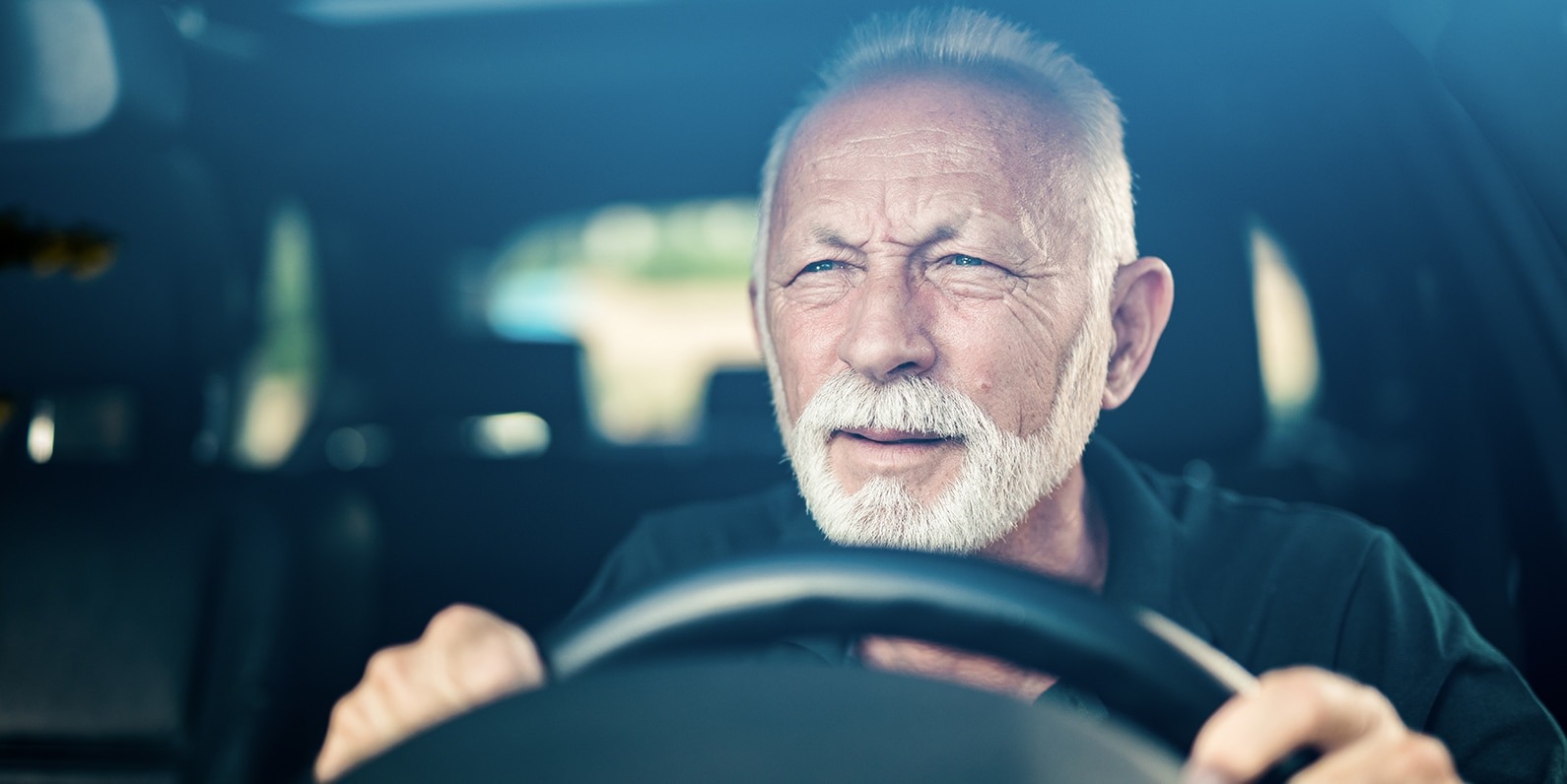
Not everyone experiences headlight glare the same way, and the research offers one genuinely useful clue about who actually faces higher risk. Brumbelow found that drivers older than 70 are the group most affected by glare-related crashes, while drivers between 55 and 60 show no increased risk connected to it at all.
Aging eyes recover more slowly after exposure to bright light, and that slower recovery time can matter a great deal on a dark road where hazards appear and disappear in seconds. A younger driver’s pupils adjust within moments after a bright pair of headlights passes.
An older driver’s eyes might take several extra seconds, and those seconds are exactly when a curve, a pedestrian, or a stopped vehicle could appear. Interestingly, a separate AAA survey found that age wasn’t a strong predictor of who simply complains about glare, meaning the people voicing frustration online aren’t necessarily the same people facing elevated crash risk.
Two different groups, two different concerns, often lumped together in public conversation. This distinction matters for anyone thinking about an aging parent who still drives at night, or for anyone planning ahead for their own future behind the wheel.
Rules For Headlights Are Stuck In The Past
Federal standards governing headlight brightness haven’t been updated since 1997, back when halogen bulbs dominated the market and nobody had heard of an LED headlamp.
That gap between outdated regulation and rapidly advancing technology has created real friction. Adaptive driving beam headlights, which automatically dim only the portion of the beam aimed at another vehicle while keeping full brightness everywhere else, have been standard equipment across Europe for more than a decade.
As of the end of 2024, not a single vehicle sold in the United States came equipped with the feature, even though federal regulators technically opened the door to it back in 2022. Differences between American and European technical standards have slowed automakers from bringing compliant systems to market here.
Only about ten states currently require headlight alignment checks during vehicle inspections, despite research showing that a single degree of upward misalignment can multiply glare intensity by roughly eight times. Lawmakers have begun paying attention.
Representative Marie Gluesenkamp Perez introduced legislation in 2025 calling for a federal study on headlight brightness, though that’s still a study rather than an actual policy change. The tools to fix glare exist. What’s missing is a regulatory system fast enough to put them on American roads.
Simple Steps That Help Everyone On The Road
While engineers and lawmakers work through the bigger fixes, drivers aren’t stuck waiting around. A few small habits go a long way toward reducing discomfort for everyone sharing the road after dark.
Keeping headlight lenses clean prevents light from scattering in unpredictable directions, since a foggy or yellowed lens can turn a properly aimed beam into a diffuse glare source.
Getting headlight alignment checked during routine maintenance catches a misaimed beam before it becomes somebody else’s problem, especially after replacing bulbs or adjusting a vehicle’s suspension height.
Looking slightly toward the right edge of the lane rather than staring straight at oncoming lights helps preserve night vision without taking your eyes off the road ahead. And here’s a habit most people overlook entirely: using high beams whenever conditions safely allow it.
Surveys suggest a large share of drivers rarely use their high beams at all, often out of habit or a fear of blinding someone else, even though maximum visibility is one of the most effective tools available for avoiding a nighttime crash.
None of these steps require new legislation or waiting on the next generation of adaptive headlight technology. They’re small, practical adjustments anyone can make this week, and together they chip away at the discomfort factor while the bigger regulatory fixes slowly make their way through the pipeline.
