
Most drivers rarely consider what happens to an old car after it leaves the road. That worn-out sedan behind a repair shop could eventually become part of a bridge, a washing machine, or even another vehicle. Cars are among the most recycled consumer products in the country, with recycling volumes surpassing those of cans, bottles, and paper combined.
Every year, millions of vehicles reach the end of the road, and instead of piling up in fields, most of them get stripped down and turned back into raw material.
Steel makers alone pull more than 14 million tons of steel from old vehicles annually. It’s a massive, largely invisible operation that keeps factories running and junkyards from turning into permanent graveyards. Once you see how the process works, you start looking at your old car a little differently.
Steel Supply Runs on Scrapped Vehicles
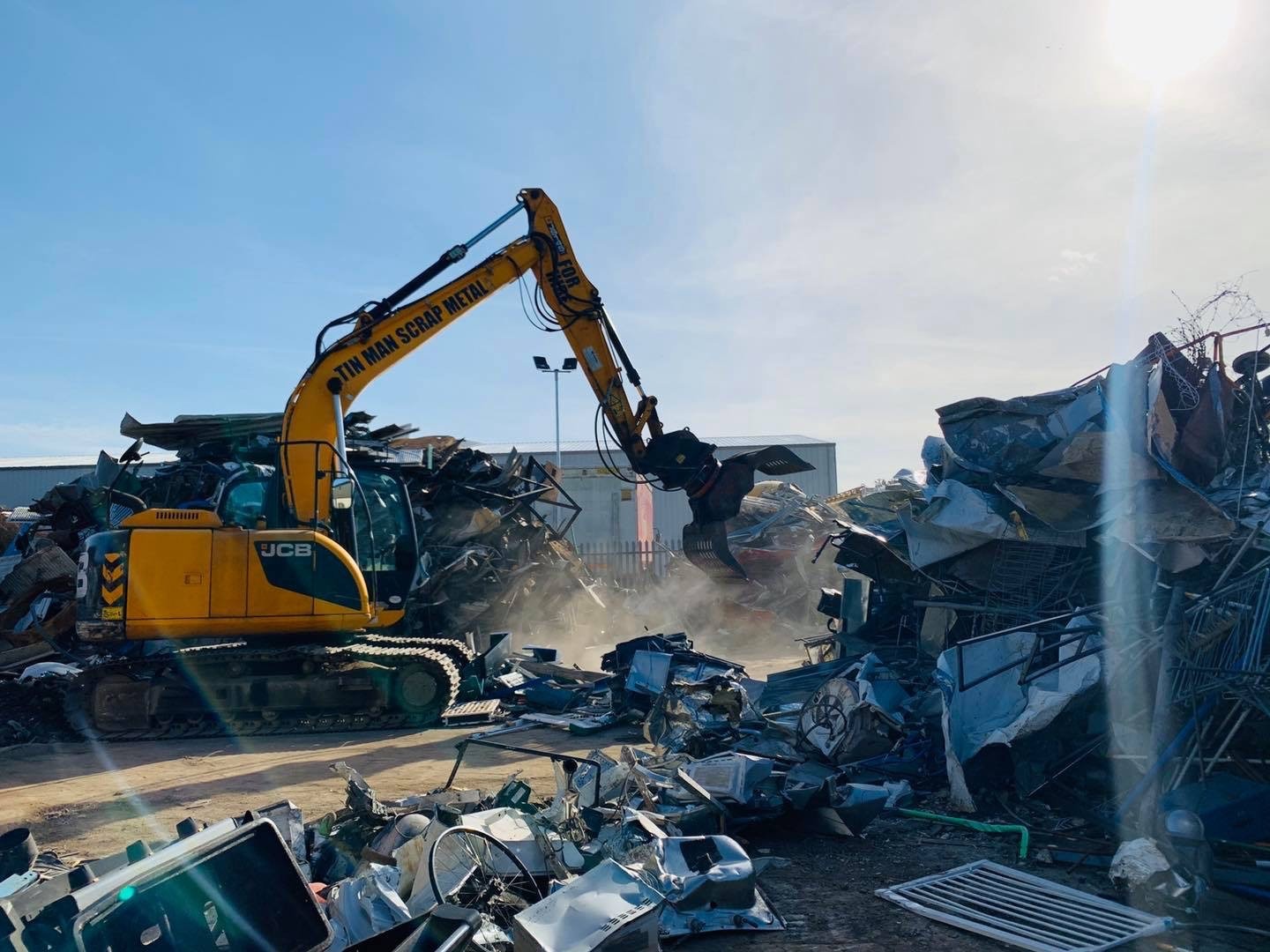
Steel producers depend on a steady stream of scrap, and cars are their biggest single source. Each year, the steel industry recycles more than 14 million tons of steel pulled from vehicles that have reached the end of their service life.
That figure alone covers the raw material needed to build well over ten million new automobiles, which says a lot about how tightly the recycling loop and manufacturing loop are connected.
Steel makes up roughly half the weight of a modern car, so when a vehicle gets shredded, steel is naturally the largest single material recovered. Mills then melt that scrap down using electric arc furnaces, which now produce over 70 percent of the country’s steel output. Compared to starting from raw iron ore, working with recycled steel uses far less energy and produces a fraction of the emissions.
There’s a reason automakers lean on this supply chain rather than fighting it. Recycled steel performs just as well as freshly mined steel, and it costs less to produce. A typical car body already contains about 25 percent recycled steel, and many internal parts use even higher percentages.
The relationship between junkyards and steel mills, in other words, isn’t a side arrangement. It’s the backbone of how the industry restocks its raw materials year after year.
The Numbers Tell an Impressive Story
Ask most people to guess what gets recycled the most in America, and they’ll probably say aluminum cans or cardboard. They’d be wrong. Cars hold that title by a wide margin.
The math behind this is hard to argue with. Roughly 86 percent of a vehicle’s total material content ends up recycled, reused, or recovered for energy. That number includes not just the steel frame but aluminum wheels, copper wiring, glass, plastic trim, and rubber tires.
Out of an estimated 27 million vehicles that reach the end of their useful life around the globe each year, a large share passes through American recycling facilities before parts and materials head back into new products.
Beyond steel, the country recycles millions of tons of other automotive materials annually, including roughly 5.4 million tons of aluminum, 5.5 million tons of electronics, and close to 2.3 million tons of plastics pulled from old vehicles. Copper, lead, and zinc round out the list.
What’s left over, called auto shredder residue, includes leftover fabric, dirt, and mixed materials that are harder to separate. That residue still accounts for a portion of what ends up in landfills, but it’s a small slice compared to what gets pulled out and reused. The gap between what’s recovered and what’s discarded keeps shrinking as sorting technology improves.

What Actually Happens to a Retired Car
A junkyard may look chaotic from the outside, but vehicle recycling is actually a highly organized process. Before workers begin dismantling a car with heavy equipment, they first remove all hazardous fluids. Motor oil, transmission fluid, coolant, refrigerant, and windshield washer fluid are drained and collected separately for proper handling.
Batteries are pulled early too, since lead and acid contamination is a serious environmental hazard if handled carelessly. After that comes the part most people would recognize.
Tires, wheels, and catalytic converters are removed, since each holds resale value on its own. Working parts like alternators, mirrors, seats, and electronics get pulled and tested for resale to repair shops and individual buyers looking for cheaper alternatives to new parts.
Once the reusable pieces are gone, what remains of the vehicle heads to a shredder. Massive machines tear the frame into fist-sized chunks of metal, which then pass through magnets and sensors that separate ferrous metal from aluminum, copper, and everything else. Steel goes to mills.
Aluminum goes to smelters. Everything gets sorted by type and shipped to whichever buyer needs it. The entire sequence, from tow truck to shredded scrap, usually takes just a few weeks per vehicle, and thousands of facilities across the country run this cycle daily.
An Industry Built on Old Cars
This isn’t a small operation tucked away in a few states. Automotive recycling ranks among the larger industries in the country, generating close to 25 billion dollars a year and supporting close to 100,000 jobs.
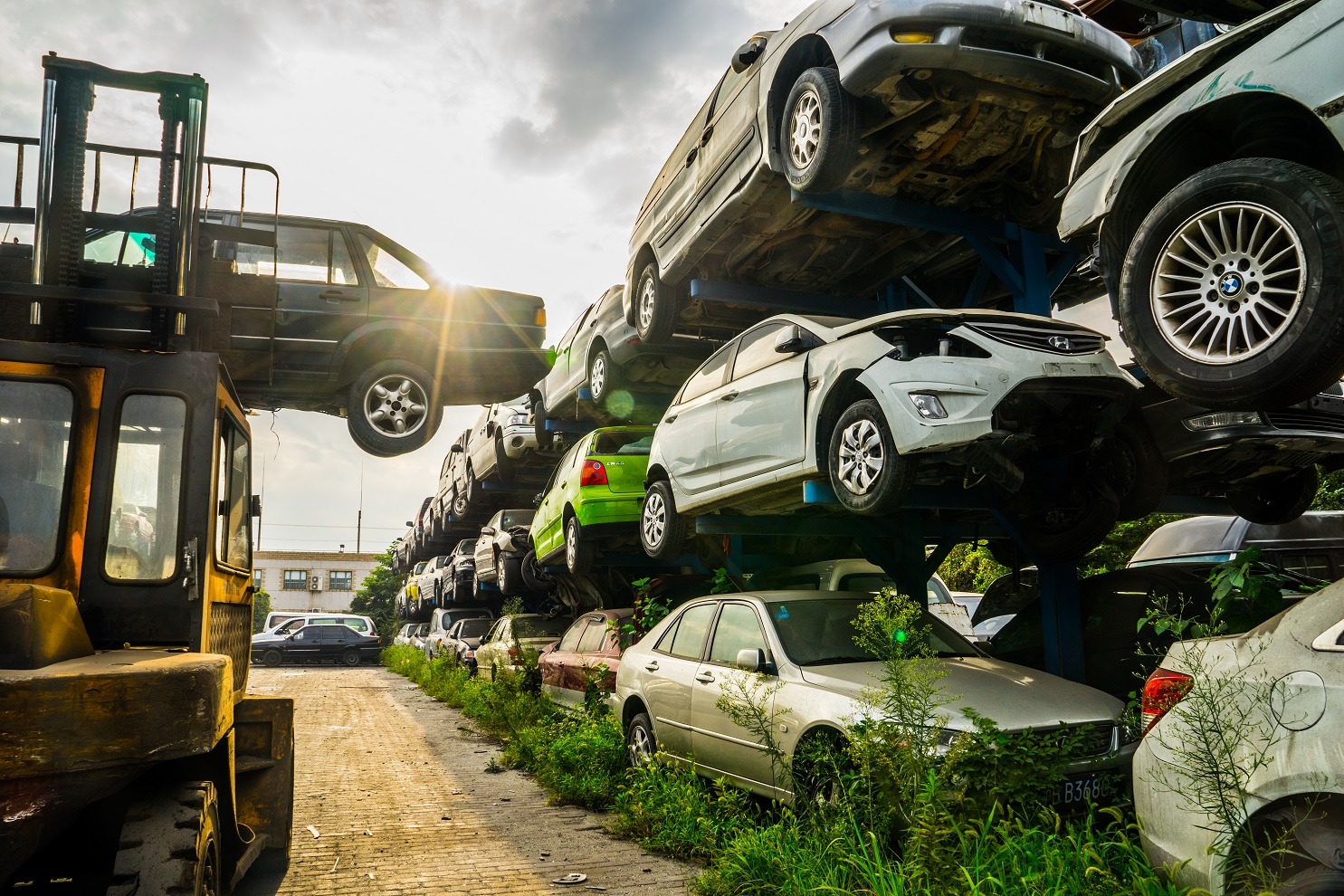
Roughly 7,000 vehicle recycling facilities operate across the country, ranging from small family-run yards to large-scale processing plants that handle thousands of vehicles annually. Exports add another layer to the picture.
The country ships out around one million used vehicles every year to buyers abroad, with destinations like the United Arab Emirates, Georgia, Mexico, and Lithuania among the top markets. Scrap metal exports add billions more to that total, with recycled materials from cars and other sources reaching manufacturers around the globe.
Recycling also saves resources that would otherwise be spent digging up new ones. Every ton of recycled steel conserves roughly 2,500 pounds of iron ore, 1,400 pounds of coal, and 120 pounds of limestone.
Multiply that across 14 million tons a year, and the resource savings add up fast. Energy savings from steel recycling alone are enough to power close to 18 million households annually.
Why This Keeps Growing
Vehicle recycling isn’t slowing down anytime soon. Automakers face constant pressure to cut costs and reduce their environmental footprint, and recycled steel checks both boxes better than mined ore ever could.
As more electric vehicles reach the end of their service life in coming years, recyclers will also start recovering battery materials at scale, adding a new category to an already massive operation.
Demand for scrap remains strong both at home and abroad, and mills continue investing in electric arc furnace technology built specifically to run on recycled material. That investment signals a long-term commitment rather than a passing trend.
For the average driver, none of this requires any extra effort. Trading in or scrapping an old car already feeds directly into this system. The next time a vehicle gets towed away for good, it’s worth remembering that its parts aren’t disappearing. They’re heading toward a second life, quietly doing more good for the planet than most people ever realize.