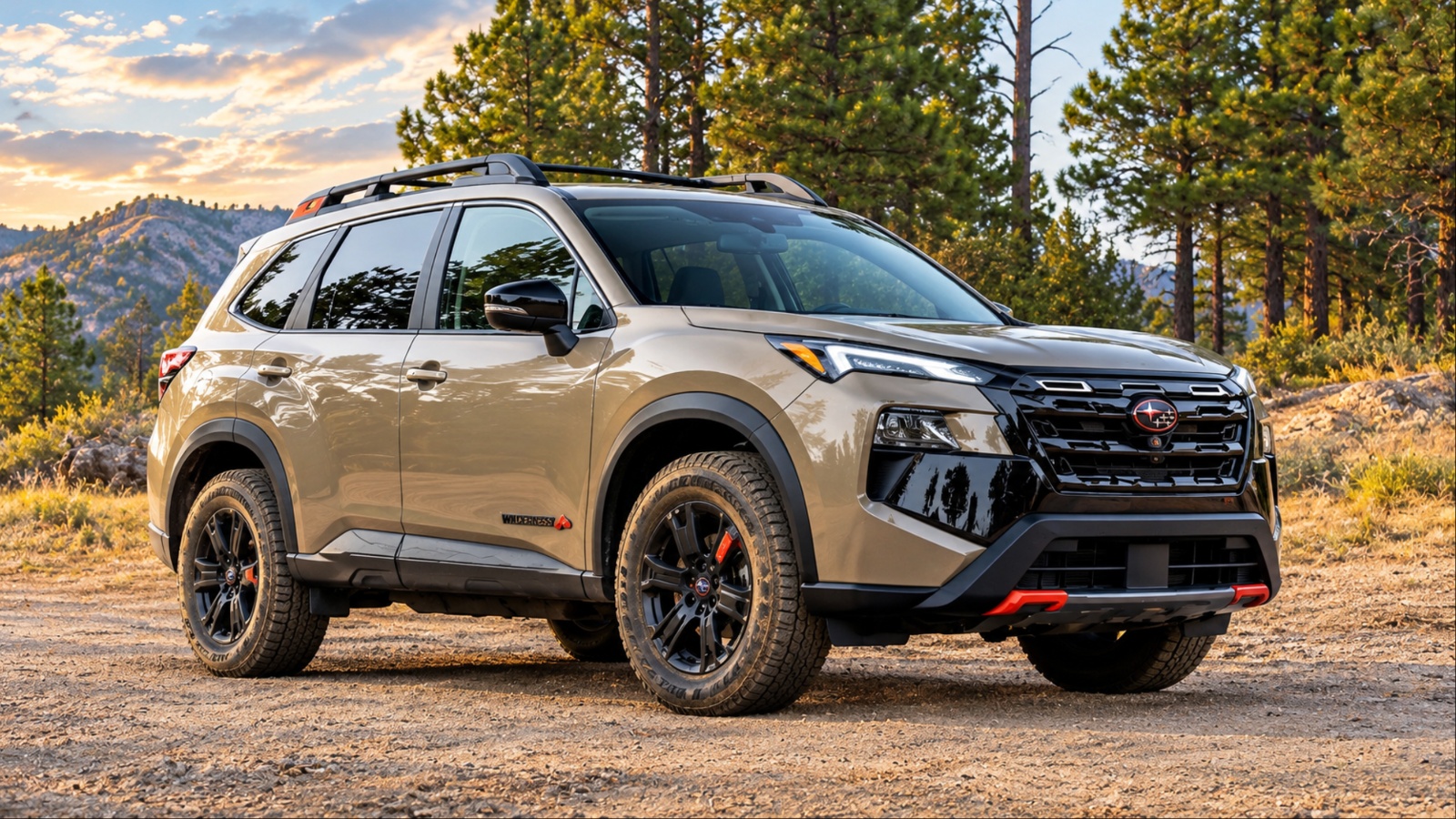
Buying a new vehicle usually means paying attention to horsepower, fuel economy, technology, and warranty length. Roadside assistance rarely gets the same attention, yet it can become valuable when a battery dies, a tire goes flat, keys are locked inside, or a vehicle becomes disabled far from home.
Many manufacturers include this service at no additional charge for a defined period, but owners may never need it. The following vehicles stand out because their U.S. warranty booklets or official ownership programs provide documented roadside assistance.
The important details are the coverage period, mileage limits, eligible services, and restrictions that determine when the benefit actually applies.
1. Hyundai Tucson
Hyundai offers Tucson buyers a benefit that can be easy to overlook once they leave the dealership. Complimentary roadside assistance provides added peace of mind if an unexpected problem leaves the vehicle stranded.
Hyundai’s U.S. warranty information states that its roadside program lasts 5 years with unlimited mileage, beginning when the vehicle is delivered to the first retail buyer or otherwise placed into service. That is considerably more generous on mileage than programs that impose a 36,000-mile or 50,000-mile ceiling.
The service is available 24 hours a day, 365 days a year, and can help with several situations that do not necessarily require a mechanical failure.
Hyundai lists towing, flat-tire assistance, dead-battery assistance, lockout service, and out-of-gas assistance among its roadside benefits. The program is available throughout the United States and Canada under the applicable terms.
There is an important detail owners should understand before assuming every roadside incident is covered. Hyundai describes roadside assistance as a limited service rather than a warranty.
The program does not pay for repairs, parts, labor, or expenses resulting from situations such as collisions, abuse, racing, vandalism, or certain other excluded circumstances. The vehicle also needs to be accessible from a publicly maintained road.

That makes the benefit most useful as an emergency safety net. An owner could drive considerably more than the average annual mileage and remain within the five-year roadside period because Hyundai does not attach a mileage limit to this particular benefit.
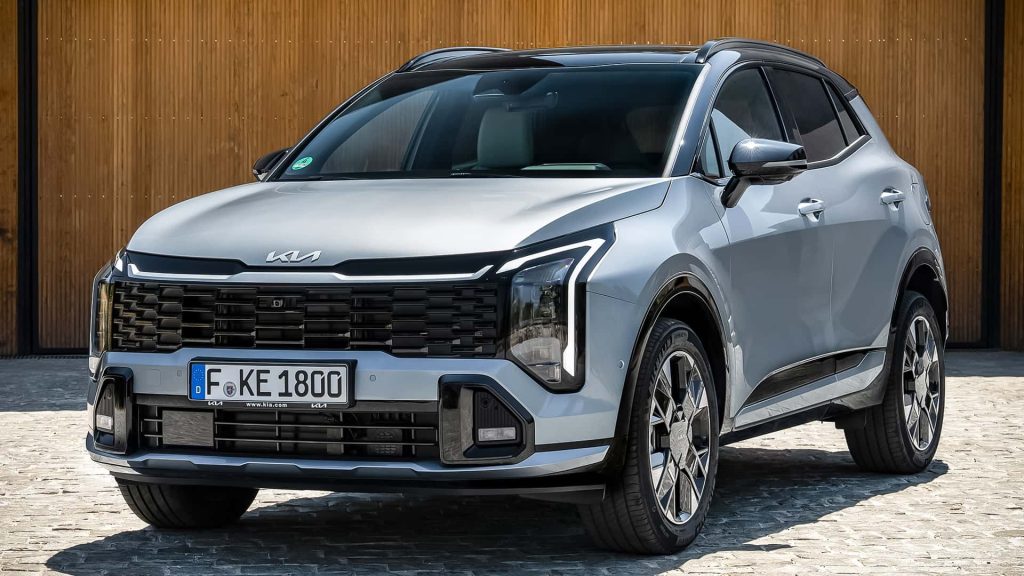
2. Kia Sportage
The Kia Sportage comes with a roadside benefit that many owners may never think about until something goes wrong far from home.
Kia’s U.S. warranty documentation provides 60 months or 60,000 miles of roadside assistance, whichever comes first, for new current-model-year vehicles. The coverage begins from the vehicle’s delivery to the first retail buyer or its in-service date, whichever occurs earlier.
Kia specifically identifies emergencies such as a dead battery, a flat tire when a spare is available, and running out of fuel as eligible roadside events.
The program operates 24 hours a day, 365 days a year. Kia also maintains a nationwide provider network, giving owners access to assistance when they are stranded rather than requiring them to arrange and pay for a roadside provider independently.
The distinction between roadside assistance and warranty coverage is important. A covered roadside event does not automatically mean Kia will pay for whatever mechanical repair caused the vehicle to become disabled.
The roadside program is designed to get the vehicle and occupants through an emergency, while warranty coverage determines whether a defective component receives a covered repair.
Kia also states that the company can limit or deny roadside services when claims become excessive in frequency or type. That provision discourages repeated use for situations that fall outside the intended emergency purpose.
For a Sportage owner who never experiences a breakdown, the benefit may remain untouched throughout the five years. Yet its value is easiest to appreciate when a simple problem occurs at the worst possible time, particularly a dead battery or flat tire in an unfamiliar location.
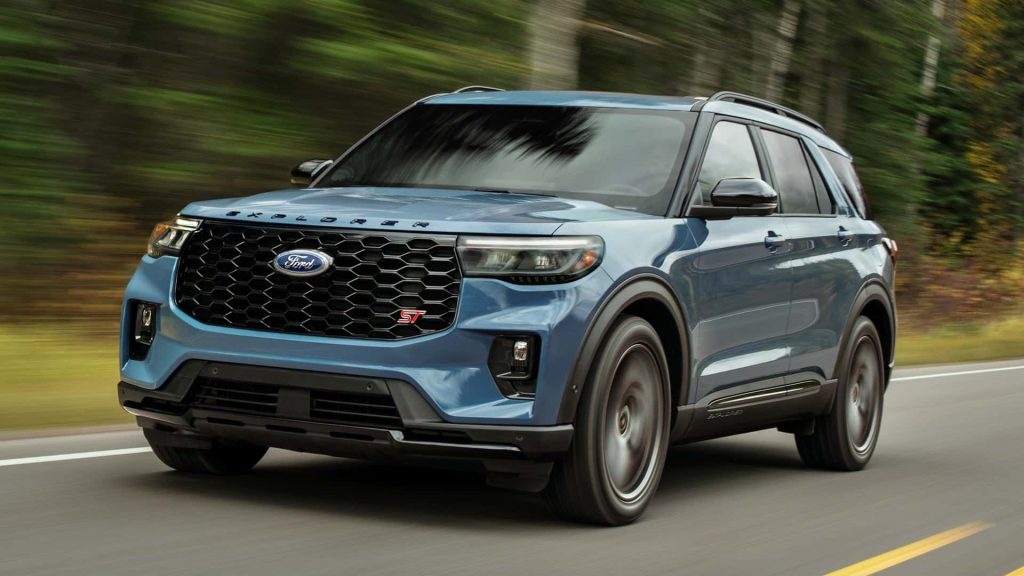
3. Ford Explorer
Ford Explorer owners receive a useful safety net that can easily be forgotten because roadside assistance is included with the vehicle rather than purchased separately. Ford states that complimentary roadside assistance is available to Ford owners for up to five years or 60,000 miles, whichever comes first.
The program is designed to provide help when an owner is stranded, rather than functioning as an extension of the vehicle’s repair warranty.
The coverage is particularly useful for ordinary emergencies. Ford’s roadside program includes services such as towing, jump-start assistance, flat-tire help when a usable spare is available, fuel delivery, lockout assistance, and winching under applicable conditions.
Ford’s warranty documentation also specifies that roadside assistance operates separately from the New Vehicle Limited Warranty.
That distinction is easy to miss. If an Explorer suffers a mechanical failure covered by the vehicle warranty, the warranty may pay for the repair while roadside assistance helps get the disabled vehicle to an appropriate location. Owners therefore should not assume that every expense associated with a breakdown is automatically covered.
The five-year limit also means a low-mileage Explorer can retain roadside coverage longer than a high-mileage vehicle. A driver who reaches 60,000 miles before five years would lose the complimentary benefit at that mileage point. Someone who drives relatively little could remain covered until the five-year expiration.
Ford’s current U.S. roadside program makes the Explorer a practical example of a vehicle whose emergency assistance could sit unused for years. That is precisely why owners should check the warranty information before paying another provider for a service they may already have.
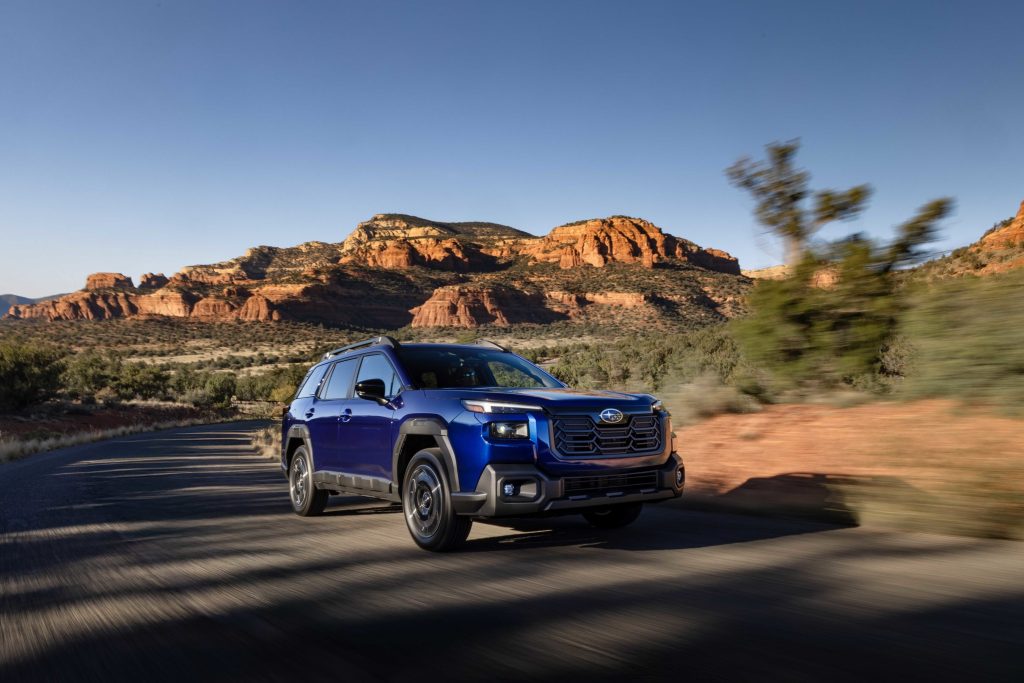
4. Subaru Outback
The Subaru Outback is another vehicle where roadside assistance can become an overlooked part of the ownership package. Subaru’s U.S. warranty materials provide roadside assistance during the applicable new-vehicle limited warranty period, giving owners access to help when certain roadside emergencies leave the vehicle disabled.
Unlike a maintenance package, this benefit is designed around unexpected problems. Typical roadside situations can include towing, jump starts, emergency fuel delivery, lockout assistance, and tire-related help, subject to Subaru’s program conditions and exclusions.
The important point for owners is that the roadside service exists as a separate benefit intended to get the vehicle moving again or transported to an appropriate repair facility.
That can be especially useful with an Outback because its owners frequently use the vehicle for long-distance travel, outdoor trips, and highway driving. A dead battery in a driveway is inconvenient. The same problem hundreds of miles from home can quickly become a much larger problem if the owner has no assistance plan.
Subaru’s warranty documentation should still be treated as the final authority because coverage terms can vary by model year and particular circumstance.
Roadside assistance also should not be confused with payment for mechanical repairs. If a failed component requires replacement, the roadside provider’s role is generally limited to the emergency service itself.
The most useful part of this benefit may be simply knowing that it is available before an emergency happens. Owners who keep their warranty information handy can avoid unnecessary expenses for towing or emergency assistance that may already be covered by the vehicle’s factory warranty.
5. Volkswagen Atlas
The Volkswagen Atlas gives owners another factory-backed roadside benefit that can be easy to overlook while the vehicle is running normally.
Volkswagen’s U.S. warranty materials include Volkswagen Roadside Assistance for 3 years or 36,000 miles, whichever occurs first, for eligible new vehicles. The coverage starts when the vehicle is delivered to the first retail customer or placed into service.
The program is intended for genuine roadside emergencies rather than routine maintenance. Volkswagen lists assistance for situations such as a discharged battery, flat tire, lack of fuel, vehicle lockout, and towing when the vehicle becomes disabled under qualifying circumstances.
The service is available around the clock, which matters because roadside problems rarely wait for convenient business hours.
There is a useful distinction between having roadside assistance and having a mechanical repair covered. If an Atlas develops a problem caused by a component covered under the New Vehicle Limited Warranty, the repair may qualify for warranty treatment.
Roadside assistance, meanwhile, is primarily there to help with the immediate problem of getting the disabled vehicle to an appropriate location.
The 36,000-mile ceiling is particularly important for high-mileage owners. Someone who drives 20,000 miles annually could reach the mileage limit before the three-year period ends. A lower-mileage driver may retain the benefit until the time limit expires.

For owners who never suffer a roadside emergency, the benefit may remain completely unused. That does not make it meaningless.
Knowing that Volkswagen has already provided a roadside service can prevent an owner from immediately arranging an expensive private tow during a stressful situation. The warranty booklet is still the best source for confirming eligibility and exclusions before requesting service.
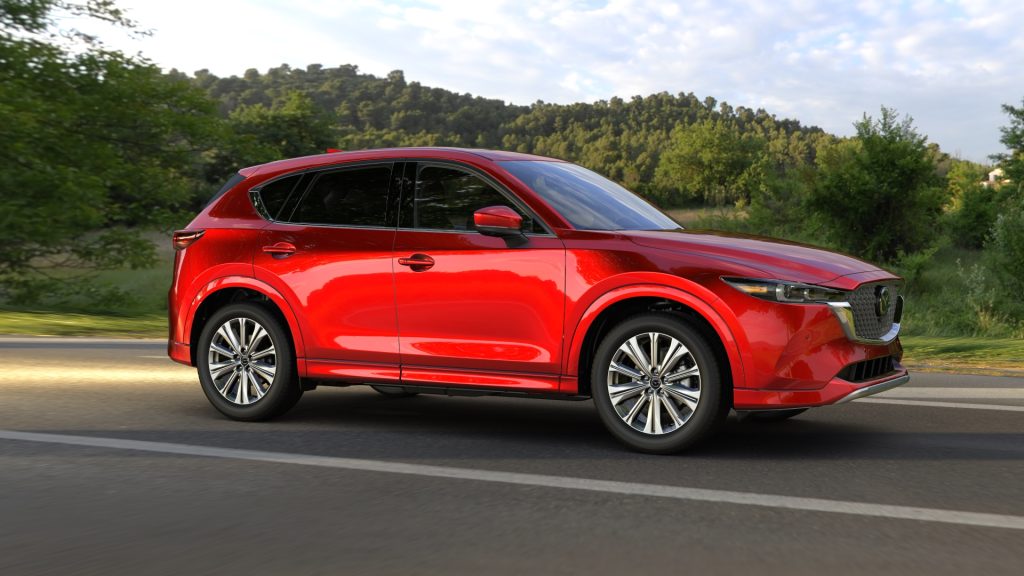
6. Mazda CX-5
The Mazda CX-5 comes with a factory roadside assistance benefit that can sit unnoticed in the owner’s warranty paperwork for years. Mazda’s U.S. warranty information provides 3 years or 36,000 miles of roadside assistance, whichever comes first, for new vehicles covered by the applicable warranty.
Mazda’s program is designed for situations in which an owner cannot continue driving because of a qualifying roadside problem. Services can include towing, battery jump-start assistance, flat-tire assistance, fuel delivery, and lockout assistance, subject to the specific terms and limitations of the program.
The CX-5 illustrates why reading the roadside section of a warranty booklet can be worthwhile. A vehicle can be mechanically reliable and still encounter an isolated problem.
A discharged battery, damaged tire, or accidental lockout has little to do with whether the engine or transmission is fundamentally dependable. Roadside assistance addresses that separate category of inconvenience.
The mileage restriction is worth remembering. The benefit does not simply continue for three calendar years regardless of use. Mazda states the coverage ends when either the time or mileage limit is reached.
That means a driver covering substantial annual mileage could use up the benefit significantly earlier than someone who drives only a few thousand miles annually.
Owners should also understand that roadside assistance is not a substitute for insurance, maintenance coverage, or the vehicle warranty. Collision damage and repairs unrelated to an eligible roadside event can fall outside the program.
For a CX-5 driver who never needs a tow, the assistance number may remain buried in the glove box. But if a battery suddenly dies outside a grocery store or a tire becomes unusable on a trip, that forgotten warranty benefit can become one of the most useful pieces of information in the entire owner’s manual.
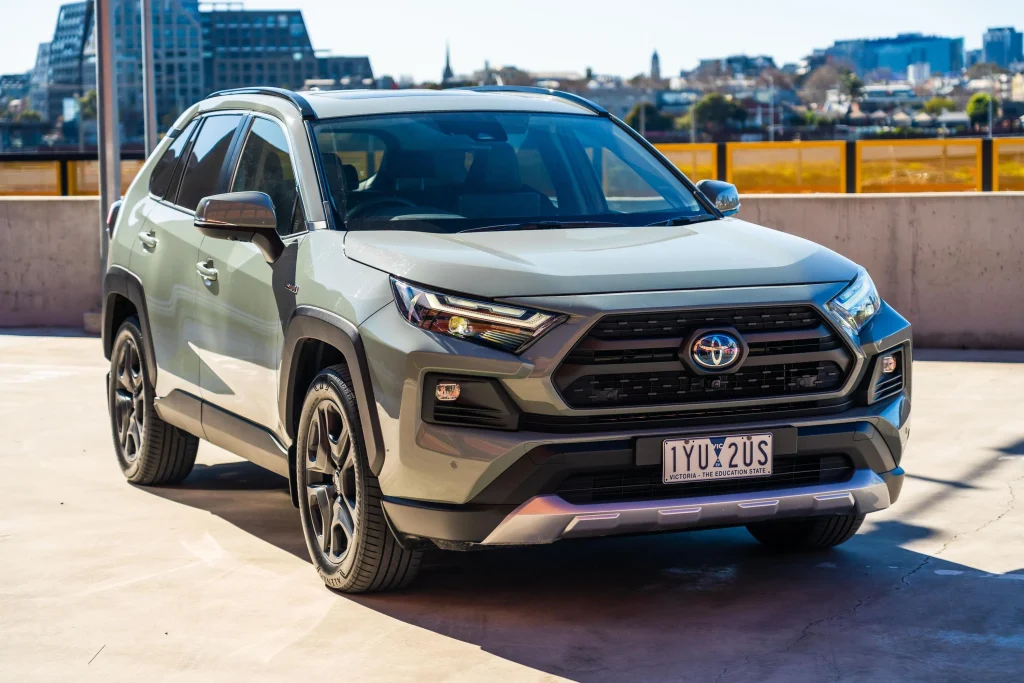
7. Toyota RAV4
Toyota RAV4 owners may have roadside assistance available without purchasing a separate roadside membership. Toyota’s U.S. warranty information provides ToyotaCare roadside assistance for 2 years or 25,000 miles, whichever comes first, on eligible new vehicles.
ToyotaCare also includes scheduled maintenance during the same initial period, making the roadside component easy to overlook among the better-known maintenance benefits.
The roadside portion is intended for common emergencies rather than repairs at the owner’s home. Toyota lists assistance such as battery jump-starts, flat-tire service, emergency fuel delivery, lockout protection, and towing when applicable. The service is available 24 hours a day, seven days a week during the coverage period.
The mileage limitation deserves attention because 25,000 miles can arrive surprisingly quickly for drivers with long commutes or frequent road trips. A driver covering 15,000 miles annually could remain within the two-year time limit, while someone driving substantially more could reach the mileage threshold first.
ToyotaCare also demonstrates why roadside assistance should not be confused with warranty coverage. If a RAV4 suffers a defect covered by Toyota’s New Vehicle Limited Warranty, the warranty determines whether the repair itself is covered. ToyotaCare roadside assistance is designed to address the immediate roadside situation.
For many owners, the service may never be used. Modern vehicles can go years without requiring a tow, and routine maintenance can prevent many avoidable problems. Yet even a well-maintained RAV4 can encounter a dead battery, punctured tire, or accidental lockout.
The most useful habit is to keep the ToyotaCare information accessible and verify the coverage period for the specific vehicle. Because Toyota’s terms can vary by model year and program, owners should rely on their vehicle’s warranty documentation when requesting assistance.
8. Honda CR-V
The Honda CR-V is another high-volume U.S. vehicle that provides roadside assistance during its factory warranty period. Honda’s U.S. warranty materials identify Honda Roadside Assistance for 5 years with no mileage restriction for eligible new vehicles.
That gives the benefit a notably different structure from programs that end when the odometer reaches 25,000 or 36,000 miles.
Honda’s roadside program is intended to help when a vehicle becomes disabled or the driver encounters certain emergency situations. Depending on the circumstances and program terms, assistance can include towing, jump starts, flat-tire service, fuel delivery, and lockout assistance.
Honda’s warranty documentation provides the applicable conditions and exclusions that determine whether a particular request qualifies.
The unlimited-mileage aspect is particularly useful for people who put substantial mileage on their CR-V. A driver could accumulate far more than 36,000 miles during five years and still potentially remain within the roadside assistance period, assuming the vehicle remains within the time limit and satisfies the program requirements.
That does not mean every breakdown is automatically free. Honda distinguishes roadside assistance from warranty repairs, and certain circumstances can be excluded. Owners should therefore check the warranty booklet before assuming that a particular recovery, repair, or transportation expense will be covered.

There is also a practical reason to remember this benefit. A CR-V may be used for commuting, family trips, and long interstate journeys, so an unexpected roadside problem can happen far from the dealership that sold the vehicle. Having a manufacturer-backed assistance program can simplify the first response.
For an owner who never needs it, Honda Roadside Assistance may remain nothing more than an unused line in the warranty information. That is precisely why it is worth knowing where the coverage details are before an emergency makes finding them difficult.
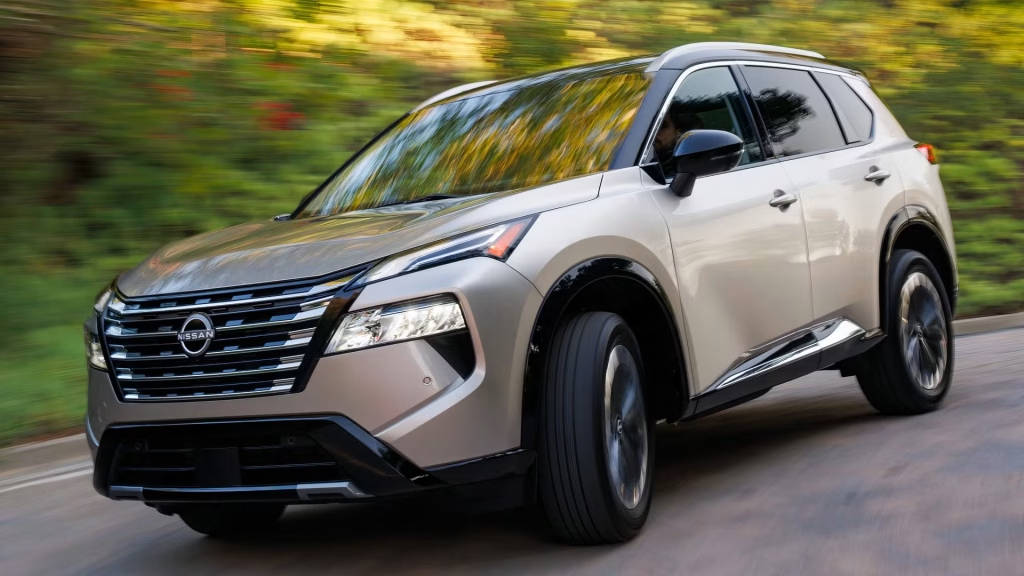
9. Nissan Rogue
The Nissan Rogue includes a roadside assistance benefit that many owners may never think about while the vehicle is operating normally.
Nissan’s U.S. warranty information provides 36 months or 36,000 miles of complimentary roadside assistance, whichever comes first, for qualifying new vehicles. The coverage begins from the vehicle’s original in-service date.
The program is designed around unexpected situations that leave an owner unable to continue normally. Nissan’s roadside assistance can provide services such as towing, battery jump starts, flat-tire assistance, emergency fuel delivery, and lockout help, subject to the conditions established in the warranty documentation.
The availability of these services means an owner does not necessarily need to immediately arrange a private roadside provider after an eligible incident.
The 36,000-mile limit is worth remembering. It applies alongside the three-year time limit, so whichever threshold arrives first ends the complimentary benefit. For a high-mileage driver, the odometer could therefore become more important than the calendar.
There is also a common misunderstanding about what roadside assistance actually pays for. The service helps with the roadside emergency, but it does not automatically mean that every mechanical repair is free. A covered component failure may fall under Nissan’s vehicle warranty, while other repairs remain the owner’s responsibility.
The Rogue’s factory assistance is consequently best viewed as a first-response benefit. If the battery goes flat, a tire becomes unusable, or the keys are accidentally locked inside, knowing the manufacturer has already provided assistance can save time and potentially prevent an unnecessary out-of-pocket service call.
Owners who have never used the program may forget it exists entirely. Keeping Nissan’s roadside information with the vehicle’s warranty documents is a simple way to make a rarely used benefit much more useful when an unexpected problem finally occurs.
10. Mitsubishi Outlander
The Mitsubishi Outlander rounds out the list with a roadside assistance program that is included as part of the manufacturer’s new-vehicle ownership coverage. Mitsubishi’s U.S. warranty materials provide 5 years or 60,000 miles of roadside assistance, whichever comes first, for qualifying vehicles.
That gives Outlander owners a relatively long period in which emergency roadside help is available without purchasing a separate plan.
The program addresses several familiar roadside problems. Mitsubishi’s warranty information identifies services such as towing, jump-start assistance, flat-tire assistance, fuel delivery, and lockout assistance, subject to the program’s conditions. This makes the coverage useful even when the vehicle itself has not suffered a major mechanical failure.
That distinction matters. A flat tire or locked door does not necessarily indicate a problem with the vehicle’s warranty-covered components. Roadside assistance exists to deal with the immediate inconvenience and help the driver continue the journey or get the vehicle transported to an appropriate location.
The five-year or 60,000-mile limit also gives drivers a reasonable window to use the benefit. High-mileage owners need to watch the odometer because reaching 60,000 miles ends the complimentary roadside coverage even if five years have not passed.

Mitsubishi’s roadside assistance is therefore the sort of benefit that can remain invisible throughout years of trouble-free ownership. Nobody buys an Outlander expecting to call for a tow, and a well-maintained vehicle may never require one.
Yet the value becomes obvious when a battery suddenly fails, fuel runs out unexpectedly, or a tire problem leaves the vehicle stranded.
Owners should keep their warranty information available and confirm the exact terms applicable to their model year. Roadside programs have exclusions and service limitations, so the manufacturer’s current documentation remains the final authority.