
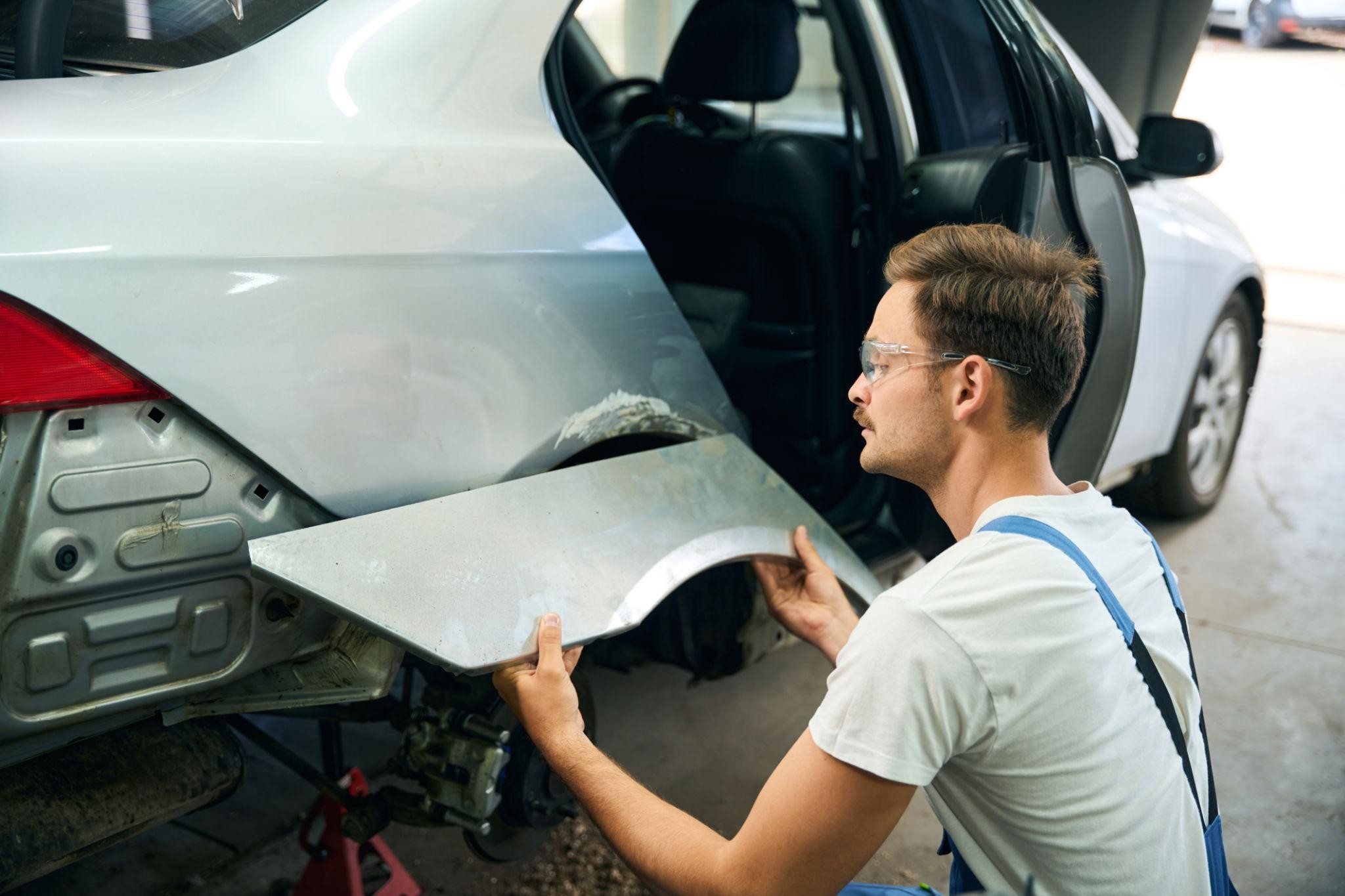
When a car rolls into a body shop after a fender bender, most owners think the story ends at the dent. Technicians see a different picture entirely.
Behind every scratch or crumpled panel lies a web of structural, electrical, and safety issues invisible to the untrained eye. These hidden problems don’t show up on a test drive.
They surface months later as rattles, warning lights, or worse, a failed safety system in the next collision. Body shops use frame measuring systems, paint spectrophotometers, and OEM repair manuals to catch what owners simply cannot.
This article breaks down eight specific, technical realities that professionals encounter daily. Each one is backed by how modern vehicle repair actually works, not generic advice you’d find on a bumper sticker.
Understanding these issues helps owners ask better questions after an accident. It also explains why a “simple” repair estimate sometimes balloons once the shop opens things up. Knowledge here isn’t just interesting. It can protect you from driving a car that looks fine but isn’t.
1. Frame and Unibody Misalignment You Can’t See
Modern cars use unibody construction, not a separate frame bolted to a body. This means a hard hit anywhere can twist the entire structure by fractions of an inch.
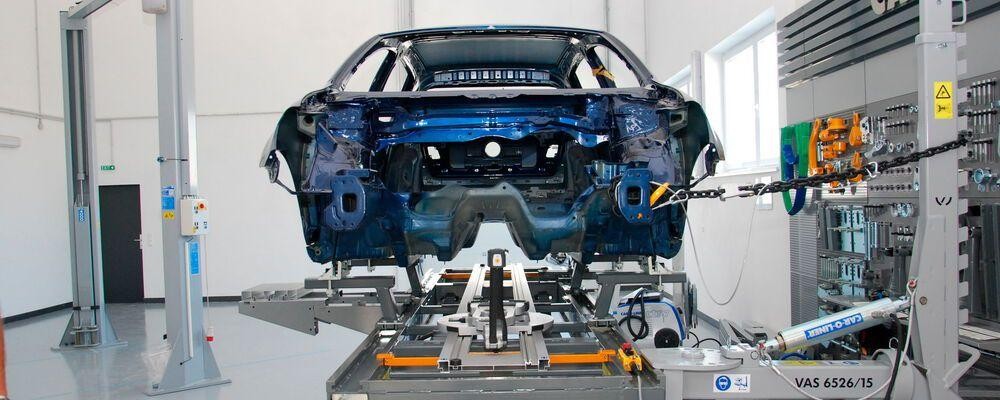
You won’t notice this from the driver’s seat. The car still drives, still turns, still stops. But shops use laser or ultrasonic measuring systems, like a Car-O-Liner or Chief bench, to check factory reference points.
These systems compare your car’s measurements against OEM specifications down to the millimeter. A misalignment of even 3-5mm can throw off suspension geometry.
That causes uneven tire wear that owners often blame on alignment shops instead. Worse, a twisted unibody changes how crush zones behave in a future crash.
Engineers design those zones to fold in a specific sequence to absorb energy. A pre-bent structure may not fold the second time correctly. That means less protection for occupants in a subsequent accident.
Insurance adjusters sometimes push for cosmetic-only repairs to save money. Reputable shops insist on full structural measurement regardless of visible damage.
This is why a “minor” rear-end collision sometimes requires pulling the frame on a bench. The dent might be small, but the shockwave traveled further than it looks. Shops that skip this step aren’t doing you a favor. They’re handing back a car with a hidden liability.
2. Rust Hiding Behind Panels and Seams
Owners see surface rust and think it’s cosmetic. Technicians know rust often starts from the inside out. Water gets trapped in seams, behind trim, or inside rocker panels during minor damage or even normal aging.
It then corrodes structural steel from a spot you’d never inspect. Body shops remove bumpers, fender liners, and trim pieces during repair. That’s often the first time anyone has seen the metal underneath in years.
They frequently find bubbling paint that masks perforated metal beneath it. In coastal or salt-belt regions, this is shockingly common even on cars under ten years old.
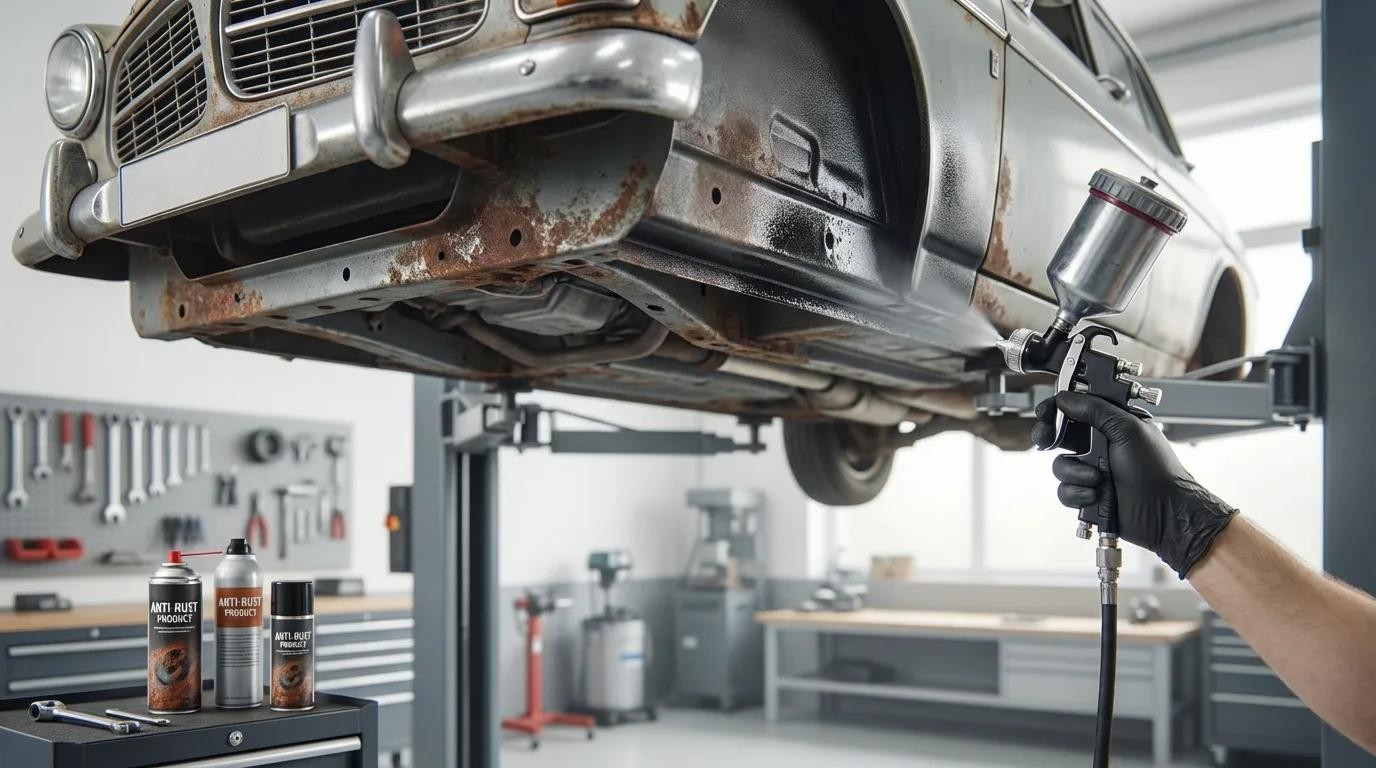
Rust in load-bearing areas like frame rails, subframes, or pillar bases isn’t just ugly. It weakens the exact structures designed to protect you in a crash.
A shop repairing a small dent near a rusted seam faces a decision. Patch over it, or recommend a more invasive structural repair. Ethical shops flag this even when it complicates a simple job.
They know that painting over rust is a temporary fix with a real expiration date. Owners rarely find this rust themselves because it requires removing parts.
Nobody pulls off a rocker panel cover just to check for corrosion. This is one reason a “simple” collision repair sometimes turns into a much bigger estimate. The rust was always there, just waiting to be found.
3. Evidence of Prior, Poor-Quality Repairs
When a shop sands down a panel, they often find layers of history. Mismatched paint thickness, excess body filler, and non-OEM parts tell a story the owner never knew.
Many used cars carry hidden repair histories from before the current owner purchased them. A body shop’s paint thickness gauge can reveal filler applied inches thick in some spots.
That level of filler usually means a previous repair skipped proper metalwork entirely. Instead of straightening the panel, someone filled the dent and painted over it.
This kind of shortcut can hide structural damage that was never actually fixed. Technicians also find aftermarket or salvage-yard parts installed without proper fitment.

A hood or fender from a different production run sometimes doesn’t align correctly. Gaps between panels, called panel fitment, become uneven and hard to fully correct.
Overspray on rubber seals, wiring, or unrelated trim is another giveaway sign. It suggests a previous paint job was done quickly, without proper masking, and by an untrained painter.
Shops also detect evidence of airbags being cheaply “reset” rather than properly replaced. Some shady repairs simply turn off warning lights instead of replacing deployed safety components.
This is a serious and dangerous shortcut that owners have no way of detecting visually. None of this shows up on a vehicle history report in most cases.
Carfax and similar services rely on reported accidents and insurance claims. A cash repair after a fender bender often never gets reported at all. The body shop is frequently the only one who ever sees the truth.
4. ADAS Sensors Knocked Out of Calibration
Modern vehicles pack radar, cameras, and ultrasonic sensors into bumpers, mirrors, and windshields. These power features like automatic emergency braking, lane keep assist, and adaptive cruise control.
A minor bumper scrape can shift a radar sensor by a fraction of a degree. That small shift is enough to make the system misjudge distance or fail to detect a hazard.
Owners rarely notice this because the features still seem to “work” under casual testing. The car still beeps, still brakes sometimes, still shows lane markers on the display.
But calibration drift means the system’s accuracy has degraded in ways invisible during a quick drive. Shops use static calibration targets or dynamic road calibration procedures specified by the manufacturer.
This is required any time a bumper, windshield, or mirror housing a sensor is removed or replaced. Skipping calibration is one of the most common corners cut by inexperienced repair shops.
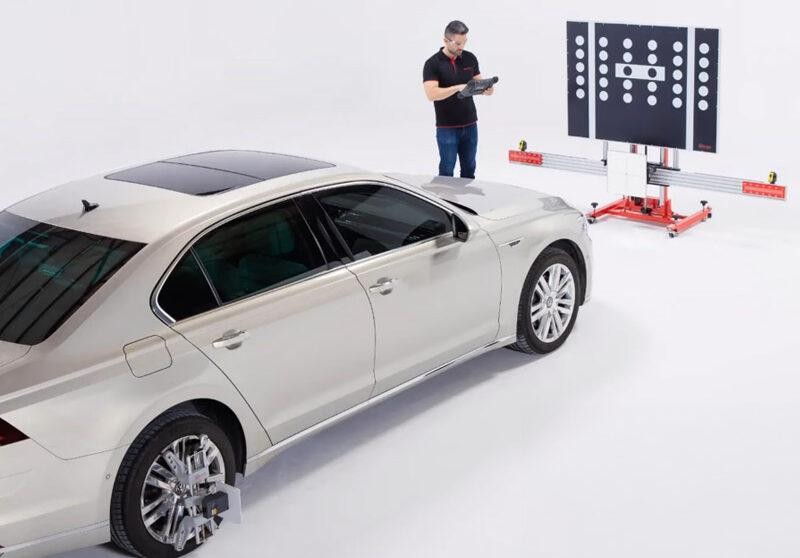
It’s also invisible to the customer, who has no way to test radar accuracy at home. A windshield replacement alone can require camera recalibration on many newer vehicles.
Owners often decline this “extra” service because it adds cost and doesn’t seem necessary. They don’t realize the forward collision camera may now misread lane lines or following distance.
This creates a false sense of security in a car that looks and drives normally. The safety system is technically present but functionally compromised.
Only a shop with the right OEM scan tool and calibration equipment can verify this. It’s an entirely invisible risk that only surfaces during an actual emergency.
5. Water Intrusion Points Created by the Collision
A collision can crack seals, bend door frames, or misalign trunk and hatch openings by millimeters. None of this is visible to an owner glancing at the repaired area.
But those tiny gaps let water seep into places it was never meant to reach. Technicians performing quality checks use water testing rigs to spray simulated rain on repaired sections.
They’re checking trunks, door jambs, taillight housings, and sunroof drains for new leak paths. A misaligned taillight housing after a rear-end repair is a classic culprit.
Water pools inside the housing, corrodes the bulb sockets, and eventually shorts out wiring. Owners typically discover this months later as a flickering light or a musty carpet smell.
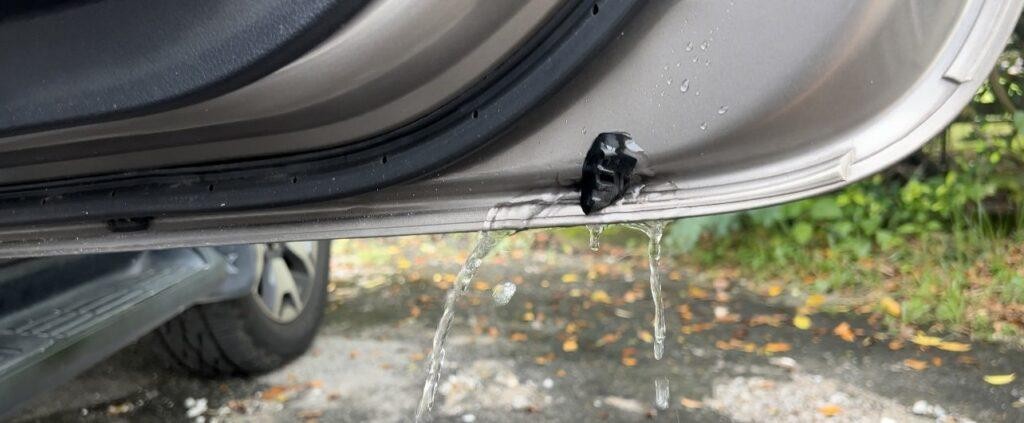
By then, the water has often already caused mold growth or wiring corrosion. Sunroof drains, which run through the pillars down to the rocker panels, are especially vulnerable.
A hit near a pillar can crimp these drain tubes without leaving any visible exterior damage. Water then backs up and drips into the headliner or down inside the door panels.
Quality shops treat this as a mandatory check, not an optional add-on. Cheaper repair shops skip water testing entirely to save labor time. The car leaves looking perfect and passes a visual inspection with no problem.
The leak reveals itself only after the next real rainstorm, far from the shop. At that point, tracing the source back to the original collision repair is difficult. Most owners simply chase the smell and never connect it to last year’s fender repair.
6. Paint Formula Mismatches Invisible in Certain Light
Owners often assume paint matching means picking a color code from a computer database. The reality is significantly more complex than that. Paint fades unevenly across a vehicle depending on sun exposure and panel angle.
A hood exposed to direct sun for years fades differently than a shaded door panel. This means the “same” factory color code may no longer match the actual current color.
Technicians use spectrophotometers to scan the existing paint and detect this real-world variance. They then custom-tint the paint formula to match the faded panel, not the original factory spec.
Metamerism makes this even trickier, where two paints match under one light but clash under another. A repair that looks perfect under fluorescent shop lighting can look mismatched in direct sunlight.
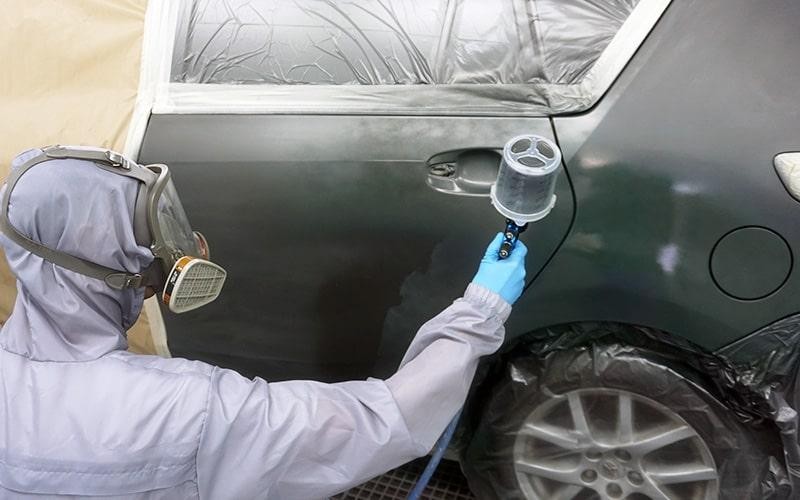
Owners without a trained eye rarely notice these subtle shifts right after a repair. They notice it weeks later, in a parking lot, at a different time of day.
Metallic and pearl finishes complicate this further because flake orientation affects how light reflects. Spraying technique, gun distance, and even humidity during application change the final appearance.
A rushed shop under insurance pressure to cut cycle time might skip proper blending into adjacent panels. Blending feathers the new paint into the old paint on nearby panels to hide the transition.
Skipping this step leaves a visible edge that becomes obvious in bright, angled light. Owners often can’t articulate why a repair “looks off” without knowing these technical reasons. They just sense something is slightly wrong, and usually, they’re right.
7. Damaged Wiring Harnesses Buried Inside Panels
Wiring harnesses run through door sills, behind bumpers, and through crush zones by design. A collision that crumples a fender or bumper cover often stretches or nicks the harness underneath.
This damage is completely hidden once the exterior panel is replaced or repaired. Insulation can be sliced without severing the wire completely, creating an intermittent, hard-to-diagnose fault.
The car may run fine for weeks before a short develops from corrosion at the nick point. Technicians performing thorough repairs test circuits with a multimeter, not just a visual harness inspection.
They check continuity and resistance against factory specifications, especially near heavily impacted areas. Modern cars route dozens of sensor and camera wires through bumper covers and fender liners.
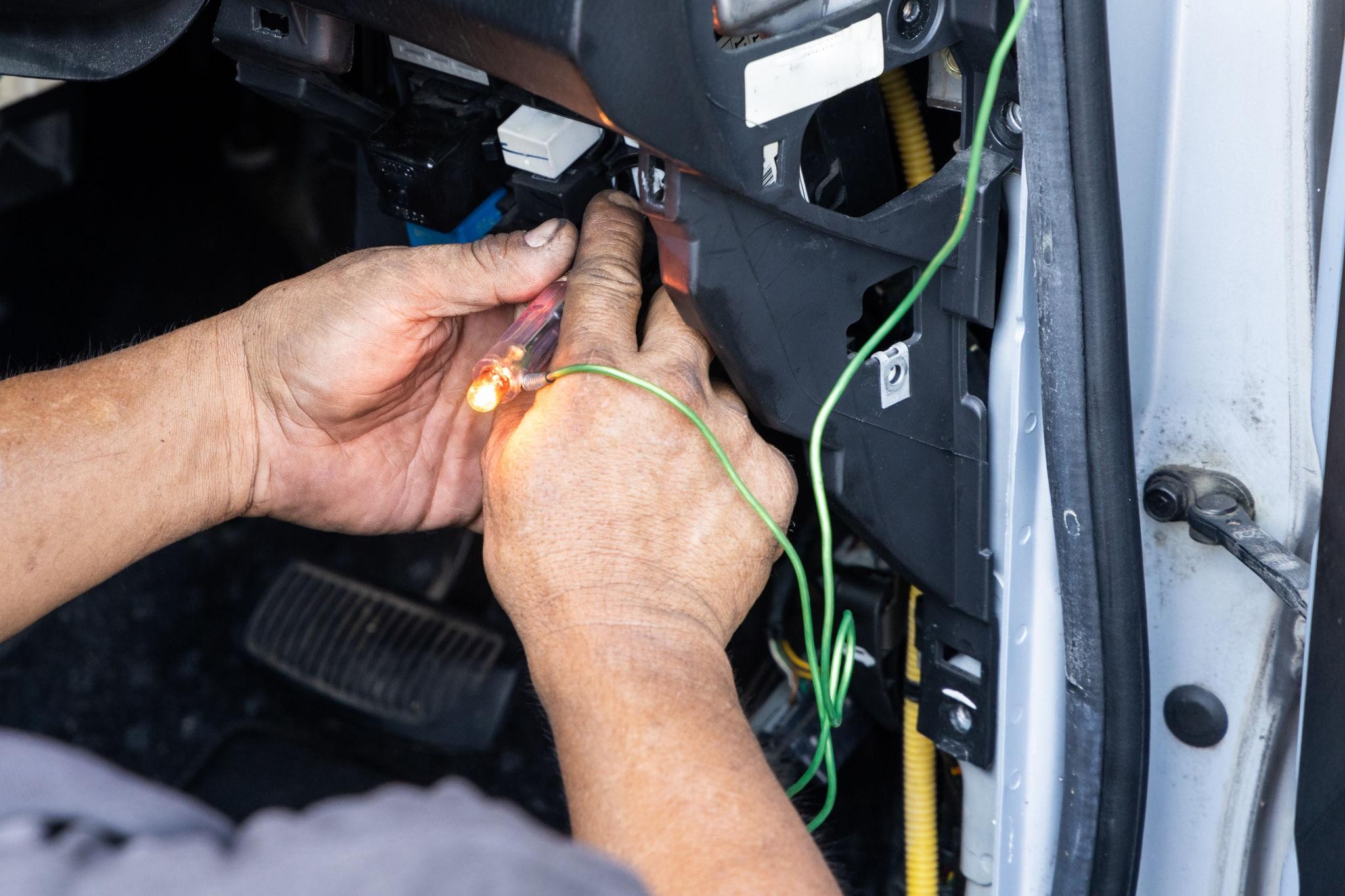
A parking sensor harness pinched during a bumper repair might show up as an intermittent phantom alert. Owners often live with sporadic warning chimes for months before it’s traced to hidden wire damage.
Airbag and seatbelt pretensioner circuits also route through pillars that absorb crash energy. Repair techs specifically inspect for chafed insulation near these safety-critical circuits.
A frayed wire can be more than a minor electrical issue. It may eventually cause a critical safety system to fail. Corrosion is another serious concern because it can develop gradually inside a small nick that is not visible from the outside.
Salt, moisture, and vibration accelerate the process over the following seasons. By the time a dashboard warning light appears, the damage has often existed for a long time. Only a technician who traces harnesses through disassembled panels would ever catch this early.
8. Airbag and Seatbelt System Integrity Issues
Airbags and seatbelt pretensioners are single-use pyrotechnic devices by design. Once deployed, they must be completely replaced, not reset or reused under any circumstance.
Shops check for deployment codes in the airbag control module using OEM diagnostic scanners. They also physically inspect pretensioner cartridges at the seatbelt buckle and retractor for prior firing.
A seatbelt that “still works” after a moderate crash may have already fired its pretensioner. This means it will no longer tighten properly in a future collision, offering far less protection.
Visually, a used seatbelt looks completely normal to anyone examining it casually. Only inspecting the retractor mechanism or scanning the module reveals whether it already fired.
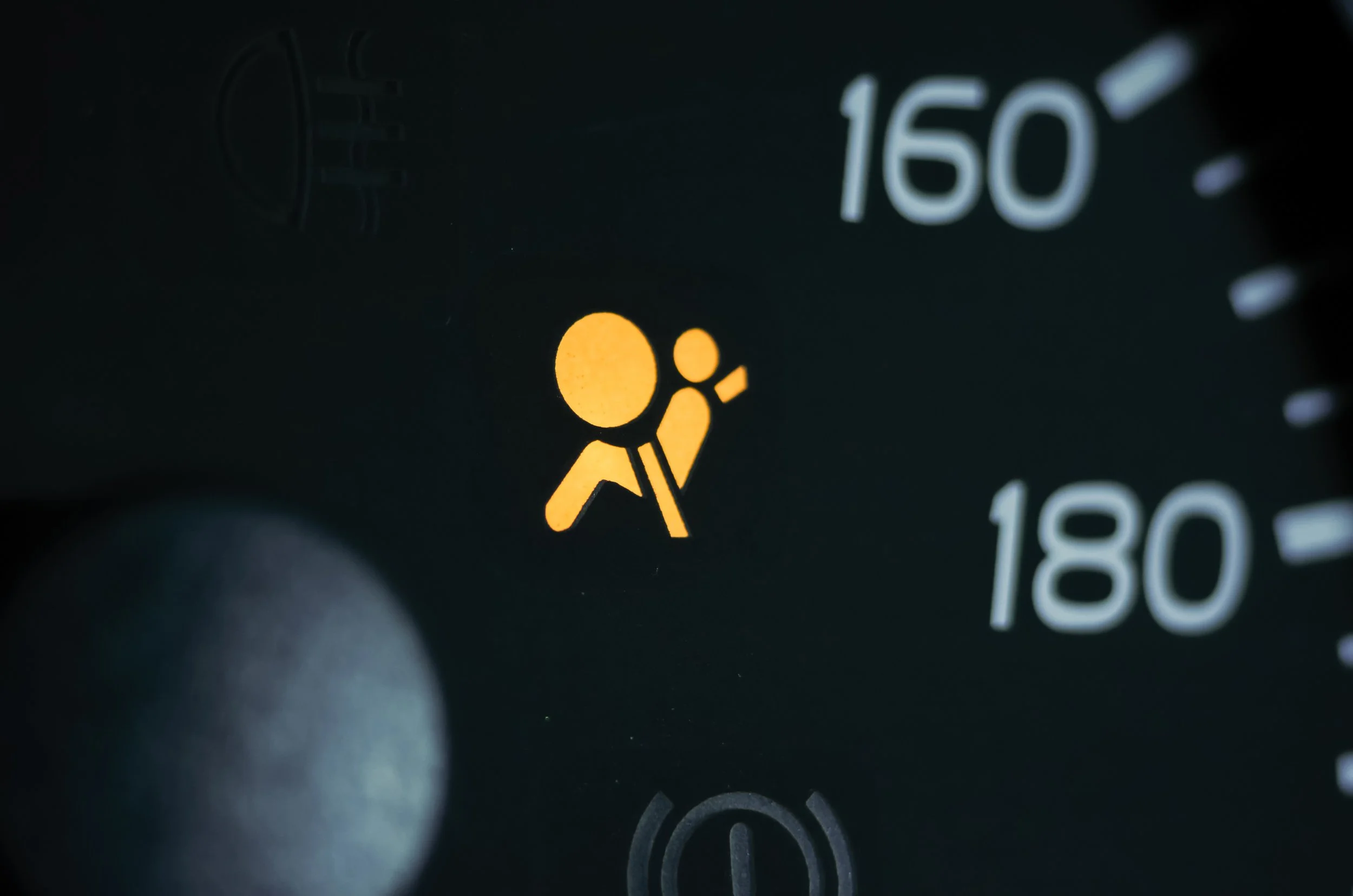
Steering wheel airbags sometimes get reinstalled from salvage vehicles to cut repair costs illegally. Investigations into salvage fraud have repeatedly uncovered non-deploying or previously deployed airbags reinstalled as “new.”
A properly trained shop cross-references airbag part serial numbers against manufacturer deployment records. They also verify the clockspring, the ribbon cable connecting the wheel to the steering column, wasn’t damaged.
A cracked clockspring can disable horn function or, worse, prevent airbag deployment entirely. None of this is something an owner can check by pressing the horn a few times.
Side curtain airbags stored in the roofline require inspecting headliner mounting points after any rollover or side impact. Damaged mounting brackets can prevent proper airbag deployment trajectory in a future crash.
This may be the most safety-sensitive category on the list, and it is also one of the hardest areas for owners to evaluate on their own. Having the work performed by a certified shop that follows proper OEM procedures is not simply recommended. It is essential for ensuring the system works as intended.
