

A cracked radiator can turn an ordinary drive into an expensive roadside stop. Unlike brake pads or tires, a radiator does not have a fixed replacement interval, so an early failure can be especially frustrating.
The evidence below focuses on documented U.S. owner complaints and NHTSA complaint records involving radiator cracking or closely related radiator failures before 90,000 miles. These reports prove that such failures have occurred, but they do not mean every vehicle listed will develop the problem at the same mileage.
The goal is to identify vehicles with documented early failures and explain what happened, what the repair involved, and why the evidence matters.
1. Ford Explorer
The 2006 Ford Explorer has some of the strongest documented evidence of radiator problems occurring well before 90,000 miles. CarComplaints’ records include an NHTSA complaint from an owner whose Explorer had 38,754 miles when the radiator reportedly cracked and lost its coolant.
The complaint states that the engine overheated and that this was the vehicle’s second radiator-related failure.
Another 2006 Explorer owner reported radiator cracking at approximately 45,000 miles. According to the complaint, the vehicle began overheating and producing white steam, and the radiator had to be replaced.
The owner reported spending approximately $1,100 on parts and service. This is significant because the failure occurred at roughly half the 90,000-mile threshold used for this article.
A separate owner experienced radiator leakage at 68,000 miles. The NHTSA complaint specifically states that the plastic portion of the radiator cracked and began leaking coolant, eventually causing the Explorer to overheat. A dealer determined that the radiator required replacement.
CarComplaints also notes a broader pattern involving the 2006 Explorer’s radiator, stating that radiator failures were reported around 60,000 miles and that some owners had to replace radiators multiple times.
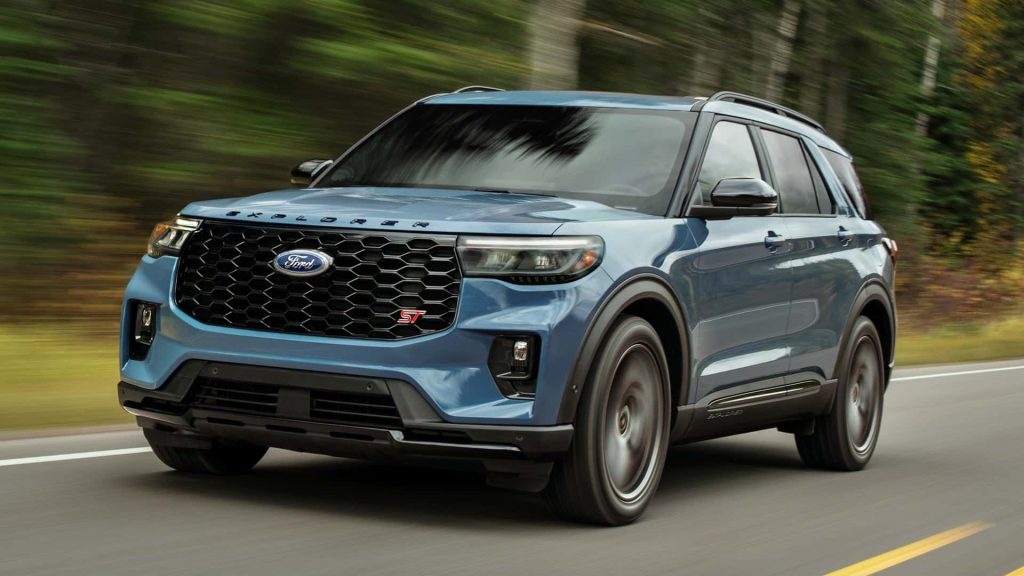
That does not establish a statistical failure rate, but the combination of multiple complaint records and failures at 38,754, 45,000, and 68,000 miles makes the model worth additional attention when buying a used example.
The warning signs can include coolant puddles, a sweet coolant smell, visible leakage, rising engine temperature, or steam from the front of the vehicle. Continuing to drive after substantial coolant loss can turn a radiator repair into an engine repair.
2. Toyota Sienna
The Toyota Sienna offers another documented case of radiator-related problems occurring before 90,000 miles. However, some reports involve a cracked radiator connection rather than damage to the main radiator body. That distinction is important because either type of failure can lead to significant coolant loss and transmission fluid contamination.
For the 2007 Sienna, an NHTSA complaint records a failure at 69,701 miles. The owner noticed fluid underneath the vehicle after a short drive.
A mechanic determined that a connector at the bottom of the radiator had cracked and was allowing coolant and transmission fluid to mix. The radiator was replaced, and the transmission system was flushed, with the reported repair cost reaching $977.30.
The same complaint is especially concerning because the radiator serves as part of the transmission-fluid cooling system. If the internal separation between coolant and transmission fluid is compromised, the two fluids can contaminate each other.
The owner was reportedly warned that continued driving could have caused substantially more expensive transmission damage.
There is also a documented 2005 Sienna complaint at 97,000 miles, but that mileage falls outside the 90,000-mile cutoff, so it should not be used as proof of a sub-90,000-mile failure. The complaint nevertheless references a Toyota technical service bulletin concerning faulty radiators that could crack in cold weather.
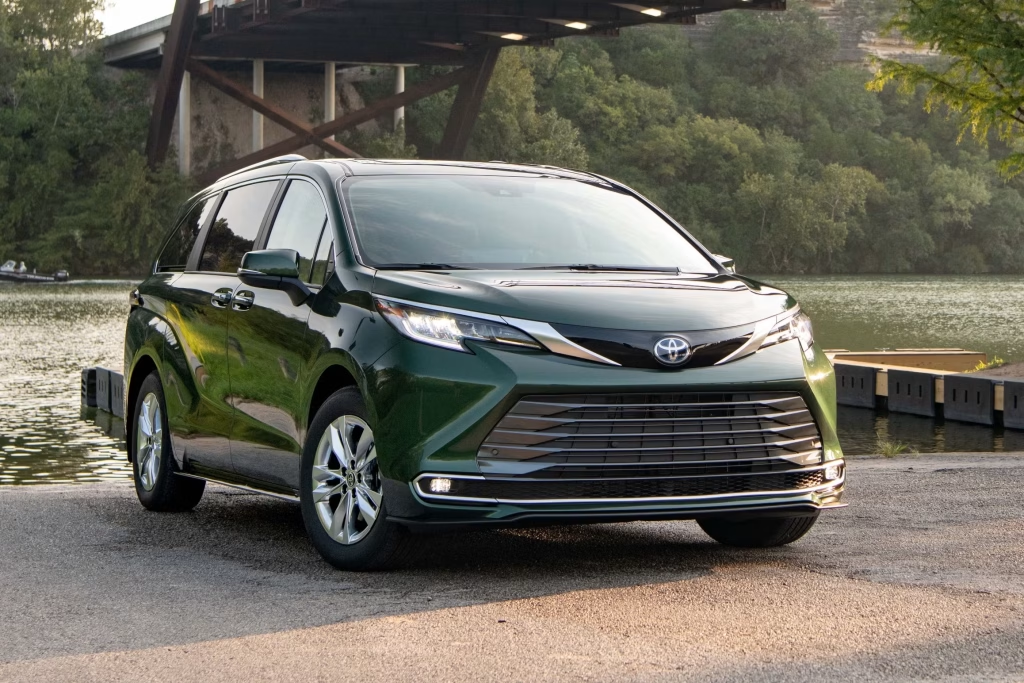
For this article, the 69,701-mile 2007 Sienna case is the stronger piece of evidence. It establishes a radiator-related structural failure before 90,000 miles without stretching the mileage criterion.
A used Sienna should be inspected for coolant loss, transmission-fluid contamination, dampness around radiator fittings, and unexplained transmission behavior. Finding a problem early can prevent a cooling-system repair from becoming a drivetrain repair.
3. Chevrolet Blazer
The Chevrolet Blazer has a particularly striking documented radiator case because the failure occurred while the vehicle was still relatively young. A 2021 Chevrolet Blazer owner filed an NHTSA complaint stating that the vehicle had required two radiator replacements before reaching 50,000 miles.
According to the complaint, the first radiator was found cracked during an oil change in March 2023, when the technician reportedly discovered that coolant had drained from the vehicle. The owner later reported that a second radiator also failed before the vehicle reached 50,000 miles.
That report is important because it provides direct evidence of repeated radiator failures well below the 90,000-mile cutoff. However, it remains an individual consumer complaint and should not be interpreted as proof that every 2021 Blazer has a defective radiator or that the component normally fails at a specific mileage.
The distinction between a radiator crack and an ordinary coolant leak also matters. A small leak from a hose, fitting, or reservoir can have a completely different cause from a structural radiator failure. In the complaint, the technician specifically identified the radiator as cracked, making it relevant to this article’s focus.
Drivers should pay attention to coolant-level changes, unexplained puddles beneath the front of the vehicle, a sweet coolant smell, and temperature warnings. A radiator that suddenly loses coolant can cause engine temperature to rise rapidly, particularly if the vehicle continues operating under load.
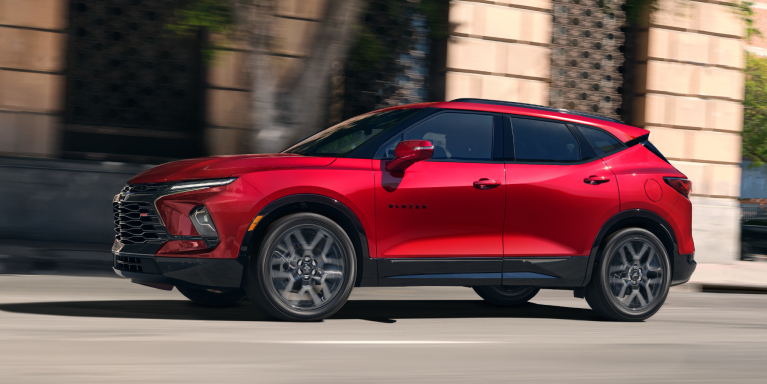
The Blazer case also shows why repeated cooling-system repairs deserve closer investigation. If a replacement radiator fails again unusually soon, technicians should verify installation, mounting, surrounding components, and possible external damage instead of simply installing another radiator.
For used Blazers, maintenance records can therefore be just as valuable as the odometer reading. A vehicle with documented radiator replacements at low mileage deserves a careful cooling-system inspection before purchase.
4. Nissan Frontier
The Nissan Frontier has unusually strong complaint evidence involving cracked radiators, particularly from the 2005 to 2007 generation.
The problem is significant because the radiator was also involved in cooling the automatic transmission fluid. If the internal section separating coolant from transmission fluid failed, the fluids could mix and potentially damage the transmission.
For the 2006 Frontier, CarComplaints records 136 complaints under the category describing a radiator crack that allowed fluid to enter the transmission. The database reports an average complaint mileage of 117,350 miles, but individual complaints document failures much earlier.
One owner reported the problem at approximately 66,000 miles, while another described radiator-related transmission contamination at about 77,000 miles.
Another complaint describes a Frontier at 79,000 miles that developed the problem, with the owner reporting that the radiator had allowed coolant to contaminate the transmission fluid. The resulting repair could involve both components rather than simply replacing the radiator.
This is why the Frontier deserves attention even though the database’s average mileage is above the article’s 90,000-mile threshold. The average does not erase the documented cases below 90,000 miles. It simply reflects all complaints included in the database.
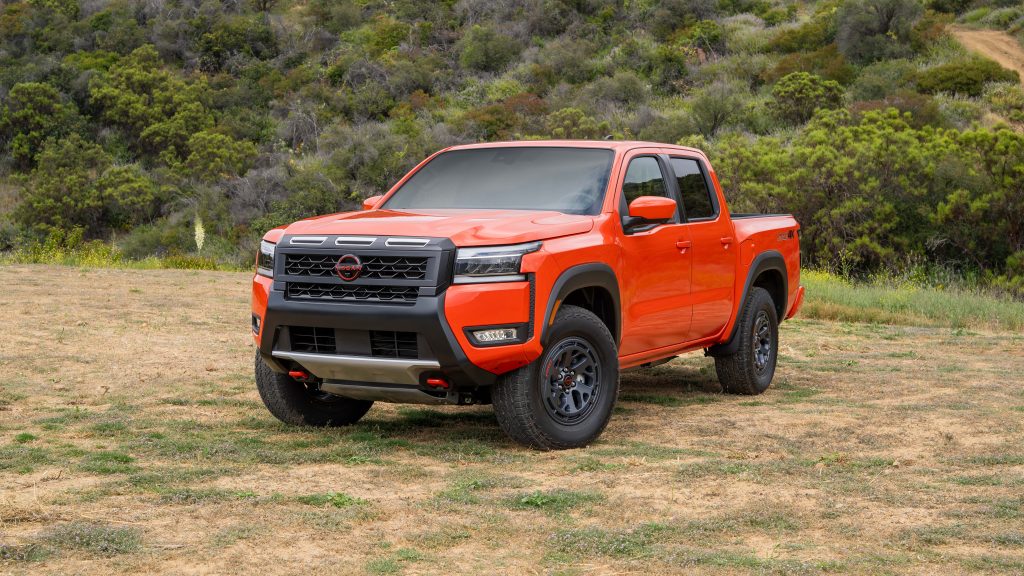
The financial consequences can also be much greater than those of a conventional radiator leak. CarComplaints lists an average reported repair cost of approximately $4,170, with radiator and transmission replacement among the most common reported solutions.
For buyers considering an older Frontier, inspect the coolant and transmission fluid condition and ask whether the radiator has ever been replaced. Signs such as slipping shifts, unusual transmission behavior, contaminated fluid, or unexplained coolant loss deserve immediate attention.
5. Chrysler PT Cruiser
The Chrysler PT Cruiser has documented radiator and cooling-system failures at remarkably low mileage, although the available records require an important distinction between a confirmed radiator crack and other cooling-system failures.
For the 2001 PT Cruiser, an NHTSA complaint recorded through CarComplaints describes a complete cooling-system replacement at just 38,900 miles.
The owner specifically stated that the vehicle had never needed a radiator replacement before and questioned why such a major repair was necessary at such low mileage.
There is stronger evidence from another 2001 complaint at 27,000 miles. The owner reported finding a hole in the radiator after the vehicle developed overheating and coolant-loss problems. The radiator was repaired, along with missing mounting connectors.
The complaint also mentioned other engine problems, so it should not be interpreted as evidence that the radiator alone caused every cooling-system symptom.
The 2006 model adds another low-mileage example. CarComplaints records a complaint from an owner whose PT Cruiser had experienced persistent overheating at approximately 60,000 miles, despite replacement of the thermostat, radiator fan, and other components.
While that complaint does not specifically establish that the radiator itself cracked, it demonstrates documented cooling-system trouble below the 90,000-mile threshold.
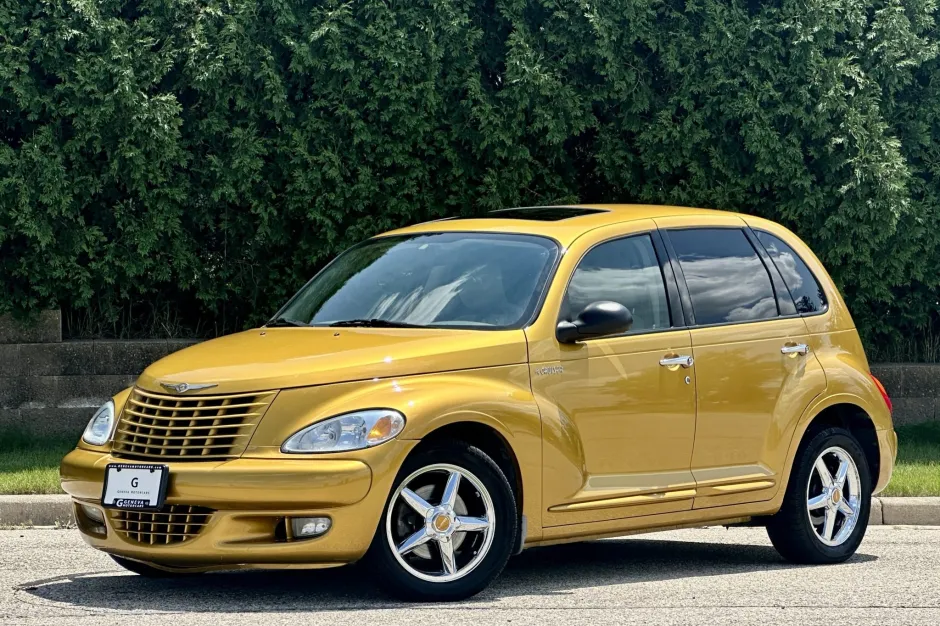
These records are why the PT Cruiser belongs on a fact-checked list, but they also show why terminology matters. A cooling-system failure is not automatically a cracked radiator. The strongest evidence here is the 27,000-mile report describing an actual hole in the radiator and the 38,900-mile report involving complete cooling-system replacement.
Owners should watch for coolant loss, overheating, steam, a sweet smell around the engine compartment, and visible wetness around the radiator. Catching a leak early is particularly important because continued driving with inadequate coolant can cause severe engine damage.
6. Dodge Journey
The Dodge Journey has documented cooling-system failures before 90,000 miles, although the available evidence is less specific than the strongest radiator-cracking cases in this list. A U.S. NHTSA complaint involving a 2010 Dodge Journey records an engine-cooling failure at 58,000 miles.
The NHTSA complaint table identifies the affected system as “engine cooling,” covering components such as the radiator and water pump. The reported failure occurred in March 2012.
Because the record categorizes the problem as engine cooling rather than explicitly stating that the radiator itself cracked, it would be inaccurate to present the 58,000-mile report as definitive proof of a cracked radiator. This distinction is important when building a fact-based article.
There is another reason to treat the Journey carefully. A separate 2012 Journey complaint describes coolant and cooling-system problems at 114,000 miles, which is beyond the 90,000-mile cutoff.
The owner reported steam from under the hood and an illuminated coolant warning, followed by a dealer diagnosis involving bubbles in the cooling system. Since that failure occurred beyond the specified mileage, it should not be used as evidence for a sub-90,000-mile radiator failure.
The 58,000-mile NHTSA record therefore supports including the Journey only if the article clearly says it has documented early cooling-system failure, rather than claiming that the radiator itself was proven to crack at 58,000 miles.
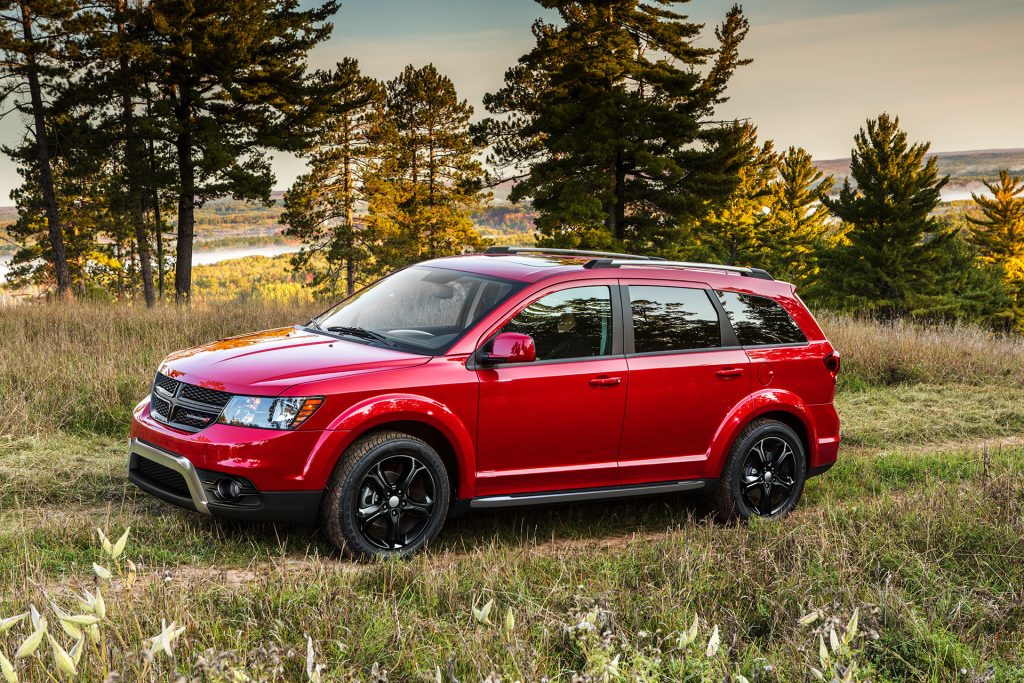
For anyone buying a used Journey, the practical checks remain straightforward. Inspect the radiator and surrounding components for dried coolant residue, examine the coolant level, and pay attention to temperature fluctuations, warning lights, or steam.
A cooling-system problem should be diagnosed before continued driving causes secondary engine damage.
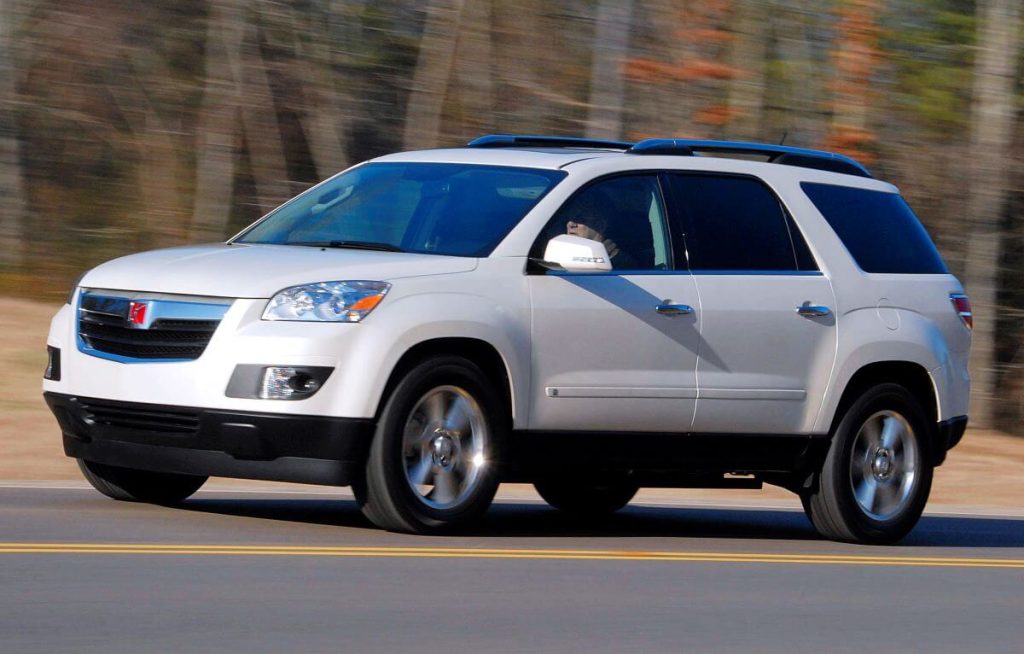
7. Saturn Outlook
The Saturn Outlook has documented cooling-system trouble at relatively low mileage, but the available evidence needs to be described carefully. NHTSA complaint records collected for the 2008 Outlook include cooling-related failures at well below 90,000 miles.
One owner reported that the vehicle had overheated twice, with the first incident leading to replacement of the radiator cap and the second involving replacement of the thermostat. The complaint also states that the water pump subsequently developed a leak.
Another 2008 Outlook complaint involved a vehicle with approximately 46,000 miles that experienced repeated powertrain problems and eventually required numerous repairs, including cooling-related components.
The record does not establish that the radiator itself cracked, so it should not be presented as proof of a cracked radiator at that mileage.
The more useful evidence comes from the model’s documented cooling-system history. CarComplaints’ NHTSA-based database lists the 2008 Outlook’s engine and engine-cooling category with an average complaint mileage of 54,315 miles, although that category combines different types of failures rather than isolating radiator cracks.
The owner’s manual also gives an important clue about preventing cooling-system problems. Saturn specified a 50/50 mixture of clean water and DEX-COOL coolant and warned that an improper coolant mixture could cause overheating and potentially damage the radiator and other cooling components.
It also advises having the cooling system checked if coolant needs to be added more than four times per year.
That makes the Outlook a good example of why mileage alone cannot predict radiator life. A cooling-system problem can originate from the radiator, cap, thermostat, water pump, hoses, or coolant condition. Owners should investigate repeated coolant loss or overheating immediately rather than waiting for a visible puddle.
8. Ford Fusion
The Ford Fusion also has documented cooling-system complaints before 90,000 miles, although the available evidence is more limited when the requirement is specifically a cracked radiator.
For the 2006 Fusion, CarComplaints lists one NHTSA complaint in the cooling-system category. That means the model has a recorded cooling-system complaint, but the database does not establish a widespread radiator-cracking defect.
A separate U.S. owner report involving a 2006 Fusion provides a more detailed account. The owner described a radiator leak that was believed to have developed after the fan assembly became loose and damaged the radiator.
The vehicle subsequently received a replacement radiator and fan assembly. This is useful evidence of radiator damage, but it points toward a mechanical cause rather than proving that the radiator spontaneously cracked because of an inherent design defect.
The same report is particularly valuable because it shows how a radiator can fail as a consequence of another component.
A damaged or improperly secured fan assembly can physically interfere with the radiator, while a resulting coolant leak can eventually produce overheating. That means simply replacing the radiator without correcting the source of the damage could allow the problem to return.
The Fusion’s documented record therefore deserves a measured interpretation. There is evidence of radiator leakage and cooling-system problems before 90,000 miles, but there is not sufficient evidence here to claim that all 2006 Fusions commonly develop cracked radiators before that mileage.
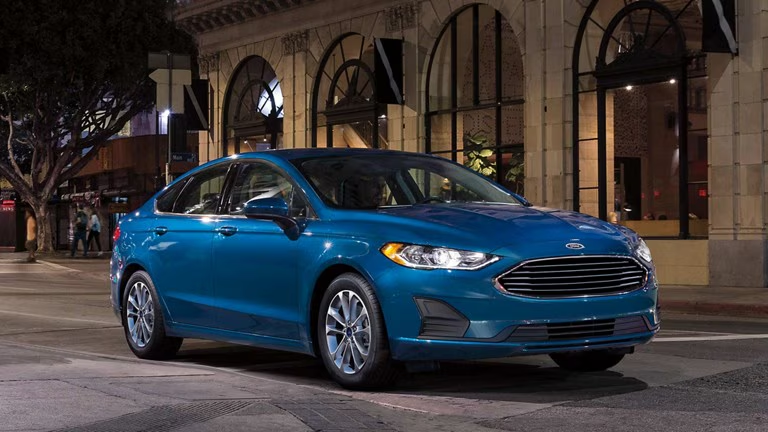
For owners, several warning signs can point to a cooling system problem. These include coolant pooling beneath the front of the vehicle, a dropping coolant level, a sweet odor, steam, or a temperature gauge that begins to climb. It is also wise to inspect the radiator for physical damage after any work involving the cooling fan or its mounting hardware.
The key lesson is that mileage is only one part of radiator durability. External damage, mounting problems, coolant condition, and other cooling-system faults can all shorten radiator life.
9. Chevrolet Silverado 1500
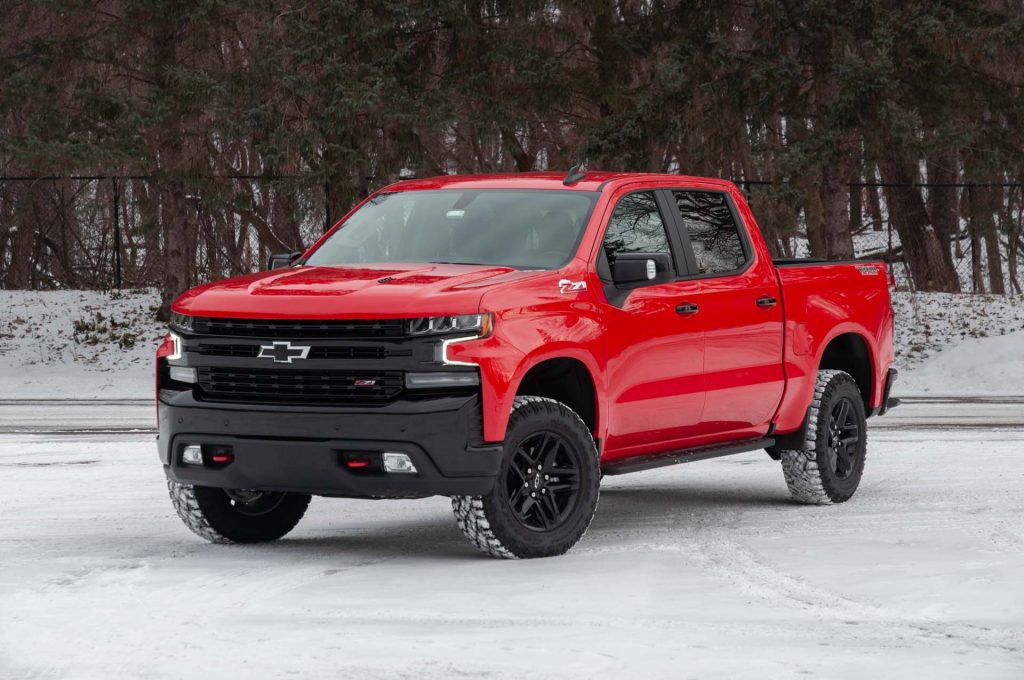
The Chevrolet Silverado 1500 has one of the strongest pieces of manufacturer documentation for an early radiator problem in this list. General Motors issued Special Coverage Adjustment 15829 for certain 2014 Chevrolet Silverado LD and GMC Sierra LD trucks equipped with the 5.3-liter or 6.2-liter engines.
The notice states that thermostat cycling could create stress fractures in the radiator, potentially causing coolant leaks.
That documentation matters because this is not simply an owner claiming that a radiator failed. GM itself identified a specific mechanism that could produce radiator stress fractures and offered additional coverage for affected vehicles.
The special coverage applied when the condition occurred within 5 years of the original in-service date or 100,000 miles, whichever came first.
The wording is also important for accuracy. GM described the condition as stress fractures that may lead to coolant leaks, rather than claiming that every Silverado radiator would crack before 100,000 miles. Only certain vehicles and configurations were covered, so this evidence should not be generalized to every Silverado 1500.
For owners, the practical concern is coolant loss. A radiator leak can gradually lower coolant levels, while a larger fracture can produce a much faster loss. Either situation can eventually contribute to overheating if ignored. Drivers should pay attention to coolant warnings, visible coolant residue around the radiator, and unexplained drops in the coolant reservoir.
This case also demonstrates why factory service campaigns are particularly valuable when assessing used vehicles. A buyer can check the truck’s VIN and maintenance history to determine whether applicable coverage or repairs were completed.
The Silverado therefore earns its place because GM’s own documentation specifically acknowledges radiator stress fractures on qualifying trucks and establishes protection extending to 100,000 miles, making it considerably stronger evidence than an isolated owner complaint.
10. Chrysler Town & Country
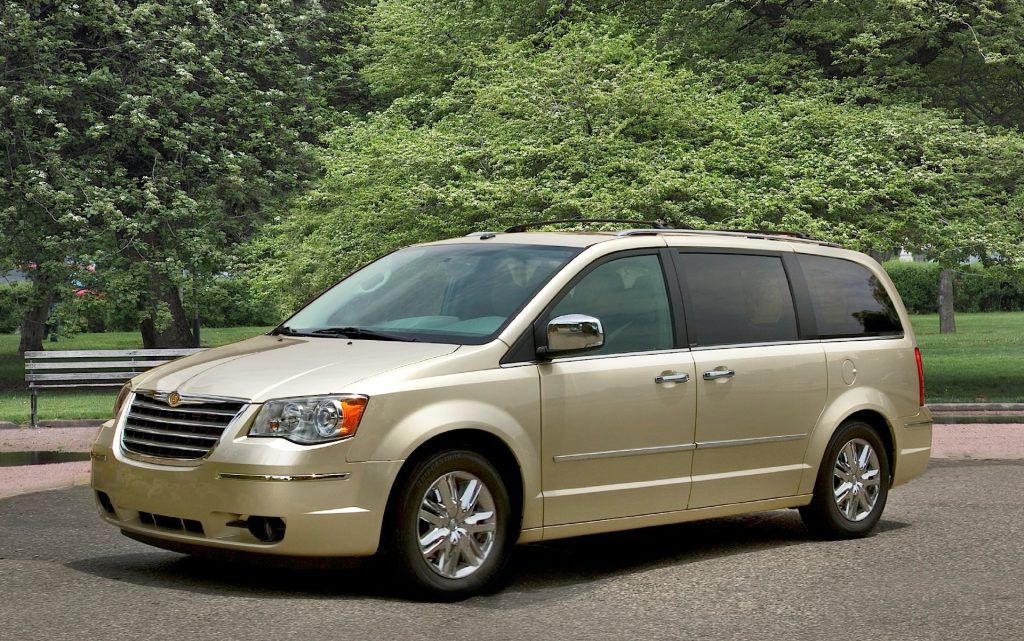
The Chrysler Town & Country provides another documented example of a radiator replacement occurring before the 90,000-mile mark, although the evidence comes from an owner complaint rather than a manufacturer technical campaign.
A complaint concerning a 2009 Town & Country states that the vehicle’s radiator needed replacement before 90,000 miles, along with the thermostat. The same owner reported several other component failures, including repeated problems with the plastic heater hose assembly.
That distinction is important. The complaint establishes that at least one owner experienced radiator replacement before 90,000 miles, but it does not establish a universal failure mileage or prove that the radiator contained a manufacturing defect.
NHTSA and complaint databases collect reports from individual vehicle owners, so they should be treated as evidence of reported failures rather than statistical predictions for every vehicle.
The 2009 Town & Country was part of Chrysler’s minivan lineup and used a cooling system that had to manage engine heat while the vehicle could be carrying passengers and operating under substantial loads.
A cooling-system leak therefore deserves prompt attention, particularly when the vehicle is driven during hot weather or with a full passenger load.
A radiator that is beginning to fail may not immediately produce dramatic symptoms. Small leaks can leave dried coolant residue, create a sweet smell, or gradually lower the coolant level. A larger leak can lead to visible coolant beneath the front of the vehicle and rapidly rising engine temperature.
The complaint is especially useful for used-vehicle shoppers because it demonstrates that a radiator replacement can appear before the 90,000-mile threshold even when there is no evidence that every example will experience the same problem.
Checking service records can reveal whether the radiator, thermostat, or related cooling components have already been replaced.
For a high-mileage town & country, inspection of the radiator, hoses, reservoir, and cooling fans is sensible before purchase. A clean service history is reassuring, while unexplained coolant loss should be investigated before the vehicle is put back into regular service.
