A catalytic converter is designed to last a long time, but it is not immune to premature failure. The important distinction is that there is no manufacturer rule saying these cars’ converters routinely fail before 100,000 miles.
Instead, the examples below are based on documented U.S. owner complaints, NHTSA complaint records, and model-specific complaint databases showing converter failures at or below that mileage.
These records prove that premature failures have occurred, not that every vehicle will experience one. Engine misfires, excessive oil consumption, coolant contamination, overheating, and fuel-system problems can also damage a converter.
The first two examples show why mileage alone should never be treated as a guarantee of converter life.
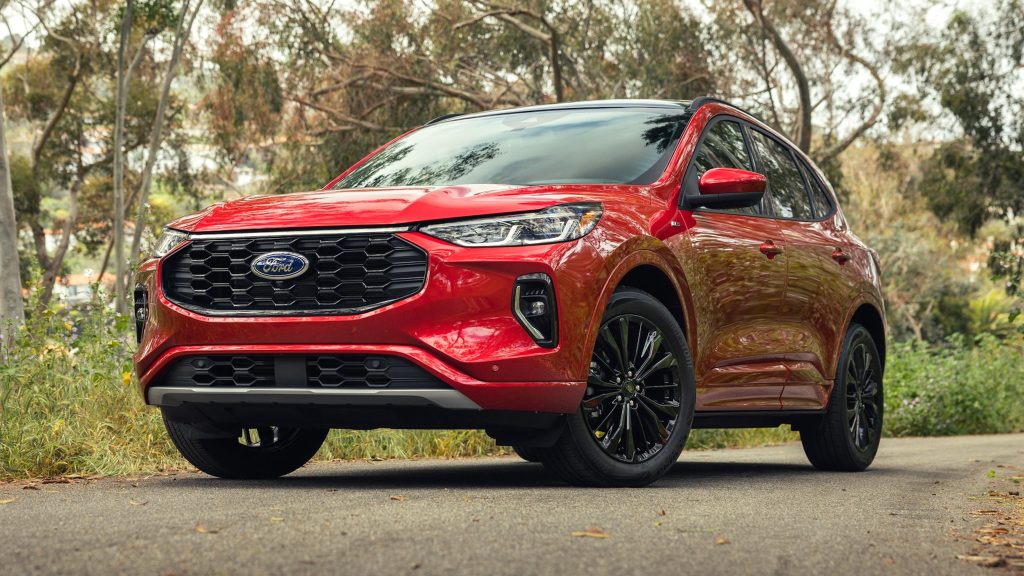
1. Ford Escape
The Ford Escape provides some of the clearest documented evidence that a catalytic converter can fail well before the 100,000-mile mark. Complaint records for the 2005 Escape include an owner who reported that two catalytic converters failed at approximately 56,000 miles.
The reported repair cost was $2,100, according to the complaint record. Another owner of a 2003 Escape reported converter failures at approximately 40,000 miles and 84,000 miles on separate vehicles.
Those reports do not establish that every Escape from these model years will experience the same problem. They do, however, provide documented examples of converters failing substantially earlier than 100,000 miles.
The 2005 Escape complaint record contains eight reports categorized specifically around catalytic-converter failure, with an average reported repair cost of $1,570 and an average mileage of 119,100 miles.
Because the average is above 100,000 miles, it would be inaccurate to describe the model as having a universal pre-100,000-mile failure point. The individual complaints are what establish the documented early failures.
The situation also illustrates why a failed converter should not automatically be treated as the root cause. A converter can be damaged by an underlying engine problem, particularly when unburned fuel enters the exhaust and overheats the catalyst.
In one 2012 Escape complaint, an owner reported that a throttle-body problem was followed by catalytic-converter damage at approximately 91,000 miles.
For buyers considering an older Escape, a persistent check-engine light, loss of power, rattling underneath the vehicle, or an emissions-related diagnostic code deserves investigation before purchasing.
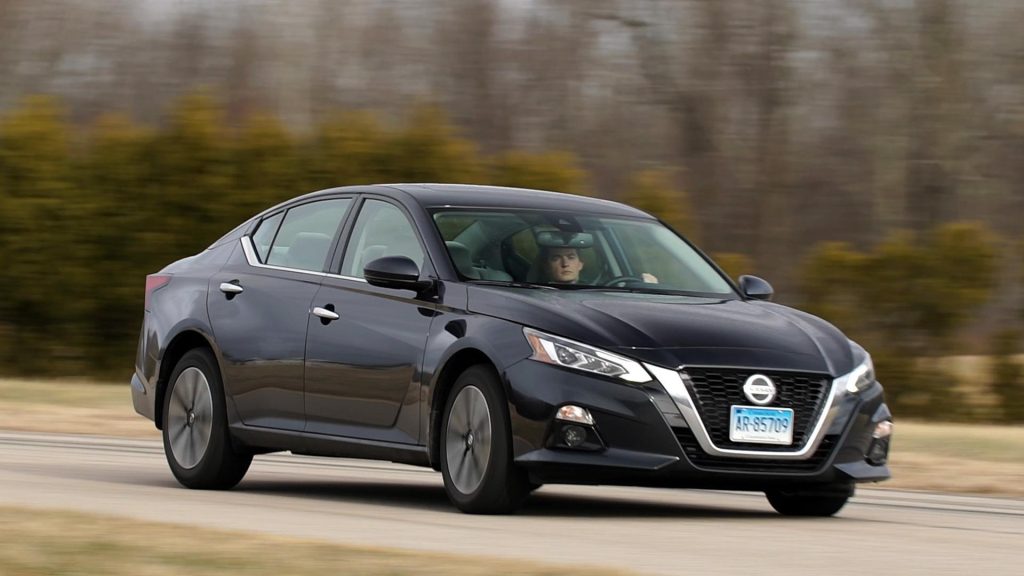
2. Nissan Altima
The Nissan Altima has documented catalytic-converter complaints at mileage figures that make it relevant to a pre-100,000-mile discussion, particularly among older model years. The strongest evidence comes from the 2002 Altima, where CarComplaints records 131 complaints associated with catalytic-converter failure.
The database reports an average mileage of 102,500 miles, but individual complaints show failures substantially earlier than that average.
One documented owner reported receiving a P0420 catalytic converter code at approximately 90,000 miles after experiencing significant oil consumption. Another complaint describes converter-related problems alongside engine issues around the 95,000-mile range.
These reports are particularly important because they demonstrate a possible connection between engine condition and converter longevity rather than proving that the converter itself independently failed.
The 2002 Altima’s complaint database lists catalytic-converter replacement among the most common reported solutions, alongside engine replacement and combined engine-and-converter repairs. The reported typical repair cost for the broader problem category is $2,360.
There is additional evidence from the 2010 Altima. A complaint describes a catalytic converter being replaced at approximately 105,000 miles and then reportedly failing again at about 122,000 miles.
The owner associated the problem with an engine-control-module calibration issue that could increase fuel flow and overheat the converter. Because this is an individual complaint, it should be presented as reported experience rather than proof of a universal defect affecting every 2010 Altima.
For used car shoppers, a P0420 code should be treated as a reason to investigate rather than an automatic signal to replace parts. A technician should first confirm whether the catalytic converter has actually deteriorated and then look for underlying issues such as engine misfires, excessive oil consumption, or improper fueling.
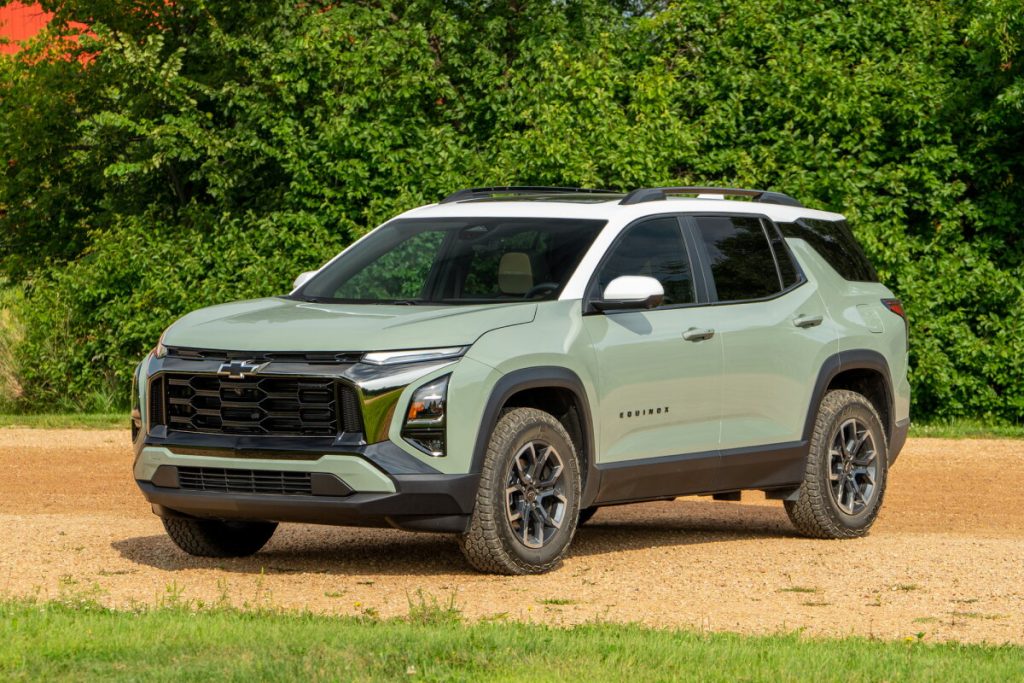
3. Chevrolet Equinox
The Chevrolet Equinox has documented examples of catalytic converter trouble before 100,000 miles, but the evidence needs to be presented carefully. For the 2012 Equinox, complaint records include an owner who reported converter failure at 95,000 miles and attributed it to excessive oil consumption.
Another owner reported that the converter failed at 107,000 miles after the vehicle had experienced significant oil-consumption problems.
There is also a documented complaint involving a 2010 Equinox in which the owner reported the catalytic converter failed at 96,000 miles. The complaint referenced an existing service bulletin and stated that the vehicle’s build date did not fall within the bulletin’s specified window.
These reports are important because they demonstrate that premature converter failures have occurred, but they do not prove that every Equinox will experience the same problem.
The relationship between engine condition and converter life is especially significant. Excessive oil consumption can send oil-derived contaminants into the exhaust system, while misfires can expose the catalyst to unusually high temperatures from unburned fuel.
For the 2012 model, CarComplaints records three catalytic-converter complaints, with a reported average mileage of 106,900 miles and a typical repair cost of about $1,650. The small number of complaints means these figures should not be interpreted as a statistical failure rate for the entire Equinox population.
For a used Equinox, an illuminated check-engine light deserves more attention than simply clearing the code. A P0420 code can indicate catalyst efficiency below the threshold, but the technician should determine why the converter has deteriorated.
An inspection of oil consumption, ignition performance, fuel control, and exhaust leaks can help prevent replacing an expensive converter while leaving the underlying cause untouched.
4. Subaru Outback
The Subaru Outback has at least one particularly striking documented example of catalytic-converter trouble occurring well before 100,000 miles. A complaint involving a 2010 Outback 2.5 records converter failure at 47,267 miles.
The owner reported that a dealer described the converter’s internal honeycomb as burned through and that the vehicle generated a P0420 diagnostic code.
That single complaint should not be turned into a claim that 2010 Outbacks commonly destroy their converters at 47,000 miles. In fact, the dealer reportedly told the owner that an emissions-system problem before 100,000 miles was unusual.
The complaint therefore provides evidence of an early failure, not evidence of a guaranteed or widespread failure interval.
The distinction matters when evaluating catalytic-converter reliability. Catalysts generally depend on the engine maintaining appropriate combustion and exhaust conditions. A misfire, excessively rich mixture, oil consumption, coolant contamination, or overheating can place abnormal stress on the converter.
The 2010 Outback complaint database lists one complaint under its catalytic-converter-fault category, with an average mileage of 47,300 miles. That is nowhere near enough information to calculate a meaningful failure rate, but it is enough to establish that an early failure was reported.
Potential buyers of an older Outback should therefore pay attention to the vehicle’s diagnostic history. A check-engine light that repeatedly returns after repairs warrants further diagnosis rather than repeated code clearing.
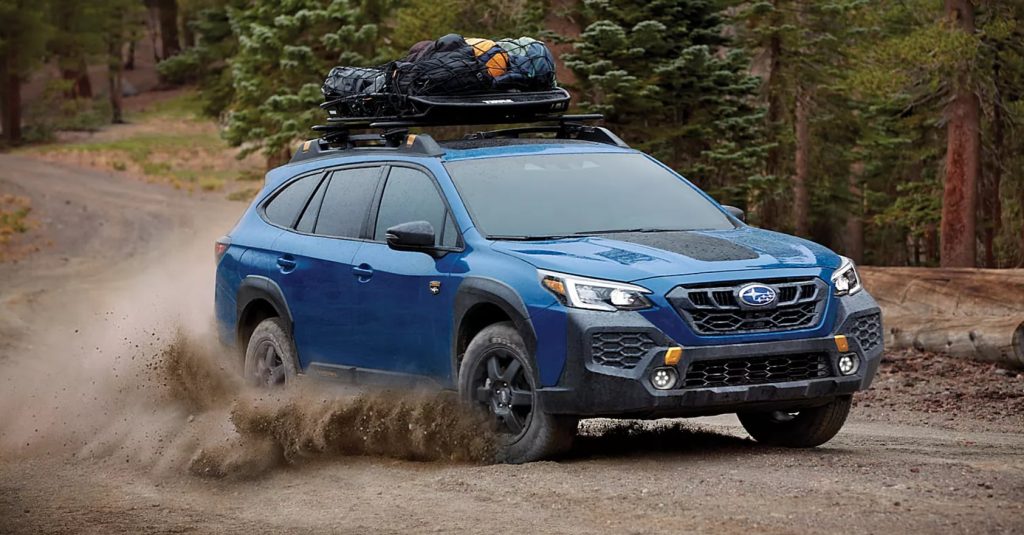
There is also a separate 2013 Outback complaint involving converter replacement at approximately 110,000 miles, showing that converter problems were not limited exclusively to extremely low mileage.
The key takeaway is that a P0420 code needs to be evaluated in context. Before replacing the catalytic converter, technicians should confirm that the catalyst is performing poorly and inspect the engine for problems that may have contributed to premature failure.
5. Honda Accord
The Honda Accord has documented catalytic-converter failures before 100,000 miles, although the available evidence does not support saying that converters routinely fail at a particular mileage.
A useful example is the 2006 Accord, where CarComplaints records two complaints specifically categorized as catalytic-converter failure. One owner reported the problem at just 80,000 miles, while another reported it at 112,000 miles. The database lists an average reported mileage of 96,000 miles and a typical repair cost of approximately $1,080.
There is additional evidence from the 2005 Accord in complaints derived from NHTSA records. One owner reported the catalytic converter failing at approximately 82,000 miles, just beyond an 80,000-mile emissions warranty mentioned in the complaint.
The reported replacement cost was about $1,100. Because this is an individual NHTSA complaint, it demonstrates an early failure rather than establishing a failure rate for the model.
The 2010 Accord provides another example of why the cause matters. A complaint involving the V6 described repeated misfires and oil consumption before a catalytic-converter failure at approximately 100,000 miles. Another owner reported converter trouble at 104,000 miles after engine problems that allegedly allowed unburned fuel into the exhaust.
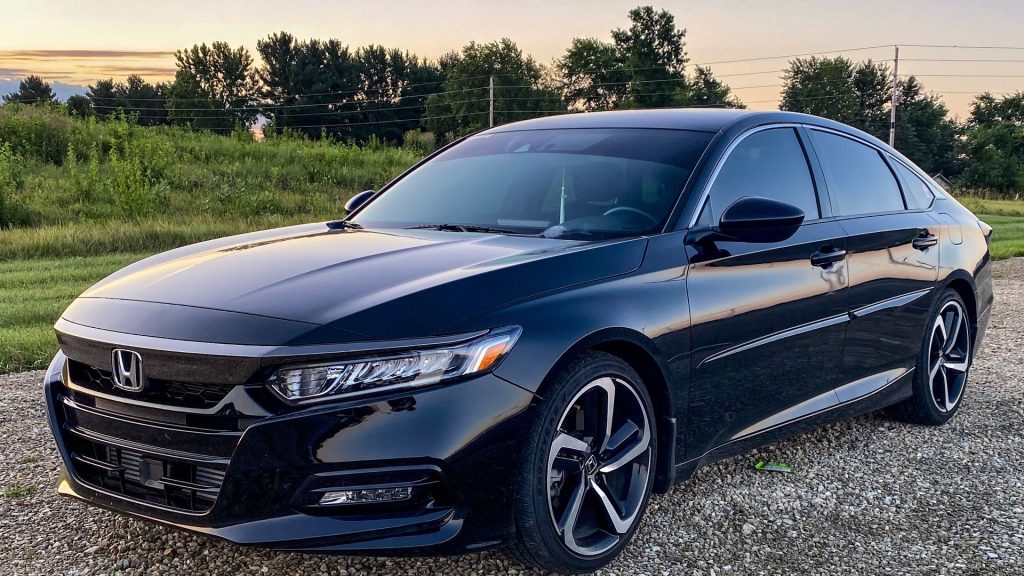
That distinction is critical. A converter can be the victim rather than the source of an engine problem. Persistent misfires, excessive oil consumption, incorrect fueling, or other combustion problems can expose the catalyst to conditions that shorten its life.
For an older Accord, a check engine light should therefore receive proper diagnosis instead of simply being reset. A P0420 code can indicate reduced catalyst efficiency, but technicians should establish why the catalyst has deteriorated before installing an expensive replacement.
6. Toyota Camry
The Toyota Camry has also produced documented cases of catalytic-converter failure at surprisingly low mileage. One of the clearest examples comes from the 2005 Camry, where a CarComplaints record documents a catalytic converter replacement at only 58,000 miles.
The complaint involved a Camry XLE V6, and the owner specifically questioned why such an expensive emissions component had failed at that mileage.
Another example appears in records for the 1995 Camry. One owner reported a cracked catalytic converter at approximately 90,000 miles, while another reported converter failure at only 29,223 miles. The latter complaint states that the converter was replaced and that the failure subsequently recurred.
The 2003 Camry provides another documented case, with an owner reporting a failed catalytic converter at approximately 84,000 miles. The same model-year complaint database lists two catalytic-converter-related complaints, although its reported average mileage is much higher because another complaint involved a vehicle with substantially more miles.
These records establish that early converter failures have occurred across different Camry generations. They do not establish that the Camry has a standard 60,000-mile or 90,000-mile converter lifespan.
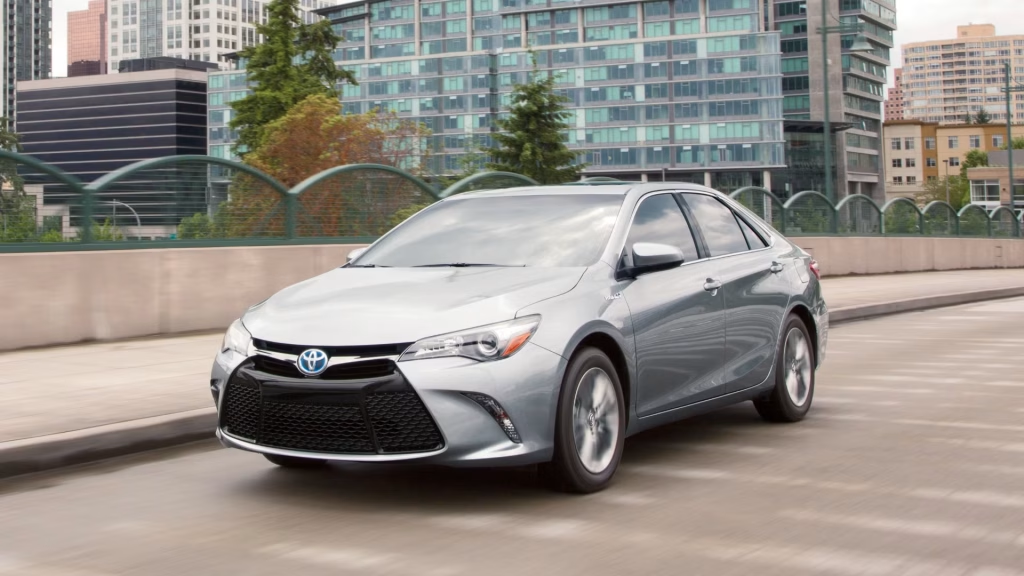
That difference is particularly important for a reliability-focused article. Complaint databases record reported experiences, not controlled failure testing across every vehicle sold. A small number of complaints cannot be converted into a percentage failure rate without knowing the total vehicle population and usage conditions.
For a used Camry, an unexplained check-engine light, exhaust odor, loss of performance, or a failed emissions test should prompt proper diagnosis. A converter should not automatically be condemned simply because a P0420 code appears. Exhaust leaks, oxygen-sensor problems, and engine-running conditions can also affect catalyst-efficiency readings.
6. Ford F-150
The Ford F-150 is another vehicle with documented catalytic-converter failures below 100,000 miles, including several relatively recent NHTSA complaints. For the 2018 F-150, CarComplaints records a catalytic-converter failure at 51,214 miles.
The owner reported that the check engine light illuminated and that a dealer diagnosed a catalytic-converter problem. The converter was replaced, but the complaint states that the problem later returned.
Another 2018 F-150 owner reported converter failure at approximately 80,000 miles. The check-engine light repeatedly returned after an earlier attempt to reset the emissions warning, and the dealer eventually diagnosed a failed catalytic converter.
A separate 2018 complaint describes converter problems at approximately 80,000 miles after the owner also noticed smoke from the tailpipe and low engine oil levels.
The pattern continues into newer trucks. A 2019 F-150 owner reported catalytic converter failure at 80,000 miles, while another documented the problem at 94,584 miles. In the latter case, the dealer diagnosed the converter as failed and recommended replacement.
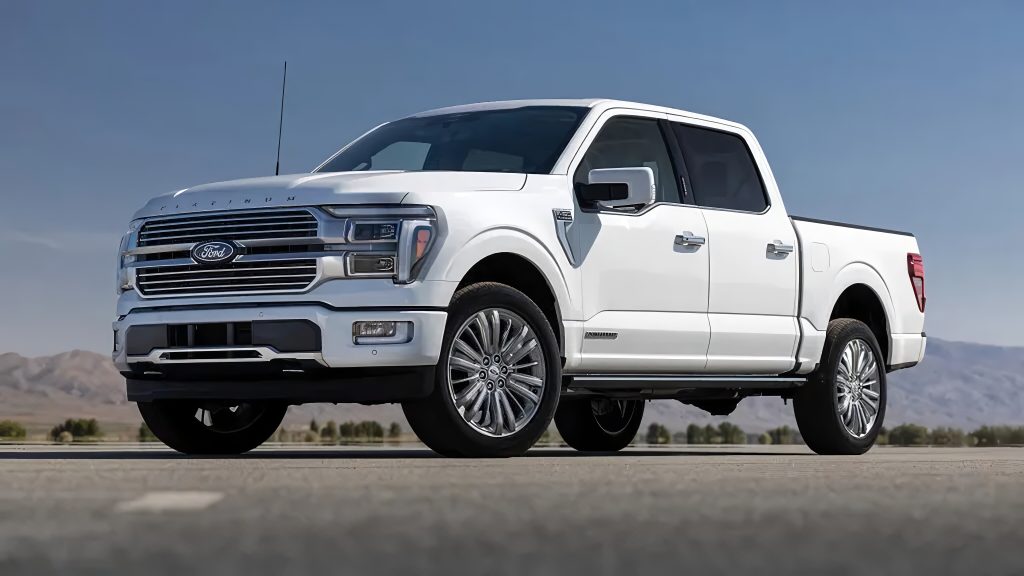
The evidence does not mean F-150 catalytic converters generally last only 50,000 to 95,000 miles. Complaint databases capture individual owner experiences and cannot provide a fleet-wide failure rate by themselves. Still, the repeated sub-100,000-mile reports make the F-150 a defensible addition when the subject is documented early converter failures.
Diagnosis is particularly important because converter damage can be connected to other engine or emissions faults. A truck showing a check-engine light, hesitation, abnormal exhaust behavior, or recurring catalyst-efficiency codes should be evaluated before the converter is replaced.
8. Toyota Prius
The Toyota Prius has a documented catalytic converter failure before the 100,000-mile mark. For the 2002 Prius, an NHTSA complaint records a catalytic converter problem at approximately 85,000 miles.
The owner reported that the check-engine light came on and that the dealership diagnosed a failed catalytic converter, with an estimated replacement cost of $2,000.
There is also a particularly relevant example from the 2019 Prius. CarComplaints records a catalytic converter that reportedly burned out at 99,600 miles, placing the failure just under the 100,000-mile threshold used for this article.
The owner described receiving repeated coolant alerts before diagnosis and ultimately reported that the converter had burned out. The reported repair cost was approximately $1,800.
These cases need some context. A handful of complaints cannot establish that Prius converters normally fail at 85,000 or 99,600 miles. In fact, CarComplaints’ broader Prius exhaust-system data shows relatively few reported exhaust-system complaints, which makes it inappropriate to describe premature converter failure as an expected service interval.
The available records support a narrower but still useful conclusion. There are documented cases of Prius catalytic converter failures occurring before the vehicle reached 100,000 miles.
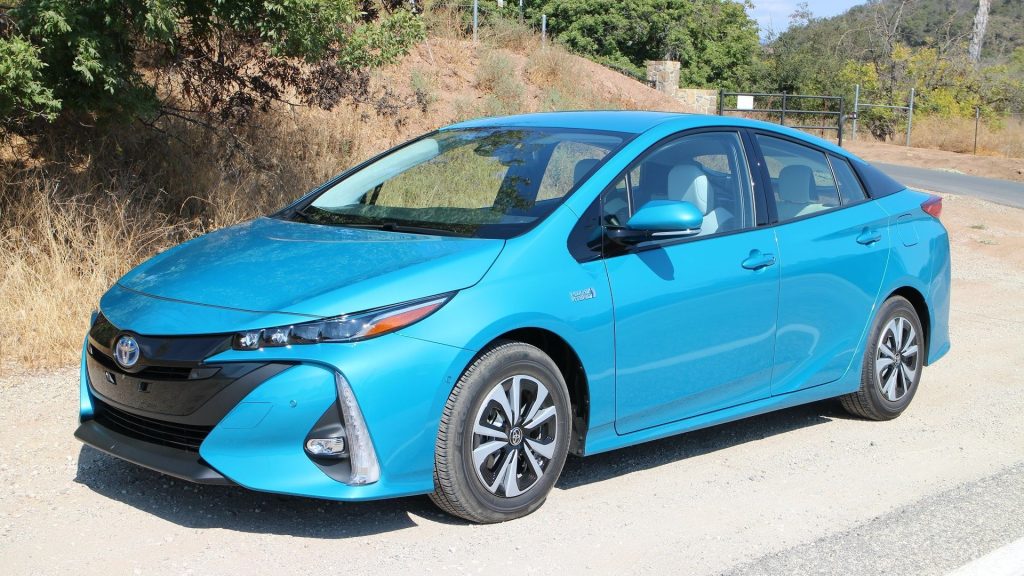
The 2019 case is especially close to the article’s cutoff, while the 2002 example demonstrates that the issue is not limited to a single generation. For a used Prius approaching six figures, a persistent check-engine light deserves proper diagnosis rather than simply clearing the code.
A technician should verify catalyst efficiency and investigate related engine or emissions-system problems before replacing the converter. That approach matters because a catalytic converter can be damaged by conditions elsewhere in the powertrain.
9. Volkswagen Passat
The Volkswagen Passat has documented catalytic-converter failures at surprisingly low mileages, including cases in which the converter problem was connected to other engine or ignition faults.
The 1999 Passat is a particularly clear example. A complaint recorded through NHTSA data describes a catalytic converter failing at 84,598 miles, while the owner said the engine had previously begun running on three cylinders at around 68,000 miles. The estimated repair cost for the converter was approximately $1,600.
Another complaint for the 2001 Passat reported converter problems at approximately 51,000 miles. A separate 2001 owner reported the diagnostic system indicating a catalytic converter problem at 75,000 miles. Another V6 owner said both converters were replaced at about 73,000 miles under the emissions warranty.
The 2004 Passat demonstrates how ignition problems can become an exhaust-system problem. An NHTSA complaint states that a coil-pack failure caused the catalytic converter to overheat, eventually resulting in a vehicle fire at approximately 42,000 miles.
That does not establish a normal converter lifespan, but it is strong evidence that a converter can be damaged by an upstream engine fault.
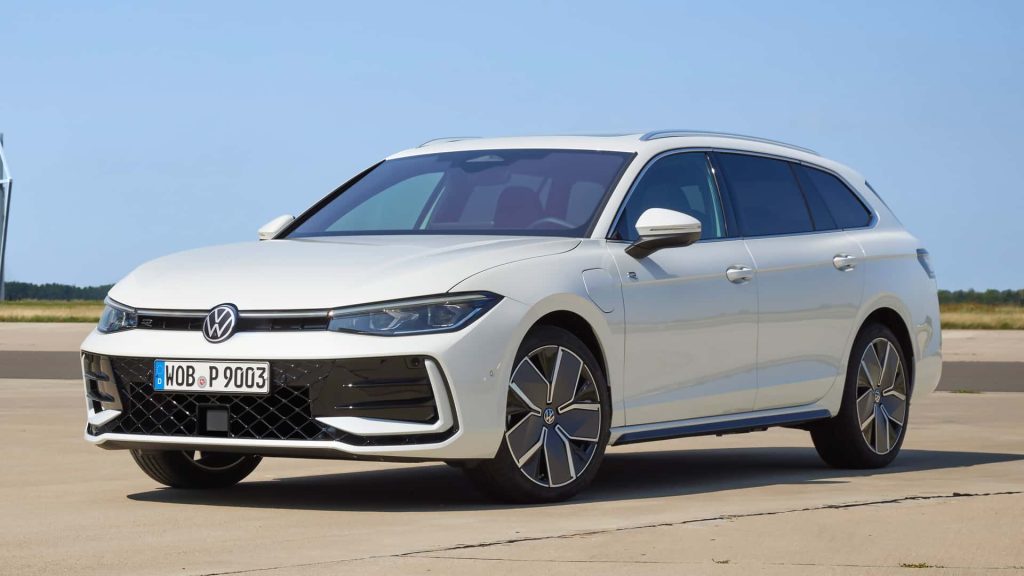
RepairPal’s current problem database also lists catalytic-converter faults across multiple Passat model years, from 1998 through 2013, with reported problem mileage ranging from 24,408 to 181,000 miles and an average of 96,661 miles.
For a used Passat, the important warning is not simply mileage. Repeated misfires, an emissions warning, loss of power, unusual exhaust smells, or a recurring check engine light should trigger a complete diagnosis before the converter is replaced.
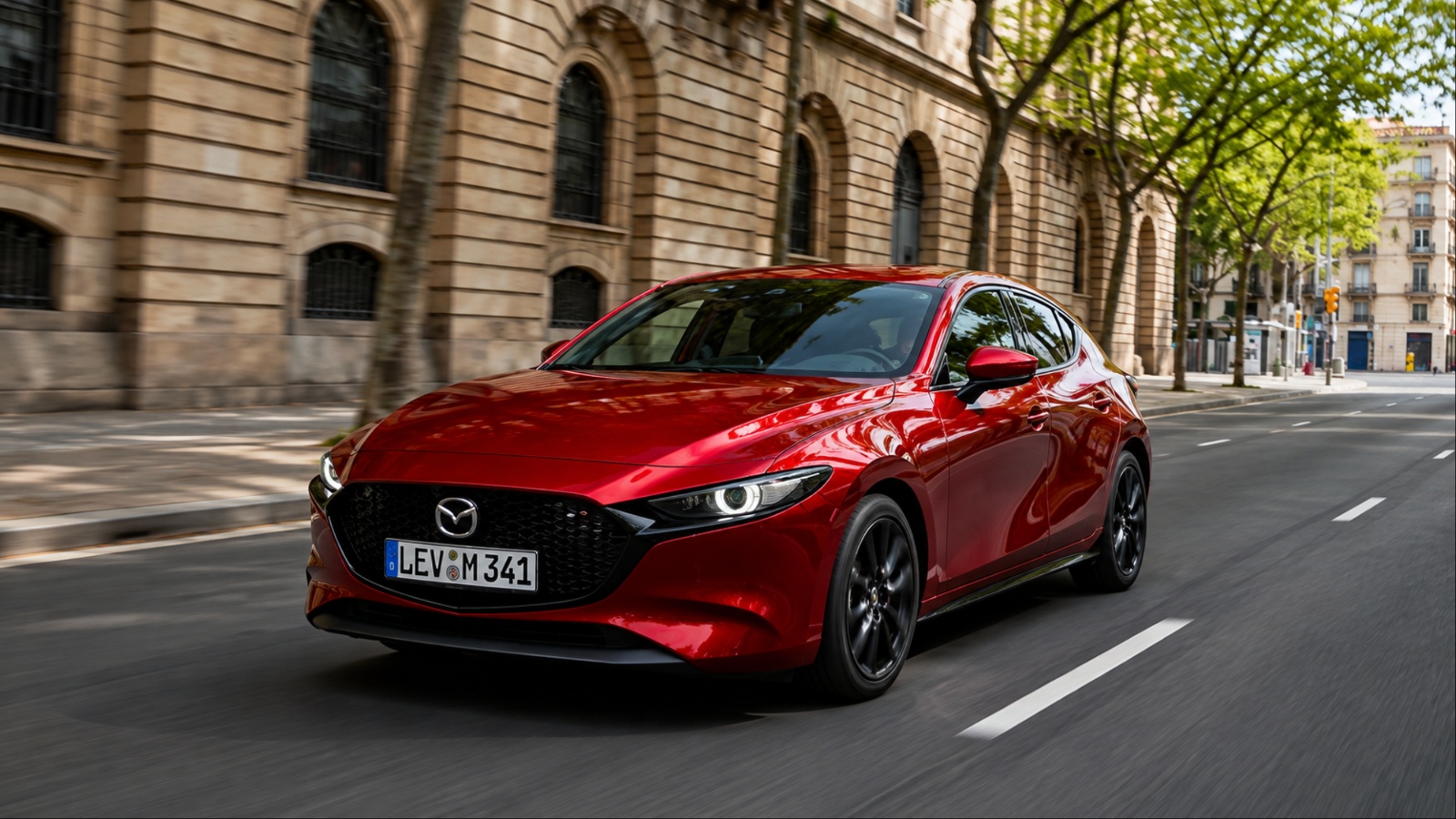
10. Mazda3
The Mazda3 provides a useful example of why a documented converter failure should not automatically be interpreted as a common sub-100,000-mile defect. The strongest readily documented case is actually above the 100,000-mile threshold.
CarComplaints records a 2010 Mazda3 owner whose catalytic converter problem appeared at 131,500 miles. The vehicle repeatedly generated a P0431 code indicating catalyst efficiency below the required threshold.
An oxygen sensor replacement did not solve the problem, and the front catalytic converter attached to the exhaust manifold was eventually replaced.
Because the documented mileage is 131,500 miles, the Mazda3 does not meet the strict criterion of a converter failure before 100,000 miles. That makes it unsuitable as evidence for claiming that the model commonly suffers premature converter failures.
It is included here to demonstrate the importance of separating verified evidence from a headline that may imply more than the data supports.
The 2010 complaint is also useful mechanically. The owner initially suspected an oxygen sensor, but replacing that component did not eliminate the P0431 code. The eventual converter replacement resolved the problem.
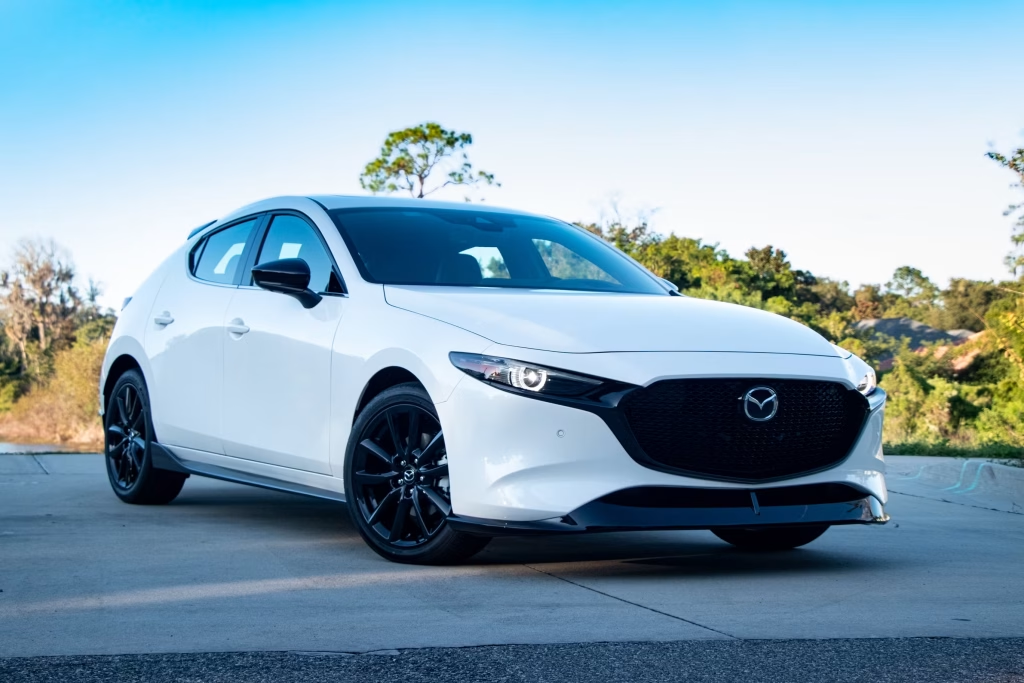
CarComplaints lists the typical repair cost for that reported case at approximately $1,300, although one complaint is not enough to establish a normal repair price for every Mazda3.
For buyers approaching the 100,000-mile mark, this is a reminder that a check-engine light can become an expensive emissions-system issue even when the vehicle continues to drive normally.
A vehicle can maintain normal acceleration and drivability while the emissions computer detects that catalyst efficiency has fallen below its expected level.
The sensible approach is to diagnose the stored code, inspect exhaust components, and verify sensor operation before authorizing converter replacement.