
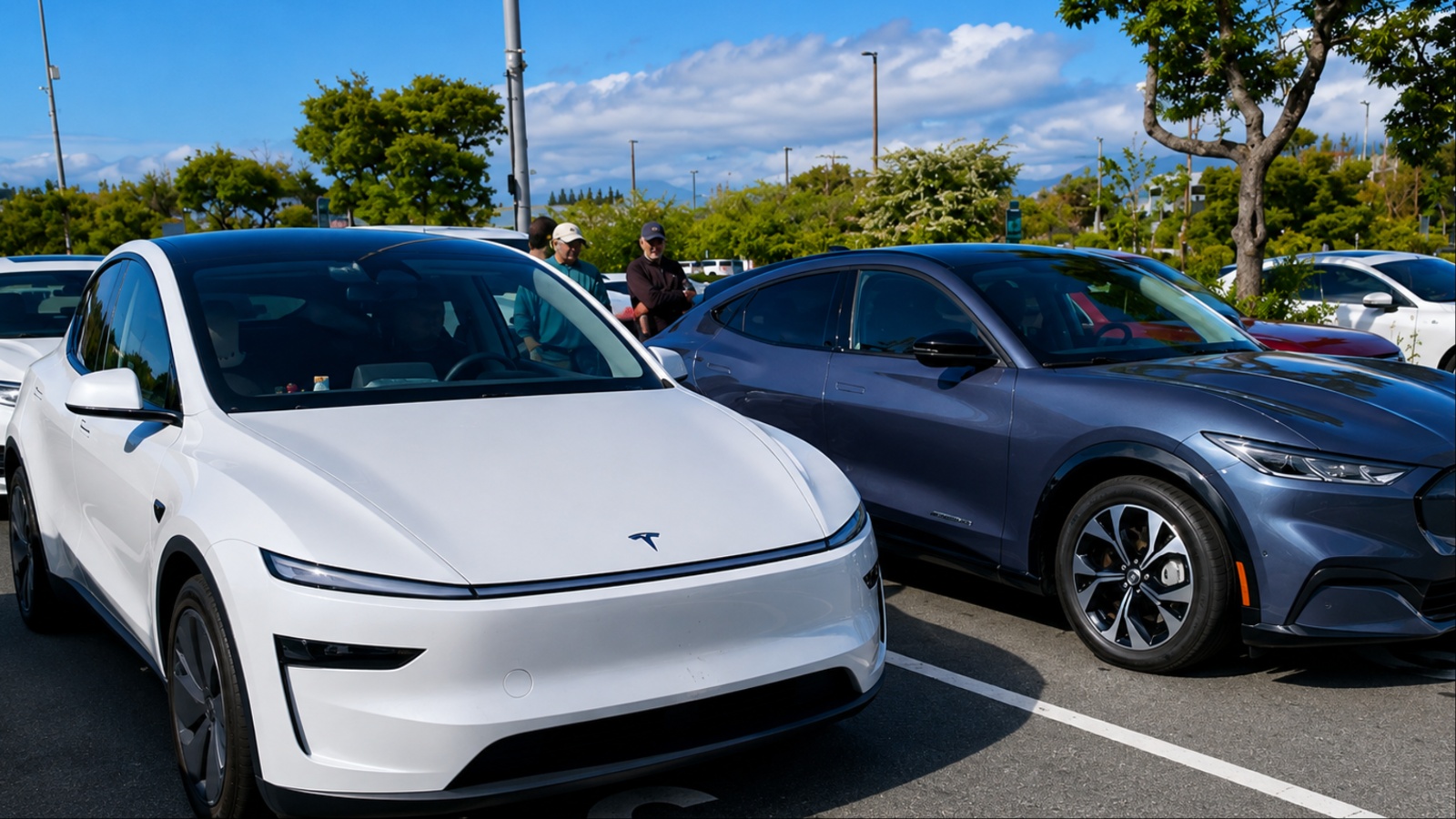
Washington is preparing for a significant change in the way electric vehicles are sold. Beginning January 1, 2027, Rivian and Lucid are expected to join Tesla in being able to sell new vehicles directly to customers in the state, bypassing the traditional franchised-dealer system.
The change comes from Senate Bill 6354, legislation designed to expand access to electric vehicles while creating a narrowly defined exception to Washington’s longstanding restrictions on direct manufacturer sales.
Governor Bob Ferguson signed the bill on March 24, 2026, after it passed the Senate 47-2 and the House 84-9. The Washington State Legislature lists the law as Chapter 186 of the 2026 Laws.
The January 1, 2027 date is particularly important for consumers. GeekWire reported that Rivian and Lucid were expected to gain permission to sell directly on that date, allowing Washington shoppers to visit their showrooms, arrange test drives, discuss financing, and complete purchases without going through an independent franchise dealer.
The legislation is not a broad repeal of Washington’s franchise system. Instead, it creates a tightly restricted pathway for certain battery-electric manufacturers that meet specific conditions.
Why Washington Is Changing Its Direct-Sales Rules
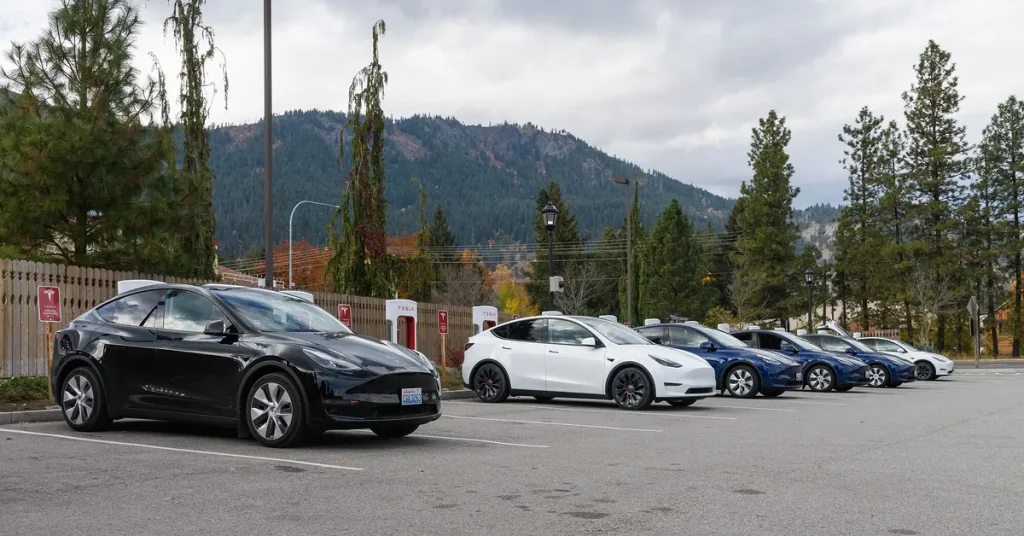
Washington has historically required most automakers to operate through franchised dealerships. Tesla became the major exception after securing the ability to sell directly in the state, creating a system in which one EV manufacturer could use a direct-to-consumer model while other manufacturers faced substantially different rules.
That distinction became increasingly significant as Rivian and Lucid expanded their U.S. operations.
Both companies use direct-sales models in other markets, meaning their customer experience is built around manufacturer-operated stores, online ordering, and company-controlled delivery and service operations rather than traditional franchise dealerships.
The disagreement over Washington’s rules had been developing for years. Rivian ultimately launched a political campaign supporting a ballot initiative that could have allowed direct EV sales through a vote.
Washington State Standard reported that the company had committed millions toward that effort before lawmakers and the state’s automobile dealers reached a legislative compromise.
Senate Bill 6354 became that compromise. The law does not simply say that every electric vehicle manufacturer can open stores. Instead, the statute establishes eligibility requirements that sharply limit which manufacturers can qualify.
According to the enacted legislation, a qualifying manufacturer must be incorporated in the United States, must never have entered into a franchise agreement with a motor-vehicle dealer, must have operated at least one service facility in Washington as of January 1, 2026, and must exclusively produce battery-electric vehicles.
In addition, at least 300 of its vehicles must have been registered to Washington residents before January 1, 2026. Those requirements explain why Rivian and Lucid are the principal beneficiaries.
A May 2026 analysis from law firm Beveridge & Diamond identified Rivian and Lucid as the two EV manufacturers that currently meet the criteria established by the legislation.
The restrictions also prevent established automakers from simply creating an EV subsidiary and using the law as a workaround for Washington’s franchise requirements. The legislation specifically addresses relationships with manufacturers that are prohibited from acting as vehicle dealers.
What Rivian and Lucid Can Actually Do
The practical change for consumers is substantial. Once qualified and properly licensed, Rivian and Lucid can own, operate, or control dealerships selling their own eligible vehicles. The law requires a qualifying manufacturer to apply for and maintain a Washington vehicle-dealer license.
That means the companies can establish a more conventional retail presence while retaining control of the sales process.
For Rivian, the change removes a major barrier to expanding its physical retail experience in Washington. The company’s existing spaces have generally functioned as locations where consumers can learn about its vehicles and interact with the brand, rather than traditional dealerships capable of completing every part of a vehicle transaction.
GeekWire reported that Rivian’s Seattle University Village location, for example, allowed shoppers to view and sit in its vehicles but had not previously been able to provide the complete purchase experience. Under the new system, that changes.
Lucid receives the same opportunity, giving customers another premium EV option that can operate under a manufacturer-direct model.
The legislation also connects direct sales with service infrastructure. Because eligibility requires a qualifying manufacturer to have operated at least one Washington service facility as of January 1, 2026, the law was designed to avoid creating a sales network completely detached from local support.
That condition is important because dealership opponents had argued that direct-sales manufacturers could concentrate stores in major population centers while providing less comprehensive service coverage than established dealer networks.
GeekWire reported that dealership groups raised concerns about the availability of repairs and recall services under a manufacturer-controlled retail structure.
The law therefore represents a compromise rather than an unrestricted victory for the direct-sales model.
Washington lawmakers also retained enforcement mechanisms. The legislation allows penalties against manufacturers that unlawfully sell or lease vehicles while prohibited from acting as dealers, including a $10,000 penalty for each qualifying retail sale or lease transaction under the relevant provision.
What It Means for Washington EV Buyers
For consumers, the biggest change is choice. A customer interested in a Rivian or Lucid will no longer have to navigate the limitations created by Washington’s previous dealer structure. The manufacturer can control the showroom experience, pricing process, financing arrangements, and vehicle-ordering process within the requirements of state law.
That could make the purchasing process more consistent with how these companies already operate elsewhere.
The law’s supporters argue that removing the dealership barrier could help EV adoption. The Washington Senate Democratic Caucus cited an estimate that direct sales could increase EV adoption by as much as 13% by 2030. That figure is an estimate rather than a guaranteed outcome, but it illustrates why supporters considered the legislation significant.
There is also a broader financial component to the legislation. Washington increased the vehicle certificate-of-title application fee from $15 to $40 for vehicle purchases and leases from dealers beginning October 1, 2026. According to Sen.
In Marko Liias’ office, 35% of the additional $25 is intended to support a new program providing instant rebates to reduce EV purchase and lease costs for lower-income households.
The bill therefore combines changes to EV retailing with a separate funding mechanism intended to improve affordability.
Still, consumers should not interpret January 1, 2027, as meaning Washington is abandoning franchised dealerships. Traditional dealers remain central to the state’s automobile market, and the new direct-sales exception applies only to manufacturers satisfying the specific statutory requirements.
It is also worth clarifying the timing. The Washington Legislature’s official bill summary lists June 11, 2026, as the law’s general effective date.
That does not contradict the January 1, 2027 consumer-facing milestone reported by GeekWire; the latter is the date associated with Rivian and Lucid becoming able to operate under the new direct-sales framework after the necessary licensing and implementation steps.
The significance of the change extends beyond two automakers. For more than a decade, Tesla’s ability to sell directly in Washington represented an unusual exception to the state’s franchise structure. Senate Bill 6354 changes that equation by creating a narrowly written route for other qualifying EV manufacturers.
Rivian and Lucid now have a clear legal path to build out their direct retail operations, while Washington consumers gain another way to shop for and purchase electric vehicles.
This does not signal the end of the traditional dealership model. Instead, Washington has established a tightly regulated alternative that could shape how other states handle the growing debate over who should control the EV purchasing process. The question is whether that role belongs to automakers, franchise dealers, or a combination of both.
