The manual transmission is becoming increasingly difficult to find in new American cars, making every confirmed return or continuation noteworthy. For 2027, the U.S. market does not have eight confirmed models bringing back a discontinued manual gearbox, so calling every entry a true “return” would be misleading.
The more interesting development is that several performance cars are intentionally keeping the clutch pedal alive, while Nissan is expanding manual transmission availability to a version that previously did not offer it.
The following list focuses on verified 2027 U.S. models, separating genuine transmission additions from cars continuing their existing manual offerings.
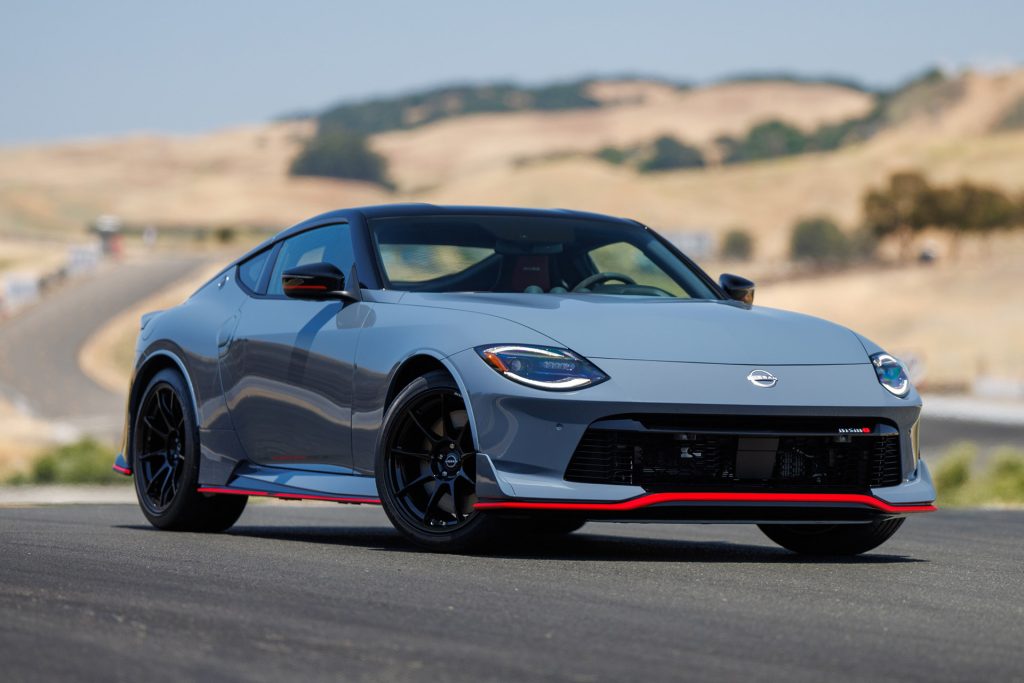
1. Nissan Z NISMO
The most convincing example of a manual transmission coming back for 2027 is the Nissan Z NISMO. Nissan has confirmed that the range-topping NISMO version will gain an available six-speed manual transmission for the 2027 model year.
That is a genuine change because the Z NISMO had previously been offered exclusively with an automatic transmission.
The change gives buyers a much more traditional enthusiast configuration. The Z NISMO retains Nissan’s twin-turbocharged 3.0-liter V6, while the manual gearbox gives drivers direct control over gear selection. Nissan rates the standard 2027 Z at 400 horsepower, while the NISMO remains the higher-output version.
Nissan’s decision is particularly notable because the manual transmission is becoming harder to find in sports cars. Toyota has discontinued the GR Supra after the 2026 model year, while the BMW Z4 is also ending production, reducing the number of new manual-equipped competitors in this segment.
For 2027, the Z NISMO therefore stands apart from most of the cars on this list. It is not simply carrying over an old transmission choice. Nissan is adding a clutch-operated gearbox to a performance trim that previously did not offer one.
2. Subaru BRZ
The Subaru BRZ is not technically getting its manual transmission back for 2027 because Subaru never removed it. Instead, the rear-wheel-drive sports coupe is confirmed to continue offering a six-speed manual transmission in the U.S. for 2027.
That distinction matters when separating genuine product changes from models that are simply surviving the industry’s shift toward automatics.
For 2027, the BRZ continues with its naturally aspirated 2.4-liter horizontally opposed four-cylinder engine. It produces 228 horsepower and 184 lb-ft of torque, with power sent to the rear wheels. Buyers can choose between a six-speed manual and a six-speed automatic.
The manual BRZ also benefits from the car’s relatively low curb weight. Cars.com lists the 2027 BRZ at about 2,842 pounds with the manual transmission, helping explain why the car remains appealing to drivers who prioritize feedback rather than simply chasing maximum horsepower.
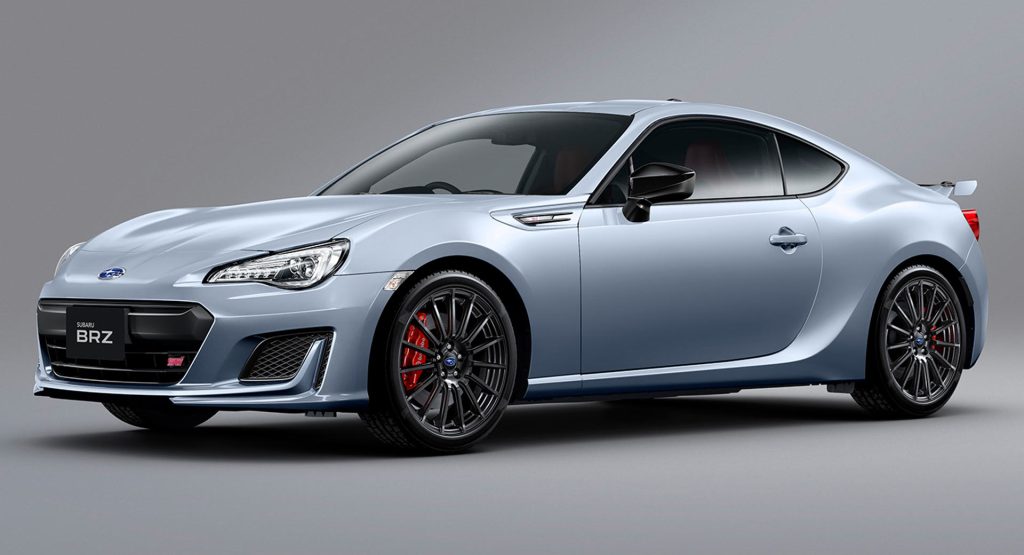
Its importance for 2027 goes beyond the transmission itself. Affordable rear-wheel-drive coupes are increasingly rare, and the BRZ continues to combine that layout with a traditional clutch pedal. The Toyota GR86 follows the same formula, giving enthusiasts another closely related option.
So while the BRZ should not be described as “getting a manual again,” it absolutely belongs in a fact-checked discussion about the manual cars surviving into 2027.
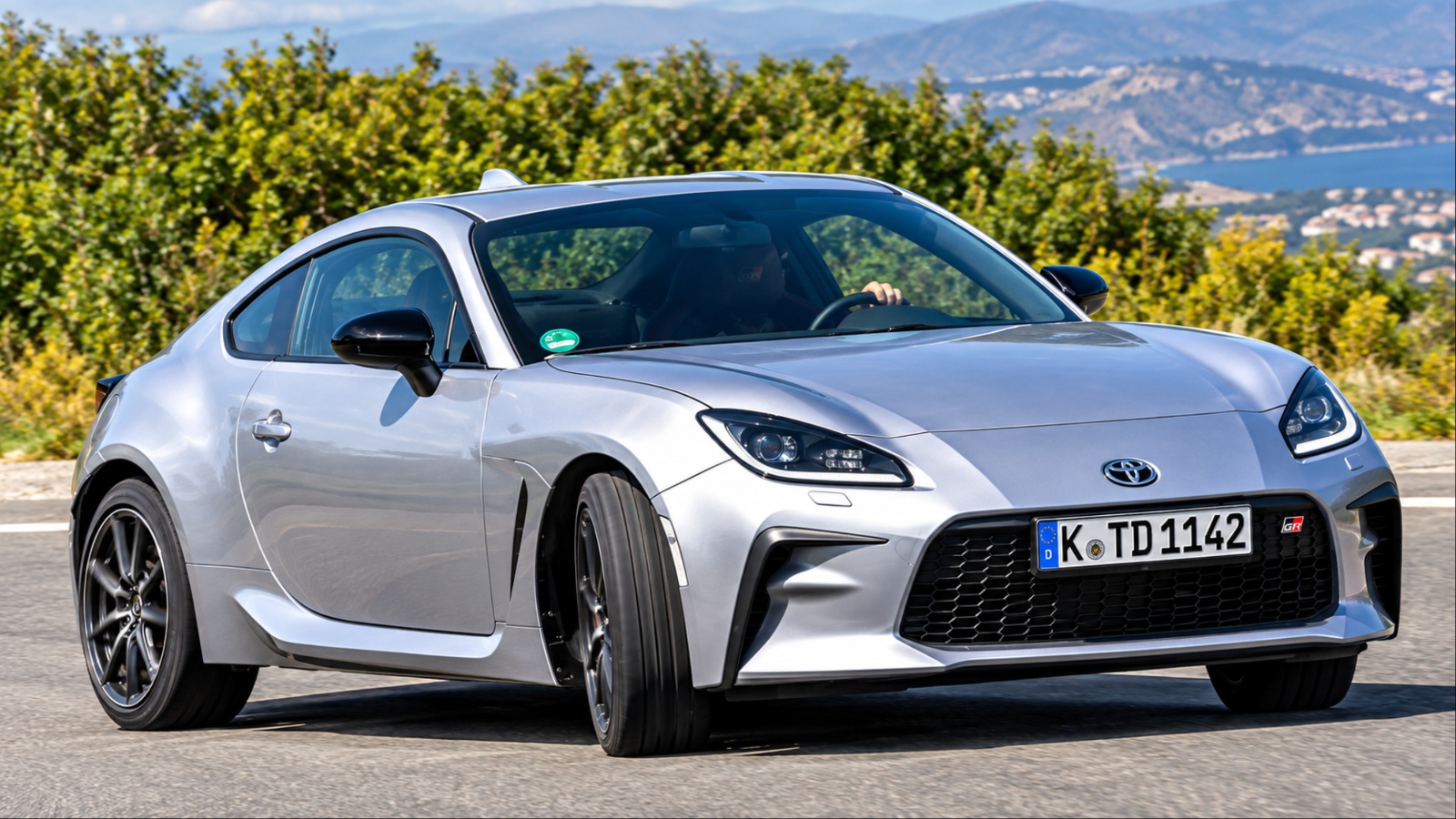
3. Toyota GR86
The Toyota GR86 is one of the clearest examples of a manual transmission surviving into the 2027 U.S. market. It is not a comeback story because Toyota has continued offering the six-speed manual throughout the current generation, but it deserves a place on the list because the three-pedal configuration remains officially available for 2027.
Toyota’s own 2027 specifications confirm that buyers can choose between a manual and automatic transmission.
That decision keeps the GR86 true to its original purpose. It remains a relatively lightweight, rear-wheel-drive sports coupe built around driver engagement rather than simply chasing maximum power.
The 2027 model uses a naturally aspirated 2.4-liter four-cylinder boxer engine producing 228 horsepower. Toyota quotes a 0 to 60 mph time of 6.1 seconds for the 2027 GR86.
The manual gearbox is especially significant because the GR86 remains one of the more accessible new performance cars offering a traditional clutch. Toyota has not treated the stick shift as a special limited-production feature. Instead, it remains part of the regular model range.
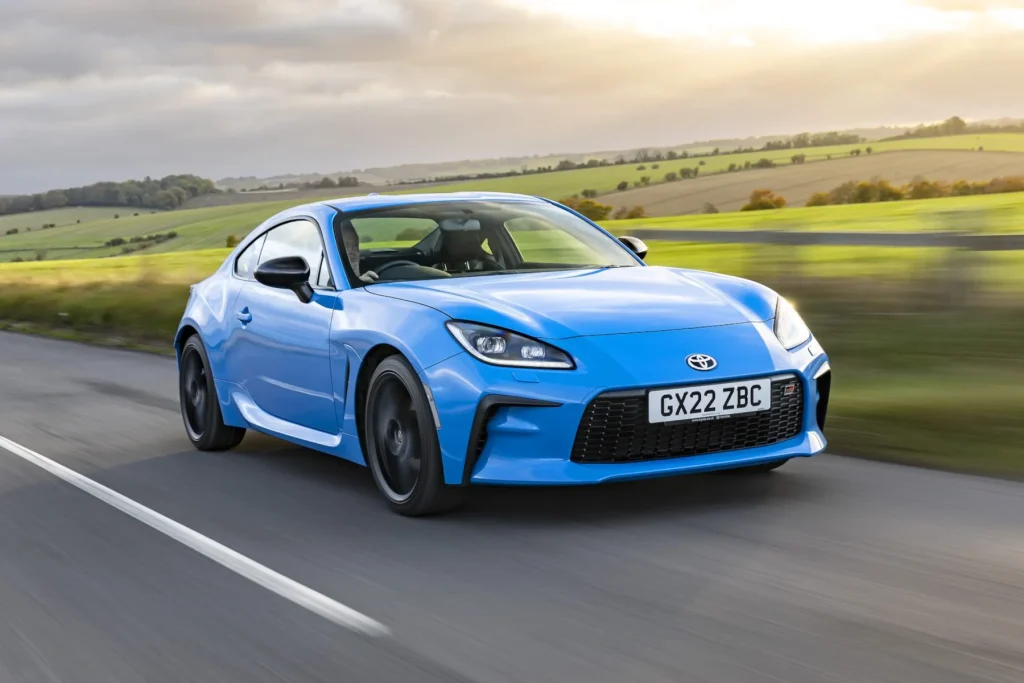
Its mechanical relationship with the Subaru BRZ also makes the pair unusual in today’s market. Both cars use the same basic rear-drive sports-car formula, while Toyota gives the GR86 its own styling and tuning character.
For buyers who specifically want three pedals in a new American-market sports car, the GR86 remains an important choice for 2027. It is also evidence that the manual transmission has not disappeared completely from mainstream production cars, even as automatic transmissions dominate most new-vehicle sales.
4. Honda Civic Type R
The Honda Civic Type R continues to make the manual transmission central to its identity rather than treating it as an optional novelty. The current U.S. Type R uses a six-speed manual transmission, paired with Honda’s turbocharged 2.0-liter four-cylinder engine.
There is no automatic alternative in the U.S. Type R lineup, making the clutch pedal a defining part of the car’s configuration.
The engine produces 315 horsepower and 310 lb-ft of torque in the U.S. specification. That output is sent through the front wheels, making the Type R one of the most powerful front-wheel-drive production cars sold in America. Honda also equips the car with a limited-slip differential to help manage the engine’s output.
What makes the Type R different from a conventional manual-equipped commuter car is how extensively Honda builds the drivetrain around enthusiastic driving. The six-speed gearbox works with rev-matching technology, allowing the electronics to automatically raise engine speed during downshifts when the feature is activated.
The manual transmission also fits the car’s broader performance philosophy. Rather than relying on a dual-clutch or conventional automatic to deliver the fastest possible shifts, Honda leaves gear selection in the driver’s hands.
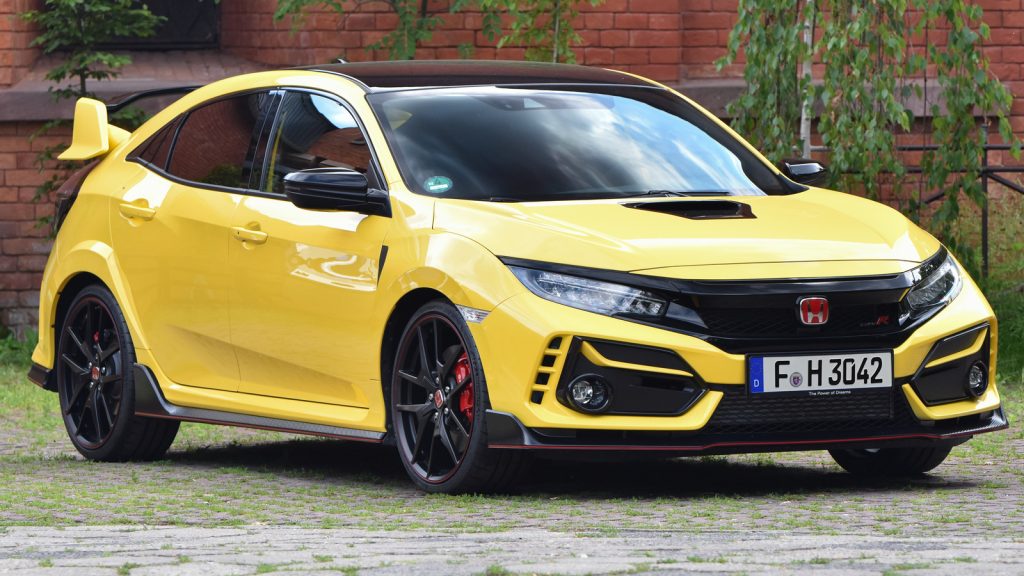
There is an important qualification to the 2027 headline, however. The Civic Type R is not a model that is bringing a manual transmission back for 2027. It is a model that continues to offer one. That distinction keeps the article factually accurate while still showing how the manual survives in the U.S. performance-car market.
For enthusiasts who want a new car with serious power and a traditional transmission, the Type R remains one of the most distinctive choices available.
5. Toyota GR Corolla
The Toyota GR Corolla is one of the strongest confirmed manual-transmission choices for the 2027 U.S. market. Unlike several models that have recently lost their stick shift, the GR Corolla continues with a six-speed manual transmission as standard, while an eight-speed automatic remains available.
Toyota’s performance hatchback combines that gearbox with a turbocharged 1.6-liter three-cylinder producing 300 horsepower.
What makes the GR Corolla particularly interesting is that the manual is not merely an economy-oriented transmission choice. It is integrated into Toyota’s GR-Four all-wheel-drive system, which gives the driver different front-to-rear torque distribution modes.
That combination makes the car unusual among compact hatchbacks because it offers three pedals, all-wheel drive, and 300 horsepower in the same package.
Toyota has continued developing the GR Corolla instead of treating it as a short-lived novelty. The 2027 model retains the core formula that has made the car popular among enthusiasts. It combines compact dimensions with a powerful turbocharged engine and a transmission that gives drivers direct control over each gear change.
There is an important correction to the original headline, though. The GR Corolla is not getting its manual transmission back in 2027. It never lost it. Describing it as a manual-transmission survivor is more accurate than calling it a comeback model.
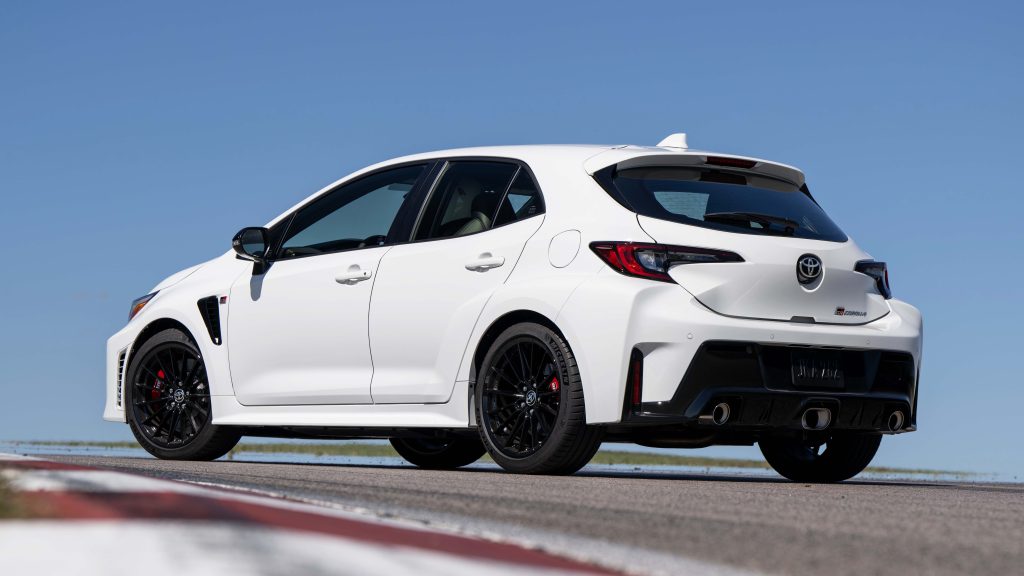
That distinction matters because the U.S. manual market is shrinking rapidly. The fact that Toyota continues to make the GR Corolla’s six-speed standard is significant precisely because so many manufacturers are moving in the opposite direction.
For enthusiasts who want a relatively practical car without giving up the mechanical involvement of a clutch pedal, the GR Corolla remains one of the most compelling 2027 choices.
6. Subaru WRX
The Subaru WRX is another 2027 model that keeps the manual transmission alive rather than bringing it back after an absence. Subaru continues to offer a six-speed manual transmission on WRX trims, while the range-topping GT uses an automatic transmission instead.
The manual remains paired with standard all-wheel drive, giving the WRX a combination that is increasingly difficult to find in the new-car market.
Power comes from a turbocharged 2.4-liter horizontally opposed four-cylinder engine producing 271 horsepower and 258 lb-ft of torque. Unlike many front-wheel-drive performance compacts, the WRX sends its power through Subaru’s all-wheel-drive system, giving it a distinctly different personality from cars such as the Civic Type R.
The transmission choice also changes the character of the car. Buyers choosing the manual are deliberately selecting the more involved configuration, while those wanting easier commuting can choose the continuously variable automatic.
Subaru therefore gives customers a meaningful choice rather than forcing every WRX buyer into one transmission.
The WRX’s continued manual availability is particularly relevant for drivers in regions where weather and road conditions make all-wheel drive desirable. There are very few new U.S. sedans combining a manual transmission with standard all-wheel drive and turbocharged performance.
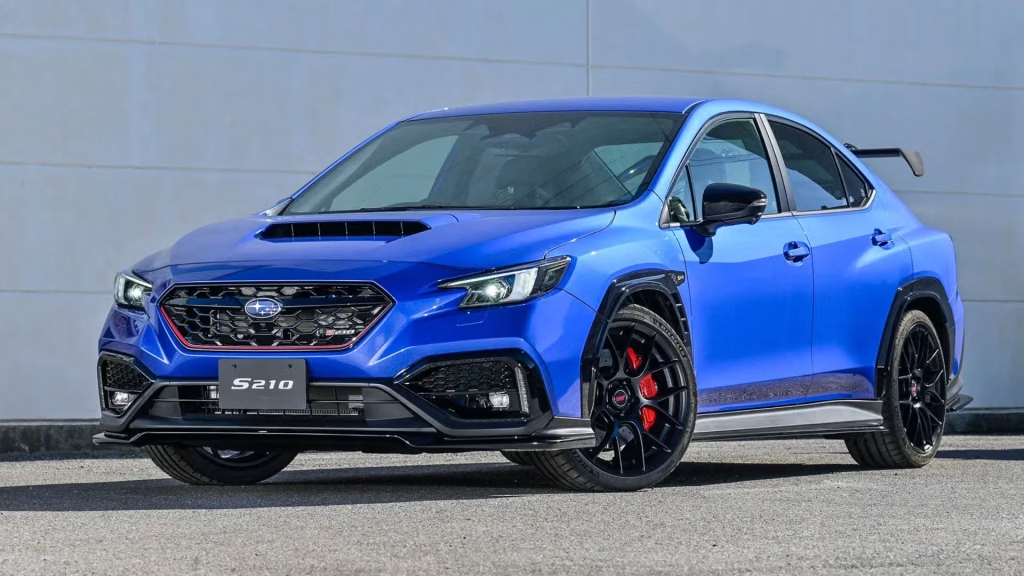
Still, calling the WRX a model that is “getting a manual again” would be inaccurate. The six-speed has remained part of the current-generation WRX lineup. Its significance for 2027 is that Subaru continues to preserve the option while other manufacturers increasingly abandon manuals.
That makes the WRX less of a comeback story and more of a holdout. For buyers who want a practical four-door, a turbocharged engine, all-wheel drive, and three pedals in one vehicle, that distinction is worth appreciating.
7. Ford Mustang
The Ford Mustang remains one of the strongest arguments that the manual transmission still has a place in the modern U.S. performance market. For 2027, the Mustang continues to offer a six-speed manual on selected configurations, including the GT and Dark Horse.
It is not a transmission comeback because Ford has kept the manual available, but its continued presence is significant as competing performance cars increasingly move to automatic-only drivetrains.
The Mustang GT pairs its manual gearbox with Ford’s 5.0-liter Coyote V8. The engine produces 480 horsepower and 415 lb-ft of torque in standard GT specification, while the available active-valve performance exhaust raises output to 486 horsepower and 418 lb-ft.
The Dark Horse takes the same basic engine architecture further, producing 500 horsepower and 418 lb-ft.
What separates the Mustang from smaller manual cars is the amount of engine the driver controls. Instead of using a four-cylinder or six-cylinder engine, the Mustang puts a naturally aspirated V8 behind the clutch pedal. That makes every gear change feel connected to a much larger power reserve.
The six-speed manual is also available without forcing buyers into a stripped-down enthusiast special. The Mustang remains a practical coupe with available rear seats, modern driver assistance technology, and everyday usability.
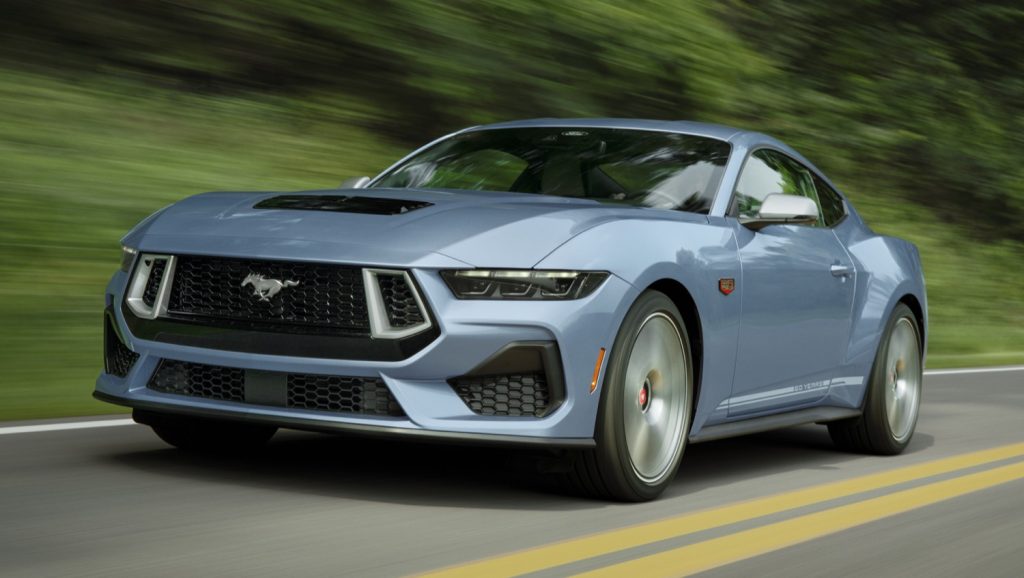
Still, accuracy matters here. Ford has not announced a 2027 manual-transmission revival. The correct description is that the Mustang continues to preserve the option.
That makes the car important for a different reason. In a market where manufacturers increasingly use automatic transmissions for performance, emissions, and efficiency reasons, Ford continues to give American buyers a factory-built V8 sports coupe with three pedals.
8. Mazda MX-5 Miata
Few modern cars are as closely associated with the manual transmission as the Mazda MX-5 Miata. The lightweight roadster continues to offer a six-speed manual transmission in the U.S., making it another important 2027 model for buyers who want a traditional driving experience.
Like several entries above, however, it is more accurate to call the Miata a manual-transmission holdout than a car receiving a gearbox comeback.
The current U.S. Miata uses a naturally aspirated 2.0-liter four-cylinder engine producing 181 horsepower and 151 lb-ft of torque. Those numbers may look modest next to modern turbocharged performance cars, but the Miata’s low weight changes the equation.
The car is built around agility, balance, and direct driver involvement rather than massive straight-line acceleration.
Mazda offers the manual across much of the MX-5 range, although equipment and transmission availability vary by body style and trim. The retractable-hardtop RF and traditional soft-top versions both preserve the basic formula that has defined the model for decades.
The transmission itself is central to that formula. A lightweight sports car does not need an enormous engine to feel engaging when the driver is responsible for selecting each gear, managing engine speed, and coordinating clutch engagement.
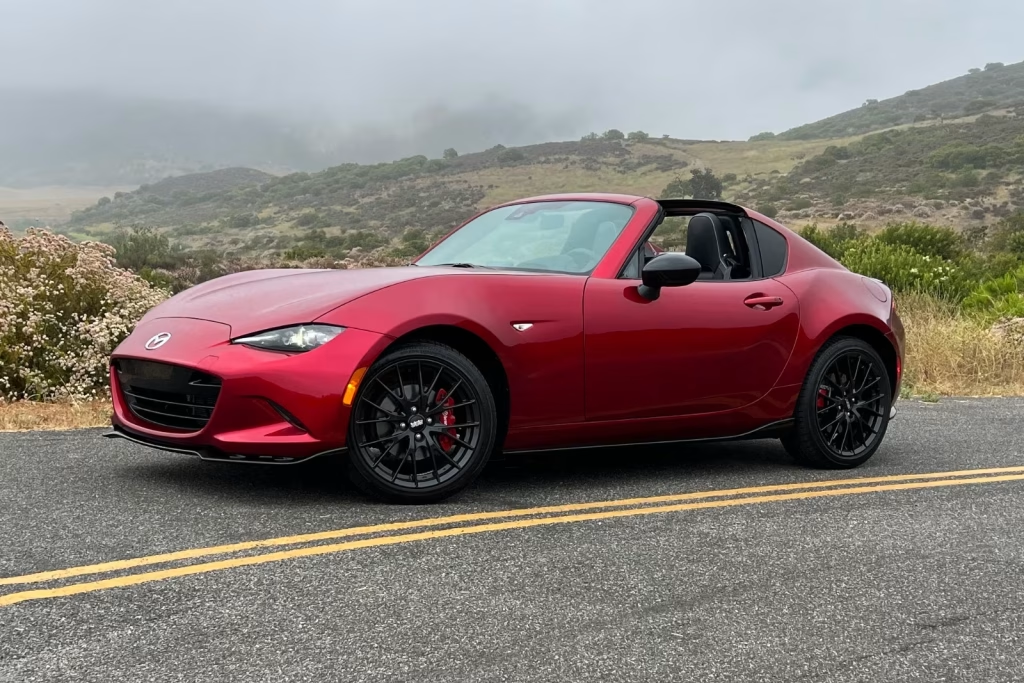
For 2027, that philosophy remains relevant precisely because the manual transmission has become unusual. The Miata does not need a dramatic transmission revival to make a statement. Its continued production is the statement.
So, while it would be incorrect to claim Mazda is “bringing back” the manual for 2027, the MX-5 remains one of the clearest examples of an automaker deliberately preserving a three-pedal sports car.