Diesel pickups are not disappearing from the American market, but the path to 2028 is far less certain than headlines sometimes suggest. Several truck programs are scheduled for major redesigns around this period, while diesel power remains available in parts of the full-size segment today.
However, it is important to separate confirmed plans from rumors. Automakers have not officially announced eight U.S. trucks that will receive diesel engines for the 2028 model year.
The trucks below therefore include models with credible 2028 product plans and diesel-related evidence, while clearly identifying what is confirmed and what remains speculation. That distinction matters when discussing future powertrains and avoids presenting rumors as factory announcements.
1. Ram Dakota
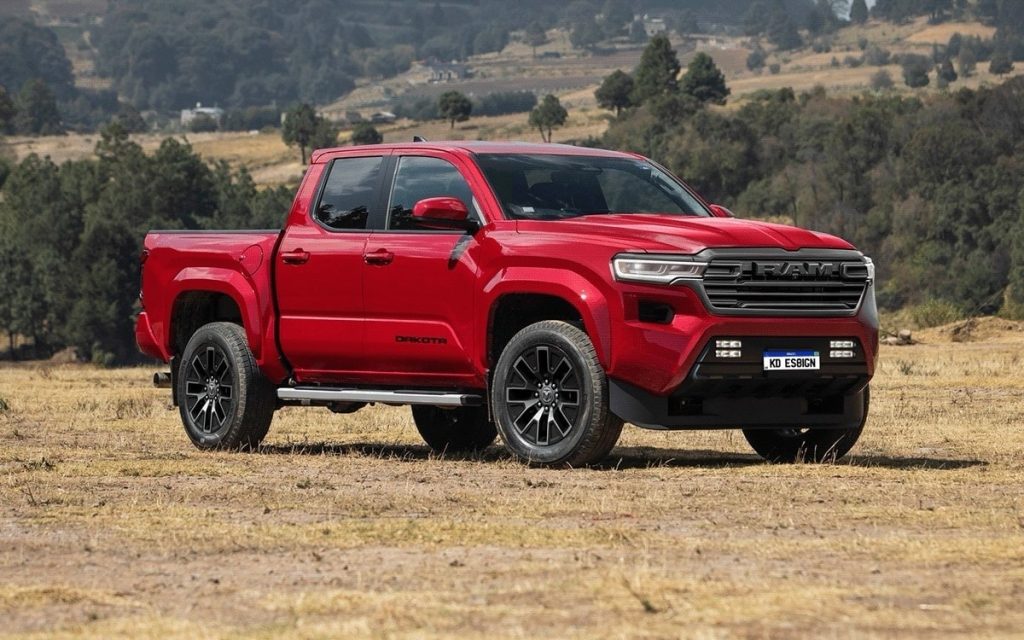
The Ram Dakota is one of the most interesting candidates for a future diesel discussion because Ram is preparing to return to the midsize pickup market. Stellantis has indicated that a Dakota is planned for North America, with reporting pointing toward 2028 production.
The truck is expected to use the Jeep Gladiator’s platform, giving it a body-on-frame foundation suited to towing, hauling, and off-road use. Ram’s broader product strategy also calls for expanding its truck lineup substantially.
The important catch is the engine. Ram has not announced a diesel powertrain for the U.S.-market Dakota. Reports currently point toward a smaller turbocharged engine, but official horsepower, torque, transmission, and fuel-economy figures have not been released. Consequently, calling the Dakota a confirmed 2028 diesel truck would be inaccurate.
There is nevertheless a reason enthusiasts keep mentioning diesel. Ram still has deep diesel expertise through its heavy-duty lineup, including the 6.7-liter Cummins inline-six. For 2027, Ram even expanded Cummins availability into the Power Wagon, where the high-output engine produces 430 horsepower and 1,075 lb-ft of torque.
That demonstrates that Ram continues to invest in diesel technology, although it does not prove that the Dakota will receive one.
For buyers hoping for a diesel midsize Ram, the Dakota is therefore a truck worth watching, not a confirmed diesel purchase.
2. Ram Rampage
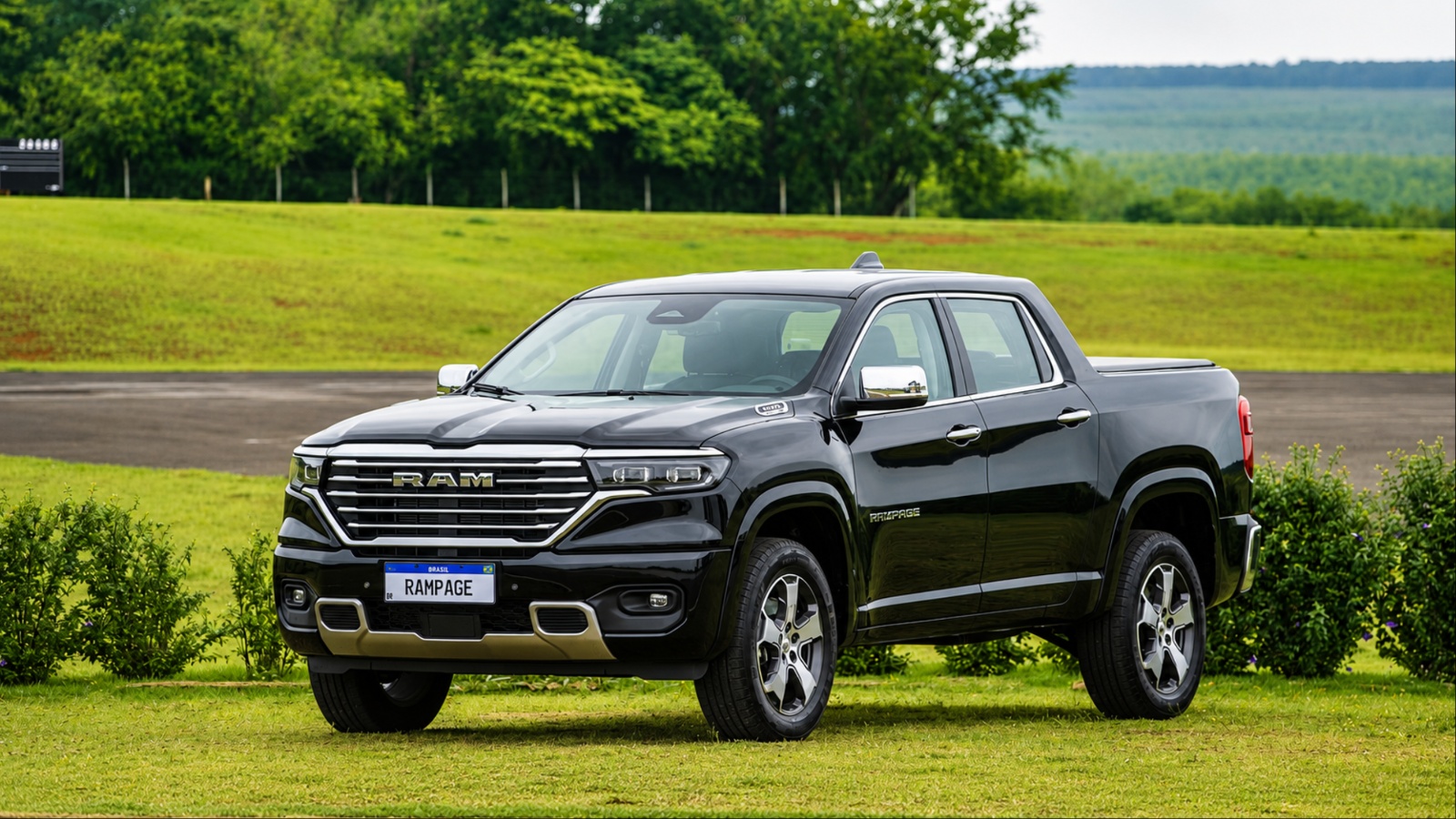
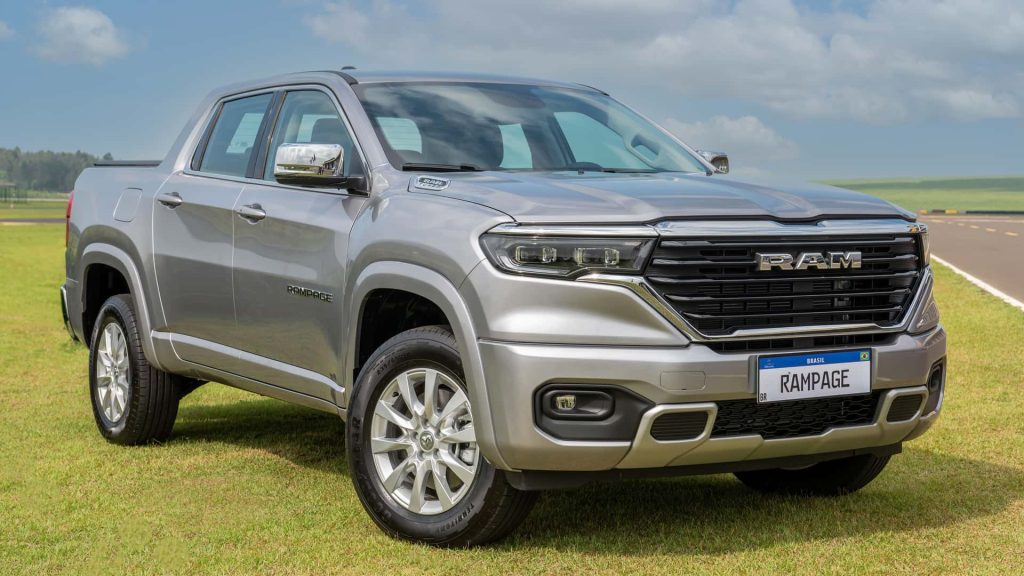
The Ram Rampage presents a much stronger diesel connection, although there is still an important geographic limitation. The compact pickup is already sold in South America with a turbocharged diesel engine, making it one of the few future U.S. truck candidates with an actual diesel powertrain behind its name rather than pure speculation.
The South American Rampage is offered with a 2.2-liter turbo-diesel producing approximately 197 horsepower and 332 lb-ft of torque. It is paired with a nine-speed automatic transmission and four-wheel drive. The same truck is also offered with a turbocharged gasoline engine.
That sounds promising for American diesel enthusiasts, but there is a major qualification: Ram has not confirmed the U.S. Rampage’s powertrain lineup. MotorTrend specifically reports that the 2.2-liter diesel is available in South America but considers a diesel version less likely for North America.
Ram’s North American product plans do confirm a compact pickup, but they do not establish that American customers will receive the diesel engine.
That distinction could become especially important because U.S. emissions and certification requirements can force significant changes between global and American versions. A powertrain that works in Brazil cannot simply be assumed to arrive in the United States unchanged.
Among the trucks that could potentially reach the U.S. market for 2028, the Rampage stands out because it already offers a diesel powertrain that could serve as a possible foundation. For now, though, that diesel remains speculative since Ram has not confirmed the specifications or available engines for the American market.
3. Ford F-150
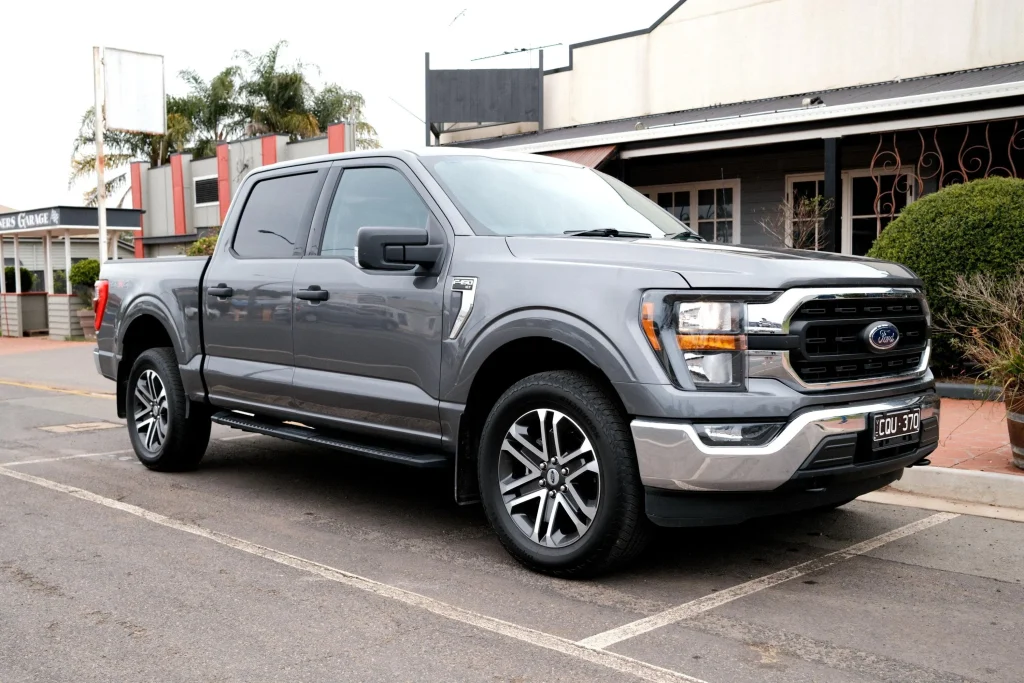
The Ford F-150 is an obvious name whenever future diesel pickups are discussed, largely because Ford already has extensive diesel experience in the F-Series. The current F-150 lineup, however, does not offer a diesel engine.
Ford discontinued the 3.0-liter Power Stroke diesel from the F-150 after the 2021 model year, leaving gasoline and hybrid powertrains in the current lineup.
The next-generation F-150 is expected to arrive around the 2028 model year. Reports indicate that Ford has pushed the redesigned truck’s production timing toward 2028, making it one of the most important upcoming changes in America’s best-known pickup family.
That does not mean a diesel is confirmed. Ford has not announced a 2028 F-150 diesel, and there is no verified factory specification showing that the Power Stroke name will return to the half-ton truck.
The historical connection is nevertheless significant. Ford previously offered a 3.0-liter Power Stroke V6 in the F-150, producing 250 horsepower and 440 lb-ft of torque. That engine demonstrated that a modern diesel could be packaged into a half-ton pickup, but it was ultimately removed from the lineup.
For 2028, the more defensible prediction is that Ford will concentrate on its updated gasoline, hybrid, and electrified technologies unless the company announces a new diesel program. Calling the F-150 a confirmed 2028 diesel would therefore go beyond the available evidence.
For readers shopping for a future diesel F-150, the key development to watch is Ford’s official powertrain announcement rather than social media speculation.
4. Ford Ranger
The Ford Ranger is another truck that frequently appears in discussions about a possible diesel return, particularly because Ford sells diesel-powered Rangers in several international markets. The American Ranger is different, though.
The current U.S. truck uses a 2.3-liter EcoBoost gasoline four-cylinder, while the high-performance Ranger Raptor uses a twin-turbocharged 3.0-liter EcoBoost V6.
There is also a significant 2028 development on the horizon. Ford is preparing a Ranger Tremor for the U.S. market, with the new off-road-oriented model expected to arrive by 2028. Recent testing has revealed hardware, including upgraded suspension components, all-terrain tires, and additional off-road equipment.
But none of that establishes a diesel engine. Ford’s international Ranger lineup has historically included diesel engines, which explains why enthusiasts continue to speculate about a diesel version returning to North America. The American market, however, has not received an official announcement confirming a diesel Ranger for 2028.
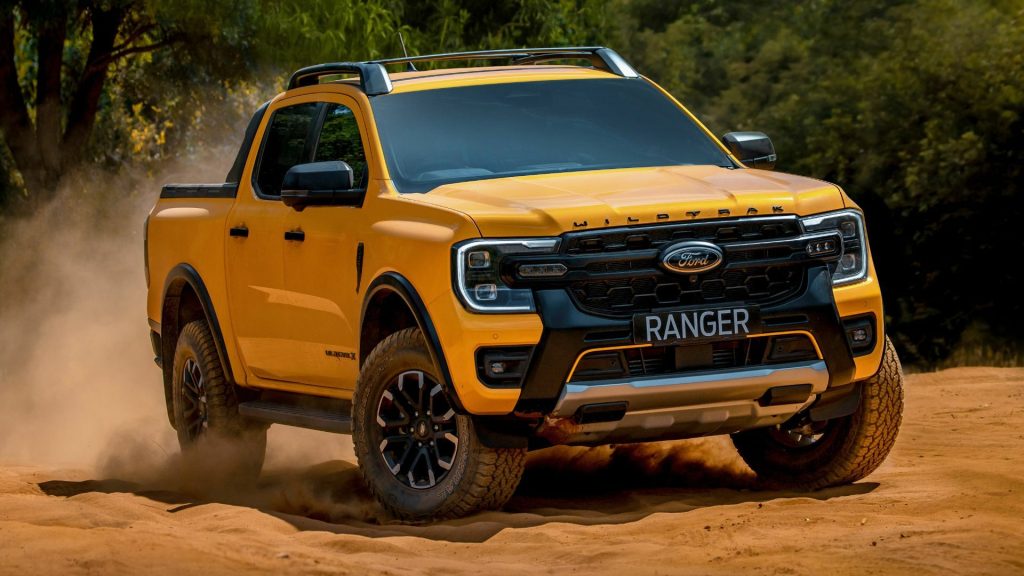
That makes the Ranger an interesting candidate, but not a verified member of an eight-truck diesel rollout. The distinction becomes even more important because emissions certification, fuel-system calibration, and after-treatment requirements can make a diesel powertrain substantially different between markets.
The Ranger’s future is certainly active, with Ford expanding its U.S. lineup and developing additional variants. Yet until Ford publishes a U.S. powertrain announcement, buyers should treat claims about a 2028 diesel Ranger as unconfirmed.
5. Chevrolet Silverado 1500
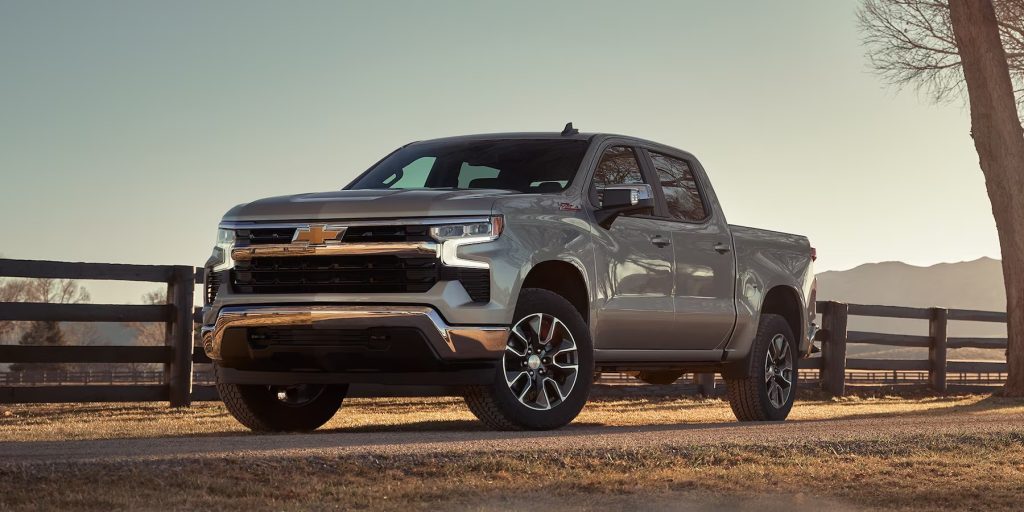
The Chevrolet Silverado 1500 is one of the strongest diesel candidates in this list because General Motors is clearly continuing with diesel power in its half-ton truck family.
The current 3.0-liter Duramax turbo-diesel inline-six produces 305 horsepower and 495 lb-ft of torque, giving the Silverado a combination of strong low-speed pulling power and highway efficiency that has kept diesel relevant in the light-duty segment.
The next-generation Silverado 1500 arrives for the 2027 model year, so it will remain an important part of Chevrolet’s lineup going into 2028. Recent reporting indicates that GM is retaining the 3.0-liter Duramax for the new generation, with the engine reportedly expected to maintain its current 305-hp and 495-lb-ft ratings.
That makes the Silverado different from several other trucks discussed here. There is actual evidence of a continuing U.S. diesel program rather than simply an international diesel model or an unverified rumor.
Still, the title requires an important qualification. The available evidence supports the Silverado having a diesel option in the 2028 period, but GM has not announced an entirely new 2028 diesel engine specifically. The current Duramax is the relevant powertrain.
For buyers who tow regularly, that distinction matters. The diesel’s 495 lb-ft of torque is available at relatively low engine speeds, which suits trailer work and highway cruising. It also gives Chevrolet an important advantage over half-ton competitors that have abandoned diesel power.
The Silverado therefore belongs near the top of any fact-checked list of future diesel pickups, provided the article describes it as a continuation of GM’s diesel strategy rather than claiming an unannounced new engine.
6. GMC Sierra 1500
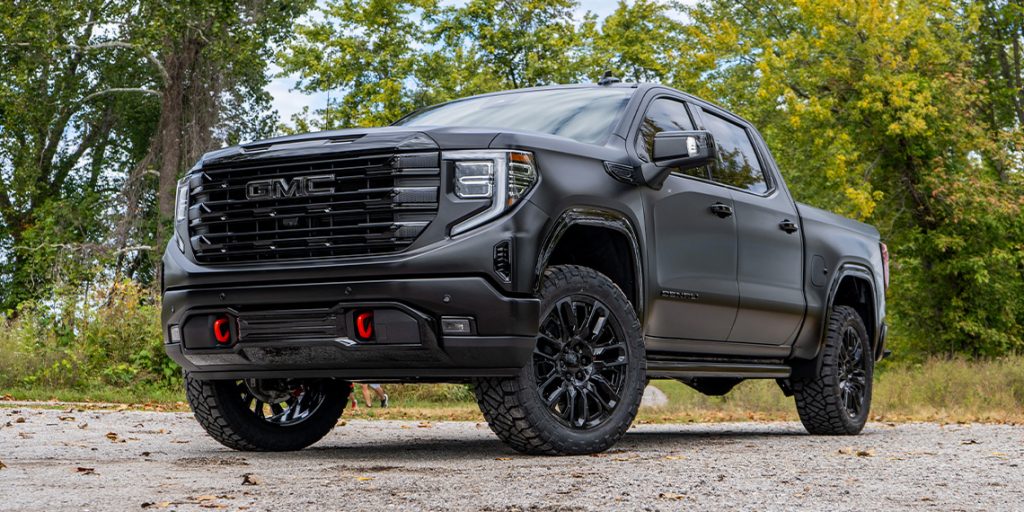
The GMC Sierra 1500 essentially shares the same diesel foundation as the Silverado, but its inclusion is justified because GMC operates it as a separate truck line with its own trims, equipment, and customer positioning. The 3.0-liter Duramax turbo-diesel inline-six is one of the defining powertrain choices in the current Sierra 1500 lineup.
For the upcoming generation, GM is continuing to place diesel technology in its half-ton trucks. Reporting on the next-generation 2027 Sierra indicates that the 3.0-liter Duramax is expected to remain available and retain its current output of 305 horsepower and 495 lb-ft of torque.
That makes the Sierra one of the more credible names for 2028 diesel availability. It is not a speculative engine transplant from another market. GM already sells the diesel in the United States, and the next-generation truck is being developed with that powertrain continuing into the new model generation.
The Sierra’s diesel also serves a strategic purpose. Ford and Ram have moved away from diesel engines in their half-ton pickups, leaving GM with a relatively unusual position. A buyer who wants diesel torque without stepping into a heavy-duty truck can therefore look toward Chevrolet or GMC.
It is worth stressing that the 2028 model year does not currently represent a confirmed all-new Duramax design. The evidence points toward the existing 3.0-liter engine continuing into the new generation. Future certification or output changes could alter the final specifications.
That makes the Sierra a much safer prediction than trucks whose diesel availability exists only in overseas markets. GM has already demonstrated that it wants diesel to remain part of its American light-duty pickup strategy, and current reporting indicates that approach will continue.
7. Ram 1500
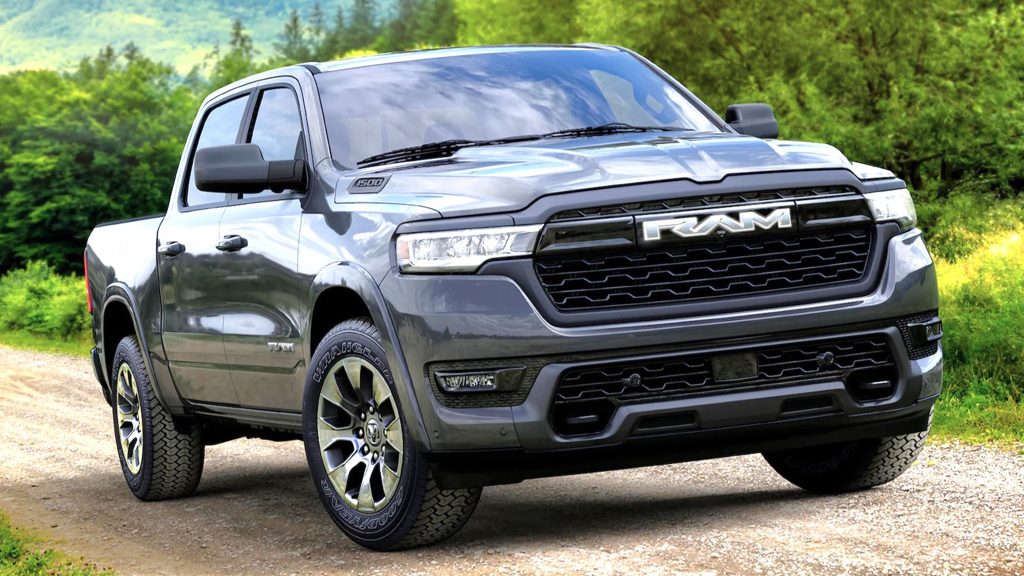
The Ram 1500 is a tempting name for any future diesel discussion, but the facts require a careful distinction. Ram ended production of the 3.0-liter EcoDiesel V6 for the Ram 1500 in January 2023. That left the Chevrolet Silverado 1500 and GMC Sierra 1500 as the remaining American half-ton pickups with factory diesel options.
However, Ram’s diesel story has changed significantly for the 2027 model year. Stellantis announced a 6.7-liter Cummins high-output turbo-diesel for the Ram 2500 Power Wagon, producing 1,075 lb-ft of torque. That is a heavy-duty application, not a return of the EcoDiesel to the Ram 1500.
This matters when discussing 2028. There is currently no verified announcement confirming that the Ram 1500 will receive a diesel engine for 2028.
The company’s decision to bring a large Cummins diesel back into the Power Wagon demonstrates that Stellantis still sees a role for diesel technology in its truck portfolio, but it does not prove a half-ton diesel is coming.
For shoppers, the distinction could prevent an expensive misunderstanding. A headline claiming that “Ram is bringing back the diesel 1500” would currently go further than the available evidence supports.
The more defensible prediction is that Ram will continue offering diesel power in its heavy-duty range while the 1500 remains focused on gasoline, hybrid, and other powertrain technologies unless Stellantis makes a new announcement.
8. Ram 2500 Power Wagon
The Ram 2500 Power Wagon is a much stronger fit for a fact-checked 2028 diesel list because its diesel availability is already officially established for the U.S. market.
Ram announced that the Power Wagon would receive the 6.7-liter Cummins High-Output turbo-diesel beginning with the 2027 model year. That means the diesel-equipped truck will already be in production as the 2028 model year approaches.
The engine produces 430 horsepower and 1,075 lb-ft of torque, numbers that put the Power Wagon firmly into heavy-duty territory. Ram also quotes nearly 20,000 pounds of towing capability and almost 3,000 pounds of payload capacity for the diesel-equipped configuration.
There is an interesting tradeoff, however. The Cummins engine is physically larger than the gasoline powertrain, and Ram cannot combine the diesel Power Wagon with the factory-installed winch.
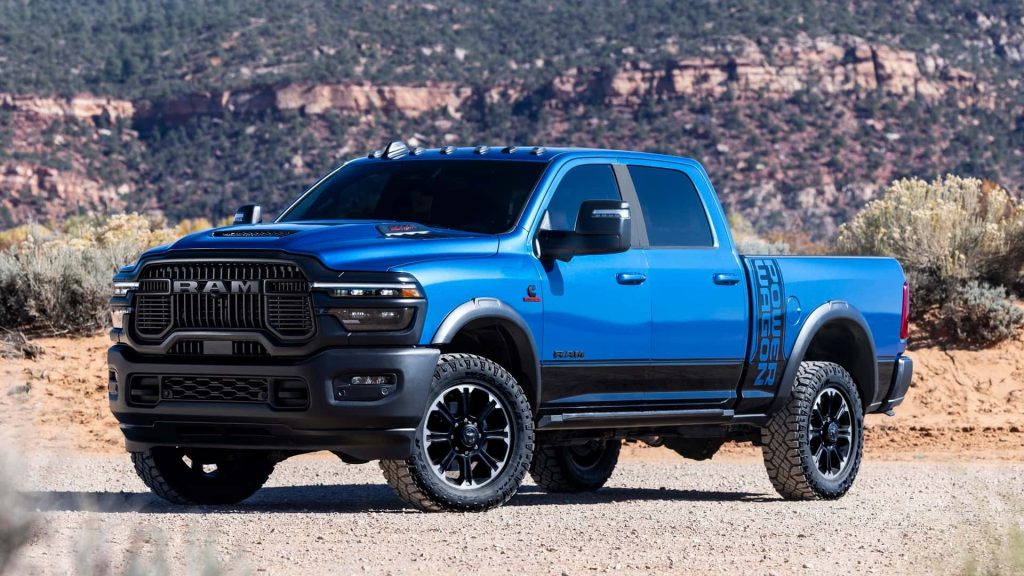
Buyers still receive the truck’s off-road hardware, including front and rear electronic-locking differentials, Bilstein shocks, underbody protection, disconnecting the front stabilizer bar, and five-link coil rear suspension.
This makes the Power Wagon a particularly interesting diesel for 2028. It is not a rumored engine, an overseas specification, or a future possibility based solely on spy photographs. The manufacturer has already confirmed the combination for the U.S. market.
For a list focused specifically on trucks gaining or retaining diesel capability around 2028, this is therefore a substantially more defensible entry than the Rampage.