
Most drivers rarely consider the origins of seatbelt laws, brake shift interlocks, or roof crush standards. Many of these rules emerged after particular vehicles revealed serious safety risks that became impossible for regulators, courts, or Congress to ignore.
Federal motor vehicle safety standards are often shaped by real-world events, including crashes, recalls, and public pressure surrounding vehicles that were already being driven by ordinary families.
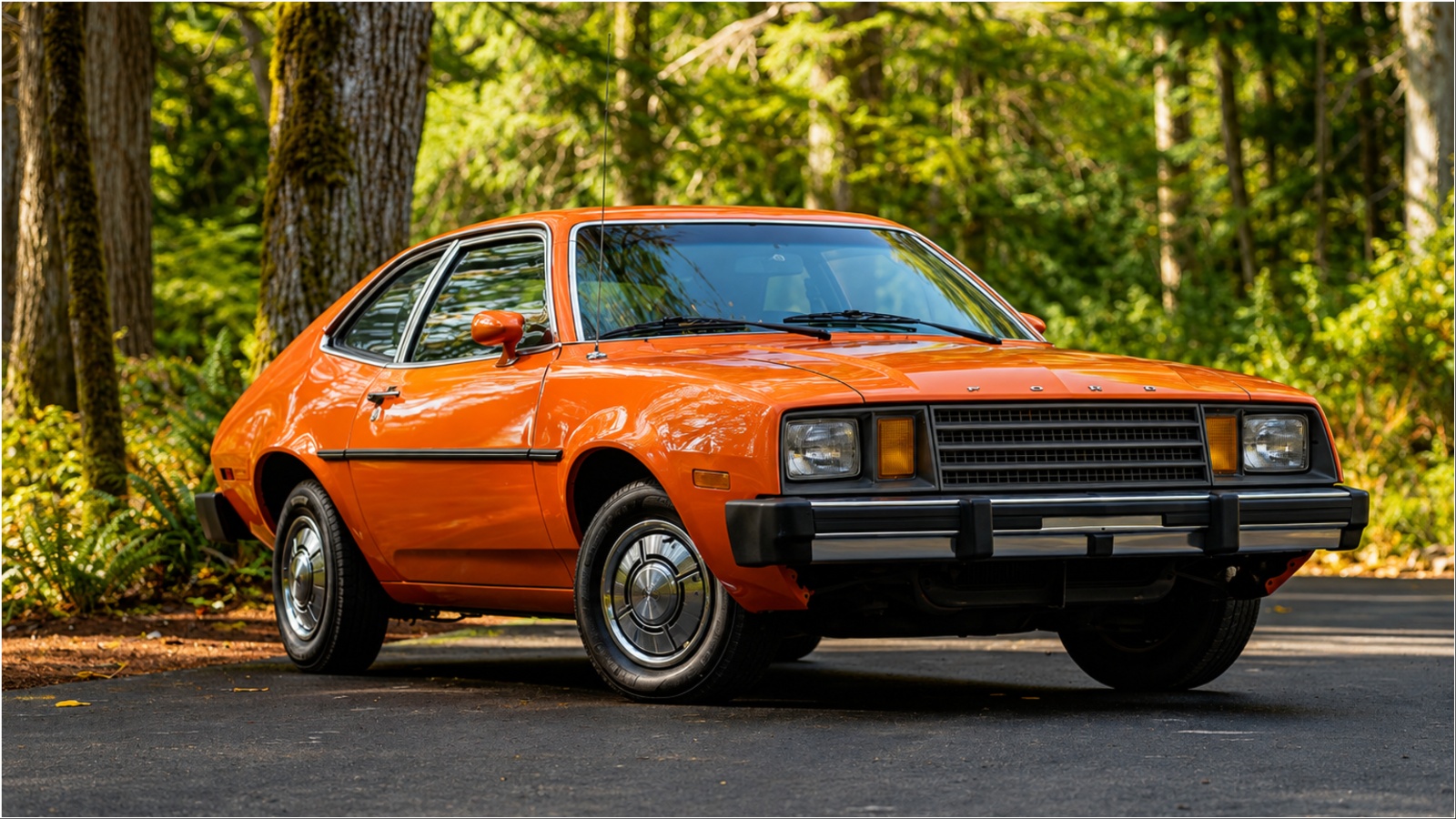
The ten vehicles below each forced a change to a federal rule, a new National Highway Traffic Safety Administration standard, or new legislation governing how NHTSA polices the industry. Some are infamous, like the Pinto and the Corvair, while others, like a Chevrolet compact with a faulty ignition switch or a Tesla sedan on Autopilot, show that this pattern hasn’t stopped. It has just changed shape.
1. Chevrolet Corvair
Before the Corvair, auto safety was almost entirely unregulated at the federal level. That changed after Ralph Nader’s 1965 book Unsafe at Any Speed devoted its opening chapter to the Corvair’s rear-engine, swing-axle suspension, which Nader argued made the car dangerously prone to spinning out or rolling over in ordinary turns.
General Motors responded by hiring private investigators to dig up compromising material on Nader, hoping to discredit him. When that surveillance campaign became public in 1966, it turned into a corporate scandal that overshadowed the underlying engineering debate and handed consumer advocates enormous political leverage.
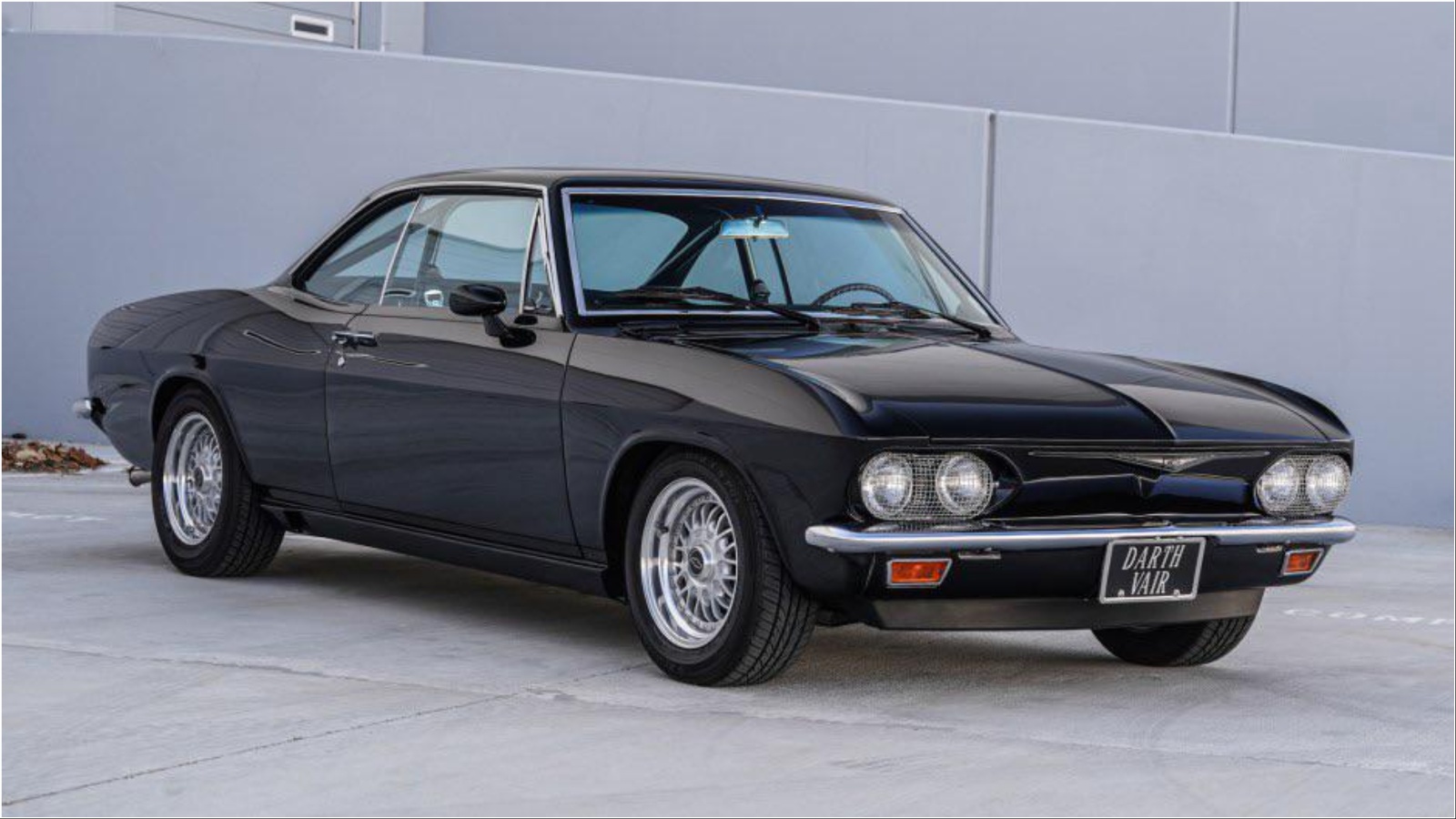
Senator Robert Kennedy chaired hearings that put GM executives on the record apologizing to Nader, and the resulting wave of public anger helped push the National Traffic and Motor Vehicle Safety Act through Congress within months. President Lyndon Johnson signed it on September 9, 1966.
The law required the federal government, for the first time, to set binding safety standards for every new car sold in the United States starting with 1968 models, and it created the agency that became NHTSA.
Seatbelts, padded dashboards, collapsible steering columns, and shatter-resistant windshields all became standard equipment far sooner than they otherwise would have. A later 1972 NHTSA study found the Corvair’s actual handling was comparable to similar cars of its era, but by then the regulatory shift the book triggered was already permanent.
2. Ford Pinto
The Pinto’s problem was well known to Ford before the car ever reached showrooms: crash tests showed its rear-mounted fuel tank could rupture in moderate-speed rear-end collisions, spilling gasoline and risking fire.
Ford’s own internal cost-benefit analysis reportedly weighed the price of a fix at a few dollars per car against the projected cost of resulting deaths and lawsuits, and concluded it was cheaper not to act. That calculation became public during litigation and turned the Pinto into a symbol of corporate indifference to safety.
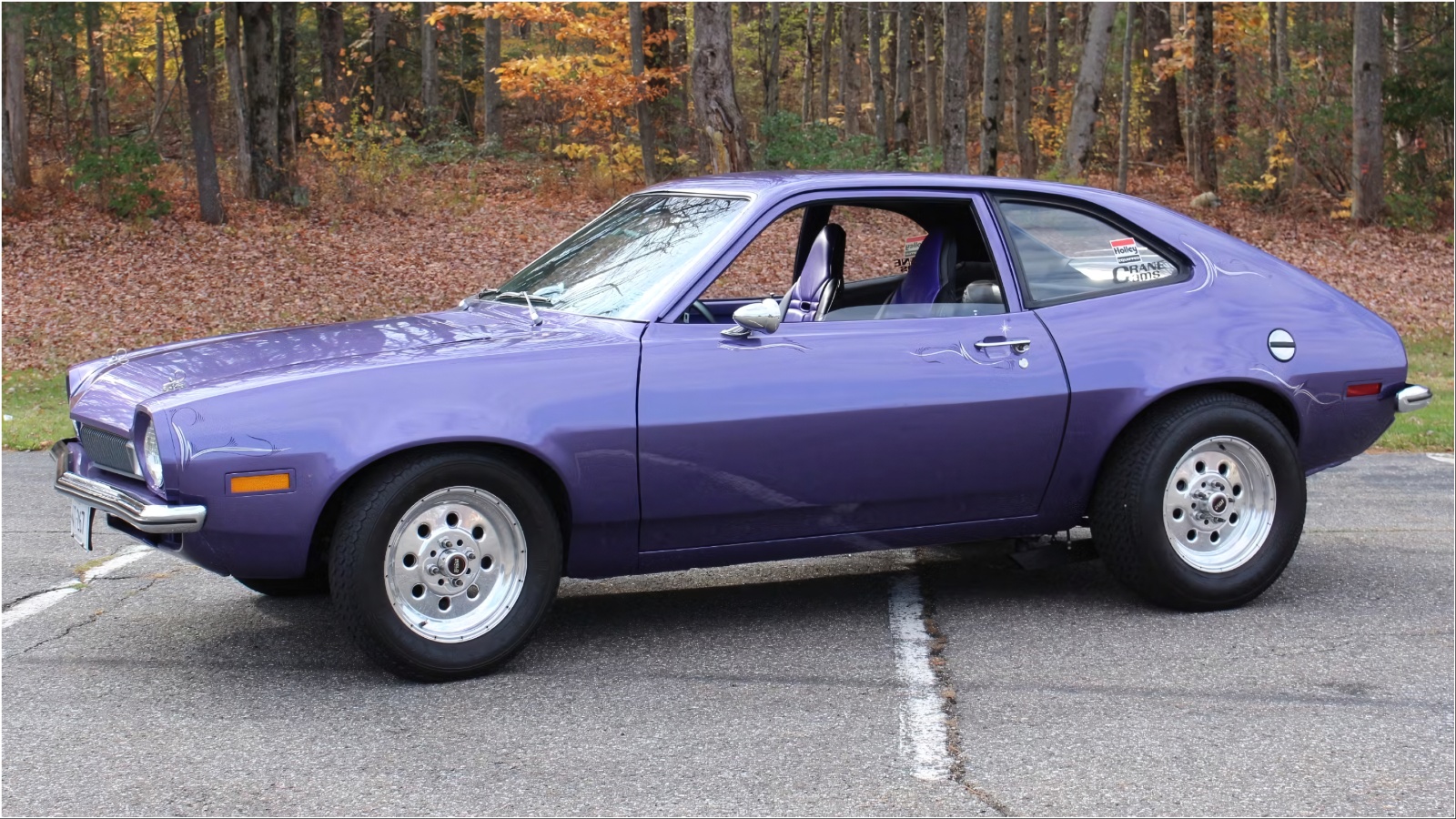
At the time, Federal Motor Vehicle Safety Standard 301 only required a 30-mph frontal barrier crash test, with no rear- or side-impact requirement at all, so Ford could accurately claim the Pinto met every applicable federal rule. Investigative journalism, a landmark punitive-damages verdict in Grimshaw v. Ford, and even a criminal reckless-homicide prosecution in Indiana kept pressure on regulators.
Ford ultimately recalled 1.5 million Pintos and Mercury Bobcats in 1978. NHTSA subsequently expanded FMVSS 301 to add 30-mph rear moving-barrier and 20-mph side moving-barrier tests, phased in through the late 1970s.
A 1983 NHTSA evaluation credited the strengthened standard with hundreds of fewer fatalities and thousands of fewer fuel-fed crash fires every year, at a modest per-vehicle cost the kind of trade-off Ford’s own memo had judged not worth making.
3. Audi 5000
Beginning in the early 1980s, Audi 5000 owners reported the car suddenly lurching forward or backward out of Park, sometimes with fatal results. A dramatic 1986 60 Minutes segment, later criticized for rigging a demonstration with a hidden air canister, turned the story into a national sensation and devastated Audi’s U.S. sales for over a decade.
NHTSA’s eventual investigation concluded the real cause was largely pedal placement: the accelerator and brake sat close enough together that drivers, especially those unfamiliar with the car, sometimes pressed the gas instead of the brake and panicked.
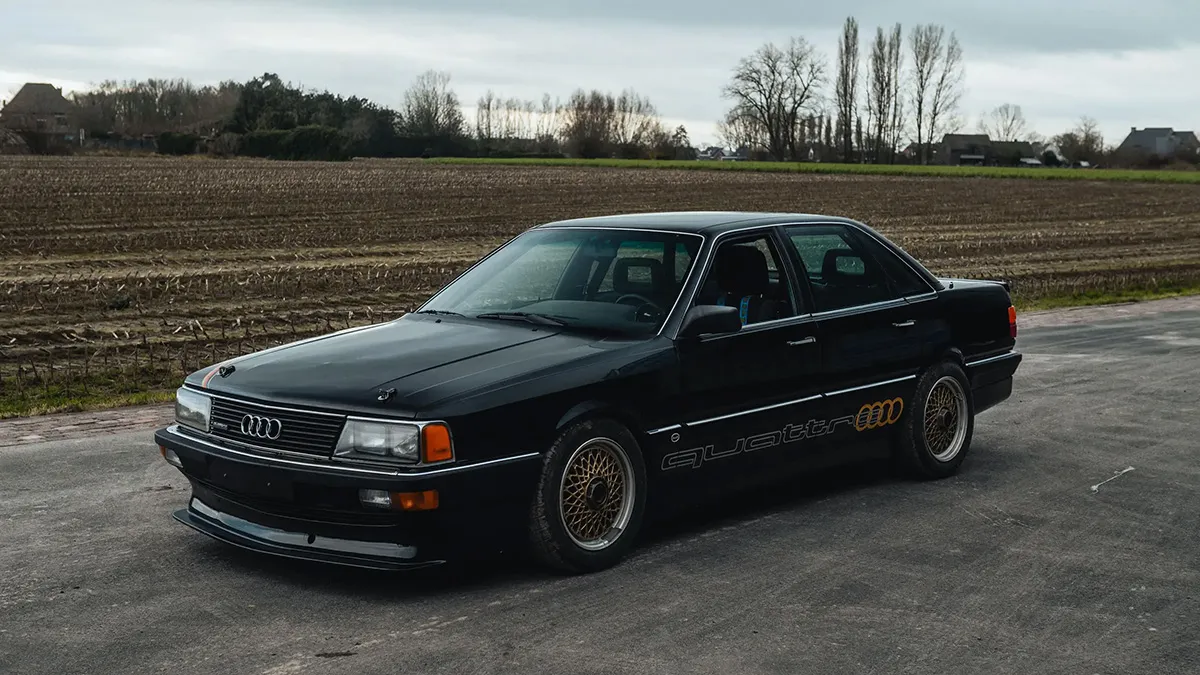
Regardless of fault, Audi issued five recalls between 1982 and 1987. The final and most consequential one retrofitted 250,000 cars with a brake-shift interlock, a mechanism requiring the driver’s foot to be on the brake before the transmission could be shifted out of Park. Other automakers, including Nissan and Chrysler, adopted similar interlocks on their own vehicles after similar complaints.
NHTSA folded shift-lock provisions into Federal Motor Vehicle Safety Standard 114 through the early 1990s, and Congress later made the brake-transmission shift interlock mandatory nationwide through the 2007 Cameron Gulbransen Kids Transportation Safety Act, which NHTSA implemented by amending FMVSS 114 to require the interlock on new vehicles starting in 2010. A once-controversial German sedan quietly reshaped how every automatic-transmission car in America shifts out of Park.
4. Jeep CJ-5
Jeep’s short-wheelbase CJ-5, with its narrow track and high center of gravity, developed a reputation through the 1970s and ’80s for tipping over during sharp turns or sudden maneuvers, generating a long string of lawsuits against American Motors.
A 1979 petition asked NHTSA to open a formal investigation into the CJ-5’s stability, and years of litigation, including the closely watched Buckholt v. AMC case, kept the vehicle’s rollover behavior in the public record even as NHTSA ultimately declined to order a recall or write a specific stability standard for it.
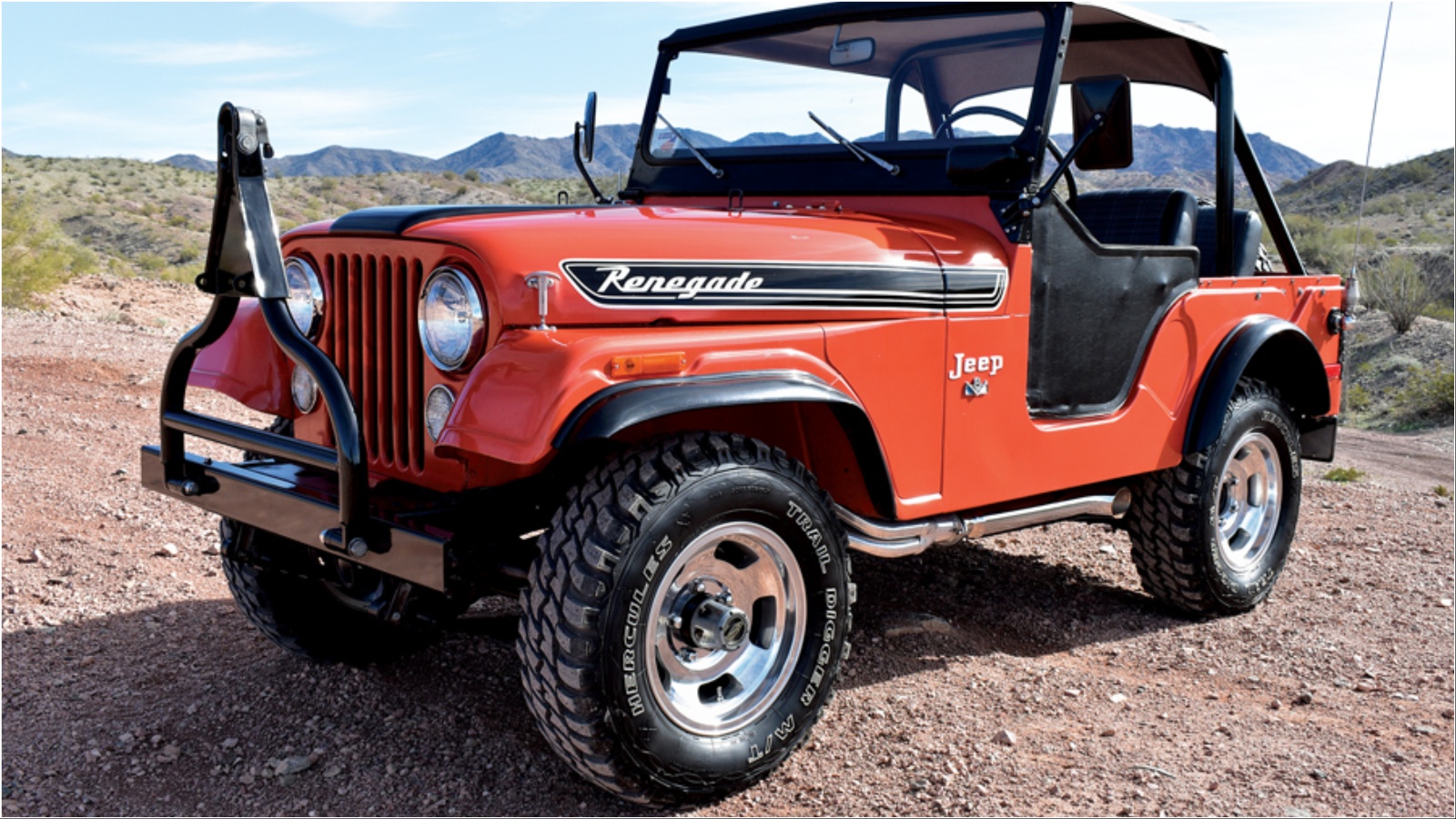
The pressure wasn’t wasted, though it took an indirect route. In 1984, NHTSA issued a Consumer Information Regulation for utility vehicles, codified at 49 CFR 575.105, requiring rollover-risk warnings and consumer information for this vehicle class, a direct response to the years of CJ-5-driven controversy.
That regulatory groundwork fed into NHTSA’s broader rollover research program. Starting with model year 2001, the agency began publishing a Static Stability Factor for every new vehicle as part of its New Car Assessment Program, and in 2004 it added a dynamic “fishhook” maneuver test, converting rollover risk into the five-star ratings shoppers still see on window stickers today.
The CJ-5 itself was gone from showrooms by the mid-1980s, but the rollover-disclosure framework it forced into existence became permanent infrastructure for every SUV that followed it.
5. Ford Bronco II
The Bronco II, Ford’s compact SUV built through the mid-to-late 1980s, combined a short wheelbase with a high center of gravity in a way that made it especially prone to rolling over during evasive maneuvers or tire blowouts.
Lawsuits following Bronco II rollovers, including cases where occupants suffered severe head and spinal injuries from roof intrusion, became part of a broader body of litigation and safety research documenting how poorly the existing federal roof-crush standard protected occupants in real-world rollovers.
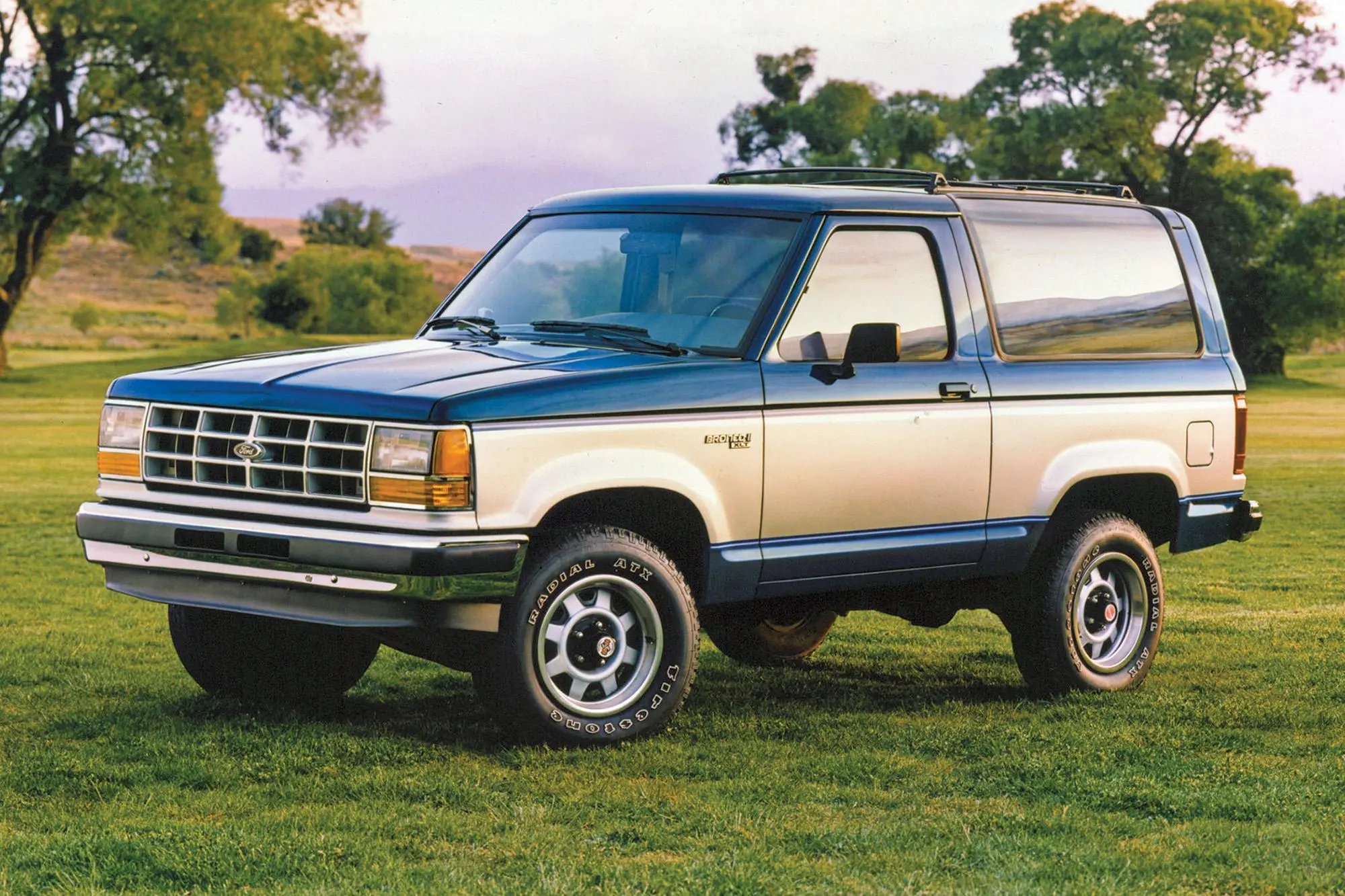
At the time, Federal Motor Vehicle Safety Standard 216 only applied to passenger cars and required a roof to withstand just 1.5 times the vehicle’s weight, tested on one side only. In 1991, spurred in part by the Bronco II record, NHTSA extended FMVSS 216 to light trucks and multipurpose vehicles for the first time.
That still left the underlying strength requirement largely unchanged for another two decades. Research published by the Insurance Institute for Highway Safety in 2008 found a strong statistical link between roof strength and injury severity, and in 2009 NHTSA finalized FMVSS 216a, doubling the required strength-to-weight ratio to 3.0, extending coverage up to vehicles weighing 10,000 pounds, and requiring both sides of the roof to pass the test rather than just one.
Full compliance was phased in through model year 2016, a rule rewritten because of the kind of vehicle the Bronco II represented.
6. Ford Explorer & Firestone Tires
Starting in the late 1990s, Firestone ATX and Wilderness AT tires mounted on Ford Explorers began experiencing tread separations at highway speed, frequently followed by rollovers. A Houston television investigation in early 2000 connected the dots between scattered complaints, and by that August, Firestone recalled 14.4 million tires.
NHTSA’s investigation ultimately tied the defect to dozens of deaths and hundreds of injuries, with the vast majority of tread-separation complaints traced to Ford’s Explorer, Ranger, and related models.
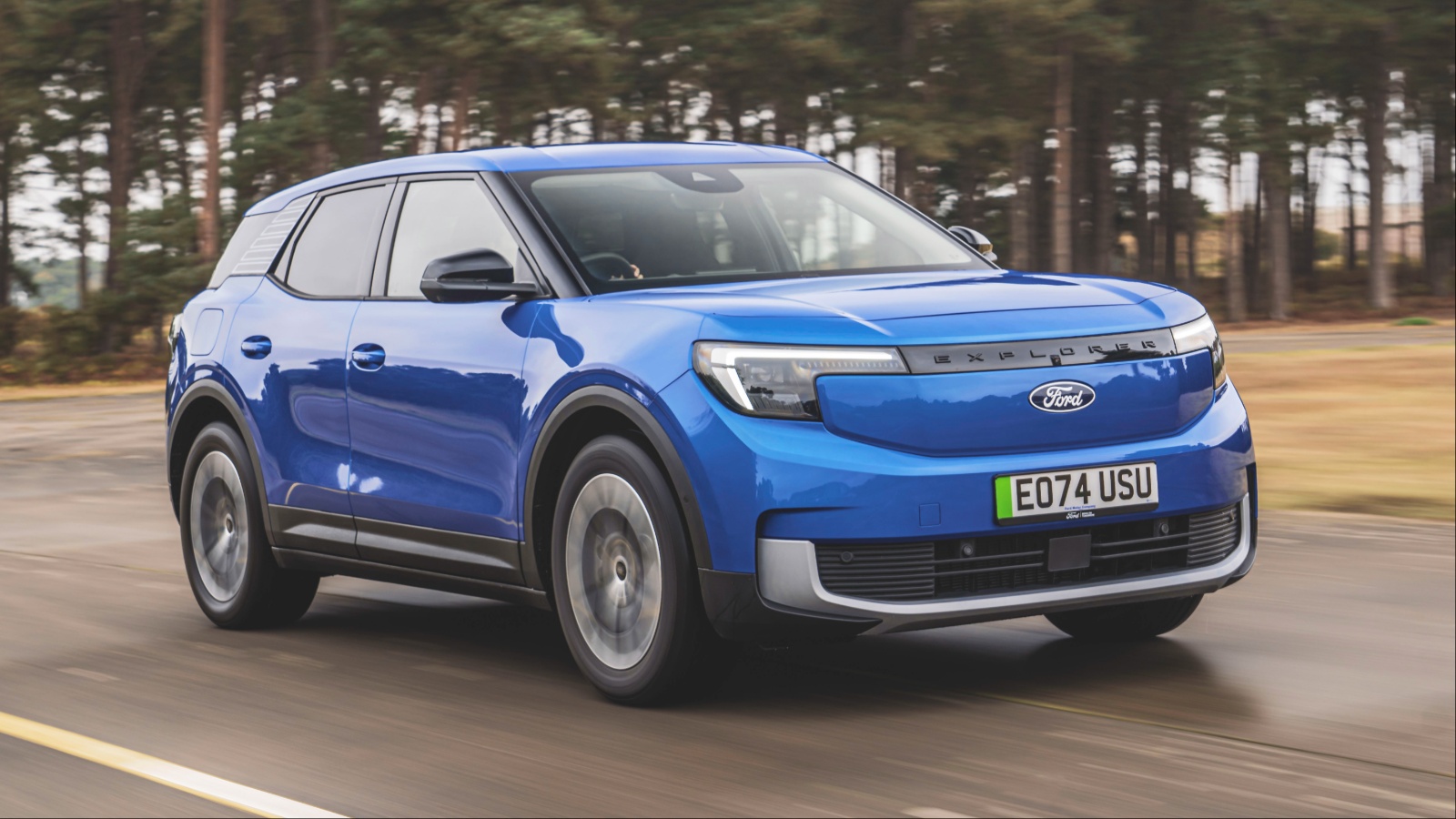
The scandal exposed how little visibility NHTSA had into safety data before crises became public. Congress responded fast: after September 2000 hearings, it passed the Transportation Recall Enhancement, Accountability and Documentation Act, the TREAD Act, in an 18-hour legislative sprint that October.
The law required automakers to report foreign recalls, warranty claims, and death or injury data to NHTSA on an ongoing basis, and it created criminal liability for manufacturers who concealed known defects that later caused death or serious injury.
TREAD also directed NHTSA to require tire pressure monitoring systems, a mandate finalized as FMVSS 138 and phased in on new vehicles between 2007 and 2008. A tire failure on America’s best-selling SUV rewrote both how automakers report problems and what warning lights are required inside every car sold today.
7. Chevrolet Cobalt
GM engineers first documented a defective ignition switch in the Chevrolet Cobalt and related models around 2004: a switch that could slip out of the Run position from an overloaded keychain or a bump of the driver’s knee, cutting power to the engine, power steering, and critically the airbags.
GM knew about the problem for roughly a decade, examined a fix, and rejected it as too costly before finally recalling 2.6 million vehicles in February 2014, by which point the company linked the defect to at least a dozen deaths.
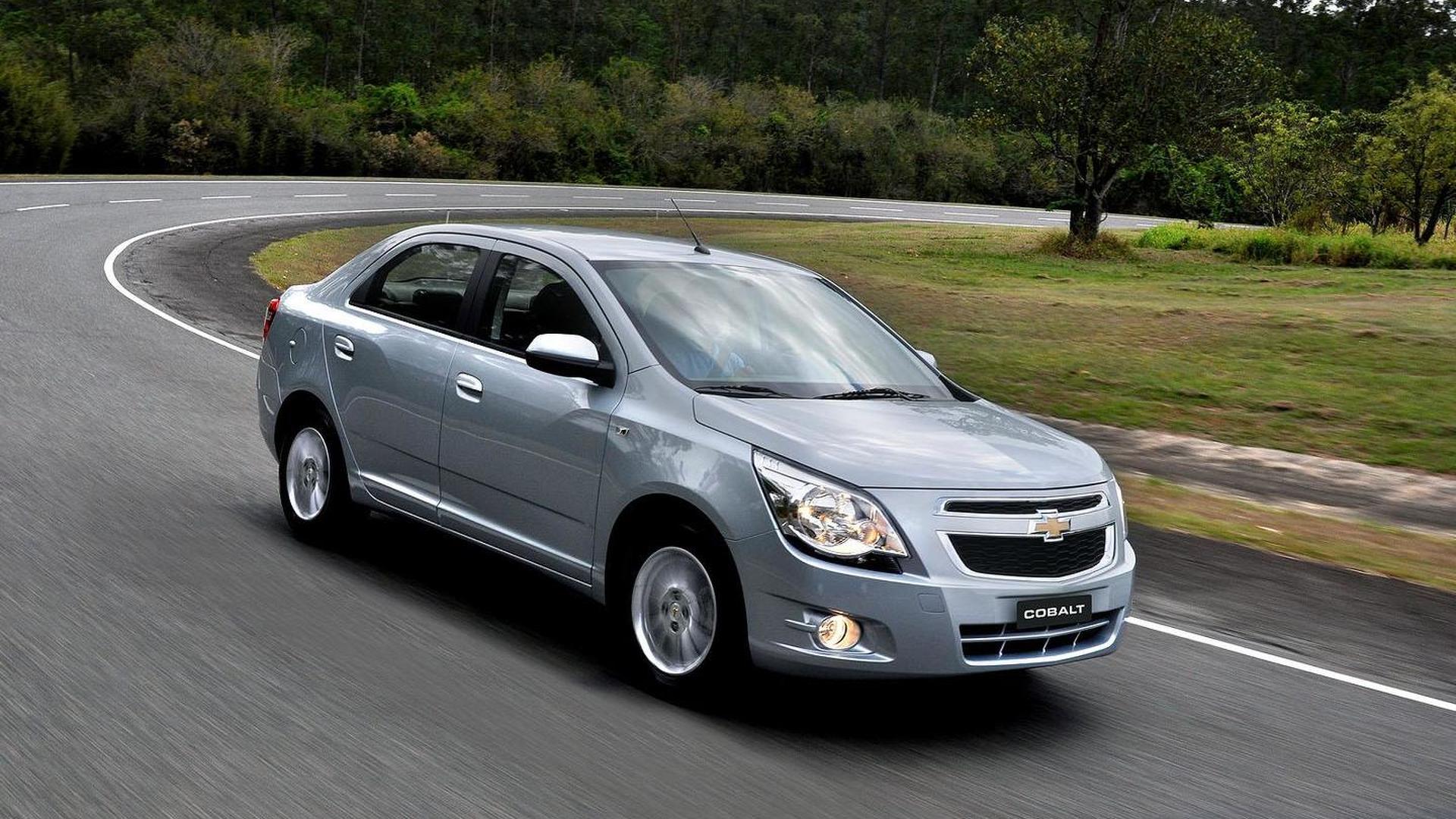
NHTSA also faced criticism for its role in the case. The agency had examined related complaints in 2007 and again in 2010 but did not launch a formal defect investigation. In May 2014, GM agreed to a $35 million civil penalty, which was the maximum allowed under federal law at the time and the largest fine NHTSA had ever imposed.
The agreement also required GM to make internal changes to its process for identifying and addressing safety defects. Transportation Secretary Anthony Foxx then called on Congress to increase the penalty limit.
In December 2015, the FAST Act tripled NHTSA’s maximum civil penalty from $35 million to $105 million, required manufacturers to keep safety records for longer periods, and established a reward program for employees who report safety violations.
8. Toyota Camry & Lexus ES350
A 2009 crash near San Diego, in which a Lexus ES350 accelerated uncontrollably and killed all four occupants, including an off-duty highway patrol officer, became the catalyst for the largest safety crisis in Toyota’s history. The 911 call from inside the car, in which passengers described being unable to stop the vehicle, was publicly released and turned isolated complaints into a national story almost overnight.
Toyota ultimately recalled roughly 10 million vehicles worldwide across 2009 and 2010 for floor mats that could trap the accelerator pedal and for pedals prone to sticking.
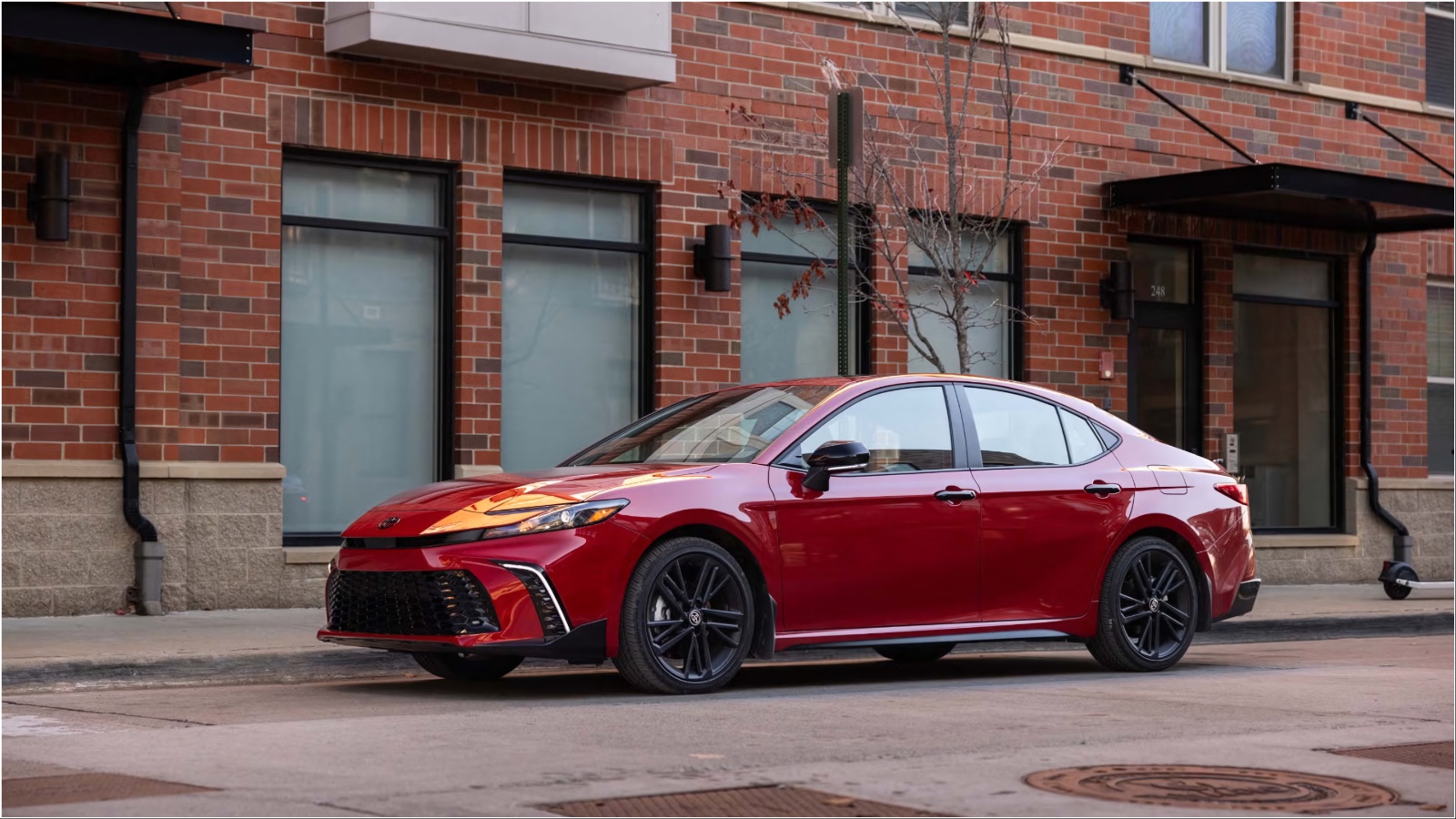
Under pressure from NHTSA, Toyota agreed to add brake override, sometimes called “smart pedal” technology, to vehicles with keyless ignition, so that pressing the brake automatically cuts engine power even if the accelerator stays depressed. NHTSA separately imposed a series of civil penalties on Toyota for delayed reporting, and the company later paid a $1.2 billion criminal fine to the Justice Department for misleading regulators and the public.
The episode also accelerated a rule NHTSA had been developing for years: a mandatory Event Data Recorder standard, finalized under 49 CFR Part 563, requiring most new vehicles to capture crash data such as speed, braking, and pedal position in the moments before a collision data that later helped NHTSA and NASA conclude most reported incidents involved pedal misapplication rather than an electronic defect.
9. Honda Civic & Accord
Takata supplied airbag inflators using ammonium nitrate, a compound chosen because it was cheap and compact but that could destabilize over years of exposure to heat and humidity. When it did, the inflator could explode with excessive force, sending metal shrapnel into the passenger cabin instead of simply inflating a cushion.
Honda, Takata’s largest customer and closest supplier relationship, absorbed the bulk of the earliest documented ruptures in Honda Civic and Accord models from the early 2000s, with recalls beginning as isolated regional actions in 2008.
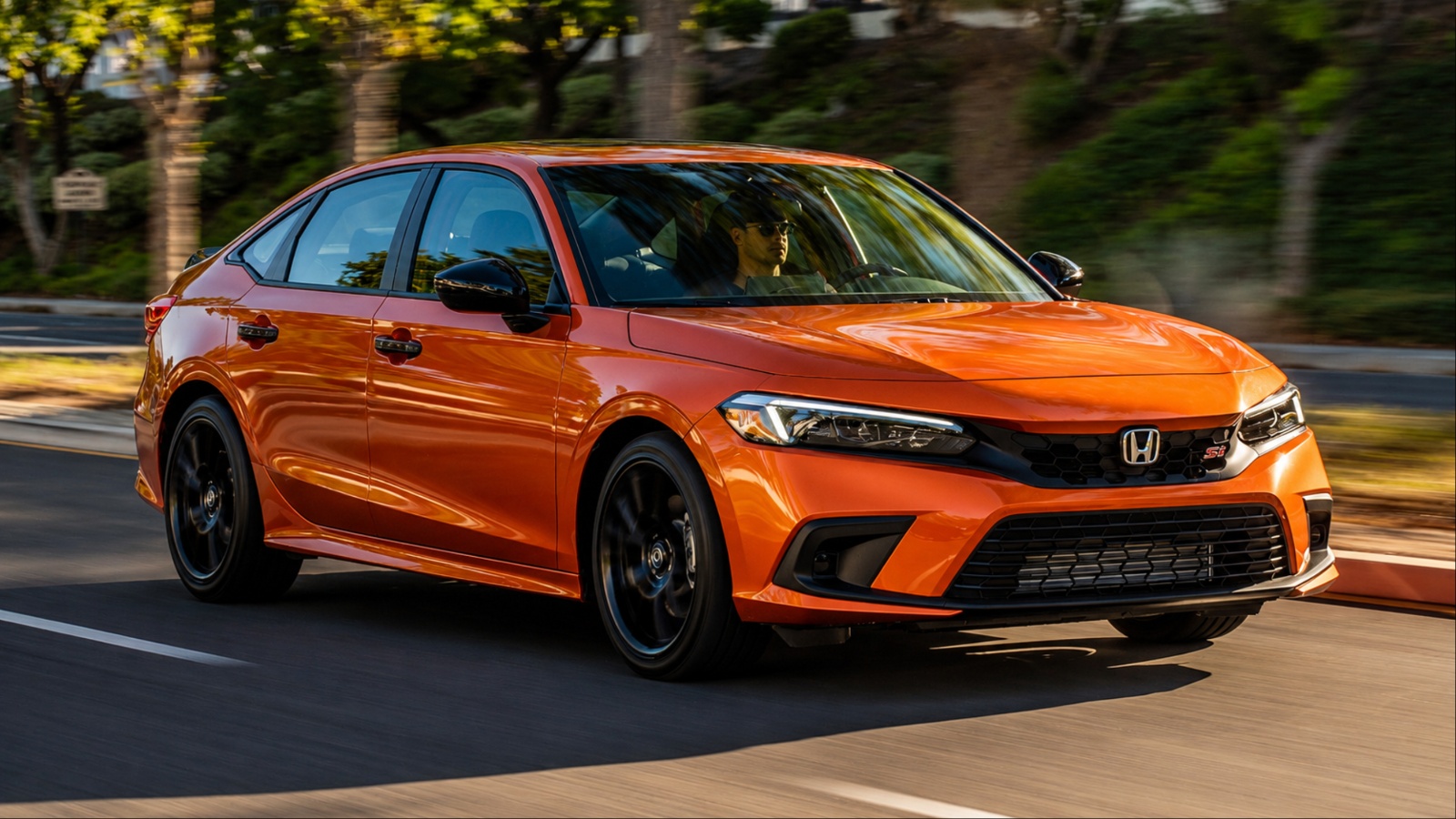
What looked like a narrow, Honda-specific problem turned out to be systemic. By the time NHTSA fully understood the scope, the recall had grown to cover roughly 67 million airbag inflators across 19 automakers, the largest and most complex automotive recall in U.S. history, linked to dozens of deaths and hundreds of injuries worldwide.
In November 2015, NHTSA hit Takata with a record civil penalty of up to $200 million and forced the company to phase out ammonium-nitrate inflators entirely; Takata filed for bankruptcy less than two years later.
The crisis pushed NHTSA toward far more aggressive, industry-wide defect investigations and tougher inflator performance requirements, and it left “check for a Takata recall” a standard piece of used-car buying advice for an entire generation of vehicles.
10. Tesla Model S
Tesla’s Autopilot system, which became widely available with the Model S, was one of the first partially automated driving technologies offered to everyday consumers. It soon attracted attention from NHTSA following several serious crashes, including fatal incidents where drivers appeared to place too much trust in a system designed as a driver assistance feature rather than a fully automated driving system.
Since these incidents involved relatively new technology that lacked a dedicated federal reporting category, NHTSA faced difficulties gathering timely and consistent information. In many cases, the agency had to depend on news reports or voluntary disclosures from automakers instead of receiving data through a standardized reporting system.
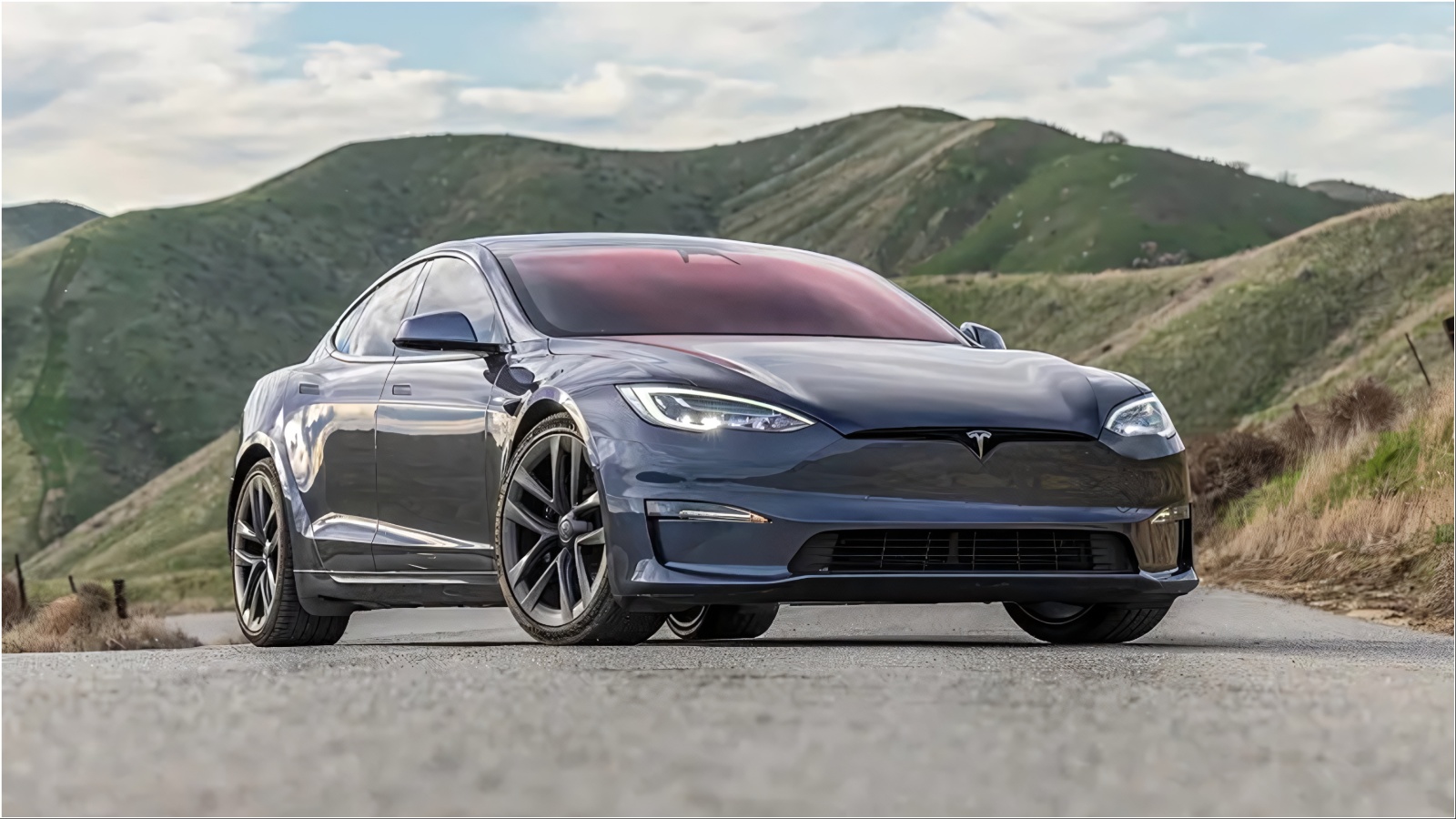
NHTSA closed that gap in June 2021 with Standing General Order 2021-01, which requires any manufacturer or operator of a vehicle equipped with an SAE Level 2 advanced driver-assistance system, or a Level 3-through-5 automated driving system, to report qualifying crashes. Serious incidents must be reported within one day of the company learning of them, with follow-up updates required afterward.
The order has been amended several times since 2021 to sharpen its reporting criteria. Tesla, given how widely Autopilot and Full Self-Driving are deployed, consistently accounts for the largest share of crashes reported under the rule, and that same dataset has fed multiple subsequent NHTSA defect investigations a regulatory feedback loop that essentially did not exist before one company put a semi-autonomous sedan on American roads at scale.
