
Few things reveal a car’s true character like a stretch of cracked, pothole-riddled pavement. Horsepower and styling grab headlines, but it’s the suspension tuning, seat design, and sound insulation that decide whether a daily commute feels like a chore or a relief. On rough roads, the gap between a stiffly sprung sports sedan and a purpose-built cruiser becomes impossible to ignore.
This list ranks ten vehicles renowned for isolating occupants from harsh pavement, from ultra-luxury flagships with active air suspension to more attainable sedans and SUVs that punch above their price tag in ride quality. Each one earns its spot through long-travel suspension, sophisticated damping, or decades of engineering focused squarely on comfort over cornering sharpness.
1. Rolls-Royce Phantom
The Phantom remains the benchmark against which every other car’s ride quality is measured, and for good reason. Its “Planar Suspension System” uses a camera that scans the road ahead and adjusts damping in real time, decoupling the front suspension from body movement so the cabin stays eerily level even over broken tarmac.
The Phantom pairs a double wishbone front suspension with a multi-link rear setup, both carefully tuned to prioritize comfort and isolation. This allows the suspension to absorb much of the road’s imperfections before they reach the cabin.
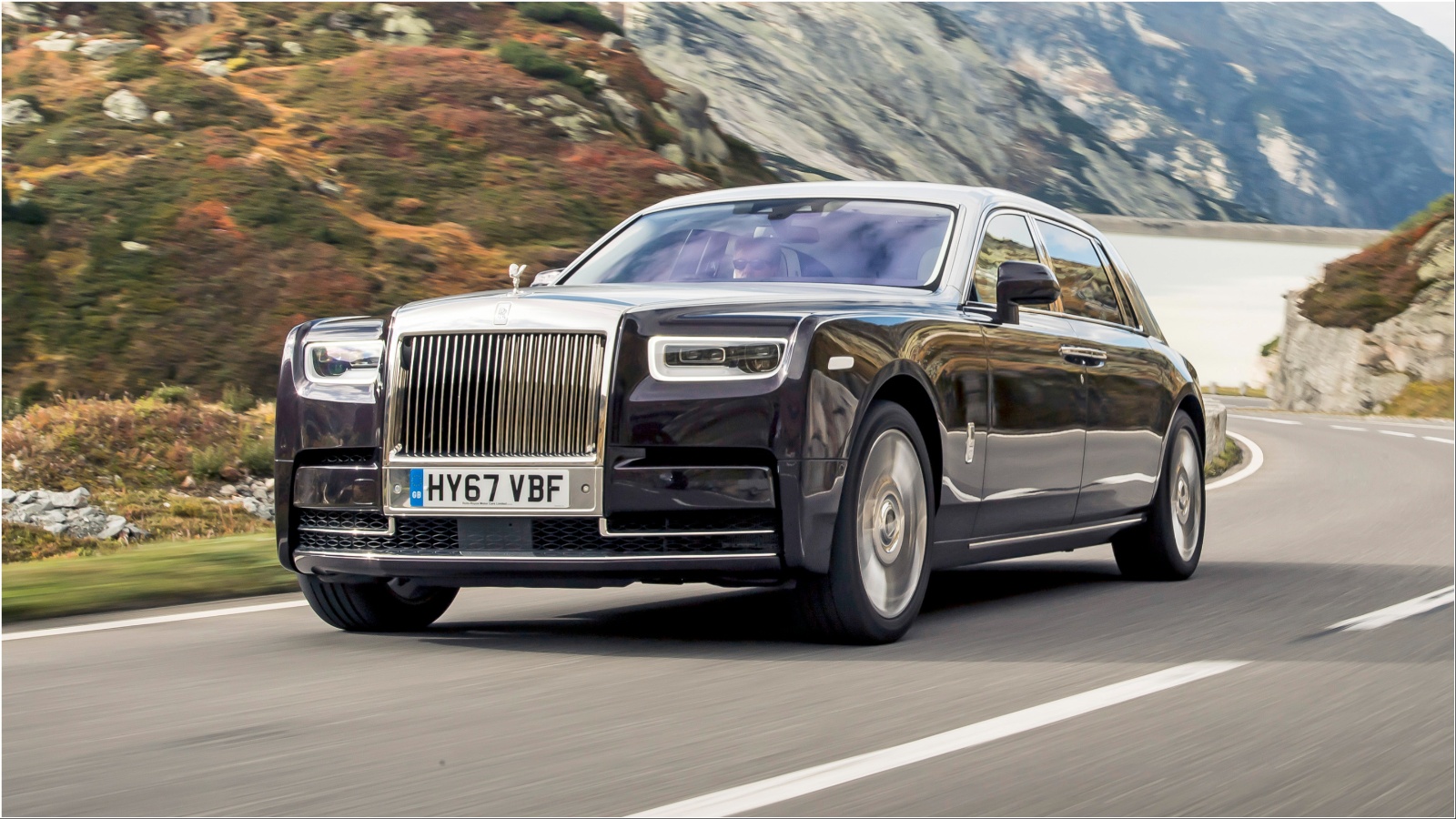
Rolls-Royce engineers have long described their goal as creating a “magic carpet ride,” and the Phantom delivers remarkably close to that ideal. Road joints, potholes, and uneven surfaces that might unsettle other cars are often barely noticeable to passengers.
Sound deadening adds another 130 pounds of insulation to keep the cabin library-quiet even at speed. The massive wheelbase and long overhangs also help by smoothing out pitch motions that shorter cars can’t avoid.
The Phantom makes no attempt to hide its size, with a curb weight exceeding 5,700 pounds. Yet that substantial weight works alongside its continuously self-leveling air suspension to create a smooth and composed ride instead of a bouncy one. Owners often say that rough roads become easy to ignore, which captures the fundamental purpose of the Phantom.
2. Mercedes-Benz S-Class
The S-Class has spent generations refining what “luxury ride” means, and the current model’s E-Active Body Control air suspension is its most advanced expression yet. Using a forward-facing stereo camera, the system reads the road surface and pre-adjusts each wheel’s damping individually, so a pothole on the right side doesn’t unsettle the left.
The result is a cabin that stays remarkably flat and composed over expansion joints, patched asphalt, and speed bumps alike. Mercedes engineers tune the S-Class to soak up high-frequency chatter from rough pavement while still controlling body roll, a balancing act few rivals manage as gracefully.
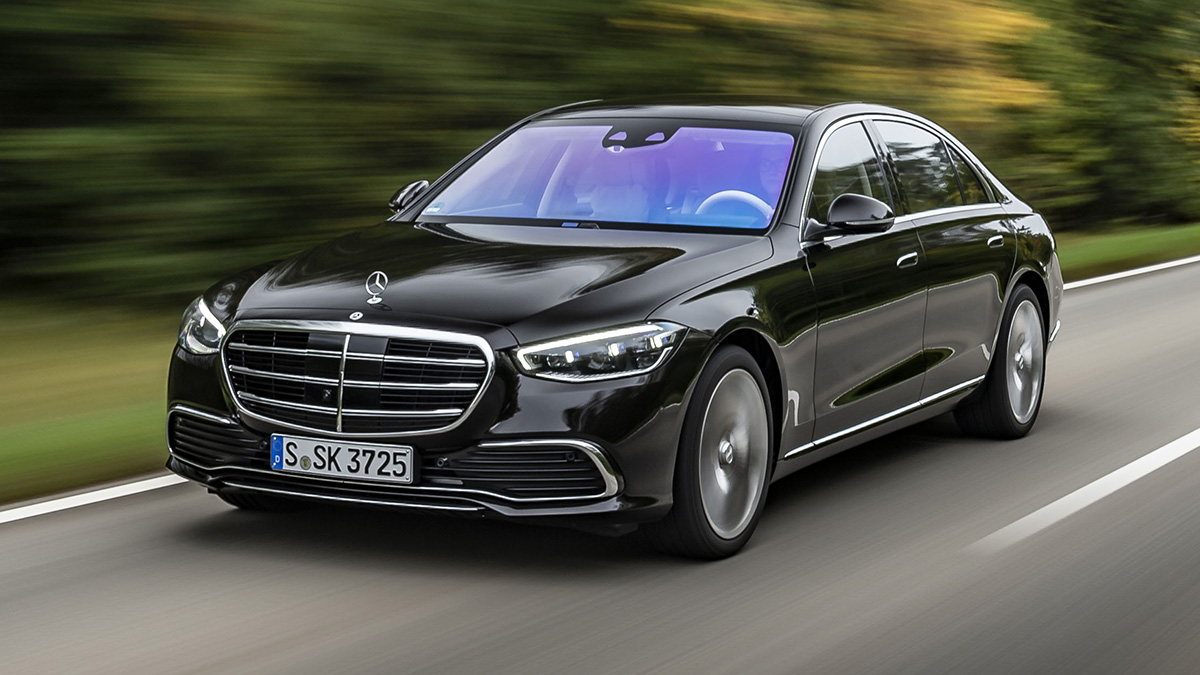
Standard air springs with continuously variable damping replace steel springs entirely, allowing the ride height and firmness to adapt to load and road conditions automatically. Thick door seals, laminated glass, and extensive underbody cladding also cut down on the noise and vibration that often accompany rough roads, so the ride feels smoother than it even measures.
Rear passengers benefit most, with a wheelbase long enough to minimize pitching motion. Consumer Reports and other independent testers have repeatedly rated the S-Class among the best-riding cars they’ve ever tested, bumps and ruts disappearing beneath it as if the road had been freshly paved.
3. Lincoln Navigator
American luxury has long prized a soft, wafting ride, and the Navigator carries that tradition into the modern SUV era. Its independent rear suspension and standard adaptive air springs let the big three-row SUV soak up potholes and frost heaves that would send a solid-axle truck bouncing.
Lincoln’s “Perfect Position” seats work alongside the suspension, with extra cushioning and multiple massage settings that further blunt the impact of rough pavement. The Navigator’s sheer size and long wheelbase help too, spreading the shock of a bump across more of the chassis before it reaches occupants.
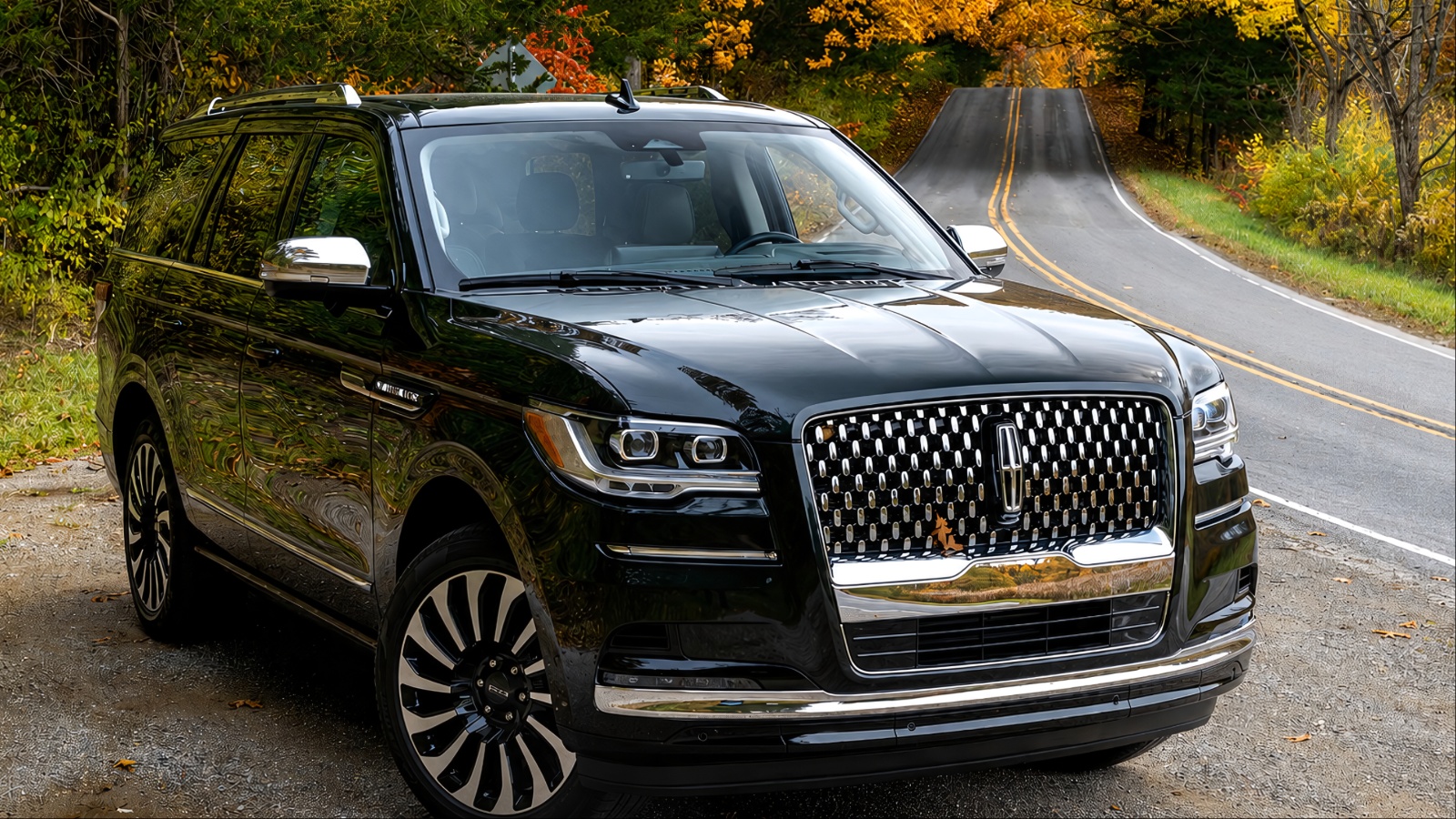
Adaptive dampers continuously read road inputs and stiffen or soften in milliseconds, keeping the body controlled without transmitting harshness into the cabin. Lincoln also tunes the Navigator’s steering and throttle response to feel relaxed rather than eager, reinforcing the sense that this is a vehicle built for wafting down broken roads rather than attacking them.
Excellent noise insulation, including acoustic glass, means rough pavement sounds distant even when the suspension is working hard beneath you. For buyers who want three-row practicality without sacrificing the cushioned feel of a traditional luxury barge, the Navigator remains one of the softest-riding SUVs sold in America today.
4. Cadillac Escalade
The Escalade pairs Magnetic Ride Control magnetorheological dampers that change viscosity thousands of times per second with an available air suspension, giving it one of the most sophisticated ride setups of any full-size SUV.
That combination lets the Escalade read the road almost instantaneously, softening for a pothole and firming up just as quickly to prevent excessive body float afterward. Despite its size and weight, the big Cadillac rarely feels crashy over rough surfaces; instead, impacts arrive muted and rounded off rather than sharp.
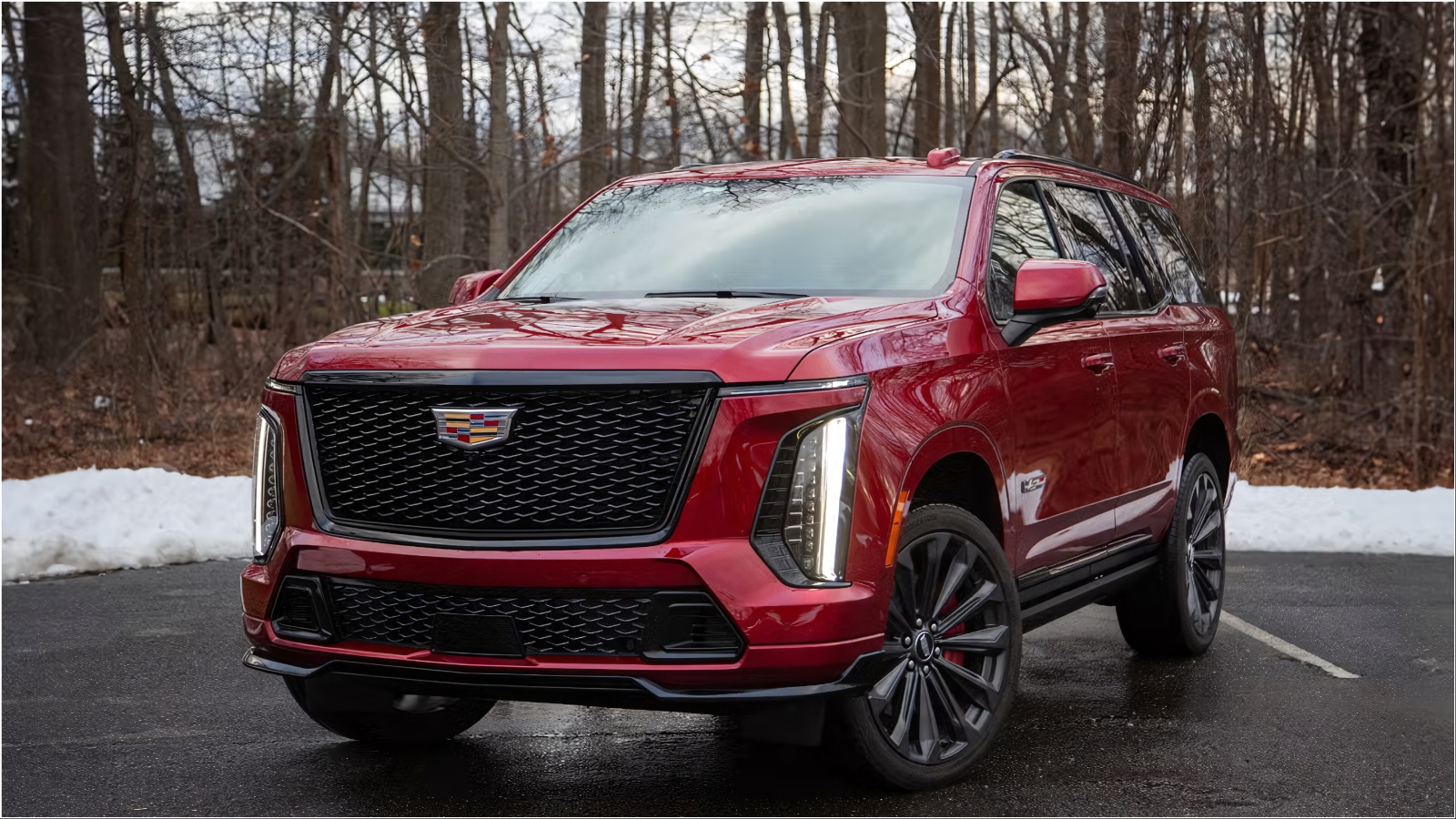
Cadillac’s engineers specifically tune the Escalade for isolation, prioritizing a hushed, cushioned experience that suits its role as a flagship rather than a performance SUV. Thick sidewall tires on the base wheel sizes further absorb small imperfections before they reach the suspension at all.
The long wheelbase, especially on the ESV variant, helps smooth out pitching motions over successive bumps, a common trait among vehicles that rank highly for comfort.
Extensive sound deadening throughout the floor and doors also reduces the perception of harshness, since a quiet cabin makes even minor jolts feel less intrusive. For buyers hauling families across neglected city streets or rural roads, the Escalade delivers a genuinely plush ride without giving up all-weather capability.
5. Lexus LS
Lexus built its reputation on hushed, cushioned rides, and the flagship LS still exemplifies that philosophy. Adaptive Variable Suspension continuously adjusts damping force at each corner, softening for rough pavement while keeping the long sedan’s body motions controlled.
Lexus engineers pay particular attention to secondary ride, the small, high-frequency vibrations transmitted through expansion joints and rough asphalt, using extensive underbody sound insulation and multi-layer glass to keep them from reaching occupants.
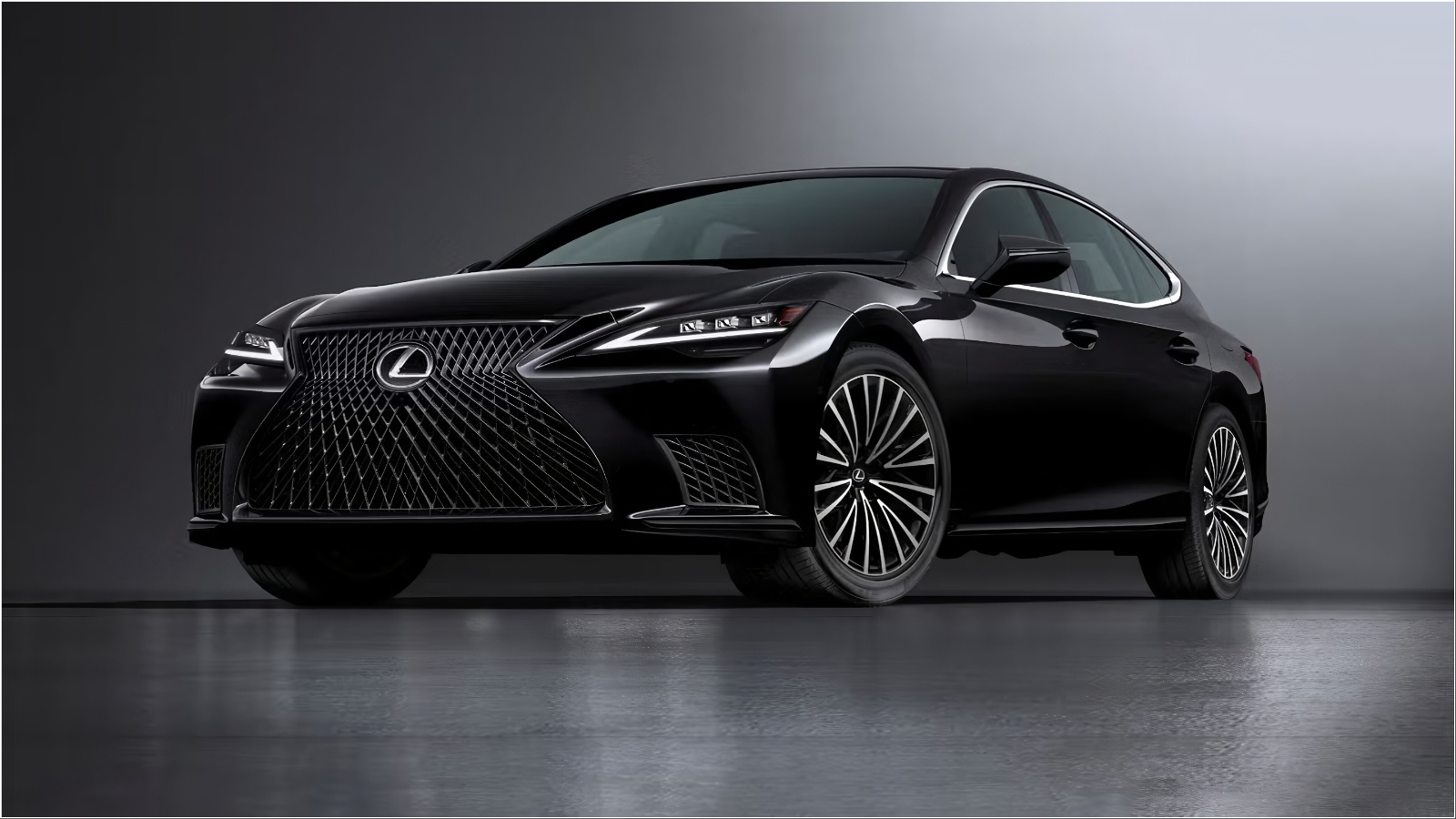
The LS’s air suspension, available on higher trims, further smooths out larger impacts like potholes by automatically adjusting ride height and stiffness. Seats designed with input from traditional Japanese craftsmanship add another layer of cushioning, distributing pressure evenly so bumps feel less like jolts and more like gentle nudges.
The brand’s obsessive attention to noise, vibration, and harshness reduction means the LS often feels smoother than its suspension hardware alone would suggest, since a quiet, vibration-free cabin changes how harshness is perceived.
Despite offering sportier Dynamic Handling packages, the standard LS remains tuned toward comfort first, prioritizing a serene ride over broken city streets and highway expansion joints over ultimate cornering grip.
6. Citroën C5 (Hydropneumatic Suspension)
Few systems in automotive history are as devoted to ride comfort as Citroën’s hydropneumatic suspension, and the C5 carries that legacy forward. Instead of conventional springs, the system uses pressurized nitrogen spheres and hydraulic fluid to support the car, allowing it to self-level and absorb impacts with a fluidity that steel springs simply can’t match.
Owners and reviewers have long described the sensation as “floating” over rough roads, with potholes and expansion joints producing a soft, rounded motion rather than a harsh jolt. The suspension automatically adjusts ride height based on load and speed, keeping the car composed even when heavily laden on bumpy rural roads.
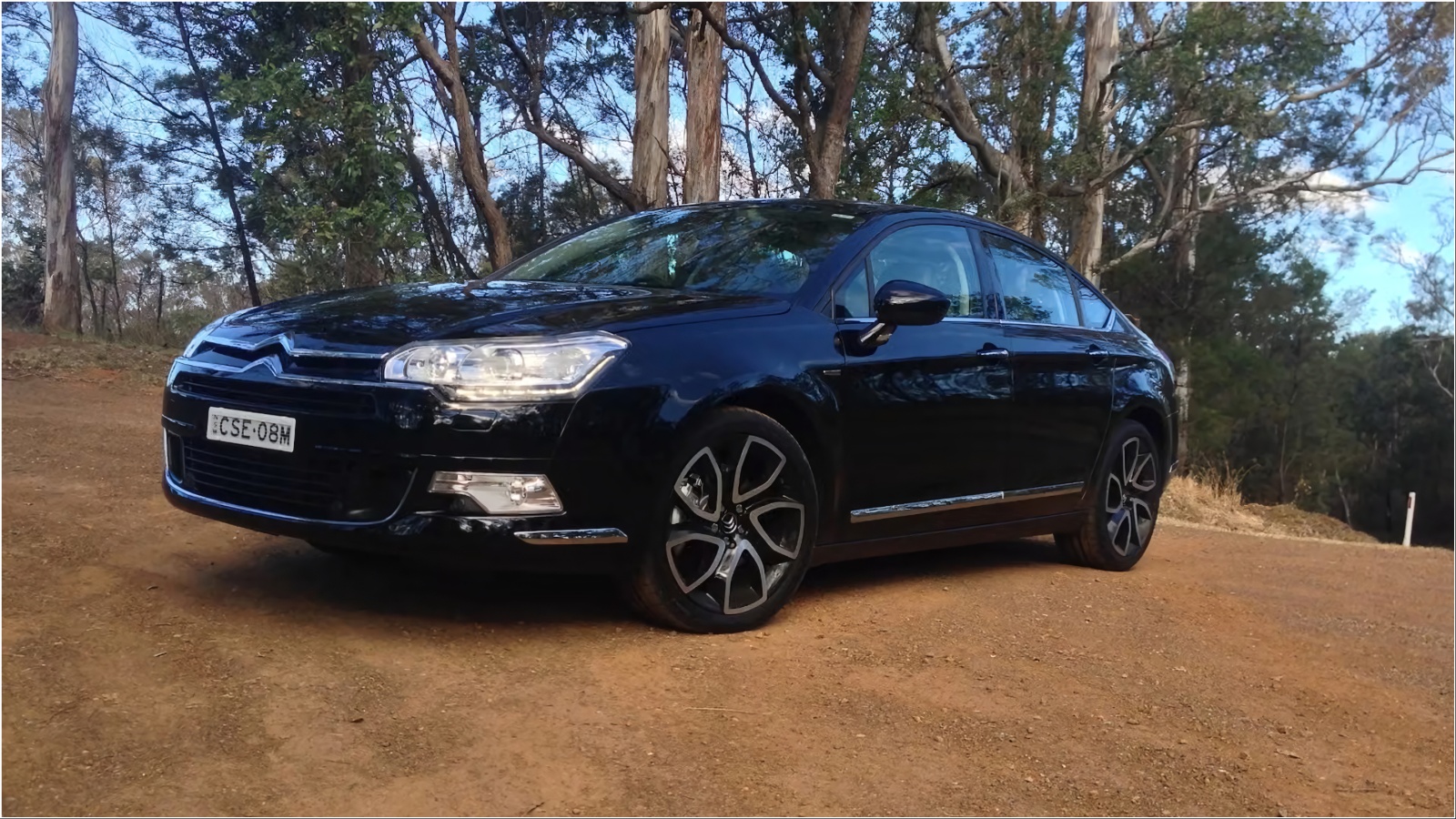
This system traces back to Citroën models like the DS and Xantia, both celebrated for ride quality that rivaled cars costing many times more. The C5’s version continues that tradition, prioritizing isolation and comfort over the sharper, more connected feel favored by German rivals.
While later Citroën models moved toward more conventional or hybrid setups, the hydropneumatic-equipped C5 remains a favorite among comfort enthusiasts specifically because it treats broken pavement as something to be absorbed and smoothed rather than merely dampened.
7. Buick LaCrosse (Avenir)
Buick has quietly built a reputation for delivering near-luxury ride comfort at a more accessible price, and the LaCrosse, particularly in Avenir trim, is a strong example. Its suspension is tuned specifically for a soft, relaxed feel, favoring compliance over the tighter, sportier calibration many competitors chase.
Buick’s HiPer Strut front suspension reduces torque steer while allowing softer spring rates, letting the car absorb bumps without sacrificing straight-line stability. Thick seat padding and a quiet cabin, aided by active noise cancellation on higher trims, further soften the perceived impact of rough roads.
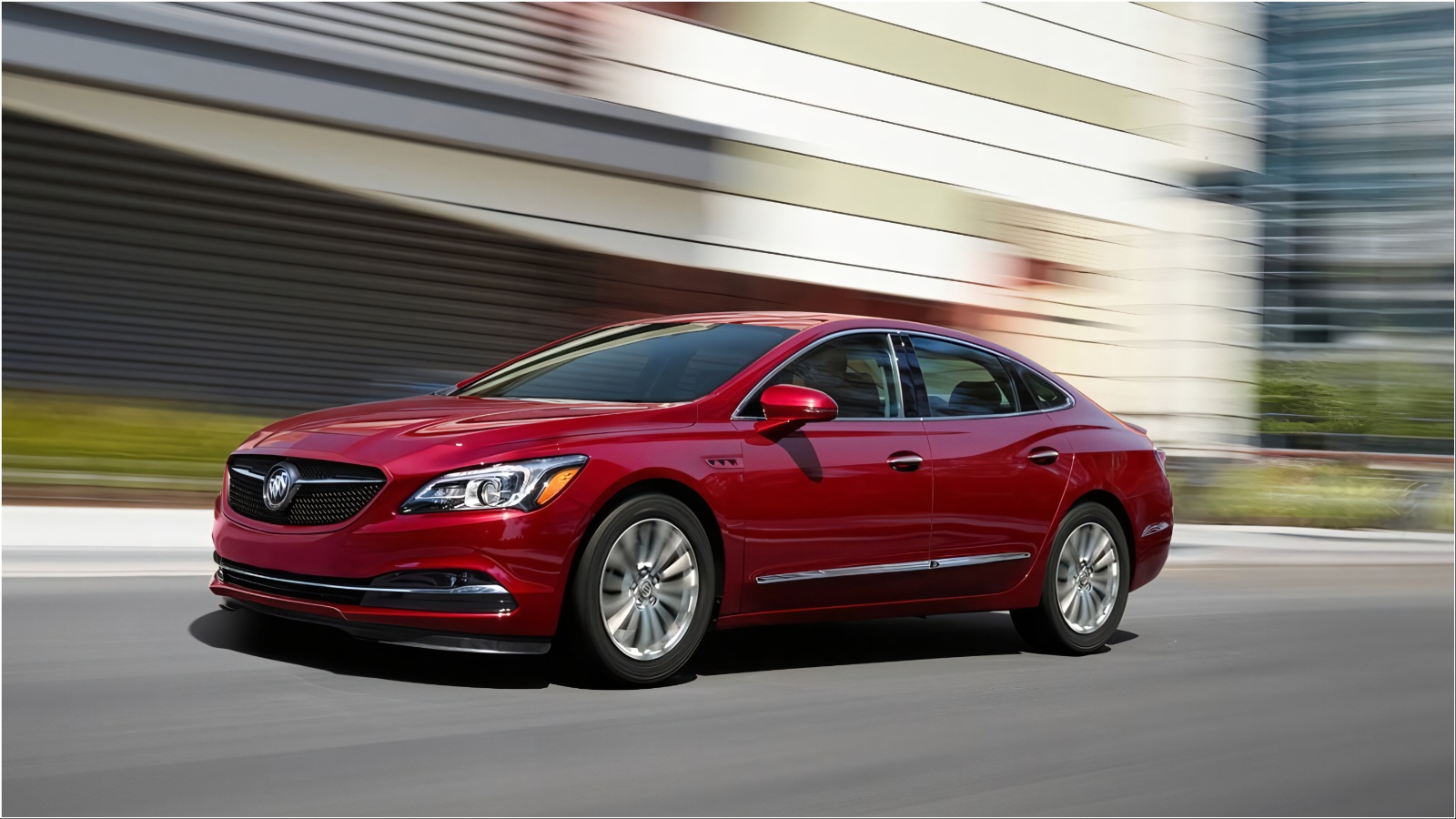
The LaCrosse’s longer wheelbase relative to its footprint helps minimize pitching over successive bumps, a trait shared with other comfort-focused sedans on this list. Consumer Reports and other independent testers have repeatedly praised Buick models for delivering ride quality that punches above their price class, sometimes rivaling cars costing twice as much.
While the LaCrosse has since been discontinued in the U.S. market, used examples remain popular precisely because they combine a cushioned, wafting ride with everyday practicality. For buyers seeking softness over broken pavement without a luxury price tag, the LaCrosse Avenir remains one of the best values in ride comfort.
8. Genesis G90
Genesis entered the ultra-luxury sedan segment determined to out-comfort established rivals, and the G90 largely succeeds. Its Preview Electronic Control Suspension uses a front camera to scan the road ahead, adjusting damping at each wheel before a bump is even reached, similar in concept to systems used by far more expensive German flagships.
This proactive approach lets the G90 soften for potholes and expansion joints while keeping the body flat and controlled afterward. Air suspension is standard on upper trims, allowing continuous ride-height and stiffness adjustments that further isolate occupants from broken pavement.
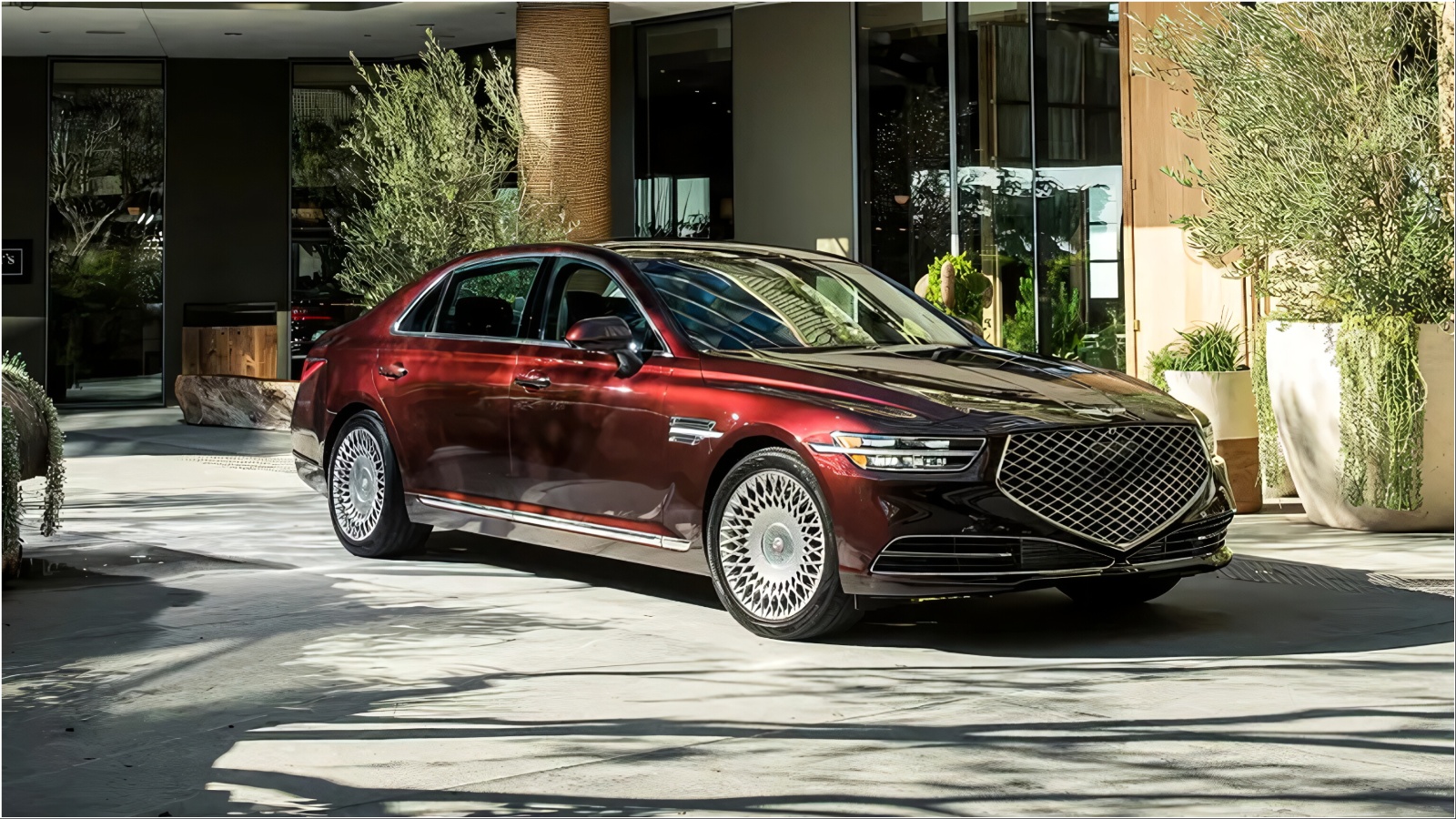
Genesis pairs this hardware with extensive sound insulation and laminated acoustic glass, ensuring that even when the suspension is working over rough roads, the cabin stays hushed enough that harshness feels distant rather than immediate. Rear-seat comfort is a particular focus, with reclining seats and additional cushioning that make the G90 especially pleasant for passengers riding over neglected city streets.
Reviewers have consistently noted that the G90 rides as smoothly as sedans costing considerably more, reflecting Genesis’s deliberate strategy of prioritizing comfort as its key differentiator against more established luxury nameplates.
9. Range Rover
The Range Rover has long balanced serious off-road capability with a ride quality that rivals dedicated luxury sedans, a combination achieved through standard air suspension and adaptive dampers.
The system allows the SUV to raise or lower itself depending on terrain and speed, while continuously adjusting stiffness to absorb everything from highway expansion joints to deeply rutted back roads. Long suspension travel, originally engineered for off-road articulation, doubles as a major asset on broken pavement, since the wheels can move further to soak up impacts before they transmit into the cabin.
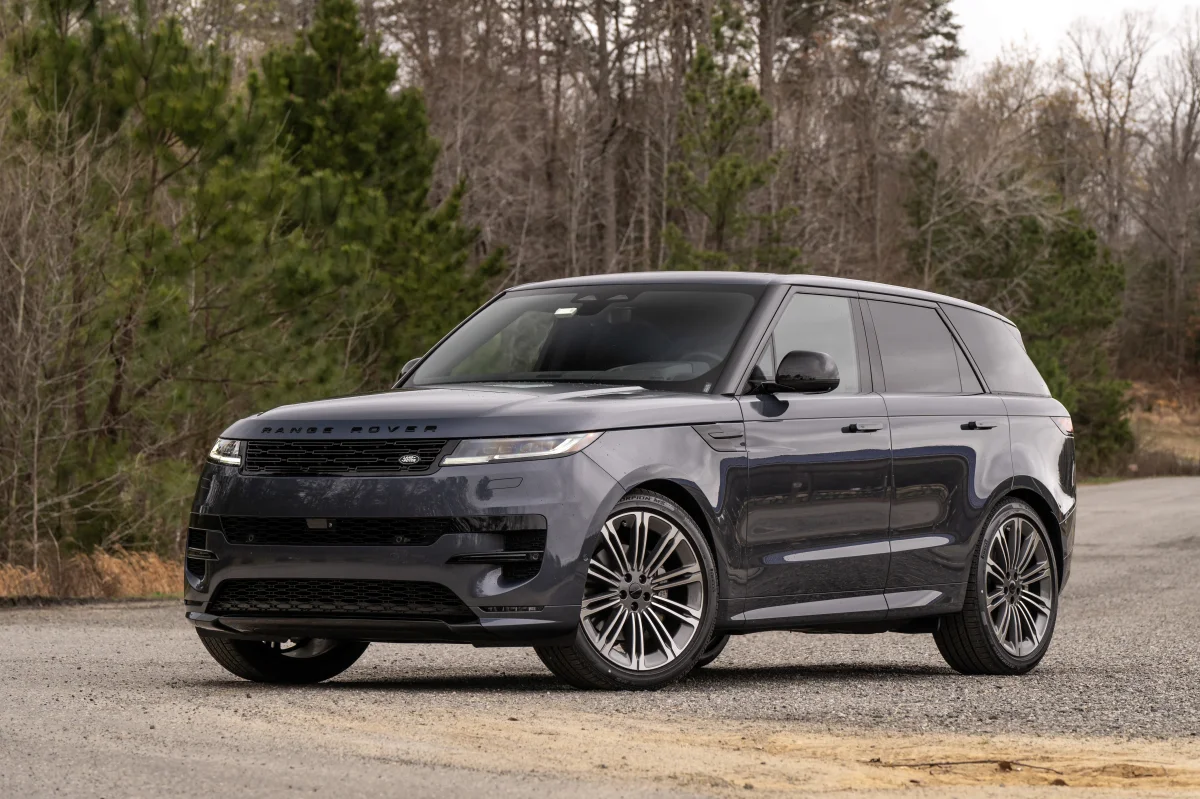
Land Rover’s engineers tune the Range Rover specifically to feel composed and cushioned rather than sporty, reinforcing its identity as a refined, chauffeur-friendly SUV. Thick glass, extensive sound deadening, and cushioned seats further reduce the sense of harshness, so even significant impacts arrive muted and rounded off.
The long wheelbase on the standard and long-wheelbase variants helps minimize pitching over successive bumps, a trait common among the softest-riding vehicles on this list. For buyers who need genuine off-road ability alongside a plush daily ride, few vehicles balance those demands as successfully as the Range Rover.
10. Toyota Avalon
Rounding out the list, the Toyota Avalon proves that a soft, comfortable ride doesn’t require a luxury badge or an air suspension system. Its conventional coil-spring setup is deliberately tuned toward compliance, prioritizing a smooth, relaxed ride over sharp handling responses.
Generous sidewall height on its standard wheel sizes helps absorb small road imperfections before they even reach the suspension, while a long wheelbase for its class reduces pitching motions over successive bumps.
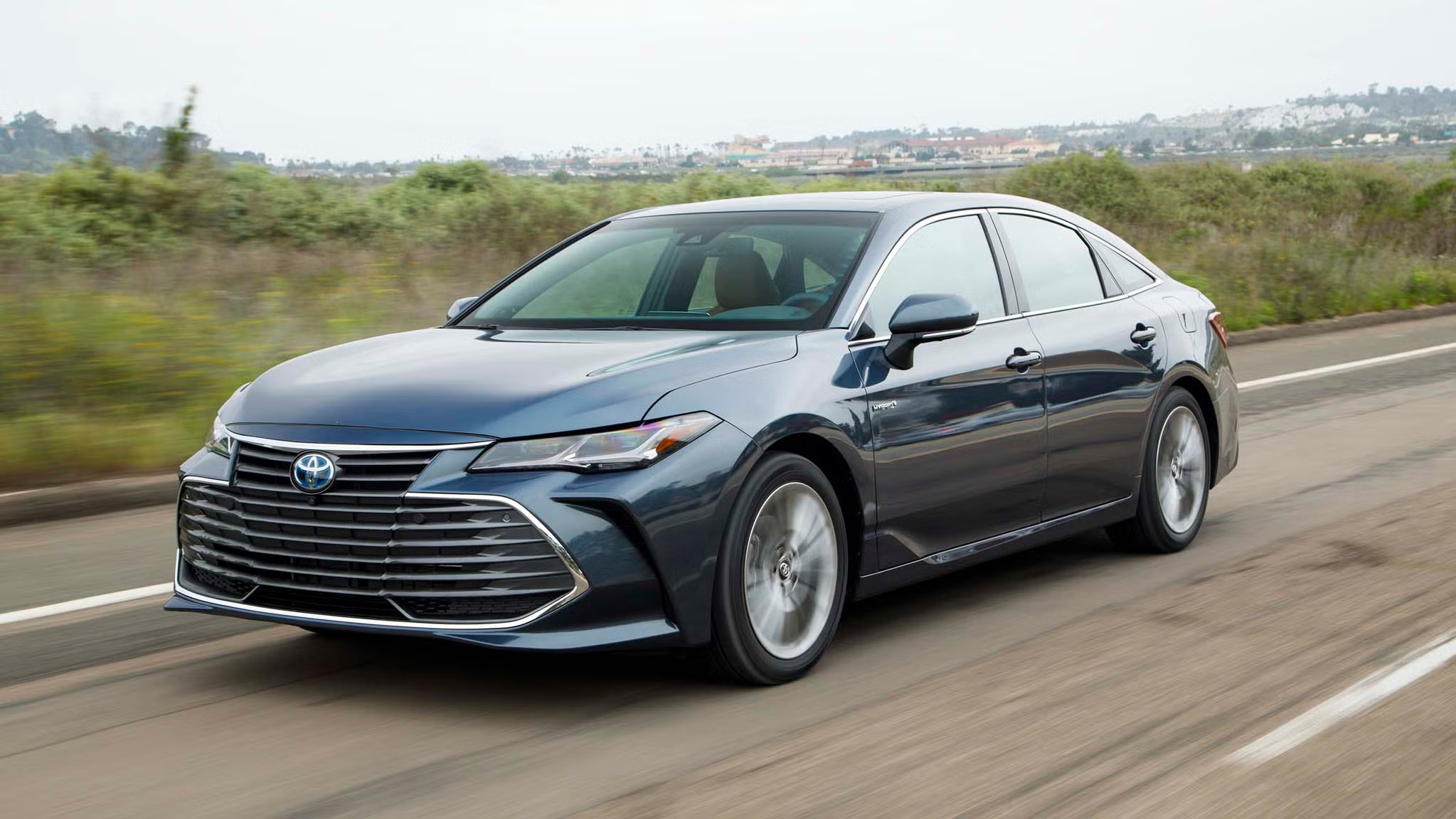
Toyota’s engineers focused heavily on noise, vibration, and harshness reduction throughout the Avalon’s development, using thick carpeting, additional sound insulation, and cushioned seats to blunt the impact of rough pavement. The result is a full-size sedan that consistently earns praise from testers and owners alike for delivering a genuinely cushioned ride at a mainstream price point.
While the Avalon has since been discontinued in North America, used examples remain sought after specifically for this trait, especially among buyers who prioritize comfort on daily commutes over neglected city streets. It’s proof that softness over broken roads is achievable without exotic hardware.
