
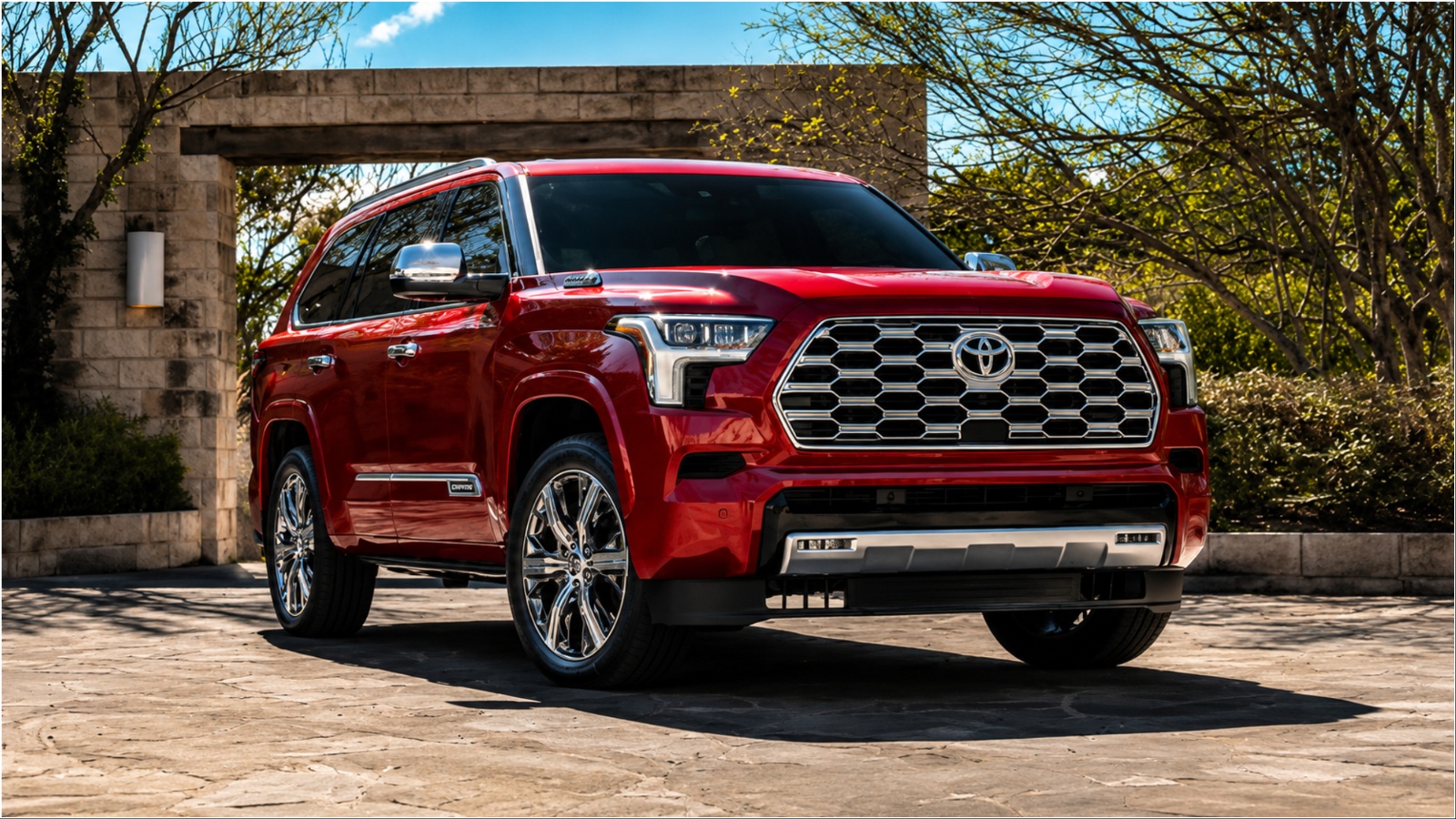
Buying the loaded version of an SUV feels great on delivery day, right up until trade-in time arrives and the dealer’s offer doesn’t match what you paid for all those extra badges and upgraded seats. Most premium trims lose value just as fast as the base model, sometimes faster. A handful of SUVs break that pattern completely.
Buyers keep chasing these vehicles used because of a reputation built on toughness, performance, or genuine off-road ability rather than just a longer options list. This list rounds up eight SUVs whose top trims are worth watching closely if you care about what your money looks like five years down the road, ranked by how well the model as a whole holds its value.
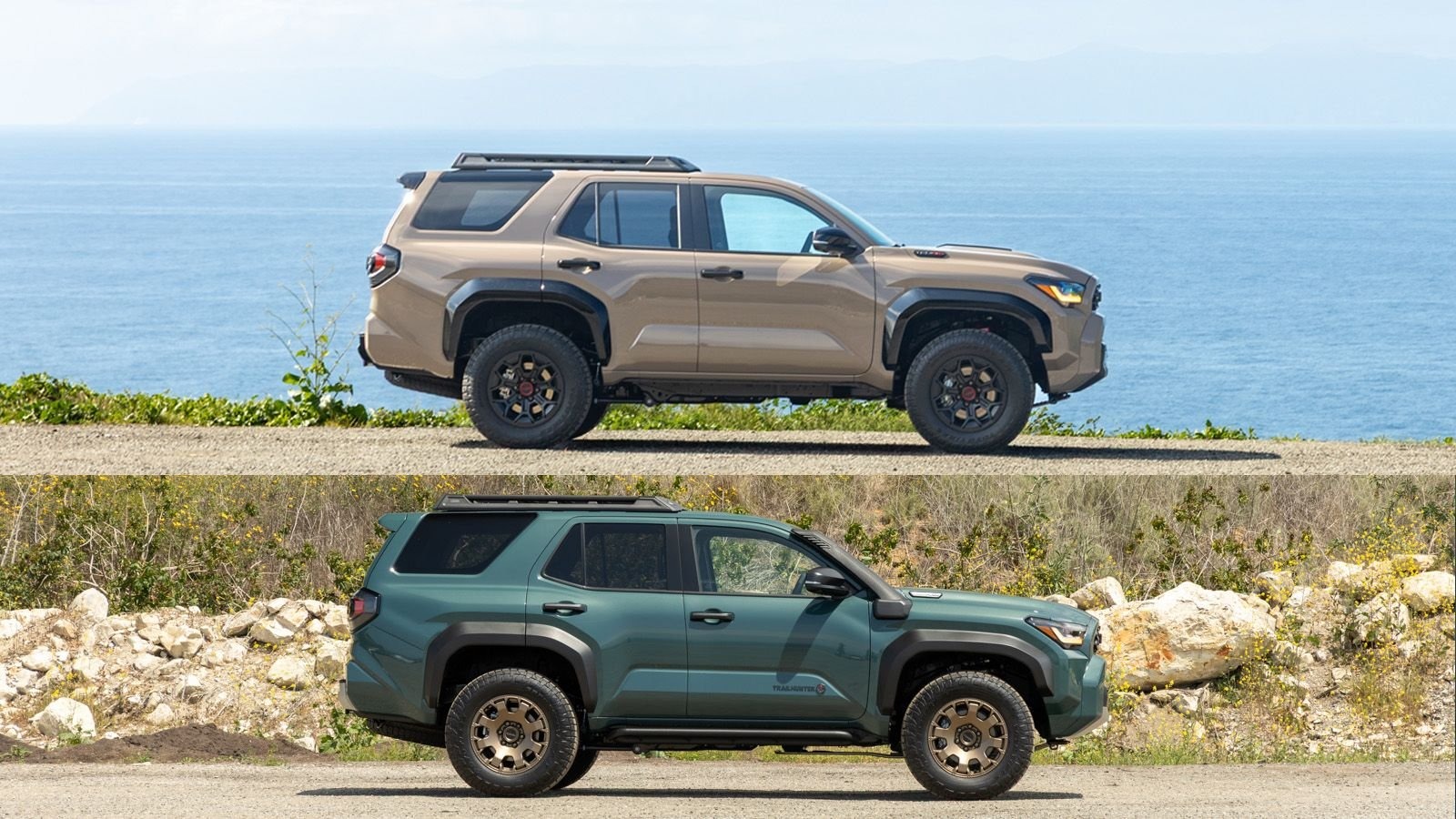
1. Toyota 4Runner – TRD Pro / Trailhunter
Few midsize SUVs hold value the way the 4Runner does. iSeeCars data puts its five-year retention at roughly 74.6 percent, a figure that lands it at the top of its class and leaves most competitors far behind.
Buyers looking at the TRD Pro get specialized off-road hardware built for serious trail use, while the newer Trailhunter targets a different crowd entirely: people who want a factory-built platform ready for overlanding without aftermarket modifications.
Both versions cost considerably more than a standard 4Runner when new, and both carry a reputation that used buyers actively seek out rather than avoid.
Part of what drives this demand comes down to trust. Toyota’s reliability record with the 4Runner spans decades, and buyers shopping the used market know exactly what they’re getting into.
A body-on-frame platform, proven mechanical components, and a track record of vehicles running well past 200,000 miles all play into that trust. It’s worth being clear about one thing. The 74.6 percent figure reflects the 4Runner lineup as a whole, not a number pulled specifically from TRD Pro or Trailhunter sales data.
Trim-specific resale numbers aren’t widely published, so buyers should treat this as a strong signal rather than a guaranteed outcome for one particular configuration.
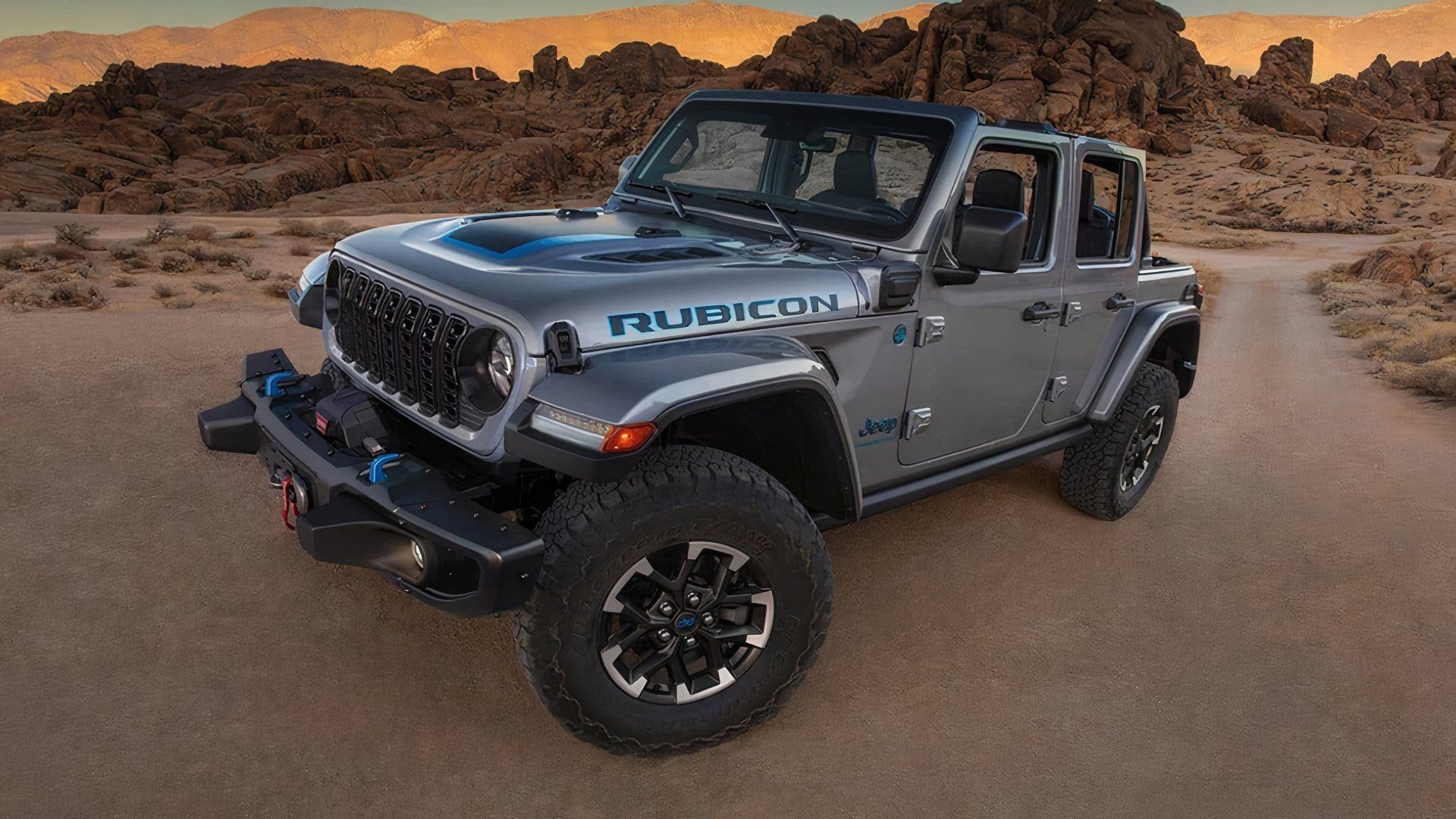
2. Jeep Wrangler – Rubicon
Jeep built a reputation around one thing: going places other vehicles simply can’t. That reputation translates directly into resale strength. According to iSeeCars, the Wrangler retains close to 68.0 percent of its value after five years, a number that places it among the strongest performers in its segment.
Enthusiast demand plays a massive role here, and the Rubicon trim sits right at the center of that demand. Buyers shopping for a Rubicon aren’t paying for heated cup holders or ambient lighting.
They’re paying for locking differentials front and rear, specialized axles built to handle abuse, and a suspension setup designed around rock crawling rather than highway comfort.
That kind of purpose-built equipment doesn’t disappear once a vehicle changes hands. Someone shopping the used market for serious trail capability still wants those locking diffs and beefed-up axles, which keeps demand steady even years after the original purchase.
Jeep’s brand culture adds another layer few manufacturers can replicate. Wrangler owners tend to modify, wave at each other on the highway, and stay loyal to the badge across multiple purchases. That kind of community involvement supports resale in ways that spreadsheets alone can’t fully capture.
As with the 4Runner, the 68.0 percent figure applies to the Wrangler lineup broadly. Rubicon-specific resale data isn’t separately tracked in most public studies, so the number should be read as an indicator of strength across the model rather than a locked-in promise for one trim.
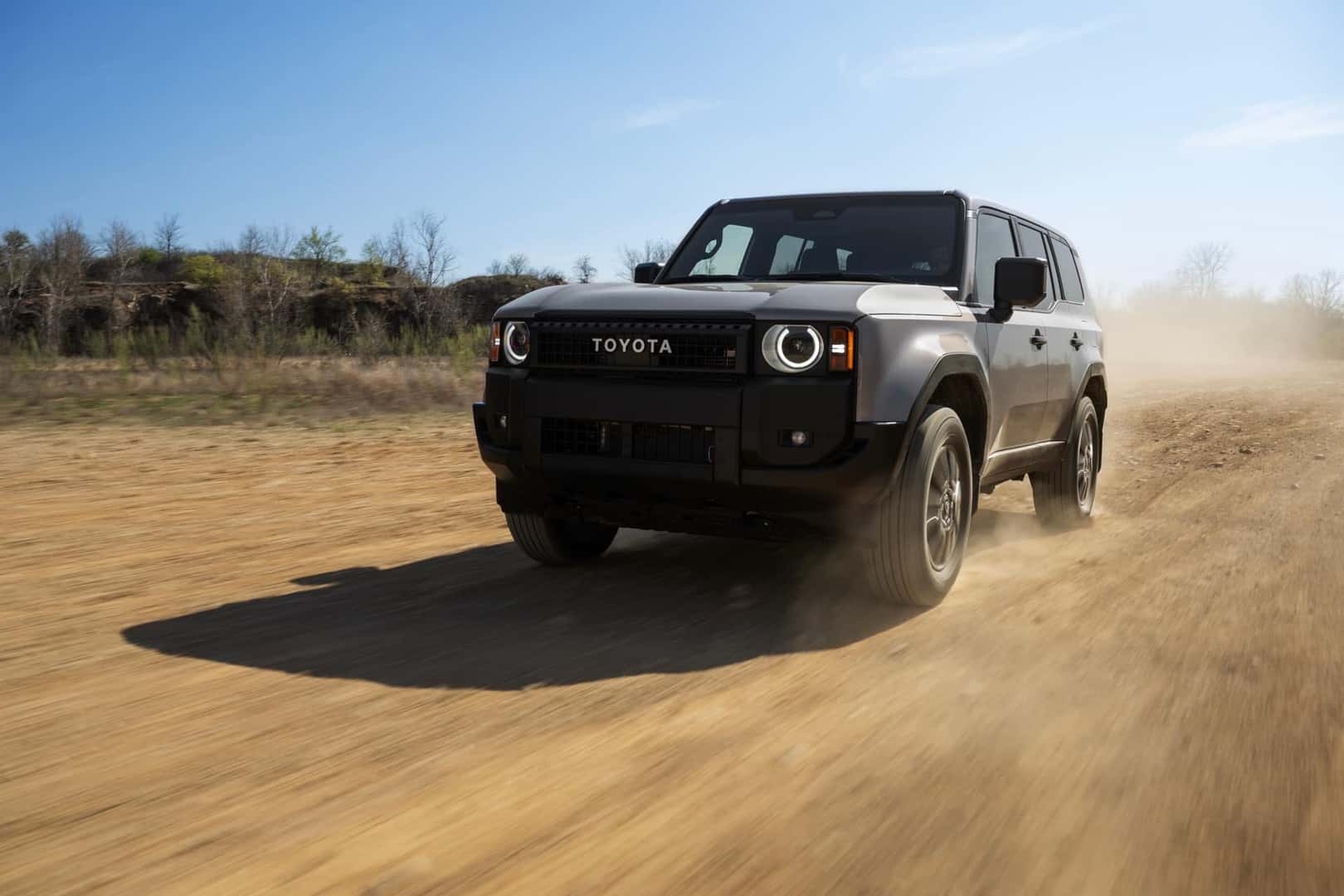
3. Toyota Land Cruiser – Land Cruiser / 1958
Toyota’s Land Cruiser name has earned plenty of respect among SUV buyers. For decades, the model has been built with durability and long-term use in mind, helping it maintain a strong reputation among owners.
According to iSeeCars, the Land Cruiser retains about 68.9 percent of its value after five years, giving it the highest position among large SUVs in its category.
A major reason for that resale strength is that the Land Cruiser offers more than upscale materials and a premium badge. Its appeal comes from Toyota’s long history of building vehicles designed to handle demanding driving conditions.
That reputation has also helped the model gain a strong following in different markets, where owners value its durability, dependable mechanical parts, and ability to handle difficult roads.
Buyers can choose between two distinct versions of the current Land Cruiser. The regular Land Cruiser trim is aimed at people who want a capable SUV that still works well for daily driving.
The 1958 trim takes a simpler approach, with fewer luxury touches and a lower starting price. Although their equipment levels differ, both versions carry the same well-known Land Cruiser name.
It is important not to treat the 68.9 percent figure as a guaranteed result for either trim. The figure represents resale performance for the Land Cruiser model as a whole. Actual value will depend on factors such as mileage, condition, maintenance history, location, and market demand when the vehicle is sold.
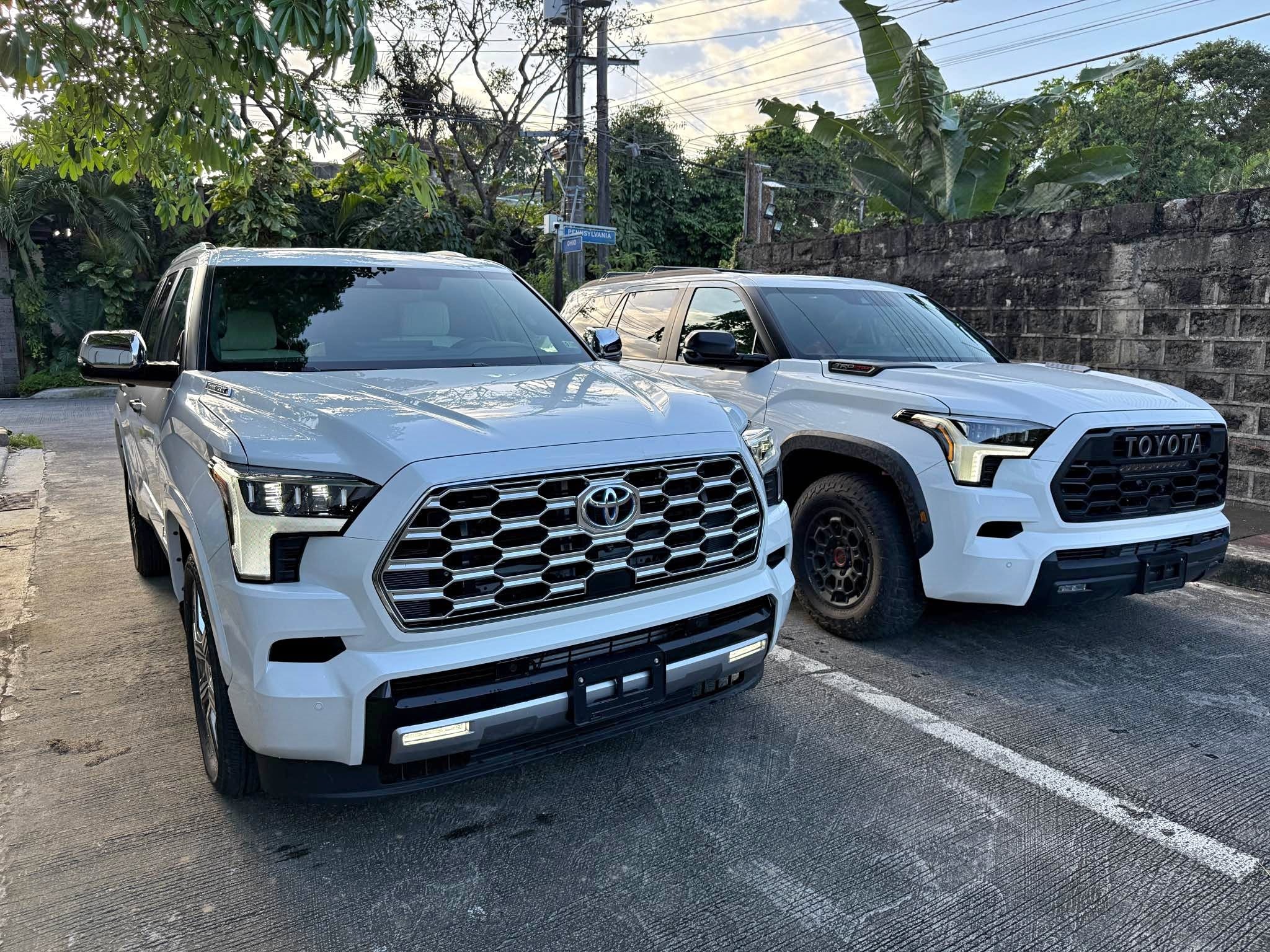
4. Toyota Sequoia – Capstone / TRD Pro
Full-size SUVs typically struggle with depreciation, weighed down by high purchase prices and limited buyer pools. The Sequoia manages to sidestep that trend fairly well. iSeeCars data shows roughly 67.7 percent five-year value retention, placing it second among large SUVs in its rankings.
Two trims anchor opposite ends of what Sequoia buyers are looking for. The Capstone pushes toward luxury, loading the cabin with premium materials and comfort-focused features aimed at buyers who want a full-size SUV that feels closer to a luxury flagship.
The TRD Pro takes the opposite path, focusing on off-road capability with upgraded suspension components and rugged styling cues borrowed from Toyota’s truck lineup.
That range matters for resale. A used Sequoia buyer might be chasing family-hauling luxury or trail capability, and having both options under one badge widens the pool of interested shoppers considerably compared to SUVs built around a single identity.
Under the hood, the i-FORCE MAX hybrid powertrain gives the Sequoia another major advantage. It delivers better fuel economy than many conventional full size gas engines while still maintaining the towing capability expected from a large SUV.
That combination appeals to buyers who want size and capability without the fuel costs typically associated with vehicles this large. Just like the other entries here, the 67.7 percent figure applies to the Sequoia lineup in general use, not isolated numbers pulled from Capstone or TRD Pro sales specifically.
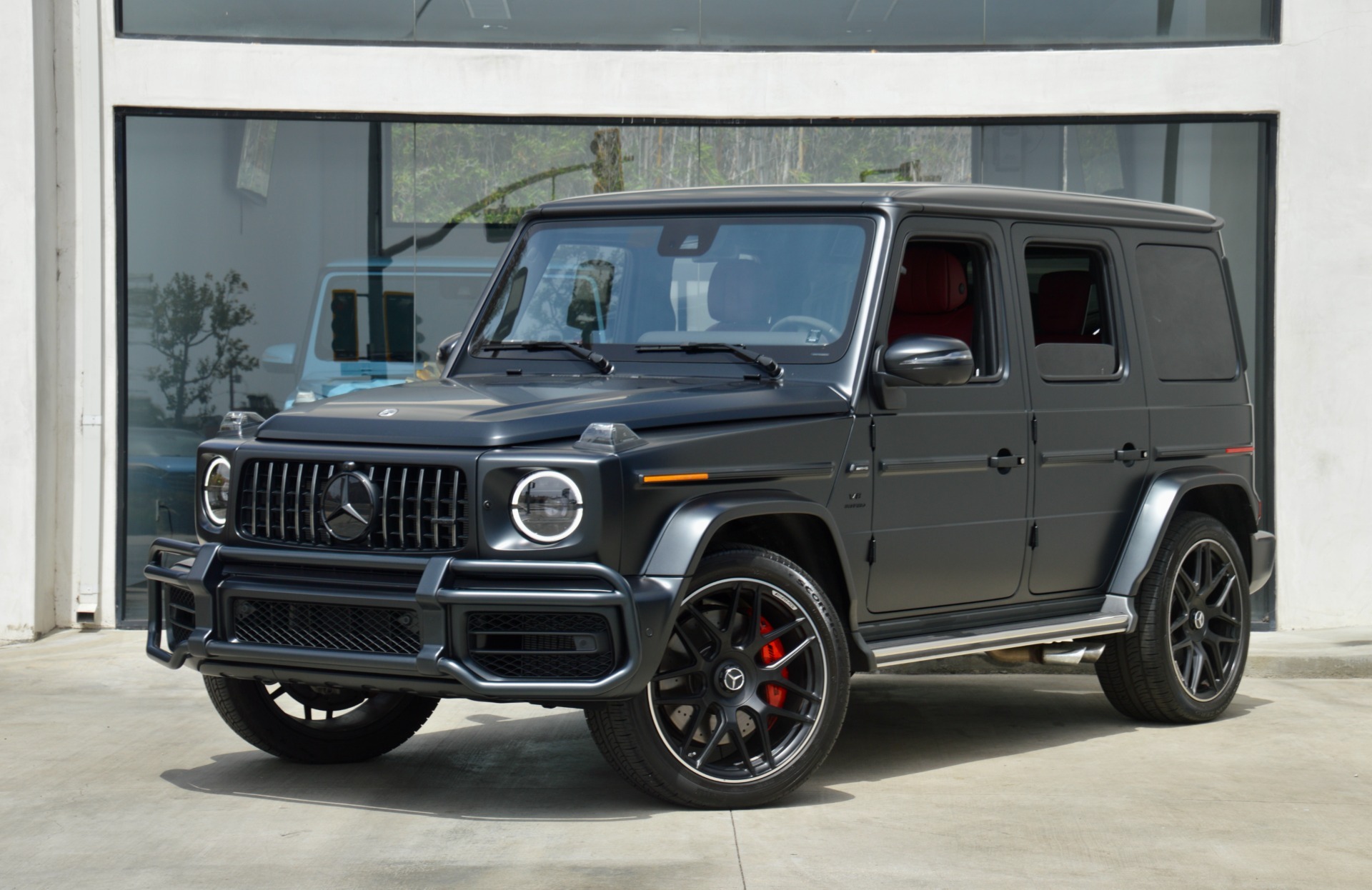
5. Mercedes-Benz G-Class – AMG G 63
Luxury SUVs usually depreciate hard and fast. The G-Class breaks that mold almost entirely. iSeeCars estimates around 65.3 percent five-year value retention, a figure that would be impressive for a mainstream SUV and borders on remarkable for something wearing a luxury badge with a price tag to match.
Boxy styling that hasn’t fundamentally changed in decades gives the G-Class an identity almost nothing else on the road shares. That distinctiveness matters more than people expect. Owners aren’t just buying transportation. They’re buying a shape recognized instantly, tied to a badge synonymous with exclusivity.
The AMG G 63 sits at the performance peak of the lineup, pairing that unmistakable silhouette with serious horsepower and a level of exclusivity that keeps demand high even on the used market. Buyers shopping for a G 63 tend to know exactly what they want and are willing to pay for it, whether new or used.
None of this guarantees profit on resale. Depreciation still depends heavily on mileage, condition, how the vehicle was optioned, and the price paid at purchase. A heavily used G 63 with rough maintenance history won’t defy market logic just because of the badge.
The 65.3 percent figure reflects the G-Class model as a whole rather than isolated AMG G 63 transaction data, so treat it as a strong signal about the platform’s reputation rather than a locked outcome for this specific trim.
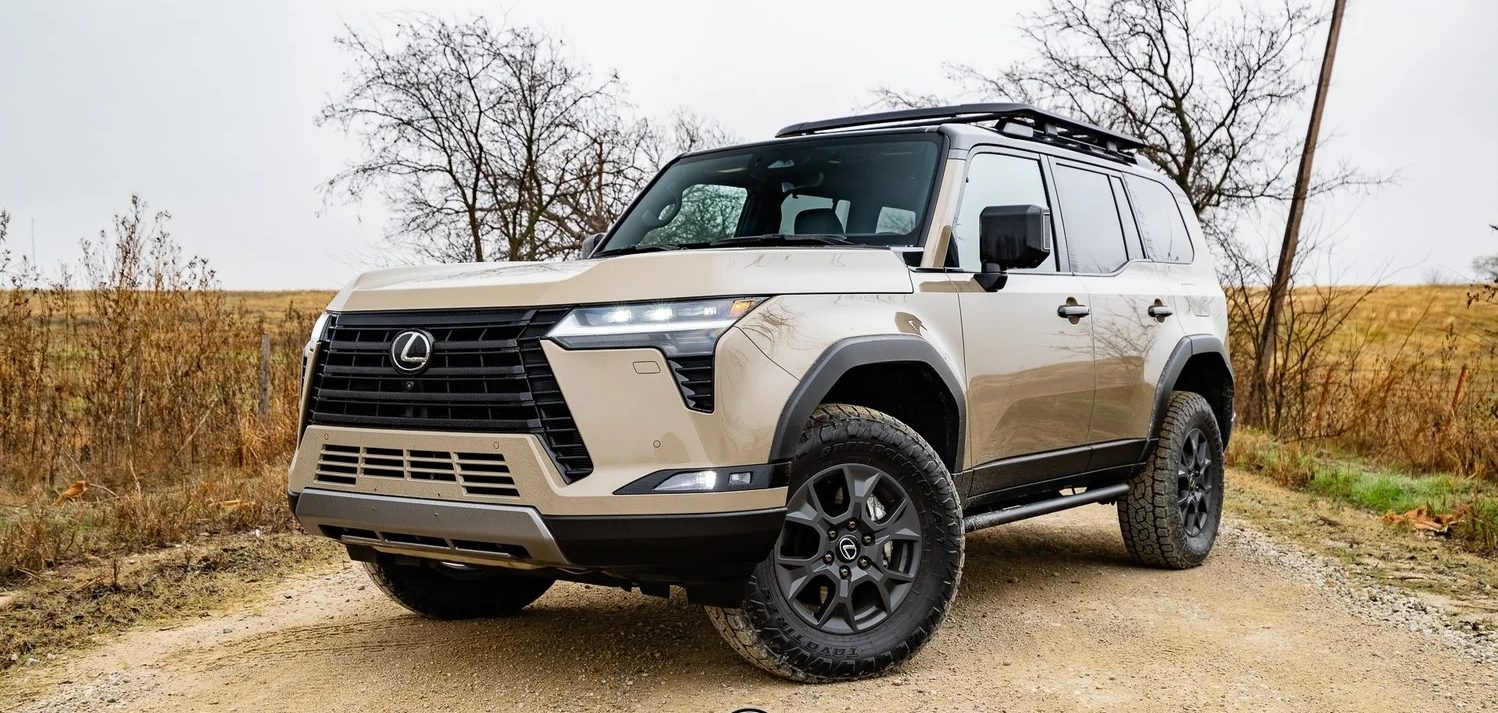
6. Lexus GX – Overtrail+
Lexus has long been associated with comfort, quiet rides, and premium interiors, but the GX 550 shows that the brand can also build a serious off-road SUV. According to iSeeCars, the model keeps about 64.5 percent of its value after five years, placing it among the stronger performers in the luxury midsize SUV segment.
One version that deserves attention is the Overtrail+. Rather than simply adding cosmetic touches, Lexus gives this trim equipment designed for demanding off-road driving.
It combines that capability with the comfortable interior and refined driving experience expected from Lexus. For buyers who want an SUV that can handle rough roads while still feeling comfortable during everyday trips, this combination makes plenty of sense.
The balance is not easy for every manufacturer to achieve. Some off-road models focus heavily on durability and trail ability, while giving less attention to cabin comfort.
Luxury SUVs often take the opposite approach, offering plush interiors without adding the hardware needed for serious off-road use. The Overtrail+ attempts to bring both qualities together in one package.
Since the Overtrail+ is still relatively new, there is not enough long-term resale information to give it a separate five-year retention figure. The 64.5 percent figure covers the GX 550 lineup as a whole, not just Overtrail+ models.
Therefore, it is better viewed as an early indication of the GX’s resale strength rather than proof of how much a specific Overtrail+ will be worth after five years.
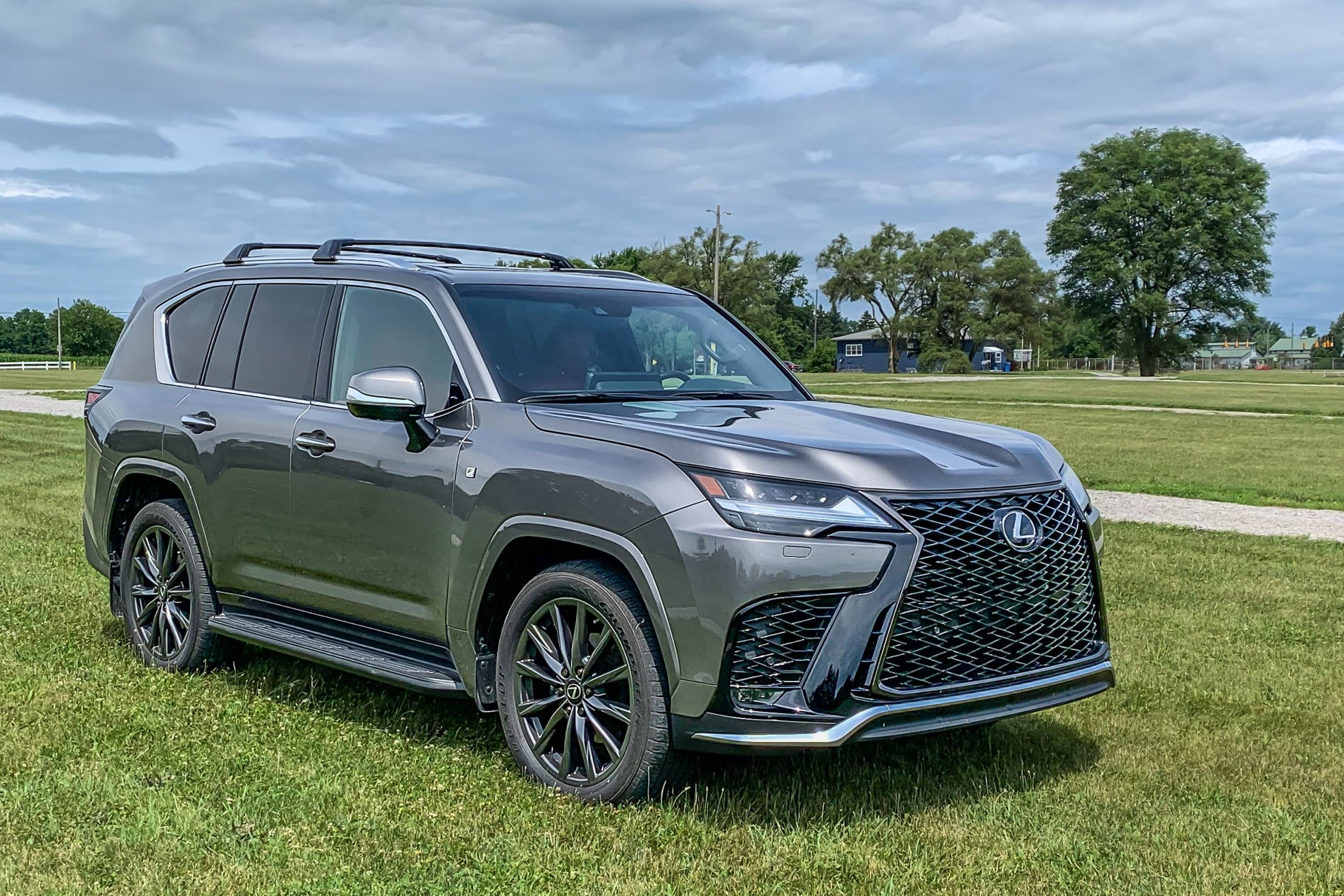
7. Lexus LX – LX 600 / LX 700h
The Lexus LX 600 remains a strong performer among large luxury SUVs, with iSeeCars estimating that it retains about 62.6 percent of its value after five years. That figure places the model close to the leading vehicles in its segment.
Much of the LX’s appeal comes from what sits beneath its luxurious cabin. Although the SUV offers premium materials, advanced technology, and a comfortable interior, it also benefits from engineering connected to Toyota’s well-regarded off-road vehicles.
This gives the LX genuine capability on difficult roads while maintaining the comfort expected from a high-end Lexus. Higher versions of the LX add more equipment for buyers who want a richer experience.
Depending on the trim, customers can get upgraded sound systems, additional technology, and other premium features. The LX 700h also brings a hybrid powertrain, giving buyers another choice while retaining the SUV’s strong capability.
Lexus’ reputation for reliability also helps support the LX in the used vehicle market. Many buyers are willing to pay more for a luxury SUV when they believe it can provide dependable service for years.
Combining that reputation with strong off-road ability gives the LX an advantage over luxury models that focus mainly on comfort and appearance. It is worth keeping the 62.6 percent figure in perspective. iSeeCars’ number covers the LX lineup rather than measuring individual trims separately.
Therefore, it should not be treated as a guaranteed resale figure for either the LX 600 or LX 700h. Actual resale prices will depend on mileage, condition, maintenance, options, and market demand when the vehicle is sold.
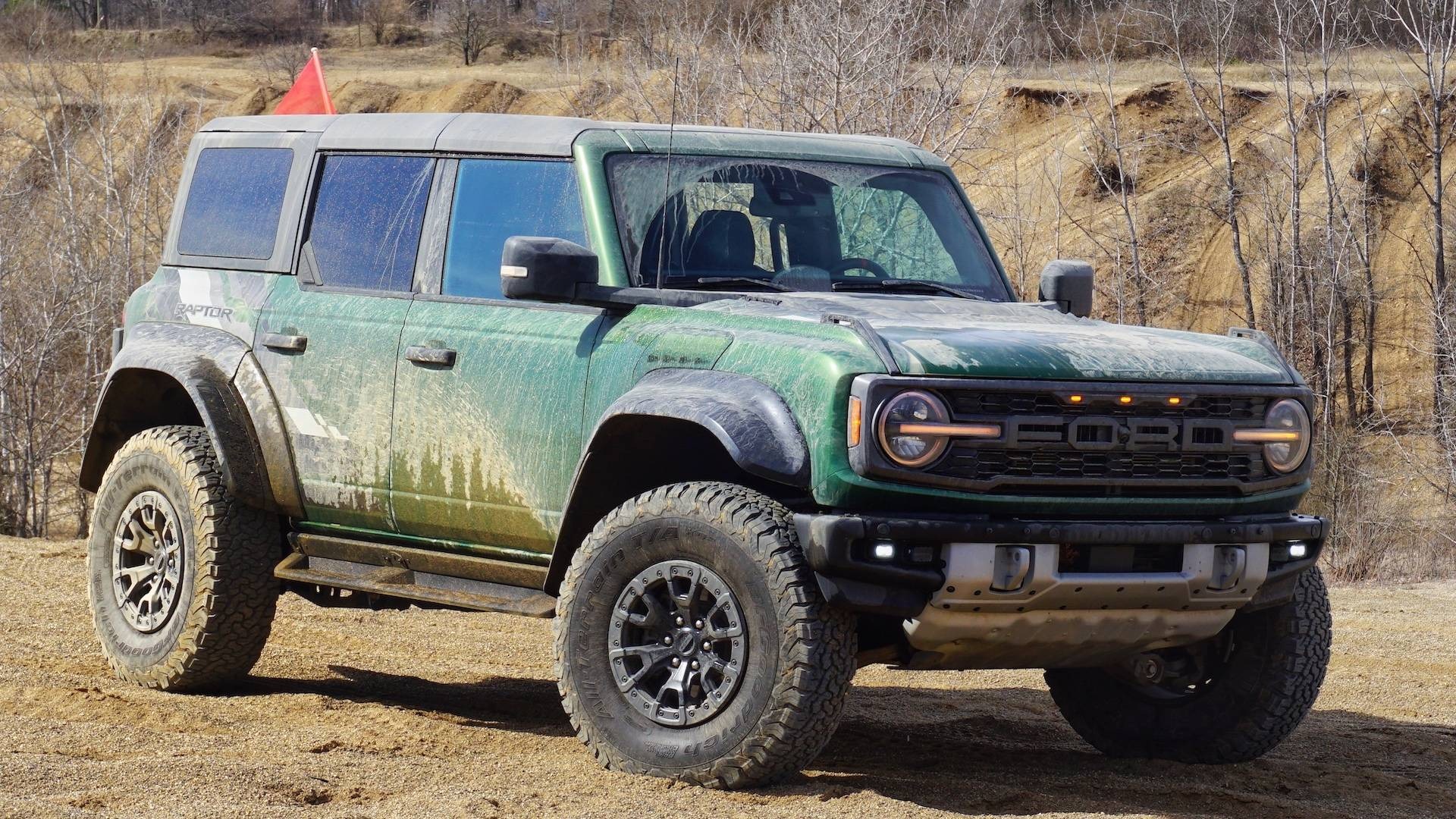
8. Ford Bronco – Raptor
Closing out the list, the Bronco holds approximately 57.4 percent of its value after five years according to iSeeCars data, a solid number even though it trails the other SUVs mentioned here.
Enter the Bronco Raptor, and everything about the equation changes. Wider body panels, a heavily upgraded suspension system, and dramatically increased off-road capability separate this trim from the rest of the Bronco lineup by a wide margin.
It’s built less like an accessory-loaded trim and more like a purpose-built machine aimed squarely at enthusiasts who want serious performance both on and off pavement.
That level of specialization tends to attract a dedicated buyer pool, the kind of shopper who understands exactly what a Raptor badge represents and is willing to pay accordingly on the used market.
Limited production numbers relative to standard Broncos can add to that appeal as well, since scarcity often plays into desirability among enthusiast crowds.
Here’s where accuracy matters most, though. Claiming the Raptor itself retains somewhere between 60 and 65 percent of its value without trim-specific data would be misleading.
The 57.4 percent figure applies to the Bronco model, and until manufacturers or resale trackers publish numbers isolated to the Raptor trim specifically, buyers should treat that figure as a baseline reference point rather than a confirmed outcome tied directly to this particular configuration.
